
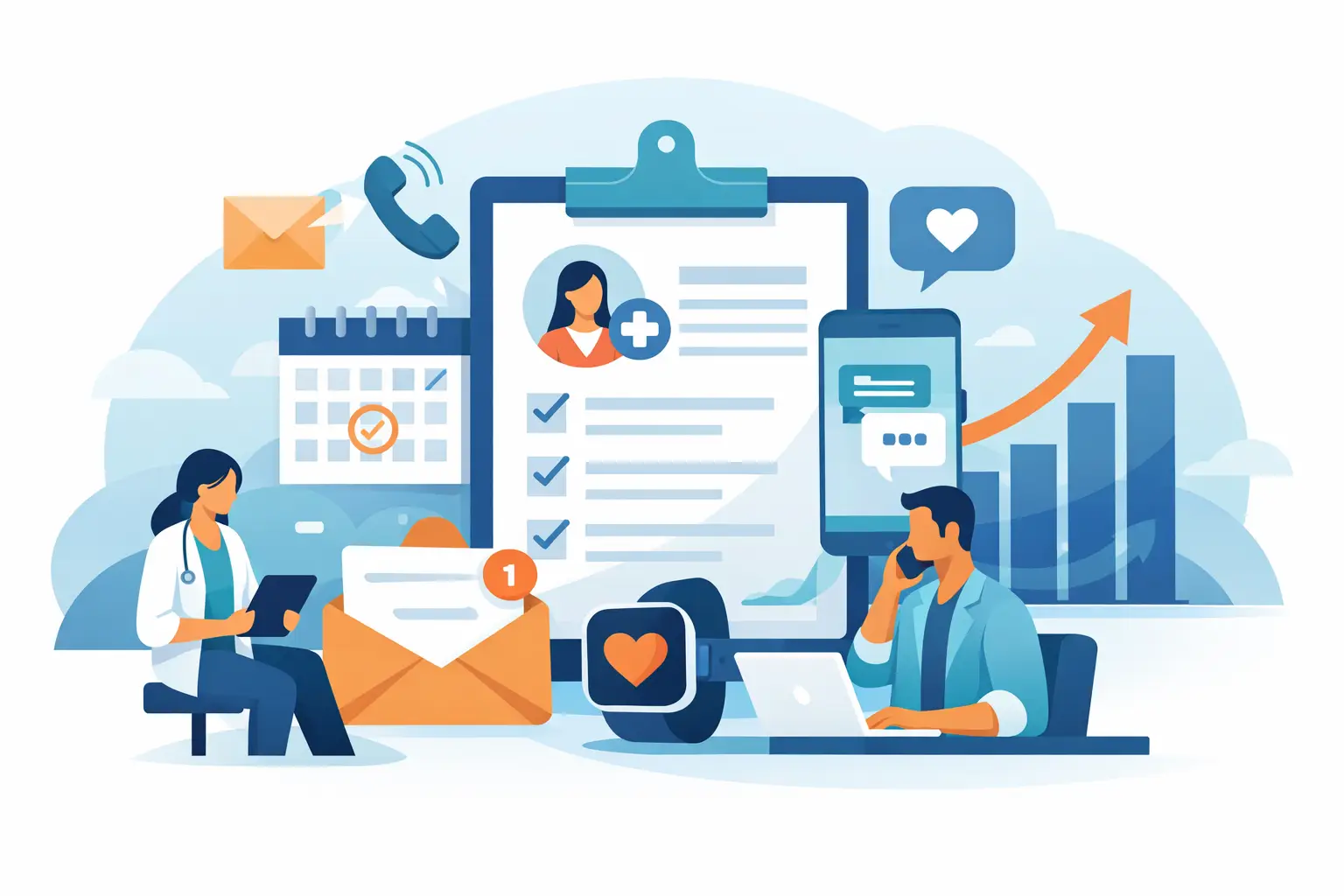
A missed follow-up is rarely just an operational gap. For a hospital, clinic, or international patient department, it can mean lost revenue, lower treatment adherence, weaker patient satisfaction, and preventable drop-off after the first inquiry or procedure. That is why choosing the best patient follow up tools is not just a software decision. It is a growth decision.
For healthcare leaders, the real question is not whether follow-up matters. It is which tools can support timely outreach, protect patient experience, and help teams convert more leads into booked consultations and more procedures into long-term relationships. For medical tourism programs, the stakes are even higher because follow-up often spans countries, time zones, languages, and post-treatment coordination.
What makes the best patient follow up tools worth using
The strongest platforms do more than send reminders. They help organizations manage the full patient journey, from first inquiry to post-treatment care. In practice, that means centralizing communication, reducing missed handoffs, and giving staff clear visibility into what happens next.
A good tool should support scheduling reminders, call tracking, SMS or email communication, CRM workflows, and post-visit outreach. A better one also helps with reporting, patient segmentation, lead status management, and team accountability. The best patient follow up tools go one step further by fitting healthcare operations rather than forcing clinical and commercial teams to work around generic software.
That distinction matters. A small outpatient practice may need a lightweight reminder and recall system. A hospital group or international treatment provider usually needs something broader, with sales pipeline tracking, multilingual support, contact center visibility, and integration across marketing, admissions, and aftercare.
1. Healthcare CRM platforms
For organizations focused on patient acquisition and retention, a healthcare CRM is often the foundation. It tracks each lead or patient interaction, assigns ownership, automates follow-up tasks, and records where someone is in the decision process.
This is especially valuable for elective care, high-ticket procedures, and medical tourism, where a patient may not book after the first contact. They may ask about pricing, compare destinations, request physician details, then return weeks later with new concerns. Without a structured CRM, these opportunities go cold quickly.
The trade-off is complexity. A CRM is powerful, but only if teams use it consistently and the workflow is built correctly. If implementation is weak, staff may revert to spreadsheets, inboxes, or disconnected messaging apps. For that reason, healthcare organizations should treat CRM setup as an operational project, not a simple software purchase.
2. Automated appointment reminder systems
Appointment reminders remain one of the most practical follow-up tools because they directly reduce no-shows and cancellations. SMS, email, and voice reminders can prompt patients to confirm, reschedule, or prepare for a visit without adding pressure to front-desk teams.
For many clinics, this is the fastest win. The system is relatively easy to deploy, and the impact is measurable within a short period. If your challenge is attendance rather than lead conversion, reminders may solve a large part of the problem.
Still, reminder tools have limits. They are effective for scheduled care, but less effective for managing leads who have not yet committed. They also do not replace personalized follow-up for complex cases, surgery pathways, or international patients who need travel coordination and reassurance before booking.
3. Patient engagement platforms
Patient engagement software usually combines reminders, two-way messaging, intake forms, surveys, education, and post-visit communication in one environment. This category is useful when the goal is not only operational efficiency, but a better patient experience.
For provider organizations, engagement platforms can improve responsiveness and create a more guided journey. Patients are less likely to feel forgotten between touchpoints, and staff can keep communication more consistent. That matters in specialties where trust influences conversion, such as fertility, bariatrics, cosmetic procedures, orthopedics, and dental tourism.
The challenge is overlap. Some engagement platforms look comprehensive, but lack serious CRM depth or call center management. Others are strong for domestic outpatient workflows, yet less capable when international coordination, document collection, and multilingual communication are involved. Buyers should test whether the platform handles their actual patient journey, not just a standard demo scenario.
4. Contact center and call tracking tools
In healthcare, many high-intent patients still prefer to call. That is why contact center software deserves a place among the best patient follow up tools. It gives teams visibility into missed calls, call outcomes, agent performance, and follow-up timing.
For hospitals and medical tourism programs, this is critical. A patient asking about cardiac surgery abroad or a cosmetic package in Turkey is not just another inbound lead. That patient may need immediate reassurance, transparent next steps, and repeated follow-up before making a decision. If the first call goes unanswered or untracked, conversion risk rises fast.
The right call center tool helps leaders measure response times, script quality, and lead handling across teams. But it should not sit alone. Without CRM integration, valuable call data stays isolated, and managers lose the full picture of patient intent and conversion performance.
5. Two-way SMS platforms
SMS remains one of the most effective channels for follow-up because it is fast, direct, and widely read. Two-way messaging allows staff to confirm appointments, answer simple questions, send payment reminders, and check in after treatment.
This can be particularly effective for international patients who may not answer unfamiliar calls while traveling. A well-timed message often feels more convenient and less intrusive than repeated phone outreach.
That said, SMS should be used carefully. Healthcare communication must stay compliant and professional, and not every issue belongs in a text thread. Sensitive clinical conversations, complex pricing discussions, or emotionally significant treatment decisions usually require a call or secure platform instead.
6. Email automation tools for nurture and aftercare
Email is not the fastest channel, but it is still useful for structured follow-up. It works well for sending treatment information, care instructions, pre-arrival checklists, package details, financing options, and aftercare education.
For longer sales cycles, automated email sequences can keep leads warm without overwhelming staff. A patient considering treatment abroad may need several touches over time before they are ready to proceed. Email supports that journey well when the content is relevant and personalized.
The weakness is engagement. Open rates vary, and many patients ignore long messages. Email performs best when paired with CRM segmentation and human follow-up, not as a standalone strategy.
7. Remote patient monitoring and post-discharge tools
For follow-up after surgery or chronic care treatment, remote monitoring platforms can extend care beyond the facility. They help teams track symptoms, medication adherence, recovery progress, and warning signs that require intervention.
This is especially important for medical travel, where the patient may return home shortly after treatment. Strong post-discharge follow-up protects outcomes and strengthens trust, both of which influence referrals and reputation.
These tools are more clinically focused than sales-focused, so they are not the first priority for every organization. But for programs built around procedures, recovery, and international continuity of care, they can be a major differentiator.
8. Survey and reputation management tools
Patient follow-up is not only about getting the next appointment. It is also about understanding satisfaction, identifying service gaps, and generating stronger patient advocacy. Survey and reputation tools help capture feedback after visits, procedures, or discharge.
For growth-oriented providers, this creates two advantages. First, it highlights operational issues before they damage retention. Second, it helps surface positive patient experiences that support brand credibility.
On their own, these tools are not enough. They are most useful when connected to broader follow-up workflows, so negative feedback triggers a response and positive feedback feeds improvement and brand trust.
9. Custom integrated platforms
For larger hospital groups, multi-location clinics, and medical tourism brands, off-the-shelf software is not always enough. A custom integrated platform can combine lead capture, CRM, call center workflows, messaging, document management, scheduling, and aftercare into one operating system.
This approach offers the greatest control and often the best fit for organizations with complex patient journeys. It can align marketing, sales, clinical coordination, and international patient services in a way that generic tools cannot.
The trade-off is cost, planning, and execution. Custom systems require clarity, strong process design, and a partner that understands both healthcare growth and patient operations. When done well, though, they create a measurable advantage.
How to choose the best patient follow up tools for your organization
The right choice depends on your care model, patient mix, and growth goals. If your main issue is no-shows, begin with reminders. If you are losing elective or international leads, start with CRM and call tracking. If post-treatment continuity is the gap, focus on engagement or remote monitoring.
It also helps to look beyond feature lists and ask harder questions. Can your team actually use the tool every day? Will it support both patient experience and commercial performance? Can it handle international communication, longer decision cycles, and multi-step coordination if your organization serves medical travelers?
The best results usually come from a connected stack rather than a single miracle platform. That is where strategy matters. Technology should support a clear follow-up process, defined ownership, reporting discipline, and consistent patient communication. Without that, even strong software underperforms.
At DGS Healthcare, we see this clearly across healthcare growth programs and international patient operations. The providers that win are not simply sending more reminders. They are building follow-up systems that convert interest into treatment, treatment into trust, and trust into sustainable growth.
If your follow-up process still depends on scattered inboxes, manual callbacks, or disconnected teams, the opportunity is larger than improving efficiency. You may be one system away from protecting more revenue, serving patients better, and creating a patient journey that feels as reliable as the care itself.
Related guides

What Is a Medical Travel Facilitator and Why Use One?
A lower treatment quote can look compelling until you try to compare what it actually includes: surgeon fees,…
What Hospital Accreditation Reviews Really Tell You
A hospital can have polished facilities, prominent surgeons, and hundreds of five-star ratings, yet those signals do not…

International Patient Onboarding Guide for Hospitals
An international patient inquiry is not simply a lead. It is a person weighing a major medical decision…