
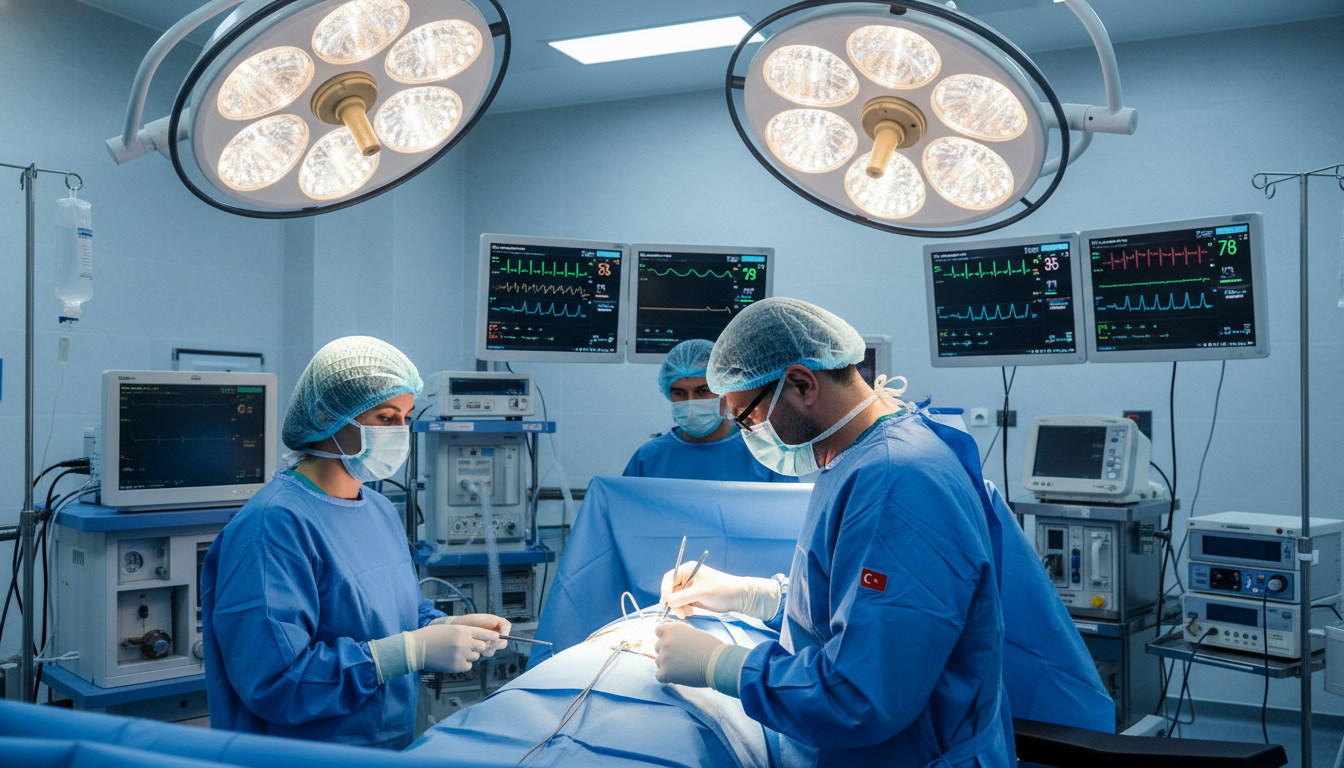
Medical tourism has changed how people get special thoracic care worldwide. Many now travel to Turkey for exceptional clinical standards in treating persistent pleural conditions. This shows a growing trust in Turkey’s advanced medical setup and skilled doctors.
When looking for the Best Pleurodesis Surgery, it’s important to think about hospital quality and surgeon skills. Turkey is a top choice for those seeking lasting relief from recurring fluid buildup. Patients often praise the mix of modern tech and caring support.
The cost-effective nature of these treatments also makes top-notch healthcare more reachable. Turkish clinics focus on patient safety and recovery, giving each visitor a custom treatment plan. This guide looks into why many rely on these medical centres for their lung health.
Key Takeaways
- Turkey offers world-class facilities for complex thoracic interventions.
- Patients benefit from highly qualified specialists who prioritise individualised care.
- The country provides a cost-effective alternative to traditional healthcare systems in the West.
- Modern clinics utilise advanced technology to ensure successful outcomes for pleural conditions.
- Comprehensive support services assist international visitors throughout their entire medical journey.
Understanding Pleural Effusion and the Need for Intervention
It’s key to know how fluid builds up to help patients. The pleural space is a thin area between the lungs and chest wall. It usually has a bit of fluid to help the lungs move smoothly. But, if too much fluid gathers, it’s time for Pleural Effusion Treatment.
Pathophysiology of Recurrent Pleural Effusions
Fluid builds up when the body can’t drain it properly. This can happen due to an imbalance in fluid production and absorption. Chronic inflammation or other health issues can make this worse, causing ongoing pain.
As more fluid gathers, it presses on the lungs, making them hard to expand. This is why Pleural Effusion Treatment is needed. Without fixing the root cause, the fluid keeps coming back, affecting a patient’s life a lot.
When Conservative Management Fails
First, doctors might try draining the fluid with a needle. But, this doesn’t solve the problem for good. Many patients find the fluid comes back fast, making repeated drainage exhausting and ineffective.
When simple methods don’t work, surgery is the next step. Procedures like pleurodesis aim to close the pleural space, stopping fluid from coming back. Picking the right Pleural Effusion Treatment at this point is critical for lasting lung health and comfort.
Why Turkey is a Leading Destination for Thoracic Surgery
Turkey has made big strides in healthcare, thanks to big investments. Over the last ten years, it has built state-of-the-art medical facilities. These facilities are now on par with the best in the UK and Europe. This means patients get top-notch care that’s both modern and efficient.
Advancements in Turkish Medical Infrastructure
Turkish hospitals now use the latest surgical tech to improve care. They use minimally invasive techniques like video-assisted thoracoscopic surgery. This cuts down recovery times and makes patients more comfortable.
These advances are backed by skilled medical teams. They often take part in global research and training. This shows Turkey’s commitment to excellence in healthcare.
Hospitals in Turkey are designed with the latest in mind. They have top-notch diagnostic tools like high-resolution CT scanners and PET-CT technology. These tools help doctors plan surgeries precisely, making sure each procedure meets the patient’s needs.
Accreditation and Standards of Care in Turkish Hospitals
Patient safety is a top priority in Turkey’s healthcare. Many hospitals have international accreditations, like the Joint Commission International (JCI) seal. This shows they meet rigorous global safety benchmarks. It means they follow strict standards for safety and care.
The table below shows what makes Turkish thoracic centres stand out. It compares them to international standards.
| Feature | Turkish Standard | International Benchmark |
|---|---|---|
| Accreditation | JCI and ISO Certified | High Compliance |
| Technology | Latest Generation Robotics | Advanced Equipment |
| Staff Training | Global Fellowship Experience | Specialised Certification |
| Patient Care | Comprehensive Support | Standardised Protocols |
Turkish hospitals stick to strict quality standards. This makes them a secure and professional environment for thoracic surgery. Patients from the UK can expect smooth care from start to finish. Turkey’s focus on quality is why it’s a top choice for surgery.
The Best Pleurodesis Surgery Options Available
Patients looking for the best pleurodesis surgery have two main options. Both aim to close the gap between the lung and chest wall to stop fluid buildup. The right choice depends on your health, the reason for the effusion, and your doctor’s advice.
Thoracoscopic Pleurodesis Techniques
Thoracoscopic pleurodesis is a minimally invasive method. It uses small cuts to reach the pleural space. The surgeon then rubs the lining to make it stick together.
This method works well for those who can handle general anaesthesia. It lets the surgeon see the chest cavity clearly. This makes the procedure more accurate. Many like it because it means a shorter hospital stay and quicker recovery than open surgery.
Medical Pleurodesis Procedure Explained
A medical pleurodesis procedure uses a chemical agent, like talc, through a chest drain. This chemical action causes the pleural surfaces to stick together. It’s often chosen for those who can’t have surgery.
This process is done at the bedside or in a minor procedure room. It’s less invasive than surgery but needs careful monitoring for comfort. Your team will guide you through the process to ensure your comfort.
| Feature | Thoracoscopic Pleurodesis | Medical Pleurodesis Procedure |
|---|---|---|
| Approach | Surgical (VATS) | Chemical (Bedside) |
| Anaesthesia | General | Local/Sedation |
| Primary Goal | Mechanical Adhesion | Chemical Sclerosis |
When choosing between these options, consider a few things:
- Your current physical fitness and lung function.
- The specific cause of your recurrent pleural effusion.
- The expected duration of your recovery period.
- The recommendation of your thoracic specialist based on diagnostic imaging.
Talking to your consultant about these options is key. Weighing the benefits of Thoracoscopic Pleurodesis against the simplicity of a Medical Pleurodesis Procedure helps you make a choice that fits your health goals.
Selecting the Right Pleurodesis Specialist in Turkey
Finding a good pleurodesis specialist in Turkey needs careful research. Your health depends on the surgeon’s skill and precision. A structured vetting process helps find a highly skilled professional.

Criteria for Evaluating Thoracic Surgeons
Start by looking for surgeons with board certification in thoracic or cardiothoracic surgery. A good pleurodesis specialist should have training in minimally invasive surgeries like VATS. Also, check if the surgeon works in a hospital with international standards, like JCI.
Look at the surgeon’s focus on pleural diseases. A specialist with experience in complex cases will likely have better results. Also, consider the support team, like anaesthesiologists and nurses, as they are key to your recovery.
Verifying Credentials and Surgical Experience
Ask the surgeon about their professional history and success with the procedure. A transparent pleurodesis specialist will share their success rates and experience with complications. It’s okay to ask about their years of practice.
Many patients find a comparison table helpful when choosing a surgeon:
| Evaluation Metric | Standard Surgeon | Top-Tier Specialist |
|---|---|---|
| Board Certification | General Surgery | Thoracic Surgery Specialist |
| VATS Experience | Occasional | Extensive/Daily Practice |
| Hospital Accreditation | Local Standards | International (JCI) |
| Patient Support | Basic Care | Comprehensive Recovery Plan |
Make sure the surgeon is registered with Turkish medical associations. This confirms they meet high ethical and clinical standards. These steps help ensure you get the best care during your treatment.
Preparing for Your Medical Journey to Turkey
Going for surgery abroad is a big decision. It needs careful planning. By preparing well before you leave the UK, your medical trip will be safe and smooth. This way, you can focus on getting better once you’re there.
Pre-operative Assessments and Diagnostic Imaging
Getting a good surgical result starts with a correct first check-up. Before you go, share your health history and scans with your Turkish surgical team.
This means sending over detailed CT scans and recent chest X-rays. Doing this early lets the team check if you’re right for the surgery. Clear communication is key to avoid any hold-ups when you arrive.
Many clinics offer online chats to talk over the distance. Here, you can discuss your health and what you hope from the surgery. Make sure you have:
- Digital copies of all relevant medical reports.
- A list of your current medications and dosages.
- Questions about the surgery method proposed.
- Details of any past lung treatments or surgeries.
Logistics for International Patients Travelling from the UK
Sorting out your trip is a big part of your care plan. Using special services for medical tourists can make things easier. They help with airport transfers, where you’ll stay, and hospital visits.
When booking flights, think about how long you’ll stay and if you need someone with you. It’s strongly advised to arrive a day early for your check-up. This lets you rest and get used to the local area before your surgery.
Your clinic will give you a detailed plan for your visit. This will show your hospital schedule, follow-up meetings, and how to leave the hospital. Following this plan helps you feel confident and calm during your medical trip.
The Surgical Process and What to Expect
Understanding the clinical environment and surgical workflow is key to starting your recovery journey. Patients going to Turkey for care often find clarity about their procedure helps ease their nerves. Whether it’s a Thoracoscopic Pleurodesis or other treatments like breast reduction, patient safety is a top priority in top-tier facilities.
Anaesthesia and Patient Comfort Protocols
Your comfort is the main focus of the surgical team from the start. Anaesthesiologists assess you before the surgery to tailor the sedation to your health. General anaesthesia is used to keep you comfortable and pain-free during the operation.
Advanced monitoring tracks your vital signs in real-time. This rigorous safety protocol ensures any minor changes are quickly addressed. This stable environment lets surgeons focus on the precision needed for the procedure.
Step-by-Step Overview of the Thoracoscopic Approach
The Thoracoscopic Pleurodesis is a minimally invasive method to reduce trauma and speed up recovery. Surgeons make small chest wall incisions to insert a thoracoscope, a thin tube with a camera. This allows them to see the pleural space clearly on a high-definition monitor.
After accessing the space, the surgeon drains fluid and removes debris from the pleural lining. A sterile chemical agent is then applied to irritate the surfaces, encouraging them to fuse. This meticulous process prevents future fluid build-up, giving long-term relief to the patient.
| Feature | Standard Protocol | Patient Benefit |
|---|---|---|
| Anaesthesia | General Sedation | Complete comfort |
| Monitoring | Continuous Vital Tracking | Enhanced safety |
| Incision Size | Minimally Invasive | Reduced scarring |
| Recovery | Early Mobilisation | Faster healing |
Analysing Pleurodesis Success Rate and Clinical Outcomes
Knowing the results of your treatment helps you understand what to expect for your health in the long run. Looking at the pleurodesis success rate helps patients get ready for their recovery. This medical pleurodesis procedure aims to stop fluid buildup from coming back, giving relief to those with ongoing symptoms.
Factors Influencing Long-term Efficacy
Many things affect how well the lung lining sticks to the chest wall after surgery. The reason for the pleural effusion is key. People with cancer might have different results than those with non-cancerous, recurring effusions.
Your health and nutrition also play a big part in healing. Doctors look at these to make sure the best conditions for sticking are met. Regular follow-up care is vital to keep an eye on lung expansion stability over time.
Comparing Outcomes Between Chemical and Mechanical Methods
Choosing between chemical and mechanical methods depends on the patient’s situation. Both aim to stick the lung lining to the chest wall but use different ways to do it. Here’s a table showing the main differences in how they work and their success rates.
| Method Type | Primary Mechanism | Typical Success Rate | Recovery Focus |
|---|---|---|---|
| Chemical Pleurodesis | Sclerosant agent application | High (75-90%) | Inflammatory response |
| Mechanical Pleurodesis | Pleural abrasion | Very High (85-95%) | Physical tissue irritation |
| Combined Approach | Dual-action stimulation | Excellent (>95%) | Maximal adhesion |
The medical pleurodesis procedure is a top choice for chronic respiratory issues. By looking at the pleurodesis success rate, your team can tailor the treatment to fit your needs. This ensures you get the best care for your unique situation.
Managing Pleurodesis Recovery Time and Post-operative Care
Knowing how long it takes to heal helps you get ready for life after surgery. Everyone heals differently, but knowing what to expect helps you prepare. Proper post-operative care is key to a good outcome.

Immediate Post-surgical Hospitalisation
After surgery, you’ll stay in the hospital for close monitoring. This is important for checking your vital signs and lung function. Pain management is a big focus to keep you comfortable.
You might have a chest drain to remove fluid or air. The doctors will watch the drain daily to know when it’s safe to remove it. Following the hospital’s rules is important to avoid problems and help you heal faster.
Returning to Daily Activities and Follow-up Care
When you go home, you’ll start to get back to normal slowly. Avoid heavy lifting or hard exercise for a few weeks. Your surgeon will tell you what you can and can’t do to avoid straining yourself.
Keeping up with follow-up appointments is important for your long-term health. These visits help your doctor check how well your lungs are working. Always tell your doctor if you notice anything unusual, like breathing harder or a fever.
Being proactive about your health can really help your Pleurodesis Recovery Time. Talking regularly with your healthcare team in Turkey helps catch any small problems before they get big. Your dedication to this plan is the last step in your treatment.
Understanding Possible Pleurodesis Complications
Knowing about the safety of your surgery is key. While it’s usually safe, knowing about Pleurodesis Complications helps you recover better.
Common Side Effects and Risk Mitigation
Most people feel some pain or discomfort after the surgery. You might feel temporary chest pain or a slight fever. This is how your body reacts to the treatment.
Doctors in Turkey use special methods to reduce these side effects. They give you pain relief and anti-inflammatory drugs to help you feel better during the first few days.
When to Seek Urgent Medical Attention
While some side effects are normal, watch out for serious signs. If you have sudden trouble breathing or a fever that won’t go away, call your doctor right away.
Acting fast is the best way to handle any Pleurodesis Complications. Talking openly with your doctor helps solve any problems quickly and properly.
| Symptom | Expected Status | Action Required |
|---|---|---|
| Mild Chest Discomfort | Common | Use prescribed analgesics |
| Low-grade Fever | Expected | Monitor and hydrate |
| Severe Breathlessness | Warning Sign | Seek urgent medical care |
| Persistent High Fever | Warning Sign | Contact surgeon immediately |
Special Considerations for Bilateral Pleurodesis Surgery
Dealing with fluid in the chest often focuses on one side. But Bilateral Pleurodesis Surgery is for those with big challenges in both lungs. It’s for complex, systemic respiratory issues.
Indications for Bilateral Procedures
Thoracic specialists usually choose this for advanced conditions. It’s for when fluid builds up on both sides due to cancer or chronic diseases. A single-sided treatment might not be enough.
Those with serious illnesses like advanced cancer or severe heart failure are often considered. Clinical assessment is key to see if they can handle the surgery on both sides.
Balancing Risks and Benefits in Complex Cases
Doing Bilateral Pleurodesis Surgery means weighing the benefits against the risks. It’s a big surgery that affects both sides of the chest. Recovery and breathing function need careful management.
Doctors look at the need for quick symptom relief against the patient’s health. The table below shows what they consider in complex cases.
| Consideration Factor | Unilateral Approach | Bilateral Approach |
|---|---|---|
| Surgical Duration | Standard | Extended |
| Recovery Intensity | Moderate | High |
| Primary Goal | Targeted Relief | Systemic Management |
| Patient Suitability | Broad | Highly Selective |
The aim is to improve life quality and avoid complications. Bilateral Pleurodesis Surgery is a special option. It needs a skilled team for the best results.
Cost Analysis and Financial Planning for UK Patients
Planning your surgery means looking at costs in the UK and Turkey. Financial clarity is key for elective or necessary thoracic procedures. Knowing the total cost helps you decide within your budget and health needs.
Comparing Costs: Turkey versus the United Kingdom
In the UK, waiting times or high private surgery costs are common. Turkey, on the other hand, is a cost-effective hub for patients. Turkish hospitals offer quality care at lower costs, thanks to their structure.
The main difference is in billing. UK private healthcare has separate bills for surgeon, anaesthetist, and hospital. Turkish providers offer a bundled pricing model, making planning easier for visitors.
| Service Component | UK Private Care | Turkish Medical Package |
|---|---|---|
| Surgical Fee | High (Variable) | Included |
| Hospital Stay | Daily Rate | Included |
| Anaesthesia | Additional Cost | Included |
| Follow-up Care | Per Consultation | Included |
What is Typically Included in Surgical Packages
Turkish surgical packages aim to give peace of mind to international patients. They cover the whole clinical journey, avoiding surprise costs. This clarity helps manage your finances well.
A typical package includes pre-op scans, the surgery, and hospital stay. It also includes post-op meds and follow-ups for a smooth recovery. Choosing an all-inclusive package lets you focus on your health, not paperwork.
Patient Rights and Ethical Standards in Turkish Healthcare
Your recovery journey in Turkey is backed by strong patient rights and accountability. Turkish medical places put patient care first. They follow international ethical rules and talk openly with patients. This makes sure every patient feels protected, respected, and fully informed during their care.
Informed Consent and Communication
Informed consent is key in Turkish healthcare. Doctors must explain the pleurodesis procedure fully. They cover risks, benefits, and other options. This helps you make a well-informed health choice.
Reputable clinics also offer translation services. This helps patients and doctors talk clearly, without language barriers. Clear communication builds trust and meets your needs during your visit.
Patient Advocacy and Support Services
Turkey also has patient advocacy services for international visitors. These advocates help connect patients with hospital staff. They aim to make your stay positive and stress-free.
Support services help with travel, accommodation, and follow-up care. Having a support team lets you focus on healing. You’ll know your rights are being looked after. Here’s what top Turkish facilities offer in support.
| Service Feature | Description | Patient Benefit |
|---|---|---|
| Informed Consent | Detailed surgical briefing | Full transparency |
| Translation Support | Professional medical interpreters | Clear communication |
| Patient Advocacy | Dedicated liaison officer | Personalised support |
| Ethical Oversight | Strict regulatory compliance | High safety standards |
Conclusion
Choosing the right treatment for Pleural Effusion is important. Turkey has top-notch facilities that focus on patient safety and precise surgery. These places offer relief from ongoing symptoms.
A skilled Pleurodesis Specialist will help you every step of the way. Make sure to check the surgeon’s credentials and know what your procedure aims to achieve. This way, you get the best care possible.
Knowing how long you’ll need to recover from Pleurodesis is key. While recovery times vary, being aware of possible complications helps. This knowledge leads to better health outcomes. Medical excellence plays a big role in success rates.
For complex cases needing Bilateral Pleurodesis Surgery, expertise and support are essential. By focusing on these, you improve your life quality. Contact Turkish clinics to talk about your medical needs and start your recovery journey.
FAQ
Q: Why is Turkey considered a premier destination for the Best Pleurodesis Surgery?
A: Turkey is a top choice for thoracic care thanks to its advanced medical setup. Hospitals like Acıbadem Healthcare Group and Memorial Hospitals Group use cutting-edge technology. This makes Turkey a cost-effective option without sacrificing quality or safety.
Q: When is a Pleural Effusion Treatment considered necessary?
A: A Pleural Effusion Treatment, like pleurodesis, is needed when simple treatments fail. This happens when fluid keeps coming back and causes breathing problems. A specialist will then suggest surgery to stick the lung to the chest wall.
Q: What is the difference between Thoracoscopic Pleurodesis and a Medical Pleurodesis Procedure?
A: Thoracoscopic Pleurodesis is a surgery done under general anaesthesia. It uses Video-Assisted Thoracoscopic Surgery (VATS) for better treatment. Medical Pleurodesis, on the other hand, is done at the bedside with a chemical agent. The surgical method offers more detailed treatment.
Q: How do I verify the credentials of a Pleurodesis Specialist in Turkey?
A: Look for surgeons with certifications from the Turkish Society of Thoracic Surgery or international bodies. Check if they work in JCI-accredited places like Anadolu Medical Centre. Also, ask about their experience with pleurodesis and other thoracic procedures.
Q: What is the typical Pleurodesis Success Rate for international patients?
A: The success rate in Turkey is high, often between 80% and 90% for malignant effusions. Success depends on the patient’s health and lung function after surgery. Turkish surgeons use advanced techniques to meet international standards.
Q: What should I expect regarding Pleurodesis Recovery Time?
A: Recovery time is usually 3 to 7 days in hospital. You’ll start light activities in two weeks. Turkish clinics offer support for a smooth recovery, ensuring you’re ready for your return flight.
Q: Are there specific Pleurodesis Complications I should be aware of?
A: Potential complications include pain, fever, or infection. Rarely, the procedure might not work or cause a reaction to the agent. Florence Nightingale Hospitals have strict monitoring to manage these risks.
Q: Under what circumstances is Bilateral Pleurodesis Surgery recommended?
A: Bilateral surgery is for fluid in both sides, affecting breathing. It’s a complex procedure. Turkish surgeons carefully plan it to ensure safety and lung function.
Q: How do the costs of thoracic surgery in Turkey compare to the United Kingdom?
A: Treatment in Turkey is much cheaper. Pleurodesis packages are 50% to 70% lower than in the UK. This includes luxury stays and VIP transfers.
Q: What diagnostic imaging is required before travelling to Turkey for surgery?
A: Recent chest CT scans and X-rays are needed before you go. The Turkish team reviews these to plan your surgery. More imaging might be done in Turkey for the best treatment plan.
Related guides

Healthcare Content Compliance Guide for Growth
A high-performing treatment page can generate international patient inquiries within hours. It can also create material risk if…

Turkey Hospitals vs Local Hospitals Compared
A lower procedure quote can get a patient’s attention. It should not make the decision on its own.…

Patient Experience That Drives Trust and Growth
A patient who has already uploaded medical records, compared providers, and arranged time away from work is not…