
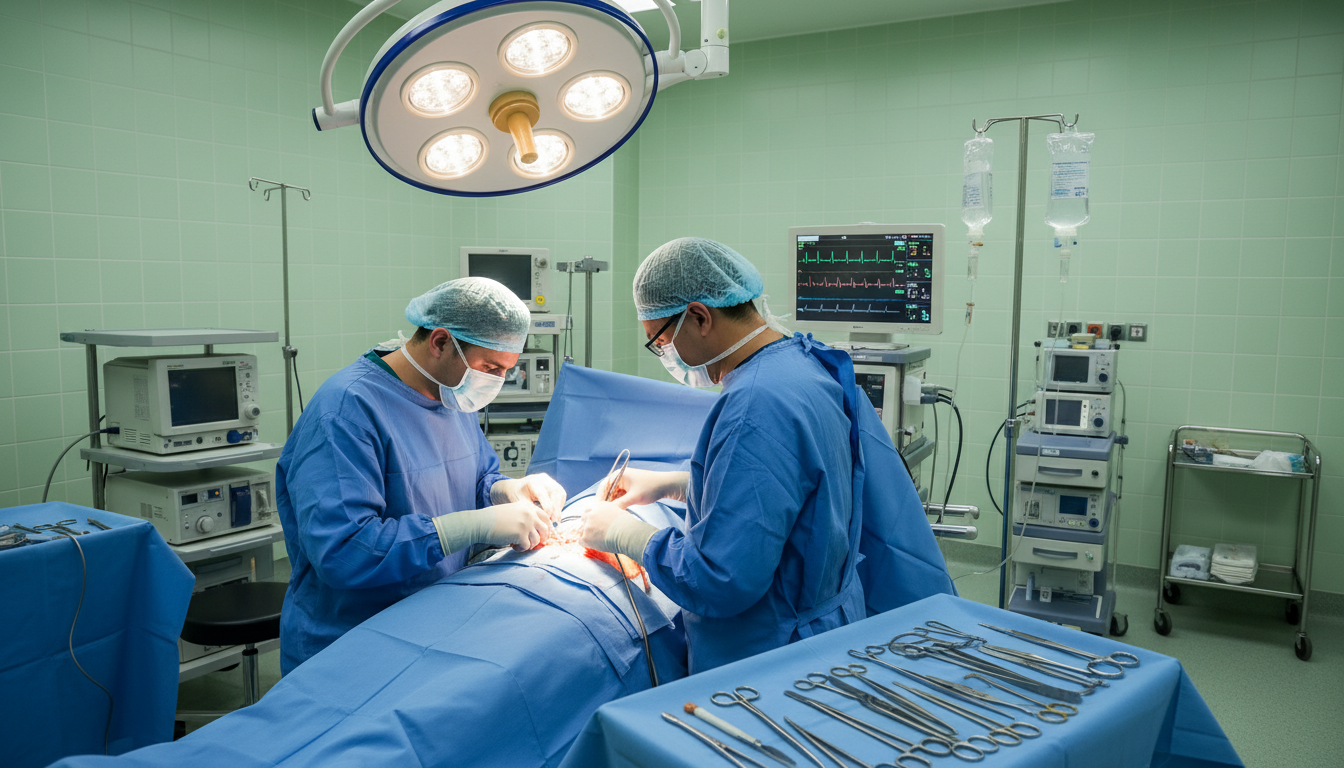
Turkey is now a top choice for complex cancer treatments. Many people from the UK are choosing Turkish hospitals for their care. This is because of the high-quality care and the latest technology in clinics.
Choosing where to have Bile Duct Cancer Surgery is a big decision. Turkish hospitals offer both skill and kindness. They focus on making sure patients get the best care and support during their stay.
Key Takeaways
- Turkey is recognised as a leading hub for specialised oncological procedures.
- British patients frequently choose these facilities for their high clinical standards.
- Advanced medical technology is utilised to improve patient recovery times.
- Clinics offer complete support tailored to the needs of international visitors.
- The focus remains on delivering high-quality care within modern, accredited centres.
Understanding Cholangiocarcinoma and Surgical Necessity
Patients with cholangiocarcinoma need to understand the importance of surgery quickly. This cancer grows in the bile ducts, which carry digestive fluid from the liver to the small intestine. Because these ducts are deep in the liver and around other organs, early diagnosis is vital for treatment success.
The Nature of Bile Duct Malignancy
Cholangiocarcinoma is a rare but aggressive cancer that starts in the biliary tree. It can grow inside the liver (intrahepatic) or outside (extrahepatic). As it grows, it blocks bile flow, causing jaundice and other problems.
This cancer is hard to treat because it can spread to nearby blood vessels and lymph nodes. A precise Bile Duct Cancer Surgery is needed. Knowing where and how big the cancer is helps decide the best treatment.
Indications for Surgical Intervention
Surgery is the main way to cure this cancer. Doctors check several things to see if a patient can have Cholangiocarcinoma Surgery. They aim to remove all cancer seen during surgery.
Medical teams look for these signs to plan surgery:
- The tumour is localised and hasn’t spread to distant organs.
- The patient has enough liver function for a big surgery.
- The tumour’s location allows safe removal without harming blood vessels.
Planning surgery early is key in cancer care. Choosing Bile Duct Cancer Surgery early can greatly improve survival chances. Working with a specialist early ensures the surgery is done with great care and precision.
Why Turkey is a Leading Destination for Bile Duct Cancer Surgery
Turkey is now a top place for complex cancer treatments, attracting patients from the UK. People choose cancer treatment in Turkey because of its focus on medical excellence. The country’s healthcare system puts patient safety and modern practices first.
Accreditation and International Standards
Turkish hospitals follow strict standards for international patients. Many top hospitals have Joint Commission International (JCI) accreditation. This is seen as the gold standard for healthcare quality worldwide.
These hospitals stick to high protocols for safe care. Patients get many benefits, including:
- Standardised clinical pathways for consistent care.
- Regular audits to meet global safety standards.
- Clear talks about surgery risks and results.
Technological Advancements in Turkish Hospitals
Modern Bile Duct Cancer Surgery in Turkey relies on the latest technology. Top hospitals use advanced robotic systems for precise surgeries.
These centres also have the latest diagnostic imaging tools. These tools give clear images for planning surgeries. Turkish surgeons use these to offer better treatment options for tough cases.
Types of Bile Duct Cancer Procedure
Surgical plans for bile duct cancers depend on where the tumour is in the biliary tree. The bile ducts run from the liver to the small intestine. So, the Bile Duct Cancer Procedure must fit the patient’s body perfectly. Doctors use images to choose the best way to remove the tumour without harming healthy tissue.
Distal Bile Duct Resection
For tumours near the pancreas, a distal Bile Duct Resection is usually needed. This area is tricky because it’s where the bile and pancreatic ducts meet. The goal is to remove the tumour completely, which is key for Cholangiocarcinoma Surgery success.
Hilar Cholangiocarcinoma Surgery
Hilar tumours, or Klatskin tumours, happen at the point where the left and right hepatic ducts join. This Bile Duct Cancer Surgery is very complex because of nearby blood vessels and liver parts. The main aim is to remove the tumour fully while keeping the liver working well.
Intrahepatic Bile Duct Surgery
Intrahepatic tumours are in the liver itself. Treating these often means removing part of the liver with the tumour. This Bile Duct Cancer Procedure needs a team effort to keep the liver working for the patient’s recovery.
The table below shows the main things to consider for these surgeries:
| Procedure Type | Anatomical Focus | Primary Objective |
|---|---|---|
| Distal Resection | Lower Biliary Tree | Clearance near pancreas |
| Hilar Resection | Ductal Bifurcation | Vascular preservation |
| Intrahepatic Resection | Liver Parenchyma | Liver tissue removal |
Choosing the right Bile Duct Resection is essential for good results. Patients should talk to their team to understand their Cholangiocarcinoma Surgery plan. By customising the approach, doctors can improve the chances of a successful Bile Duct Cancer Surgery.
The Role of the Hepatobiliary Surgeon
When you’re diagnosed with bile duct cancer, your surgical team’s skill is key. They need to be precise and know the liver and pancreas well. Patients looking for treatment for bile duct cancer get a lot from a dedicated professional.
Specialised Training and Expertise
A Hepatobiliary Surgeon has years of training beyond regular surgery. They learn about the liver, gallbladder, and bile ducts. This is hard work because these areas are tricky to operate on.
They become experts at handling these areas carefully. This means they can avoid hurting other tissues.
Choosing a Bile Duct Cancer Specialist can make you feel better. These doctors are always learning new things. They know how to handle surprises during surgery.
Multidisciplinary Team Approaches
Getting better from cancer takes a team. A Hepatobiliary Surgeon works with many experts. Together, they make a plan just for you.
Your team might include:
- Oncologists who handle chemotherapy.
- Radiologists who help plan surgery with images.
- Pathologists who check tissue samples.
- Specialist Nurses who help you recover.
This team works together to make sure you get the best care. It’s important for complex cases. It helps patients do well in the long run.
Preparing for Your Bile Duct Cancer Treatment
Your journey to recovery starts long before surgery. A well-planned approach to your medical prep is key to success in Bile Duct Cancer Treatment. This early work helps your team plan a safer, more effective surgery for you.
Diagnostic Imaging and Pre-operative Assessment
Your medical team will do detailed scans before surgery. These scans, like advanced CT and MRI scans, show where the tumour is and how it affects blood vessels.
You’ll also have a full health check to make sure you’re fit for surgery. This includes blood tests to check your liver and blood clotting. Finding risks early lets your team prepare, keeping your treatment safe.
Nutritional Optimisation Before Surgery
Good nutrition is vital for healing after surgery. Many patients lose appetite, leading to muscle loss and weakness. Eating a diet rich in nutrients is important to build strength for recovery.
Your team might suggest protein supplements or special diets to boost your health. Focusing on nutrition lowers the chance of complications and speeds up recovery. Sticking to these guidelines is a big part of your treatment plan.
Detailed Overview of the Whipple Procedure
The Whipple procedure, also known as pancreaticoduodenectomy, is a key surgery in modern medicine. It’s known for its complexity and the need for precise skills from the surgical team. It’s a vital Bile Duct Cancer Procedure for certain tumour locations.
Understanding the Pancreaticoduodenectomy
In this surgery, the surgeon takes out the pancreas head, gallbladder, bile duct, and part of the small intestine. They then fix the digestive tract so bile and enzymes can flow into the intestines. This detailed work is done in high-volume centres by skilled surgeons.
The main aim is to get clear margins around the tumour. This is key for treatment success. The surgeons must carefully avoid blood vessels and nerves around the pancreas and bile ducts. This is why patients often go to Turkey for this surgery.
When the Whipple Procedure is Required
This surgery is mainly for tumours in the bile duct’s distal part. This area is hard to treat with simpler methods. The Whipple procedure is the top choice for these cases.
Several things decide if a patient can have this Bile Duct Cancer Procedure:
- The tumour must be localised and show no signs of distant metastasis.
- The patient must be physically fit enough to undergo a major abdominal operation.
- Imaging must confirm that the tumour has not encased critical major blood vessels.
- A multidisciplinary team must agree that surgery offers the best chance for a positive outcome.
After surgery, patients need close monitoring to help with recovery. This comprehensive care is vital for a good quality of life post-surgery.
Advanced Techniques in Bile Duct Resection
Modern surgery has changed how we tackle complex biliary tumours. New tech and old wisdom come together for better treatments. The Whipple Procedure is key for some tumours, but new methods offer hope for more cases.
Minimally Invasive Surgical Options
Minimally invasive surgery has made things better for patients. Surgeons use laparoscopic or robotic tools for precise work. This means smaller cuts, less pain, and quicker recovery.
A top Hepatobiliary Surgeon will check if you’re right for these options. They use special cameras and tools to work in the biliary tree. It’s great for those wanting to lessen the treatment’s impact.
Liver Resection and Reconstruction
Removing a Bile Duct Resection often means complex liver surgery. It’s all about removing cancer while keeping the liver working. It’s a big challenge, but it’s key for success.
After removing the tumour, the surgeon must rebuild the biliary system. This involves connecting the bile ducts to the intestine. It’s a delicate task that requires:
- Precision suturing to avoid leaks.
- Keeping the bile ducts’ blood supply safe.
- Planning for the system’s long-term health.
With a skilled Hepatobiliary Surgeon, patients can trust their Bile Duct Resection. These advanced methods are the best in modern cancer treatment. They offer hope and better lives for those with complex biliary issues.
Post-Operative Care and Recovery Protocols
The journey to health doesn’t end when surgery is over. Comprehensive post-operative care is key for a smooth return to daily life. Turkish medical centres focus on a detailed recovery plan. This plan meets both immediate needs and long-term health goals.

Immediate Recovery in the Intensive Care Unit
After a big biliary operation, patients go to the ICU. Here, they are closely watched. The focus is on stabilising vital signs and managing the body’s first response.
Specialist nurses and anaesthesiologists keep an eye on fluid balance, liver function, and pain. They do this 24/7.
Managing pain well is very important in this early stage. Advanced pain treatments help patients stay comfortable. This helps them move earlier and lowers the chance of breathing problems. Moving early is good for blood flow and preventing clots.
Long-term Rehabilitation and Follow-up
After the first recovery phase, the focus shifts to long-term care and monitoring. A team of experts creates a plan tailored to each patient. This includes advice on nutrition to help the body heal and get stronger.
Regular check-ups are very important for long-term success. These visits let surgeons check for any signs of problems and see how well patients are doing. Sometimes, they might talk about advanced treatments like CyberKnife for cancer to help further.
It’s important for patients to keep talking to their surgical team. Regular blood tests and scans check if the liver and bile ducts are working right. This proactive approach gives patients peace of mind and makes sure any worries are looked after with top care.
Managing Risks and Complications
Being open about surgery results is key to top-notch medical care. When getting ready for Bile Duct Tumor Surgery, knowing about possible problems is vital. Even with today’s advanced medicine, big surgeries come with risks that need careful handling.
Common Surgical Risks
Working on the biliary system is complex and risky. It’s important for doctors and patients to watch out for several possible issues after surgery.
- Infection: Major surgeries can lead to infections, which are fought with strict cleanliness.
- Bile Leaks: There’s a chance of a small leak in the biliary system, which needs close watching.
- Haemorrhage: The risk of bleeding is high due to the surgery’s location near big blood vessels. This is managed with precise surgery.
Mitigation Strategies in Turkish Medical Centres
Top hospitals in Turkey follow strict safety rules to lower these risks. By choosing the right clinic, patients get access to the latest diagnostic tools and skilled surgeons. These places focus on proactive care for the best recovery.
Turkish medical places use the latest imaging and monitoring during Bile Duct Tumor Surgery to improve accuracy. They also have teams working together to care for patients before, during, and after surgery. This comprehensive approach helps lower the chance of problems and makes recovery smoother for patients from abroad.
Bile Duct Tumor Surgery Success Rates and Outcomes
Getting a good result from complex surgery needs skilled care and patient effort. When you have Bile Duct Tumor Surgery, knowing what affects your recovery is key. Turkish medical centres give clear data to make patients trust their treatment.
Factors Influencing Surgical Success
Many things decide how well a surgery goes. Doctors in Turkey look at each case closely to give the best care for your specific problem.
Here are the main things that affect the success of Bile Duct Tumor Surgery:
- Tumour Stage: Finding the tumour early can lead to better surgery results and higher chances of removing it.
- Patient Health: Your health before surgery and how fit you are affects how well you can handle the surgery.
- Surgical Precision: The skill of the team doing the surgery is a big factor in success.
- Multidisciplinary Support: Care from many doctors, like oncologists and radiologists, helps treat the problem fully.
Long-term Prognosis and Quality of Life
The journey doesn’t stop when you leave the hospital. Your long-term health after Bile Duct Tumor Surgery depends on regular check-ups and lifestyle changes. Patients are urged to play an active part in their recovery for the best life quality.
Regular monitoring is key to catch any changes early and handle them well. Following the rehabilitation plans from your doctors can greatly improve your function. Many patients say the right support helps them get back to their daily life with more confidence and stability.
Navigating Medical Tourism for Complex Oncology
For patients in the United Kingdom, seeking specialised care in Turkey is a well-trodden path. It offers both quality and efficiency. When you choose to travel for your Bile Duct Cancer Treatment, the journey is as important as the treatment itself. Proper preparation ensures your focus remains on your health and recovery.
Logistics for Patients Travelling from the United Kingdom
Travelling from the UK to Turkey is straightforward, with many direct flights. Most patients find the seamless coordination between their home team and the Turkish hospital eases the transition. You should arrange your travel documents and accommodation early to avoid stress.
Many hospitals offer packages that include airport transfers and lodging near the clinic. This organisation is key when preparing for a complex Bile Duct Cancer Treatment. Whether you’re looking at stomach cancer or other conditions, Turkey’s infrastructure supports international visitors.
Support Services for International Patients
Turkish medical centres offer dedicated support services to make you feel at home. You’ll have a personal patient coordinator who speaks English fluently. They help with scheduling and translating medical records.
These teams are trained to meet oncology patients’ unique needs, providing compassionate care. By handling these tasks, hospitals let you focus on your Bile Duct Cancer Treatment. This approach to medical tourism helps you navigate your recovery with confidence.
Choosing the Right Bile Duct Cancer Specialist
Finding a surgeon for your recovery is key. You need someone skilled and experienced in complex cases. Choosing a Bile Duct Cancer Specialist is a big decision. Make sure they have a good track record in treating liver and bile duct issues.

Evaluating Surgeon Credentials
Start by looking for surgeons with special certifications in liver and bile duct surgery. Check if they have experience with Cholangiocarcinoma Surgery. This surgery needs a lot of skill and training. Also, check the hospital’s reputation and if it has the latest technology.
Before choosing a doctor, follow a checklist for checking doctors. This way, you know you’re choosing a verified expert with good results. Look at their surgical volume to see how often they do these surgeries.
Questions to Ask Your Surgical Team
When you find a specialist, prepare questions for your consultation. This will help you feel sure about your choice. Ask questions like:
- How many Bile Duct Tumor Surgeries have you done in the last three years?
- What’s your approach to Cholangiocarcinoma Surgery, and why is it best for me?
- What are the risks, and how do you handle complications during recovery?
- What’s the team like for post-operative care, and how will they support me?
Making a smart choice is key for a good outcome with Bile Duct Tumor Surgery. By carefully choosing your Bile Duct Cancer Specialist, you’re taking charge of your health.
Conclusion
Choosing Turkey for complex biliary surgery is a smart move. It combines top-notch medical care with modern facilities. Patients from the UK get to see some of the best hepatobiliary surgeons around. They use the latest in robotic and minimally invasive tech.
This ensures your treatment is safe, precise, and focuses on your long-term health.
When you’re ready to move forward, talk clearly with your medical team. Look over your diagnostic reports and think about what questions you have. Make sure you choose an accredited hospital in places like Istanbul or Ankara.
This guide is just the start of your journey. By choosing expert care and the latest in surgery, you’ll feel more confident. Contact trusted clinics today to talk about your needs and begin your journey to better health.
FAQ
Q: Why are patients from the United Kingdom increasingly choosing Turkey for Bile Duct Cancer Surgery?
A: Turkey is becoming a top choice for complex cancer care. It offers high clinical standards and modern medical facilities. Places like Acıbadem Healthcare Group and Memorial Health Group provide top-notch care with the latest technology. They often have shorter waiting times than the UK’s NHS.
Q: What is Cholangiocarcinoma Surgery, and when is it necessary?
A: Cholangiocarcinoma Surgery is key for bile duct cancers. It’s needed when a tumour can be removed to stop cancer spreading. Early treatment by a specialist is key for better survival chances.
Q: What is the role of a Hepatobiliary Surgeon in treating bile duct tumours?
A: A Hepatobiliary Surgeon deals with liver, pancreas, and biliary system surgeries. Their training is vital for complex bile duct cancer operations. These surgeries need careful blood vessel navigation and detailed reconstructive work.
Q: What is the Whipple Procedure, and why is it used for bile duct cancer?
A: The Whipple Procedure is a detailed surgery for some bile duct tumours. It removes parts of the pancreas, gallbladder, small intestine, and bile duct. It’s the best way to get clear margins for lower bile duct tumours.
Q: Are minimally invasive options available for Bile Duct Resection in Turkey?
A: Yes, Turkish hospitals use robotic and laparoscopic techniques for bile duct surgery. These methods mean smaller cuts, less pain, and quicker recovery. They work best for certain tumour sizes and locations.
Q: How should I prepare for my Bile Duct Cancer Treatment abroad?
A: Preparation includes scans and a health check. Eating well to boost your immune system is also advised. Turkish hospitals help with travel and medical records from the UK.
Q: What are the success rates for Bile Duct Tumor Surgery in Turkish medical centres?
A: Success rates vary based on cancer stage and patient health. Turkish centres match international standards. The precision of the surgery and team effort are key to success.
Q: What post-operative care is provided following a Bile Duct Cancer Procedure?
A: Patients get close monitoring in an ICU after surgery. Turkish hospitals have strict follow-up plans. These include physical therapy and nutrition support for a smooth recovery and to watch for recurrence.
Q: How can I find the right Bile Duct Cancer Specialist in Turkey?
A: Look for a specialist with the right qualifications and experience. Check their Whipple Procedure numbers and hospital accreditations. This ensures top safety standards.
Related guides

Healthcare Content Compliance Guide for Growth
A high-performing treatment page can generate international patient inquiries within hours. It can also create material risk if…

Turkey Hospitals vs Local Hospitals Compared
A lower procedure quote can get a patient’s attention. It should not make the decision on its own.…

Patient Experience That Drives Trust and Growth
A patient who has already uploaded medical records, compared providers, and arranged time away from work is not…