
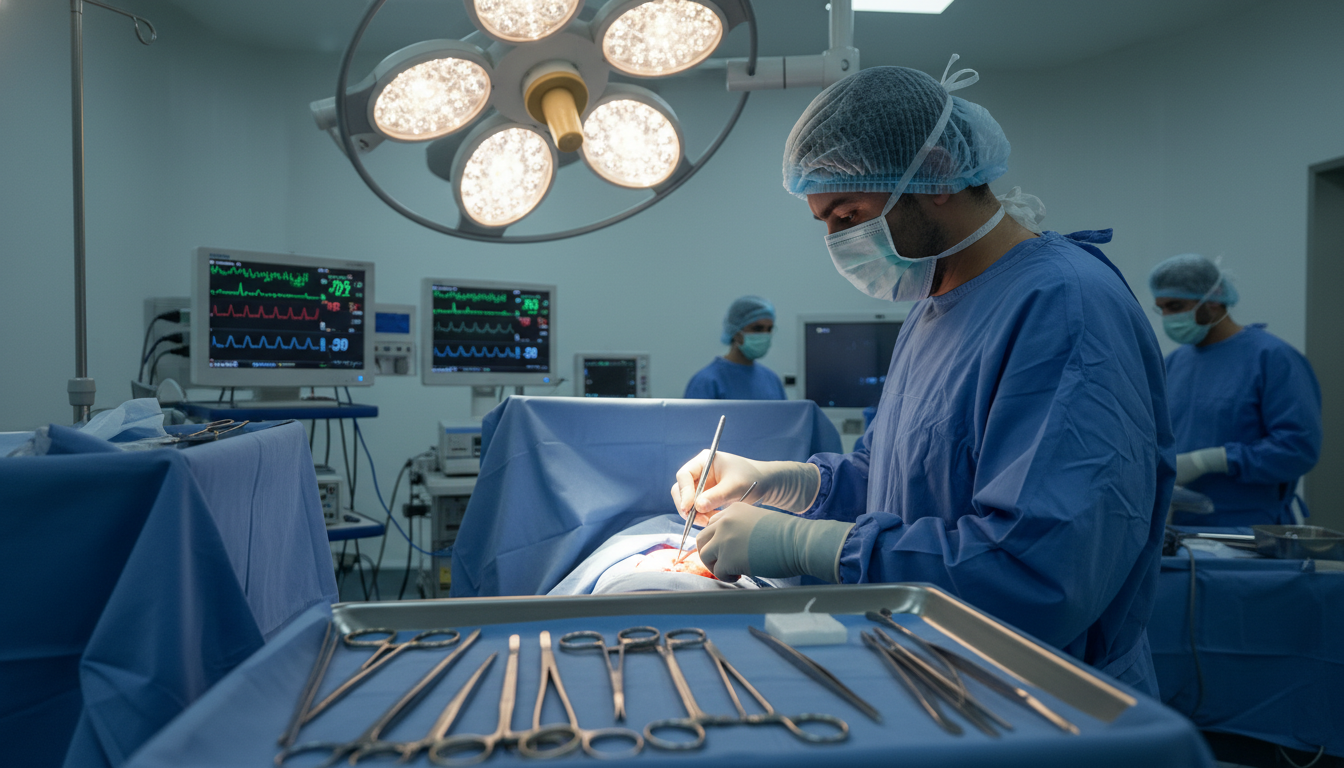
More and more patients from the UK are going abroad for top-notch urological care. Turkey is becoming a top choice for those looking for quality medical help. It offers both affordable prices and expert care.
For those needing Bladder Neck Incision Surgery, Turkey has modern hospitals and skilled doctors. These places are known for their focus on patient safety and the latest medical tech.
Having Bladder Neck Incision Surgery in Turkey means getting fast and efficient care. Turkish clinics use the latest tech and strict standards. This ensures patients get the best care during their recovery.
Key Takeaways
- Turkey is a leading hub for UK patients seeking specialised urological treatments.
- Medical facilities in the region utilise advanced technology to ensure optimal patient outcomes.
- The country offers a cost-effective alternative without compromising on clinical standards.
- Professional medical teams provide complete support throughout the treatment process.
- Modern hospitals in Turkey are recognised for their commitment to international safety protocols.
Understanding the Need for Bladder Neck Incision Surgery
The bladder neck is a vital gatekeeper for your urinary system. It acts as a natural sphincter, keeping urine in the bladder until you’re ready to go. If it doesn’t open right, you might feel a lot of pain and face health problems.
Anatomy and Function of the Bladder Neck
The bladder neck is at the bladder and urethra junction. It’s made of special muscle fibres. Its main job is to keep urine in the bladder until you choose to urinate.
When you do decide to go, these muscles must relax. This lets urine flow smoothly. If they don’t relax, it can cause problems.
Common Symptoms Leading to Surgical Intervention
People often see a doctor when their urine habits change. A big sign is difficulty starting to urinate. You might wait a long time for the flow to start.
Another sign is a weak or interrupted stream. This can make you feel frustrated. It’s like your urine is moving too slowly.
Diagnosing Bladder Neck Obstruction
Urologists use several tests to find out if you have an obstruction. They start with a detailed look at your medical history and a physical check-up. They might also do urodynamic testing to see how your bladder and urine flow work.
They might also do a cystoscopy. This lets them see inside your bladder and urethra. It helps them find out if there’s a blockage. With these tests, they can figure out if surgery is needed.
Why Turkey is a Leading Destination for Urological Procedures
Turkey has become a top place for advanced urological care and surgery. It has invested a lot in its healthcare, making it a magnet for patients worldwide, including the UK. This growth is thanks to a focus on clinical precision and putting patients first.
Advancements in Turkish Medical Infrastructure
The success of Turkey’s healthcare comes from its modern hospitals. These clinics use cutting-edge technology like robotic surgery and high-tech imaging. This tech helps surgeons do complex surgeries with more accuracy and less harm.
Also, digital health records and advanced diagnostic tools make the patient journey smoother. Turkish hospitals lead in care, thanks to their focus on technological innovation. They support everything from routine visits to complex surgeries.
Accreditation and International Standards in Turkish Hospitals
Safety and quality are key in Turkey’s hospitals. Many have Joint Commission International (JCI) accreditation, a top mark for healthcare worldwide. This strict process checks patient safety, infection control, and surgery results.
Local rules also keep medical practices honest and effective. Patients can be reassured their care is in a place that values openness and responsibility. Turkey’s dedication to quality makes it a trusted spot for urological care.
The Benefits of Choosing Turkey for Bladder Neck Treatment
Turkey is now a top choice for bladder neck treatment that’s both affordable and effective. People from the UK are picking it for top medical care and easy travel. It’s a great way to avoid common problems in local healthcare.
Cost-Effectiveness Compared to the United Kingdom
Medical tourism is often driven by cost savings. Private healthcare in the UK can be very expensive. Turkish clinics, on the other hand, offer highly competitive pricing without sacrificing quality.
Here’s a comparison of costs for patients:
| Service Aspect | United Kingdom (Private) | Turkey |
|---|---|---|
| Surgical Fees | High | Affordable |
| Consultation Costs | Premium | Inclusive/Low |
| Overall Value | Standard | Excellent |
Access to Highly Qualified Urological Surgeons
Quality is key in medical choices. Turkish hospitals have highly qualified urological surgeons. They are certified internationally and trained at top institutions. They use the latest techniques for the best results.
Choosing a Turkish clinic means you get:
- Advanced robotic and minimally invasive surgical equipment.
- Multilingual medical teams dedicated to international patient care.
- Rigorous adherence to global safety and hygiene standards.
Reduced Waiting Times for Surgical Care
Long waiting lists can cause a lot of stress. Getting bladder neck treatment in Turkey means you can schedule your surgery quickly. This fast access helps prevent your condition from getting worse.
By focusing on your recovery, you can get back to your normal life sooner. Turkish hospitals make the process from first consultation to surgery efficient and stress-free.
Comprehensive Overview of Bladder Neck Incision Surgery
Bladder Neck Incision Surgery is a key solution when other treatments don’t work. It’s designed to fix blockages that stop the bladder from emptying right.
This surgery targets the spot where the bladder meets the urethra. It greatly improves a patient’s life. It’s a minimally invasive method known for its quick recovery.
Defining the Surgical Procedure
The bladder neck procedure is done under general or spinal anaesthesia. A thin tube with a camera, called a cystoscope, is used to see inside the urinary tract.
After finding the blockage, the surgeon makes small cuts at the bladder neck. This bladder incision makes the opening wider. It lets urine flow more easily into the urethra.
How the Incision Relieves Urinary Retention
Urinary retention happens when the bladder neck is too tight. This urinary retention surgery reduces the muscle tension around the bladder outlet.
It creates a controlled opening, removing the blockage. Patients often see their bladder emptying improve right away.
Comparison with Other Bladder Surgery Techniques
Understanding how this technique differs from others is important. Unlike some surgeries that remove tissue, it uses precise cuts to widen the outlet.
| Procedure Type | Primary Goal | Invasiveness |
|---|---|---|
| Bladder Neck Incision | Widening the outlet | Low |
| TURP | Removing prostate tissue | Moderate |
| Open Prostatectomy | Removing large obstructions | High |
Choosing the right bladder neck procedure depends on the cause of the blockage. The incision technique is often chosen for its lower risks and quicker healing.
Preparing for Your Medical Journey to Turkey
Your recovery journey starts before you even get to Turkey. It begins with remote assessments and planning. Taking the time to prepare thoroughly makes your experience stress-free and efficient. By following a structured approach, you can focus on your health and well-being.

Initial Consultations and Remote Assessments
The first step is a virtual consultation with your urological team. They will review your medical history and symptoms. Clear communication is vital to answer all your questions before you travel.
You’ll share recent medical reports or imaging results securely. This helps the team create a personalised treatment plan for you. These remote assessments give you peace of mind, knowing experts are managing your care from the start.
Pre-operative Medical Requirements and Testing
After scheduling your surgery, you’ll need to do pre-operative tests. These include blood work, an electrocardiogram (ECG), and a review of your medications. Completing these tests promptly is key for a safe surgery.
Some patients have these tests in the UK and bring the results. Others may have them done in Turkey upon arrival. It’s important to plan these details with your clinic to avoid delays.
Travel Logistics and Accommodation Planning
Planning your travel is essential for a successful medical trip. Book flights that allow for a relaxed arrival. Choosing accommodation near the hospital reduces travel stress during recovery.
Here are some tips for planning your stay:
- Select hotels with accessible facilities and close to the medical centre.
- Arrange for private transfers for easy travel between the airport, hotel, and clinic.
- Make sure your accommodation is quiet for post-operative rest.
Many clinics offer patient coordinators to help with these arrangements. Using these services makes your stay in Turkey seamless and well-supported throughout your recovery.
The Surgical Process and Anaesthesia Protocols
The day of your surgery is managed with great care and detail. From the moment you arrive, the medical staff makes sure you feel completely at ease. They also keep you well-informed about the bladder incision.
What to Expect on the Day of Surgery
When you arrive, your patient coordinator will help with the final steps. You’ll then meet your surgical team to go over your medical history and the procedure details.
Next, you’ll get ready for the operating theatre. Here, safety checks are done to ensure your care is top-notch.
Anaesthesia Options for Minimally Invasive Procedures
Your anaesthetist will talk about the best anaesthesia for you. You might choose general anaesthesia, where you’re asleep, or spinal anaesthesia, which numbs your lower body while you’re awake.
Both options are given by highly qualified specialists. They watch your vital signs during the surgery. This helps the surgeon work accurately and with little disruption to your body.
The Role of the Surgical Team
Your treatment’s success depends on a team working together. Your surgeon, anaesthetist, and nursing staff manage the whole operation.
Each team member is key to keeping things clean and efficient. Their teamwork means your recovery starts right after the surgery. This helps you get the best results for your urinary health.
Post-operative Care and Bladder Neck Incision Recovery
After your surgery, it’s key to follow a plan for recovery. This will help you get back to your normal life and avoid problems. Listening to your doctor’s advice is important for a smooth healing process.
Immediate Hospital Recovery and Monitoring
When you wake up, nurses will watch your health closely. You might have a catheter to help your bladder drain while it heals.
The team will check your urine and watch for infection or bleeding. This initial phase is critical for spotting any early issues before you leave the hospital.
Managing Discomfort and Possible Side Effects
You might feel some pain or need to pee a lot at first. Your doctors will give you medicine to help with pain and bladder spasms. These are common in the early days of bladder neck incision recovery.
Here are some common things you might experience:
- Mild haematuria: Your urine might look pink or red, but it should go away in a few days.
- Urinary urgency: You might pee more often as your bladder gets used to the surgery.
- Discomfort: You might feel some stinging when you pee, but it should get better over time.
Guidelines for Returning to Daily Activities
Going back to your usual activities should be slow. This lets your body heal properly. It’s best to avoid activities that could hurt your pelvic area too much.
Here are some tips for getting back to your daily life:
- Work: You can usually go back to light office work in one to two weeks.
- Physical Activity: Stay away from heavy lifting or hard exercise for at least four weeks.
- Hydration: Drink lots of water to keep your bladder healthy and functioning well.
Always pay attention to how you feel and talk to your surgeon if you have any worries. A focus on the patient during bladder neck incision recovery leads to the best outcomes.
Managing Possible Risks and Complications
Understanding the recovery phase is key. Bladder neck incision surgery is very effective, but all surgeries have risks. Knowing this helps you recover with confidence and proactive care.
Understanding Common Post-Surgical Risks
Most people recover well, but some may face minor issues. These can include discomfort while urinating or a bit of blood in the urine. These usually get better as the body heals. Infection is a risk, but it’s managed with antibiotics and good hygiene.
Some might notice changes in how they urinate at first. But these changes are usually short-lived. Your team in Turkey will guide you on handling these side effects.
When to Seek Immediate Medical Attention
While most recovery goes smoothly, some signs need quick action. Spotting these early helps get the right help fast. Here’s a table to help you know when to call your doctor.
| Symptom | Urgency Level | Recommended Action |
|---|---|---|
| High fever or chills | High | Contact clinic immediately |
| Complete inability to urinate | Critical | Seek emergency care |
| Severe, unmanageable pain | High | Consult your surgeon |
| Heavy, persistent bleeding | High | Seek urgent medical advice |
Long-term Follow-up and Urological Health
Improving urological health continues after you leave the hospital. Regular check-ups are vital. They help your specialist see how your bladder is doing and fix any issues.
Living a healthy lifestyle and following your surgeon’s advice helps a lot. Open communication with your team is key. By keeping up with follow-ups, you can enjoy the benefits of your surgery with confidence.
Navigating Urethral Stricture Surgery and Related Conditions
Understanding urological health is key. Different blockages can cause similar symptoms like a weak stream or not emptying the bladder fully. Accurate diagnosis is vital for recovery from urinary flow problems.
Distinguishing Between Bladder Neck and Urethral Issues
Bladder neck obstruction and urethral stricture affect urine flow but in different ways. The bladder neck issue is at the bladder-urethra junction, often due to scar tissue or muscle problems. Urethral stricture is a narrowing of the urine tube, usually from trauma, infection, or inflammation.
Doctors use special tools to find where the blockage is. This helps decide the right treatment, like a bladder neck incision or urethral stricture surgery. Knowing the difference is key for success.
Key differences between these conditions include:
- Location: Bladder neck issues are closer to the bladder, while strictures are further down.
- Etiology: Strictures often come from past injuries or medical procedures.
- Diagnostic Imaging: Tools like cystoscopy and retrograde urethrography help find the narrowing.
Integrated Approaches to Complex Urinary Problems
Some patients face complex urinary issues needing a detailed plan. When both bladder neck obstruction and stricture are present, a combined surgery might be needed. This approach aims to fix problems while avoiding new ones.
Urological centres in Turkey are skilled in handling these complex cases. They use advanced surgery and precise imaging for urethral stricture surgery. This ensures patients get the best care for their urinary health.
Patient Support and Aftercare Services in Turkey
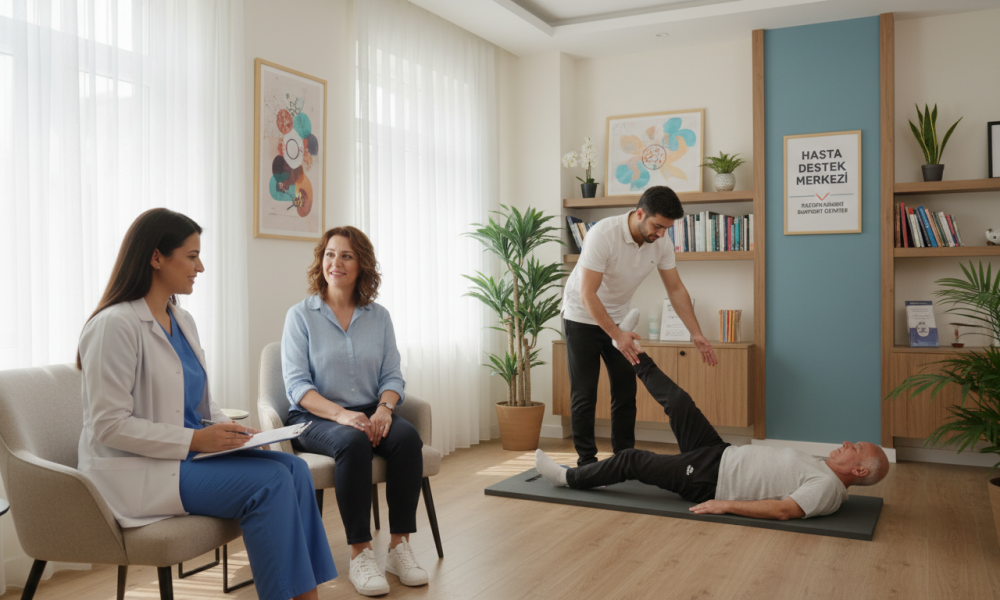
Your journey to wellness doesn’t stop when you leave the hospital in Turkey. We think comprehensive aftercare is as important as the surgery itself. It helps you recover smoothly and successfully.
Choosing the right facility is key. It’s helpful to follow a guide to choosing the right orthopedic clinic in Turkey. This way, you know what care to expect. Top clinics have dedicated teams to help you at every healing stage.
The Importance of Post-operative Communication
Keeping in touch with your surgical team is essential for your peace of mind. Even after you’re back in the UK, your surgeons can check on you and answer any questions.
Thanks to modern tech, remote consultations are easy. This means your recovery can stay on track. If you have any unexpected symptoms or questions about your meds, don’t hesitate to ask.
Accessing Local Support Networks for International Patients
Recovering at home is easier with local support. Many international patients find online forums and patient groups very helpful. They offer invaluable emotional support and practical tips.
We suggest telling your local GP about your surgery. This way, your medical records are complete. Combining expert care from abroad with local follow-up leads to the best health outcomes.
Legal and Ethical Considerations for Medical Tourism
When thinking about surgery in Turkey, knowing the laws is key. It’s important to understand your rights and the care standards. Being well-informed helps ensure a safe and successful medical journey.
Understanding Patient Rights in Turkish Healthcare
Turkey has strong rules for medical tourism, making sure patients get top care. The Turkish Ministry of Health sets these standards. They ensure hospitals give clear info on treatments and risks. Patient consent is a big part of this, making sure you know what’s happening before it starts.
Your rights in Turkey include:
- Clear, easy-to-understand explanations of your diagnosis and treatment options.
- The right to privacy and safe handling of your medical records.
- Knowing the qualifications and experience of your surgical team.
- The chance to get a second opinion or change your mind before the surgery.
Insurance and Liability Considerations for UK Citizens
As a UK citizen, remember the NHS doesn’t cover surgeries abroad. You need to get medical travel insurance that covers problems from surgeries overseas. This insurance should also cover emergency flights back home and care when you return.
Liability can be tricky when getting medical care abroad. Check the clinic’s insurance and their experience with international patients. Whether it’s a tummy tuck in Turkey or another procedure, make sure they meet global care standards. Taking these steps will help you feel secure during your recovery.
Financial Planning for Your Surgery Abroad
Managing your budget helps you focus on getting better. When you carefully plan your finances, you avoid unexpected costs. This is key to choosing a safe and affordable medical.
Transparent Pricing and Package Inclusions
Good clinics in Turkey offer all-inclusive surgical packages. These packages include the surgeon’s fees, anaesthesia, and hospital stay. This way, you know what you’re paying for upfront.
Always ask for a detailed list of what’s included before you book. This lets you compare clinics easily. Transparency is key for a worry-free medical trip abroad.
Hidden Costs to Consider During Your Stay
Even with packages, you might face extra costs. It’s smart to save for post-op meds, special dressings, or extra doctor visits.
Don’t forget to budget for travel and any companions’ expenses. If you need to stay longer, plan for that too. This way, you stay financially secure in Turkey.
Cultural and Logistical Tips for UK Patients
Going to Turkey for medical treatment is a big step. It’s not just about the treatment itself. Knowing about local customs and how things work can make your trip easier. Understanding the environment you’re in can help you relax and focus on getting better.
Navigating Language Barriers in Medical Settings
Language can be a worry for patients from abroad. But, top clinics in Turkey have dedicated translation services. These services make sure you’re understood, from your medical history to after-care instructions.
Many doctors in big Turkish cities speak English well. It’s also smart to have a translation app on your phone for everyday chats. Clear communication is key to a safe visit. So, always ask for a translator if you’re unsure about anything.
Cultural Etiquette and Comfort During Recovery
Turkey is known for its warm culture and history. When you’re recovering, you’ll find the staff and locals very friendly. Showing respect for local ways, like dressing modestly, is valued.
Turkish culture values social connections and being welcoming. You might find staff very friendly or small gestures of kindness during your stay. Embracing these cultural nuances can make your medical trip more positive. Being polite and open-minded will help you feel supported and cared for.
Evaluating Success Rates and Long-term Outcomes
Looking at both clinical data and personal habits is key to judging treatment success. Many patients want to know how long their results will last after a bladder neck procedure abroad. Turkey’s modern medical facilities use advanced methods to make sure results last for years.
Evidence-Based Results for Bladder Neck Procedures
Leading Turkish urological centres show high success rates for bladder surgery. Most patients see a big improvement in their urine flow and symptoms soon after. This success is thanks to the skilled surgeons and top-notch diagnostic tools.
Studies show that a bladder neck treatment done by experts lasts well. While results can differ, most patients keep feeling better. This makes Turkey a great choice for top-quality care from the UK.
Maintaining Urinary Health Post-Surgery
Success after bladder surgery goes beyond the surgery. Healthy habits are key to recovery and keeping your urinary system healthy. Listening to your doctor’s advice helps keep the benefits of your bladder neck treatment.
To keep improving, consider these tips:
- Stay hydrated: Drink enough water to keep your bladder working well.
- Monitor symptoms: Keep a diary of your urine habits to spot any changes early.
- Follow-up care: Go to all your follow-up appointments to track your progress and solve any issues.
- Healthy diet: Cut down on bladder irritants like caffeine and spicy foods to stay comfortable.
By making these habits part of your daily life, you can make your bladder neck procedure last longer. Talking regularly with your healthcare team is the best way to keep your urological health top priority.
Conclusion
Choosing surgery in Turkey for bladder neck obstruction is a smart move. It leads to a better life quality. You get top medical care and save money compared to the UK.
Your success depends on being well-prepared and choosing the right place. Going to trusted clinics makes your journey safe and focused on healing.
You can fix ongoing urinary issues with surgery abroad. Talk to skilled urologists about your needs. This is the first step to feeling better and more confident again.
FAQ
Q: Why is Turkey considered a premier destination for Bladder Neck Incision Surgery?
A: Turkey is a top choice for bladder surgery thanks to its advanced medical setup. It has top hospitals like Acıbadem Healthcare Group and Memorial Hospitals. UK patients go there for skilled surgeons and the latest tech, all at lower costs than in the UK.
Q: What symptoms typically indicate the need for a bladder neck procedure?
A: Signs you might need surgery include trouble passing urine, a weak stream, and feeling like you can’t empty your bladder fully. These symptoms mean you might have a blockage that needs fixing.
Q: How does a bladder neck incision differ from urethral stricture surgery?
A: A bladder neck incision fixes a blockage at the bladder’s outlet. Urethral stricture surgery deals with scarring in the urethra. Turkish doctors use special tests to find the right treatment for you.
Q: Is the bladder surgery performed in Turkey subject to international safety standards?
A: Yes, Turkey’s top hospitals meet global safety standards. They are accredited by Joint Commission International (JCI). This means patients get care that’s up to European standards.
Q: What should I expect during the bladder neck incision recovery period?
A: Right after surgery, you’ll be watched closely in the hospital. You can start light activities in a week but avoid hard exercise for weeks. Turkish clinics help with aftercare and keep in touch after you go back to the UK.
Q: How are the financial aspects and travel logistics managed for surgery abroad?
A: Turkish clinics offer clear prices for surgery, hospital stays, and sometimes travel. UK patients should think about extra costs like longer stays or special meds. Talk to the clinic about insurance and legal rights.
Q: Can I consult with a Turkish surgeon before travelling for the procedure?
A: Yes, you can. Top clinics offer video calls for first talks and checks. This helps plan your surgery and travel plans.
Q: What are the long-term success rates for bladder neck incision procedures in Turkey?
A: Studies show Turkish surgery has high success rates. Surgeons also give advice on keeping your urinary system healthy after surgery.
Q: How are language barriers and cultural differences addressed during treatment?
A: Hospitals in Turkey have staff who speak many languages. They make sure you understand everything. Turkish healthcare is also very welcoming, making patients feel at home.
Related guides

Healthcare Content Compliance Guide for Growth
A high-performing treatment page can generate international patient inquiries within hours. It can also create material risk if…

Turkey Hospitals vs Local Hospitals Compared
A lower procedure quote can get a patient’s attention. It should not make the decision on its own.…

Patient Experience That Drives Trust and Growth
A patient who has already uploaded medical records, compared providers, and arranged time away from work is not…