
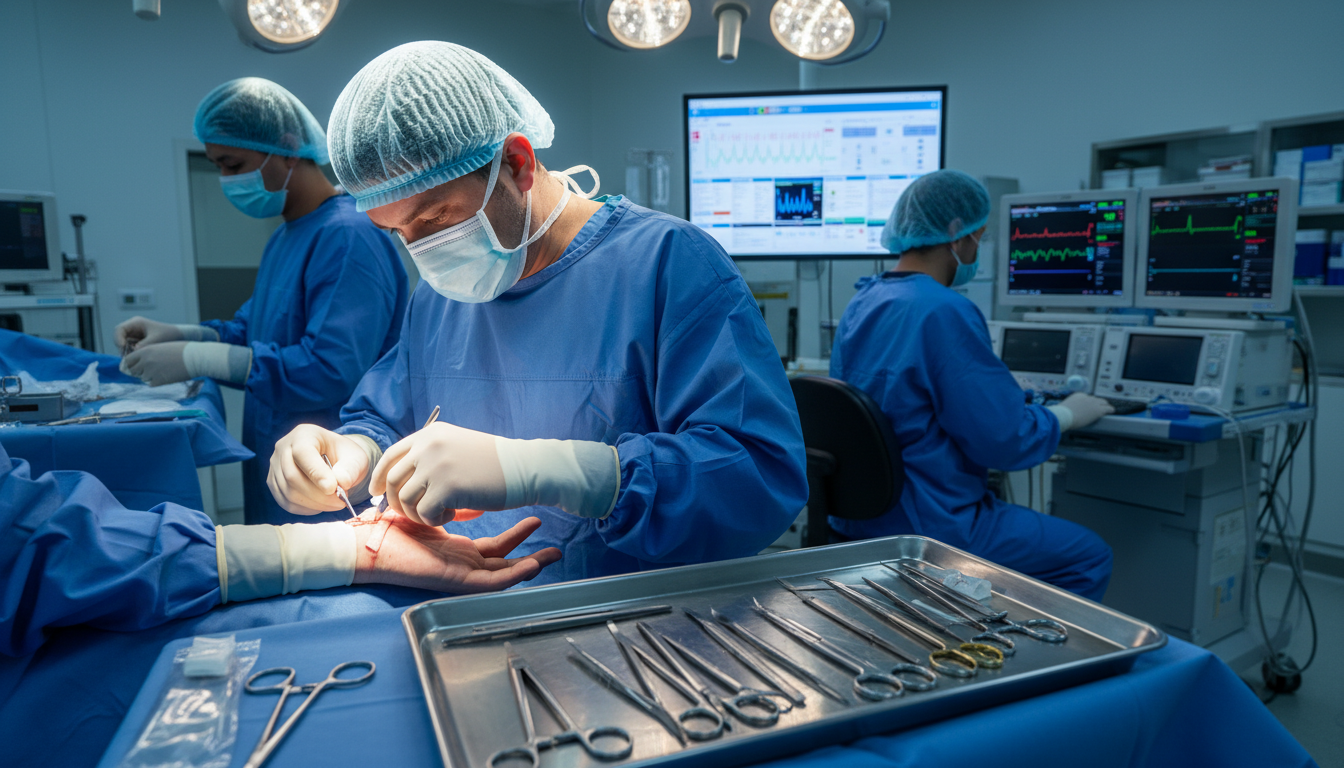
More and more people from the UK are choosing to go abroad for top-notch orthopaedic care. They are heading to Turkey for Carpal Tunnel Release (CTS) Surgery. This is because Turkey is known for its world-class medical standards and cutting-edge clinics.
It’s becoming a top choice for medical tourism. Patients get to see some of the best doctors around. These doctors focus on making sure patients are comfortable and recover well.
For those with long-term hand pain, this is a good solution. Carpal Tunnel Release (CTS) Surgery uses the latest methods. This means patients can look forward to lasting relief and better hand function.
The mix of expert care and affordable prices is a big draw for many from the UK.
Key Takeaways
- Turkey is a leading destination for UK patients seeking orthopaedic treatments.
- Modern medical facilities ensure high standards of patient safety and care.
- The procedure effectively addresses chronic nerve compression in the hand.
- Specialists in Turkey utilise advanced techniques to improve patient outcomes.
- Medical tourism offers a cost-effective alternative for those requiring urgent intervention.
Understanding Carpal Tunnel Syndrome and the Need for Surgical Intervention
First, we need to understand nerve compression. This happens when the median nerve gets squeezed at the wrist. This can cause a lot of pain, leading to the need for Carpal Tunnel Release Surgery to improve your life.
Recognising the Symptoms of Nerve Compression
The first signs of this problem are often small. You might feel tingling or numbness in your thumb and fingers. These feelings are common at night, when your wrists are bent.
Ignoring these signs can cause your grip to weaken and make simple tasks hard. This is because the nerve is being pressed too much.
As the problem gets worse, the muscles in your thumb can start to shrink. This is a clear sign that the nerve is under too much stress. Getting medical help early is key to avoiding serious damage to your hand.
When Conservative Treatments Fail
At first, doctors might suggest wearing a wrist splint or getting steroid shots. These can help if the nerve is just a bit irritated. But they might not work for everyone.
If these treatments don’t help, or if you keep feeling numb and your muscles shrink, surgery might be needed. This surgery makes more room for the nerve. It helps the nerve heal and stops your hand from getting worse.
Why Turkey Has Become a Leading Destination for Medical Tourism
In the last 20 years, Turkey has made big strides in modernising its healthcare. This effort has turned it into a premier global hub for top-notch surgeries. The focus on the latest technology and patient care draws thousands of visitors each year.
Looking for the best orthopedic clinic? A guide to choosing the right one in Turkey can help. These clinics offer a smooth experience that often goes beyond what UK patients expect.
The Evolution of Healthcare Infrastructure in Turkey
Turkish hospitals have grown fast thanks to big investments. Many private clinics were built with state-of-the-art surgical suites and the latest diagnostic tools. This setup lets surgeons do complex surgeries with great skill and speed.
Also, digital health records and advanced imaging tech keep patient data safe. These steps have made top-notch care the norm, not the exception. Patients get to enjoy care in a modern, clean, and efficient place.
Accreditation Standards and International Quality Benchmarks
The Turkish healthcare sector sticks to tough international standards. Many top hospitals have the Joint Commission International (JCI) accreditation, a gold standard for safety and quality. This shows they meet strict global standards for cleanliness, patient rights, and results.
By following these global rules, Turkish clinics match or beat UK standards. Rigorous internal audits and ongoing staff training keep these high standards. So, international patients can be sure their health and safety are always first.
The Benefits of Choosing Carpal Tunnel Release (CTS) Surgery in Turkey
Choosing Carpal Tunnel Release (CTS) Surgery abroad is often about getting quick access and top-notch care. In the UK, long waits can make things worse. Traveling abroad can help you get back to normal life faster.
Cost-Effectiveness Compared to the United Kingdom
One big reason to pick Turkey is the money you save. The total cost of Carpal Tunnel Release (CTS) Surgery, including travel and stay, is much lower than in the UK.
This doesn’t mean you’re sacrificing quality. It shows Turkey’s lower costs and better exchange rates. Many clinics offer clear, all-inclusive deals that make things easier.
- Significant savings on surgical fees compared to private UK clinics.
- Transparent pricing structures with no hidden costs.
- High-value packages that often include luxury accommodation and transfers.
Access to Highly Qualified Orthopaedic Surgeons
Turkey has invested in top-notch medical facilities. Many orthopaedic surgeons there have specialised training from leading international schools.
These experts focus on giving each patient the best care. This means you get to talk directly with your team. They make sure your Carpal Tunnel Release (CTS) Surgery meets your needs. This approach helps you feel supported every step of the way.
Preparing for Your Carpal Tunnel Operation Abroad
Traveling for a Carpal Tunnel operation means planning is key. It’s as important as the surgery itself. Good planning helps you focus on getting better, not on paperwork. It makes your medical journey smooth.
Initial Consultations and Remote Medical Assessments
Today, talking to doctors from afar is easy. Before you book your trip, clinics will often do a virtual consultation. They check your symptoms and medical history.
Be ready to share recent tests or medical notes. This lets the surgeon plan the Carpal Tunnel operation just for you. Good communication builds trust and makes sure everyone knows what to expect.
Necessary Documentation and Travel Logistics
Getting your papers in order is a big part of getting ready. Make sure your passport is good for at least six months after your trip. Also, get medical travel insurance to cover unexpected costs.
Keep all your medical records and clinic details in a folder. Choose a place to stay close to the hospital to make recovery easier. Here’s a list of things to pack before you go.
| Category | Required Item | Purpose |
|---|---|---|
| Documentation | Valid Passport | International travel compliance |
| Medical | Clinical Records | Surgeon’s reference |
| Financial | Travel Insurance | Emergency coverage |
| Logistics | Accommodation | Post-operative rest |
Surgical Techniques for Carpal Tunnel Decompression
Modern medicine has two main ways to treat wrist nerve compression. Both aim to ease pressure on the median nerve. Yet, they vary in how they’re done and how you’ll feel afterwards.
Choosing the right Carpal Tunnel Release Surgery depends on your wrist’s shape and how bad your symptoms are. Your doctor will look at your case to suggest the best option.
Open Carpal Tunnel Release Procedures
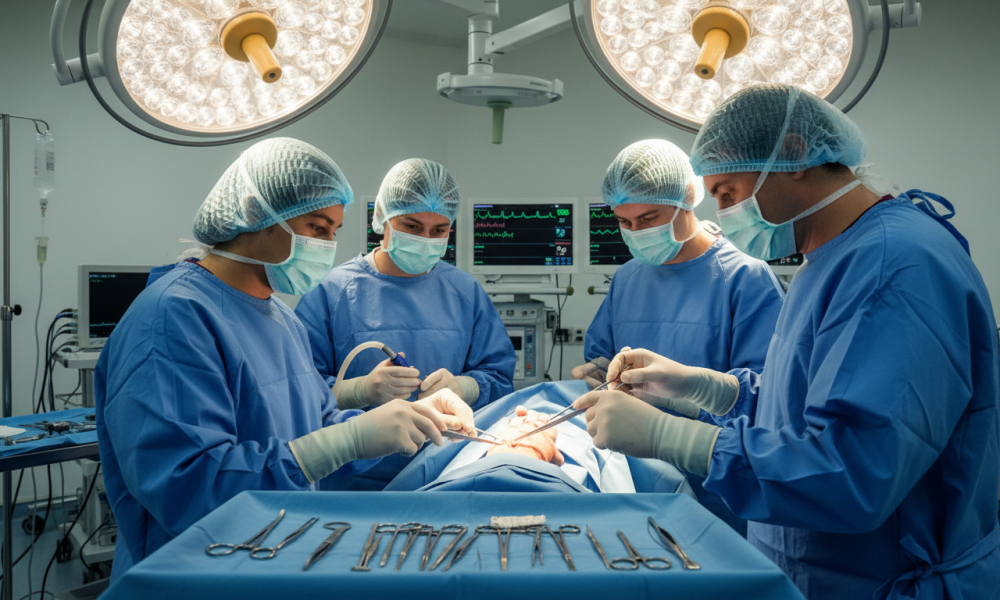
The traditional open method is a gold standard for many doctors. It involves a small cut in the palm to reach the transverse carpal ligament.
By cutting this ligament, the surgeon makes room for the nerve. This is called Carpal Tunnel decompression. This way, the surgeon can see the area clearly, making the surgery safer and more precise.
Endoscopic Carpal Tunnel Repair Methods
For those wanting a less invasive option, endoscopic methods are a modern choice. This Carpal Tunnel repair uses one or two tiny cuts in the wrist or palm.
A small camera, called an endoscope, is used to guide the surgery on a screen. This method causes less damage to tissues. It often means you can get back to normal faster.
| Feature | Open Release | Endoscopic Repair |
|---|---|---|
| Incision Size | Larger (approx. 2-5 cm) | Smaller (approx. 1 cm) |
| Visualisation | Direct view | Camera-assisted |
| Recovery Speed | Standard | Typically faster |
Both methods are very good at easing chronic pain for the long term. Talking to your doctor in Turkey will help you choose the best Carpal Tunnel repair for you. This will depend on your lifestyle and what you hope to achieve in your recovery.
What to Expect During Your Stay in Turkey
Your journey to recovery starts when you arrive at a modern Turkish medical facility. Many international patients are amazed by the sophisticated infrastructure and the friendly atmosphere. These clinics make sure you’re comfortable and get the best care.
Hospital Facilities and Patient Care Standards
Turkish hospitals have top-notch surgical suites and diagnostic tools, matching the UK’s best. They have international accreditations, ensuring your stay is safe and clean. You’ll enjoy private, hotel-style rooms for a comfortable recovery.
The care you receive is all-encompassing, focusing on your health and happiness. Medical teams give personalised attention, making you feel safe and informed. You’ll get:
- Access to advanced diagnostic imaging and high-tech surgical theatres.
- Private, comfortable recovery suites with modern amenities.
- Dedicated nursing staff available around the clock to monitor your progress.
- Nutritious, custom-tailored meal plans to support your healing process.
The Role of Patient Coordinators and Translators
Getting medical care abroad can seem overwhelming, but you’re not alone. Patient coordinators are your personal guides, handling all the details. They help you connect with the medical team, easing any stress.
Language barriers are no issue thanks to professional translators. They’re with you at consultations and appointments, making sure you understand your treatment. These experts manage your travel and recovery, letting you focus on getting better.
Anaesthesia and Pain Management Protocols
Knowing about anaesthesia options is key for a stress-free surgery. When you have CTS surgery, your team focuses on your safety and comfort. They work together to choose the best option for you.
Local Versus General Anaesthesia Options
Most people choose local anaesthesia for this surgery. It numbs just the wrist and hand, so you stay awake but pain-free. It’s popular because it doesn’t make you feel drowsy.
But, if you’re worried about the surgery, your doctor might suggest general anaesthesia. This makes you relaxed or asleep during the CTS surgery. Your anaesthetist will check your health history to pick the safest option for you.
Post-Operative Pain Relief Strategies
Managing pain well is key to a good recovery in Turkish clinics. After the surgery, the team will give you a plan to handle any pain. They’ll tell you how to stay comfortable while your hand heals.
Here are some post-operative strategies clinics often suggest:
- Elevation: Keep your hand above your heart to reduce swelling and pain.
- Cold Therapy: Use ice packs as directed to ease inflammation.
- Medication Management: Take pain relief tablets as prescribed to stay ahead of pain.
- Wound Care: Keep the dressing clean and dry to avoid irritation and promote healing.
By sticking to these professional guidelines, you can recover with confidence. Your team is always there to help, making sure your CTS surgery is as comfortable and successful as it can be.
Carpal Tunnel Release Recovery Timeline
Understanding the Carpal Tunnel release recovery timeline is key. The surgery is very effective, but healing takes time. Following your doctor’s advice is important for the best results.
Immediate Post-Surgery Care and Wound Management
Right after surgery, your hand will be wrapped to protect the cut. Keeping this dressing clean and dry is critical to avoid infection while the skin heals.
Your doctor might give you a splint to support your wrist. Elevating your hand above your heart helps reduce swelling and eases pain.
Returning to Daily Activities and Work
You can start with light activities a few days after surgery. But, avoid heavy lifting or gripping for weeks to let the tissues heal.
Going back to work depends on your job. Jobs that involve manual labour might need more time off than office jobs. Always check with your doctor before doing more activities to protect your long-term functional outcomes.
Physiotherapy and Rehabilitation Programmes
Your journey to restored hand function doesn’t end with surgery. The operation fixes the nerve compression, but recovery is where you regain strength. A well-planned Carpal Tunnel treatment is key to getting your hand back to normal.
The Importance of Hand Exercises Post-Surgery
Hand exercises are essential for your recovery. These exercises help your nerves glide smoothly, avoiding scar tissue. Doing these exercises regularly keeps the space made during surgery open.
Sticking to your rehabilitation plan is vital. Gentle, repetitive movements can reduce wrist stiffness and swelling. This proactive Carpal Tunnel treatment speeds up your recovery, making your hand more dexterous.
Long-Term Functional Outcomes
Your goal is to regain grip strength and fine motor skills. Those who stick to their physiotherapy programme see better results. You’ll find it easier to do everyday tasks like typing and gripping.
Reaching these goals takes time and following your doctor’s advice. Gradual progress keeps your hand functional and pain-free for years. Here’s a look at your recovery journey’s stages.
| Recovery Phase | Primary Focus | Expected Outcome |
|---|---|---|
| Early Stage (Weeks 1-2) | Wound care and gentle motion | Reduced swelling and initial nerve gliding |
| Intermediate (Weeks 3-6) | Strengthening and flexibility | Improved grip and range of motion |
| Final Stage (Month 3+) | Full functional integration | Return to normal daily activities |
Potential Risks and Complications of CTS Surgery
Being open about surgical risks is key in Turkey’s medical care. CTS surgery is common and usually works well. But, it’s good to know there are risks. This way, you can make better choices and work well with your doctors for a quick recovery.

Understanding Surgical Risks and Mitigation
The main worries with Carpal Tunnel syndrome surgery are minor nerve issues, infection, or scar sensitivity. Turkish clinics follow strict rules to lower these risks. They use clean rooms, top-notch tools, and careful methods to protect the nerve.
Steps like giving antibiotics and closing wounds carefully are key. These steps are crucial for your safety and help avoid problems after surgery. Your surgeon will talk about these steps at your first meeting to ease your worries.
When to Seek Medical Attention After Returning Home
After going back to the UK, watch your incision for any odd changes. A bit of pain is normal, but call your GP or the clinic if you see signs of infection. Look out for persistent fever, too much redness, or warmth spreading around the surgery area.
If you feel a sharp increase in pain or new numbness in your fingers, get help fast. Talking openly with your doctors helps fix small problems quickly. Quick action is the best way to protect your health and how well you can use your hands.
Comparing Carpal Tunnel Surgery Cost in Turkey and the UK
Understanding the Carpal Tunnel surgery cost in the UK and Turkey is key. Turkish clinics offer top-notch care at lower prices than British private hospitals. Traveling can mean better surgery quality while saving money.
Hidden Costs and What is Included in Packages
Quotes can vary, so it’s important to know what’s included. Turkish clinics often have an all-inclusive medical package. This includes the surgeon’s fee, anaesthesia, hospital stay, and initial consultations. But, check if post-operative care, special splints, or follow-up physio are included.
Don’t forget about extra costs during recovery. These can include pain relief, transport, and meals. Always ask for a detailed breakdown of the Carpal Tunnel surgery cost to avoid surprises.
Financial Planning for Medical Travel
Good financial planning makes medical travel easier. You’ll need money for flights, accommodation, and a budget for unexpected costs. A detailed spreadsheet can help track all your expenses.
Here’s a comparison to help you plan your budget better. This will help you decide between UK private care and international options.
| Expense Category | Private UK Care | Turkish Medical Package |
|---|---|---|
| Surgical Procedure | High (Variable) | Included |
| Hospital Stay | Daily Rate | Included |
| Consultations | Per Visit | Included |
| Travel & Logistics | Minimal | Separate Cost |
By considering these factors, you can make a smart choice. Remember, the cost is important, but a successful recovery is more valuable.
Legal and Ethical Considerations for UK Patients
Understanding the legal side of medical tourism is key. When you have surgery in another country, you’re under their laws, not the UK’s. Being well-informed helps protect your rights.
Patient Rights and Medical Liability Abroad
Every country has its own rules for medical mistakes and compensation. Before surgery, carefully review the clinic’s terms. Legal actions abroad can be very different from what you’re used to.
Good clinics give you a detailed contract about the surgery and who’s responsible. Make sure this contract is clear and talks about possible problems. Transparency is vital, so ask for clear explanations of any confusing parts.
Ensuring Continuity of Care with Your GP
Your GP is key to your health, even when you’re abroad. Tell your doctor about your plans before you go. This helps when you return for recovery and follow-up.
Ask for a full report of your surgery and any medicines given. Giving these to your GP helps them understand your health fully. Clear communication between your surgeon and GP is best for your recovery.
The NHS focuses on care in the UK. Your GP will help with recovery, but needs the right info. By sharing your surgery details, you can confidently manage your health back home.
Selecting the Right Clinic and Surgeon
Choosing the right surgeon is key to a good treatment. When you travel for Carpal Tunnel syndrome surgery, the care you get matters a lot. Doing your homework ensures you get the best care possible.
Researching Surgeon Credentials and Experience
Check your surgeon’s background before surgery. Look for board certifications in orthopaedic or hand surgery. This shows they are well-trained and follow strict medical rules.
Ask about their experience with your surgery type. This could be endoscopic or open release techniques.
Here are key things to look for in a surgeon:
- Board Certification: Make sure they are registered with national medical groups.
- Years of Practice: Choose surgeons with lots of experience.
- Specialisation: They should mainly work on hand and wrist issues.
Reading Patient Testimonials and Case Studies
Real feedback from others is very helpful. Look for detailed reviews from start to finish after Carpal Tunnel syndrome surgery. Good clinics share case studies or before-and-after photos.
Focus on comments about communication and support. A caring clinic will have many positive reviews. By checking credentials and real stories, you can find the right surgeon for you.
Post-Operative Follow-Up and Long-Term Success
Your recovery journey doesn’t stop after the surgery. Long-term success depends on caring for your hand health over time.
Monitoring Nerve Regeneration and Symptom Relief
After your Carpal Tunnel operation, watch for signs of nerve healing. You might feel your hand getting stronger and less numb at night over weeks.
Write down any symptoms to talk about with your doctor. If numbness or sharp pain comes back, get help fast. This ensures your Carpal Tunnel decompression works well.
Preventing Recurrence of Carpal Tunnel Syndrome
To keep the surgery benefits, make ergonomic adjustments in your daily life. Check your workspace to keep your wrists straight while typing or using a mouse.
Do stretching exercises often to keep tendons flexible and reduce strain. These lifestyle changes help prevent symptoms from coming back. Taking good care of your hand after surgery keeps you comfortable for a long time.
Conclusion
Choosing surgery in Turkey for nerve compression is a smart move. It combines top-notch medical care with big savings. You get to use the latest in orthopaedic facilities, ensuring your safety and success.
This choice helps you get back to using your hands easily. You’ll work with some of the best doctors around. They have the skills to help you feel better fast.
But, it’s important to do your homework first. Make sure your surgeon is qualified and talk to your GP often. Having all your papers in order and knowing what to expect after surgery is key.
By taking these steps, you’re on your way to a life without pain. You can make your daily life more comfortable and keep your body moving well. Contact trusted clinics now to start your journey towards better health.
FAQ
Q: Why is Turkey considered a premier destination for Carpal Tunnel Release Surgery?
A: Turkey has invested heavily in its healthcare, with modern facilities that meet international standards. UK patients choose Turkey for CTS surgery. They get skilled surgeons and advanced technology at a lower cost than in Britain.
Q: At what point does Carpal Tunnel syndrome surgery become necessary?
A: A Carpal Tunnel operation is needed when other treatments fail. This includes wrist splints, physiotherapy, or corticosteroid injections. If numbness, tingling, or muscle weakness persists, surgery is often necessary to protect the median nerve.
Q: How does the Carpal Tunnel surgery cost in Turkey compare to the United Kingdom?
A: The cost of Carpal Tunnel surgery in Turkey is much lower. Patients can save 50% to 70% compared to private UK clinics. Turkish providers offer all-inclusive packages, covering the procedure, hospital fees, and more, making it a cost-effective option.
Q: What are the differences between open and endoscopic Carpal Tunnel repair?
A: Open Carpal Tunnel release uses a traditional incision in the palm. Endoscopic Carpal Tunnel repair uses a smaller incision and a camera. The endoscopic method often leads to quicker recovery, less pain, and smaller scars.
Q: What should I expect during the Carpal Tunnel release recovery period?
A: During the initial recovery, keep your hand elevated and follow your surgeon’s wound care instructions. You can usually return to light activities within a few days. Grip strength and full function may take weeks to return. A rehabilitation programme with hand exercises is key for the best results.
Q: Is the Carpal Tunnel decompression procedure painful?
A: The surgery is done under anaesthesia to keep you comfortable. Most surgeons use local anaesthesia, numbing the hand and wrist. A pain management plan will be set up to manage any discomfort during healing.
Q: How can I ensure the quality and safety of Carpal Tunnel treatment abroad?
A: To ensure quality treatment, research clinics with JCI accreditation or similar standards. Verify the surgeon’s credentials, read patient testimonials, and ensure a remote medical assessment before traveling to Turkey.
Q: Will I need a translator during my stay for CTS surgery in Turkey?
A: Leading hospitals in Turkey provide translators and patient coordinators for international patients. They ensure communication is clear, helping with consultations and arrangements during your stay.
Q: What are the risks associated with Carpal Tunnel syndrome surgery?
A: Carpal Tunnel surgery carries risks like infection, nerve irritation, or scarring. Turkish surgeons follow strict safety protocols. Inform your UK GP of the procedure for proper follow-up after returning.
Q: How can I prevent the recurrence of symptoms after my Carpal Tunnel repair?
A: Success after surgery depends on the procedure and lifestyle changes. Follow your physiotherapy programme and make ergonomic changes in your workspace. Regular breaks from repetitive hand movements can also help prevent symptoms from returning.
Related guides

Healthcare Content Compliance Guide for Growth
A high-performing treatment page can generate international patient inquiries within hours. It can also create material risk if…

Turkey Hospitals vs Local Hospitals Compared
A lower procedure quote can get a patient’s attention. It should not make the decision on its own.…

Patient Experience That Drives Trust and Growth
A patient who has already uploaded medical records, compared providers, and arranged time away from work is not…