
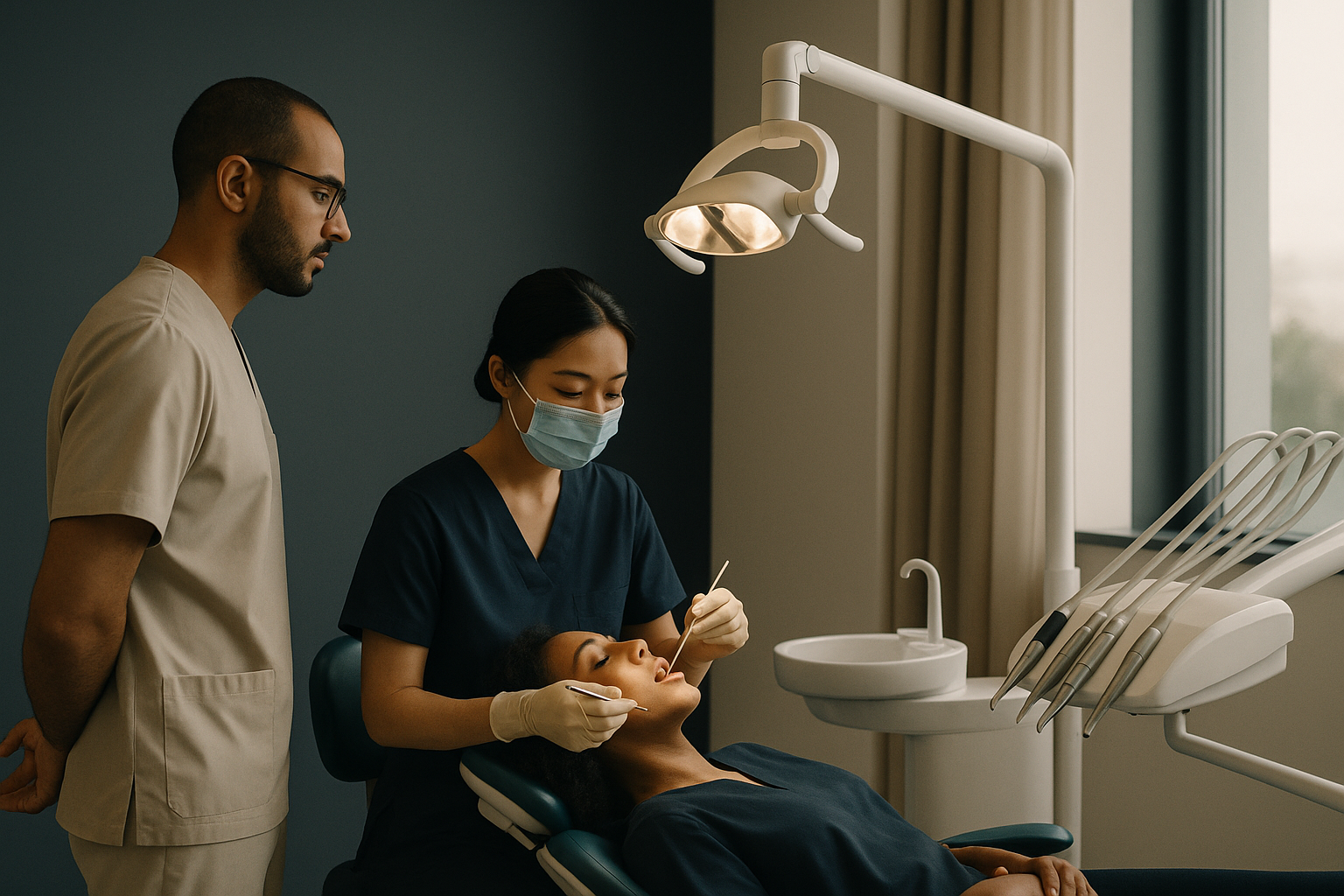
Dental care can be a significant expense, especially in countries where healthcare costs are high. For individuals seeking affordable options, exploring the cheapest dental work country is a viable solution. This guide offers detailed insights into where you can find quality dental care at competitive prices.
What Makes a Country the Cheapest for Dental Work?
Several factors determine why a country might be considered the cheapest for dental work. One of the primary factors is the country’s economic structure, which directly affects the cost of living. Countries with lower living costs, such as Mexico, can reduce operational costs for dental clinics, allowing them to offer more affordable services. For example, in Mexico, the cost of living is significantly lower compared to the United States, which directly impacts the pricing of services offered. This affordability extends to dental services, where clinics can maintain profitability while offering competitive prices to international patients.
Exchange rates also play a crucial role. For instance, when the U.S. dollar is strong against the Mexican peso or the Thai baht, American patients can save even more on dental procedures. This exchange rate advantage means that U.S. citizens can effectively get more value for their money abroad, further making these countries attractive for dental work.
Moreover, government policies and investments in healthcare infrastructure can play a pivotal role. Countries like Thailand and Hungary have prioritized healthcare improvements, ensuring that even at lower costs, the quality of services remains high. These countries often have government-backed initiatives that promote medical tourism, providing financial incentives to clinics and healthcare providers for maintaining certain standards. This combination of economic and policy factors makes countries like Mexico, Thailand, and Hungary popular for those seeking the cheapest dental work country without compromising on quality.
How Much Can You Save by Choosing Dental Work Abroad?
The potential savings from choosing to undergo dental work abroad can be substantial, often ranging between 50-70% on procedures compared to their home countries. For instance, the cost of dental implants in the United States can range from $3,000 to $5,000 per implant, whereas in Mexico or Thailand, similar procedures might cost between $1,000 and $2,000. This dramatic price difference can make dental tourism an attractive option for those on a budget. Additionally, complex procedures like full-mouth reconstructions can cost upwards of $45,000 in the U.S., whereas the same procedure might be available for $15,000 abroad, offering savings that can significantly alleviate financial strain.
These savings extend beyond implants to other dental services such as crowns, which can cost $1,000 in the U.S. but only $300 in Hungary. Veneers, which are popular for cosmetic enhancements, can cost up to $2,500 per tooth in the U.S., whereas in Thailand, they might be priced at $800. General dental care, including routine check-ups and cleanings, also sees a price reduction abroad, making regular care more affordable for many. For example, a cleaning and check-up that might cost $200 in the U.S. could be as low as $50 in Mexico.
However, it’s crucial to factor in travel expenses, accommodation, and any potential follow-up visits. A comprehensive cost analysis will help determine if the savings justify the travel. For instance, a round-trip flight to Thailand might cost around $800, while accommodation for a week could add another $700. These figures should be considered in the total cost to ensure that the trip remains financially beneficial. Furthermore, some clinics offer bundled packages that may include lodging and transport, potentially reducing overall costs and making the trip even more economical.
Which Countries Offer the Best Balance of Cost and Quality?
When evaluating the balance of cost and quality, several countries stand out as top dental tourism destinations. Mexico is a popular choice for North Americans due to its proximity and significantly lower prices, making it ideal for those seeking the cheapest dental work country. With numerous clinics located in border towns, patients can easily access quality care without extensive travel. Cities like Tijuana and Cancun are home to clinics that offer comprehensive packages, including transportation and accommodation, further reducing the logistical challenges for patients. These clinics often employ bilingual staff to facilitate communication and ensure a seamless experience.
Thailand is another leader in dental tourism, attracting patients from around the world. Known for its hospitality and advanced healthcare facilities, Thailand offers excellent dental care at reasonable prices. Cities like Bangkok and Phuket are renowned for their state-of-the-art clinics, which feature the latest technology and skilled practitioners. These clinics often cater specifically to international patients, offering services in multiple languages to enhance the patient experience. Additionally, Thailand’s reputation for medical tourism extends beyond dental care, providing a well-rounded healthcare ecosystem that supports patient needs comprehensively.
Hungary is Europe’s dental capital, drawing patients from across the continent. The country boasts advanced dental technology and highly qualified dentists, making it an attractive option for those seeking affordable yet high-quality care. Budapest, in particular, has an extensive network of clinics that specialize in everything from routine check-ups to complex surgeries, often at a fraction of the cost found in Western Europe. The competitive pricing and high standards have made Hungary a leading destination for dental tourism in Europe, ensuring patients receive excellent care without the hefty price tag.
What Should You Consider Regarding Safety and Accreditation?
Safety and accreditation are critical when seeking dental care abroad. Ensure that the clinics you consider are accredited by internationally recognized bodies such as the Joint Commission International (JCI) or the International Organization for Standardization (ISO). Accreditation ensures that the clinics adhere to global standards of healthcare quality and patient safety. Clinics in countries like Thailand and Mexico often display their accreditations prominently, providing peace of mind to potential patients. This transparency is crucial as it reflects the clinic’s commitment to maintaining high standards.
Beyond accreditation, research the qualifications of the dental professionals. Many countries that are popular for dental tourism have specialists trained in Europe or the United States, ensuring a high standard of care. Checking the educational background and professional affiliations of the dentists can provide additional assurance of their expertise and commitment to quality care. For example, many Hungarian dentists have received their training in reputable European institutions, bringing advanced skills and knowledge back to their home clinics.
Patient reviews and testimonials can also provide insights into the quality of care and patient experiences at specific clinics. Look for clinics with consistently positive feedback and transparent communication about their services. Websites and forums dedicated to medical tourism can be valuable resources, offering firsthand accounts and advice from previous patients that can guide your decision-making process. Additionally, consulting with medical tourism agencies can provide professional insights and recommendations, helping you navigate the myriad of options available.
How to Plan Your Dental Tourism Trip?
Planning a dental tourism trip involves several steps to ensure a smooth and successful experience. Begin by researching potential destinations and identifying the cheapest dental work country options that best fit your needs. Consider factors such as travel distance, language barriers, and the availability of direct flights. For instance, if you’re located in the U.S., a destination like Mexico might be more convenient due to its proximity and minimal travel time. Start by listing your dental needs and matching them with countries known for those specific services.
Once you’ve selected a destination, create a detailed itinerary that includes appointments, travel arrangements, and accommodation. It’s advisable to allow extra time in your schedule for recovery or any unforeseen changes. Booking accommodations close to your chosen clinic can reduce stress and make it easier to attend follow-up appointments if needed. Many clinics offer package deals that include accommodation, which can simplify planning and reduce costs. These packages often include airport transfers and local transportation, easing the logistical burden on patients.
Consult with your local dentist before and after the trip to ensure continuity of care. They can provide valuable advice and assist with any follow-up care required upon your return. Having a trusted local dentist who is aware of your treatment plan can also be beneficial in case of complications, ensuring you have a support system in place once you return home. Additionally, having pre-treatment consultations can set realistic expectations and help you prepare adequately for your procedure abroad.
What Are the Pros and Cons of Dental Tourism?
Dental tourism offers several advantages, such as significant cost savings and the opportunity to combine treatment with a holiday. For many, the prospect of receiving dental care while exploring a new country is appealing, adding a leisure component to their medical journey. This can be particularly enticing in destinations like Thailand, where stunning beaches and vibrant culture provide the perfect backdrop for recovery. The ability to recuperate in a relaxing environment can enhance the overall experience, turning a medical trip into a memorable vacation.
However, there are also potential downsides to consider. Language barriers can pose challenges, and traveling for medical treatment can be stressful. It’s crucial to conduct thorough research to mitigate these risks. Choosing a clinic with multilingual staff or hiring a local guide can help overcome communication hurdles and ensure a smoother experience. Additionally, it’s important to be aware of cultural differences and healthcare practices that may differ from those in your home country, which can affect your perception of care quality.
Another consideration is the availability of aftercare once you return home. Ensure that you have a plan for any necessary follow-up treatment and that your local dentist is informed of the procedures you’ve undergone abroad. This continuity of care is essential to address any complications and maintain the health of your dental work long-term. Additionally, it’s important to weigh the potential risks of travel-related health issues, such as deep vein thrombosis, especially after surgical procedures. Being informed and prepared can help prevent these issues and ensure a safe and successful outcome for your dental tourism experience.
Conclusion
Choosing the cheapest dental work country can offer significant savings and high-quality care, provided you conduct thorough research and planning. By understanding the costs, evaluating potential destinations, and prioritizing safety and accreditation, you can make informed decisions that lead to successful outcomes. The growing popularity of dental tourism underscores the importance of being well-prepared and informed to maximize the benefits of this option.
Remember that dental tourism is a significant decision that requires careful consideration of both financial and health-related factors. With the right approach, it can be a rewarding experience that provides both health benefits and economic relief. By approaching the process methodically, considering all variables, and seeking professional advice, you can achieve a balance between affordability and quality, ultimately leading to improved dental health and satisfaction. As dental tourism continues to evolve, staying informed about new developments and emerging destinations can further enhance your experience and outcomes.
Proven result
8× US patient volume since 2024
Plastic & aesthetic surgery clinic
Frequently asked questions
What is dental tourism?
Dental tourism refers to travelling to another country to obtain dental care at a lower cost than in one’s home country.
How do I choose the right country for dental work?
Consider factors like cost, quality of care, accreditation, and reviews. Research thoroughly to find the best fit for your needs.
Are dental procedures abroad safe?
Yes, if you choose accredited clinics with qualified professionals. Research and verify credentials to ensure safety and quality.
What are the most popular countries for dental tourism?
Mexico, Thailand, and Hungary are among the top choices due to their affordability and quality of dental care.
How much can I save with dental tourism?
You can save 50-70% on dental procedures abroad compared to prices in the US or UK, depending on the country and treatment.
Related guides

Healthcare Content Compliance Guide for Growth
A high-performing treatment page can generate international patient inquiries within hours. It can also create material risk if…
Turkey Hospitals vs Local Hospitals Compared
A lower procedure quote can get a patient’s attention. It should not make the decision on its own.…

Patient Experience That Drives Trust and Growth
A patient who has already uploaded medical records, compared providers, and arranged time away from work is not…