
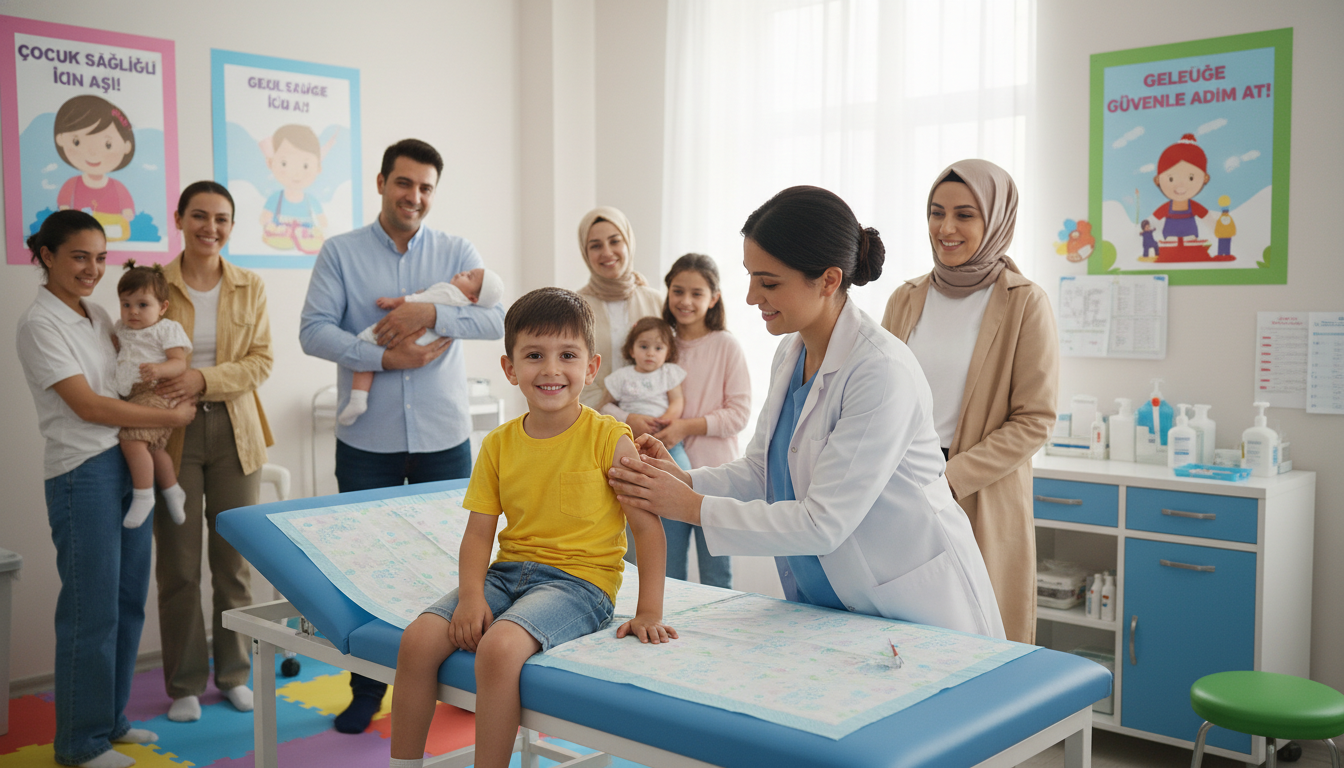
Keeping your family healthy when living abroad is key. In Turkey, it’s important to follow a strong Childhood Immunization plan. This helps protect your children from diseases they can avoid.
Finding your way around local healthcare can be tough. But it’s a must for your family’s health. This guide offers clear advice to help you manage your pediatrics treatment in Turkey. By focusing on prevention, you can support your child’s health in Turkey’s healthcare system.
Key Takeaways
- Prioritising a consistent vaccination schedule is essential for long-term health.
- Understanding the local health system helps parents access necessary services efficiently.
- Preventative care remains the most effective way to safeguard your family’s wellbeing.
- Evidence-based guidance simplifies the process of managing medical requirements abroad.
- Regular consultations with local specialists ensure your children receive high-quality care.
The Evolution of the Childhood Vaccination Program in Turkey
The Turkish health system has always focused on protecting young people. Over time, the Childhood Vaccination Program has grown from a simple idea to a detailed public health plan. This change shows how the country’s medical setup has also grown.
Historical milestones in public health
In the mid-20th century, Turkey started working on a network to fight infectious diseases. They knew that systematic intervention was key to keeping people healthy for the long term. These early steps helped build the organised system we see today.
As years went by, the types of illnesses covered by vaccines grew. This was because of a goal to make sure everyone gets vaccinated. This goal helped build trust in the system, which is very important today.
Modernisation of the national health system
The Health Transformation Program was a big change in Turkey’s healthcare. It made care more accessible and of higher quality. It also made sure vaccines reach every child on time.
Today, the Childhood Vaccination Program is always getting better. The system now supports high-quality medical care. This shows Turkey’s success in keeping communities safe through evidence-based policy.
Understanding the Official Childhood Immunization Schedule
The Immunization Schedule is key to keeping kids safe from diseases in Turkey. It guides parents on when to give vaccines. This helps protect children when they are most at risk.
Vaccination timeline from birth to adolescence
It starts right after birth with shots for Hepatitis B and Tuberculosis. As kids grow, they get more vaccines. These protect against diphtheria, tetanus, pertussis, and polio.
By primary school age, kids get booster shots to keep immunity strong. By adolescence, vaccines focus on new health risks. This ensures a smooth move into adulthood.
Mandatory versus recommended vaccines
It’s important to know the difference between required and advised vaccines. Mandatory vaccines are strict to keep everyone safe. They’re often needed for school.
Recommended vaccines add extra protection against certain diseases. While not required, doctors strongly suggest them. They help prevent serious illnesses.
| Vaccine Type | Status | Primary Purpose |
|---|---|---|
| Routine Childhood Series | Mandatory | Core disease prevention |
| School Entry Boosters | Mandatory | Maintaining immunity |
| Seasonal/Optional | Recommended | Enhanced protection |
Visit your local family health centre to check which vaccines are needed. Keeping a detailed Immunization Schedule is vital. It helps protect your child’s health for the future.
The Importance of Childhood Vaccination for Public Health
The health of a nation starts with childhood immunisation. Families help keep everyone safe by joining the Childhood Vaccination Program.
This effort keeps the community safe from diseases. The importance of childhood vaccination goes beyond just protecting one child. It’s a key part of keeping the whole country healthy.
Herd immunity and disease eradication
Herd immunity happens when many people are immune to a disease. This makes it hard for the disease to spread. It protects those who can’t get vaccinated, like babies or people with weak immune systems.
Getting enough people vaccinated is key to wiping out diseases. When lots of people are vaccinated, viruses can’t spread as easily. This makes the whole community safer.
Preventing outbreaks of infectious diseases
Keeping up with vaccinations stops diseases from coming back. If not enough people get vaccinated, diseases can start spreading again. This puts a lot of pressure on hospitals.
Keeping the Childhood Vaccination Program going is a smart move. It shows parents that their choices help keep everyone in Turkey healthy for a long time.
| Public Health Goal | Mechanism of Action | Community Benefit |
|---|---|---|
| Herd Immunity | High population coverage | Protection of vulnerable groups |
| Disease Eradication | Systematic immunisation | Permanent removal of pathogens |
| Outbreak Prevention | Consistent monitoring | Reduced hospitalisation rates |
Accessing Immunization Clinics for Kids in Turkey
Finding a reliable immunization clinic for kids is key for parents in Turkey. It’s important to navigate the local health system. This way, your children get the care they need as they grow.
The Turkish public health system is easy to use for everyone. Knowing how to use these services helps keep your child’s health records up to date.
Locating Family Health Centres (Aile Sağlığı Merkezleri)
The Aile Sağlığı Merkezi, or Family Health Centre, is where you go for routine vaccinations. These centres are in every neighbourhood, making quality care easy to find.
Find your nearest centre online or at the local health directorate. Local staff are generally well-equipped to help with scheduling appointments for your kids.
After finding your centre, it’s a good idea to visit in person. Meeting the medical team at your immunization clinic for kids makes future visits smoother.
Registration requirements for foreign residents
Foreign residents in Turkey need to register to use public health services. You’ll need your residence permit (ikamet) and a valid address document from the local population office.
After registering, you’ll have a family physician. They will manage your child’s health records. This centralised system keeps all vaccination history in one place.
Make sure to update your contact details at your local clinic. This way, you won’t miss important notifications about your child’s immunization clinic for kids appointments.
Safety Protocols and Vaccine Side Effects
The Turkish national immunisation programme is built on strict quality control. Every vaccine dose is checked carefully to meet global safety standards. This focus on quality keeps the population healthy and builds trust in the programme.
Monitoring vaccine quality and storage
Keeping vaccines at the right temperature is key. Turkey uses a cold-chain management system to keep vaccines safe. This system makes sure vaccines are effective when they reach health centres.
Health teams check storage places often. They use digital sensors to watch temperatures closely. These steps ensure vaccines are handled with great care.
Common reactions and when to seek medical advice
Parents might worry about Vaccine Side Effects. But most reactions are mild and show the vaccine is working. These symptoms usually go away in a few days without needing extra help.
Watch for signs like redness or tenderness at the injection site. While these Vaccine Side Effects can be managed at home, know when to see a doctor. If a child has a high fever or keeps crying, it’s best to talk to a family doctor.
| Reaction Type | Typical Duration | Recommended Action |
|---|---|---|
| Mild tenderness | 24 to 48 hours | Apply a cool, damp cloth |
| Low-grade fever | 1 to 2 days | Ensure adequate hydration |
| Minor swelling | Up to 3 days | Monitor for any increase |
| Severe symptoms | Immediate | Contact your doctor |
Childhood Immunization Rates and Public Trust
Public trust is key for good vaccination programs in the UK. When families trust medical advice, they’re more likely to get vaccinated. This mutual trust between health services and the public leads to better health outcomes.
Statistical trends in national coverage
Recent data shows Childhood Immunization Rates are high across the country. This shows a strong commitment from health authorities and parents to protect the community. Regular checks help spot and fix any gaps in coverage.
To keep these high standards, constant watchfulness and clear reporting are needed. Sharing data makes the government’s health network more credible. This transparency keeps public health protection strong.
Addressing vaccine hesitancy in the community
Even with high success rates, some people are unsure about vaccines. Health experts work hard to give accurate, science-backed information to families. Talking openly is the best way to clear up doubts.
Education programs highlight the benefits of Childhood Immunization for everyone. They make it easier for parents to make informed choices. The table below shows what builds trust in these vital health services.
| Factor | Impact on Trust | Strategy for Improvement |
|---|---|---|
| Transparency | High | Regular public data updates |
| Accessibility | Moderate | Expanding clinic hours |
| Communication | High | Evidence-based outreach |
| Professionalism | Moderate | Ongoing staff training |
The aim is to keep Childhood Immunization Rates high and reflect a well-protected society. By being open, the health system can tackle concerns. This way, every child gets a great start in life.
The Role of Healthcare Professionals in Vaccination
Family physicians are key in making sure kids get vaccinated on time. They are the first point of contact for families in the health system. Their knowledge is vital for Vaccination for Children nationwide.
Training and responsibilities of family physicians
In Turkey, family doctors get thorough training for the national immunisation programme. They keep records up to date and store vaccines correctly. This meticulous attention to detail makes sure vaccines are safe and work well.
They also check patients’ health to see if they can get vaccines. They make sure kids get vaccinated on time. This helps stop diseases from spreading in communities.
Communication strategies for parents
Good communication is key in medicine today. Doctors talk to parents about vaccine safety and why it’s important. They give clear, transparent information to help parents decide what’s best for their kids.
Healthcare staff listen well to parents and clear up any wrong ideas. This builds trust and gets more parents involved in Vaccination for Children. When parents feel understood, they’re more likely to follow doctor’s advice.
| Professional Duty | Primary Objective | Impact on Public Health |
|---|---|---|
| Clinical Oversight | Ensuring safe vaccine storage | High efficacy of doses |
| Patient Education | Addressing parental concerns | Increased community trust |
| Record Management | Tracking immunisation status | Improved national coverage |
Vaccination for Children with Special Health Needs
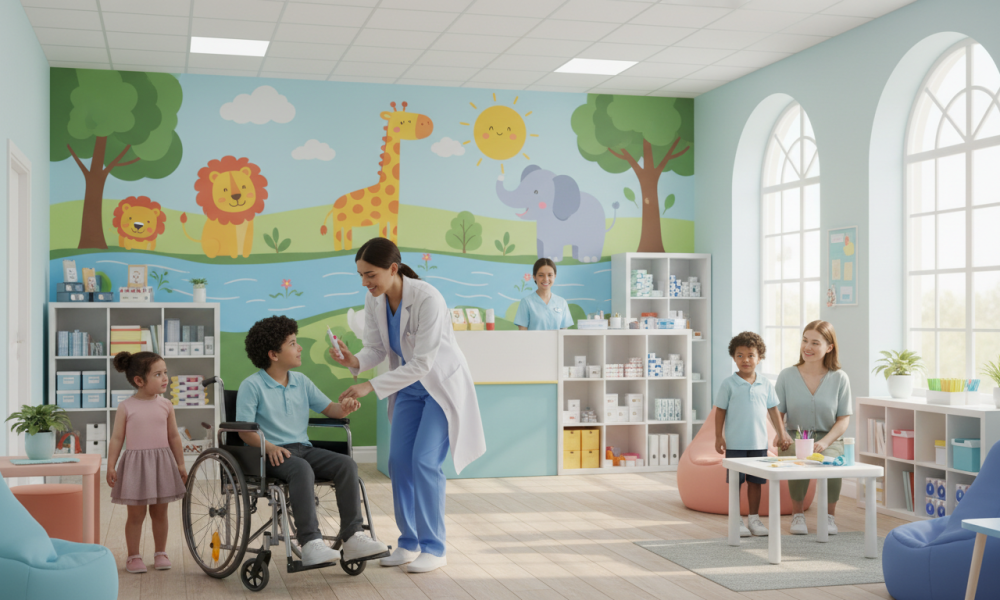
Children with complex health needs need a personalised approach to vaccines. Standard schedules are good, but some kids need special care. A visit to a Immunization Clinic for Kids helps parents talk to experts about their child’s needs.
Tailored approaches for immunocompromised children
For kids with weak immune systems, vaccine timing and type are key. Doctors check the child’s treatment before giving vaccines. Safety first means deciding if live vaccines are okay or if more doses are needed.
Doctors and immunologists keep a close eye on how these kids react to vaccines. This careful watch helps avoid risks while keeping them safe from diseases. Parents should talk often with their child’s doctor to meet these special needs.
Consultation processes for complex medical histories
For kids with chronic conditions, a team of experts is needed. A detailed consultation process reviews the child’s health and past reactions. This team makes sure vaccines are given safely, often in a Immunization Clinic for Kids.
Doctors make a special plan for each child’s health goals. They tell parents what to expect and how to handle side effects. This planning helps families feel more at ease with their child’s health challenges.
| Health Condition | Primary Consideration | Clinical Action |
|---|---|---|
| Immunocompromised | Vaccine Type | Avoid live vaccines; use inactivated |
| Chronic Neurological | Monitoring | Extended observation post-vaccination |
| Severe Allergies | Environment | Administer in a clinical setting |
| Complex Medical History | Scheduling | Consultation with specialist team |
Legal Framework and Parental Rights
The Turkish health system focuses on community wellbeing. It’s key for parents to understand the legal side to make good choices for their kids. Knowing the importance of childhood vaccination helps families meet these rules with confidence.
Regulations regarding mandatory immunisation
In Turkey, the Public Health Law No. 1593 sets the stage for health initiatives. It lets the Ministry of Health control infectious diseases through national plans. Even though it’s voluntary, the state has a big role in keeping everyone healthy.
Here’s a table showing the main points of these health rules:
| Regulatory Aspect | Legal Basis | Primary Objective |
|---|---|---|
| Public Health Law | Law No. 1593 | Disease prevention |
| National Schedule | Ministry of Health | Standardised coverage |
| Community Safety | State Mandate | Herd immunity |
Navigating informed consent in the Turkish system
Informed consent is vital in Turkish medicine. Parents must get all the facts about the benefits and risks of medical treatments. This talk helps families understand the importance of childhood vaccination before starting the schedule.
To get through this, parents should:
- Talk openly with your family doctor at the local health centre.
- Ask for detailed info on the vaccines being given.
- Discuss how vaccines affect long-term health.
- Look at the Ministry of Health’s official documents to stay updated.
Being proactive helps parents make sure their kids get the care they need. Talking clearly with doctors is the best way to handle worries and follow the importance of childhood vaccination legally and ethically.
International Standards and Global Health Alignment
Turkey keeps its immunisation programmes top-notch by following international rules. This ensures high Childhood Immunization Rates across the country. It also protects the youngest by using proven methods.
Comparison with World Health Organization guidelines
The Turkish Ministry of Health checks its vaccine schedule against the World Health Organization’s (WHO) advice. This rigorous benchmarking makes sure every vaccine is safe and effective. Following these standards helps Turkey keep improving its Childhood Immunization Rates.
The table below shows how Turkey’s actions match global health goals:
| Standard Category | National Approach | Global Objective |
|---|---|---|
| Safety Monitoring | Active surveillance | Standardised reporting |
| Cold Chain | Digital tracking | Optimal potency |
| Coverage Goals | Universal access | Disease eradication |
Collaborative efforts in regional disease control
Turkey is key in keeping regional health safe by sharing knowledge with neighbours. These efforts are vital for fighting diseases that spread across borders. Turkey works closely with global health groups to keep its Childhood Immunization Rates strong against new threats.
This proactive cooperation helps share data and resources quickly during health crises. By teaming up with international partners, Turkey’s health system gets better at stopping outbreaks. These partnerships are essential for keeping children’s health stable in the region.
Managing Vaccination Records and Documentation
Keeping track of your child’s vaccinations is key for their health. It makes sure they follow the Immunization Schedule. This brings peace of mind for parents and doctors.
The importance of the vaccination card
When a child is born, parents get a vaccination card from their Family Health Centre. This card is a vital historical record of all vaccinations. It’s important to keep it safe, as it proves your child’s health status at different times.
Having this card handy has many benefits for families:
- It makes joining nurseries and schools easier.
- It gives doctors quick access to health information during emergencies.
- It helps parents keep track of when to get more vaccinations.
- It’s a reliable backup when digital systems are down.
Digital tracking systems in the Turkish health network
Turkey also uses a digital system to track health. The e-Nabız system lets parents see their child’s health history online anytime. It updates automatically when a vaccine is given at a state facility.
This digital system keeps your child’s Immunization Schedule up to date with national health records. By logging in, you can see past records, upcoming needs, and make sure no vaccinations are missed. Digital tracking cuts down the chance of lost papers and makes managing health records easier for families.
Addressing Common Myths and Misconceptions
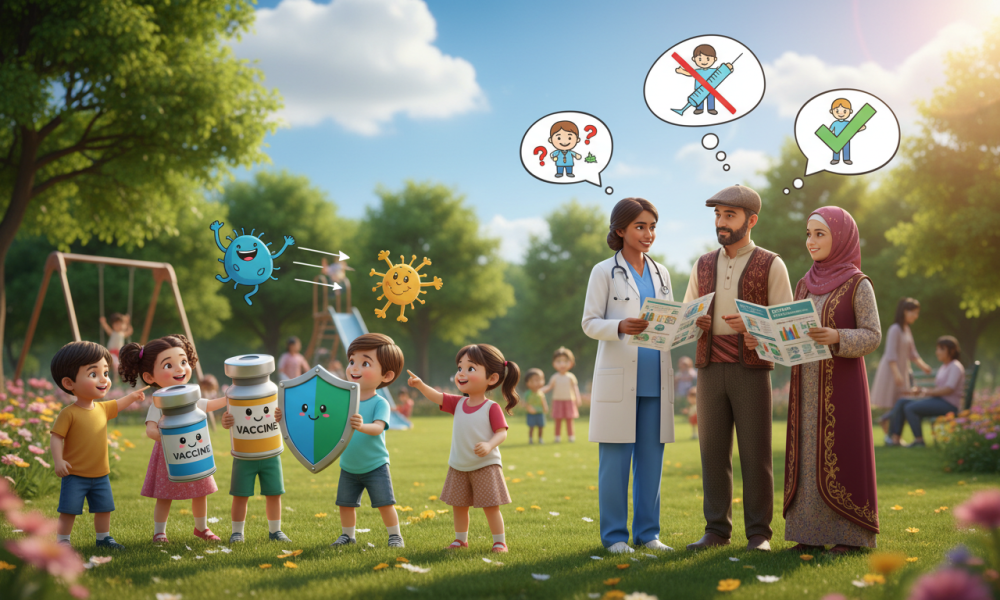
It’s key to separate real science from online myths to keep your child safe. In today’s world, false information spreads fast. But, sticking to proven medical facts helps you make smart choices for your family.
Scientific evidence versus misinformation
Many worries about vaccines come from personal stories, not science. It’s critical to know that Vaccine Side Effects are carefully checked before vaccines are approved. Most side effects, like a little fever or soreness, go away in a few days.
Research shows vaccines are much safer than the risks they prevent. Vaccinating your child protects not just them but also others. Evidence-based medicine is the best way to check if vaccines are safe.
Resources for evidence-based health information
Finding trustworthy Child Immunization Information is simpler when you know where to look. Official health websites and global health groups offer clear facts on vaccine safety. These sites help parents understand complex health topics with confidence.
The table below clears up common myths and the real science behind them. It helps you in your search for accurate information:
| Common Myth | Scientific Reality | Key Insight |
|---|---|---|
| Vaccines cause long-term illness | No evidence supports this claim | Extensive studies confirm safety |
| Natural immunity is always better | Vaccines provide safer protection | Avoids dangerous disease risks |
| Multiple vaccines overload the system | Immune systems handle them easily | Daily exposure is much higher |
| Vaccine Side Effects are severe | Most reactions are very mild | Serious events are extremely rare |
If you have questions about your child’s health, talk to your doctor. They are your main ally in keeping your child healthy. They offer advice tailored to your child’s needs, based on the latest science. Using these resources means your choices are backed by verified medical science.
Conclusion
Keeping the next generation healthy is a top priority for families in Turkey. Following the national schedule helps protect against many diseases.
Having reliable information about child immunization is key. It helps parents make smart health choices. Regular visits to the doctor ensure kids get the shots they need on time.
Keeping up with immunization records is important. It shows how well a child is doing at every stage. This helps support the health efforts of the Ministry of Health.
Getting accurate information about child immunization gives parents confidence. Talking openly with doctors clears up any doubts about treatments or schedules.
Working together in these programs makes our community safer. Every vaccine helps create a better place for kids to grow and play.
FAQ
Q: Why is Childhood Immunisation in Turkey considered essential for all residents?
A: Keeping up with a strong Childhood Immunisation schedule is key in Turkey. It helps parents protect their kids’ health for the future. This also helps them use the national health system well.
Q: How has the Childhood Vaccination Programme in Turkey evolved over the years?
A: Turkey’s Childhood Vaccination Programme has grown a lot. It has moved from simple health steps to a detailed national plan. The Ministry of Health now makes sure care is top-notch and follows global standards.
Q: Where can I find the official Immunisation Schedule for my child?
A: You can find the official Immunisation Schedule at your local Aile Sağlığı Merkezi. It shows when and what vaccines your child needs. This is important for health checks and school entry.
Q: What is the broader Importance of Childhood Vaccination for public health?
A: Childhood Vaccination is key for everyone’s health. It helps stop diseases from spreading. This is how Turkey fights off outbreaks and keeps everyone safe.
Q: How can foreign residents locate an Immunisation Clinic for Kids in Turkey?
A: Foreigners can find an Immunisation Clinic by going to their local Aile Sağlığı Merkezi. Once they join the national health system, they can get all the vaccines they need.
Q: What should parents know about possible Vaccine Side Effects?
A: Most side effects from vaccines are mild and short-lived. Turkey checks vaccines carefully to keep them safe. Doctors at the Ministry of Health can help if you have any worries after a vaccine.
Q: What are the current Childhood Immunisation Rates in Turkey?
A: Turkey’s Childhood Immunisation Rates are high. This shows people trust the healthcare system. Health officials work hard to keep this trust by sharing accurate information.
Q: Where can parents find reliable Child Immunisation Information?
A: For the best Child Immunisation Information, talk to your family doctor. They are trained to handle vaccinations and can answer any questions you have.
Q: How does the Turkish system manage Vaccination for Children with special health needs?
A: For kids with special health needs, Turkey has a special plan. Doctors work with parents to create a safe vaccination plan that protects the child well.
Q: What is the legal framework regarding mandatory immunisation in Turkey?
A: Turkey has rules for mandatory vaccines and how to get consent. Knowing these rules helps parents make informed choices in Turkey’s healthcare system.
Q: Does the Turkish vaccination programme align with the World Health Organization guidelines?
A: Yes, Turkey follows World Health Organization (WHO) guidelines for vaccines. This ensures Turkey’s efforts meet global standards for safety and effectiveness.
Q: How are vaccination records tracked in the Turkish health network?
A: Turkey uses both paper cards and digital systems to track vaccines. Keeping these records up to date is important for health and school entry.
Q: How can parents distinguish between scientific evidence and common vaccine myths?
A: Parents should look at information from the Ministry of Health and World Health Organization. These sources provide real facts to help families make informed choices.
Related guides

Healthcare Content Compliance Guide for Growth
A high-performing treatment page can generate international patient inquiries within hours. It can also create material risk if…
Turkey Hospitals vs Local Hospitals Compared
A lower procedure quote can get a patient’s attention. It should not make the decision on its own.…

Patient Experience That Drives Trust and Growth
A patient who has already uploaded medical records, compared providers, and arranged time away from work is not…