
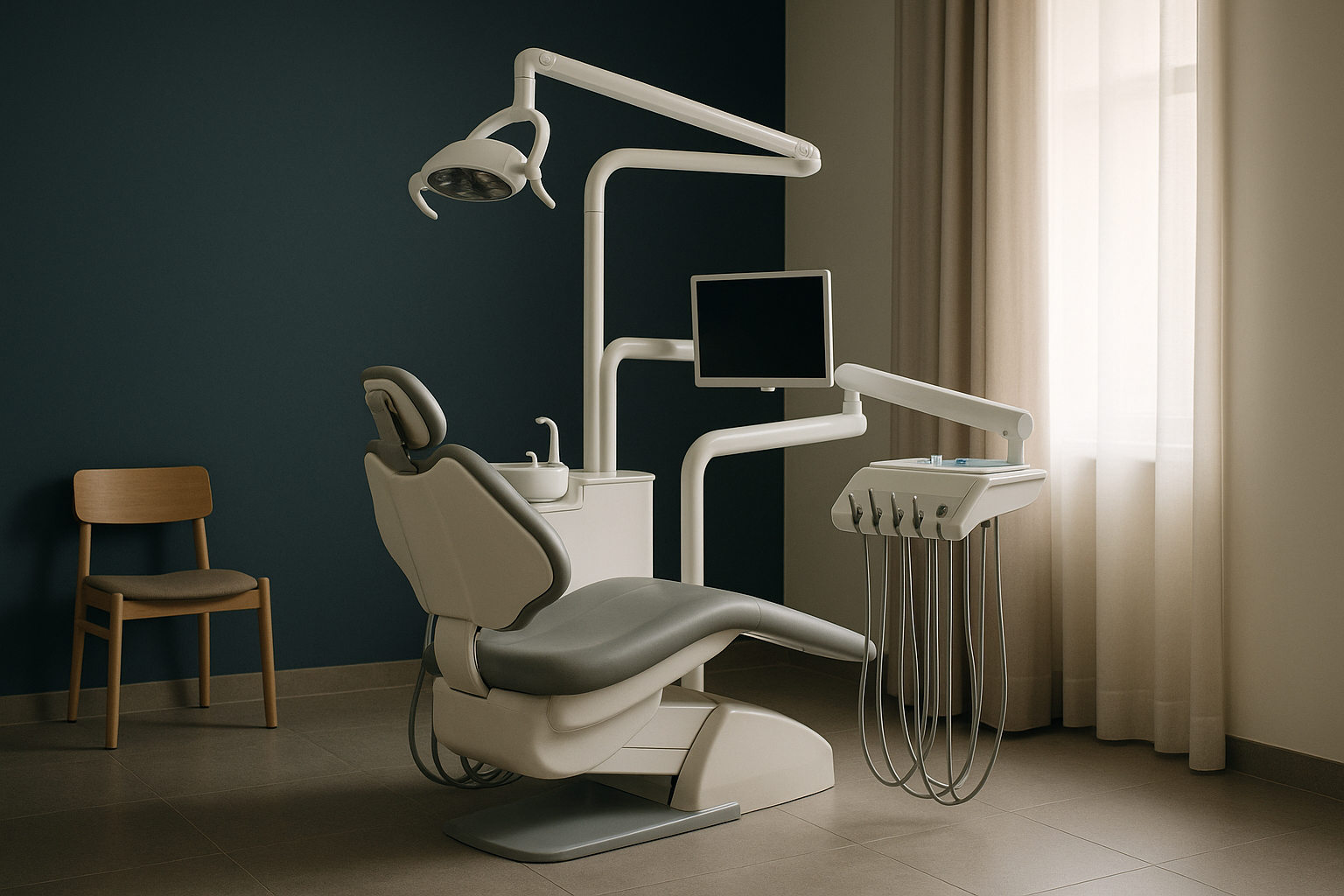
Composite bonding in Turkey has emerged as a popular choice for those seeking dental improvements at competitive prices. This treatment, known for its aesthetic and functional benefits, is performed by skilled professionals in modern clinics across the country.
What is Composite Bonding?
Composite bonding is a cosmetic dental procedure that involves applying a tooth-colored resin to the teeth to improve their appearance. This technique is often used for repairing chipped teeth, closing gaps, and enhancing the overall smile. The resin is shaped and polished to match the natural teeth, providing a seamless finish. The process begins with the dentist selecting a resin shade that closely matches the patient’s natural teeth color, ensuring the results are indistinguishable from the surrounding teeth.
Unlike veneers, composite bonding does not involve extensive reshaping of the tooth, making it a less invasive option. The procedure is typically completed in one visit, making it convenient for international patients. This is particularly beneficial for those who travel to Turkey for a short period, as it allows for a quick turnaround without the need for multiple appointments. Additionally, the non-invasive nature of composite bonding means that more of the natural tooth structure is preserved, which is advantageous for maintaining the health of the teeth in the long term.
The use of advanced materials ensures that the bonding is durable and long-lasting, although it may require maintenance over time. Regular dental check-ups are recommended to maintain the appearance and health of the bonded teeth. Most composite bonding can last between 5 to 10 years, depending on the patient’s oral hygiene practices and lifestyle choices. For instance, avoiding hard foods and minimizing the consumption of staining substances like coffee and tobacco can significantly extend the lifespan of the bonding. In certain cases, additional protective sealants may be applied to enhance the durability of the bonding.
How Much Does Composite Bonding Cost in Turkey?
The cost of composite bonding in Turkey is significantly lower than in many Western countries, making it an attractive option for international patients. On average, the price ranges from £80 to £150 per tooth, depending on the complexity of the case and the clinic’s location. Factors that might influence the cost include the extent of the damage being repaired and the length of time required for the procedure. Clinics in major cities like Istanbul may charge higher fees due to increased demand and operational costs.
For a full set of 28 teeth, the total cost could range from £2,240 to £4,200. This affordability does not compromise the quality of care, as Turkish dental clinics adhere to international standards and employ experienced professionals. The dentists often have qualifications from reputable dental schools and undergo continuous training to stay updated with the latest dental technologies and methodologies. Furthermore, the use of state-of-the-art equipment in these clinics ensures accuracy and efficiency in the procedures performed.
It’s essential to obtain a detailed quote from your chosen clinic, which should include all associated costs such as consultations, x-rays, and aftercare. Many clinics offer package deals that can provide additional savings. These packages might include hotel accommodation, airport transfers, and even guided tours, making the trip both cost-effective and enjoyable. By choosing a package, patients can better manage their budget and avoid unexpected expenses during their stay. Some clinics also offer financing options, allowing patients to pay for their procedures over time, making the treatment more accessible to a broader range of people.
Can You Get Composite Bonding in Turkey?
Yes, composite bonding is widely available in Turkey, with numerous clinics offering this service across major cities such as Istanbul, Antalya, and Izmir. These clinics are equipped with modern facilities and staffed by qualified dentists who have experience in treating international patients. Each clinic typically provides a range of dental services, allowing patients to address multiple dental needs during their visit.
When selecting a clinic, it is advisable to consider factors such as accreditation, patient reviews, and the dentist’s qualifications. Many clinics offer virtual consultations, allowing you to discuss your needs and expectations before travelling. This pre-visit communication can include sharing dental records and photographs, which helps the dentist prepare a personalized treatment plan. Patients can also inquire about the materials used for bonding to ensure they meet their expectations in terms of quality and aesthetics.
Turkey’s reputation as a medical tourism destination ensures that clinics are well-versed in catering to international visitors, often providing multilingual staff and assistance with travel arrangements. Some clinics even offer translators for languages like English, German, and Arabic, ensuring clear communication throughout the treatment process. Additionally, many clinics are located in areas with easy access to tourist attractions, allowing patients to explore the rich cultural heritage of Turkey during their stay. This combination of dental care and tourism adds a unique aspect to the patient’s experience, making the trip both beneficial and enjoyable.
Timeline for Composite Bonding Treatment in Turkey
The timeline for composite bonding in Turkey is relatively short, with most procedures completed in a single visit lasting a few hours. Initial consultations can be conducted online, allowing for efficient planning and scheduling. Once the patient arrives in Turkey, an in-person consultation is conducted to finalize the treatment plan and address any last-minute concerns.
Upon arrival in Turkey, a thorough examination and discussion of your desired outcomes will take place. The actual bonding process involves preparing the teeth, applying the resin, and finally shaping and polishing the bonded tooth. The dentist will use a special light to harden the resin, ensuring it adheres securely to the tooth surface. This light-curing process is quick and effective, resulting in a durable bond. Depending on the number of teeth being treated, the entire procedure can take anywhere from 30 minutes to a couple of hours.
After the procedure, patients are typically able to resume normal activities immediately. However, it is advisable to avoid staining foods and beverages for the first 48 hours to allow the bonding to fully set. This means steering clear of coffee, red wine, and tobacco products. Patients are also advised to follow specific aftercare instructions provided by the dentist to ensure optimal results and longevity of the bonding. These instructions often include using a soft-bristled toothbrush, avoiding abrasive toothpaste, and scheduling regular dental check-ups to monitor the condition of the bonding.
Safety and Accreditation of Dental Clinics in Turkey
Dental clinics in Turkey maintain high safety standards, often holding accreditations from international bodies such as the Joint Commission International (JCI). These accreditations ensure that clinics adhere to rigorous safety and quality protocols. Clinics are regularly audited to ensure compliance with these standards, providing reassurance to patients about the level of care they will receive.
Patients are encouraged to verify the accreditation status of their chosen clinic, as well as to review patient testimonials and ratings on independent platforms. This due diligence helps ensure a safe and satisfactory treatment experience. Online reviews and forums can be a valuable resource to gauge the experiences of previous patients and assess the clinic’s reputation. Additionally, clinics may hold certifications from other recognized organizations such as the International Organization for Standardization (ISO), which further validates their commitment to quality care.
Turkey’s Ministry of Health also plays a role in regulating and inspecting dental clinics, providing an additional layer of assurance for patients seeking treatment. Clinics must meet specific criteria to operate, and any non-compliance can result in penalties or closure. The government’s involvement in regulation further emphasizes the country’s commitment to maintaining high healthcare standards. Patients can also inquire about the clinic’s infection control measures, especially in light of recent global health concerns, to ensure peace of mind during their treatment.
Comparing Composite Bonding with Other Dental Treatments
When considering dental improvements, it’s essential to understand how composite bonding compares to other treatments such as veneers and crowns. Composite bonding is less invasive and more cost-effective than veneers, which require more extensive tooth preparation. The bonding process is quicker and can often be completed in a single session, whereas veneers may require multiple visits.
| Treatment | Invasiveness | Cost | Durability |
|---|---|---|---|
| Composite Bonding | Low | £80-£150 per tooth | Moderate |
| Veneers | Moderate | £200-£600 per tooth | High |
| Crowns | High | £300-£800 per tooth | Very High |
Composite bonding is ideal for minor cosmetic adjustments and is particularly suited for patients who prefer a reversible option. Veneers and crowns offer greater durability but come at a higher cost and involve more significant alteration to the natural teeth. For example, crowns require the removal of a substantial portion of the natural tooth, whereas composite bonding preserves most of the original structure.
While veneers and crowns are more durable, composite bonding allows for easy adjustments or repairs if needed. This flexibility is beneficial if a patient wants to make further changes to their smile in the future. Additionally, patients who are unsure about committing to permanent changes often find composite bonding to be an excellent introductory cosmetic procedure. It offers a balance of aesthetic improvement and minimal commitment, allowing patients to enhance their smile without undergoing significant dental work.
Another significant advantage of composite bonding is its affordability compared to veneers and crowns. This cost-effectiveness makes it accessible to a wider audience, enabling more individuals to achieve their desired smile. Furthermore, composite bonding can be an excellent choice for young patients or those who are still exploring various cosmetic dental options, as it provides immediate results with minimal risk and investment.
Conclusion
Composite bonding in Turkey offers a practical and affordable solution for those seeking to enhance their smile. With competitive pricing, skilled professionals, and modern facilities, Turkey stands out as a leading destination for dental treatments. The availability of highly trained dentists and cutting-edge technology ensures that patients receive top-quality care that meets international standards.
Prospective patients should conduct thorough research and consult with clinics to ensure a safe and satisfactory experience. By understanding the process, costs, and benefits, you can make an informed decision about undergoing composite bonding in Turkey. Preparing questions in advance and discussing them during initial consultations can help clarify expectations and ensure transparency. Questions might include inquiries about the dentist’s experience, patient satisfaction rates, and the types of materials used for bonding.
Ultimately, choosing composite bonding in Turkey can provide a significant boost to your confidence by improving your smile at a fraction of the cost compared to other countries. The combination of expert care, cost savings, and the opportunity to explore a beautiful country makes this an attractive option for dental tourists worldwide. Whether you’re looking to correct minor imperfections or enhance your overall appearance, composite bonding in Turkey offers an excellent solution that combines quality care with a memorable travel experience.
Proven result
80 to 240 dental patients a month from France
High-volume dental clinic, Istanbul
Frequently asked questions
How much does composite bonding cost in Turkey?
Composite bonding in Turkey typically costs between £80 and £150 per tooth, depending on the clinic and complexity of the treatment.
How much is composite bonding in Turkey for 28 teeth?
For a full set of 28 teeth, composite bonding in Turkey could cost between £2,240 and £4,200, depending on various factors.
Can you get composite bonding in Turkey?
Yes, composite bonding is widely available in Turkey, with many clinics in major cities offering this treatment.
What is the timeline for composite bonding treatment in Turkey?
Composite bonding is usually completed in a single visit lasting a few hours, with initial consultations often conducted online.
How do composite bonding costs compare to other treatments?
Composite bonding is less invasive and more affordable than veneers and crowns, making it a cost-effective cosmetic option.
Related guides

How Overseas Surgery Insurance Really Works
A lower treatment quote can quickly lose its advantage if an unexpected complication extends your stay, requires emergency…

Analyzing the Medical Tourism Market: Current Trends
Quick answerThe medical tourism market is growing due to factors like cost-effective treatments, advanced medical technologies, and international…

Best Country for Cancer Treatment: Top Countries for Advanced Cancer Treatment Options
Quick answerCountries like the USA, Germany, and Japan offer some of the best cancer treatment in the world,…