
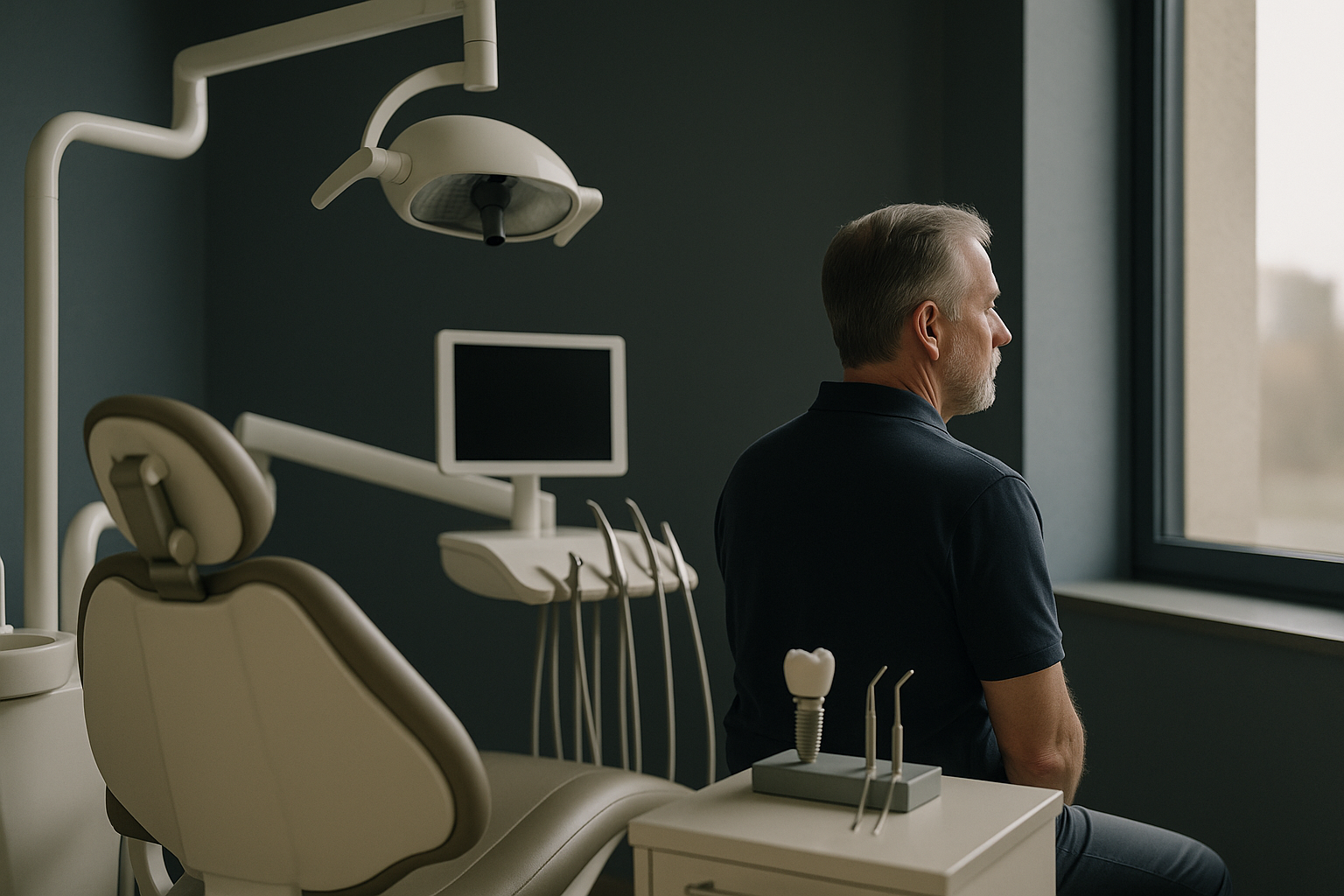
Dental implants are a popular and effective solution for replacing missing teeth. Understanding the cost of dental implants is crucial for anyone considering this procedure, especially those exploring international options.
What Influences the Cost of Dental Implants?
The cost of dental implants is influenced by several factors, including the material used, the complexity of the procedure, and the geographic location of the clinic. High-quality materials such as titanium, which are commonly used for implants, tend to increase the cost. Titanium is preferred for its durability and biocompatibility, meaning it integrates well with human bone, which is crucial for the long-term success of the implant. Alternative materials, like zirconia, may also be used but often come with a different cost profile. Zirconia, for example, is aesthetically pleasing due to its tooth-like color but can be more expensive than titanium.
The expertise of the dentist and the technology employed during the procedure can also impact the price significantly. Experienced implantologists who have undergone extensive training and have a track record of successful procedures tend to charge more for their services. This is because their skill reduces the risk of complications and increases the likelihood of a successful outcome. Additionally, clinics that invest in advanced technologies, such as 3D imaging and guided surgery equipment, might have higher fees due to the costs associated with maintaining and operating this equipment. The use of such technology can enhance precision and reduce the overall time required for surgery, which is an added advantage.
Another important factor is the condition of the patient’s jawbone. If bone grafting or other preparatory procedures are required, this can add to the overall cost. Bone grafting is necessary when there is insufficient bone mass to support the implant, a condition that can arise from prolonged tooth loss. The cost of bone grafting can range from $200 to $3,000 depending on the complexity of the graft. Additionally, clinics in urban areas or those with high demand may charge more than those in less populated regions. Understanding these factors can help patients plan and budget for their dental implant procedure effectively, whether domestically or abroad. It is also beneficial to consult with multiple providers to compare costs and services before making a decision.
How Much Do Full Mouth Dental Implants Cost?
The cost of full mouth dental implants can vary significantly. In countries like the United States, the cost can range from $20,000 to $45,000. This significant price range can be attributed to the number of implants required, the type of prosthetic teeth used, and any additional procedures needed, such as bone grafts or sinus lifts. For patients requiring extensive dental rehabilitation, full mouth implants can provide a comprehensive solution that not only restores function but also offers a dramatic improvement in appearance. The choice between fixed or removable implant-supported dentures can also affect the cost, with fixed options generally being more expensive.
However, in countries like Mexico or Thailand, the price can be significantly lower, often ranging from $8,000 to $15,000. These countries are popular destinations for dental tourism due to their lower labor costs and favorable exchange rates, which allow clinics to offer competitive pricing without compromising on quality. Many clinics in these regions are equipped with state-of-the-art technology and staffed by well-trained professionals who have often trained in the US or Europe. This global exposure ensures that patients receive care that meets international standards.
Full mouth dental implants typically involve replacing all the teeth in the upper and lower jaws, which requires more implants and a longer procedure. This complexity is reflected in the higher cost compared to single implants. Patients considering full mouth dental implants should also factor in potential additional costs, such as travel, accommodation, and follow-up visits, particularly if opting for treatment abroad. For instance, a two-week stay in a foreign country might add $1,000 to $3,000 to the overall expense. Proper research and planning can lead to substantial savings by identifying reputable clinics and understanding the full scope of costs involved. It is crucial to consider the total cost of ownership, including maintenance and potential future adjustments.
What is the Cost of Veneers Dental?
Veneers are a cosmetic dental treatment used to improve the appearance of teeth. The cost of veneers dental services can vary widely, typically ranging from $800 to $2,500 per tooth in the United States. This variance in price is influenced by factors such as the type of veneer material used and the dentist’s expertise. Porcelain veneers are generally more expensive than composite veneers due to their durability, aesthetic appeal, and the labor-intensive process required to create them. Porcelain is known for its natural look and resistance to stains, making it a preferred choice for many patients. The process of crafting porcelain veneers involves custom fitting them to each patient, which requires significant skill and precision.
On the other hand, composite veneers are more affordable, usually costing between $250 and $1,500 per tooth, but they may not last as long as porcelain veneers, often requiring replacement or repair every 5 to 7 years. However, in countries known for affordable dental care, such as Turkey or India, the cost can be significantly lower, often between $200 and $800 per tooth. These countries attract patients from all over the world due to the combination of affordable prices and high-quality care provided by experienced dental professionals. Patients should carefully evaluate the quality of materials and expertise available in these regions to ensure satisfactory outcomes.
When evaluating the cost of veneers, patients should consider not only the initial investment but also the longevity and maintenance of the veneers. Choosing higher-quality options like porcelain may result in better long-term value, as they can last 10 to 15 years or more with proper care. This long-term perspective is crucial when making a decision, as a slightly higher upfront cost could lead to fewer replacements and repairs over time, ultimately saving money. Additionally, patients should consider the cumulative cost of regular maintenance, such as professional cleanings and potential touch-ups, as part of their budgeting process.
How Are Costs Handled with Medical Tourism?
Medical tourism involves traveling to another country for medical procedures, including dental implants. Costs are typically handled through a combination of direct payments to the medical facility and additional fees for travel and accommodation. Patients often need to manage their expenses in foreign currencies, which can fluctuate and impact the overall cost. It’s crucial to factor in exchange rates when budgeting for your treatment. Currency fluctuations can significantly affect the final amount paid, so patients should consider using services that lock in exchange rates to avoid unexpected expenses.
Many medical tourism facilitators offer packages that include treatment, accommodation, and transportation. This can help streamline the process and provide clarity on the overall cost. For example, a package might include a seven-day hotel stay, airport transfers, and all necessary dental appointments, which can simplify logistics and reduce stress for the patient. These packages can range from $1,000 to $3,000, depending on the destination and the level of luxury chosen. Patients should compare different packages and providers to ensure they are getting comprehensive coverage at a competitive price.
Patients should ensure they understand all potential costs involved, including any post-operative care or follow-up visits, which may not be included in initial quotes. Some clinics offer remote follow-up services through video consultations, which can be a convenient option for international patients. It is also advisable to verify the credentials and accreditation of the chosen facility to ensure safety and quality. Checking for international accreditations, such as those from the Joint Commission International (JCI), can give assurance of the clinic’s standards. Additionally, patients should inquire about the availability of aftercare and emergency support in their home country, in case of complications upon return.
How Cost Effective is Medical Tourism for Dental Implants?
Medical tourism can be a cost-effective option for dental implants, often providing savings of 50% or more compared to domestic prices. These savings are primarily due to lower operational costs in certain countries and favorable exchange rates that benefit patients coming from countries with stronger currencies. For instance, a procedure costing $30,000 in the US might be available for $10,000 in a country like Hungary, representing a significant saving. This price difference allows patients to access treatments that might otherwise be unaffordable in their home countries.
Countries with a strong reputation in medical tourism, such as Costa Rica or Hungary, offer high-quality care at a fraction of the cost. These nations have invested in healthcare infrastructure and training, ensuring that medical facilities are equipped with advanced technology and staffed by highly qualified professionals. Additionally, the cost of living in these countries is lower, which translates into reduced costs for medical procedures. Patients can often combine their treatment with a vacation, taking advantage of the cultural and natural attractions these countries have to offer, which adds to the overall value of the experience.
These savings are possible due to lower operational costs and favorable exchange rates. However, it is important for patients to weigh these savings against the potential risks, such as complications requiring treatment upon return home. Complications, although rare, can occur and may require additional procedures, which could negate the initial savings. Thorough research and selecting accredited facilities are essential for ensuring a successful and cost-effective experience. Patients should also consider purchasing travel insurance that covers medical tourism to safeguard against unforeseen expenses. Additionally, return visits for follow-up care should be factored into the overall cost analysis to ensure comprehensive budget planning.
How to Plan for Dental Implants Abroad?
Planning for dental implants abroad requires careful consideration of various factors. Patients should start by researching potential destinations and identifying clinics with strong reputations and positive patient reviews. Online platforms and forums can provide valuable insights from previous patients about their experiences, which can help in making an informed decision. These reviews often highlight aspects such as patient care, outcomes, and overall satisfaction, providing a well-rounded view of what to expect.
It is crucial to verify the credentials and accreditation of the chosen facility and ensure that the dental professionals are qualified and experienced in implant procedures. Checking for certifications from reputable dental organizations, such as the American Dental Association (ADA) or the International Congress of Oral Implantologists (ICOI), can provide reassurance of the clinic’s standards. Patients should also inquire about the materials used and the technologies available at the clinic, as these can impact both the cost and the outcome of the procedure. High-quality materials and advanced technology can enhance the success rate and longevity of the implants.
Additionally, planning for travel, accommodation, and potential recovery time is essential. Patients should budget for a stay of at least one to two weeks to allow for proper recovery and follow-up appointments. Consulting with a medical tourism facilitator can provide valuable assistance in coordinating these aspects, helping to ensure a smooth and successful experience. These facilitators can help navigate language barriers, negotiate prices, and arrange for necessary accommodations, making the process less daunting for patients traveling abroad for the first time. Creating a detailed travel itinerary and having contingency plans in place can further enhance the safety and efficiency of the treatment journey.
Conclusion
The cost of dental implants can vary widely, influenced by factors such as location, materials, and procedural complexity. For many, medical tourism offers an opportunity to access affordable, high-quality dental care abroad. However, it is crucial to approach this option with careful planning and thorough research to ensure that cost savings do not come at the expense of quality or safety.
By understanding the factors that influence costs and carefully planning the logistics of treatment abroad, patients can make informed decisions that balance cost savings with quality and safety. This involves selecting accredited clinics, verifying the credentials of dental professionals, and considering all associated costs, including travel and accommodation. Ensuring that all aspects of the procedure and travel are well-organized reduces the risk of unforeseen expenses and maximizes the benefits of the investment.
Ultimately, thorough research and a strategic approach can lead to successful and financially advantageous dental implant procedures. Patients who invest the time in planning and research are more likely to achieve satisfactory outcomes and enjoy the benefits of their new implants for many years to come. Taking proactive steps to educate oneself on the process and potential pitfalls helps ensure a positive experience and a successful outcome that justifies the investment made.
Proven result
80 to 240 dental patients a month from France
High-volume dental clinic, Istanbul
Frequently asked questions
How does AI reduce healthcare call center costs?
AI reduces healthcare call center costs by automating routine inquiries, improving efficiency, and allowing human agents to handle more complex tasks.
How are costs handled with medical tourism?
Costs in medical tourism are typically handled through direct payments for medical services, with additional expenses for travel and accommodation.
How cost effective is medical tourism?
Medical tourism can be highly cost-effective, offering significant savings on procedures like dental implants by leveraging lower costs in other countries.
How to work from the US for Costa Rica medical tourism?
To work from the US for Costa Rica medical tourism, research and select reputable clinics, check accreditation, and plan logistics for travel and accommodation.
Related guides

What Is a Medical Travel Facilitator and Why Use One?
A lower treatment quote can look compelling until you try to compare what it actually includes: surgeon fees,…

What Hospital Accreditation Reviews Really Tell You
A hospital can have polished facilities, prominent surgeons, and hundreds of five-star ratings, yet those signals do not…

International Patient Onboarding Guide for Hospitals
An international patient inquiry is not simply a lead. It is a person weighing a major medical decision…