
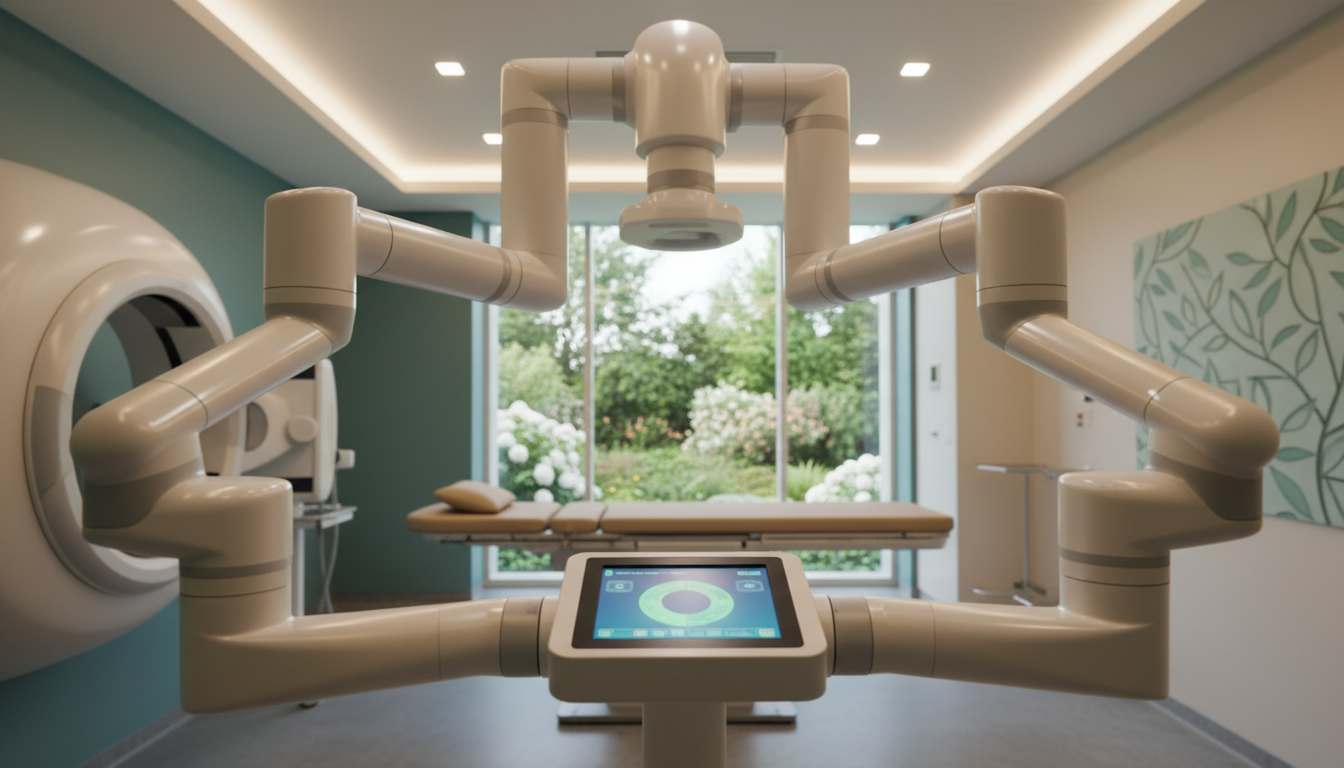
Turkey is now a top choice for people looking for world-class medical care. Many travel there for advanced cancer treatments that are both effective and affordable.
The CyberKnife for cancer is a key option. It’s a cutting-edge system that offers precise, non-invasive treatment. It lets doctors target tumours accurately, without harming healthy tissue.
Choosing CyberKnife in Turkey means getting top-notch radiation therapy. Turkish hospitals focus on both medical skill and patient care. They make sure patients get the best treatment, with comfort and innovation in mind.
Key Takeaways
- Turkey is a leading global hub for specialised medical treatments.
- The system offers a non-invasive alternative to traditional surgery.
- Patients benefit from high-quality care at competitive prices.
- Advanced technology ensures precise targeting of malignant cells.
- Medical centres in Turkey focus on personalised patient programmes.
Understanding the CyberKnife Radiosurgery System
At the heart of modern radiotherapy is a cutting-edge robotic system. It’s all about precision. This innovation has changed how doctors treat complex tumours in the body.
This system uses advanced imaging and real-time tracking. It makes sure radiation is delivered with sub-millimetre accuracy. This is key to protecting healthy tissues while killing cancer cells.
The Evolution of Robotic Radiotherapy
The move to robotic technology in medicine is big. It’s a step away from old, fixed machines. These old machines had trouble with patients moving during treatment.
Engineers fixed this by putting a small linear accelerator on a flexible robotic arm. This lets the beam move freely, hitting the target from any angle.
“The true power of modern radiosurgery lies in its ability to adapt to the patient’s anatomy in real-time, not the other way around.”
How CyberKnife Differs from Traditional Radiation
The CyberKnife system doesn’t need invasive frames like old radiotherapy. It uses smart software to track movement. So, if a patient moves, the arm adjusts the beam right away.
The CyberKnife is flexible and non-invasive. It’s a good option for patients who can’t have traditional surgery. It’s comfortable and effective.
This robotic technology is a big change in how we treat cancer. It focuses on patient comfort and accuracy. It’s a key part of modern cancer treatment.
Why Turkey Has Become a Global Hub for Cancer Treatment
Turkey has become a leader in medicine thanks to its commitment to technological innovation and care for patients. Over the last 20 years, it has greatly improved its healthcare to attract patients from around the world. These patients are looking for top-notch cancer treatment.
Investment in Advanced Medical Infrastructure
The Turkish government and private sector have invested billions in new medical facilities. These facilities are equipped with the latest technology for diagnosis and treatment. This means patients get cutting-edge care on par with the best in the US or Western Europe.
Hospitals have also started using robotic systems to improve cancer treatment results. This big investment gives doctors the most accurate technology to work with.
Accreditation and International Standards in Turkish Hospitals
Safety and quality are key in Turkish healthcare. Many top hospitals in Turkey have Joint Commission International (JCI) accreditation. This is a global mark of excellence.
These high standards mean every part of cancer treatment follows strict safety rules. Patients know their care is in the hands of skilled teams in a transparent and regulated environment.
Turkey’s focus on excellence has made it a reliable place for complex medical treatments. It keeps attracting thousands of patients from abroad every year.
The Clinical Advantages of CyberKnife Technology
Robotic radiosurgery is a new way to treat complex tumour sites with great precision. It’s a non-invasive method that gives patients high-dose radiation without surgery. This means no cuts and quick recovery times.
Sub-millimetre Precision in Tumour Targeting
This technology shines in its ability to aim radiation beams with incredible accuracy. It targets the tumour while protecting healthy tissue. This reduces the chance of harmful side effects.
Doctors use this precision to treat hard-to-reach lesions. The system uses a robotic arm to get to the target from many angles. This ensures the radiation is spread just right.
- High-dose delivery: Focuses radiation on the tumour.
- Tissue preservation: Keeps vital organs and healthy areas safe.
- Versatility: Treats targets in hard-to-reach spots.
Real-time Motion Tracking and Synchronisation
Patients might move a bit during treatment, like when they breathe. The CyberKnife system tracks this movement in real-time.
The robotic arm moves with the tumour as the patient breathes. This keeps the radiation beam on target all the time.
This advanced technology gives everyone peace of mind. It keeps the treatment plan on track, even if the target moves.
Conditions Treated with CyberKnife in Turkey
Robotic radiosurgery has changed how doctors treat tough cases. It uses non-invasive technology. This lets teams in Turkey give precise, high-dose radiation. It’s great for treating hard-to-reach areas.
Managing Brain and Spinal Tumours
The CyberKnife is top for treating brain and spine lesions. It’s very precise, protecting healthy tissue. This is key for patients with tumours in these sensitive areas.
People like it because it’s not invasive. The robot adjusts for any movement. This makes it safer for those who can’t have traditional surgery.
Targeting Lung, Liver, and Prostate Malignancies
The CyberKnife also treats lung, liver, and prostate cancers. These organs move, making regular radiation hard. The system tracks the tumour and adjusts the beam.
For prostate cancer, it means shorter treatments. It’s non-invasive and has few side effects. Many patients from abroad come to Turkey for this.
The CyberKnife is key in Turkey’s cancer care. It offers custom treatments for many conditions. This focus on innovation means patients get the best care.
The Patient Journey for International Visitors
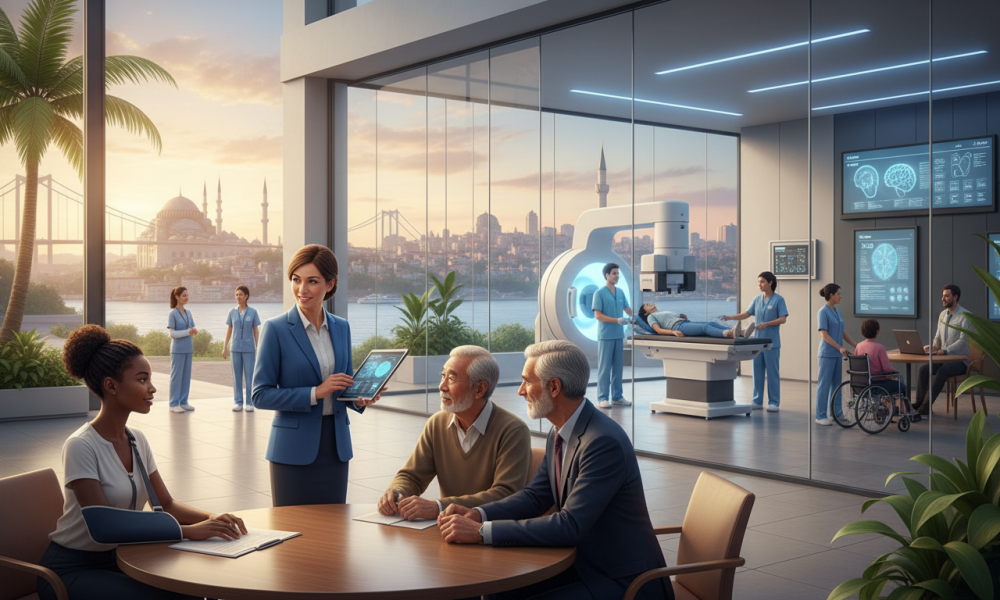
For those seeking advanced radiosurgery, the trip to Turkey is made easy. Top medical centres have set up clear paths. This ensures international visitors get top care without the usual travel hassles.
Hospitals use digital tech and support teams to guide you. This patient-centric approach lets you focus on your health and recovery.
Initial Consultation and Remote Medical Review
The journey starts before you fly. Most clinics do a remote medical review to check if you’re a good fit for the procedure.
You’ll need to share your medical history, scans, and reports. A team of experts will then review these to make a personalised treatment plan.
- Secure digital portals for document submission.
- Virtual consultations with leading oncologists.
- Detailed explanations of the proposed treatment strategy.
This first step helps you understand your options before you travel. It gives you peace of mind knowing your needs match the facility’s capabilities.
Logistics of Travelling to Turkey for Medical Care
After confirming your treatment plan, patient liaison teams handle the details. They act as your main contact, ensuring your trip is smooth.
They help with many important services to make your stay comfortable and efficient. These include:
- Airport transfers and local transportation arrangements.
- Assistance with booking comfortable, nearby accommodation.
- Translation services to bridge any communication gaps.
- Guidance on local amenities and support networks.
By taking care of these tasks, the hospital staff lets you focus on your well-being. This is a key part of the Turkish healthcare experience. It makes international patients feel welcome and cared for from the start.
Comparing CyberKnife Costs in Turkey versus the United States
More and more patients from the United States are looking abroad for top-notch medical care at lower prices. When it comes to CyberKnife, the cost difference between American and Turkish hospitals is a big factor.
Analysing the Price Gap in Healthcare Services
The cost gap is mainly due to Turkey’s lower operational costs and competitive healthcare model. Turkey’s quality of technology is on par with the best in the US, but its labour, facility, and administrative costs are much lower.
This means patients get to enjoy affordable access to top-notch radiotherapy. The Turkish government also supports medical tourism, keeping healthcare costs low for visitors.
What is Typically Included in Treatment Packages
Turkish clinics offer all-inclusive packages for international patients. These packages aim to remove the worry of hidden fees and unexpected bills.
A typical CyberKnife treatment package includes the initial remote review, the main procedure, and follow-up visits. Some clinics even offer help with travel and accommodation, making the experience smooth.
| Service Component | United States (Est.) | Turkey (Est.) |
|---|---|---|
| Initial Consultation | $500 – $1,000 | Included |
| CyberKnife Procedure | $30,000 – $60,000 | $8,000 – $15,000 |
| Follow-up Care | $2,000 – $5,000 | Included |
| Total Estimated Cost | $32,500 – $66,000 | $8,000 – $15,000 |
The Role of Multidisciplinary Oncology Teams
In Turkey, cancer care is top-notch thanks to a team effort. Modern medicine knows that tackling big health issues needs a unified team of experts. This team approach means patients get the best treatments available.
Collaboration Between Radiologists and Oncologists
Radiologists and oncologists work together for robotic radiosurgery success. Radiologists give critical diagnostic insights to accurately map tumours. Oncologists then decide the best treatment plan for the patient.
This teamwork lets the team adjust plans as needed. They make sure every detail of the patient’s health is considered. This seamless communication is key in top Turkish medical centres.
“True innovation in healthcare is not just about the technology we use, but how effectively we bring our collective expertise together to serve the patient.”
Personalised Treatment Planning Protocols
Every patient is different, with their own medical history and needs. In Turkey, teams create bespoke care plans tailored to each patient. They look at all treatment options to find the safest and most effective one.
Medical physicists also join the team to check the radiation’s technical details. This meticulous planning process makes sure the robotic system is set up right. The team’s diverse views offer care that’s both thorough and personal.
Safety Profiles and Side Effects of Robotic Radiosurgery
Robotic technology has changed how we treat complex tumours safely. It uses advanced software and real-time imaging. This means doctors can give high doses of radiation with great accuracy.
This accuracy makes sure the treatment only hits the tumour. It doesn’t harm the healthy parts of the body.
Minimising Damage to Healthy Surrounding Tissue
The main aim is to keep healthy organs and tissues safe. Unlike old methods, like conformal radiation therapy, this system moves with the patient. This reduces mistakes.
The robotic technology watches the tumour closely. If it moves, the radiation stops right away. This keeps other parts safe from harm.
Managing Post-Treatment Recovery and Follow-up
Most people recover quickly, getting back to normal fast. Some might feel a bit tired or have skin issues, but these usually go away soon. Doctors help make sure patients are comfortable while they heal.
Checking up on patients later is very important. Regular scans and visits help doctors see how well the treatment is working. This way, any problems that come up later can be dealt with quickly.
| Feature | Robotic Radiosurgery | Standard Radiotherapy |
|---|---|---|
| Precision Level | Sub-millimetre | Millimetre range |
| Tissue Sparing | High (via robotic technology) | Moderate |
| Recovery Time | Rapid | Gradual |
| Follow-up Needs | Structured Monitoring | Frequent Check-ups |
Technological Integration in Leading Turkish Medical Centres
Modern robotic radiosurgery in Turkey depends on advanced technology in top hospitals. These centres focus on digital innovation for highly accurate and personalised care. This is why many international patients choose cancer treatment in Turkey.
State-of-the-art Imaging and Diagnostic Tools
Turkey’s leading medical facilities use top-notch diagnostic imaging. They map tumours with great detail using MRI and CT scans. These scans are linked to treatment planning software for sub-millimetre precision.
Robotic systems and these diagnostic tools let doctors see the target area live. This seamless integration makes treatment plans flexible. It helps doctors target the tumour without harming healthy tissue.
Continuous Software Updates and System Maintenance
Keeping equipment at its best needs more than just good hardware. Turkish hospitals invest in regular software updates. This keeps their tech at the forefront of medical science.
They also follow strict maintenance to ensure every radiation therapy session is reliable. Technicians do routine checks to make sure everything works perfectly. This unwavering dedication to safety gives patients confidence in their treatment.
Navigating Language and Cultural Barriers in Turkish Hospitals
Turkish hospitals have strong support systems for international patients. They make sure you feel at ease and understood during your stay. When picking a clinic, think about how it meets the needs of visitors from abroad. These places know that good care is about more than just technology. It’s about the connection between the doctor and the patient.

The Importance of Patient Liaison Services
Special patient liaison services connect the medical team with you. These experts handle the practical and emotional challenges of getting care in another country. They offer comprehensive support that’s more than just translation.
What does a liaison officer do? They:
- Organise appointments and manage your medical schedule.
- Help you feel at home with cultural orientation.
- Arrange travel and local accommodation.
- Be your dedicated advocate for your personal needs.
Ensuring Clear Communication During Treatment
Clear talk is key when discussing medical plans and treatment options. Turkish medical centres have staff who speak many languages. This way, every patient understands their diagnosis and recovery plan. This openness helps lower anxiety and builds trust with the medical team.
Hospitals use digital tools to share information in your language. They give detailed documents and explain things to you. This way, you can make informed choices about your treatment options. Their focus on clear communication means no detail is missed during your recovery.
Success Rates and Clinical Outcomes
The success of medical treatments is shown by how well they help patients live better lives. Advanced robotic systems offer clinical precision that’s key in modern medicine. Looking at detailed data helps us see how these treatments can lead to recovery.
Reviewing Data on Long-term Remission
Studies show that robotic radiosurgery is very effective in controlling tumours. This exceptional precision means doctors can target the tumour well without harming healthy tissue. Many patients stay in remission for a long time, even when treatment is tough.
Here’s a table showing typical results for patients getting this therapy:
| Condition | Local Control Rate | Follow-up Period |
|---|---|---|
| Brain Metastases | 90-95% | 24 Months |
| Early-stage Lung Cancer | 85-90% | 36 Months |
| Spinal Tumours | 80-85% | 24 Months |
Patient Testimonials and Quality of Life Improvements
The real impact of these treatments is huge. Many survivors say they got back to their normal life quickly. This fast recovery is a big part of what makes patients in Turkey happy.
Patients talk about several key benefits:
- Minimal downtime after treatment.
- Less side effects than old radiotherapy.
- They can stay active while recovering.
- Feeling better mentally because it’s non-invasive.
“The treatment plan was clear, and my recovery was fast. I was back to normal life in days, feeling better than in years.”
These good results show why choosing a centre that values both tech and patient care is important. Focusing on long-term health means patients get the best chance at a full life.
Preparing for Your CyberKnife Procedure
Getting ready is key to a smooth and worry-free medical visit. Knowing what to expect helps you feel more at ease.
Pre-treatment Imaging and Immobilisation Techniques
First, the team will do detailed scans like CT or MRI. These scans help the CyberKnife system know exactly where to aim.
Special devices are made to keep you steady during treatment. For head treatments, you might wear a light mask. For body treatments, a custom cradle is used. These tools are crucial for precise targeting, making sure the tumour gets the treatment while keeping other tissues safe.
“Preparation is the key to precision, and precision is the heart of effective radiosurgery.”
What to Expect on the Day of the Procedure
When you arrive, a team of experts will be ready to help. The CyberKnife treatment is non-invasive, so you won’t need anaesthesia or a hospital stay.
You’ll lie on the treatment table, with the immobilisation device holding you in place. The robotic arm will move around you, adjusting to your breathing. Many patients find it very calm, often listening to music or relaxing while the treatment is done.
Legal and Ethical Considerations for Medical Tourists
Understanding your rights as a patient is key when exploring international healthcare. The excitement of advanced treatments must not overshadow your legal and ethical rights. Due diligence is essential for any patient seeking care abroad.
Understanding Patient Rights and Medical Liability
Traveling for medical procedures means entering a legal system that might be different from yours. It’s important to check that the facility provides clear information on informed consent and patient privacy. Ask for a written agreement that outlines the care you’ll receive and the medical team’s responsibilities.
Dealing with medical liability abroad can be tricky. Before you go, make sure you understand how the hospital handles complications or unexpected results. Knowing your legal options abroad can give you peace of mind.
Verifying Hospital Credentials and Surgeon Qualifications
The quality of your care starts with thorough research. Always check if the hospital has international accreditations, like those from the Joint Commission International (JCI). These ensure the facility meets global standards for safety and care.
It’s also critical to check your medical team’s background. For advice on checking the doctor for your treatment, ensure they have the right certifications and experience. Validating these credentials helps you make a well-informed decision about your health.
| Verification Step | Why It Matters | Action Required |
|---|---|---|
| Hospital Accreditation | Ensures safety protocols | Check JCI status |
| Surgeon Credentials | Confirms clinical expertise | Review board certification |
| Legal Documentation | Protects patient rights | Request written contracts |
| Liability Insurance | Covers possible risks | Verify coverage details |
Future Trends in Robotic Radiotherapy
The world of medicine is changing fast, thanks to new robotic treatments. Innovation is leading these changes, making sure patients get the best care. As technology gets better, radiotherapy is becoming more advanced and focused on the patient.
Advancements in Artificial Intelligence for Targeting
Artificial Intelligence (AI) is changing how doctors plan and do complex treatments. AI looks at lots of imaging data to find tumours with unprecedented accuracy. This means treatments can adjust in real-time, even if the patient moves.
Future systems will use predictive models to guess how the body will change before it happens. This helps avoid mistakes and makes treatments safer. Precision is now the expected standard for top-notch care.
“The integration of machine learning into clinical workflows will allow us to treat tumours that were previously considered unreachable, fundamentally changing the prognosis for many patients.”
Expanding the Scope of Non-invasive Interventions
More people are choosing non-invasive treatments worldwide. These methods are used for some cancers now, but researchers want to use them for more. This includes benign tumours, brain disorders, and heart problems that need precise treatment.
These treatments are less invasive than surgery, leading to quicker recovery and fewer risks. Soon, minimally disruptive care will be the norm for many health issues. The table below shows how these medical options are evolving.
| Feature | Current Standard | Future Outlook |
|---|---|---|
| Targeting Precision | Sub-millimetre | Micron-level accuracy |
| AI Integration | Supportive planning | Autonomous real-time adjustment |
| Treatment Scope | Primary malignancies | Expanded chronic conditions |
| Recovery Time | Minimal | Near-instantaneous |
As these technologies improve, the goal is to enhance life quality for everyone. The mix of advanced radiotherapy and non-invasive methods is set to improve medical tourism and global health standards.
Conclusion
Choosing the right medical path is important. Turkey stands out for its advanced technology and expert care in cancer treatment. It offers top-notch facilities that focus on non-invasive treatments.
Deciding to get medical care abroad needs careful thought and expert advice. Talk to specialists to see if international centres meet your health needs. Reliable info is key to finding the best treatment for you.
Modern medicine brings new hope to patients everywhere. Opting for quality care is a step towards better health. Advanced cancer treatment helps you focus on your well-being and quality of life.
Consult with doctors who know your health needs. Your health journey deserves the best care and attention. Look into these global options to ensure a bright future for your health.
FAQ
Q: What is CyberKnife and why is it considered a premier solution for cancer treatment in Turkey?
A: CyberKnife is a cutting-edge robotic technology for non-invasive radiotherapy. It’s a top choice in Turkey because of its precision. Top hospitals like Anadolu Medical Centre and Acıbadem Healthcare Group use it. They offer it to international patients looking for advanced treatment options.
Q: How does the CyberKnife system differ from traditional radiation therapy?
A: CyberKnife uses a flexible robotic arm. This lets it deliver radiation therapy from many angles. It targets the tumour from all sides, protecting healthy tissues.
Q: Why has Turkey emerged as a global hub for sophisticated oncological procedures?
A: Turkey has invested in advanced medical infrastructure. Its hospitals, like Memorial Health Group, are Joint Commission International (JCI) accredited. This ensures they meet high safety and quality standards, rivaling the United Kingdom or United States.
Q: How is sub-millimetre precision achieved during the treatment?
A: The system tracks the tumour in real-time. It adjusts the radiation beam if the patient moves. This precision protects vital organs near the treatment site.
Q: Which medical conditions are most commonly treated with CyberKnife in Turkey?
A: It’s great for brain and spinal tumours, and cancers in the lung, liver, and prostate. It’s a good option for patients with tumours that can’t be operated on.
Q: What does the patient journey look like for international visitors?
A: It starts with a remote medical review. Specialists check the patient’s scans. Then, a dedicated team helps with travel arrangements, making the experience smooth.
Q: Is CyberKnife treatment in Turkey more cost-effective than in the United States?
A: Yes, it’s cheaper in Turkey due to lower costs. Treatment packages include radiotherapy sessions and medical consultations. This saves a lot of money without sacrificing quality.
Q: How do multidisciplinary teams contribute to a patient’s success?
A: At top Turkish hospitals, like Memorial Health Group, teams work together. Radiologists, oncologists, and medical physicists plan treatments. This ensures each treatment is tailored to the patient’s needs.
Q: What are the common side effects and safety profiles of robotic radiosurgery?
A: CyberKnife is precise, so it damages less healthy tissue. This means fewer side effects. Most patients just feel a bit tired, and they recover quickly.
Q: How do Turkish medical centres maintain their technological edge?
A: They focus on technological integration and keep their Accuray systems updated. This ensures the robotic technology works at its best all the time.
Q: How are language and cultural barriers managed for international patients?
A: Turkish hospitals offer patient liaison services. They have staff who speak many languages. This helps patients understand their treatment clearly.
Q: What are the typical clinical outcomes for patients undergoing this treatment?
A: Turkish centres have shown great success. Patients often see long-term remission and better quality of life. Many choose Turkey for its proven robotic technology.
Q: How should a patient prepare for their CyberKnife procedure?
A: Patients need pre-treatment imaging and special devices for treatment. These ensure the precision radiotherapy works well.
Q: What legal and ethical factors should I consider when travelling for medical care?
A: Check the hospital credentials and staff qualifications. Turkey has strict healthcare laws and international accreditation standards to protect patients.
Q: What are the future trends for robotic radiotherapy and AI integration?
A: The future includes Artificial Intelligence (AI) for better tumour targeting. This will lead to more advanced non-invasive treatments for complex cases.
Related guides

Healthcare Content Compliance Guide for Growth
A high-performing treatment page can generate international patient inquiries within hours. It can also create material risk if…
Turkey Hospitals vs Local Hospitals Compared
A lower procedure quote can get a patient’s attention. It should not make the decision on its own.…

Patient Experience That Drives Trust and Growth
A patient who has already uploaded medical records, compared providers, and arranged time away from work is not…