
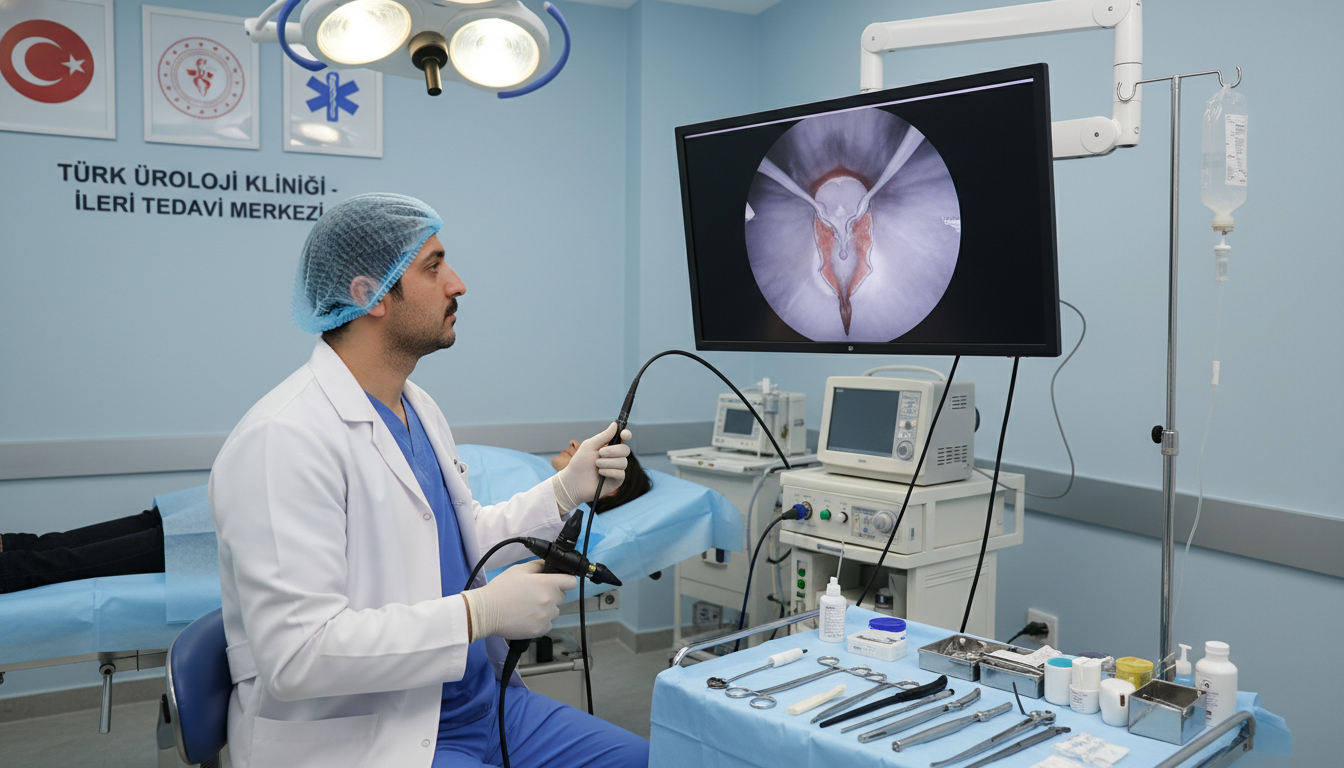
Turkey is now a top choice for people looking for top-notch medical care. It has modern healthcare and focuses on the patient, making it ideal for special tests.
Many people go to Turkish clinics for urology services. They find the care is both top quality and affordable. Patients get to use advanced technology and work with skilled doctors who care about their comfort and accuracy.
Finding healthcare abroad can seem scary, but Turkey makes it easy. This guide will show you why many trust Turkish doctors for their tests.
Key Takeaways
- Turkey is a leading hub for high-quality medical tourism and specialised urological care.
- International patients choose Turkish clinics for their advanced diagnostic technology and expert medical teams.
- The process of arranging a Cystoscopy in Turkey is designed to be efficient and patient-focused.
- Clinics in the region maintain rigorous standards to ensure optimal safety and successful outcomes.
- Choosing Turkey allows patients to access premium healthcare services at a competitive price point.
Understanding the Cystoscopy Procedure
Learning about cystoscopy is key for those looking into urological care in Turkey. It’s a vital diagnostic tool for checking the bladder and urethra. A thin, flexible tube with a camera lets surgeons see the urinary tract clearly.
Purpose of a Bladder Examination
A bladder examination helps find the cause of urinary problems. Doctors do this when patients have ongoing pain, blood in their urine, or frequent infections. These symptoms don’t go away with usual treatments.
Urologists use this method to spot issues like bladder stones, polyps, or tumours. Finding these problems early is crucial for successful treatment. It helps create a treatment plan that fits each patient’s needs.
The Role of Endoscopy in Urology
Endoscopy has changed urology for the better. It lets surgeons see inside without big surgery. Advanced optics help them see the urinary system’s details with unmatched accuracy.
This method cuts down on recovery time and pain for patients. As technology gets better, these tools can find even the smallest problems. This makes the diagnostic process safer and more effective for everyone.
Why Turkey is a Leading Destination for Urology Procedures
Turkey is quickly becoming a top choice for medical tourism, focusing on urology procedures. It offers advanced medical technology and a patient-first approach. This attracts thousands of visitors each year. By opting for a urology treatment in Turkey, patients get top-notch care at lower costs than in Western countries.
Advancements in Turkish Medical Infrastructure
Turkish hospitals have seen rapid modernisation thanks to big investments in healthcare. Top clinics now have state-of-the-art tools and robotic systems for precise surgeries. These facilities make the whole experience smooth, from first visit to recovery.
Hospitals in big cities like Istanbul and Ankara use the latest digital imaging. This lets surgeons do complex tasks with less invasion, improving results. Turkey’s focus on tech keeps it leading in medical innovation.
Accreditation and Standards of Care
Safety is top for Turkish medical places, following strict global standards. Many hospitals have Joint Commission International (JCI) accreditation. This ensures every urology procedure meets high quality and hygiene standards. This makes international patients confident when seeking care abroad.
The table below shows the key parts of Turkey’s healthcare system for quality care for international patients:
| Feature | Standard | Patient Benefit |
|---|---|---|
| Accreditation | JCI Certified | Global safety compliance |
| Technology | Advanced Robotics | Precision in urology procedure |
| Staffing | Board-Certified | Expert medical guidance |
| Hygiene | Strict Protocols | Reduced infection risk |
The Expertise of Turkish Urologists
Choosing a urology procedure means picking a skilled surgeon. Turkey values precision and safety in medical care. Its surgeons use the latest tech and traditional knowledge.
Training and Qualifications of Specialists
Turkish urologists study for over a decade. They start with primary education and then urology residency at top hospitals. Many also get international fellowships in Europe or the US.
They pass tough national exams to become board certified. This proves they meet global standards. You can trust they know the latest urinary tract evaluation techniques.
Multidisciplinary Approaches to Urinary Tract Evaluation
Turkish clinics work together for better care. Teams include radiologists, pathologists, and anaesthesiologists. This teamwork is key for complex cases needing precise diagnosis.
With diverse views, the team creates a plan just for you. This approach boosts the accuracy of your urinary tract evaluation. It also makes sure your urology procedure is safe and well-planned.
| Professional Standard | Turkish Urology Training | Global Benchmark |
|---|---|---|
| Residency Duration | 5-6 Years | 5-7 Years |
| Board Certification | Mandatory/Rigorous | Mandatory/Rigorous |
| Clinical Focus | Multidisciplinary | Multidisciplinary |
| Continuing Education | Annual Requirements | Annual Requirements |
Preparing for Your Cystoscopy in Turkey
Starting your medical journey in Turkey requires careful planning. Organising your health records and following advice ensures a safe and effective medical procedure.
Initial Consultations and Medical History Review
Many clinics in Turkey now offer virtual consultations. Your urologist will review your comprehensive medical history to confirm a Cystoscopy is right for you.
Be ready to share recent blood tests, scans, and medications. Accurate information helps the team tailor their approach to your health.
“Patient preparation is the cornerstone of surgical success. When a patient arrives fully informed and medically cleared, we can focus entirely on achieving the best possible diagnostic outcome.”
Pre-procedure Instructions and Fasting Requirements
Following pre-operative instructions is key for a successful medical procedure. Your clinic will give you a detailed list. This often includes fasting for several hours before the Cystoscopy to ensure your bladder is empty.
It’s also important to talk about your medications with your doctor. Some drugs may need to be stopped to avoid bleeding during the exam.
| Preparation Step | Action Required | Timeline |
|---|---|---|
| Virtual Consultation | Review medical history | 2-4 weeks prior |
| Medication Review | Adjust blood thinners | 1 week prior |
| Fasting | No food or drink | 6-8 hours before |
| Documentation | Bring all lab reports | Day of arrival |
By following these steps, your Cystoscopy will go smoothly. Proper planning lets you focus on recovery and enjoy Turkey’s high-quality care.
What to Expect During the Cystoscopy
Visiting a Turkish clinic for a Cystoscopy can be less stressful if you know what to expect. The medical team will help you through each step. They want you to feel supported and well-informed.
The clinic’s environment is calm, professional, and efficient. This helps you relax during your visit.
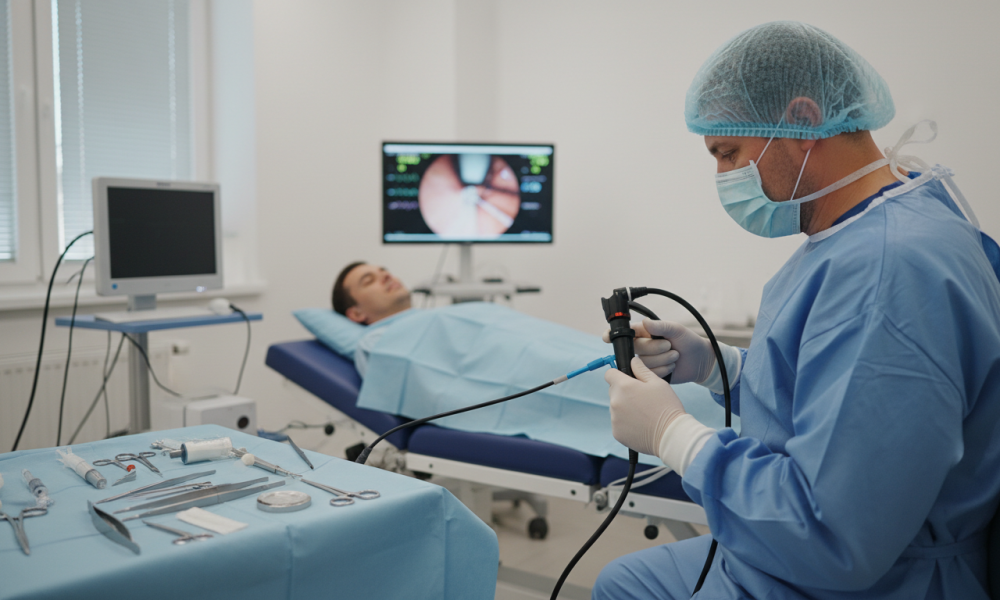
The Process of Catheter Insertion
First, you’ll lie down on an examination table. A sterile lubricant, often with a local anaesthetic, is applied. This makes the catheter insertion less uncomfortable.
After preparation, the urologist carefully inserts the thin, flexible scope into the urethra. The catheter insertion is done with great care. This allows the specialist to see the bladder lining clearly. Most people feel only a mild pressure, not pain.
Anaesthesia Options and Patient Comfort
Turkish clinics focus on your comfort by providing different anaesthesia options. For many, a local anaesthetic gel is enough. This keeps you awake and able to talk to your doctor during the Cystoscopy.
If a more detailed examination is needed, your surgeon might suggest sedation or general anaesthesia. These options ensure you’re relaxed or asleep, depending on your choice and medical history. Your comfort is the primary focus. The team will discuss the best option with you before the procedure to make it stress-free.
State-of-the-Art Technology in Bladder Scope Procedures
Modern urology clinics in Turkey are changing patient care with new technology. They use the latest tools to make sure every bladder scope procedure is precise and safe.
Digital Imaging and High-Definition Scopes
High-definition digital imaging has changed urological diagnostics a lot. Surgeons now use advanced endoscopy systems. These systems give clear, detailed views of the urinary tract lining.
This clear view helps spot small problems early, like minor lesions or tumours. So, patients get accurate diagnoses. This leads to better health outcomes and treatment plans.
“The integration of high-definition digital imaging has transformed our ability to diagnose complex conditions with unprecedented accuracy and speed.”
Minimising Discomfort with Modern Equipment
New medical tools are made to keep patients comfortable during tests. Flexible, thin instruments have replaced old, stiff ones. This makes the bladder scope exam less uncomfortable.
These new endoscopy tools make the procedure safer and easier for patients. Here’s a table showing the differences between old and new tools:
| Feature | Traditional Equipment | Modern Technology |
|---|---|---|
| Scope Flexibility | Rigid and stiff | Highly flexible |
| Image Quality | Standard resolution | High-definition digital |
| Patient Comfort | Moderate discomfort | Significantly minimised |
| Diagnostic Speed | Slower analysis | Rapid, real-time results |
Choosing a clinic with the latest tools means better care for patients. The mix of skilled doctors and top technology puts patient well-being first.
Recovery and Post-Procedure Care
After your bladder check, the medical team will help you with the first steps of recovery. You’ll spend some time in a special area where nurses watch your health signs. This is crucial for your comfort and lets the staff deal with any quick issues before you go home.
Immediate Aftercare in the Clinic
You might feel a bit like you need to pee or have some mild discomfort after the procedure. The clinical staff will give you clear advice on how to handle these feelings. If you had a catheter inserted, they’ll make sure the area is clean and you’re comfortable before you leave.
“Patient recovery is significantly enhanced when clear communication and proactive care are prioritised immediately following any urological intervention.”
Drinking lots of water helps flush your bladder and can prevent irritation. You’re also encouraged to ask your medical team about any holmium laser treatments if you have questions about your long-term health. They’re there to help you get back to your usual routine.
Managing Possible Side Effects
Most people only have minor side effects that go away in a day or two. You might feel a bit of burning when you pee or see a bit of blood. These are common after catheter insertion and usually get better with rest and more fluids.
We’ve put together some practical tips for you in the table below. Following these simple steps can really help you feel better.
| Action | Benefit | Frequency |
|---|---|---|
| Increase water intake | Flushes the bladder | Throughout the day |
| Warm baths | Soothes irritation | As needed |
| Resting | Promotes healing | First 24 hours |
| Monitor urine | Tracks recovery | Every visit to the loo |
If you have severe pain, a high fever, or can’t pee, call your doctor right away. While serious problems are rare, watching closely means you get the help you need quickly. Being informed and ready is the best way to have a smooth recovery.
Comparing Costs of Cystoscopy in Turkey versus the United States
Looking at the cost of a cystoscopy, there’s a big difference between the US and Turkey. Many Americans are now looking abroad to save money without losing quality. If you’re looking for a good orthopedic clinic or a urology centre, knowing the costs is key.
Breakdown of Medical Expenses
In the US, a cystoscopy can cost a lot because of separate bills. You might get charged for the surgeon, the hospital, and the anaesthesiologist. These costs can add up quickly, making the final bill much higher than expected.
Turkish clinics, on the other hand, have clear prices. They bundle services, so you know what you’re paying before you go. This way, you won’t get surprised by extra bills after your treatment.
Hidden Costs and Value-Added Services
Turkey’s medical tourism packages offer great value. They include more than just the cystoscopy itself. You get things like airport transfers, nice places to stay, and help from patient coordinators.
Even though the initial price might seem lower, remember to think about travel costs. But, when you add up all the extras, Turkey’s deals are very competitive. Here’s a table showing the cost differences for patients going abroad.
| Expense Category | United States (Est.) | Turkey (Est.) |
|---|---|---|
| Surgeon/Consultant Fee | $1,500 – $3,000 | $400 – $800 |
| Facility & Anaesthesia | $2,000 – $4,500 | $500 – $1,200 |
| Value-Added Services | Not Included | Included in Package |
| Total Estimated Cost | $3,500 – $7,500 | $900 – $2,000 |
Logistics and Travel Planning for Medical Tourists
Planning your trip well is key to a smooth medical tourism experience in Turkey. Good travel arrangements let you focus on your health and recovery. You won’t have to worry about the hassle of international travel.
Visa Requirements and Travel Documentation
Most visitors, including those from the United States, find entering Turkey easy. Check your visa needs early on the Turkish government’s official website.
Many can get an e-Visa online quickly. Make sure your passport is valid for at least six months after you plan to leave.
Your clinic will give you a formal invitation letter for your travel papers. Keep your medical records, insurance, and clinic info handy during your trip.
Selecting Accommodation and Recovery Facilities
Choosing the right place to stay is important for your comfort after treatment. Many patients like hotels or serviced apartments close to their clinic. This saves time on travel.
Look for places with specialised recovery amenities. They should have easy-to-use bathrooms, quiet areas, and be near pharmacies. Some clinics have deals with local hotels for their patients.
Comfort during your recovery is vital. Make sure your place has reliable internet access and 24-hour support. This will help you feel safe and supported while you get better in a new place.
Safety Protocols and Infection Control
Patient safety is key in every medical procedure in Turkey. People from abroad want to know about the cleanliness of clinics there. Luckily, Turkish clinics follow strict global standards to ensure the best care.
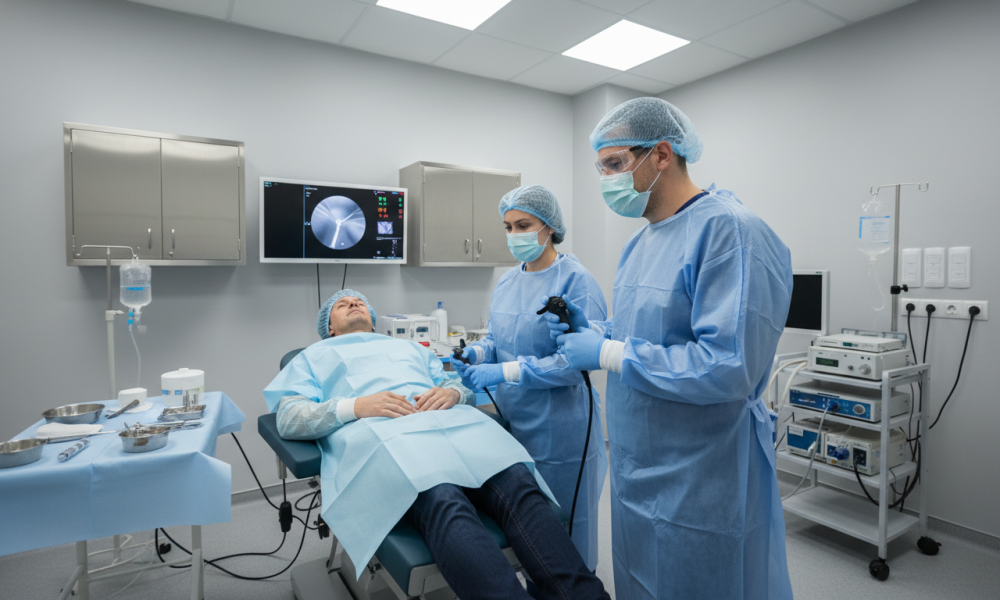
Sterilisation Standards in Turkish Hospitals
Turkish hospitals use top-notch sterilisation tech to stop infections. Every medical procedure happens in very clean places. These places are cleaned often and thoroughly.
Surgical tools are cleaned in special machines. This makes sure they are safe for use. Staff also follow strict rules to stay clean and keep the theatre clean.
Places are checked regularly to keep their high standards. This makes sure your treatment is safe.
Patient Safety Monitoring During and After the Procedure
Keeping an eye on you is a big part of your care. From the start, doctors watch your health closely. They use the latest tech to do this.
After your medical procedure, you get lots of care. Nurses and doctors check on you often. This helps them catch any problems early.
| Safety Measure | Standard Practice | Patient Benefit |
|---|---|---|
| Sterilisation | High-pressure autoclaving | Zero infection risk |
| Monitoring | Continuous digital tracking | Early complication detection |
| Staff Training | International certification | Expert clinical care |
| Facility Audit | Quarterly safety reviews | Consistent quality assurance |
Common Conditions Diagnosed via Cystoscopy
When usual treatments don’t work, a diagnostic test can find the real problem. A cystoscopy lets doctors see inside the bladder and urethra. This is key for making a good treatment plan.
Identifying Bladder Stones and Tumours
This method is great at finding blockages that ultrasound scans might miss. Bladder stones can hurt a lot and block the flow. They are easily spotted and checked during the test.
The cystoscopy is also top for finding growths or tumours in the bladder. Finding these early is very important. It lets doctors take biopsies right away if needed.
Investigating Chronic Urinary Tract Infections
Some people keep getting infections that antibiotics can’t fix. A detailed bladder examination can show if there are problems that stop the body from healing.
“Direct visualisation of the bladder mucosa remains the most reliable method for diagnosing complex, non-responsive urinary tract conditions.”
By finding these hidden issues, doctors can do more than just treat symptoms. The table below shows symptoms that might lead to needing this diagnostic test.
| Symptom | Potential Finding | Clinical Significance |
|---|---|---|
| Blood in urine | Bladder tumour | Requires immediate biopsy |
| Pelvic pain | Bladder stones | Needs physical removal |
| Frequent infections | Structural defect | Guides corrective surgery |
Navigating Language Barriers and Communication
Good communication is key when you’re in Turkey for a medical procedure. Feeling understood by your doctors is important for your comfort and safety. Many top clinics in Turkey offer support to make sure language barriers don’t affect your care.
The Role of Medical Translators
Medical translators are like a bridge between you and your doctors. They know medical terms well, so they can explain things clearly. They’re there during your consultation to make sure you understand everything about your bladder check.
Having a translator with you has many benefits:
- Accuracy: They make sure your medical history is shared right with the urologist.
- Cultural Nuance: They help you understand local customs, making things easier.
- Emotional Support: They give you peace of mind, helping you focus on getting better.
Ensuring Clear Communication with Your Surgeon
It’s important to ask questions before your procedure. Writing down your concerns beforehand is a good idea. Even if your surgeon speaks English, a translator can help with tricky details.
Here’s how to make the most of your consultation:
- Write down your symptoms and any past treatments clearly.
- Ask for a written summary of the treatment plan.
- Make sure you understand the instructions for after the procedure.
Good communication means you’re part of your healthcare team. By talking openly, you can face your cystoscopy with confidence. You’ll know your health is in good hands.
Legal Rights and Patient Protection in Turkey
Before you travel for your cystoscopy, it’s key to know the local laws. Turkey has a detailed system to ensure top-notch care for international patients. Feeling secure is vital during your medical trip.
Understanding Medical Malpractice Regulations
The Turkish healthcare system is tightly controlled by the Ministry of Health. Doctors must follow strict rules, and hospitals need valid accreditation. If something goes wrong, patients can seek legal action in Turkey.
Accountability is at the heart of these rules. Doctors and clinics must have professional liability insurance. It’s smart to check the doctor’s credentials before treatment.
Patient Advocacy and Support Services
Modern hospitals in Turkey have Patient Rights Units. These units help ensure your concerns are dealt with quickly and well. They act as a link between you and the medical team, solving any problems.
There are also independent groups that help international visitors. They guide you on your rights and the local healthcare scene. Empowerment through information helps ensure a safe and smooth recovery.
| Protection Feature | Description | Patient Benefit |
|---|---|---|
| Professional Liability | Mandatory insurance for surgeons | Financial security |
| Patient Rights Units | On-site hospital advocacy | Immediate conflict resolution |
| Ministry Oversight | Strict national health standards | High-quality care assurance |
Integrating Your Procedure with a Recovery Holiday
Planning a medical trip to Turkey lets you mix healthcare with a Mediterranean holiday. Choosing to have your urinary tract evaluation in such a lively place makes your visit more than just a clinic visit. It turns it into a chance to relax and heal.
Choosing the Right Time for Your Visit
Picking the perfect time for your trip is key for your comfort and healing. Turkey has different seasons, and your choice should match your comfort with heat and your healing needs. Spring and autumn are the best times for medical tourists because of the nice weather.
In these seasons, you can enjoy the outdoors without the summer heat. If you want a quieter trip, visiting in the shoulder season can offer privacy and shorter waits at clinics. Always check with your surgeon to make sure your travel plans fit your urinary tract evaluation recovery.
Balancing Medical Needs with Leisure
Recovery needs a mix of rest and gentle activity. It’s tempting to see all the sights right away, but your body needs time to heal after your urinary tract evaluation. Plan your medical visit early in your trip to have time to relax afterwards.
Choose low-impact activities like visiting gardens or enjoying coastal views. This way, you can enjoy your holiday while taking care of your health. The table below shows the best times to visit based on your recovery goals.
| Season | Climate | Best For |
|---|---|---|
| Spring (April-May) | Mild and Sunny | Sightseeing and light walking |
| Summer (June-August) | Hot and Dry | Beach relaxation and swimming |
| Autumn (Sept-Oct) | Warm and Pleasant | Cultural tours and outdoor dining |
| Winter (Nov-March) | Cool and Rainy | Spa retreats and indoor comfort |
Potential Risks and How They Are Managed
When you travel for a diagnostic test, knowing about post-procedure symptoms is key. Turkey’s urology clinics follow strict safety rules. But, knowing about possible complications is important for your health journey.
Recognising Warning Signs Post-Procedure
Most people feel only mild discomfort after a bladder scope test. This might include a slight burning when you pee. But, it’s important to watch your recovery for any unusual signs.
Persistent high fever, chills, or trouble peeing are big warning signs. You should also look out for heavy bleeding, like bright red blood or big clots in your pee. While some spotting is normal, too much is not. If you’re worried about serious issues, like kidney cancer, your doctor will tell you what to watch for.
Accessing Emergency Care While Abroad
Getting emergency care abroad is easier than you might think. Good clinics have 24/7 support and clear instructions for reaching your doctor or specialist. Always have your medical records and insurance info ready.
If you need emergency care, your clinic will help you get to a local hospital fast. This way, you can focus on getting better without worry. Below is a table with common symptoms and what to do about them.
| Symptom | Severity | Recommended Action |
|---|---|---|
| Mild burning during urination | Low | Increase fluid intake |
| Small amount of pink urine | Low | Monitor and rest |
| Fever over 38°C | High | Contact clinic immediately |
| Inability to urinate | High | Seek emergency assistance |
Conclusion
Choosing Turkey for your medical needs is a smart move. It combines top-notch care with modern facilities. You get to see world-class urologists who use the latest tech for accurate tests.
This option is cheaper than what you might find at home. Yet, it doesn’t cut corners on safety or quality.
Getting ready for your health journey is key. Make sure to check your clinic’s credentials and talk openly with your doctors. This helps you make a choice that fits your health goals.
A good medical trip needs careful planning. Think about your travel and recovery plans well. Turkey is a top choice for top-notch urological care.
Start by contacting trusted facilities to talk about your needs. Being proactive means you get the best care in a professional place. Focus on your health with expert advice for lasting results.
FAQ
Q: Why is Turkey a leading destination for a Cystoscopy?
A: Turkey is a top choice for medical tourism. It offers advanced medical care at lower prices. Facilities like those with Joint Commission International (JCI) accreditation ensure high-quality care. This makes Turkey a reliable option for patients worldwide.
Q: What is the primary purpose of a bladder examination?
A: A bladder examination helps see inside the bladder and urethra. It finds the cause of long-term urinary infections. It also spots bladder stones and tumours that other scans might miss.
Q: How qualified are Turkish specialists in performing a urinary tract evaluation?
A: Turkish urologists are very skilled. They have a lot of training and often get certified by the Turkish Urology Association and European boards. They have experience in top hospitals, making them experts in urinary tract checks.
Q: Is the catheter insertion during a bladder scope painful?
A: Inserting a catheter might seem scary, but it’s not very painful. Doctors use a numbing gel and might offer sedation. This makes the procedure as comfortable as possible for you.
Q: What should I do to prepare for my medical procedure in Turkey?
A: Start by talking to your doctor online. You’ll need to follow some steps before your visit. This includes fasting if you’ll have sedation and making sure you have all your travel papers ready.
Q: What technological advancements are used during a Cystoscopy in Turkish clinics?
A: Turkish hospitals use the latest technology. They have high-definition cameras and flexible scopes. These tools give clear views of the urinary tract, making the test more accurate and less invasive.
Q: How does the cost of a Cystoscopy in Turkey compare to the United States?
A: Getting a Cystoscopy in Turkey is much cheaper. It can cost 50% to 70% less than in the US. This price includes the doctor’s fees, anaesthesia, and the clinic’s costs. Many clinics also offer extras like airport transfers and hotel stays.
Q: What does the recovery and aftercare process involve?
A: Right after your procedure, the clinic will check on you. You might feel a bit of burning when you pee or need to go more often. The clinic will give you a plan to help with these symptoms at home or in your hotel.
Q: How are safety and infection control managed in Turkish hospitals?
A: Turkish hospitals follow strict cleaning rules. They meet international standards set by the Ministry of Health. Every procedure is done in a clean area to keep patients safe from infections.
Q: How do I communicate with my surgeon if there is a language barrier?
A: Communication is key in Turkish medical tourism. Top clinics have translators who speak English and other languages. They help you understand your treatment and any findings.
Q: What legal protections do international patients have in Turkey?
A: International patients are well protected in Turkey. The government has strong laws and rules for medical care. Clinics also offer support services to ensure your rights are looked after.
Q: Can I combine my Cystoscopy with a recovery holiday?
A: Yes, many patients enjoy Turkey’s beauty while recovering. You can relax in thermal springs or by the coast. Just make sure to follow your doctor’s advice on when to start being active again.
Q: How are possible risks and emergencies managed while I am abroad?
A: While Cystoscopies are safe, doctors teach you to watch for signs of trouble. If you have concerns, clinics have 24/7 help lines. They work with local emergency services to ensure you get quick help if needed.
Related guides

Healthcare Content Compliance Guide for Growth
A high-performing treatment page can generate international patient inquiries within hours. It can also create material risk if…
Turkey Hospitals vs Local Hospitals Compared
A lower procedure quote can get a patient’s attention. It should not make the decision on its own.…

Patient Experience That Drives Trust and Growth
A patient who has already uploaded medical records, compared providers, and arranged time away from work is not…