
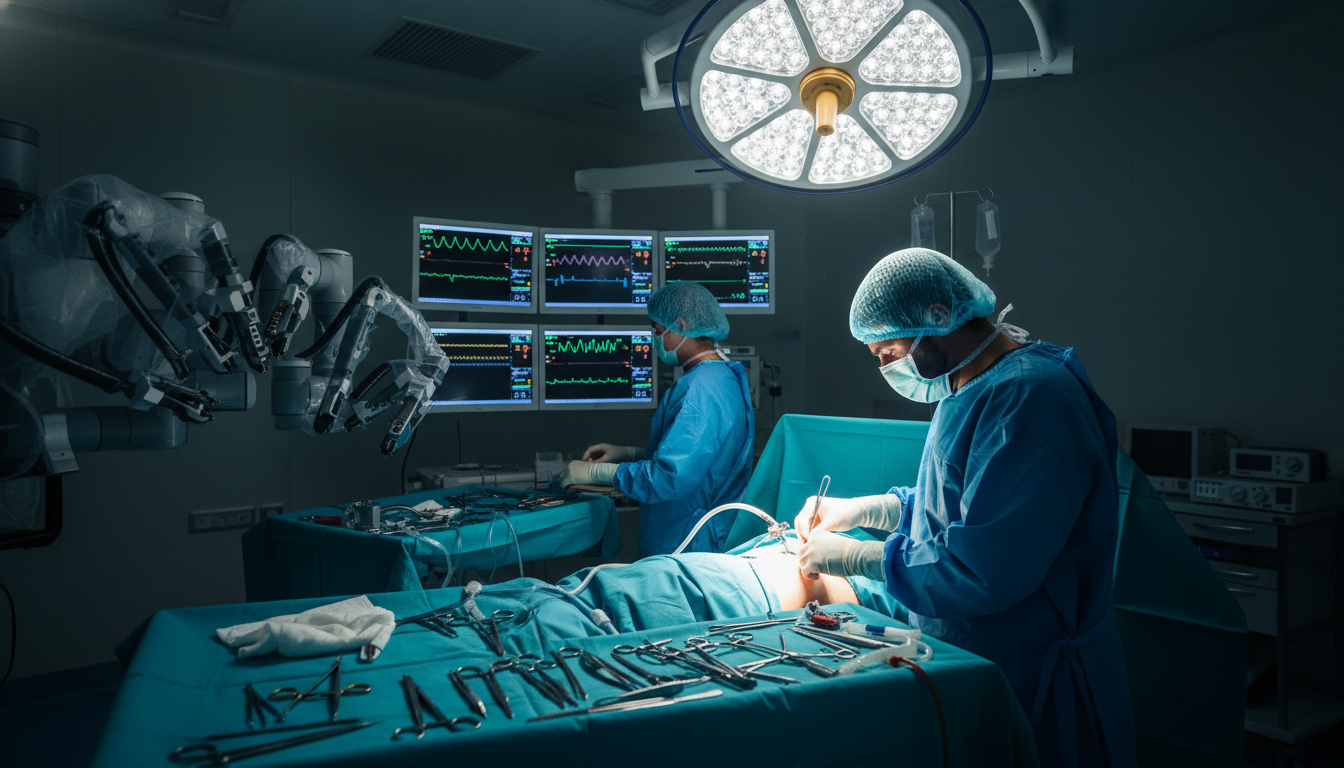
Turkey is now a top choice worldwide for those looking for top-notch cancer care. Many people from the United States travel there for access to world-class medical care. This care focuses on the best results and top-notch skills.
At the core of Turkey’s medical leap is the use of specialised procedures for tough cancers. Cytoreductive surgery is a key treatment, giving hope with precise, proven methods.
Patients from abroad pick Turkish hospitals for their unique skills and modern setup. These hospitals use the latest tech and care with kindness. They make sure each patient gets a plan made just for them.
Key Takeaways
- Turkey is known as a top place for advanced cancer treatments.
- Patients from the United States often choose Turkish clinics for their high standards.
- The success of these treatments is backed by modern, top-notch medical facilities.
- Specialised surgeries are used to tackle tough and complex cancers well.
- A focus on patient care means international visitors get full support during their treatment.
Understanding the Principles of Cytoreductive Surgery
Cytoreductive surgery is a transformative way to treat advanced abdominal cancers. It involves removing tumour deposits in the abdominal cavity. This makes it easier for the body to fight the cancer with other treatments.
Defining Surgical Debulking in Modern Oncology
In modern oncology, surgical debulking means removing as much cancer as possible. Surgeons aim to leave no tumour nodules bigger than a few millimetres. This requires a deep knowledge of the abdominal area.
The main goal of surgical debulking is to improve the patient’s health. By removing most of the cancer, it helps the immune system and treatments target the remaining cells better. This is a key part of treating advanced cancers.
The Role of Cytoreduction in Disease Management
Effective disease management needs a team effort, with surgery at the heart. Cytoreduction changes the course of the disease. Done by experts, it can increase survival chances and improve life quality for patients.
Adding cytoreduction to a treatment plan makes disease management proactive. The table below shows the main goals and outcomes of these surgeries.
| Objective | Clinical Focus | Expected Outcome |
|---|---|---|
| Tumour Reduction | Removing visible masses | Improved drug efficacy |
| Symptom Relief | Alleviating organ pressure | Enhanced patient comfort |
| Prognosis Improvement | Extending survival time | Better long-term health |
The success of surgical debulking relies on the skill of the surgical team. By focusing on removing all visible cancer, doctors give patients the best chance for recovery and disease management.
Why Turkey Has Become a Global Hub for Cancer Surgery
Turkey’s rise as a top oncology destination is not by chance. Over 20 years, it has invested heavily in its medical field. This has made it a top choice for cancer surgery worldwide.
Advancements in Turkish Surgical Oncology Infrastructure
The key to this change is the modernisation of hospitals. Turkish clinics now have advanced operating rooms. They use the latest robotic systems and imaging tools.
This focus on innovation has created a perfect blend of technology and medical skill. Patients getting cancer treatment in Turkey enjoy these top resources. They help improve recovery times and success rates. Efficiency and accuracy are the main goals for every surgical team.
“Quality in a service or product is not what you put into it. It is what the client or customer gets out of it.”
Accreditation and International Standards in Turkish Hospitals
Safety and top-quality care are at the heart of Turkish healthcare. Many hospitals have Joint Commission International (JCI) accreditation. This shows they follow strict global safety standards.
This ensures international patients get the same level of care as in the US. Hospitals also focus on getting better all the time. They do regular checks and train staff to keep up with the latest standards. This dedication has made Turkey a reliable place for complex medical treatments.
The Clinical Benefits of Choosing Turkey for Oncological Operations
Patients looking for top cancer care often choose Turkey. It offers both clinical excellence and caring support. The quality of the medical setting is key for good health results. Turkey has invested in its healthcare, ensuring patients get the best treatment.
Access to Multidisciplinary Cancer Treatment Teams
The Turkish method focuses on teamwork. Surgeons, oncologists, and radiologists work together. They create bespoke treatment plans for each patient.
This team approach means every part of the disease is covered. Specialists work together, ensuring effective care.
“The strength of a team is each individual member. The strength of each member is the team.”
This teamwork is great for complex care, like urology treatment in Turkey. The team’s skill helps tackle tough cases. Patients get a care plan that focuses on both health and well-being.
Technological Superiority in Tumour Resection
Turkish hospitals use the latest technology for tumour resection. Advanced robotic systems and high-resolution imaging help surgeons. This means less damage to healthy tissue.
Modern surgical suites in Turkey have top tools. These tools give real-time data during surgery. This precision is vital for complex operations. Patients get the same level of care as in the world’s best hospitals.
Patient Journey: From Initial Consultation to Post-Operative Care
The path to top-notch cancer treatment in Turkey is made easy for international patients. Clinics focus on clear communication and support. This makes the journey stress-free, even when seeking care abroad.
Navigating the Medical Tourism Process for Cancer Patients
Your journey starts with a remote consultation. Specialists review your medical history here. They then create a personalised care plan for you.
Dedicated patient liaison officers help with travel, accommodation, and your cancer treatment schedule. They manage the travel details, so you can focus on your health.
Pre-operative Assessments and Diagnostic Imaging
Upon arrival, you’ll have thorough pre-operative assessments. You’ll also have advanced diagnostic imaging, like CT or MRI scans. These critical evaluations prepare the surgical team for your needs.
Using the latest technology, doctors can plan your surgery with great detail. This careful preparation is key to a successful cancer treatment and recovery.
Surgical Techniques Employed in Cytoreductive Procedures
New medical technologies have brought about precise tumour resection methods. Surgeons use various techniques to remove as much disease as possible while keeping healthy tissue safe. The right method depends on the tumour’s location and size.
Minimally Invasive Approaches to Tumour Removal
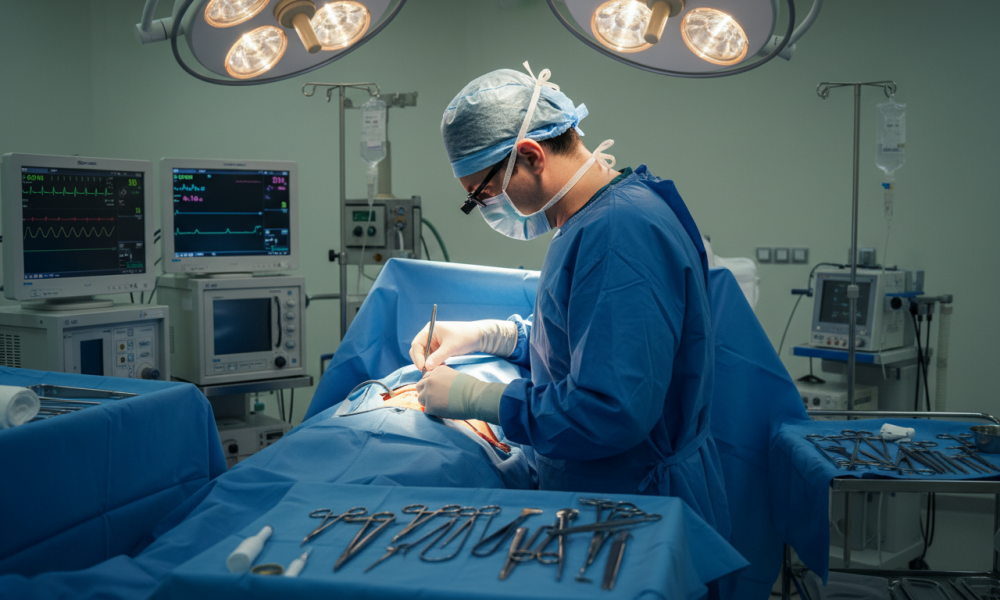
Modern oncology relies heavily on minimally invasive surgery. Techniques like laparoscopy allow surgeons to work through small cuts, not big ones. This reduces trauma and speeds up recovery.
Patients feel less pain and stay in hospital less when these methods are used. High-definition cameras and special tools help surgeons remove tumours accurately with little damage to nearby tissue.
“The goal of modern surgery is to achieve the best oncological outcome with the least possible physiological impact on the patient.”
Open Surgery vs Laparoscopic Methods in Complex Cases
Though minimally invasive methods are preferred, open surgery is essential for complex cases. It’s used when the disease is widespread or near major blood vessels. An open approach gives surgeons unrestricted access and better visibility for a thorough tumour resection.
The choice between these methods depends on the patient’s scans and health. Here’s a comparison of the two:
| Feature | Laparoscopic Surgery | Open Surgery |
|---|---|---|
| Incision Size | Small (Keyhole) | Large |
| Recovery Time | Rapid | Extended |
| Best Use Case | Early-stage or localised | Complex or advanced |
The main goal is to remove all cancer. Surgeons in Turkey are skilled in both methods. They ensure each patient gets a tailored treatment plan that balances safety and quality care.
Cytoreductive Surgery in Turkey: Clinical Outcomes and Success Rates
The success of cancer treatment is shown through survival rates and how patients feel. When people travel for Cytoreductive Surgery, they want to live longer and enjoy a good quality of life.
Turkish medical centres are open about these results. They use detailed data to make sure each patient gets the right treatment for their cancer.
Analysing Survival Statistics and Quality of Life Metrics
Success in fighting cancer isn’t just about living longer. Doctors in Turkey use standardised assessment tools to check how patients feel during and after treatment. They look at physical health, pain, and emotional state.
Survival statistics are matched with these quality of life measures. This way, doctors can improve their methods and make treatment better for others.
Long-term Management Strategies Following Surgery
Good disease management means staying active long after surgery. After the main operation, patients start a watchful waiting program. This catches any health changes early.
This ongoing disease management includes regular scans and team meetings. Regular check-ups help doctors act fast if needed. This keeps the benefits of the surgery going for a long time.
Top Turkish hospitals focus on long-term health. They have teams that work together to care for patients. This gives patients peace of mind as they recover.
The Integration of Hyperthermic Intraperitoneal Chemotherapy
The mix of surgery and heated chemotherapy is a big step forward in fighting peritoneal cancer. It lets doctors tackle both big tumours and tiny ones that are hard to find.
Combining Cytoreduction with HIPEC for Peritoneal Malignancies
The main aim of cytoreduction is to get rid of all cancer in the belly. After the surgeon removes most of the cancer, they start Hyperthermic Intraperitoneal Chemotherapy (HIPEC).
HIPEC uses a hot chemotherapy solution in the belly. The intense heat helps the medicine soak into the tissues. This way, it can kill any tiny cancer cells left behind. This two-part treatment is key to helping patients live longer.
Safety Protocols and Patient Selection Criteria
This complex surgery needs to follow strict safety rules. Not every patient can handle this tough treatment. The surgery is very demanding.
Doctors in Turkey check each patient carefully before surgery. They make sure the patient can handle the surgery’s stress. Important things they look at include:
- The size and spread of the cancer in the belly.
- The patient’s overall health and how well they eat.
- No cancer in other parts of the body that would make local treatment less effective.
By sticking to these strict rules, Turkish cancer centres make sure cytoreduction and HIPEC are done right. This focus on safety helps reduce risks and boosts the chance of a good recovery.
Selecting the Right Surgical Oncology Centre in Turkey
Your choice of surgical oncology centre is key to your treatment and recovery. It’s important to check the doctors and the clinic’s setup. Researching these details helps ensure you get the best care.
Evaluating Surgeon Expertise and Specialisation
The success of your surgery depends on your surgeon’s experience. Look for specialists with a strong track record in surgical debulking. Make sure they are board certified and have dealt with cases like yours.
Ask about their surgery volume. Surgeons who only do oncological interventions stay up-to-date with new techniques. Their focus on oncology shows their commitment to quality care.
Reviewing Hospital Facilities and Intensive Care Capabilities
The hospital’s setup is also critical. A good surgical oncology department has modern operating rooms and imaging tools. These help your team work at their best.
Also, check the hospital’s intensive care unit. A well-staffed ICU is essential for safe recovery after surgical debulking. Ensure the ICU follows international safety standards and is accredited by global health bodies.
| Selection Criteria | Importance Level | Key Question to Ask |
|---|---|---|
| Surgeon Experience | Critical | How many similar procedures have you performed? |
| ICU Infrastructure | High | Is there 24/7 specialist intensivist coverage? |
| Hospital Accreditation | Essential | Is the facility JCI or ISO certified? |
| Technology Access | Moderate | Are robotic or minimally invasive tools available? |
Cost-Effectiveness of Cancer Treatment in the Turkish Healthcare System
Looking at tumour resection, the Turkish healthcare system is very cost-effective. Many people find they can get top medical care without the high costs at home.
This cost advantage comes from lower costs and a focus on medical tourism. Traveling patients often save a lot while getting excellent care.
Comparing Surgical Costs with Western European and American Standards
Prices in Turkey are much lower than in Western countries. Yet, the quality of cancer treatment is just as good. This means big savings for patients.
| Service Category | United States (Avg) | Turkey (Avg) |
|---|---|---|
| Consultation Fees | $500 – $1,000 | $100 – $250 |
| Surgical Procedure | $50,000+ | $15,000 – $25,000 |
| Hospital Stay (Per Day) | $3,000+ | $500 – $1,000 |
“The integration of advanced technology and skilled surgical teams in Turkey allows for a highly efficient healthcare model that prioritises patient outcomes over excessive administrative costs.” —
Understanding Package Deals and Medical Tourism Inclusions
Turkish clinics offer complete package deals for international patients. These packages aim to make the financial part clear and worry-free for cancer treatment.
A typical package for a major tumour resection includes many important services:
- Pre-operative diagnostic imaging and laboratory tests.
- Surgeon fees and anaesthesia costs.
- Hospitalisation and intensive care unit (ICU) access.
- Post-operative medications and follow-up consultations.
- Airport transfers and luxury accommodation for the patient and a companion.
By combining these services, hospitals avoid hidden fees. This clear approach lets patients focus on healing without worrying about bills.
Managing Recovery and Rehabilitation After Major Surgery
The journey to healing after cancer surgery needs a dedicated team. They focus on your comfort and getting you moving. Turkish hospitals follow the best practices to care for you well after surgery. This is key to avoiding problems and keeping you healthy for a long time.

Post-operative Monitoring and Pain Management Protocols
Right after your surgery, you’ll go to a special unit. Here, doctors and nurses keep a close eye on you. They watch your vital signs closely. This helps them catch any changes fast. Managing your pain well is also very important. It helps you feel better while your body heals.
Doctors use many ways to help with pain, including:
- Patient-controlled analgesia (PCA) pumps for precise medication delivery.
- Multimodal pain relief strategies to reduce reliance on opioids.
- Regular neurological and cardiovascular assessments to ensure stability.
Physiotherapy and Nutritional Support During Recovery
Getting back on your feet is a big goal after cancer surgery. Physiotherapists start you off with gentle exercises. These help keep your blood flowing and lungs working well. They make sure the exercises fit your pace and energy.
Good nutrition is also key to getting better. Dietitians create a personalised meal plan for you. This plan helps your body fix itself and keeps your immune system strong. With the right mix of physiotherapy and nutrition, patients often recover faster and feel better sooner.
Legal and Ethical Considerations for International Patients
Deciding to have an oncological operation in another country needs careful thought. Turkey has strong rules to make sure patients get top-notch care. Knowing these rules helps you feel confident about your medical trip.
Patient Rights and Informed Consent in Turkish Clinics
In Turkey, informed consent is a big deal. Your doctors will explain all the risks and benefits before they start. This way, you can make choices about your health.
Turkish clinics follow strict rules from the Turkish Ministry of Health. These rules mean all patients get clear info about their diagnosis and treatment. You should ask questions until you’re sure you understand everything.
Navigating Medical Records and Continuity of Care
Keeping your medical info flowing is key for your health. Turkish hospitals use modern systems to track your care. This info is important for your doctor back home to know what you’ve been through.
To keep your care going smoothly, many clinics give you a detailed medical summary in English. It’s a good idea to keep these documents safe and share them with your doctor when you get back. This way, your surgical oncology care can keep going strong, no matter where you are.
Addressing Possible Risks and Complications
Being open about possible problems is key to top-notch surgical care. Patients getting cancer surgery should feel sure about their safety. They should know their health is being looked after from start to finish.
Mitigating Surgical Risks Through Advanced Monitoring
Turkish medical centres use state-of-the-art tech to watch patient health in real-time. They use top-notch monitoring during complex surgeries. This lets surgeons spot small changes early, before they become big problems.
This careful method makes sure each cancer surgery is done with great care. Teams of skilled surgeons and anaesthesiologists work together. They keep things stable, cutting down the chance of bad things happening during surgery.
Emergency Response and Critical Care Infrastructure
Having strong systems is key for handling unexpected problems after surgery. Turkish hospitals have modern intensive care units. These units watch over patients closely after big cancer surgeries.
These places have quick response plans for any issues. If a patient needs special help with breathing or pain, the team is ready to act fast.
By having full emergency services ready for cancer surgery, clinics put safety first. This focus on doing things right makes a safe place for people coming from abroad for treatment.
The Role of Personalised Medicine in Surgical Planning
The future of cancer treatment is all about matching biology and surgery perfectly. Doctors are moving away from treating everyone the same. Now, they create plans that focus on the unique traits of each tumour.
Genetic Profiling and Tailored Treatment Pathways
Modern surgery starts with detailed genetic tests to understand cancer cells. Surgeons use this info to plan the best cytoreduction strategy. This means treatments are more precise and tailored to each patient.
Doctors can spot genetic mutations that might make treatments less effective. This helps them adjust the surgery plan before it starts. So, the goal is not just to remove tumours but to tackle the cancer’s root causes.
Collaborative Decision-Making Between Specialists
Good disease management needs all doctors to share information smoothly. In top Turkish oncology centres, teams of surgeons, geneticists, and oncologists discuss each patient’s case. This collaborative environment ensures the surgery plan is backed by the latest research.
In these meetings, the team decides if cytoreduction should be part of a broader treatment plan. Every choice aims to improve long-term results and reduce harm to the patient. This team effort puts the patient’s unique needs first in every decision.
Support Systems for Patients Travelling Abroad for Treatment
Choosing to have a major oncological operation in another country can be daunting. But, having a strong support team can make a big difference. It’s important to have help when dealing with a new healthcare system and a health condition.
Top medical centres in Turkey focus on making their international patients feel comfortable and at ease. They understand the challenges of being in a new place while dealing with health issues.
Language Assistance and Patient Liaison Services
Good communication is key for successful cancer treatment. Turkish hospitals have patient liaison officers who help you. They speak many languages, making sure you understand your medical plan fully.
These services help remove confusion and worry. You can trust that your questions about surgery, recovery, and medication are answered right. This personalised approach means you’re never alone during your medical journey.
Logistical Support for Families and Caregivers
Traveling for medical care can be stressful for families and caregivers. Hospitals in Turkey offer help to make things easier. They assist with travel, local transport, and finding places to stay near the clinic.
Having family close by is key for your emotional health and recovery. Hospitals guide on local services, making it easier for families to settle in. This focus on the whole support network is what makes Turkish care special.
| Support Service | Primary Benefit | Availability |
|---|---|---|
| Patient Liaison | Clear communication | 24/7 |
| Language Translation | Reduced anxiety | On-demand |
| Logistical Coordination | Seamless travel | Pre-arrival |
| Family Accommodation | Emotional support | Full stay |
Conclusion
Choosing the right place for complex cancer care is very important for your health. Turkey is a top choice because it offers world-class medical care and modern facilities. Here, patients get to work with elite surgical teams who focus on precision and safety.
Top-notch surgical debulking is key in modern cancer treatment in Turkey. Turkish hospitals use the latest technology and create care plans just for you. This ensures you get the best care possible, making your journey towards better health smooth.
You should have a treatment plan that is both effective and caring. Working with skilled doctors in Turkey can help you find the right surgical debulking for your needs. Contact a trusted oncology centre today to start your journey. This step will help you take charge of your health with confidence.
FAQ
Q: What is Cytoreductive Surgery and how does it benefit cancer patients?
A: Cytoreductive Surgery, also known as surgical debulking, is a special oncological operation. It aims to remove as much of a visible tumour as possible from the abdominal cavity. This cancer surgery makes other treatments, like chemotherapy, work better. It’s key in treating advanced-stage cancers.
Q: Why is Turkey a preferred destination for complex Surgical Oncology?
A: Turkey has invested a lot in its healthcare. Places like Acıbadem Healthcare Group and Memorial Health Group have JCI (Joint Commission International) accreditation. People choose Turkey for tumour resection because of top-notch surgical oncology skills, modern tech, and lower cancer treatment costs than in the UK or US.
Q: How is the clinical efficacy of Cytoreduction measured?
A: The success of cytoreduction is measured by the “completeness of cytoreduction” (CC) score. This score shows how much disease is left after the oncological operation. Turkish centres aim for the highest CC scores to improve survival and quality of life.
Q: What role does HIPEC play in an oncological operation?
A: Hyperthermic Intraperitoneal Chemotherapy (HIPEC) is used with cytoreductive surgery. After removing the tumour, heated chemotherapy is spread in the abdominal cavity. This method treats cancer cells that surgical debulking might miss, making treatment more effective.
Q: Can I expect a personalised treatment plan for my cancer surgery in Turkey?
A: Yes. Turkish hospitals use personalised medicine and genetic profiling to tailor cancer treatment to each patient. Teams of experts work together to create a treatment plan that’s just right for you.
Q: What are the differences between open and minimally invasive tumour resection?
A: For complex cases, an open approach is often needed to remove all diseased tissue. But Turkish surgeons also use minimally invasive techniques like laparoscopy and robotics. These methods, like the da Vinci Surgical System, offer precise tumour resection with smaller cuts, leading to quicker recovery and less pain.
Q: How do Turkish hospitals ensure patient safety and manage surgical risks?
A: Patient safety is a top priority. Turkish hospitals do thorough pre-operative assessments and use advanced monitoring during surgery. They have top-notch intensive care units and emergency plans to handle any problems quickly and effectively.
Q: What logistical support is available for international patients and their families?
A: Turkish clinics offer a lot of help for patients coming from abroad. They provide language support, help with medical records, and help with travel arrangements. This makes the medical tourism experience smoother.
Q: What does the recovery process look like after a major oncological operation?
A: Recovery is a team effort, focusing on post-operative monitoring, pain control, and getting back to normal. Turkish patients get special physiotherapy and nutritional support to help them heal faster. Care plans are made to keep treatment going when patients go back home.
Q: Are the legal and ethical standards for informed consent the same in Turkey as in the West?
A: Yes, Turkish healthcare follows strict laws to protect patients and requires informed consent. Clinics are open about what to expect and the risks of cytoreductive surgery. This ensures patients are well-informed before any oncological operation.
Related guides

What Is a Medical Travel Facilitator and Why Use One?
A lower treatment quote can look compelling until you try to compare what it actually includes: surgeon fees,…
What Hospital Accreditation Reviews Really Tell You
A hospital can have polished facilities, prominent surgeons, and hundreds of five-star ratings, yet those signals do not…

International Patient Onboarding Guide for Hospitals
An international patient inquiry is not simply a lead. It is a person weighing a major medical decision…