
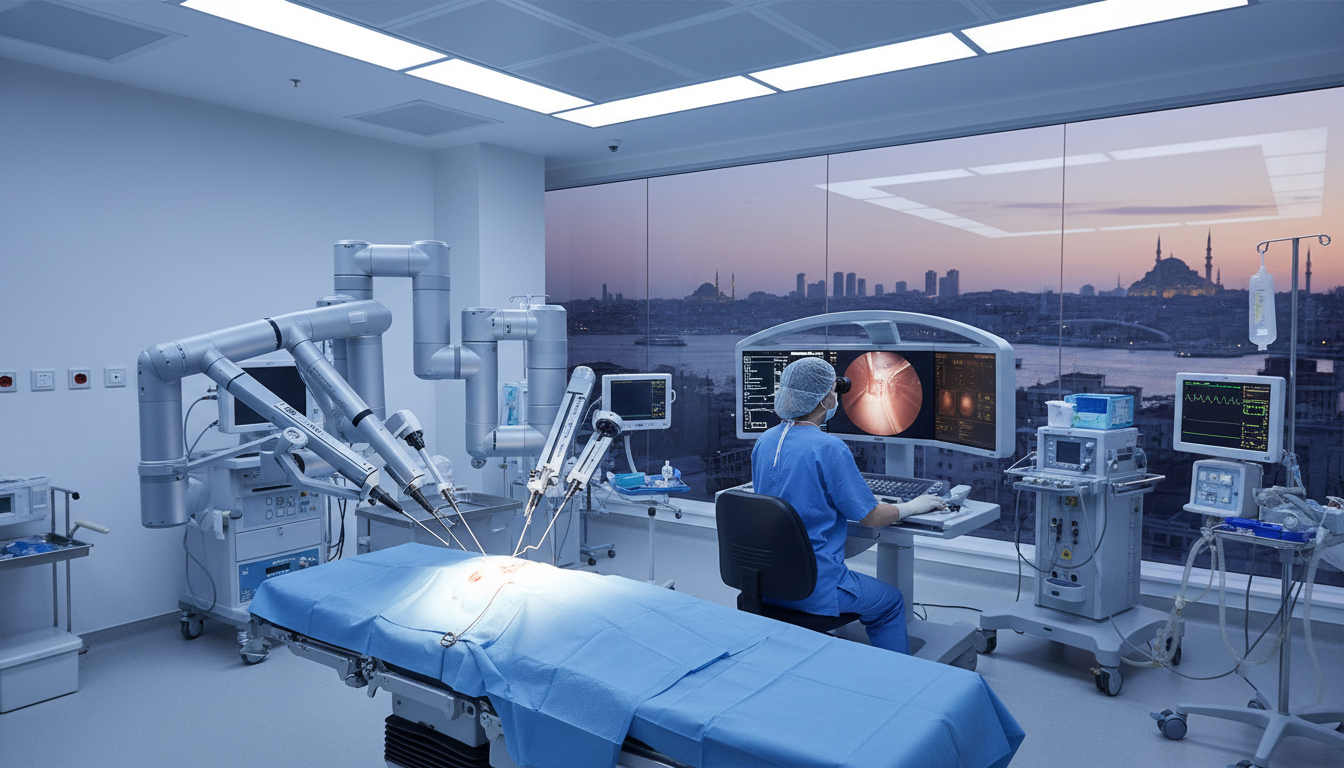
Turkey is now a global leader in advanced medical tourism. People from all over the world come here for top-notch healthcare. They look for safety and efficiency.
The Da Vinci Robotic Surgery is a big step forward. It lets doctors do complex surgeries with unparalleled precision. This means less harm to the patient.
Choosing these modern clinics, patients get the best care. They get to see top doctors and use the latest technology. It’s why many see this place as their go-to for medical care.
Key Takeaways
- Turkey is recognised as a premier hub for advanced medical treatments and high-tech care.
- The implementation of specialised systems ensures superior outcomes for patients undergoing complex operations.
- International travellers benefit from the combination of modern technology and highly skilled medical practitioners.
- Precision remains the core advantage of these innovative procedures, leading to faster recovery times.
- Clinics in the region maintain rigorous standards to ensure the safety and satisfaction of every patient.
The Evolution of Surgical Precision
The move from manual to computer-assisted systems is a big step in medical history. For years, surgeons used only their hands for operations. This often meant big cuts and long recovery times. Now, healthcare focuses more on surgical precision and keeping patients safe.
Understanding Robotic-Assisted Surgery
Robot-assisted surgery is a team effort between a surgeon and advanced tech. It doesn’t replace the surgeon but enhances their skills. High-definition cameras and small instruments let surgeons move in ways humans can’t.
This control is key for working in small or sensitive body areas. Surgeons can make precise moves, lowering the chance of harming tissue. Some patients might look into cyberknife for cancer, but the main goal is always to get the best results with new tech.
The Technological Advancements of the Da Vinci System
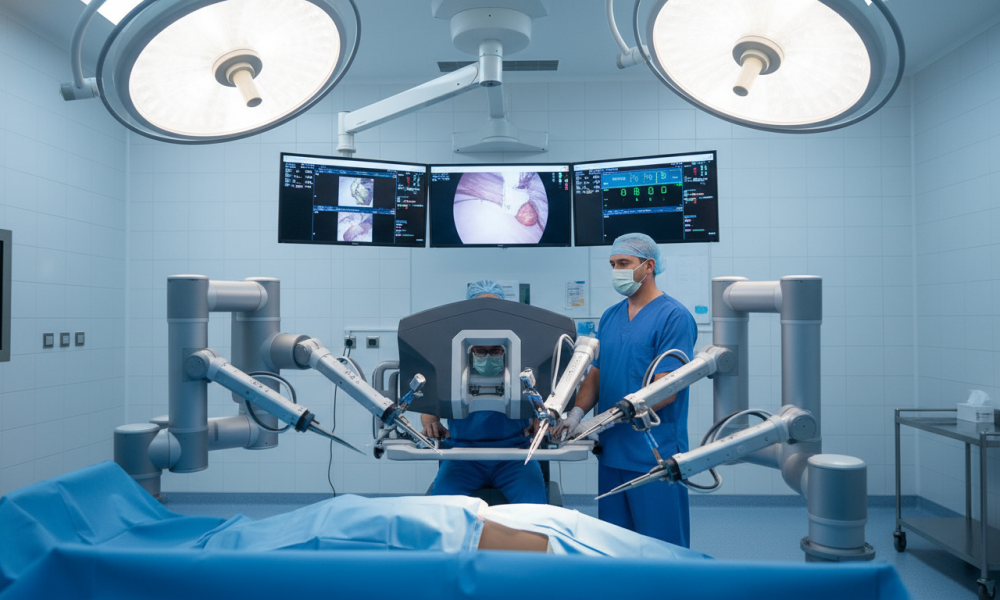
The Da Vinci system is the top surgical robot technology today. It has a surgeon console, a patient cart, and a vision system for a smooth experience. This surgical robot technology lets surgeons see the area in 3D, something old methods can’t do.
The system turns the surgeon’s hand movements into tiny, precise actions inside the body. It removes hand tremors, making every move steady. This level of surgical precision has changed how we do complex surgeries, making robotic-assisted surgery a top choice in hospitals.
Why Turkey Has Become a Global Hub for Medical Tourism
Turkey has become a leader in medical tourism thanks to smart investments and a focus on quality. It has modern facilities and a skilled team, drawing patients from the US and elsewhere. The aim is to offer exceptional patient outcomes through innovation.
Investment in Advanced Surgical Techniques
The Turkish healthcare sector is all about using cutting-edge technology to improve surgery. By adopting advanced surgical techniques, hospitals here ensure top-notch care. This means surgeons can do complex operations more accurately and quickly.
Also, Turkey attracts the best medical talent. Surgeons get to keep up with the latest robotic-assisted methods through training. This focus on learning is key to the country’s medical achievements.
Accreditation and International Standards in Turkish Hospitals
Keeping patients safe is the main goal for Turkish medical facilities. Many hospitals have accreditations like those from the Joint Commission International (JCI). These show they meet strict global standards.
These standards cover everything from how they do surgeries to keeping patients clean and safe after operations. By following these rules, Turkish clinics offer a safe place for patients from abroad. Here’s what makes their care so good:
| Feature | Turkish Standard | Global Benchmark |
|---|---|---|
| Accreditation | JCI Certified | High Compliance |
| Technology | Advanced Surgical Techniques | State-of-the-Art |
| Staff Training | Continuous Education | Board Certified |
| Patient Safety | Strict Protocols | International Norms |
The Da Vinci Robotic Surgery Experience
Walking into the operating theatre for a Da Vinci system procedure is a blend of human skill and machine precision. This advanced tool doesn’t replace doctors; it’s a high-tech extension of their hands and eyes.
How the System Enhances Surgeon Capabilities
The main benefit of Da Vinci Robotic Surgery is the unmatched control it offers in complex operations. It uses high-definition, 3D visuals, giving surgeons a clear view of internal anatomy. This is far beyond what traditional sight can offer.
The system also has advanced tremor filtration technology. This effectively eliminates any natural hand tremors. It ensures every movement is smooth and steady. This surgical precision makes it possible to do delicate work in tight spaces, something standard instruments can’t do.
The Role of the Surgeon in Robotic Procedures
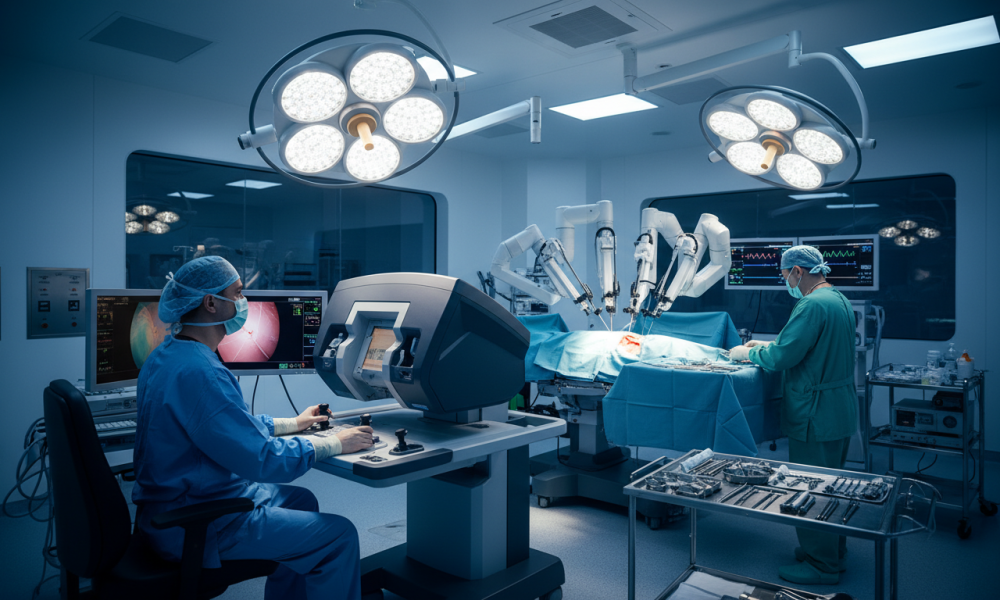
Many think the robot works alone. But, the truth is, the system relies fully on the surgeon’s skills. It only works when the surgeon guides it at the console.
The surgeon is in charge from start to finish, making all key decisions in real-time. This approach is in line with the standards at places like the Policlinico Universitario A. Gemelli. Technology supports the clinician, not replaces them. This way, the surgeon ensures the patient gets the safest and most effective care during their Da Vinci Robotic Surgery.
Clinical Applications of Da Vinci Robotic Surgery
The use of robotic technology in surgery has changed how we treat patients. Da Vinci Robotic Surgery gives surgeons better vision and control. This makes surgeries safer and more effective for patients all over the world.
Urological Procedures and Prostatectomy
In urology, this technology is a game-changer. It helps surgeons do prostatectomies with great care. This means patients are more likely to keep their urinary and sexual functions after surgery.
Gynaecological Surgery and Complex Reconstructions
In gynaecology, the Da Vinci system is key for treating endometriosis and uterine fibroids. It lets surgeons do complex repairs with less damage to tissues. Patients often see less blood loss and can get back to their lives sooner than with open surgery.
General Surgery and Colorectal Applications
The Da Vinci system is also used in general and colorectal surgery. It’s used for bowel resections and hernia repairs. The 3D view helps surgeons work in tight spaces with more confidence. This minimally invasive approach is key for complex surgeries, reducing risks and helping patients recover faster.
Benefits of Minimally Invasive Surgery
Minimally invasive surgery is a big step forward in treating complex medical conditions. It uses advanced technology for small incisions instead of big cuts. This change makes the patient experience much better.
Reduced Recovery Times and Hospital Stays
This method makes patients recover faster. The body heals quicker because there’s less damage. Patients often get back to normal in days, not weeks.
- Shorter hospital stays.
- Quicker return to work and personal life.
- Less need for long-term care after surgery.
Minimising Post-Operative Pain and Scarring
Old-style surgery leaves big scars and pain. But minimally invasive surgery uses small cuts. This means less damage and better-looking scars.
Also, there’s less pain after surgery. Many patients need less pain medicine. This makes recovery more comfortable at home.
Lower Risk of Complications and Infections
Safety is key in surgery. These new methods reduce infection risks. They also protect healthy tissue.
Looking at robotic surgery benefits, less blood loss is a big plus. Smaller cuts mean less bleeding. This makes the surgery safer and recovery more stable. It gives patients confidence in top-notch medical care.
Patient Safety and Quality Assurance
Excellence in robotic surgery means strict safety rules and ongoing quality checks. At places like the hospital-medica-sur, patients get top care. They are watched over to keep them safe from start to finish. This makes sure the robotic surgery benefits are safe for everyone.
Rigorous Training for Robotic Surgeons
Surgeons get lots of training to use robotic tools well. They practice for thousands of hours in simulators. This helps them get better before they do real surgeries. They must be very good and pass tests to show they can use the tools right.
Learning new things is key for surgeons. They keep up with new tech to give the best care. This helps patients get better faster.
Safety Protocols in Modern Operating Theatres
Today’s operating rooms have many safety features. These rooms are set up to avoid problems with extra systems and watching everything live. The team gets special training to work together smoothly.
The table below shows the main safety points in today’s surgery rooms:
| Safety Pillar | Description | Patient Impact |
|---|---|---|
| System Redundancy | Dual-power and backup controls | Ensures continuous operation |
| Real-time Monitoring | Constant vital sign tracking | Immediate response to changes |
| Team Coordination | Structured surgical checklists | Reduces human error risk |
| Sterilisation Standards | Advanced automated cleaning | Lower infection rates |
Hospitals use these strict rules to make surgeries safe. This focus on quality is why robotic surgery benefits are trusted by patients everywhere. Safety is more than a rule; it’s the base of modern medicine.
Comparing Robotic Surgery Costs in Turkey and the United States
Choosing where to have surgery is about finding high-quality care that fits your budget. In the United States, the cost of advanced surgeries can be very high, even with insurance. So, many people look to international options for top-notch treatment.
Cost-Effectiveness Without Compromising Quality
The main reason for the cost difference between Turkey and the United States is the operational overheads. Turkish hospitals have lower costs for administration and staff. This lets them offer lower prices for surgeries like Da Vinci robotic surgery. The savings go straight to the patient without lowering the quality of care.
Turkish hospitals use the latest robotic systems and meet strict international standards. Surgeons there have done thousands of successful surgeries. By picking a well-known clinic, patients get top-tier surgical expertise that’s on par with or better than Western hospitals.
What is Typically Included in Surgical Packages
Many Turkish hospitals offer all-inclusive surgical packages for international patients. These packages aim to be clear and reassuring from start to finish. They help avoid surprise bills during recovery.
A typical package includes everything needed for the surgery. This means every step, from arrival to follow-up, is taken care of. Below is a list of what these packages usually include.
| Service Category | Inclusion Details | Patient Benefit |
|---|---|---|
| Pre-operative Care | Consultations and diagnostic imaging | Accurate surgical planning |
| Surgical Procedure | Da Vinci system and theatre fees | Advanced precision technology |
| Hospital Stay | Private room and nursing support | Comfortable recovery environment |
| Post-operative Care | Follow-up visits and medications | Ensured continuity of recovery |
Preparing for Your Medical Journey to Turkey
Your journey to top-notch surgery in Turkey starts with a few key steps. These steps are designed to make you feel at ease. Even though going abroad for health care can seem tough, modern clinics have made it easy. They want to give you complete peace of mind.
Consultation Processes and Remote Assessments
Before you book your flight, top hospitals offer detailed remote assessments. This first step lets you share your health history and scans from home.
Through safe online platforms, doctors check if you’re right for robotic surgery. This virtual consultation gives you a professional opinion and a clear plan before you arrive.
Logistics and Support for International Patients
After you confirm your treatment, the clinic’s international patient team handles the details. They know that travelling for surgery is more than just medical care. It needs a seamless support system.
Most surgery packages include many concierge services to ease travel stress. These often include:
- Private airport transfers to ensure safe arrival at your accommodation.
- Help with booking top-notch, comfy lodging near the hospital.
- Dedicated patient coordinators as your main contact during your stay.
The medical team takes care of these arrangements. This lets you focus on getting better. Their holistic approach makes your move from home to the surgical centre smooth and efficient.
Post-Operative Care and Recovery Support
Your journey to full health doesn’t stop after surgery. We know the time after minimally invasive surgery is just as key. Our medical teams offer full support to help your healing stay on track.
Follow-up Care and Monitoring
Good communication is vital for a smooth recovery. We use advanced tools to check on you from home. This lets our experts watch your healing live and fix any problems fast.
Regular online chats keep your recovery on track. This way, we can spot and fix issues early. Our care after surgery is known for being proactive and detailed.
Rehabilitation Services for Faster Recovery
Everyone needs a different way to get strong and mobile again. We offer special rehab services made just for you. These plans help you get back to your life fast and safely.
Our physical therapists work with your surgery team to make a personalised recovery plan. This team effort makes sure your exercises help your surgery area and boost your health. With the right help, you can feel independent and confident again.
The Role of Technology in Modern Healthcare
Advanced digital tools are changing how surgeons do complex procedures. They use high-resolution images and real-time data for precise planning. This leads to a new level of surgical precision that was hard to achieve before.
Digital Integration in Surgical Planning
Modern surgery planning uses patient-specific data. Surgeons use special software to create 3D models of the body. This helps create a personalised treatment plan before surgery.
This digital planning reduces risks and makes surgery more efficient. It’s a big step forward in robotic-assisted surgery.
“Technology is best when it brings people together and empowers them to achieve outcomes that were once considered impossible.”
Technology also helps teams work better together. They share digital files and visualisations. This makes it easier to tackle complex health issues in robotic-assisted surgery.
Future Trends in Robotic-Assisted Interventions
The future of medical tech looks promising. It will bring more autonomy and integration. New tech will improve the feedback surgeons get, making surgery more precise.
These changes will make surgery less invasive. This means patients will recover faster and feel better. It’s a big step towards better healthcare for everyone.
| Technology Feature | Current Impact | Future Potential |
|---|---|---|
| Imaging Systems | High-definition 3D | Augmented Reality overlays |
| Data Analytics | Pre-operative planning | Real-time AI guidance |
| Robotic Arms | Enhanced dexterity | Autonomous micro-tasks |
As tech improves, the focus is on better patient care. It aims to reduce the harm of old surgery methods. This is moving us towards a future where complex surgeries are common and successful.
The drive for innovation means patients get the best care in a digital world. It’s a bright future for healthcare.
Addressing Common Concerns Regarding Robotic Surgery
It’s important to clear up myths about surgical technology for those thinking about advanced medical treatments. Many people think machines do the surgery alone, but this is not true. The surgeon is always in charge, making all the decisions during the procedure.
Debunking Myths About Robotic Autonomy
Many think the machine does the surgery by itself. But, the Da Vinci Robotic Surgery system is a tool that helps the surgeon. It makes the surgeon’s hand movements into very precise actions. The robot can only act when the surgeon tells it to.
Every action is strictly controlled by the surgeon. This keeps the human touch at the centre of the surgery. By choosing robotic-assisted surgery, patients get better precision and the care of an expert.
Understanding the Reliability of Surgical Robot Technology
The surgical robot technology has proven itself in thousands of surgeries around the world. These systems have many safety features to work well in complex operations. Surgeons get special training to use these systems safely and effectively.
When looking at options, it’s good to compare old ways with new ones. The table below shows the main differences in control and precision.
| Feature | Traditional Surgery | Robotic-Assisted Surgery |
|---|---|---|
| Control | Manual hand movement | Surgeon-led robotic precision |
| Visualisation | Standard magnification | High-definition 3D imaging |
| Instrument Range | Limited human wrist range | Enhanced multi-directional range |
| Safety Protocols | Standard theatre safety | Integrated system safety checks |
The use of advanced technology improves what surgeons can do. Patients can trust that Da Vinci Robotic Surgery is safe and effective. This mix of human skill and surgical robot technology is changing healthcare for the better.
Selecting the Right Clinic and Surgeon
Choosing the right medical facility is key to a successful procedure. When you seek international care, thorough research is essential. Taking the time to verify credentials ensures your health is a top priority. This gives you the peace of mind for a smooth recovery.
Evaluating Surgeon Experience and Specialisation
The surgeon’s expertise is critical for your operation’s success. Look for professionals with extensive experience in advanced surgical techniques for your condition. It’s wise to ask about their annual case volume and success with robotic platforms.
Board certification and continuous training show a surgeon’s dedication to excellence. Request details about their fellowships or specialised training. A surgeon who keeps up with medical advancements can handle complex challenges better.
Assessing Hospital Infrastructure and Technology
The hospital’s quality is as important as the surgeon’s. Ensure the facility has the latest surgical robot technology for precise interventions. Modern infrastructure, including advanced imaging and sterile theatres, is essential for quality care.
Look for international accreditations, like the Joint Commission International (JCI) seal. These standards ensure safety and patient-centred care. Reliable technology and expert staff make the ideal setting for your medical journey.
| Criteria | What to Look For | Importance |
|---|---|---|
| Surgeon Credentials | Board certification and fellowships | High |
| Case Volume | High frequency of specific procedures | High |
| Technology | Latest robotic system models | Critical |
| Accreditation | JCI or equivalent standards | Critical |
The Patient Journey from Consultation to Recovery
From your first contact to full recovery, the journey is designed for your comfort. Every step is carefully coordinated to support international patients fully during their stay in Turkey.
Step-by-Step Guide for International Patients
The journey starts with a remote assessment. You share your medical history and reports with the team. This helps them check if you’re right for robotic-assisted surgery before you travel.
After confirming your surgery, a patient coordinator helps with travel plans. This includes airport transfers and where you’ll stay. Upon arrival, a full check-up prepares you for surgery. After the surgery, you stay in the hospital for care before moving to a recovery place.
| Phase | Primary Action | Duration |
|---|---|---|
| Initial Enquiry | Remote medical review | 1-3 Days |
| Arrival & Prep | Clinical assessment | 1-2 Days |
| Surgical Procedure | Da Vinci intervention | 1 Day |
| Post-Op Recovery | Hospital monitoring | 3-5 Days |
Ensuring Continuity of Care Upon Returning Home
Your health continues after you leave the clinic. Maintaining continuity of care is key for a smooth recovery back in the United States.
Before you go, you’ll get a detailed report of your surgery. This includes post-op instructions and medication plans. It’s important to share this with your local doctor right away. This ensures your local team knows about your surgery and can help with your recovery.
If you have questions during your recovery, most clinics offer direct communication channels with your surgical team. This support ensures you have expert advice whenever you need it.
Conclusion
Da Vinci robotic systems have changed patient care in Turkey for the better. They give surgeons the precision needed for complex surgeries. This means safer and more comfortable procedures for patients.
Choosing the right medical treatment is important. Look for accredited hospitals and talk to experts. Your health is worth the best care and technology.
Get all the facts before you decide. Contact top clinics in Turkey to talk about your needs. This way, you’ll get the best care for your surgery.
FAQ
Q: Why has Turkey become a leading destination for Da Vinci Robotic Surgery?
A: Turkey is a top choice for medical tourism. It has invested in advanced surgical techniques and world-class hospitals. Places like Acıbadem Healthcare Group and Memorial Hospitals Group offer top-notch surgical robot technology. They meet the highest JCI (Joint Commission International) standards, often at lower costs than in Western Europe or the United States.
Q: How does the Da Vinci system improve surgical precision compared to traditional methods?
A: The Da Vinci system makes surgery more precise. It turns a surgeon’s hand movements into tiny actions inside the body. This includes tremor-filtration software and a 3D camera, allowing for accurate navigation of complex body structures.
Q: What are the primary robotic surgery benefits for the patient?
A: Robotic surgery is a minimally invasive method. It offers many benefits. Patients see reduced recovery times, shorter hospital stays, and minimised post-operative pain. It also means less risk of infection and less scarring than traditional surgery.
Q: Is the robot performing the operation autonomously?
A: No, the robot doesn’t work alone. During robotic-assisted surgery, the surgeon is in full control. The surgical robot technology is an advanced tool, relying on the surgeon’s skills and guidance.
Q: What types of medical conditions can be treated with non-invasive surgery using this technology?
Da Vinci Robotic Surgery is used for many conditions. It’s great for urological procedures like a prostatectomy, complex gynaecological reconstructions, and general surgeries. Its precision makes it perfect for delicate non-invasive surgery.
Q: How do the costs of robotic procedures in Turkey compare to the United States?
A: Turkey is much more affordable without sacrificing quality. Surgical packages in Turkey are up to 60% cheaper than in the United States. This is due to lower costs and a favourable exchange rate.
Q: What training do Turkish surgeons undergo to operate the Da Vinci system?
A: Turkish surgeons go through a rigorous training programme for the Da Vinci system. They learn through simulation, observation, and supervised practice. Many also complete international fellowships to improve their skills.
Q: How can international patients manage their follow-up care after returning home?
A: Continuity of care is a priority in Turkey. Patients get a detailed post-operative care plan before leaving. Many hospitals offer remote monitoring and tele-consultations. This helps track healing and ensures a smooth rehabilitation process.
Q: What should I look for when selecting a clinic and surgeon in Turkey?
A: When choosing a clinic and surgeon, look at their experience with robotic-assisted surgery. Check the hospital’s infrastructure and if they use the latest Da Vinci system. Also, ensure they have international safety accreditations. Look for transparency in surgical packages and 24/7 patient support.
Related guides

Healthcare Content Compliance Guide for Growth
A high-performing treatment page can generate international patient inquiries within hours. It can also create material risk if…

Turkey Hospitals vs Local Hospitals Compared
A lower procedure quote can get a patient’s attention. It should not make the decision on its own.…

Patient Experience That Drives Trust and Growth
A patient who has already uploaded medical records, compared providers, and arranged time away from work is not…