
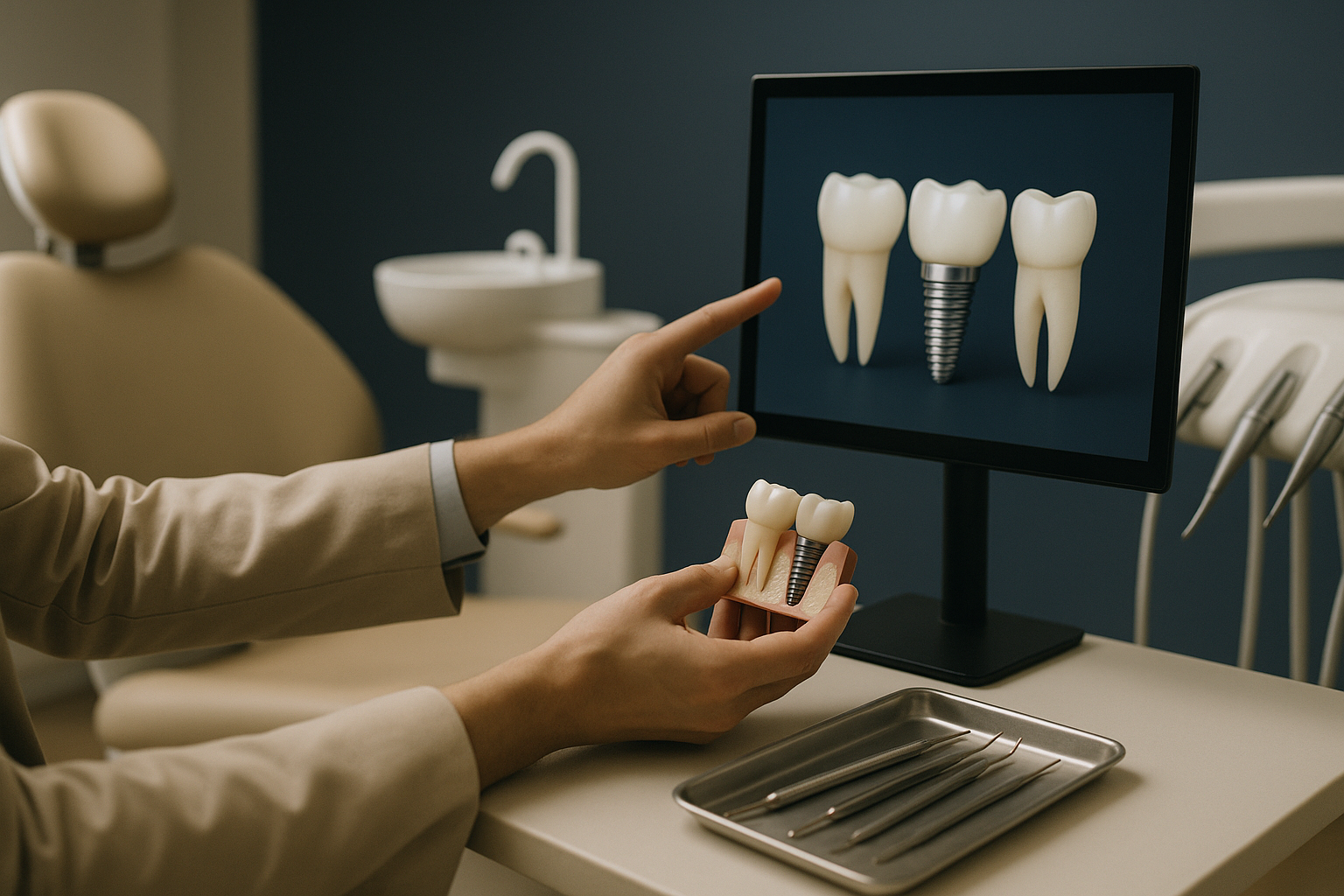
Dental implants are a popular solution for missing teeth, offering durability and a natural appearance. Understanding the cost of dental implants is crucial for anyone considering this procedure, especially for international patients.
How Much Do Dental Implants Cost?
The cost of dental implants can vary significantly depending on several factors such as geographic location, the complexity of the procedure, and the materials used. On average, a single dental implant can cost between $1,000 and $4,000. This range includes the implant itself, the abutment, and the crown. However, these figures can rise substantially when considering additional procedures or specific patient needs. For instance, complex cases requiring bone grafts or sinus lifts can incur additional costs ranging from $200 to $3,000, depending on the procedure’s complexity and the clinic’s pricing.
It is important to consider additional costs that may arise, such as pre-surgery consultations, X-rays, and follow-up visits. These additional expenses can add up to several hundred dollars. Diagnostic imaging, such as 3D cone beam CT scans, which are often necessary for precise implant placement, can cost between $100 and $500. Moreover, follow-up visits for monitoring healing and adjusting prosthetics are essential and can add another $100 to $300 to the total cost. In some cases, patients may need additional treatments such as extractions or temporary prosthetics, which can further increase the overall cost.
Despite the high initial cost, dental implants are a long-term investment in oral health, often lasting a lifetime with proper care. In contrast to dentures or bridges, which may need replacement every 5 to 10 years, implants offer durability and stability. With proper oral hygiene and regular dental check-ups, implants can last for 25 years or more, making them a cost-effective solution over time. This longevity can justify the upfront expense, as they reduce the need for future dental work and associated costs.
Factors Affecting Dental Implant Prices
Several factors contribute to the overall cost of dental implants. The dentist’s experience and expertise play a significant role; highly skilled professionals may charge higher fees. Choosing a dentist with advanced training in implantology and a proven track record of successful implant procedures may add to the cost but can also enhance the chances of a successful outcome. Patients should research potential dentists and consider those who are members of reputable organizations like the American Academy of Implant Dentistry (AAID).
Location is another critical factor. Dental implant costs can vary widely across countries and even within regions. For example, treatments in Western Europe and North America are often more expensive than in Eastern Europe or Asia. In the U.S., average costs range from $3,000 to $5,000 per implant, while in countries like Mexico or Thailand, the cost might be closer to $1,000 to $2,500, attracting patients interested in medical tourism. This variation is largely due to differences in living costs, healthcare infrastructure, and local economic factors.
Other considerations include the need for additional procedures, such as bone grafts or sinus lifts, which can increase the overall cost. Patients with insufficient jawbone density may require these procedures to ensure implant stability, adding $500 to $3,000 depending on the extent of the grafting required. Additionally, the choice of materials, such as titanium or zirconia, can affect the price, with zirconia typically being more expensive due to its aesthetic advantages. Patients should also consider the type of implant system used, as some systems may be more costly but offer specific benefits in terms of durability or ease of placement.
Using a Dental Implants Cost Calculator
To get a more precise estimate of dental implant costs, potential patients can use a dental implants cost calculator. These online tools take into account various factors such as location, dentist fees, and additional procedures. By inputting specifics such as the number of implants needed and additional treatments required, patients can receive a tailored estimate that reflects their unique situation. This can be particularly useful for budgeting purposes and understanding potential financial commitments. For example, a patient planning to get implants abroad might find it helpful to compare costs using calculators specific to different countries.
While these calculators provide a useful starting point, they should not replace a consultation with a dental professional. Each patient’s situation is unique, and only a qualified dentist can provide a comprehensive treatment plan and cost estimate. A dentist will conduct a thorough examination, including X-rays or CT scans, to determine the best approach for implant placement and any additional procedures needed. This personalized assessment can identify specific needs such as bone grafting or the use of temporary dentures.
Using a cost calculator can also help patients plan their budget and explore financing options if needed. Many dental offices offer flexible payment plans or partner with third-party financing companies, enabling patients to spread the cost over several months or years. Understanding these options can make dental implants more accessible to those concerned about upfront costs. Additionally, some dental practices might offer discounts for advance payments or bundled services, providing further financial relief.
Comparing Dental Implants and Dental Veneers
Dental implants and dental veneers are both popular options for improving dental aesthetics, but they serve different purposes. Dental implants replace missing teeth, whereas veneers are used to enhance the appearance of existing teeth. Implants are surgically placed into the jawbone and act as a replacement for tooth roots, providing a stable base for artificial teeth. In contrast, veneers are thin shells of porcelain or composite resin that cover the front surfaces of teeth, improving their color, shape, and size.
The cost of dental veneers is generally lower than implants, ranging from $250 to $2,500 per tooth, depending on the material and complexity of the procedure. Porcelain veneers tend to be more durable and stain-resistant than composite veneers, but they are also more expensive. However, veneers are not a suitable replacement for missing teeth as they only enhance the appearance of existing teeth and do not provide structural support. Therefore, while veneers might be a cost-effective option for cosmetic enhancements, they do not offer the functional benefits of implants.
When deciding between implants and veneers, patients should consider their specific dental needs and long-term goals. Those looking to replace missing teeth and restore function would benefit more from dental implants, while veneers are ideal for cosmetic improvements. Consulting with a dental professional can help patients weigh the options based on their oral health status, aesthetic preferences, and budget. For instance, a patient with decayed or structurally damaged teeth might prioritize implants for their durability, whereas someone looking to correct minor aesthetic flaws might opt for veneers.
| Procedure | Purpose | Cost Range |
|---|---|---|
| Dental Implants | Replace missing teeth | $1,000 – $4,000 |
| Dental Veneers | Enhance appearance | $250 – $2,500 |
How Much Does a Full Set of Dental Implants Cost?
For patients requiring a full set of dental implants, the costs can be substantial. A full set, often referred to as full mouth reconstruction, can range from $20,000 to $45,000. This price generally covers all necessary implants, abutments, crowns, and any additional procedures needed to prepare the mouth for implant placement, such as extractions or bone grafts. This comprehensive approach ensures that the patient receives a fully functional and aesthetically pleasing result.
The exact cost will depend on the number of implants required and any preparatory work needed, such as bone grafting. For patients with severe bone loss, bone grafts or sinus lifts might be necessary, adding anywhere from $500 to $3,000 per procedure to the total cost. The choice between fixed bridges supported by implants or individual implants for each missing tooth also influences the overall cost and should be discussed with a dental specialist. Patients may also consider the long-term maintenance costs, which can vary based on the type of reconstruction chosen.
Full sets are a significant investment, but they offer a permanent solution with benefits for oral health and quality of life. They can improve chewing efficiency, speech, and facial aesthetics, and prevent bone loss associated with missing teeth. Patients are encouraged to seek a detailed treatment plan and cost breakdown from their dentist to understand all components of the full mouth reconstruction. By doing so, they can make informed decisions about financing options and treatment schedules, ensuring they receive the most value from their investment.
Timeline for Getting Dental Implants
The timeline for dental implant procedures can vary, typically spanning several months. The process begins with a consultation and diagnostic tests, such as X-rays or CT scans, to assess bone health and plan the implant placement. Following the initial evaluation, the implant surgery is scheduled, wherein the titanium post is inserted into the jawbone. This stage is critical as it establishes the foundation for the implant, requiring precision and expertise from the dental surgeon.
After the implant is placed, a healing period of 3 to 6 months is necessary for osseointegration, where the implant fuses with the jawbone. This crucial phase ensures the implant’s stability and strength, akin to a natural tooth root. During this time, temporary crowns may be provided to maintain aesthetics and function. It’s important for patients to follow their dentist’s care instructions carefully during this period to ensure successful healing and integration.
Once healed, the abutment and crown are placed, completing the procedure. The abutment acts as a connector between the implant and crown, and its placement may require a minor surgical procedure. The custom-made crown is then attached, restoring the tooth’s appearance and function. Patients should plan for multiple visits and allow time for recovery, as each phase of the process is critical for long-term success. Regular check-ups are recommended post-procedure to monitor the implant’s condition and address any concerns promptly.
Ensuring Safety and Accreditation When Seeking Treatment Abroad
When considering dental implants abroad, safety and accreditation are paramount. Patients should research clinics thoroughly, ensuring they are accredited by recognized health authorities. Accreditation by international bodies such as the Joint Commission International (JCI) or ISO certification indicates compliance with global healthcare standards, providing assurance of quality care.
- Look for international accreditations like JCI or ISO certification.
- Read reviews and testimonials from previous patients to gain insights into the clinic’s reputation and patient satisfaction.
- Verify the qualifications and experience of the dental professionals. Dentists should have credentials from recognized institutions and preferably be members of international dental associations.
Choosing a reputable clinic ensures a high standard of care and minimizes risks associated with the procedure. It’s also advisable to inquire about the clinic’s infection control protocols, emergency procedures, and follow-up care options. Engaging with a medical tourism facilitator can also be beneficial, as they can assist with logistics, language barriers, and cultural differences, ensuring a smoother treatment journey. Additionally, patients should verify the availability of aftercare services once they return home, to ensure continuity of care and address any post-treatment issues.
Conclusion
Understanding the costs and factors involved in dental implants helps patients make informed decisions about their oral health. While the investment is significant, the benefits of improved dental function and aesthetics are valuable. Dental implants not only enhance one’s smile but also restore the ability to eat and speak comfortably, contributing to overall oral health and confidence.
By researching options and consulting with qualified professionals, patients can find a treatment plan that suits their needs and budget. It’s critical to consider all aspects, from initial consultations to post-operative care, to ensure a successful and satisfying outcome. With careful planning and the right dental team, achieving a healthy, beautiful smile is within reach for anyone considering dental implants. Patients are encouraged to prioritize quality and outcomes over cost alone, as the long-term benefits of a well-executed implant procedure are substantial.
Proven result
80 to 240 dental patients a month from France
High-volume dental clinic, Istanbul
Frequently asked questions
How much do dental implants cost on average?
On average, a single dental implant costs between $1,000 and $4,000, varying by location and other factors.
What factors influence the price of dental implants?
Factors include location, dentist expertise, materials used, and any additional procedures like bone grafts.
How long does it take to get dental implants?
The process typically spans several months, including surgery, healing, and final placement of the crown.
Are dental implants more expensive than dental veneers?
Yes, dental implants generally cost more than veneers, which are used to enhance existing teeth rather than replace them.
Related guides

Pricing Dental Veneers: Key Factors to Consider
Quick answerPrices for dental veneers vary globally, influenced by material, location, and specialist fees. Expect €250-€2,500 per tooth,…

Dental Veneers: What to Expect and Key Benefits
Quick answerDental veneers are a popular cosmetic dentistry option that enhances your smile by covering imperfections. Costs vary…

How to Use a Dental Implants Cost Calculator Effectively
Quick answerA dental implants cost calculator helps estimate expenses by considering factors like location, materials, and additional procedures,…