
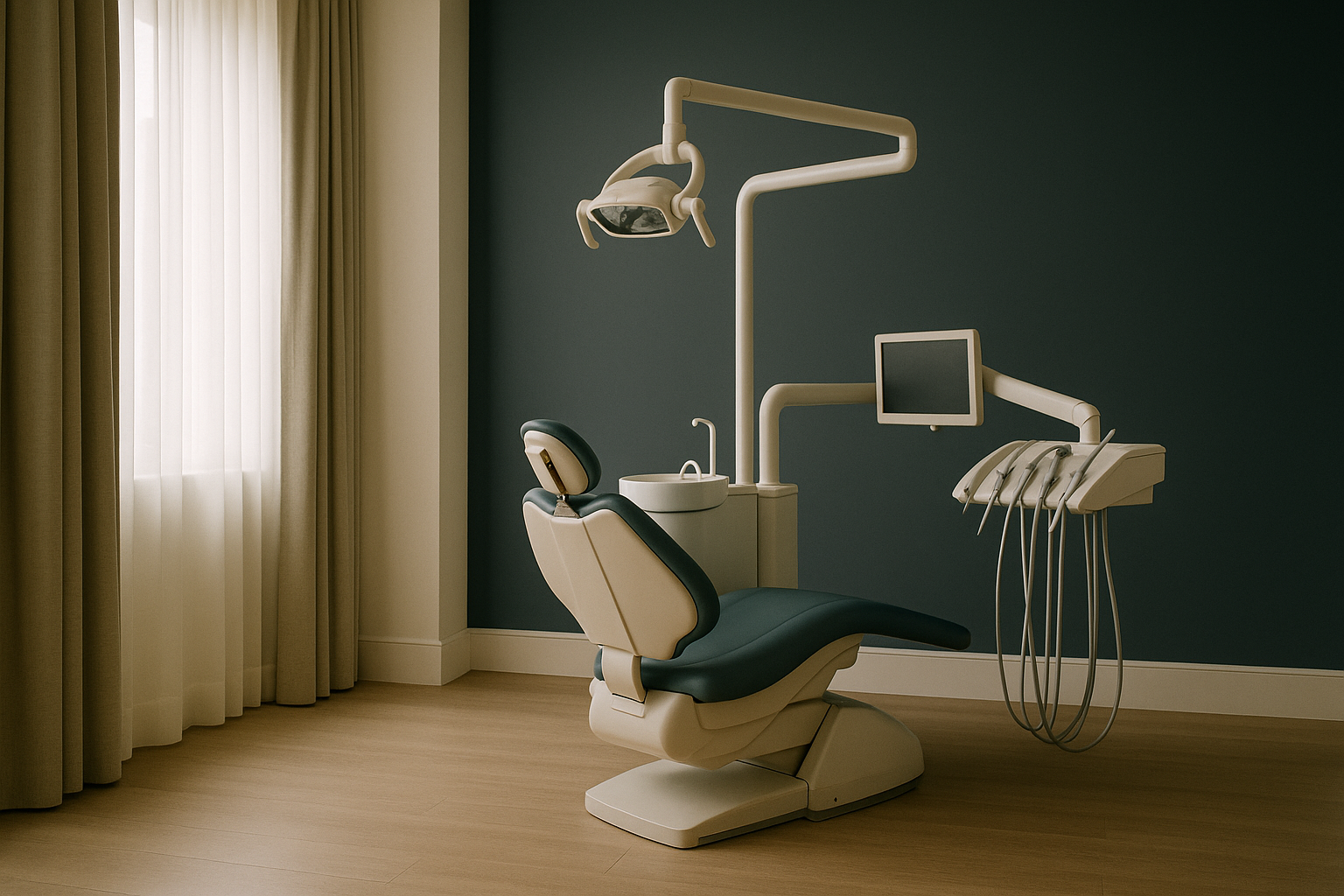
Dental implants overseas have gained popularity as a cost-effective and high-quality option for those seeking dental care. This trend, often referred to as dental tourism, allows patients to combine treatment with travel, offering a unique experience. However, thorough research and planning are essential to ensure a successful outcome.
Is It Worth Going Abroad for Dental Treatment?
Many individuals consider going abroad for dental treatment due to the significant cost savings and the opportunity to receive high-quality care. Countries known for dental tourism, such as Mexico, Thailand, and Hungary, offer advanced technology and expertise at a fraction of the cost compared to some Western countries. For example, patients can expect to save 50-70% on procedures like dental implants overseas, making it an attractive option for those facing high dental costs at home.
However, it’s crucial to assess the value beyond just cost. Consider the quality of care, the experience of the dental professionals, and the accreditation of the clinics. Research thoroughly to ensure that the potential savings do not compromise on the quality and safety of the treatment. Balancing costs with the assurance of high standards is key to a successful dental tourism experience. Look for clinics accredited by recognized international bodies, such as the Joint Commission International (JCI), which ensures that facilities meet high standards of care.
Moreover, examine the qualifications and experience of the dental professionals. Some countries have rigorous training programs that are on par with Western standards, but this can vary. Patient reviews and testimonials can also provide valuable insights into the quality of care received by others. Ultimately, deciding to undergo dental treatment abroad should be based on a comprehensive evaluation of the quality, potential savings, and personal comfort with the chosen destination and clinic.
How to Arrange Travel for Dental Treatment Abroad
Arranging travel for dental treatment abroad involves several steps to ensure a smooth experience. Start by researching dental tourism destinations that offer reputable clinics with experienced professionals. This may include consulting online forums, reading patient reviews, and seeking recommendations from those who have undergone similar procedures. Once you have identified potential destinations, verify the accreditation of the clinics to ensure they meet international standards, such as those set by the JCI or other reputable organizations.
Next, consider dental vacation packages offered by many clinics, which often include accommodation, transportation, and sometimes even sightseeing tours. These packages can simplify the planning process and provide peace of mind, as they are designed to cater specifically to international patients. Additionally, booking through these packages might offer cost savings and logistical convenience, with everything coordinated through a single point of contact.
Finally, plan your itinerary around the treatment schedule, allowing adequate time for recovery before returning home. This might mean scheduling a few extra days post-procedure to ensure you are fit to travel, as dental treatments such as implants may require some recovery time. It’s also wise to familiarize yourself with the local language or have access to translation services, ensuring clear communication with your healthcare providers while abroad. By carefully planning each aspect of your trip, you can minimize stress and focus on receiving quality dental care.
Why Is Dental Treatment Cheaper Abroad?
The cost of dental treatment is often significantly lower abroad due to several factors. One primary reason is the lower cost of living in many popular dental tourism destinations, which reduces overhead expenses for clinics. For instance, in countries like Mexico or Thailand, real estate and labor costs are significantly lower than in the United States or Western Europe, thereby reducing the operational costs for dental clinics.
Additionally, some countries offer subsidies or tax incentives to attract international patients, further lowering treatment costs. Governments may see dental tourism as a lucrative source of revenue and job creation, thus investing in infrastructure and providing incentives to clinics that cater to international patients. This economic support allows clinics to offer competitive pricing while maintaining quality standards.
Another factor is the competitive nature of the global dental tourism market, which drives clinics to offer competitive pricing without compromising on quality. With numerous clinics vying for international patients, there is a strong emphasis on maintaining high standards of care to attract positive reviews and referrals. By understanding these dynamics, patients can make informed decisions about pursuing dental implants overseas, ensuring they receive both value and quality in their dental care.
Evaluating Dental Tourism Destinations
When considering dental tourism destinations, it’s important to evaluate them based on several criteria. Look for countries with a strong reputation for healthcare quality and safety standards. Some popular destinations include Mexico, Thailand, and Hungary, each offering unique advantages for dental tourists. Mexico is known for its proximity to the United States and its established reputation for affordable, high-quality dental care. Thailand offers a blend of state-of-the-art medical facilities and exotic travel experiences, while Hungary is renowned for its skilled professionals and historic appeal.
Research the specific clinics within these countries, checking for accreditation by international bodies such as the Joint Commission International (JCI). Accreditation ensures that clinics adhere to strict standards of care and patient safety. It’s also beneficial to explore the reputations of individual dentists by investigating their qualifications, areas of specialization, and years of experience.
Patient reviews and testimonials can also provide insights into the experiences of others who have undergone similar treatments. Online platforms and social media groups dedicated to dental tourism can be valuable resources for firsthand accounts. This research will help ensure you choose a destination that meets your expectations for quality and care. Consider logistical factors such as language barriers, ease of travel, and local support services, all of which can significantly impact your overall experience.
Understanding Dental Vacation Packages
Dental vacation packages are designed to offer a comprehensive experience for international patients. These packages typically include the cost of the dental procedure, along with accommodation and transportation. Some may even offer guided tours of the local area, allowing you to explore the culture and attractions of your chosen destination. This holistic approach not only simplifies logistics but also enhances the overall experience, turning a necessary medical procedure into an enjoyable journey.
When evaluating dental vacation packages, consider factors such as the location of the accommodation, the quality of the included services, and the total cost. Proximity to the clinic can reduce travel time and stress, while high-quality accommodations can make recovery more comfortable. Additionally, assess the level of customer service provided by the package coordinator, as this will impact the ease of your experience from booking to completion.
Compare different packages to find one that offers the best balance of convenience, comfort, and value for your dental tourism journey. Ensure that the package includes all necessary components, such as airport transfers, local transportation, and any required pre- and post-procedure consultations. By carefully analyzing these factors, you can select a package that meets your specific needs and enhances your overall dental tourism experience.
Addressing Dental Tourism for Cosmetic Work Risks
While dental tourism for cosmetic work, such as implants, offers many benefits, it’s important to be aware of potential risks. One of the main concerns is the possibility of complications arising from the treatment, which may require follow-up care upon returning home. It’s vital to discuss these potential risks with both the overseas clinic and your local dentist to have a clear understanding of the entire treatment process.
To mitigate these risks, choose a clinic with a strong track record of successful outcomes and experienced professionals. Research their reputation thoroughly, looking for high success rates and patient satisfaction levels. Ensure the clinic provides a clear plan for aftercare and follow-up support, including how they handle any complications that may arise.
Additionally, maintain open communication with your local dentist to address any concerns that may arise post-treatment. Your local dentist can assist with any necessary follow-up care and provide a second opinion if needed. By taking these precautions, you can minimize the risks associated with dental tourism and ensure a safe, successful experience.
Conclusion: Making an Informed Decision
Pursuing dental implants overseas can offer significant financial savings and high-quality care. However, it requires careful planning and research to ensure success. By thoroughly evaluating potential destinations, understanding the costs and benefits, and preparing for the journey, you can make an informed decision that meets your dental needs and personal preferences.
Ultimately, the decision to seek dental care abroad should be based on a comprehensive evaluation of the factors that matter most to you, including cost, quality, convenience, and personal comfort. With the right preparation and due diligence, dental tourism can be a rewarding and cost-effective way to achieve your dental health goals.
Proven result
8× US patient volume since 2024
Plastic & aesthetic surgery clinic
Frequently asked questions
Is it worth going abroad for dental treatment?
Yes, especially for significant cost savings and high-quality care, but ensure thorough research on clinic standards and accreditations.
How to arrange travel for dental treatment abroad?
Research destinations, verify clinic accreditations, consider dental vacation packages, and plan your itinerary around treatment and recovery.
Why is dental treatment cheaper abroad?
Lower living costs, competitive market pricing, and government incentives contribute to reduced treatment costs abroad.
What should I look for in dental vacation packages?
Evaluate the cost, included services like accommodation and transport, and the package’s overall convenience and value.
What are the risks of dental tourism for cosmetic work?
Potential risks include treatment complications and follow-up care needs; choose accredited clinics and maintain local dentist contact.
Related guides

Healthcare Content Compliance Guide for Growth
A high-performing treatment page can generate international patient inquiries within hours. It can also create material risk if…

Turkey Hospitals vs Local Hospitals Compared
A lower procedure quote can get a patient’s attention. It should not make the decision on its own.…

Patient Experience That Drives Trust and Growth
A patient who has already uploaded medical records, compared providers, and arranged time away from work is not…