
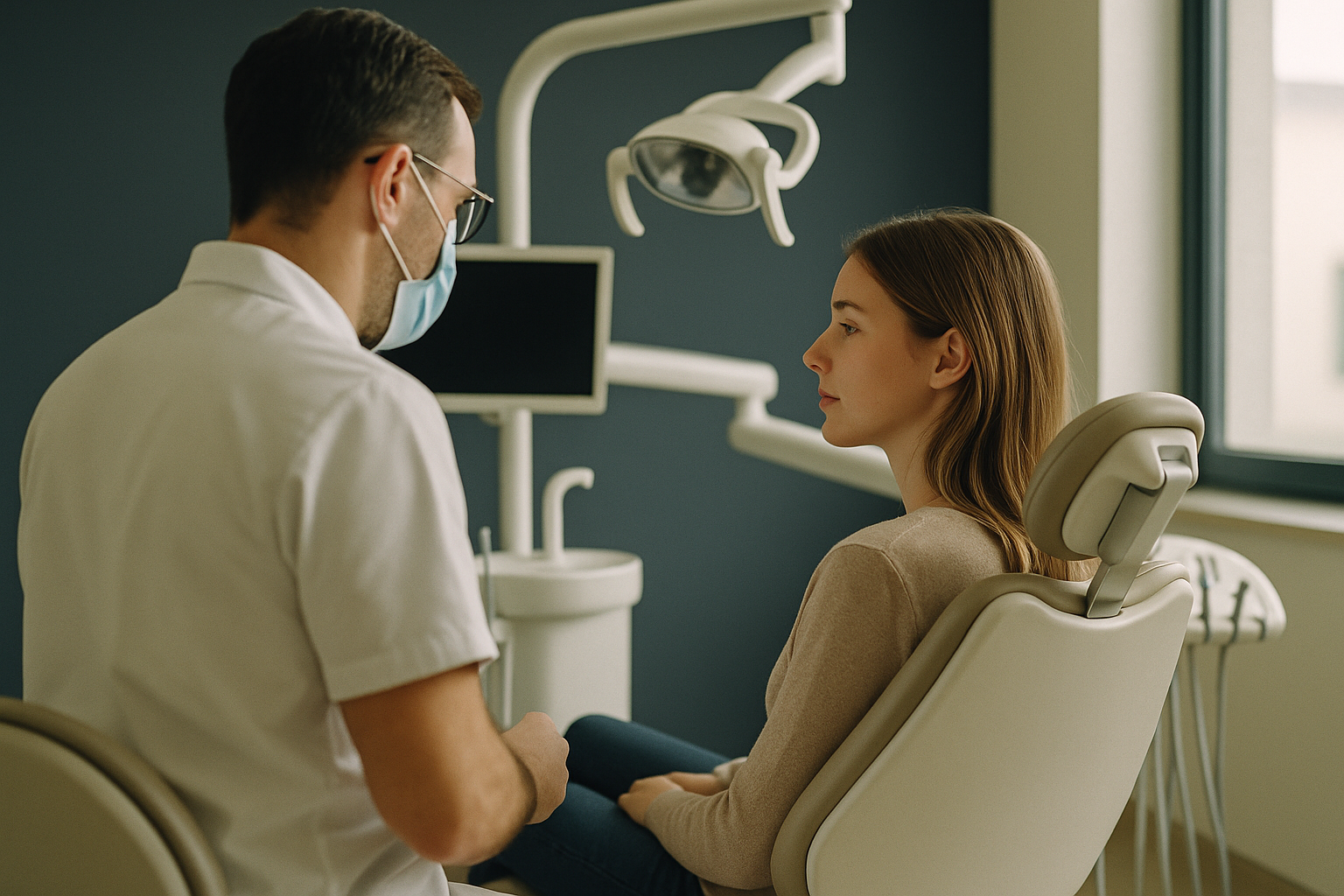
Dental tourism destinations have become increasingly popular as more people seek affordable and high-quality dental care abroad. With the rising costs of dental treatment in many countries, exploring options in other parts of the world can offer significant savings. This article provides a comprehensive guide to choosing the best destinations for dental tourism, covering costs, safety, and travel arrangements.
Why Consider Dental Tourism?
Dental tourism provides an opportunity to receive high-quality dental care at a fraction of the cost found in one’s home country. Many destinations are known for their advanced healthcare systems and experienced dental professionals. By choosing the right destination, patients can access treatments such as dental implants overseas, cosmetic dentistry, and more at competitive prices. For instance, a dental implant that might cost $3,500 in the United States could be as low as $1,200 in countries like Mexico or Thailand.
The primary reason for the cost difference is the lower cost of living in many popular dental tourism destinations, which translates to reduced treatment prices. Additionally, there are fewer administrative and insurance-related costs that patients must bear. In countries with universal healthcare or less bureaucratic healthcare systems, clinics can offer lower prices without compromising on quality. This affordability allows more people access to necessary dental treatments that might otherwise be unaffordable in their home countries.
By planning a dental vacation package, patients can combine their treatment with a relaxing trip, making the experience both beneficial and enjoyable. These packages often include accommodation, transportation, and sometimes even guided tours, allowing patients to enjoy the culture and sights of their chosen destination. This dual benefit of treatment and leisure is a significant draw for many seeking dental care abroad. Patients should carefully evaluate package offerings to ensure they meet their personal and medical needs, balancing treatment schedules with enough leisure time to explore.
Top Dental Tourism Destinations
Several countries have emerged as top dental tourism destinations due to their reputation for high-quality care and affordability. Among these are Mexico, Thailand, Hungary, and Costa Rica. Each offers unique advantages and a range of dental services. For instance, Mexico is particularly popular with patients from the United States and Canada due to its proximity and lower costs. Cities like Tijuana and Cancun are well-known for their dental clinics that cater specifically to international patients, offering bilingual services and packages that include hotel stays.
Thailand offers a combination of excellent dental care and a rich cultural experience. Bangkok and Phuket have clinics that are renowned for their state-of-the-art facilities and skilled practitioners. Moreover, Thailand’s hospitality and tourist infrastructure make it an attractive option for those combining treatment with travel. The country’s vibrant culture, food, and landscapes add to its appeal, making it a favorite for those who want both health benefits and a memorable vacation.
Hungary has long been known for its advanced dental procedures and highly skilled practitioners, particularly in the field of dental implants. Budapest, often referred to as the dental capital of Europe, attracts thousands of dental tourists annually. The country’s strategic location in Europe allows for easy travel from various parts of the continent, and its dental clinics are known for using cutting-edge technology and offering services in multiple languages.
Costa Rica combines modern dental facilities with stunning natural beauty, attracting patients seeking both treatment and relaxation. Clinics in San José and other key cities offer advanced treatments at competitive prices. The country’s emphasis on eco-tourism also allows patients to enjoy beautiful landscapes and biodiversity during their recovery. Each of these destinations provides a unique blend of professional care and vacation opportunities, making them top choices for dental tourists. Patients should weigh factors such as travel distance, cultural preferences, and the complexity of needed procedures when choosing their destination.
Is It Worth Going Abroad for Dental Treatment?
For many, the decision to seek dental treatment abroad is financially motivated. The potential savings on dental procedures can be substantial, often up to 70% compared to prices in the United States or Western Europe. However, cost is not the only factor to consider. Patients should also evaluate the quality of care, the credentials of dentists, and the accreditation of clinics. Many international clinics adhere to international standards and are accredited by organizations such as the Joint Commission International (JCI).
By verifying these credentials, patients can ensure they receive safe and effective treatment. It is crucial to research the experience and qualifications of the dentists, as well as the reputation of the clinics. Online reviews, testimonials, and before-and-after photos can provide insight into the quality of care provided. Furthermore, patients should inquire about the types of materials and technologies used, as these can significantly impact the success and longevity of treatments.
Another important factor is the overall experience of traveling for treatment. While the savings are significant, patients must weigh the costs and logistics of travel, including flights, accommodation, and potential time off work. For some, the prospect of a dental vacation offers an opportunity to explore a new country and culture, enhancing the appeal of seeking treatment abroad. Ultimately, the decision should be based on a balance of financial savings, quality assurance, and personal comfort with the travel experience. Patients should also consider the impact on their time, including recovery periods and the possibility of needing follow-up visits.
Understanding the Costs of Dental Treatment Abroad
The cost of dental treatment abroad can vary significantly depending on the destination and the complexity of the procedure. For instance, dental implants overseas might cost between $1,000 and $2,500 per tooth, compared to $3,000 to $5,000 in the United States. This difference is due to several factors, including local economic conditions, cost of materials, and labor costs. In addition, government subsidies for healthcare in some countries can help reduce prices for patients.
Other factors influencing costs include the clinic’s location, the materials used, and the dentist’s expertise. Clinics in major cities may charge more than those in smaller towns, but they often offer more advanced technology and a wider range of services. Patients should request detailed quotes from multiple clinics to compare prices and services. It’s also important to understand what is included in the quoted price, such as consultations, follow-up visits, and necessary medications.
Patients should be aware of potential hidden costs, such as travel insurance, accommodation, and the possibility of additional procedures. It’s advisable to have a clear understanding of the total cost involved before committing to treatment. Some clinics offer package deals that include treatment, accommodation, and transportation, which can simplify budgeting and planning. By thoroughly researching and comparing options, patients can ensure they get the best value for their investment in dental tourism destinations. Additionally, understanding exchange rates and potential currency fluctuations can help in budgeting more accurately.
How to Arrange Travel for Dental Treatment Abroad
Arranging travel for dental treatment abroad requires careful planning. Start by selecting a destination known for its dental expertise and affordability. Next, research clinics and dentists to ensure they meet high standards of care and have the necessary accreditations. Websites that specialize in medical tourism can be helpful resources for finding reputable clinics and reading patient reviews.
Once a clinic is chosen, coordinate with their international patient department to organize appointments and treatment schedules. These departments are experienced in assisting foreign patients and can help with logistics such as transportation and accommodation. Booking flights and accommodation in advance can help secure better deals. Many clinics also offer dental vacation packages that include accommodation and transportation, simplifying the logistics for patients.
- Research destinations and clinics thoroughly.
- Verify the credentials and accreditations of dentists and clinics.
- Plan travel and accommodation in advance.
- Consider dental vacation packages for convenience.
Additionally, consider the timing of your trip. Some countries have peak tourist seasons when prices for flights and hotels can be higher. Scheduling your treatment during the off-peak seasons can lead to additional savings. Lastly, purchasing travel insurance that covers medical tourism is wise, as it can provide protection against unforeseen complications or cancellations. It’s also helpful to plan your itinerary to include some leisure activities, ensuring a balanced experience of treatment and relaxation.
Safety and Accreditation: Ensuring Quality Care
When considering dental tourism, safety and accreditation should be top priorities. Many international dental clinics are accredited by reputable organizations, ensuring they adhere to global healthcare standards. Accreditation bodies such as the Joint Commission International (JCI) and the International Organization for Standardization (ISO) provide assurance of quality and safety. These bodies conduct rigorous evaluations of clinics to ensure they meet international standards for safety, hygiene, and patient care.
Patients should also look for dentists who are members of international dental associations, which often require adherence to strict ethical and professional standards. Memberships in organizations such as the International Congress of Oral Implantologists (ICOI) or the American Dental Association (ADA) can indicate a commitment to continued education and professional development. By choosing accredited clinics and qualified practitioners, patients can reduce the risks associated with dental tourism for cosmetic work and other procedures.
It is also advisable for patients to seek clinics that offer transparent communication and comprehensive pre-treatment consultations. This includes providing detailed explanations of procedures, expected outcomes, and potential risks. Additionally, post-treatment support and follow-up care are crucial components of quality care. Ensuring that these elements are in place can help mitigate risks and provide peace of mind throughout the treatment process. Patients should feel comfortable asking questions and should receive clear, honest responses from the clinic staff.
Risks and Considerations in Dental Tourism
While dental tourism offers many advantages, patients should be aware of potential risks. Language barriers can pose challenges in communication, which can impact the quality of care and understanding of procedures. Cultural differences may also influence patient experiences and expectations. To mitigate these issues, some clinics offer bilingual staff or translation services to facilitate clearer communication.
Additionally, follow-up care can be difficult to coordinate once the patient returns home. It’s essential to discuss post-treatment care with the chosen clinic and ensure that all necessary follow-up appointments are arranged. Some patients choose to extend their stay to accommodate recovery and any additional consultations required. This approach can ensure that any immediate post-operative issues are addressed promptly.
- Be aware of language barriers and cultural differences.
- Plan for follow-up care and possible recovery time.
- Ensure clear communication with the clinic and dentist.
Moreover, patients should consider the health risks associated with traveling, such as exposure to different climates, foods, and potential infections. Consulting with a healthcare provider before traveling can help assess and mitigate these risks. By thoroughly researching and planning, patients can mitigate these risks and enjoy the benefits of dental tourism. It’s also wise to have a list of local emergency contacts and nearby hospitals in case of unforeseen health issues during the trip.
Conclusion
Dental tourism offers a viable solution for those seeking affordable and high-quality dental care abroad. With proper research and planning, patients can choose from top dental tourism destinations and enjoy significant savings while receiving excellent care. By prioritizing safety and accreditation, patients can ensure a positive experience and achieve their desired dental outcomes. The key to successful dental tourism is thorough preparation, which includes understanding the costs, ensuring quality care, and planning for travel and recovery. This careful approach ensures that patients not only receive the best possible dental treatment but also enjoy the cultural experiences of their chosen destination.
Proven result
8× US patient volume since 2024
Plastic & aesthetic surgery clinic
Frequently asked questions
Is it worth going abroad for dental treatment?
Yes, dental treatment abroad can offer substantial cost savings and high-quality care, especially in well-accredited clinics.
How to arrange travel for dental treatment abroad?
Research destinations and clinics, verify credentials, plan travel and accommodation, and consider dental vacation packages for convenience.
Why is dental treatment cheaper abroad?
Lower living costs, reduced administrative expenses, and competitive pricing in many countries contribute to cheaper dental treatments abroad.
What are the risks of dental tourism?
Potential risks include language barriers, cultural differences, and challenges coordinating follow-up care. Research and communication can mitigate these risks.
Related guides

Turkey Hospitals vs Local Hospitals Compared
A lower procedure quote can get a patient’s attention. It should not make the decision on its own.…

Patient Experience That Drives Trust and Growth
A patient who has already uploaded medical records, compared providers, and arranged time away from work is not…

What Is a Medical Travel Facilitator and Why Use One?
A lower treatment quote can look compelling until you try to compare what it actually includes: surgeon fees,…