
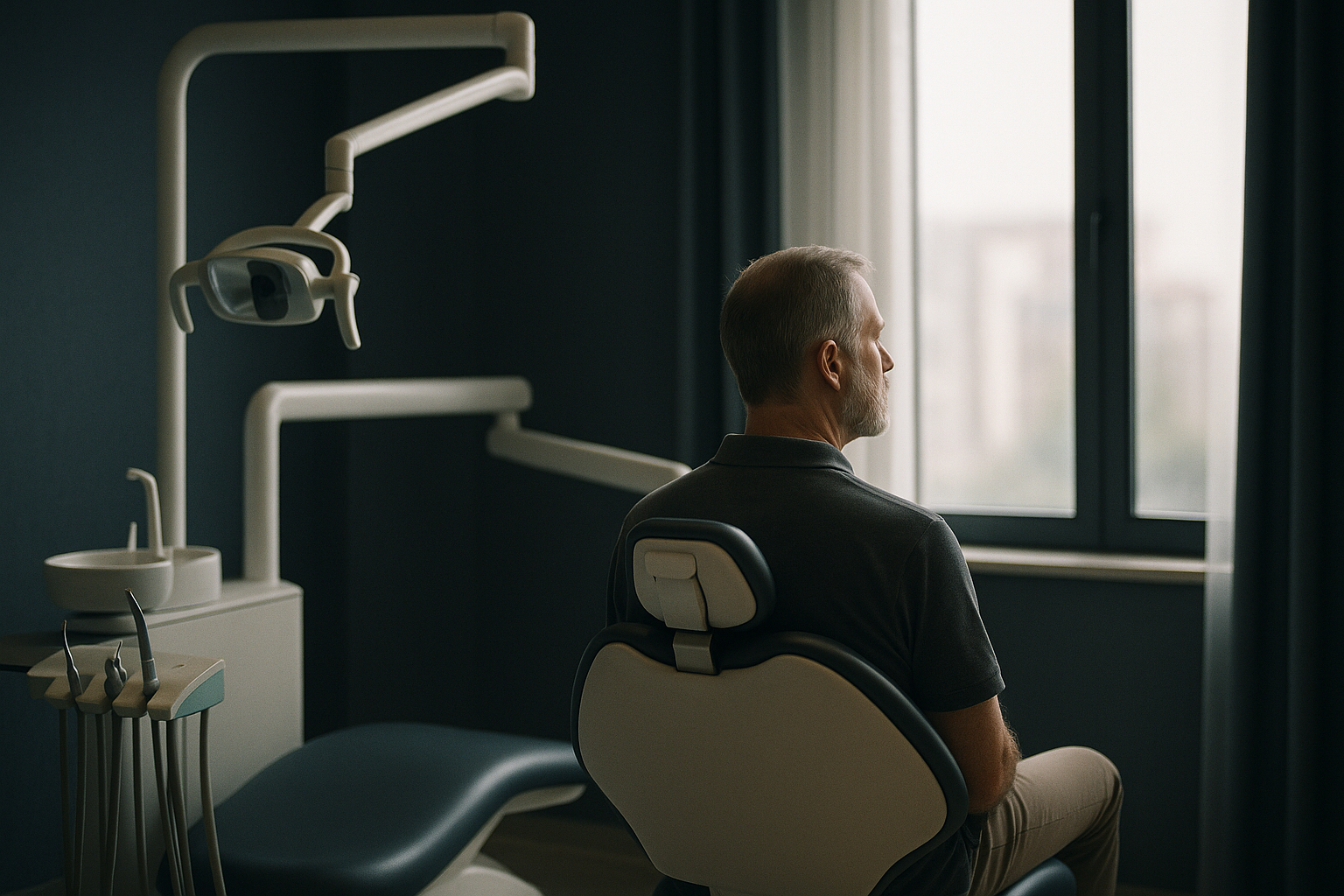
Dental travel to Turkey has become an increasingly popular option for those seeking high-quality dental care at more affordable prices. This guide provides an essential checklist for international patients considering this option, covering costs, timelines, and safety measures.
Is It Worth Going Abroad for Dental Treatment?
One of the main reasons patients consider dental travel to Turkey is the potential for significant cost savings. Dental treatments, including implants, crowns, and veneers, can be up to 70% cheaper than in many Western countries, such as the United States, Canada, or the United Kingdom. For example, a dental implant that might cost $3,000 in the U.S. could be as low as $800 in Turkey. Despite these reduced costs, the quality of care is not compromised. Turkish dental clinics frequently adhere to international standards, attracting skilled dentists trained in the latest techniques, often in European or North American institutions.
Turkey’s strategic location, serving as a bridge between Europe and Asia, along with its rich cultural heritage, makes it an attractive destination for combining healthcare with tourism. Patients can enjoy a dental vacation by visiting historical sites such as the Hagia Sophia or natural wonders like Pamukkale, experiencing both medical care and the country’s diverse attractions. The possibility of immersing oneself in an entirely different culture while addressing health needs adds another layer of appeal to the journey.
However, before committing to dental travel to Turkey, potential patients should carefully consider several factors. These include travel expenses, time commitment, and ensuring that the chosen clinic meets international accreditation standards. It is also important to evaluate personal health insurance policies, as many do not cover procedures done abroad. This means potential out-of-pocket costs for any follow-up care that may be required in your home country. Evaluating the total cost, including travel and accommodation, and comparing it with options available locally, can help in making an informed decision.
How to Arrange Travel for Dental Treatment Abroad
Arranging dental travel to Turkey involves a multi-step process that requires thorough planning. The first step is to research and identify reputable dental clinics. Look for clinics with positive patient reviews, international accreditation, and memberships in global dental associations. Websites such as the Joint Commission International can provide valuable information about accredited healthcare providers. Engaging with patient testimonials and forums can also offer insights into the experiences of others who have undergone similar procedures. Considerations include checking for certifications like ISO or affiliations with known international bodies.
Once you have identified potential clinics, reach out to them to discuss treatment plans, costs, and timelines. Many clinics in Turkey offer virtual consultations, allowing you to discuss your needs and expectations with a dentist before making travel arrangements. This is the time to ask detailed questions about the procedure, materials used, and the qualifications of the dental team. Transparency is key, so ensure you receive a detailed treatment plan and cost estimate in writing. Request a comprehensive breakdown of costs to understand exactly what is included in the treatment package.
After selecting a clinic, the next step is to arrange your travel logistics, including flights and accommodation. Many clinics offer comprehensive packages that include airport transfers, hotel stays, and even local sightseeing tours. However, if you choose to make arrangements independently, consider factors like proximity to the clinic, transportation options, and meal plans. Ensure that your travel documents, such as a passport and visa, are up-to-date. Some nationalities may require a visa to enter Turkey, which can typically be obtained online. Planning your itinerary to allow for relaxation and recovery post-treatment is also advisable.
Finally, prepare for your dental treatment by discussing any relevant medical history with the clinic. It is advisable to bring along any dental records or x-rays you may have, as this can assist in planning your treatment. Schedule a consultation upon arrival to confirm treatment plans, discuss any last-minute concerns, and set realistic expectations for outcomes and recovery time. This initial face-to-face meeting can help solidify your confidence in the process and clarify any uncertainties.
Why is Dental Treatment Cheaper Abroad?
The affordability of dental treatment in Turkey can be attributed to several key factors. Primarily, the lower cost of living in Turkey as compared to Western countries significantly reduces operational expenses for dental clinics. For instance, the cost of labor, real estate, and utilities are much lower in Turkey, allowing clinics to offer competitive pricing without sacrificing quality. Additionally, Turkey has a high number of dental professionals relative to its population, which fosters a competitive environment that incentivizes clinics to maintain high standards while offering attractive prices. This abundance of skilled professionals ensures that quality remains consistent across various clinics.
The Turkish government’s proactive support for medical tourism is another contributing factor. The government offers incentives and subsidies to clinics that attract international patients, further reducing the cost burden on foreign patients. This includes tax incentives, marketing support, and streamlined processes for obtaining necessary medical licenses and certifications. Such governmental backing not only boosts the country’s economy but also elevates the global reputation of Turkish dental services, drawing more international patients each year.
Lastly, the favorable currency exchange rate often benefits international patients, especially those from countries with stronger currencies. For example, as of 2023, one British pound could equate to approximately 30 Turkish lira, making dental treatments even more affordable for UK residents. This economic advantage, combined with high-quality standards and professional expertise, makes Turkey an appealing choice for dental tourists seeking value for money. Furthermore, the rising demand for such services is met with advanced technological adoption in clinics, ensuring that patients receive state-of-the-art care.
How Much Do Dental Veneers Cost in Turkey?
The cost of dental veneers in Turkey is notably lower than in many Western countries, making it an attractive option for those seeking cosmetic dental enhancements. The price range for veneers in Turkey typically falls between £200 to £350 per veneer, depending on factors such as the material used, the clinic’s reputation, and its location. In comparison, the cost of a single veneer in the UK or the U.S. can range from £600 to £1,000, making Turkey a significantly more cost-effective choice. These financial savings do not come at the expense of quality. Clinics in Turkey are equipped with modern facilities and use high-grade materials for crafting durable and aesthetically pleasing veneers.
These prices in Turkey often include not just the veneers themselves, but also the initial consultation, treatment planning, and aftercare services. Some clinics offer additional perks such as local transportation and accommodation as part of their package, providing a comprehensive solution for international patients. It is crucial to confirm with the clinic what is included in the quoted price to avoid any unexpected costs or hidden fees. Asking for a detailed invoice can help clarify these aspects and ensure that there are no surprises during the billing process.
When choosing a clinic for veneers, patients should prioritize those with a strong reputation for cosmetic dental work. Look for clinics that have experienced cosmetic dentists with a portfolio of successful cases, as this can provide assurance of quality and aesthetic results. Additionally, inquire about the types of materials used for veneers, such as porcelain or composite resin, as these can affect both cost and durability. High-quality materials, although slightly more expensive, often offer better longevity and a more natural appearance. Patients should weigh the benefits of different materials against their budget and aesthetic preferences.
What is All on 4 Dental Implants?
All on 4 dental implants represent a revolutionary approach to full-mouth rehabilitation, offering patients a complete set of teeth supported by just four strategically placed implants. This advanced technique is particularly beneficial for individuals with significant tooth loss, providing a stable, natural-looking solution that closely mimics the function of natural teeth. The All on 4 method involves placing two implants at the front of the jaw and two at the back, angled to maximize contact with the bone for enhanced stability. This method not only ensures a strong foundation for the prosthetic teeth but also utilizes existing bone, reducing the need for additional procedures.
The advantages of All on 4 implants over traditional methods are significant. For one, the procedure is minimally invasive, often completed in a single day, which reduces surgery time and accelerates the recovery period. Traditional implants might require multiple surgeries over several months, whereas All on 4 can restore functionality and aesthetics much more swiftly. Additionally, this method typically does not require bone grafting, which is often necessary with conventional implants, further simplifying the process. Patients can thus achieve a full set of teeth with less discomfort and fewer appointments, making it an appealing option for those seeking immediate results.
Patients considering All on 4 implants should consult with experienced professionals to discuss their suitability for the procedure, potential costs, and expected outcomes. Factors such as bone density, oral health, and lifestyle habits will influence the success of the procedure. It’s essential to have realistic expectations and to understand the importance of maintaining oral hygiene and regular dental check-ups to ensure the longevity of the implants. Regular follow-up appointments and diligent care practices are vital to preserve the integrity and appearance of the implants over time.
Dental Tourism for Cosmetic Work: Risks and Precautions
While dental tourism offers numerous benefits, particularly in terms of cost savings and access to high-quality treatments, it is not without risks. One of the primary concerns is the potential for complications arising from inadequate research or choosing clinics with subpar standards. To mitigate these risks, patients should meticulously research clinics, focusing on those with strong accreditation from recognized international bodies and a track record of positive patient testimonials. Checking for compliance with international health and safety regulations can help ensure that the chosen clinic adheres to the highest standards of care.
Another common concern is the language barrier, which can complicate communication with dental professionals. Ensuring that the clinic staff can communicate effectively in your language is crucial. Some clinics offer multilingual staff or professional translation services as part of their package, which can facilitate clearer communication and prevent misunderstandings. This aspect of service can be particularly important during consultations and post-procedure discussions where precise communication is essential for patient safety and satisfaction.
Finally, it’s important to plan for potential follow-up care upon returning home. Although most dental procedures in Turkey are completed without complications, any issues that arise post-treatment might require additional care. Patients should ensure that they have access to a dental professional in their home country who can provide follow-up care if needed. It’s also wise to discuss with your home dentist before embarking on dental travel to Turkey to understand any implications for aftercare and to ensure a seamless transition from international care to local follow-up. This preparation can help manage any unexpected developments and maintain the quality of the dental work performed abroad.
Conclusion: Planning Your Dental Travel to Turkey
Dental travel to Turkey is a viable option for those seeking affordable, high-quality dental care in a country renowned for its professional standards and unique cultural experiences. By following this essential checklist, patients can ensure a successful and stress-free experience that combines healthcare with the opportunity to explore a vibrant and historically rich destination. Thorough research, careful planning, and selecting reputable clinics are crucial steps in ensuring safety and satisfaction. This includes verifying the credentials of dental practitioners, understanding the full scope of treatment costs, and preparing for any post-operative care.
With the right preparation, dental treatment in Turkey can be both cost-effective and rewarding, offering patients not only enhanced dental health but also an enriching travel experience. The blend of high-quality care and the chance to discover Turkey’s cultural landmarks can make the journey particularly memorable. Patients who invest the time to prepare thoroughly often find the experience to be a seamless blend of healthcare and vacation, ultimately leading to a positive and beneficial outcome.
Proven result
80 to 240 dental patients a month from France
High-volume dental clinic, Istanbul
Frequently asked questions
Is it worth going abroad for dental treatment?
Yes, going abroad for dental treatment can offer significant cost savings and high-quality care, particularly in countries like Turkey.
How to arrange travel for dental treatment abroad?
Arrange travel by researching clinics, booking travel and accommodation, and ensuring your documents are in order. Consult with your chosen clinic before travelling.
Why is dental treatment cheaper abroad?
Dental treatment is cheaper abroad due to lower living and operational costs, government support for medical tourism, and favourable currency exchange rates.
How much do dental veneers cost in Turkey?
Dental veneers in Turkey typically cost between £200 to £350 per veneer, offering significant savings compared to Western countries.
Related guides

What Is a Medical Travel Facilitator and Why Use One?
A lower treatment quote can look compelling until you try to compare what it actually includes: surgeon fees,…

What Hospital Accreditation Reviews Really Tell You
A hospital can have polished facilities, prominent surgeons, and hundreds of five-star ratings, yet those signals do not…

International Patient Onboarding Guide for Hospitals
An international patient inquiry is not simply a lead. It is a person weighing a major medical decision…