
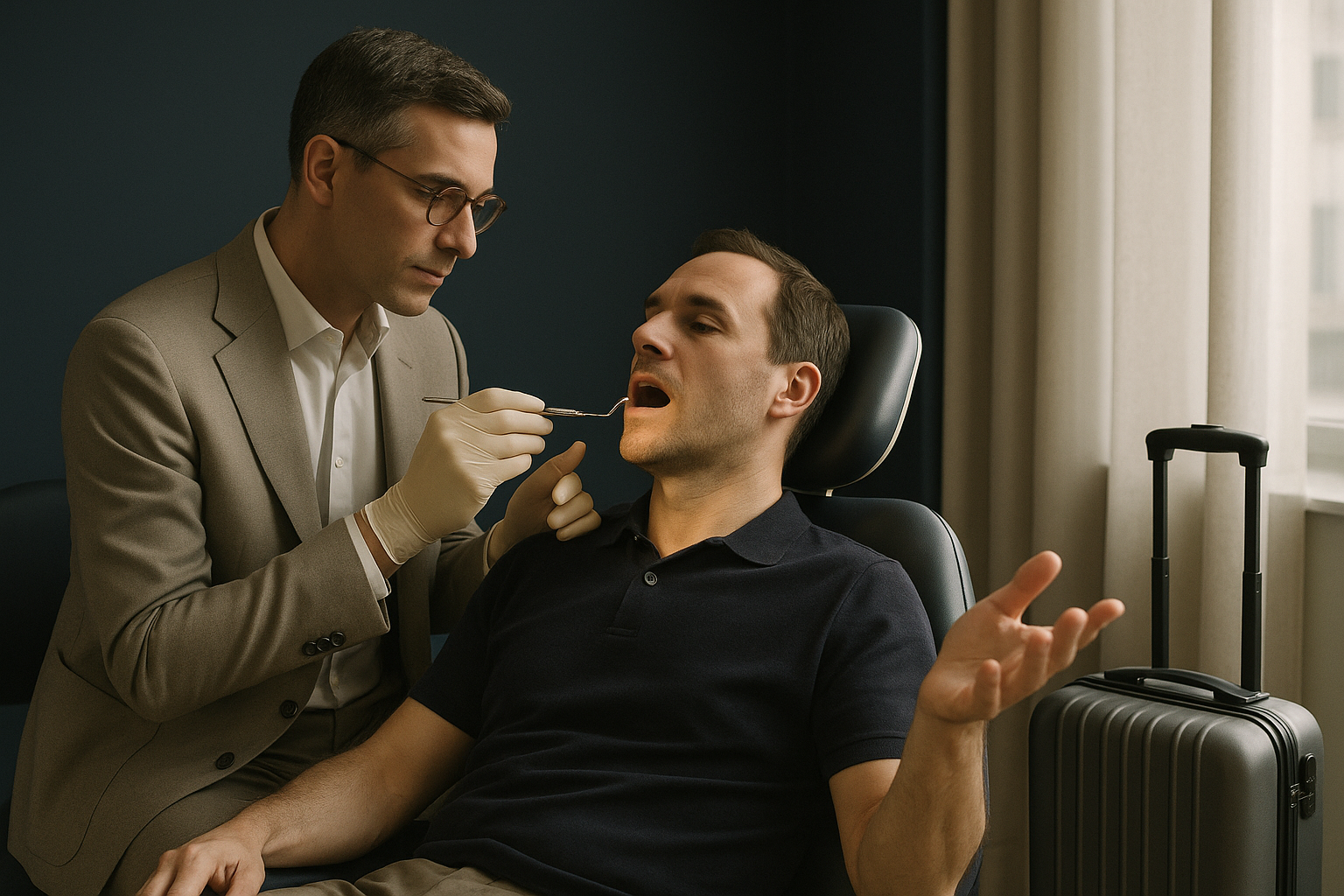
Medical tourism has become a significant facet of global healthcare, offering patients access to treatments abroad, often at lower costs. Dental care, a common reason for traveling, prompts the question: does travel insurance cover dental treatment?
Does Travel Insurance Cover Dental Emergencies?
Travel insurance policies generally include coverage for unexpected dental emergencies, ensuring travellers receive necessary treatments while abroad. However, specifics can vary widely, depending on the insurer and policy type. It’s critical for travellers to read the fine print and understand what’s included.
Usually, travel insurance covers sudden dental pain relief, such as treatment for infections or injuries. Elective procedures, like cosmetic dental work, are generally not included. Travellers should consider supplementary dental insurance if they anticipate needing more extensive care.
Understanding insurance coverage is essential for international patients. Policies often have caps on dental coverage, meaning there might be a limit on how much you can claim. Always verify these details before departure to avoid unexpected expenses.
How Does Medical Tourism Work?
Medical tourism involves traveling to another country to receive medical care, often driven by cost savings, access to advanced technology, or treatments unavailable in one’s home country. The process typically includes researching healthcare providers, understanding the legal and healthcare systems of the destination country, and coordinating logistics such as travel and accommodation.
For hospitals and clinics, attracting international patients requires robust infrastructure, accreditation from recognized bodies, and partnerships with insurance providers. They need to offer transparency in treatment plans and pricing to build trust with prospective patients.
Patients should conduct thorough research and consult with healthcare professionals to ensure the chosen destination and facility meet their needs. This planning helps mitigate risks associated with international healthcare travel.
What Does Medical Tourism Mean?
Medical tourism refers to the practice of traveling across international borders to obtain healthcare services. This can range from elective surgeries and dental work to complex medical treatments. The term encompasses services like wellness tourism, dental tourism, and cosmetic surgery abroad.
Medical tourism is often driven by the promise of high-quality care at a fraction of the cost found in the traveller’s home country. It can also mean access to treatments that are not yet available or are restricted domestically.
For healthcare providers, participating in medical tourism requires maintaining high standards of care, adhering to international regulations, and ensuring patient safety throughout the treatment journey.
How Does Medical Tourism Help the Economy of a Country?
Medical tourism can significantly boost a country’s economy by attracting foreign patients who contribute to the healthcare and hospitality sectors. These patients spend money on medical services, accommodations, and local tourism, creating jobs and stimulating economic growth.
Countries with advanced healthcare facilities and competitive pricing often see substantial economic benefits. They invest in healthcare infrastructure and training to attract more international patients, enhancing their global reputation as medical tourism destinations.
Governments may support medical tourism through policies that facilitate easier travel and stay for medical purposes, recognizing its potential to generate revenue and foster cultural exchange.
How Much Does Medical Tourism Cost the NHS?
In the UK, medical tourism’s impact on the National Health Service (NHS) is a topic of debate. While inbound medical tourism can bring additional revenue, outbound medical tourism may pose challenges, as patients seek treatments unavailable or delayed within the NHS.
The costs associated with outbound medical tourism for the NHS can be multifaceted. Patients who travel abroad for treatment may require follow-up care upon returning, potentially straining NHS resources. Additionally, if complications arise from procedures done overseas, the NHS may bear the cost of corrective treatments.
Accurate data on the financial impact is crucial for policymakers to balance the benefits and challenges of medical tourism on national healthcare systems.
How Much Does Health Tourism Cost the NHS?
Health tourism, which includes non-urgent medical travel, can impact the NHS by introducing additional costs. These costs arise from treating international patients who may not be fully covered by insurance or reciprocal healthcare agreements.
The financial implications include administrative costs, uncompensated care, and potential resource allocation issues. However, the NHS also gains from health tourism through fees charged for treatments provided to international patients.
Efforts to manage the costs associated with health tourism involve clearer policies on healthcare charges and enhancing the system’s capability to recover costs from international patients.
Conclusion
Understanding whether travel insurance covers dental treatment is crucial for international patients planning to seek dental care abroad. While emergencies are typically covered, elective treatments are not, underscoring the importance of thorough policy reviews and potential supplementary coverage. Medical tourism continues to shape global healthcare dynamics, offering economic benefits and challenges to national healthcare systems.
Frequently asked questions
What is medical tourism?
Medical tourism involves traveling to another country to receive medical care, often for cost savings or access to treatments not available locally.
Does travel insurance cover dental work?
Travel insurance generally covers dental emergencies, but elective dental treatments are typically excluded from coverage.
Why do people engage in medical tourism?
People engage in medical tourism for cost savings, access to advanced treatments, and shorter wait times compared to their home countries.
How does medical tourism affect local economies?
Medical tourism boosts local economies through spending on healthcare services, accommodations, and related tourism activities, creating jobs and stimulating growth.
What are the risks of medical tourism?
Risks include potential complications from treatments, legal issues, and challenges in coordinating follow-up care across borders.
Related guides

Healthcare Content Compliance Guide for Growth
A high-performing treatment page can generate international patient inquiries within hours. It can also create material risk if…
Turkey Hospitals vs Local Hospitals Compared
A lower procedure quote can get a patient’s attention. It should not make the decision on its own.…

Patient Experience That Drives Trust and Growth
A patient who has already uploaded medical records, compared providers, and arranged time away from work is not…