
Considering dental implants in Turkey can be an appealing option for many international patients due to the combination of high-quality treatment and competitive pricing. In this guide, we explore everything you need to know about getting dentist implants in Turkey, from planning your trip to understanding the procedure’s nuances.
Why Choose Turkey for Dental Implants?
Turkey has emerged as a leading destination for dental tourism, attracting patients from around the globe. The country is renowned for its skilled dental professionals who often receive training in Europe or North America. This ensures they are up-to-date with the latest techniques and standards in dental care. Many dentists in Turkey are members of international dental associations, which further validates their commitment to quality and continuous education. This international exposure allows them to offer advanced procedures such as all-on-four and zygomatic implants, which might not be readily available in all countries.
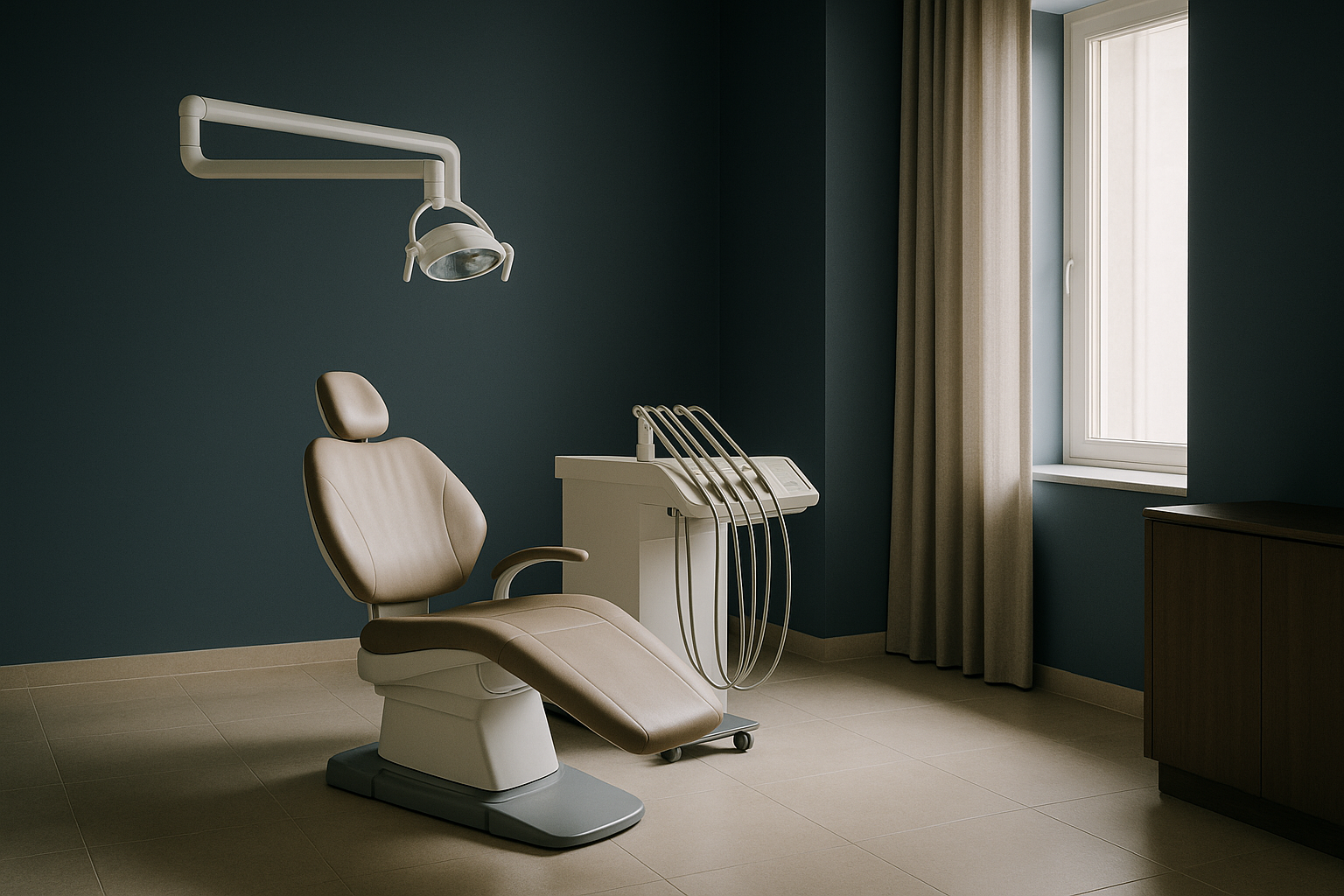
Additionally, Turkey’s modern dental clinics are equipped with state-of-the-art technology, providing high-quality care that meets international standards. This quality, combined with the relatively lower cost of living and operation expenses in Turkey, makes dental implants more affordable than in many Western countries. For example, clinics in Istanbul and Antalya are known for their cutting-edge equipment and use of digital imaging, which enhances precision during implant placement. The precise alignment and placement of implants using 3D imaging tools reduce the risk of complications and improve the overall success rate of the procedures.
Moreover, Turkey’s strategic location as a bridge between Europe and Asia makes it easily accessible for international patients seeking efficient travel arrangements. Major cities like Istanbul and Izmir are well connected with direct flights from many international airports, making it convenient for patients to travel without extensive layovers or long travel times. The cultural diversity and hospitality of Turkey also provide a comforting environment for medical tourists, ensuring a supportive and welcoming experience. The country’s rich history and inviting atmosphere enhance the overall experience, making the journey for dental care feel more like a vacation.
What Are the Costs Involved?
The cost of dental implants in Turkey varies based on several factors, including the complexity of the case, the materials used, and the clinic’s location. Prices can be significantly lower than in countries like the United States or the UK, where similar procedures can cost double or even triple. For instance, a single dental implant in the US can range from $3,000 to $5,000, while in Turkey, it can cost between $500 to $800. This price often includes the implant itself, consultation fees, and aftercare services, which adds tremendous value for international patients.
Typically, a single dental implant in Turkey can range from $500 to $800, inclusive of consultation fees, the implant itself, and aftercare. However, additional procedures such as bone grafting or sinus lifts, if required, can add to the overall cost. Bone grafting, for example, can cost an additional $200 to $400, depending on the extent of the graft required. Sinus lifts might add another $300 to $500 to the total expenses. Therefore, it is crucial for patients to get a detailed quote that outlines all potential costs before making a decision.
Patients can often benefit from package deals offered by clinics that include accommodation and transportation, further reducing the overall expenditure. These packages might offer hotel stays in nearby accommodations, airport transfers, and sometimes even guided tours. Choosing such packages can simplify the logistics of dental tourism, allowing patients to focus on their treatment and recovery rather than worrying about travel arrangements. It is advisable to compare different packages to ensure they align with personal preferences and budget constraints. Carefully evaluating these options can lead to substantial savings and a more comfortable experience.
How Long Does the Treatment Process Take?
The timeline for getting dental implants in Turkey can vary depending on individual circumstances. Generally, the process involves an initial consultation followed by the implant procedure, which may take place over one or two visits. The first visit typically includes a thorough examination, digital imaging, and a discussion of the treatment plan, which can last a few hours to a full day. The actual implant placement can occur during the same visit or in a subsequent trip, depending on the patient’s schedule and the dentist’s recommendation.
In cases where bone density is insufficient, additional procedures like bone grafting may be necessary, extending the timeline. Bone grafting requires a healing period of three to six months before the implant can be placed. Typically, patients can expect the entire process, from consultation to final restoration, to take between three to six months. This timeframe allows for proper integration of the implant with the jawbone, known as osseointegration, which is crucial for the stability and success of the implant.
It’s essential to plan accordingly, allowing sufficient time for healing and any unexpected delays. Patients are advised to maintain flexibility in their travel plans to accommodate any additional appointments or extended recovery periods. Regular communication with the dental clinic can help in managing these timelines effectively, ensuring that patients receive the best possible outcomes without unnecessary stress or inconvenience. By coordinating closely with their dental team, patients can optimize their treatment schedules to fit their personal and professional lives.
What Safety Measures and Accreditations Should You Look For?
Ensuring safety and quality in dental care abroad requires thorough research. Look for clinics with international accreditation from organizations such as the Joint Commission International (JCI) or ISO certification, which demonstrate adherence to global standards. These accreditations ensure that the clinic follows stringent protocols in hygiene, patient care, and operational excellence. For example, JCI accreditation is a reliable indicator of a clinic’s commitment to maintaining high-quality care and patient safety.
Additionally, inquire about the dentist’s qualifications and experience, and read reviews from previous patients. Many clinics in Turkey offer virtual consultations, allowing you to discuss your case and assess the clinic’s professionalism before committing. These consultations can provide insights into the expertise of the dental team and their approach to patient care. Reviewing testimonials and case studies from former patients can also provide reassurance about the clinic’s reputation and success rates.
Patients should also ensure that clinics follow stringent sterilization protocols and use high-quality materials from reputable manufacturers. This includes the use of FDA-approved implants and dental products, which guarantees safety and durability. Asking about the brands of implants used and checking their global rankings can offer added peace of mind. By doing thorough due diligence, patients can minimize risks and ensure that they choose a clinic that prioritizes their health and well-being. Taking these steps can significantly enhance the safety and success of dental implant procedures abroad.
What Are the Potential Risks and How Can They Be Mitigated?
As with any medical procedure, dental implants carry potential risks, including infection, implant failure, or issues with the surrounding bone and tissue. Choosing a reputable clinic and experienced practitioner can significantly reduce these risks. Clinics that emphasize post-operative care and provide detailed instructions on oral hygiene and lifestyle changes are vital in mitigating complications. Common preventive measures include prescribing antibiotics, recommending soft diets, and advising on smoking cessation, which can affect healing.
Maintaining good oral hygiene and following all post-operative care instructions are crucial for successful outcomes. Patients are advised to attend all follow-up appointments to monitor healing and address any concerns promptly. Regular follow-ups allow the dentist to evaluate the implant’s integration and make adjustments if necessary. These appointments are critical in catching any early signs of complications that can be addressed before they escalate.
Before travelling, ensure you have comprehensive medical insurance that covers potential complications during and after your stay. Check with your insurance provider about the extent of coverage available for overseas dental procedures and any exclusions that may apply. Having insurance not only provides financial protection but also peace of mind, allowing you to focus on recovery without the worry of unexpected medical expenses. It’s also wise to have a contingency plan in place, including the contact information of local healthcare providers, should you require urgent care. These precautions can help safeguard against unforeseen issues and ensure a smoother treatment journey.
How to Plan Your Dental Tourism Trip to Turkey?
Planning a dental tourism trip requires careful consideration of logistics, including travel, accommodation, and treatment schedules. Start by selecting a reputable clinic and arranging an initial consultation to discuss your treatment plan and timeline. Many clinics provide free online consultations to help plan your visit and prepare estimates of costs involved. This preliminary step is crucial in understanding the full scope of the procedure and ensuring there are no hidden costs.
Many clinics offer packages that include accommodation and airport transfers, simplifying your planning process. Ensure your accommodation is comfortable and conveniently located near the clinic to ease travel for appointments. Consider staying in a hotel that offers amenities like breakfast and Wi-Fi, which can make your stay more pleasant and stress-free. Additionally, familiarize yourself with local transportation options, including public transit and taxi services, to navigate the city efficiently.
Lastly, allocate time to explore Turkey’s rich culture and history, making your dental treatment journey both rewarding and enjoyable. Cities like Istanbul, with its historic sites such as the Hagia Sophia and Topkapi Palace, offer enriching experiences beyond medical treatment. This aspect of dental tourism can transform your trip into a memorable vacation, offering relaxation and cultural enrichment alongside your medical care. Planning leisure activities around your treatment schedule ensures a balanced experience that combines health with heritage. By immersing yourself in the local culture, you can create lasting memories that extend beyond the dental chair.
Conclusion: Weighing the Pros and Cons
Opting for dentist implants in Turkey can offer substantial savings and access to world-class dental care. However, it is crucial to conduct thorough research, select a reputable clinic, and understand the full scope of the treatment process. The decision should consider factors such as clinic accreditation, dentist qualifications, and personal comfort with the travel arrangements. Balancing cost savings with quality assurances is essential to ensure a satisfactory outcome.
By preparing adequately and choosing wisely, international patients can achieve successful outcomes while enjoying the cultural richness that Turkey offers. The blend of advanced dental care, economic benefits, and a chance to explore a vibrant country makes Turkey a compelling choice for dental tourism. With careful planning and informed decision-making, patients can navigate the complexities of international medical travel with confidence, maximizing both health benefits and travel experiences. Embracing the opportunity for dental care in Turkey can lead to improved oral health and a culturally enriching journey.
Proven result
80 to 240 dental patients a month from France
High-volume dental clinic, Istanbul
Frequently asked questions
What is the cost of dental implants in Turkey?
The cost typically ranges from $500 to $800 per implant, depending on the clinic and specific requirements.
How safe are dental implants in Turkey?
Dental implants in Turkey are generally safe if performed at a reputable clinic with proper accreditations and experienced dentists.
How long does it take to get dental implants in Turkey?
The process can take three to six months, including initial consultation, implant procedure, and healing time.
What should I look for in a Turkish dental clinic?
Look for international accreditations, experienced practitioners, positive patient reviews, and high sterilization standards.
Are there risks involved with getting dental implants in Turkey?
While risks exist, choosing a reputable clinic and following post-operative care instructions can minimize complications.
Related guides

How Overseas Surgery Insurance Really Works
A lower treatment quote can quickly lose its advantage if an unexpected complication extends your stay, requires emergency…

Analyzing the Medical Tourism Market: Current Trends
Quick answerThe medical tourism market is growing due to factors like cost-effective treatments, advanced medical technologies, and international…
Best Country for Cancer Treatment: Top Countries for Advanced Cancer Treatment Options
Quick answerCountries like the USA, Germany, and Japan offer some of the best cancer treatment in the world,…