
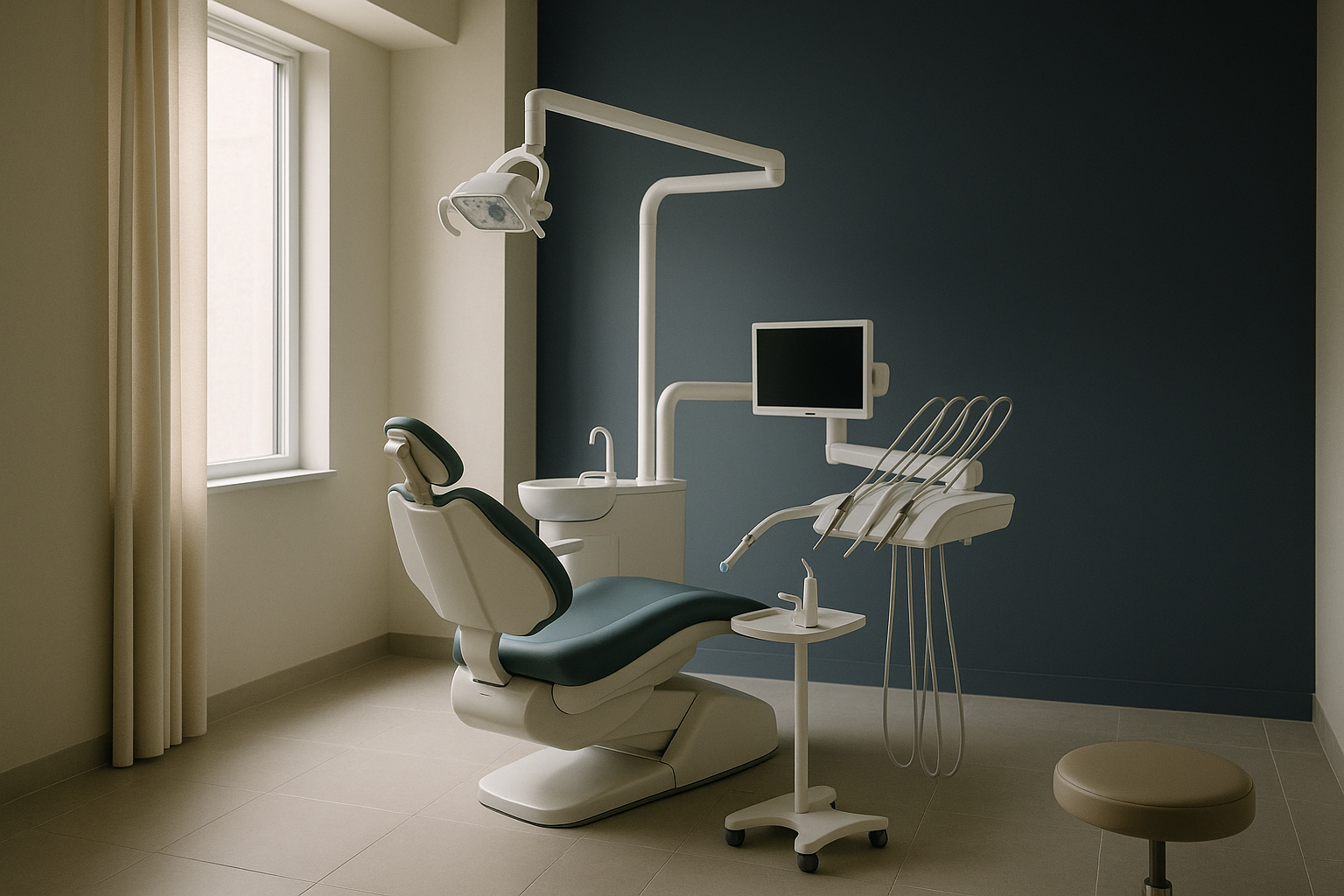
For those considering enhancing their smile, dentist teeth bleaching is a popular and effective option. The before and after results can significantly improve confidence and aesthetics. Understanding the process, costs, and safety measures is crucial for international patients seeking this treatment.
What is Dentist Teeth Bleaching?
Dentist teeth bleaching involves a professional whitening process performed by dental experts. It uses bleaching agents, typically hydrogen peroxide or carbamide peroxide, to lift stains and whiten teeth. This procedure is more effective than over-the-counter solutions due to the higher concentration of active agents and professional application techniques. The bleaching agents work by penetrating the enamel and breaking down the discolored molecules within your teeth, thus lightening their appearance.
Teeth bleaching can address various types of discolouration, including those caused by coffee, tea, wine, and smoking. However, it is essential to consult with a dentist to determine if your teeth are suitable for the procedure, as it may not be effective on all types of stains. Intrinsic stains, which are deeper and can be caused by certain medications or trauma to the teeth, may not respond as well to bleaching and might require alternative treatments such as veneers or bonding. Additionally, teeth with restorations like fillings or crowns may not bleach at all, highlighting the importance of personalized dental advice.
The process is not only about aesthetics but also involves a comprehensive dental examination. A qualified dentist will assess the health of your teeth and gums to ensure that bleaching is appropriate. This is crucial because bleaching agents can exacerbate existing dental issues if not properly managed. Thus, understanding the limitations and requirements of dentist teeth bleaching before and after the procedure is vital for achieving the best results. Patients are advised to maintain realistic expectations and be aware of the need for potentially ongoing maintenance treatments.
How Does the Procedure Work?
The dentist will first examine your teeth and gums to ensure they are healthy enough for bleaching. Any existing dental issues, such as cavities or gum disease, may need to be treated beforehand. This preliminary examination is critical as untreated conditions could complicate the bleaching process or lead to discomfort. Once cleared, the actual bleaching process involves applying a bleaching gel to the teeth and activating it with a special light or laser. This activation helps to accelerate the whitening process, allowing for more effective results in a shorter amount of time.
The procedure typically lasts about 30 to 60 minutes. Some patients may require additional sessions to achieve the desired level of whiteness. Often, the number of sessions depends on the initial shade of the teeth and the degree of staining. A dental clinic may offer take-home trays for maintenance, which require wearing custom-fitted trays filled with bleaching gel for a specified duration daily. These trays are tailored to fit your mouth perfectly, ensuring even distribution of the bleaching agent and minimizing the risk of gum irritation. This home maintenance is crucial for prolonging the results achieved in the clinic.
During the bleaching session, protective measures are taken to shield the gums and other sensitive areas of the mouth. A rubber dam or protective gel is often applied to prevent the bleaching agents from causing irritation. This careful attention to detail is part of what distinguishes professional dentist teeth bleaching before and after from over-the-counter products, ensuring both safety and effectiveness. Patients are advised to avoid certain foods and beverages like coffee and red wine immediately after the procedure to maximize the longevity of their results.
What Results Can You Expect?
Professional teeth whitening results can vary based on the initial colour of the teeth and the type of stains. Typically, patients can expect their teeth to be several shades whiter after a single session. Results are immediately noticeable, though full results usually appear after a few days. The degree of whitening can depend on factors such as the concentration of the bleaching agent, the duration of the application, and individual tooth characteristics. For instance, teeth with a yellowish hue tend to respond better to bleaching than those with grey tones.
It’s important to manage expectations and understand that while bleaching can significantly improve tooth colour, it may not achieve pure white results for everyone. Regular follow-up treatments may be necessary to maintain the desired shade, typically every 6 to 12 months depending on dietary habits and oral hygiene practices. Some patients may experience a temporary increase in tooth sensitivity following the procedure, but this generally subsides within a few days. Dentists often recommend avoiding hot or cold foods to mitigate sensitivity immediately post-treatment.
Maintaining the results involves good oral hygiene practices, such as brushing with a toothpaste designed for sensitive teeth and avoiding foods and drinks that can cause staining. Regular dental check-ups can also help in monitoring the condition of your teeth post-bleaching, allowing for timely interventions if the whitening effects begin to fade. Additionally, using a straw when drinking beverages that stain can help minimize contact with the teeth, preserving the effects of the bleaching.
How Much Does Dental Bleaching Cost?
The cost of dental bleaching varies widely depending on the location, the dental clinic, and the specific procedure used. On average, in-office bleaching can range from $300 to $1,000. This cost reflects the professional setup, expertise, and materials used. It’s important to factor in the potential need for follow-up sessions, which can add to the overall expense. A typical follow-up session might cost between $100 to $300, depending on the clinic and geographic location.
A comparison of costs in different regions can help international patients plan their finances. For instance, the cost might be lower in some countries due to the lower cost of living and dental practice expenses. Countries like Mexico, Thailand, and Hungary are known for offering competitive pricing on dental procedures, attracting many international patients. It’s advisable to research and compare options before making a decision. Some dental clinics offer package deals that include multiple sessions or maintenance kits, which can be a cost-effective option for maintaining the results over time.
Insurance typically does not cover cosmetic procedures like teeth bleaching, so it’s crucial to budget accordingly. Some clinics may offer payment plans or financing options to help manage the cost. Understanding the dentist teeth bleaching before and after costs can aid in making an informed decision that aligns with both aesthetic goals and financial considerations. It’s also recommended to inquire about any discounts or loyalty programs that the clinic might offer to reduce costs.
Is Teeth Bleaching Safe?
When performed by a qualified dentist, teeth bleaching is a safe procedure. Dentists take precautions to protect gums and enamel during the process. However, patients may experience temporary sensitivity or irritation, which usually subsides shortly after the treatment. To mitigate these effects, dentists often recommend using desensitizing toothpaste and avoiding extreme temperatures in food and drinks immediately after the procedure. Implementing these precautions helps ensure the comfort and satisfaction of patients post-treatment.
Patients should ensure that their chosen clinic follows strict safety protocols. Accreditation by international dental associations can be a good indicator of quality and safety standards. Discuss any concerns you have with your dentist prior to the procedure. It’s also important to disclose any medical conditions or medications you’re taking, as these can affect your suitability for the procedure. Certain medications and health conditions can increase the risk of adverse reactions, making thorough pre-treatment consultations essential.
In rare cases, overuse of bleaching agents can lead to enamel damage or increased tooth sensitivity. This is why professional oversight is crucial. The dentist will tailor the treatment to your specific needs and monitor the progress to prevent any adverse effects. Understanding the safety measures and potential side effects of dentist teeth bleaching before and after can help ensure a safe and satisfying experience. Patients are encouraged to report any prolonged discomfort to their dentist promptly to address potential issues quickly.
What Should You Consider Before Choosing a Clinic?
Before selecting a dental clinic for teeth bleaching, verify the credentials and experience of the dentists. Look for clinics with good reviews and those that provide detailed consultations. A reputable clinic will explain the procedure, assess your suitability, and discuss expected outcomes. It’s beneficial to visit multiple clinics to compare their services and costs, ensuring you choose one that meets your needs and comfort level. Consider asking for before and after photos of previous patients to gauge the clinic’s results.
Consider the clinic’s follow-up care and support. A clinic that offers guidance on maintaining your results and addresses any post-procedure concerns can enhance the overall experience and satisfaction. Post-treatment support can include check-ups to monitor your oral health and advice on dietary choices to prolong the whitening effects. Clinics that provide comprehensive aftercare advice tend to have higher patient satisfaction rates.
Additionally, inquire about the technology and products used by the clinic. Advanced equipment and high-quality bleaching agents can impact the effectiveness and safety of the procedure. Understanding these aspects, along with the dentist teeth bleaching before and after results, will help you make an informed decision that optimizes both your dental health and aesthetic goals. Don’t hesitate to ask about the specific brands and types of bleaching agents used, as some may be more effective or suitable for sensitive teeth than others.
Conclusion
Dentist-led teeth bleaching offers an effective way to achieve a brighter smile with noticeable before and after results. Understanding the procedure, costs, and safety considerations can help international patients make informed decisions. By choosing a qualified dentist and reputable clinic, patients can enjoy the benefits of a professional whitening experience. The satisfaction derived from a brighter smile often extends beyond appearance, boosting confidence and encouraging better oral hygiene practices.
Proven result
80 to 240 dental patients a month from France
High-volume dental clinic, Istanbul
Frequently asked questions
How long do teeth bleaching results last?
Teeth bleaching results can last from several months to two years, depending on oral hygiene and lifestyle habits.
Can teeth bleaching damage my enamel?
When done professionally, teeth bleaching is safe and does not damage enamel. Dentists take precautions to protect your teeth.
Are there any side effects of teeth bleaching?
Some patients may experience temporary tooth sensitivity or gum irritation, which generally resolves shortly after treatment.
How can I maintain my bleaching results?
Maintain results by practicing good oral hygiene, avoiding stain-causing foods and drinks, and scheduling regular dental check-ups.
Is teeth bleaching effective on all types of stains?
Teeth bleaching is most effective on surface stains from food and drink; it may not lighten intrinsic stains caused by certain medications.
Related guides

What Is a Medical Travel Facilitator and Why Use One?
A lower treatment quote can look compelling until you try to compare what it actually includes: surgeon fees,…

What Hospital Accreditation Reviews Really Tell You
A hospital can have polished facilities, prominent surgeons, and hundreds of five-star ratings, yet those signals do not…

International Patient Onboarding Guide for Hospitals
An international patient inquiry is not simply a lead. It is a person weighing a major medical decision…