
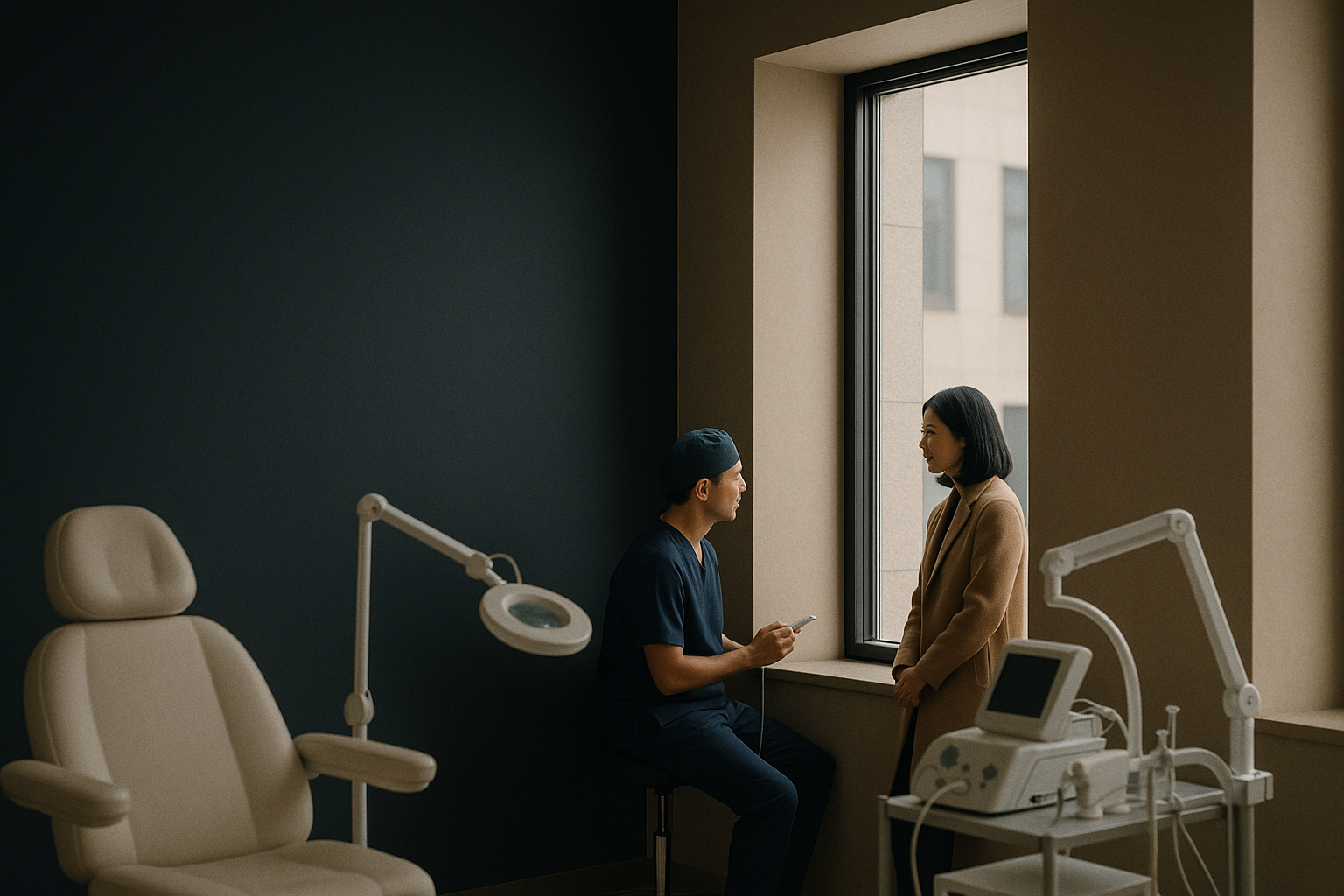
Direct hair implantation is a revolutionary technique in hair restoration that offers natural-looking results. This method involves the precise placement of individual hair follicles directly into the scalp, ensuring optimal growth and a natural appearance. Understanding how this procedure works, its costs, and potential outcomes can help prospective international patients make informed decisions.
What is Direct Hair Implantation?
Direct hair implantation is an advanced hair transplant procedure that involves inserting individual hair follicles directly into the scalp using a specialised tool. Unlike traditional methods, this technique does not require any incisions or stitches, making it less invasive and reducing recovery time. The procedure is performed with a high degree of precision, which allows for a natural hairline and appearance that is tailored to each patient’s unique hair growth pattern. This level of precision is achieved through the use of a specially designed implanter pen that allows the practitioner to control the angle, depth, and direction of each follicle placement.
The procedure begins with the extraction of healthy hair follicles from the donor area, usually the back of the head, where hair is genetically resistant to balding. These follicles are then implanted directly into the thinning or balding areas. The use of a pen-like device enables the surgeon to create a dense and natural-looking hair pattern that mimics the patient’s original hair growth. The ability to control various aspects of implantation means that the results are not only aesthetically pleasing but also sustainable in the long term.
Due to its precision and minimally invasive nature, direct hair implantation is gaining popularity among individuals seeking hair restoration. It is important for patients to choose a qualified and experienced practitioner to ensure optimal results. The skill and technique of the practitioner are critical in achieving the desired outcome. Patients should look for practitioners who are certified and have a demonstrable track record of successful procedures. This ensures that the procedure is performed safely and effectively, minimizing the risk of complications and maximizing the chances of satisfactory results.
How Does the Procedure Work?
The direct hair implantation procedure begins with a detailed consultation to assess the patient’s needs and determine the number of grafts required. This initial consultation is crucial as it allows the practitioner to explain the procedure, discuss the patient’s expectations, and develop a personalized treatment plan. Once the plan is set, the donor area is prepared, and hair follicles are extracted using a micro motor or manual punch tool. This extraction process is performed under local anaesthesia to ensure patient comfort and minimize discomfort during the procedure.
After extraction, the follicles are stored in a special solution to maintain their viability until implantation. This solution helps to keep the follicles healthy and ready for the next step of the procedure. The implantation process involves using a DHI implanter pen, which allows for the precise placement of each follicle into the recipient area. This tool enables the practitioner to control the angle, depth, and direction of the implantation, ensuring a natural look. The precision of this tool is one of the key factors that differentiate direct hair implantation from other hair restoration techniques.
The entire procedure can take several hours, depending on the number of grafts needed. Patients can typically return to normal activities within a few days, although complete recovery and final results may take several months. The recovery process is generally straightforward, with most patients experiencing minimal discomfort and only mild swelling in the treated areas. Post-operative care is essential to ensure the best possible results, and patients are usually advised to follow specific care instructions to promote healing and hair growth.
What Are the Costs and Timelines?
The cost of direct hair implantation varies depending on several factors, including the number of grafts required, the clinic’s location, and the expertise of the practitioner. On average, patients can expect to pay between $2,000 and $15,000. Clinics located in major metropolitan areas or countries with higher living costs may charge more, while clinics in regions with lower costs may offer more affordable pricing. It is essential to consider these costs when planning for international medical travel, as the overall expense may include travel, accommodation, and other related costs.
Timelines for the procedure typically involve several stages, starting with the initial consultation and pre-operative assessments. The implantation itself may take one to two days, followed by a short recovery period. Full hair growth results can be expected within 8 to 12 months, with visible improvement in density and coverage. Patients are often advised to plan their schedules accordingly, allowing for time off work and any necessary travel arrangements. This comprehensive planning ensures a smooth experience from start to finish.
Patients should also consider additional costs such as travel, accommodation, and aftercare when planning their budget. Proper financial planning will ensure a stress-free experience. Some clinics may offer packages that include these additional services, which can help simplify the logistics of undergoing the procedure abroad. It is advisable for patients to inquire about these options and compare them against their budget and preferences.
What Are the Safety and Accreditation Standards?
Safety is paramount in any medical procedure, and direct hair implantation is no exception. Patients should prioritize clinics that adhere to international safety standards and have proper accreditation. This includes ensuring that the facility is licensed and that the medical team is qualified and experienced in performing the procedure. Verifying a clinic’s accreditation and compliance with safety standards can be done through various professional organizations and licensing bodies.
Accreditation from recognised bodies, such as the International Society of Hair Restoration Surgery (ISHRS), provides assurance of the clinic’s commitment to high standards of care and patient safety. Patients should verify these accreditations and ask about the clinic’s infection control policies and post-operative care protocols. This information is often available on the clinic’s website or can be obtained during the initial consultation. A clinic that prioritizes safety and adheres to strict standards is likely to provide a better overall experience and outcome.
Choosing an accredited facility can significantly reduce the risk of complications and ensure a positive outcome from the procedure. Patients should also consider the experience and qualifications of the medical team, as well as the clinic’s track record of successful procedures. A well-informed decision will help ensure that the procedure is performed safely and effectively, leading to satisfactory results.
What Are the Expected Outcomes?
The outcomes of direct hair implantation are typically very positive, with most patients experiencing significant improvements in hair density and coverage. The precision of the technique allows for a natural appearance that mimics the patient’s original hairline and growth patterns. This natural look is achieved through careful planning and execution, with each follicle strategically placed to create a seamless blend with the surrounding hair. The overall effect is both aesthetically pleasing and long-lasting, providing patients with renewed confidence in their appearance.
Patients can expect to see initial results within a few months, with full hair growth taking up to a year. The transplanted hair will continue to grow naturally, allowing for regular styling and maintenance. It is important for patients to have realistic expectations and understand that results may vary depending on individual factors such as age and hair type. The success of the procedure is highly dependent on these factors, as well as the patient’s adherence to post-operative care instructions.
Before undergoing the procedure, a clear discussion with the practitioner about expected outcomes and potential risks will help align patient expectations with achievable results. This discussion should include a review of the patient’s medical history, lifestyle factors, and any previous hair restoration attempts. By addressing these topics, both the patient and practitioner can work towards a common goal and ensure the best possible outcome.
How to Choose the Right Clinic?
Choosing the right clinic for direct hair implantation is crucial for a successful outcome. Prospective patients should conduct thorough research to identify reputable clinics with a track record of positive results. Factors to consider include the clinic’s reputation, patient reviews, and the expertise of the medical team. Online reviews and testimonials can provide valuable insights into the experiences of previous patients and the quality of care provided by the clinic.
It is beneficial to have an initial consultation to discuss the procedure in detail, ask questions, and assess the clinic’s environment. This meeting allows patients to gauge the practitioner’s level of expertise and the clinic’s overall approach to patient care. During this consultation, patients should inquire about the practitioner’s experience, the technology used, and the clinic’s safety protocols. This information will help them make an informed decision about whether the clinic is the right fit for their needs.
Patients should also inquire about technology used, follow-up care, and any additional services offered, such as nutritional advice or hair care products, to support recovery and long-term results. Many clinics offer comprehensive care packages that include these services, which can enhance the overall treatment experience and contribute to successful outcomes. By carefully evaluating all aspects of the clinic’s offerings and expertise, patients can make a choice that aligns with their goals and expectations.
Conclusion
Direct hair implantation offers a promising solution for individuals seeking effective hair restoration with natural results. By understanding the procedure, costs, and safety standards, prospective patients can make informed decisions and choose a clinic that meets their needs and expectations. For those considering international medical travel, it is essential to plan carefully and select a facility that prioritises patient safety and quality care. Thorough research and careful consideration of all aspects of the procedure will help ensure a positive experience and satisfactory results.
Proven result
23× monthly patients from the UK market in six years
Multi-specialty medical travel company (hair, plastic & bariatric surgery)
Frequently asked questions
What is direct hair implantation?
Direct hair implantation is a technique that involves placing individual hair follicles directly into the scalp using a specialised tool.
How long does it take to see results?
Initial results may be visible within a few months, with full hair growth typically seen in 8 to 12 months.
What should I consider when choosing a clinic?
Consider the clinic’s accreditation, the expertise of the medical team, and patient reviews when selecting a clinic.
Are there risks involved with direct hair implantation?
As with any medical procedure, there are risks, but choosing an accredited clinic and experienced practitioner can minimise them.
How much does direct hair implantation cost?
Costs vary, typically ranging from $2,000 to $15,000, depending on several factors including location and practitioner expertise.
Related guides

How Overseas Surgery Insurance Really Works
A lower treatment quote can quickly lose its advantage if an unexpected complication extends your stay, requires emergency…

Analyzing the Medical Tourism Market: Current Trends
Quick answerThe medical tourism market is growing due to factors like cost-effective treatments, advanced medical technologies, and international…
Best Country for Cancer Treatment: Top Countries for Advanced Cancer Treatment Options
Quick answerCountries like the USA, Germany, and Japan offer some of the best cancer treatment in the world,…