
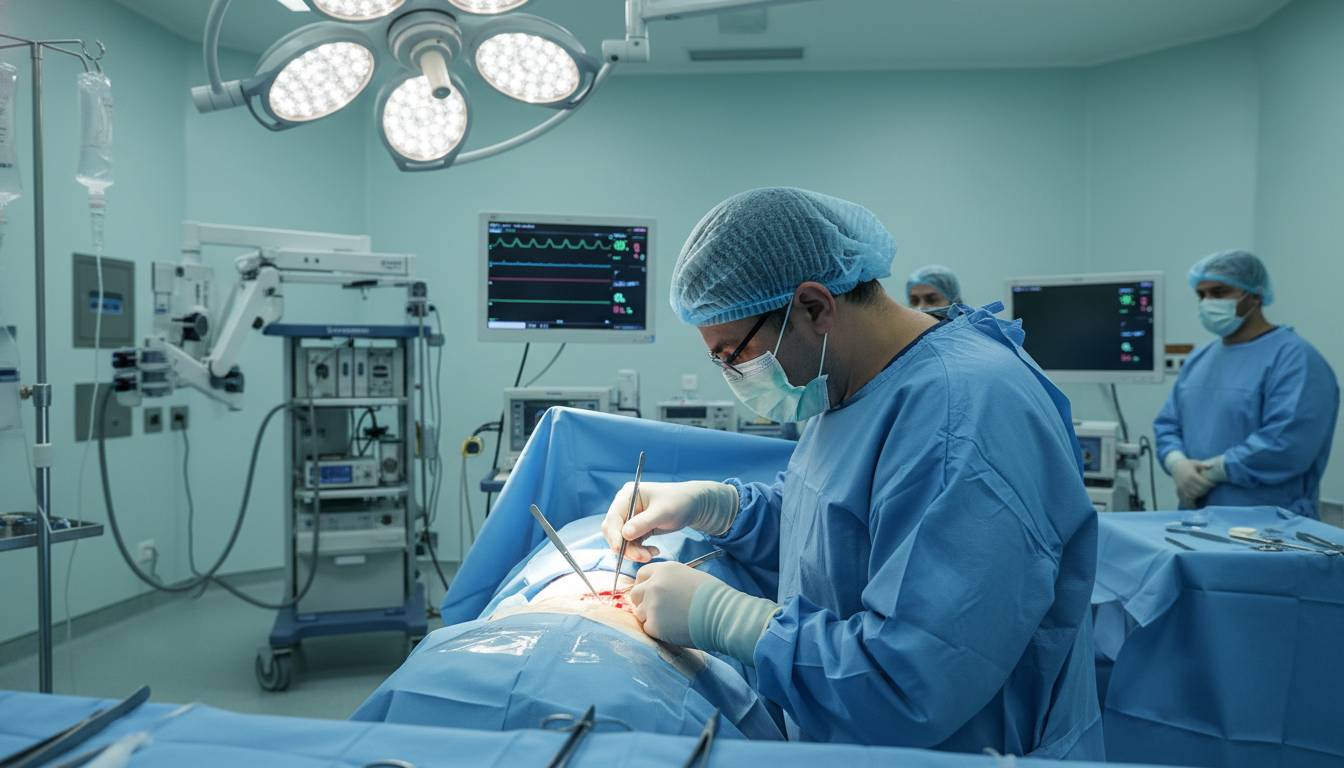
More and more patients from the United States are looking abroad for affordable, top-notch medical care. Turkey is becoming a top choice for those needing special spinal care. This shows a big change towards getting good healthcare that’s easy to reach.
Opting for Discectomy surgery in Turkey means getting expert care and modern facilities. Many people find it helps them get rid of long-lasting pain they couldn’t manage at home. Turkish clinics focus on making patients comfortable and use the latest tech for a smooth recovery.
Key Takeaways
- Turkey is a premier hub for high-quality spinal treatments.
- International patients benefit from significant cost savings on medical procedures.
- Clinics utilise state-of-the-art technology to ensure optimal patient outcomes.
- Professional medical teams provide extensive support during the recovery period.
- The rise in medical tourism allows for quicker access to vital spinal care.
Understanding the Anatomy of a Herniated Disc
Your spine is a marvel of engineering, yet it remains vulnerable to specific mechanical failures. To appreciate how a herniated disc occurs, one must first understand the structural components that support your daily movement.
The Role of Intervertebral Discs in Spinal Health
Intervertebral discs act as the body’s natural shock absorbers, sitting between each vertebra to provide flexibility and cushioning. These discs consist of a tough outer ring called the annulus fibrosus and a jelly-like centre known as the nucleus pulposus.
When these structures remain healthy, they allow for smooth bending, twisting, and lifting. Maintaining this integrity is vital for long-term spinal health and the prevention of chronic discomfort.
Common Causes of Disc Herniation and Nerve Compression
Over time, the outer layer of the disc can weaken due to age, repetitive strain, or sudden injury. This weakness allows the inner material to push outward, a condition medically referred to as disc herniation.
As the disc material protrudes, it often presses against nearby spinal nerves. This compression is the primary source of the sharp, radiating pain that many patients experience in their lower back or legs.
| Condition | Primary Cause | Common Symptom |
|---|---|---|
| Bulging Disc | Age-related wear | Mild stiffness |
| Herniated Disc | Annulus tear | Sharp, shooting pain |
| Degenerative Disc | Chronic dehydration | Persistent aching |
Symptoms Requiring Professional Medical Intervention
Recognising the warning signs of a severe disc herniation is essential for timely recovery. While minor back pain often resolves with rest, certain symptoms indicate that you need urgent sciatica treatment or surgical evaluation.
You should seek professional medical advice if you notice persistent numbness, tingling, or weakness in your limbs. Any loss of bladder or bowel control requires immediate emergency attention to prevent permanent nerve damage.
The Growing Popularity of Medical Tourism in Turkey
Turkey is now a key place for medical travel worldwide. People from the United States and elsewhere see it as a top spot for surgery. They know Turkey offers high-quality medical care.
The reason more people are choosing Turkey is the exceptional quality of care for serious issues like disc herniation. Turkey has modern facilities and skilled doctors. This makes it a leading choice for those with chronic pain.
Why International Patients Choose Turkish Healthcare
Patients from abroad like Turkey because it combines advanced technology with care that focuses on the patient. Many hospitals offer full packages. This makes the whole process easy, from first visit to recovery.
Also, the cost of these services is lower than in the West. This means top-quality treatment is more affordable. It’s a smart choice for those needing spinal care.
Accreditation Standards in Turkish Hospitals
Safety is the top concern in Turkey’s healthcare. Many hospitals have Joint Commission International (JCI) accreditation. This is the highest mark for healthcare quality worldwide.
These strict standards mean hospitals follow strict rules on cleanliness, safety in surgery, and watching over patients. This makes them safe for treating disc herniation and other spinal problems.
The Role of the Turkish Ministry of Health
The Turkish Ministry of Health is key in keeping medical tourism safe. It makes sure all international medical services follow strict rules. This includes both national and international safety standards.
The Ministry checks and licenses healthcare providers regularly. This ensures they act with the highest ethics. It gives patients peace of mind, knowing their health is in good hands.
Comprehensive Overview of Discectomy Surgery
Understanding spinal surgery is key for anyone thinking about treatment abroad. When other treatments don’t work, doctors might suggest certain surgeries. This is to fix nerve problems caused by herniated discs. It’s important to make an informed choice. You can learn more in this guide to choosing the right orthopedic clinic in Turkey.
Defining the Surgical Procedure
A discectomy is a spinal surgery that removes part of a herniated disc pressing on a nerve. This helps to reduce pain, numbness, and weakness in the limbs. Surgeons do this with great care to keep the spine stable.
Distinguishing Between Discectomy and Laminectomy
Many people mix up discectomy and laminectomy, but they’re different. A discectomy removes the damaged disc part. On the other hand, a laminectomy removes the back part of the vertebra to widen the spinal canal.
- Discectomy: Mainly targets the herniated disc to free the nerve root.
- Laminectomy: Expands the spinal canal to relieve pressure on the spinal cord or nerves, often for spinal stenosis.
Your doctor will decide which one is best for you based on your scans. Sometimes, both procedures are done at once for better results.
When Spinal Fusion Becomes Necessary
In some cases, just removing the disc isn’t enough to stabilize the spine. Spinal fusion is needed when the spine is unstable or has chronic degenerative changes.
This method joins two or more vertebrae together to stop painful motion. It’s considered if the patient has severe spinal instability, advanced degenerative disc disease, or recurrent herniations.
By adding spinal fusion when needed, the team aims for long-term success. This detailed approach to discectomy surgery helps patients improve their quality of life.
Minimally Invasive Surgery Techniques
Spinal surgery has changed to focus on comfort and quick recovery. It now uses minimally invasive surgery instead of old methods. This change is key in modern orthopaedic care in Turkey.
Benefits of Microdiscectomy for Faster Recovery
Microdiscectomy is a precise way to remove disc material that hurts nerves. It makes patients feel less pain after surgery. This means they can get back to their lives and work faster.
Endoscopic Approaches to Spinal Decompression
Endoscopic techniques are the most precise in spinal decompression. Doctors use a small camera and tools through a tiny opening. This way, they don’t hurt the muscles and ligaments much.
Reducing Tissue Trauma Through Advanced Technology
New imaging and tools help doctors do complex tasks with great accuracy. This reduces muscle damage. Patients then have shorter hospital stays and easier recovery after spinal decompression.
Selecting the Right Surgeon in Turkey
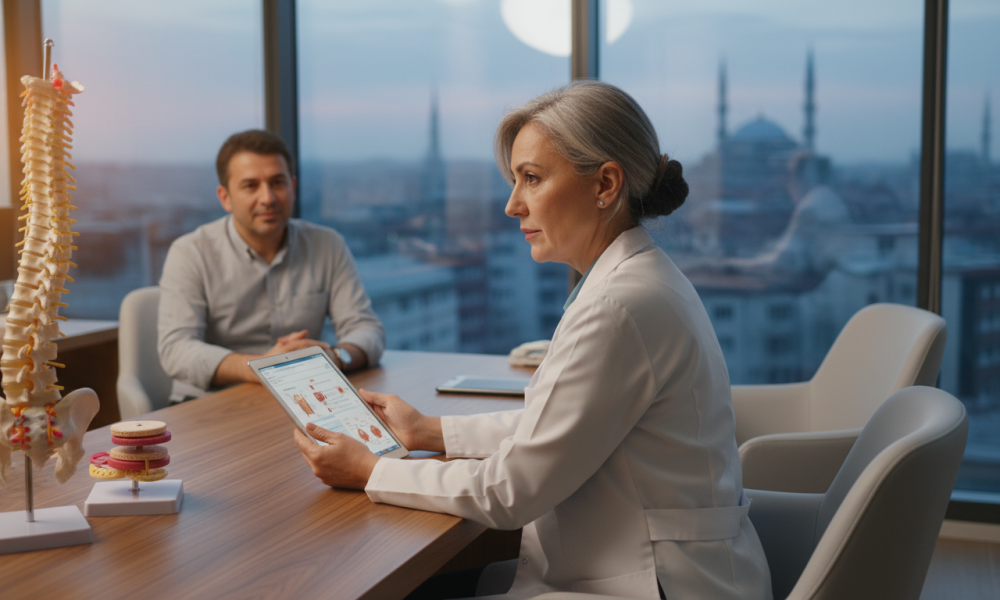
Choosing the right surgeon for spinal surgery abroad is key. It’s about finding someone with the right skills and experience. This ensures you get the best care possible.
Evaluating Credentials and Board Certifications
Start by checking the surgeon’s credentials. In Turkey, good surgeons belong to national medical groups. Board certification shows they’ve met high standards.
Ask about their medical school and residency. Transparency is key when picking a spine specialist. Make sure they’re licensed to practice.
The Importance of Specialised Spinal Training
Spinal surgery needs special skills. Look for surgeons with spinal surgery fellowships. This training means they know the latest techniques.
A spine specialist knows the unique challenges of nerve issues. They’ve done many similar surgeries, leading to better results. Choosing a specialist can greatly improve your recovery.
Reviewing Patient Testimonials and Surgical Outcomes
Look at patient feedback and success rates. Turkey’s clinics often share patient stories. These stories give insight into the care you’ll receive.
Also, ask about the clinic’s success rates and how they handle complications. A good team will talk openly about their surgical outcomes. Making a choice based on credentials and results is wise.
State-of-the-Art Facilities and Technology
Turkey is now a top name in medical technology, giving patients access to the best surgical places. These places mix cutting-edge innovation with a focus on the patient for top care. Turkish hospitals spend a lot on modern setups, making sure surgeries are safe and smooth.
Advanced Imaging and Diagnostic Equipment
Getting the right diagnosis is key for spinal care. Top hospitals in Turkey use high-resolution MRI and CT scanners to see the spine clearly. This helps doctors find where nerves are being squeezed before they start surgery.
Also, many places use 3D imaging during surgery. This tech gives feedback in real time, helping surgeons make precise moves. Such detailed checks cut down on mistakes.
Operating Theatre Standards and Sterilisation Protocols
Keeping things clean is a big deal in Turkish surgery rooms. They have advanced HEPA filtration systems to keep the air clean. This helps stop infections after surgery.
Staff follow strict rules for cleaning tools and areas. They stick to international standards, making sure patients get care in a clean place. This focus on cleanliness is a big part of Turkey’s medical tourism.
Integration of Robotic-Assisted Spinal Surgery
Robotic tech has changed spinal surgery for the better. It makes operations more precise, leading to smaller cuts and less damage. It’s great for spinal fusion because it helps place hardware just right.
Robotic systems help surgeons move more accurately. This means safer surgeries and quicker recovery times. Patients can trust that they’re getting the latest in medical robotics.
| Technology Feature | Benefit to Patient | Application |
|---|---|---|
| 3D Navigation | Increased Accuracy | Complex Spinal Fusion |
| Robotic Arms | Minimal Tissue Trauma | Minimally Invasive Surgery |
| HEPA Filtration | Infection Prevention | Operating Theatre Safety |
| High-Res MRI | Precise Diagnosis | Pre-operative Planning |
The Patient Journey from the United States
Patients from the United States often find arranging surgery in Turkey easy and well-organised. Modern healthcare providers have set up strong systems to support international visitors. By checking out your clinic or hospital well, you can start your journey with confidence in the care quality.
Initial Consultations and Remote Diagnostics
Your journey starts with a virtual consultation. You can talk about your spinal health with a specialist from home. You’ll share your medical history and scans through secure digital portals. This early collaboration means your surgeon knows your condition before you travel.
Remote diagnostics are key in this phase. They help plan your surgery precisely. The medical team can confirm if you’re a good candidate and plan your treatment. This makes you feel ready for your procedure.
Coordinating Travel and Accommodation Logistics
After scheduling your surgery, travel coordinators help with trip details. They offer packages with airport transfers, hotel stays, and local transport. Removing travel stress lets you focus on recovery and well-being.
These coordinators know how to manage spinal surgery patients’ needs. They make sure your accommodation is easy to get to and your travel plan allows for rest. Having a plan makes your international medical experience secure.
Language Support and Patient Liaison Services
Good care needs clear communication, which is why Turkish hospitals offer patient liaison services. These professionals help you understand your treatment. Language barriers are effectively eliminated with staff who speak fluently.
Your liaison will be with you at hospital visits. They help with communication with your surgical team. They also explain post-operative instructions and answer questions during your stay. The table below shows the support services for international patients.
| Service Category | Primary Benefit | Patient Outcome |
|---|---|---|
| Remote Consultation | Expert clinical review | Reduced pre-op anxiety |
| Logistics Coordination | Seamless travel experience | Enhanced physical comfort |
| Patient Liaison | Clear communication | Improved treatment adherence |
Pre-operative Preparation and Medical Screening
Getting ready for spinal surgery starts long before the operation. It’s important to prepare your body and mind well. This ensures your safety and helps with recovery. When you check out the doctor, good clinics focus on these steps to lower risks.
Essential Blood Tests and Physical Examinations
Your medical team needs to check if you’re fit for anaesthesia. You’ll have blood tests to check clotting, electrolytes, and organ function. These tests are vital to spot any health issues that might affect your surgery.
You’ll also have a physical exam. This includes an ECG to check your heart and a look at your medical history. These steps help your surgical team understand your health before you go to Turkey.
Managing Medications Before the Procedure
Managing your medications is key. Some drugs, like blood thinners, can raise the risk of bleeding during spinal surgery. You must tell your surgeon about all your medicines, including over-the-counter and herbal ones.
Your team will tell you which medicines to stop and when. It’s essential to follow these instructions carefully. Never stop taking a prescribed medicine without talking to your doctor or surgeon first.
Mental Preparation for Spinal Surgery
Spinal surgery can be emotionally tough, so mental preparation is as important as physical. Knowing what to expect and setting realistic goals can help reduce anxiety. Practising mindfulness or gentle exercise can also help you stay calm.
Having a strong support system is also vital. Talking to your family or a professional can help you feel emotionally stable. By preparing mentally, you’ll be ready to face spinal surgery with confidence and strength.
The Surgical Experience and Anaesthesia
Modern spinal surgery is a safe and comfortable place for you. Knowing what happens can make you feel more at ease. It helps to understand the steps your medical team takes.
Types of Anaesthesia Used in Spinal Procedures
Most people have general anaesthesia for a discectomy. This keeps you asleep and pain-free. It lets the surgeon work precisely while you stay calm.
Before surgery, a specialist checks your health history. They watch your vital signs closely. Your comfort and safety are the main focus for the anaesthesia team.
What to Expect During the Operation
Under anaesthesia, the team cleans the area carefully. The surgeon then makes a small cut to reach the disc. They use special tools and images to guide them.
The team keeps everything clean and organised. They remove the part of the disc that’s hurting your nerve. This is key to a successful spinal surgery and quick relief.
Post-operative Monitoring in the Recovery Room
After surgery, you go to a recovery room. Staff watch your heart rate, blood pressure, and oxygen levels. Immediate post-operative care is vital for spotting any issues early.
You might feel a bit drowsy as the anaesthesia wears off. Nurses help with pain and getting you moving. Once you’re okay, you’ll go to your private room to start recovering.
Post-operative Care and Rehabilitation
Healing starts right after you wake up in the recovery room. After surgery, the medical team works to keep you stable. This is key for sciatica treatment and keeping your spine healthy.

Immediate Recovery Protocols in the Hospital
After surgery, nurses watch your vital signs closely. Doctors often push for early mobilisation. This means sitting up or short walks early on.
This helps avoid blood clots and speeds up healing. Pain management is a top priority. You’ll get medication to keep you comfortable without too much sedation. It’s important to talk clearly with your nurses.
Physiotherapy Programmes for Long-term Success
Rehabilitation is key to your recovery. Physiotherapy starts soon after surgery. It helps you build strength and flexibility in your back.
Your therapist will teach you exercises that protect the surgery area. These exercises are made just for you. They help you avoid nerve problems in the future.
Managing Pain and Mobility During the First Week
The first week at home needs patience and following your surgeon’s advice. Focus on gentle movement, like short walks. Avoid heavy lifting or activities that could harm your healing tissues.
Staying active helps manage pain. Keep track of your medication and report any odd symptoms to your team. This helps your body heal well.
Potential Risks and Complications
Understanding the risks of spinal surgery is key to your recovery. Modern methods have made surgery safer, but risks remain. Transparency is essential for a good patient experience, preparing you for recovery.
Understanding Surgical Risks and Mitigation Strategies
Surgeons in Turkey use proactive strategies to lower risks. A detailed medical check before surgery helps identify risks. This lets the team tailor the surgery to your needs.
During surgery, advanced tools watch your health closely. Minimally invasive techniques reduce the risk of bleeding and tissue damage. These steps help protect your spinal health long-term.
Recognising Signs of Infection or Nerve Damage
Learning about post-op safety is important. You’ll get clear advice on watching your incision and body during healing. Early detection is key to managing issues.
Watch for signs like redness, discharge, or fever, which could mean infection. Also, report any new numbness, weakness, or pain. Catching these early helps prevent bigger problems.
Follow-up Care and Remote Monitoring
After hospital, your health care continues. Remote monitoring lets your team check on you from afar. This keeps you connected to professional advice at home.
Virtual check-ups help your surgeon track your progress. Sharing updates and data ensures your recovery stays on track. This structured care offers peace of mind and helps you get back to normal.
| Risk Category | Mitigation Strategy | Patient Action |
|---|---|---|
| Infection | Sterile theatre protocols | Monitor incision site daily |
| Nerve Irritation | Intraoperative monitoring | Report new numbness promptly |
| Blood Clots | Early mobilisation | Follow prescribed movement plan |
| Delayed Healing | Post-op physiotherapy | Attend all follow-up sessions |
Comparing Costs and Value for Money
Understanding the cost of spinal surgery worldwide is key. In the US, the cost of a discectomy can be very high. This is due to complex billing and high administrative costs. Turkey, on the other hand, offers top-notch medical care at a much lower price.
Analysing the Price Difference Between the US and Turkey
The cost difference is mainly due to lower operational costs and better currency rates in Turkey. Despite this, the quality of care is exceptionally high. Turkish hospitals have efficient systems and lower insurance costs. This means they can save a lot and pass these savings on to patients without cutting corners.
What is Typically Included in Surgical Packages
In Turkey, clinics offer complete surgical packages for international patients. These packages simplify the financial side by combining all necessary services into one price. They usually include the surgeon’s fees, anaesthesia costs, and your hospital stay.
These packages also include extra support services. You might get private airport transfers, accommodation for a friend, and initial tests. Choosing a package helps you manage your budget better and focus on getting better.
| Service Component | US Standard Cost | Turkish Package Value |
|---|---|---|
| Surgeon Fees | High | Included |
| Hospital Stay | Variable/High | Included |
| Diagnostic Imaging | Additional | Included |
| Post-op Medication | Additional | Included |
Hidden Costs to Consider When Budgeting
While packages offer great value, remember to budget for extra costs. You’ll need to pay for international flights, which can change based on when you book. Also, set aside money for personal expenses like food outside the hospital and any specialised rehabilitation equipment you might need when you get back.
Lastly, think about the possibility of needing to stay longer than expected. Having a financial buffer for unexpected costs or follow-up visits will give you peace of mind. With careful planning, your trip can be a worthwhile investment in your spinal health.
Legal and Ethical Considerations for Medical Tourists
Deciding to have a discectomy abroad is more than just a medical choice. It’s about knowing your legal rights. Turkey has top-notch facilities, but you must stay proactive about your rights as a patient. Knowing the laws of your destination is key to being ready for your treatment.
Understanding Patient Rights in International Settings
Every patient deserves clear communication, informed consent, and quality care, no matter where they are. In Turkey, hospitals follow strict rules that meet international standards. Always ask for a written contract that explains your surgery, the surgeon’s duties, and the hospital’s liability.
Keep copies of all medical records, reports, and consent forms in English. These are your proof if there’s any doubt about your treatment. Transparency is key to a fair medical experience, so ask for clear explanations on any documents you sign.
Insurance Coverage for Procedures Performed Abroad
Most US health insurance plans don’t cover surgeries abroad. You need to check with your insurer early to see if they offer any international coverage. Many people buy specialised medical travel insurance to cover unexpected costs.
Check your policy for emergency evacuation and follow-up care coverage. Not using a domestic policy can lead to big bills. Knowing your financial coverage helps you focus on healing, not paperwork.
Ensuring Continuity of Care Upon Returning Home
Planning for your return to the US is as important as the surgery. Talk to your local doctor or specialist before you leave. Give them a detailed report of your surgery and aftercare to keep your long-term recovery on track.
Your Turkish team should give you a detailed report with medication and rehab plans. Share this with your local doctors to avoid treatment gaps. A smooth transition is key for the best results.
| Consideration | Action Required | Importance |
|---|---|---|
| Legal Documentation | Verify all contracts and consent forms | High |
| Insurance Verification | Confirm international coverage limits | Critical |
| Medical Records | Request English copies of all files | High |
| Follow-up Planning | Coordinate with local US physician | Critical |
Lifestyle Adjustments for Spinal Health
Looking after your spine is more than just surgery. It’s about making lasting changes to your health. After back surgery, your body needs time to adjust. Small, consistent changes in your daily life can greatly improve your comfort and mobility.
Ergonomic Improvements for Daily Activities
Your environment is key to your spine’s recovery. If you work at a desk, make sure your chair supports your lower back. Adjusting your monitor height to eye level helps avoid neck and upper spine strain.
When lifting, bend at the knees, not the waist. Keeping objects close to your body reduces strain on your vertebrae. These habits are essential for those with a herniated disc.
Exercises to Strengthen the Core and Back
A strong core supports your spine, providing stability. Try low-impact exercises like pelvic tilts, bridges, and gentle planks. These exercises engage your abdominal muscles and help distribute weight evenly.
Start slowly and be consistent in your early recovery. Always check with your physiotherapist before starting new exercises. Building muscle strength helps support your spine and prevent future injuries.
Long-term Maintenance to Prevent Recurrence
To prevent a herniated disc from coming back, focus on your overall health. Keeping a healthy weight reduces pressure on your spinal discs. Staying hydrated also keeps your discs flexible and strong.
Pay attention to your body and avoid activities that cause pain. Regular check-ups with your doctor are important. They help you track your progress and catch any issues early. By caring for your spine, you can enjoy the benefits of your back surgery for years.
Success Rates and Long-term Prognosis
Getting good results from spinal surgery needs careful surgery and hard work in recovery. People want to know how their life will change after the surgery. Knowing what to expect long-term helps them stay positive during healing.
Statistical Outcomes for Discectomy Patients
Discectomy surgery really helps those with leg pain. Most people feel much better right after the surgery. Studies show that many keep feeling good for years.
The main goal of spinal decompression is to remove the problem. This lets the nerves heal better. It’s a big step towards getting better.
Factors Influencing the Success of the Surgery
Many things affect how well the surgery works. Being healthy, not smoking, and following recovery plans are key. These help the body heal faster and stronger.
Good spinal decompression is just the start. Doing exercises and staying healthy are also important. They help prevent problems later on.
Returning to Normal Activities and Work
Going back to normal takes time and careful advice from doctors. Many feel better soon, but the spine needs time to settle. Most can go back to light work in a few weeks, if they follow the right rules.
It’s best to avoid heavy lifting and hard work for a while. Here’s a table showing when you can start doing different things again after discectomy surgery.
| Recovery Phase | Timeframe | Activity Level |
|---|---|---|
| Immediate Post-op | Weeks 1-2 | Walking and light movement |
| Early Recovery | Weeks 3-6 | Return to sedentary work |
| Active Rehabilitation | Months 2-3 | Gradual return to exercise |
| Full Recovery | Months 6+ | Resumption of all activities |
Conclusion
Deciding to have spinal surgery is a big choice that affects your life for years to come. Turkey has top-notch medical care and modern facilities for those with chronic pain. By doing your homework and choosing trusted places, you’re in good hands.
Your success depends on your dedication to the whole process. This means getting ready well before your surgery and following your recovery plan closely. Working closely with your doctors helps you set realistic goals and get the best results.
You have the power to make your life more mobile and active again. Look into your options with confidence and clarity. Taking the first steps towards a pain-free life begins with the choices you make today.
FAQ
Q: Why has Turkey become a leading destination for discectomy surgery?
A: Turkey is known for its top-notch medical care and skilled surgeons. It offers lower costs than the US. Patients get sciatica treatment in facilities with international accreditations, like the Joint Commission International (JCI).
Q: What exactly is a herniated disc and how does it cause pain?
A: A herniated disc happens when the soft centre of a disc bulges through a tear. This can press on nerves, causing pain, numbness, or weakness. If these symptoms affect daily life, medical help is needed.
Q: How is the quality of healthcare regulated for international patients in Turkey?
A: Turkey’s Ministry of Health checks all medical facilities for tourists. Hospitals like Acibadem Healthcare Group follow strict safety and quality rules. This ensures high-quality care for back surgery.
Q: What is the difference between a discectomy, a laminectomy, and a spinal fusion?
A: A discectomy removes the part of the disc pressing on a nerve. A laminectomy removes part of the bone to make space for nerves. A spinal fusion joins vertebrae together using bone grafts or metal implants.
Q: What are the primary benefits of minimally invasive surgery for spinal conditions?
A: Minimally invasive surgery uses advanced tech for smaller incisions. It causes less tissue damage, less pain, and faster recovery. This lets patients get back to normal life sooner.
Q: How should I evaluate the credentials of a spinal surgeon in Turkey?
A: Check if the surgeon is board-certified and has special training in spinal surgery. Look for memberships in international groups like the North American Spine Society (NASS). Reading patient testimonials and checking surgical outcomes is also key.
Q: What kind of technology can I expect in top-tier Turkish hospitals?
A: Top Turkish hospitals have the latest diagnostic tools, like MRI and CT scanners. They use robotic-assisted systems for precise surgery. Operating theatres follow strict sterilisation protocols to reduce infection risk.
Q: How is the travel process coordinated for patients coming from the United Kingdom or United States?
A: The journey starts with remote consultations and sharing medical records. Patient liaison services help with travel, including airport transfers and accommodation. This ensures a smooth experience from arrival in Turkey.
Q: What pre-operative screenings are necessary before undergoing spinal surgery?
A: Patients have blood tests, ECGs, and physical checks before surgery. Surgeons also give instructions on managing medications and preparing mentally for the surgery.
Q: What happens during the surgical procedure and immediate recovery?
A: Surgery is done under general anaesthesia. The surgeon removes the disc material to relieve nerve pressure. After, patients are closely monitored in the recovery room for comfort and vital signs.
Q: What does the post-operative rehabilitation programme involve?
A: Recovery starts with immediate mobility to prevent blood clots. A physiotherapy programme helps strengthen muscles and restore flexibility. Pain management and gradual activity increases are key in the first week.
Q: What are the primary risks associated with discectomy surgery?
A: Risks include infection, bleeding, or dural tears. There’s also a small chance of nerve damage or disc herniation. Surgeons use precise techniques and monitor closely to reduce these risks.
Q: How much can I expect to save on spinal surgery in Turkey?
A: Costs for discectomy surgery in Turkey are 50% to 70% lower than in the US or UK. Hospitals offer packages that include the surgeon’s fee, hospital stay, and medications. Remember to budget for flights and personal expenses.
Q: Are my legal rights protected when undergoing surgery abroad?
A: Patients have rights under Turkish law and international standards. Choose hospitals with clear consent documents and protocols for care. Check insurance coverage for international procedures.
Q: What lifestyle adjustments should I make to maintain spinal health after surgery?
A: Improve your daily life with ergonomic changes and proper lifting. Regular exercises strengthen the core. Keeping a healthy weight and avoiding smoking helps prevent future problems.
Q: What is the long-term prognosis after a discectomy?
A: Discectomy surgery has high success rates, with most patients feeling better. They can usually return to sedentary work in two to four weeks. More demanding jobs may need longer recovery times.
Related guides

Healthcare Content Compliance Guide for Growth
A high-performing treatment page can generate international patient inquiries within hours. It can also create material risk if…
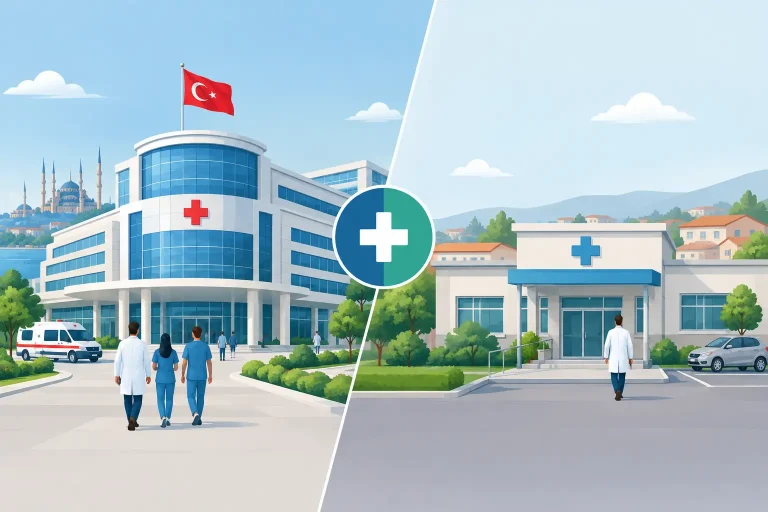
Turkey Hospitals vs Local Hospitals Compared
A lower procedure quote can get a patient’s attention. It should not make the decision on its own.…

Patient Experience That Drives Trust and Growth
A patient who has already uploaded medical records, compared providers, and arranged time away from work is not…