
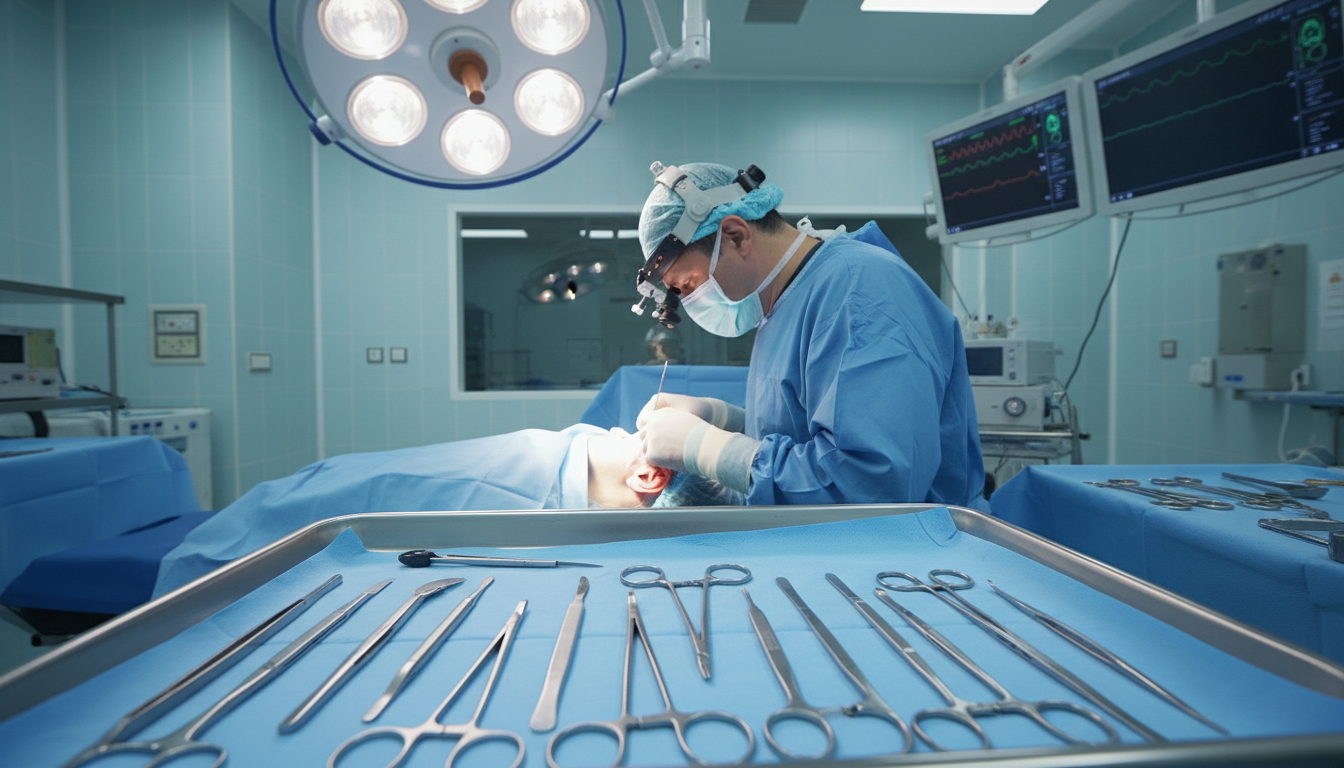
Turkey is now a top choice for people looking for quality medical care. Many from the United States travel there for specialised care for complex health issues.
People choose Turkey for reconstructive ear surgery because it’s affordable yet offers top-notch care. It’s a place where advanced technology meets caring support for those on a life-changing journey.
Key Takeaways
- Turkey is recognised as a leading hub for medical tourism and specialised clinical procedures.
- Patients from the United States frequently choose this destination for its high standards of healthcare.
- The country provides access to highly skilled professionals for complex physical transformations.
- Choosing international care allows for a balance of cost-effectiveness and premium medical quality.
- This guide assists those planning their path toward successful outcomes and improved wellbeing.
Understanding the Scope of Ear Reconstruction Surgery
Exploring ear deformity correction starts with knowing the ear’s anatomy and problems. People want to know how surgery can fix looks and function of the outer ear.
Defining Auricular Reconstruction and Its Medical Necessity
Auricular reconstruction is a complex area of plastic surgery. It aims to fix the ear’s shape and function. This is needed when the ear is missing, too small, or badly damaged.
The main aim is to make an ear that looks natural and fits the face. With new surgical methods, doctors can greatly improve a patient’s confidence and hearing.
Common Conditions Requiring Surgical Intervention
Many conditions need surgery to fix the ear’s look. These are split into two types: those you’re born with and those happen later in life.
- Congenital conditions: These are present from birth and often mean the ear didn’t fully develop.
- Acquired deformities: These happen due to accidents, burns, or other injuries.
Microtia and Anotia Explained
Microtia is when the outer ear is small or not fully formed. Anotia is when the ear is missing altogether.
To fix these, ear correction surgery is needed. Surgeons carefully create a new ear shape that fits with the skin around it.
Trauma-Related Ear Deformities
Accidents can change the ear’s shape and strength. While otoplasty is often for looks, it’s also key for fixing ears hurt by accidents or sports.
Fixing the ear after an injury needs a custom plan. Doctors aim to rebuild the ear’s natural shape for both looks and function.
Why Turkey Has Become a Global Hub for Plastic Surgery
Turkey’s rise in plastic surgery is not by chance. It’s the result of years of careful planning. The country has become a top choice for those looking for auricular reconstruction and other surgeries. Turkish clinics mix old-world charm with cutting-edge technology, drawing patients from all over.
The Evolution of Medical Infrastructure in Turkish Hospitals
In the last twenty years, Turkey’s healthcare has changed a lot. Hospitals have bought state-of-the-art technology. This means surgeons can do complex surgeries more safely and accurately.
Now, many Turkish hospitals are on par with the best in Europe and North America. Looking for a clinic? Check out a guide to choosing right orthopedic clinic in Turkey. This guide helps you see the high standards these clinics keep.
Accreditation Standards and International Patient Care
Keeping patients safe is key in Turkey’s medical tourism. Many hospitals have Joint Commission International (JCI) accreditation. This means they meet global quality and safety standards. It gives international patients peace of mind, whether they’re here for auricular reconstruction or other surgeries.
Here’s what makes top Turkish hospitals stand out:
| Feature | Standard of Care | Patient Benefit |
|---|---|---|
| JCI Accreditation | International Compliance | Verified Safety Protocols |
| Medical Technology | Advanced 3D Imaging | Precision Surgical Planning |
| Staff Expertise | Board-Certified Specialists | High Success Rates |
| Patient Support | Multilingual Liaison Teams | Seamless Communication |
Turkish hospitals also focus on making patients feel welcome. They have special teams for international patients. These teams help with language and logistics, making sure patients are supported every step of the way.
The Expertise of Turkish Plastic Surgeons
When looking into plastic surgery for ears, the surgeon’s skill is key. Patients need to find doctors who know a lot about looks and how things work inside the body.
Training and Specialisation in Craniofacial Surgery
Turkish doctors go through very tough training. Many focus on fixing faces, needing a lot of skill and intricate knowledge of facial parts.
This training helps them deal with hard cases. They learn advanced ways to fix ears, giving superior outcomes to patients.
The Importance of Board Certification and Experience
Board certification shows a surgeon’s dedication to safety and high standards. Always check if your surgeon is certified by a known medical board when looking into plastic surgery for ears.
Also, extensive experience in ear surgery is vital. A surgeon with lots of successful cases is ready for any patient’s needs and ensures a smooth recovery.
Choosing a well-qualified surgeon is the most important step. Spending time to find the right one means your plastic surgery for ears will be done with the best care and skill.
Types of Ear Reconstruction Techniques
Ear Reconstruction Surgery offers many options, from traditional grafting to new synthetic materials. Surgeons pick the best method for each patient. They aim for a stable and beautiful result, whether it’s for function or looks.
Autologous Rib Cartilage Grafting
This method is the gold standard in ear reconstruction. Surgeons take cartilage from the patient’s ribs to create a new ear shape. This approach is less likely to be rejected by the body, ensuring long-lasting results.
This method needs skilled surgeons but is often chosen for its lasting effects. It’s best for complex cases needing a lot of tissue work. It’s a key part of modern otoplasty and reconstructive medicine.
Synthetic Frameworks and Medpor Implants
For those not wanting rib cartilage, synthetic frameworks are a good option. Medpor implants are made of a special material that shapes the ear. This method is quicker and has less downtime than traditional grafting.
These implants let the body grow into them, making them secure. They’re great for those without enough rib cartilage. They offer a consistent look for many people.
Prosthetic Ear Options and Their Applications
When grafting isn’t possible, prosthetics are a good choice. These custom-made ears are made to match the patient’s face. They’re held in place with adhesives or implants.
Prosthetics are perfect for those avoiding surgery or facing past surgery failures. They’re a non-surgical way to regain symmetry and confidence. This ensures everyone can find an effective ear augmentation solution.
The Pre-Operative Consultation Process
Starting your ear reconstruction journey begins long before flying. This first step is crucial for ensuring safety and matching your goals with what’s possible in Turkey. Early clear communication helps you feel confident and clear about your procedure.

Virtual Consultations for International Patients
Today, technology helps patients from abroad easily connect with surgeons. You can talk to your surgeon via video from home. These chats are a thorough discussion about your needs, without needing to travel.
During these chats, surgeons can look at your ear and explain the surgery plan. This digital start ensures you know all about the surgery before your trip. It’s a vital foundation for a good doctor-patient relationship.
Assessing Patient Candidacy and Medical History
Your medical history is next in checking if you’re right for surgery. Surgeons want to know about any ear problems, health issues, or past surgeries. This helps them plan the surgery just for you.
You might need to send photos from different angles. These help the surgeon understand your ear’s needs and choose the best method. Being open at this stage is key for your health and safety.
Setting Realistic Expectations for Aesthetic Outcomes
Talking openly about what you can expect is key. Surgery can greatly improve your ear’s look and function, but results vary. Your surgeon will give you a realistic view of what’s possible.
By talking about these expectations early, you avoid surprises. Clear communication helps you make a well-informed choice. This teamwork makes sure you’re happy with your decision.
Planning Your Medical Journey to Turkey
Starting your journey to a successful surgery is all about planning well. Traveling abroad for medical care might seem tough, but it’s made seamless and stress-free for you. By getting ready early, you can focus fully on getting better.
Logistics of Travel and Accommodation
Top clinics in Turkey help a lot with your visit’s details. It’s smart to book flights that let you arrive comfortably. This way, you have time to settle before your first meeting with doctors.
Choosing a hotel close to the hospital is a good idea. It makes getting to the clinic easier when you’re recovering. Look for hotels with features that help with recovery, like easy access and staff nearby.
Coordinating with Patient Liaison Services
Choosing a top Turkish clinic means you get help from patient liaison services. They handle everything from picking you up at the airport to booking your next appointments. They’re expertly trained to meet the needs of visitors from abroad, making sure language or cultural issues don’t get in the way.
Working with your liaison makes planning your trip easy. They sort out local transport, so you’re always on time for your treatments. This lets you relax and focus on getting better, knowing everything is taken care of.
The Surgical Procedure and Anaesthesia
The day of your operation is carefully planned to make you comfortable and safe. From the moment you arrive at the clinic, a dedicated team will guide you. They focus on your needs, creating a calm environment for your surgical ear reshaping procedure.
What to Expect on the Day of Surgery
When you arrive, you’ll have a final check-up to confirm your health. The team will review your medical history and discuss your surgery plan. Then, you’ll go to the preparation area to meet the anaesthesiologist who will care for you.
The clinics in Turkey are calm and highly organised. You’ll wear comfortable clothes and have time to settle before the surgery starts. This time is for any last questions to make you feel at ease.
Anaesthesia Protocols and Patient Safety
Your safety is the top priority during surgery. Anaesthesia protocols are followed to keep you comfortable and pain-free. The anaesthesiologist uses advanced equipment to monitor your vital signs.
Using modern anaesthetic techniques, surgeons can do complex reconstructions with precision. These plans are made for your age, health, and surgery needs. You’re in good hands, as the medical team is trained to handle your body’s response during the operation.
Duration and Complexity of the Operation
The surgery’s length depends on the complexity of the reconstruction. Some procedures are simple, while others, like cartilage grafting, may take longer. Your surgeon will give you an estimated time during your consultation, but it can change based on your surgical ear reshaping.
The table below shows the typical phases of your surgical day. It helps you understand the operation’s flow:
| Surgical Phase | Focus Area | Estimated Duration |
|---|---|---|
| Pre-operative Prep | Assessment and Anaesthesia | 60 – 90 Minutes |
| Primary Procedure | Framework Construction | 3 – 5 Hours |
| Post-operative Recovery | Monitoring and Stabilisation | 2 – 4 Hours |
The meticulous nature of this surgery ensures every detail is cared for. Surgeons focus intensely to achieve the best results. Knowing these phases helps you feel confident and clear about your procedure.
Post-Operative Care and Recovery Timeline
The journey to your new look doesn’t end when you leave the operating room. A good recovery plan is essential for the best results after ear reshaping surgery. Following medical advice helps your body heal well and safely.
Immediate Aftercare in the Hospital
When you wake up, the medical team will watch you closely. Nurses will check your vital signs and make sure your dressings are in place. Patient safety is the main focus in these early hours.
You might feel a bit dazed or confused as the sedation fades. The staff will give you clear instructions on what to do and eat. They’ll tell you to stay upright to avoid putting pressure on the surgery area.
Managing Pain and Reducing Swelling
Feeling some discomfort or tightness around your ears is normal as the anaesthetic wears off. Your surgeon will give you pain medication to help. It’s important to follow the dosage instructions carefully for a smooth recovery.
Swelling and bruising are common after ear reshaping surgery. To reduce these, sleep with extra pillows to keep your head up. Cold compresses, as advised by your doctor, can also help reduce swelling and inflammation.
Long-term Healing and Follow-up Requirements
The healing process takes time and requires patience and care. Avoiding hard activities or sports for a few weeks is important to protect the new cartilage. Following all post-operative instructions is key to avoiding complications.
Regular check-ups are necessary to track your healing and ensure everything is going well. These visits let your surgeon see how the tissues are settling and address any worries. Keeping in touch with your clinic helps make sure your results meet your expectations.
Potential Risks and Complications
While ear deformity correction is a life-changing procedure, it’s important to know the risks. Every big surgery has some uncertainty. Knowing this helps you make the best choices for your health.
Transparency is key in top-notch care. Reputable clinics in Turkey focus on this.
Understanding Surgical Risks and Mitigation Strategies
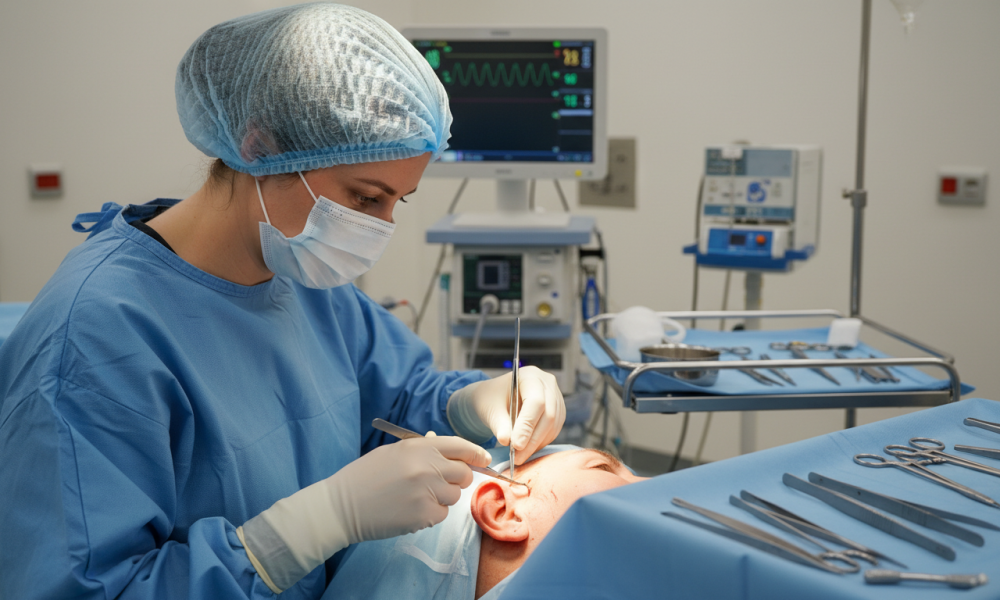
There are general risks like reactions to anaesthesia, bleeding, or haematoma. Turkish medical facilities put a big focus on patient safety. They do thorough checks before surgery to spot any health issues early.
Surgeons use the latest techniques for the best look and safety. They follow strict international rules to lower risks in ear deformity correction. Careful planning and precise work are key to keeping you safe.
Recognising Signs of Infection or Healing Issues
After surgery, you need to watch the area closely. Look out for signs like redness, swelling, or pain that won’t go away. These could mean an infection or healing problems.
If you see any odd signs, get in touch with your doctor right away. Early action is best to tackle these issues. Keeping in touch with your surgeon helps your ear deformity correction journey stay safe and supported.
Comparing Costs of Ear Reconstruction Surgery
Getting top-notch results from Ear Reconstruction Surgery doesn’t have to break the bank. Many people are finding that medical hubs abroad offer excellent care at lower prices than in Western countries.
Analysing the Price Difference Between Turkey and the United States
The cost difference between Turkey and the US mainly comes from lower costs and better exchange rates. American clinics face high costs from admin and insurance. But Turkish clinics offer exceptional standards at more affordable prices.
Going for Ear Reconstruction Surgery in Turkey can save a lot of money. Yet, it doesn’t mean you’re getting less quality or care. This makes top medical skills more accessible to those who might not have been able to afford them before.
“The true value of medical tourism lies in the ability to access top-tier surgical talent in an environment that prioritises both patient outcomes and financial transparency.”
What is Typically Included in Surgical Packages
Turkish clinics are known for their all-inclusive packages. These packages cover everything you need for Ear Reconstruction Surgery. This way, you won’t face any surprise costs during your recovery.
These packages usually include:
| Service Component | Standard Inclusion |
|---|---|
| Surgical Fees | Included |
| Hospital Stay | Included |
| Post-operative Care | Included |
| Local Transfers | Included |
By combining these costs, clinics make Ear Reconstruction Surgery easier. Patients can focus on getting better. They know their surgery, stay, and care are all taken care of by the medical team.
Psychological Impact and Quality of Life Improvements
Ear reconstruction surgery changes how people see themselves. Many carry the emotional weight of visible ear deformities for years. This can affect their social life and outlook. By choosing ear correction surgery, patients often overcome these insecurities.
The Role of Ear Correction Surgery in Boosting Self-Esteem
Many say this surgery is life-changing. When a feature causing distress is fixed, self-confidence often soars. This lets people enjoy social events without worrying about being judged.
Effective ear correction surgery leads to mental health improvements. It helps:
- Reduce social anxiety related to physical appearance.
- Improve overall body image and self-perception.
- Encourage more active participation in group activities and public life.
Long-term Benefits for Children and Adults
For kids, timing is key for social growth. Fixing ears before school can stop bullying or teasing. This ensures a child grows up with a strong sense of self-worth.
Adults also see big benefits. They feel more at ease in work and personal life, no longer hiding their ears. Choosing ear correction surgery is a step towards lasting happiness and emotional health.
Selecting the Right Clinic for Your Needs
Choosing the right clinic is key to the success of your plastic surgery for ears. It’s important to make this choice carefully for your safety and happiness. Look for clinics that value quality and are open about what they do.
Researching Surgeon Portfolios and Patient Testimonials
A good clinic will show you their past work. Look at the before-and-after photos to see if you like their style. Check if they have similar results in many cases.
Real patient stories are also important. Look for feedback on everything from the first meeting to getting better after surgery. Good comments on how they talk to you and help you after can show they’re trustworthy.
Questions to Ask During Your Initial Consultation
The first meeting is your chance to get to know your surgeon and ask questions. Make a list of things you want to know about your plastic surgery for ears. Being ready shows you’re serious about making the right choice.
Ask about the surgeon’s experience with your problem and how long it will take to get better. Also, find out about their safety measures and how they handle problems. These questions help you see if the clinic fits your health goals and what you expect from your plastic surgery for ears.
Legal and Ethical Considerations for Medical Tourists
Choosing ear reconstruction in Turkey means your safety is key. Understanding the legal system of a foreign country can be tough. But it’s essential to check your clinic or hospital to meet international standards.
Understanding Patient Rights and Informed Consent
Informed consent is the heart of ethical medicine. It makes sure you know the risks, benefits, and other options before you agree. Transparency is vital; your surgeon should explain everything clearly.
You can ask about the surgeon’s skills and the surgery plan. Never rush to sign if you’re unsure. A good clinic will give you time to think and ask questions.
“The ethical duty of a surgeon is to make sure the patient is involved in their health journey. This means giving full informed consent.”
Navigating Medical Records and Continuity of Care
Keeping detailed medical records is important for your health. After surgery, you should get a full report of the procedure and any implants. This helps your doctor back home give you the best care.
Good care means sharing your medical info with your local doctors. Always ask for digital and paper copies of your medical reports. This helps avoid risks and ensures your care is based on accurate information.
| Document Type | Purpose | Importance Level |
|---|---|---|
| Informed Consent Form | Legal agreement of procedure risks | Critical |
| Surgical Summary | Details of the reconstruction | High |
| Post-Op Instructions | Recovery and medication guide | High |
| Anaesthesia Record | Safety tracking for future care | Medium |
Advancements in Reconstructive Ear Surgery Technology
Modern technology is changing what’s possible in reconstructive ear surgery. It lets surgeons achieve better precision and look. Digital tools help teams create results that are both functional and natural-looking.
3D Imaging and Customised Surgical Planning
3D imaging has changed how specialists tackle complex cases. Surgeons make detailed digital models before surgery. This meticulous planning makes sure the procedure fits the patient perfectly.
Customised templates are made from these scans to guide graft placement. This is key for ear augmentation, where matching the ears is critical. It lets patients and surgeons share clear expectations.
Future Trends in Tissue Engineering and Regenerative Medicine
The field is moving towards regenerative medicine to improve care. Researchers are working on bio-printed scaffolds for cartilage growth. This could make grafting less necessary.
Stem cell therapy is also promising for ear augmentation. It uses a patient’s cells to grow new tissue. This could lead to faster recovery and more lasting results in reconstructive ear surgery.
Conclusion
Starting your ear reconstruction journey needs careful planning and a clear idea of what you want. Turkey has top-notch medical facilities. They use the latest surgical methods and focus on the patient.
Finding a skilled surgeon is key to your safety and happiness. Your journey to change depends on talking openly with your medical team. This way, your surgeon can make procedures that fit you perfectly.
Look at portfolios and check the qualifications of places like Istanbul or Ankara. Doing your homework helps you make smart choices about your health. A well-thought-out trip can bring lasting changes to your life.
Contact trusted patient liaison services to start your consultation. Choosing the right partner is vital for a great surgical experience. Make sure to focus on your health and choose the best for your journey.
FAQ
Q: Why is Turkey considered a premier destination for Ear Reconstruction Surgery?
A: Turkey is a top choice for ear surgery because of its excellent medical setup and skilled surgeons. Places like the Acıbadem Healthcare Group and Memorial Hospitals Group meet high international standards. They offer ear surgery that’s as good as in the UK or US, but often cheaper.
Q: What medical conditions necessitate auricular reconstruction?
A: Auricular reconstruction fixes ear problems like microtia or anotia. It also helps after injuries, burns, or skin cancer surgery. This surgery makes the ear look and work better.
Q: What are the primary techniques used in surgical ear reshaping?
A: In Turkey, surgeons use advanced methods for ear reshaping. They often use the patient’s own rib cartilage. For others, synthetic implants or prosthetics are used.
Q: How do I verify the expertise of a surgeon performing ear correction surgery?
A: Look for surgeons who are board-certified and specialise in ear surgery. Many Turkish experts are part of the International Confederation of Plastic Surgery Societies (ICOPLAST). Check patient reviews and before-and-after photos to choose the right surgeon.
Q: How does the cost of reconstructive ear surgery in Turkey compare to other countries?
A: Ear surgery in Turkey is 50% to 70% cheaper than in the UK or US. Clinics offer packages that include everything, making it easy for international patients.
Q: What does the recovery process involve after ear augmentation?
A: After surgery, patients stay in the hospital for a day or two. They manage swelling with medication. Healing takes time, but most can do light activities in a few weeks. The full results take months.
Q: Is a virtual consultation possible for international patients seeking otoplasty or reconstruction?
A: Yes, top clinics in Istanbul and Ankara offer virtual consultations. This helps discuss the surgery and set expectations before travel.
Q: What are the possible risks associated with Ear Reconstruction Surgery?
A: Risks include infection, scarring, or blood supply problems. Turkish hospitals use strict safety measures and technology to reduce these risks. Choosing a clinic with good pre- and post-operative care is key.
Q: How has technology improved the outcomes of reconstructive ear surgery?
A: Technologies like 3D imaging and custom planning have changed ear surgery. Surgeons can now plan surgeries with great accuracy. Research in tissue engineering and regenerative medicine is also improving results.
Q: What psychological benefits can be expected from ear correction surgery?
A: Ear surgery boosts self-esteem and confidence. It can greatly improve the life of those with microtia or trauma-related deformities. A natural-looking ear can reduce the psychological impact of physical differences.
Related guides

Healthcare Content Compliance Guide for Growth
A high-performing treatment page can generate international patient inquiries within hours. It can also create material risk if…

Turkey Hospitals vs Local Hospitals Compared
A lower procedure quote can get a patient’s attention. It should not make the decision on its own.…

Patient Experience That Drives Trust and Growth
A patient who has already uploaded medical records, compared providers, and arranged time away from work is not…