
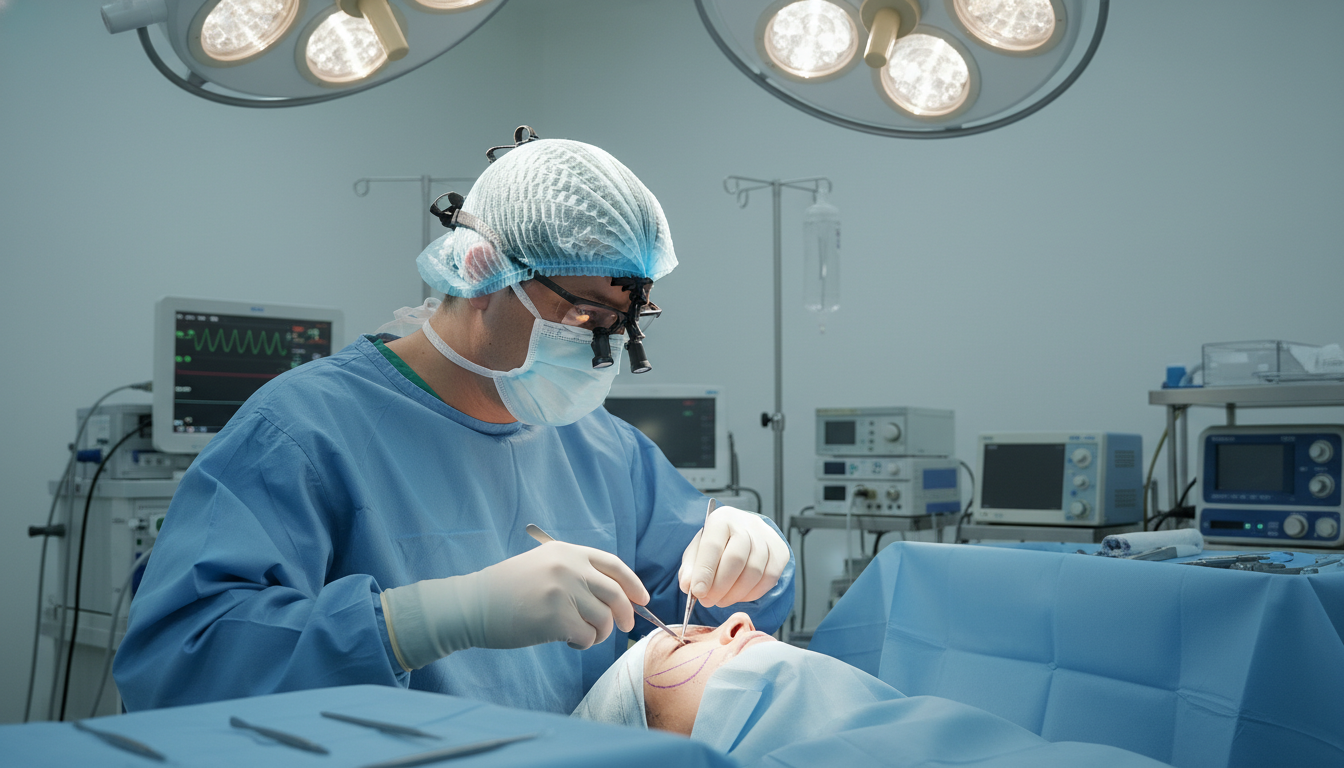
Turkey is becoming a top choice for people wanting top-notch beauty treatments. Many from the United States are going there for cheaper, yet high-quality care. This is because Turkey offers world-class medical services at lower costs than in the US.
This trend shows a big change in how we see personal wellness and self-confidence. Facial Scar Removal Surgery today can change lives. It helps people get back their skin’s natural look. By picking top clinics, patients get the best care and results.
If you have scars from long ago or recent injuries, these surgeries can change your life. Knowing about Facial Scar Removal Surgery is the first step to reaching your beauty goals with confidence.
Key Takeaways
- Turkey is a leading hub for international patients seeking affordable, high-quality cosmetic procedures.
- American travellers increasingly favour Turkish clinics for their advanced medical infrastructure and expertise.
- Modern interventions provide effective solutions for improving skin texture and reducing visible marks.
- Professional clinics prioritise patient safety and individualised treatment plans to ensure optimal outcomes.
- Choosing the right medical facility is essential for achieving successful results and a smooth recovery process.
Understanding the Prevalence and Impact of Facial Scarring
Many people face lasting physical and emotional scars from injuries or skin conditions. These scars remind them of past traumas, surgeries, or severe acne. They can greatly change how someone sees themselves. Professional help is often sought to lessen these reminders and help them feel normal again.
Facial scarring is common, affecting people from all backgrounds. Some scars are small, while others are deep or disfiguring. This can make people feel more self-conscious in public and at work. It’s important to remember that everyone’s skin reacts differently to injuries, so treatments need to be customised.
Every scar is unique, so a detailed medical check is the first step. Experts must look at the scar’s depth, texture, and where it is to choose the best Facial Scar Revision Techniques. With the right treatment, many people see big improvements in their skin’s look and feel.
The aim of modern medicine is to find solutions that meet each person’s needs. Whether it’s surgery or non-surgical methods, Facial Scar Revision Techniques can help people feel more confident. Getting advice from experts ensures the chosen treatment is safe and works well for the long term.
Why Turkey Has Become a Global Hub for Facial Scar Removal Surgery
Turkey’s rise in medical tourism is not by chance. It’s the result of smart investments and top-notch clinical skills. Over ten years, Turkey has upgraded its healthcare to meet world standards. Now, it’s a top spot for Facial Scar Removal Surgery with reliable, high-quality results.
Its success comes from skilled surgeons with international certifications. They use both old-school surgical skills and new aesthetic medicine. Patients enjoy a smooth experience that focuses on safety and looks.
“Turkey has successfully bridged the gap between luxury medical care and affordability, setting a new standard for the global medical tourism industry.”
Choosing Turkey also means saving money. Clinics offer all-inclusive packages, so patients don’t worry about extra costs. This lets them focus on getting better. Here’s why many pick Turkey for Facial Scar Removal Surgery.
| Feature | Turkey | Western Europe | United States |
|---|---|---|---|
| Average Cost | Competitive | High | Very High |
| Wait Times | Minimal | Moderate | Long |
| Facility Quality | State-of-the-art | Modern | Modern |
| Surgeon Expertise | Board-Certified | Board-Certified | Board-Certified |
Modern facilities and a focus on patients make Facial Scar Removal Surgery more accessible. Turkey keeps improving, staying at the forefront of reconstructive care. This dedication draws people worldwide looking for effective skin solutions.
Types of Scars Suitable for Surgical Revision
Choosing the right surgical technique is key for a good outcome. Before a Scar Revision Procedure, it’s important to know that different scars need different treatments. This ensures both the doctor and patient know what to expect.
Hypertrophic and Keloid Scars
Hypertrophic scars are raised, red, and itchy. They stay within the injury area. On the other hand, keloid scars grow too much and spread beyond the injury. They can be hard to treat, needing surgery and steroid shots to stop them from coming back.
Atrophic Scars and Acne Pitting
Atrophic scars are small depressions in the skin, often from severe acne. They happen when the skin doesn’t heal fully. A Scar Revision Procedure aims to even out the skin by removing or lifting these scars.
Contracture Scars from Burns or Trauma
Contracture scars are the most challenging. They make the skin tight and can limit movement. These scars come from deep burns or trauma. Surgeons use special methods to loosen the skin and improve movement.
“The goal of any revision is not to erase the past, but to improve the texture and appearance of the skin so that it blends harmoniously with the surrounding tissue.”
| Scar Type | Primary Characteristic | Common Treatment Goal |
|---|---|---|
| Hypertrophic | Raised, confined to wound | Flattening and softening |
| Atrophic | Depressed, pitted | Surface levelling |
| Contracture | Tight, restrictive | Restoring mobility |
Choosing the right Scar Revision Procedure needs a careful look by a skilled doctor. Knowing your scar type helps prepare for the healing process.
Common Facial Scar Revision Techniques
When you think about a scar revision procedure, knowing the surgical methods is key. Surgeons look at the scar’s depth, location, and direction. This helps them choose the best way to make your skin smoother.
Surgical Excision and Re-suturing
This basic method removes the scar tissue completely. The surgeon then stitches the skin back together with meticulous suturing techniques.
The aim is to swap a wide or uneven scar for a thinner, more refined line. This scar revision procedure focuses on reducing tension on the wound while it heals.
Z-plasty and W-plasty Techniques
Z-plasty and W-plasty are special techniques for dealing with linear scars. They use small triangular flaps to move the scar tissue. This makes it blend better with the skin around it.
A Z-plasty is great for making a scar longer. A W-plasty helps hide long, straight scars. Both need a lot of precision for the best results.
Tissue Expansion Methods
For big scars, tissue expansion might be needed. It uses a balloon-like device under the skin to grow extra skin. This is done over weeks.
When enough skin is grown, the scar is removed. The surgeon then uses the extra skin to cover the area. This scar revision procedure is a complex method. It replaces scarred skin with healthy, matching tissue.
| Technique | Primary Use | Key Benefit |
|---|---|---|
| Excision | Narrowing wide scars | Creates a finer line |
| Z/W-plasty | Linear scar redirection | Blends with skin lines |
| Tissue Expansion | Large area coverage | Uses healthy local skin |
Non-Surgical Dermatological Scar Treatment Alternatives
Not every scar needs surgery to look better. Many people find dermatological scar treatment options work well. These methods can make your skin smoother without the long recovery time of surgery.
These non-invasive treatments aim to resurface the skin, boost collagen, or fill in scars. Knowing about these options can help you improve your skin and feel more confident.
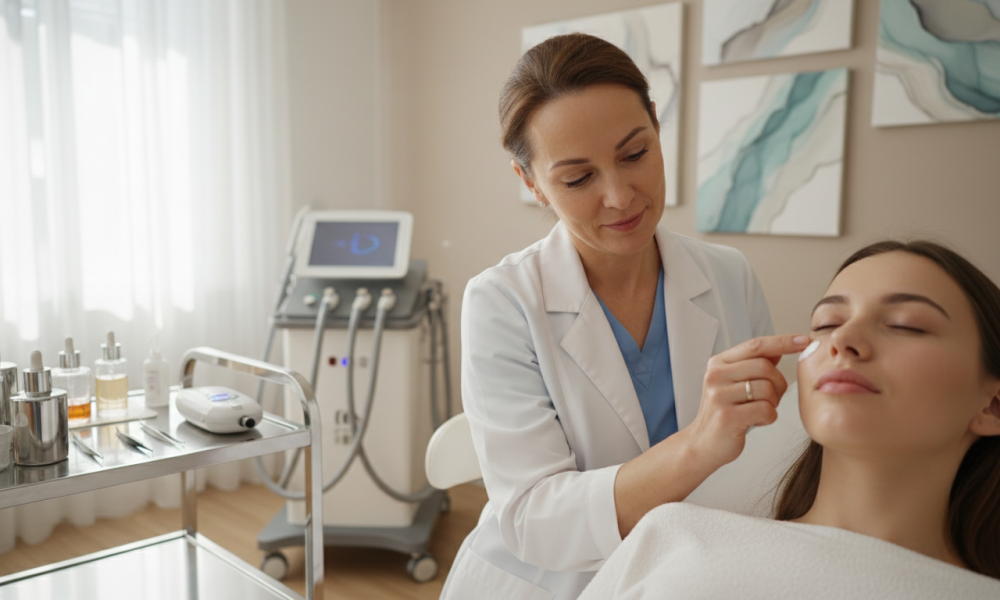
Laser Resurfacing and Fractional Therapy
Laser therapy has changed how we treat skin. It uses light to remove damaged skin or stimulate new tissue growth.
Fractional laser therapy is loved because it treats only a part of the skin at once. This method heals faster and reduces scars and uneven skin.
Chemical Peels and Dermabrasion
Chemical peels use a special solution to remove the top skin layers. This reveals smoother skin underneath, making it great for dermatological scar treatment of minor flaws.
Dermabrasion works in a similar way by gently sanding the skin. It’s good for softening acne scars or surface scarring.
Dermal Fillers for Volume Restoration
Dermal fillers are good for atrophic scars, which are depressions in the skin. They add volume to lift the skin, making it even with the rest of your face.
While the effects last only temporarily, they offer immediate improvement in skin texture. Many people pick this dermatological scar treatment as a safe way to see how their skin reacts before trying more lasting solutions.
The Patient Journey: From Consultation to Recovery
The journey to your aesthetic goals starts before you travel. For international patients, the Scar Revision Procedure is a detailed process. It focuses on safety, clear communication, and lasting results. A structured roadmap ensures a smooth transition from your home to recovery in Turkey.
Initial Virtual Consultations and Medical Assessment
Thanks to technology, surgeons can assess your needs without a face-to-face meeting. During your virtual consultation, you’ll share detailed images of the area you’re concerned about. This helps the team decide the best Scar Revision Procedure for you.
These sessions are key for creating a clear treatment plan. You’ll talk about your medical history, what you want to achieve, and any past treatments. Clear communication at this stage is the foundation of a successful outcome.
Pre-operative Preparation and Lifestyle Adjustments
Before your surgery, you need to prepare your body. Surgeons advise stopping blood-thinning medications and certain supplements two weeks before. Eating well and staying hydrated helps your body heal.
Don’t smoke as it can slow down healing. Following these pre-operative guidelines ensures your skin is ready for the procedure. Planning your travel early reduces stress as your surgery date gets closer.
Post-operative Care and Healing Timelines
The recovery phase is a key part of your Scar Revision Procedure. Right after surgery, you’ll get detailed instructions on wound care, medication, and what activities to avoid. Patience is essential during the initial healing period, as your skin needs time to heal and settle.
You can usually return to light activities a few days after surgery. Avoid hard exercise for weeks. You’ll have follow-up appointments to check on your healing. Following these professional recommendations will help you get the best results.
Selecting the Right Surgeon and Clinic in Turkey
Finding a qualified surgeon in Turkey is key to your safety and happiness. When you choose Scar Reduction Surgery, look for someone who is both skilled and knows how to make you look good.
Verifying Board Certifications and Credentials
Start by checking if your surgeon is board certified. In Turkey, they should be members of the Turkish Society of Plastic, Reconstructive and Aesthetic Surgeons (TSPRAS).
Board certification means they’ve had tough training and follow strict rules. Make sure they focus on facial work, not just general beauty treatments.
Analysing Before and After Portfolios
Looking at before and after photos is a must. A good clinic will show you many examples of Scar Reduction Surgery. These should match your skin and scar type.
Check if the results look natural and consistent. A top surgeon can fix complex scars and keep your face looking natural.
The Importance of Patient Reviews and Testimonials
What others say is very important. Look for reviews on sites not run by the clinic. They tell you about the care from start to finish.
Good reviews talk about clear talks, friendly staff, and a caring place. They help you know what to expect with your Scar Reduction Surgery.
| Evaluation Criteria | Why It Matters | Action Required |
|---|---|---|
| Board Certification | Ensures professional standards | Verify TSPRAS membership |
| Portfolio Quality | Confirms technical skill | Review specific case studies |
| Patient Feedback | Validates clinic reputation | Check independent reviews |
| Specialisation | Improves surgical precision | Confirm facial surgery focus |
Safety Standards and Medical Infrastructure in Turkish Hospitals
Turkey’s medical tourism is growing fast, thanks to top-notch hospital safety and tech. Patients from abroad find world-class facilities that match the best in the US. Picking a well-known clinic for Scar Reduction Surgery means you’re in a safe, expert place.
Accreditation Bodies and International Standards
Turkish hospitals stick to strict global rules. Many top places have the Joint Commission International (JCI) seal, the top mark for healthcare quality. This shows they meet high standards for patient safety and more.
Clincs also follow ISO rules for top performance. These rules help keep things clean, key for Scar Reduction Surgery. Turkish doctors aim for care that’s both safe and well-checked.
Advanced Surgical Technology and Equipment
Modern Turkish hospitals use the newest medical tech for better surgery results. Surgeons use high-definition imaging and robotic tools for precise work. This means patients heal faster and look better.
Advanced lasers and digital tools make Scar Reduction Surgery even better. They let doctors tailor treatments for each patient. Turkish clinics use the latest gear for safe and effective care all the way through recovery.
Managing Expectations: Realistic Outcomes for Scar Reduction Surgery
Modern medicine has made great strides, but it can’t remove scars completely. People often look for Dermatological Scar Treatment to make their skin look better. But, surgery’s main goal is to make the scar less noticeable by improving its texture and blending it with the skin around it. It’s key to manage your expectations to be happy with the results.
Understanding the Limitations of Scar Revision
Scar revision is about making things better, not perfect. A surgeon can make a scar less obvious, but it won’t look exactly as it did before the injury. The goal is to change the scar’s direction, size, or width to make it less noticeable.
Remember, healing takes time. The first results might not be what you expect, as the skin changes over months. Choosing a Dermatological Scar Treatment plan means being patient and following care instructions carefully.
The Role of Genetics in Healing
Your genes affect how your skin heals after surgery. Some people are more likely to get hypertrophic or keloid scars, which can affect the scar’s look. A good surgeon will look at your medical history to see how your skin might heal.
Genetics also influence how fast you heal and how your skin makes collagen. Even with advanced surgery, your body’s natural processes can’t be changed. Talking openly with your doctor about your family history and past healing can help set realistic goals for your treatment.
Financial Considerations and Cost-Effectiveness
Looking at the real value of Facial Scar Removal Surgery means more than just the cost. Many find Turkey’s healthcare offers a great deal compared to what they’d pay at home. This is without sacrificing quality or safety.
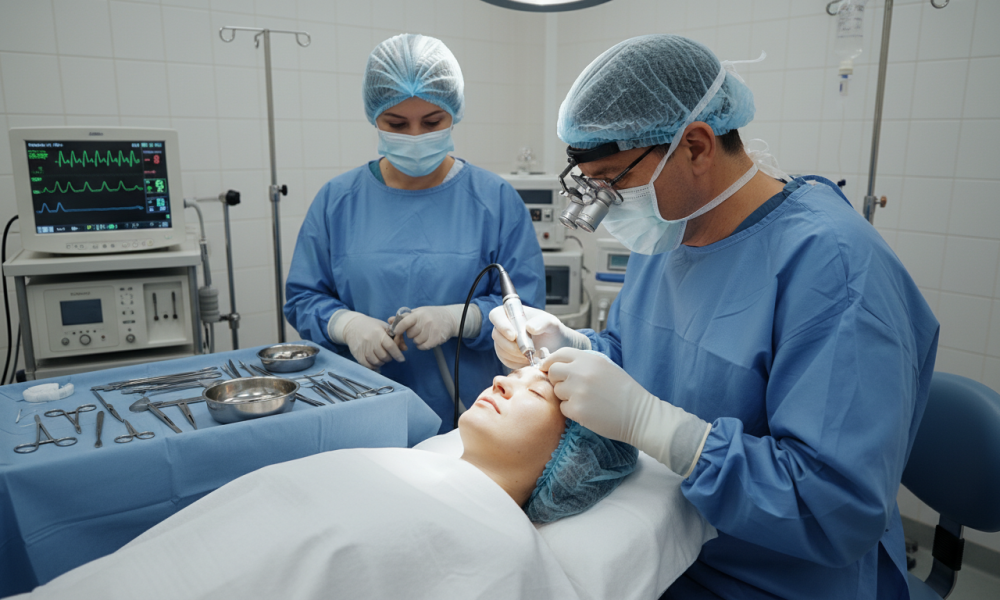
Comparing Costs Between the United States and Turkey
Medical tourism often starts with the big price difference between countries. In the US, high costs and insurance can make procedures expensive.
Turkey, with its lower living costs and better exchange rates, can offer top-notch Facial Scar Removal Surgery for less. This doesn’t mean they cut corners; it shows a competitive and efficient medical sector.
| Service Component | United States | Turkey |
|---|---|---|
| Surgeon Fees | High | Moderate |
| Hospital Facility | Premium | Inclusive |
| Recovery Support | Extra Cost | Included |
What is Typically Included in Surgical Packages
In Turkey, top clinics offer all-in-one packages to make things easier for patients. These packages help you focus on getting better after Facial Scar Removal Surgery.
A typical package includes:
- Professional surgeon fees and anaesthesiology costs.
- Hospitalisation fees, including private room accommodation.
- Pre-operative medical assessments and blood tests.
- Post-operative medications and essential wound care supplies.
- Dedicated airport transfers and local transportation to the clinic.
Transparency is key when looking at these packages. Make sure to check if follow-up visits are included or if there are extra costs for certain items or treatments.
Navigating Travel Logistics for Medical Tourism
Planning your trip to Turkey for medical care is more than just booking a flight. It’s about understanding the local needs for a smooth journey. Knowing what to expect helps you relax and focus on your recovery and treatment.
Visa Requirements and Travel Documentation
Getting the right documents to enter Turkey is usually easy. Depending on where you’re from, you might need an e-visa, which you can get online quickly. Make sure your passport is valid for at least six months after you plan to leave.
Many clinics help with a medical invitation letter for your visa. This letter proves your surgery plans and can speed up your entry. Always have digital and physical copies of your medical records and travel insurance ready during your trip.
“The success of your medical journey is often determined by the quality of your preparation before you even board the plane.”
Accommodation and Recovery Retreats
Choosing the right place for recovery is key. Many prefer dedicated retreats with 24/7 nursing support and a calm setting. These places are made for those getting Facial Scar Revision Techniques, with healthy food and quiet areas for healing.
If you’d like to stay in a hotel, pick one near your clinic to save time on travel. Top hospitals in Turkey offer packages with luxury stays, making planning easier. Think about these points when arranging your travel:
| Logistical Factor | Primary Consideration | Benefit |
|---|---|---|
| Visa Status | Check e-visa eligibility | Seamless entry |
| Clinic Proximity | Distance to accommodation | Reduced physical strain |
| Recovery Support | On-site nursing care | Enhanced safety |
| Documentation | Medical invitation letter | Simplified customs |
By focusing on these details, you set up a solid base for your treatment. Whether it’s Facial Scar Revision Techniques or small skin fixes, a well-planned trip helps you focus on looking your best.
Potential Risks and Complications to Consider
When thinking about surgery for scar revision, patient safety is key. Many people want to look better with Dermatological Scar Treatment. But, it’s important to know that surgery always has risks. Talking openly with your doctor helps manage these risks and makes recovery smoother.
Infection Prevention and Wound Care
Keeping the area clean is the best way to stop infections. Doctors in Turkey give detailed instructions on how to care for your wounds. It’s very important to follow these steps to avoid infections and help your wounds heal well.
Watch your wounds for any signs of trouble like redness, swelling, or discharge. If you see unexpected changes, call your clinic right away. Catching small problems early can stop them from getting worse.
Managing Adverse Reactions to Anaesthesia
Surgeries in Turkey use the latest tech to watch your health during the procedure. Before surgery, an anaesthesiologist checks your health history. This helps find and reduce the risk of bad reactions.
If you do have a reaction, the team is ready to act fast. Choosing a well-known clinic means your care is in good hands. This focus on safety lets you relax and focus on getting better.
The Psychological Benefits of Facial Scar Revision
Facial surgery can change lives in ways beyond just looks. It helps people deal with the emotional scars of past traumas. Choosing Scar Reduction Surgery can lift a heavy emotional load.
Boosting Self-Esteem and Social Confidence
Visible scars can make people shy away from social life. They can feel less worthy. But, after Scar Reduction Surgery, many feel more confident.
This confidence boost lets them enjoy life more. They can be themselves without worrying about how they look.
Long-term Mental Health Impacts
Getting scars treated can really improve mental health. It helps people break free from the negative feelings scars bring. This change can make life feel more positive.
Success isn’t just about clear skin. It’s about feeling good about oneself. Scar Reduction Surgery is a big step towards healing and feeling empowered. Here’s how it can change lives:
| Psychological Metric | Pre-Surgery State | Post-Surgery Outcome |
|---|---|---|
| Social Anxiety | High/Avoidant | Low/Engaged |
| Self-Perception | Negative/Focused on flaw | Positive/Holistic |
| Confidence Levels | Suppressed | Enhanced/Restored |
| Mental Well-being | Stressed/Anxious | Stable/Optimistic |
Legal and Ethical Considerations for International Patients
Understanding your rights is key when you travel for medical care. You enter a system with rules to keep you safe. Knowing these rules is the first step to a good outcome.
Those looking into Facial Scar Revision Techniques must know the clinic’s ethical duties. Turkey has high medical standards, making it a great place for care. Always check the documents, like consent forms, before surgery starts.
“The essence of ethical medical practice lies in the transparency of the relationship between the surgeon and the patient, regardless of geographical borders.”
Understanding Patient Rights Abroad
In Turkey, international patients get the same care as locals. You have the right to know about risks, benefits, and what to expect. Transparency is key in Turkey’s medical system, so you’re always in the loop.
Make sure your clinic is accredited by the Ministry of Health. This means they follow strict safety and ethics rules. Always ask about your medical team’s qualifications and the safety measures in place.
Follow-up Care and Communication with Surgeons
Keeping in touch with your surgeon after you go home is important. Even after your Facial Scar Revision Techniques, your surgeon is a big part of your recovery. Having a plan for virtual check-ups helps address any issues quickly.
Good clinics in Turkey have staff to help with ongoing communication. Check how your surgeon handles questions after you leave. Regular check-ins give you peace of mind and help track your healing progress.
Conclusion
Starting your journey to smoother skin and more confidence is key. Turkey has top-notch medical facilities and skilled surgeons for facial scar revision. Choosing the right clinic is vital for a safe and successful recovery.
Good results come from doing your homework and talking clearly with doctors. Istanbul and Ankara’s top clinics have the latest tech for complex skin issues. Always choose quality over quick fixes for your health and beauty goals.
Deciding to get treatment is a big step for your future health. Contact trusted clinics to talk about your needs and health history. Your journey to better skin starts with professional care and a clear vision.
FAQ
Q: Why is Facial Scar Removal Surgery in Turkey becoming so popular for international patients?
A: Turkey is a top choice for its skilled surgeons, modern facilities, and lower costs. People from the UK and US often visit Istanbul and Ankara. They get top-notch care at a lower price than back home.
Places like Acıbadem Healthcare Group and Memorial Hospitals offer care that meets or beats Western standards.
Q: How does facial scarring impact an individual’s psychological well-being?
A: Scars on the face can really hurt a person’s self-esteem and confidence. They might feel shy or self-conscious. Getting a professional scar revision is a big step towards feeling better about oneself.
Q: Which types of scars are most suitable for a surgical Scar Revision Procedure?
A: Surgery works best for raised and red hypertrophic scars, and keloids. It’s also good for contracture scars from burns and deep acne scars. These surgeries can improve both how the scar looks and how it feels.
Q: What are the most effective Facial Scar Revision Techniques currently in use?
A: In Turkey, surgeons use Z-plasty and W-plasty to hide scars. They also do surgical excision and tissue expansion. This last method grows extra skin to replace the scar for a better look.
Q: Are there non-surgical Dermatological Scar Treatment alternatives available?
A: Yes, for milder scars, there are non-invasive treatments. Laser resurfacing can make skin smoother. Chemical peels, dermabrasion, and fillers like Juvederm can also help.
Q: How can I ensure I am selecting a qualified surgeon for Scar Reduction Surgery?
A: Make sure your surgeon is certified by the Turkish Society of Plastic, Reconstructive and Aesthetic Surgeons (TSPAS). Look at before and after photos and read reviews on Trustpilot or RealSelf. This helps ensure the clinic is safe and reliable.
Q: What can I expect during the recovery period following Facial Scar Removal Surgery?
A: The first week or two after surgery, you might have some swelling and redness. Avoid hard work and direct sun. Following your surgeon’s advice is key to the best results, which can take six to twelve months to show.
Q: Is scar reduction surgery in Turkey safe for international travellers?
A: Yes, it is very safe. Turkish hospitals are accredited by the Joint Commission International (JCI). They have the latest technology and trained teams ready for international patients.
Q: Can a surgical procedure completely remove a facial scar?
A: Scar revision can make scars less noticeable, but it can’t remove them completely. The goal is to blend the scar with the surrounding skin for a natural look.
Q: How much can I save by choosing Turkey for my surgery compared to the US?
A: Prices in Turkey are 50% to 70% lower than in the US or UK. Many clinics offer packages that include everything from the surgery to luxury stays and transfers. This is great value without sacrificing quality.
Q: What legal protections do I have as an international patient in Turkey?
A: International patients are covered by Turkish healthcare laws and the Ministry of Health. Make sure your clinic has the right certifications. Have a clear agreement about your treatment and ensure they offer good follow-up care.
Related guides

Healthcare Content Compliance Guide for Growth
A high-performing treatment page can generate international patient inquiries within hours. It can also create material risk if…
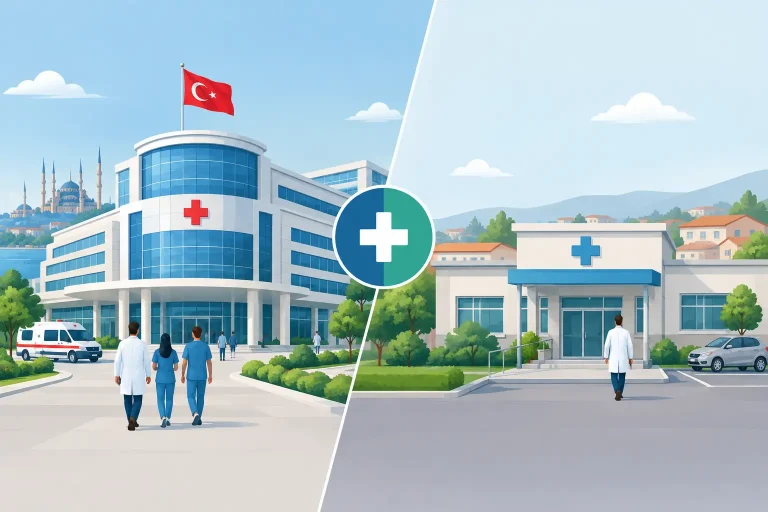
Turkey Hospitals vs Local Hospitals Compared
A lower procedure quote can get a patient’s attention. It should not make the decision on its own.…

Patient Experience That Drives Trust and Growth
A patient who has already uploaded medical records, compared providers, and arranged time away from work is not…