
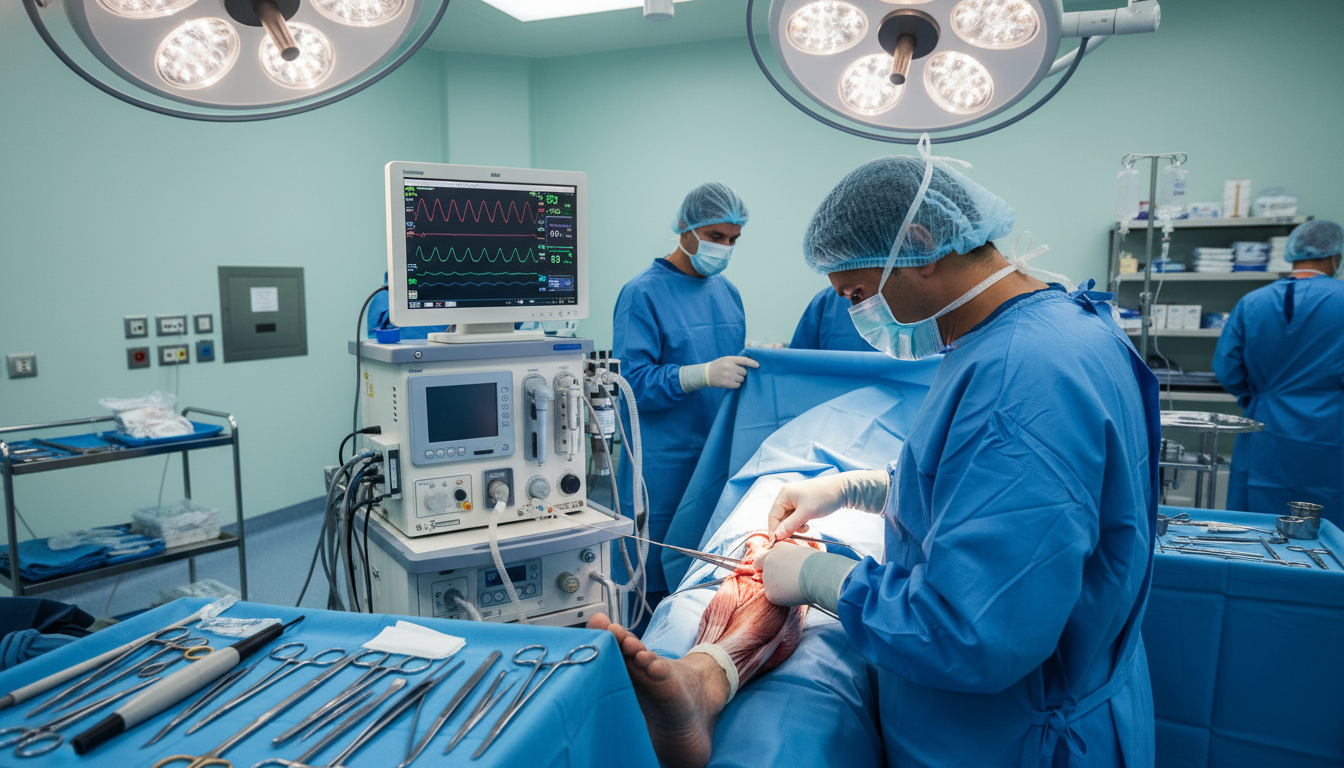
More and more people are going abroad for top-notch orthopaedic care. Turkey has become a global hub for medical tourism. It offers world-class care at a much lower cost than in the United States.
Patients from around the world pick Turkish clinics for their specialised needs. The mix of low prices and great results makes Turkey very appealing. Whether you need complex surgery or simple procedures, Turkey’s medical setup is reliable and efficient.
Key Takeaways
- Turkey is a leading destination for affordable and high-quality medical care.
- Patients benefit from modern clinics that prioritise international standards.
- The country offers significant cost savings compared to private healthcare in the United States.
- Expert orthopaedic specialists provide personalised treatment plans for all visitors.
- Advanced medical technology ensures excellent recovery results for those seeking specialised procedures.
Understanding Compartment Syndrome and the Need for Surgery
It’s important to know how muscle compartments work. When pressure builds up inside these tight spaces, it can cut off blood flow and harm nerves. This makes it a medical emergency that needs quick action.
The Physiology of Muscle Compartments
The body groups muscles into compartments, each wrapped in a strong, unyielding membrane called fascia. This membrane helps muscles move smoothly. But, if swelling happens, the pressure inside can get too high.
Fluid or blood from injuries can quickly cause pressure to rise. This constricting environment stops blood from reaching muscles and nerves. Without treatment, this can cause cells to die and lead to lasting damage.
Recognising Symptoms of Acute Compartment Syndrome
Spotting the problem early is key to saving limbs. People often feel intense, disproportionate pain that doesn’t go away with usual treatments. This pain feels deep and gets worse when the muscle is stretched.
Other signs include feeling tight or full in the limb. You might also notice numbness, tingling, or pale skin. If these symptoms show up after a bad injury, doctors must act fast to see if fasciotomy surgery is needed.
The Critical Nature of Timely Intervention
Time is everything when it comes to recovery. Once pressure gets too high, the chance to avoid lasting damage is short. Surgeons do a procedure to cut the fascia, which lowers pressure and brings back blood flow.
Deciding to have fasciotomy surgery right away is the best choice. It stops tissue death by releasing the pressure. This quick action is essential to keep patients mobile and living well after a serious injury.
Why Turkey is a Leading Destination for Fasciotomy Surgery
Turkey is leading the way in international healthcare. It’s a top choice for fasciotomy surgery thanks to its expert care and patient focus.
Global Reputation for Orthopaedic Excellence
Turkey is known worldwide for its top-notch orthopaedic care. Its surgeons are highly trained and often have international certifications. They follow evidence-based medicine to ensure safe orthopedic surgeries.
These medical teams are always learning and researching. This means patients get precise care during a fasciotomy. Turkey’s commitment to excellence makes it a top choice for orthopaedic care.
Investment in Advanced Surgical Technology
Modern healthcare needs the latest tools, not just skilled surgeons. Turkish hospitals have the best technology, matching Europe and the US. This ensures patients get the best care and treatments.
- High-resolution imaging systems for precise diagnosis.
- Advanced robotic-assisted surgical platforms.
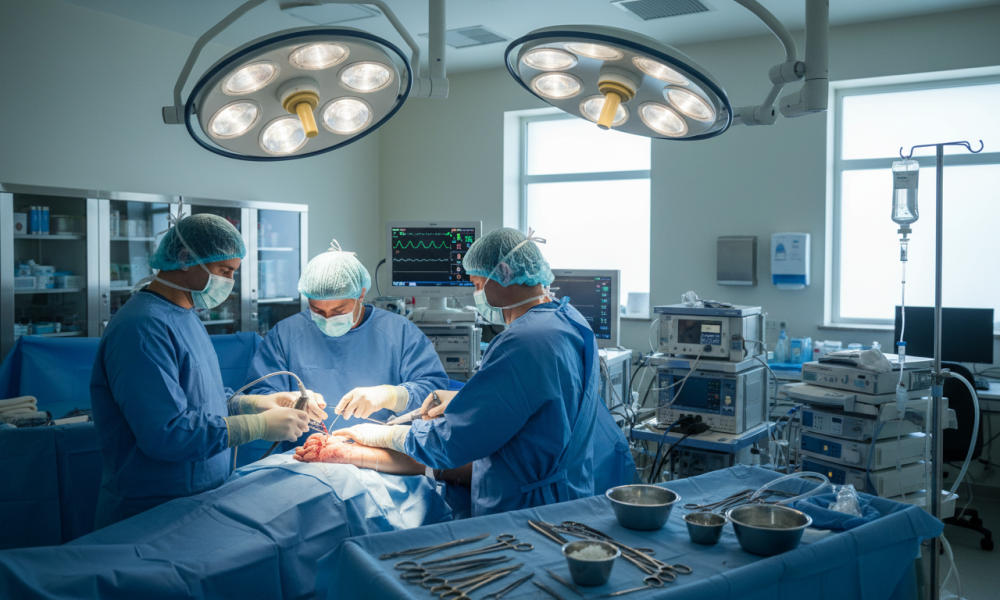
- Modern sterile operating theatres designed for complex orthopaedic interventions.
This technology helps surgeons do fasciotomy surgery more accurately and with less invasion. It also cuts down recovery times and improves outcomes for patients.
The Rise of Medical Tourism in Istanbul and Ankara
Istanbul and Ankara are booming for medical tourism. They offer top-notch care and easy travel. This makes getting fasciotomy surgery abroad easier.
Both cities support international patients well. They have concierge services and staff who speak many languages. This makes your whole experience smooth and caring. Turkey is a leader in accessible, high-quality medical tourism.
The Medical Infrastructure and Standards in Turkish Hospitals
Turkish healthcare facilities are known for their strict safety and quality standards. Patients from the United States often find the care in these places is as good as, or even better than, in top Western clinics. This focus on excellence means every surgical journey is backed by a strong medical setup.
JCI Accreditation and International Quality Benchmarks
Many top hospitals in Turkey have the Joint Commission International (JCI) accreditation. This shows they meet high global standards for patient safety and clinical quality. By following these rules, Turkish hospitals offer a safe place for complex surgeries.
“Quality is never an accident; it is always the result of high intention, sincere effort, intelligent direction and skilful execution.”
Multidisciplinary Teams and Specialist Surgeons
Success in surgery depends on a highly skilled medical team. In Turkey, patients get care from a team of surgeons, anaesthetists, and nurses working together. This team approach means every part of a patient’s health is watched by experts.
These teams are not just well-trained but also have lots of experience with international patients. Their skill in communicating and planning care is key to the Turkish medical experience. This teamwork helps reduce risks and makes surgeries safer.
Modern Facilities and Patient-Centric Care
Turkey’s modern medical setup includes the latest technology and design that puts patients first. Hospitals have the newest diagnostic tools and surgical equipment for precise operations. These facilities are designed for comfort, which is crucial for a smooth recovery.
The focus is always on the patient’s needs from start to finish. Care is tailored to meet both physical and emotional needs. This holistic approach is why many patients feel confident and supported in choosing Turkey for their surgery.
Preparing for Your Surgical Fasciotomy Journey
Starting your surgical fasciotomy journey means getting ready in several ways. Organising your medical records and booking your clinic early helps. This way, you can focus on getting better without stress.
Initial Consultations and Remote Diagnostics
Thanks to modern tech, you can talk to doctors from home. Before you travel, a virtual chat will cover your symptoms and health history. This is key for a treatment plan that fits you.
You’ll need to send digital copies of your MRI or ultrasound scans. These help doctors confirm if you need a surgical fasciotomy. Good communication at this stage is important for everyone’s understanding.
Pre-operative Medical Assessments
After booking your surgery, you’ll have health checks to make sure you’re ready. These checks look for any health issues that might affect your recovery. Your clinic will tell you what you need, like:
- Comprehensive blood panels to check clotting and infection markers.
- Electrocardiograms (ECG) to monitor heart health.
- A review of current medications to avoid possible interactions.
Documentation and Travel Requirements for US Patients
Traveling internationally means sorting out some paperwork. US citizens need a passport valid for at least six months after their trip to Turkey. Also, get your electronic visa or entry permit well before your flight.
Keep all your medical history, consent forms, and clinic contact details in a folder. Having these ready makes your arrival smoother and helps your surgical fasciotomy go without a hitch. Preparation is the foundation of a successful medical journey.
What to Expect During the Procedure
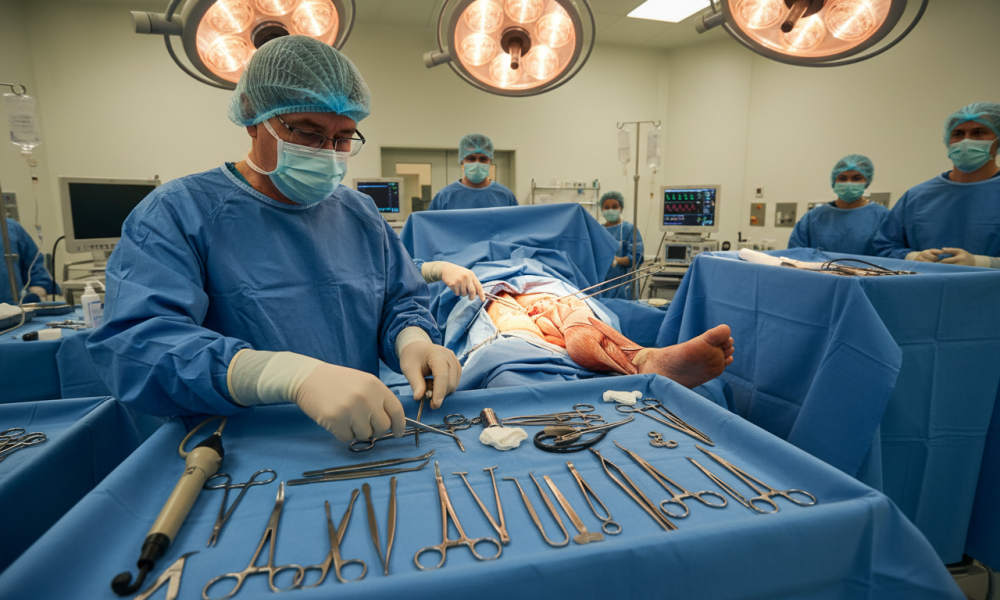
When you have a surgical fasciotomy, your team follows a strict plan. They focus on keeping you safe and helping you recover. The main goal is to reduce pressure in the muscles, protecting nerves and blood vessels.
Anaesthesia Protocols and Patient Comfort
First, the anaesthesiology team checks your health. They decide the best sedation for you. Most get general anaesthesia or a nerve block, so you won’t feel pain.
“The precision of the anaesthetic delivery is the cornerstone of a successful surgical outcome, allowing the surgeon to focus entirely on the delicate task of tissue decompression.”
Staff keep an eye on your comfort all the time. They watch your heart rate and oxygen levels. This helps keep you stable while the surgery is done.
The Surgical Technique Explained
The surgery is done with great care. The surgeon aims to release all restricted areas. They use landmarks to guide their work, making sure pressure is reduced.
Incision Placement and Pressure Release
The surgeon makes precise cuts through the skin and fascia. This opens the muscle compartments. It lets the swollen muscles expand, improving blood flow.
Debridement and Tissue Assessment
After opening the compartments, the surgeon does a debridement. They remove damaged tissue to aid healing. They check the muscles’ colour and movement to ensure they’re healthy.
Closing the Incision and Wound Management
Once the pressure is relieved, the surgeon closes the wound. Often, the incision is left open to manage swelling. This is common in surgical fasciotomy.
- Delayed primary closure: The wound is closed after a few days when swelling goes down.
- Skin grafting: If the skin can’t be closed, a graft might be needed.
- Sterile dressings: Advanced dressings are used to protect the wound from infection.
Good wound care is key for a smooth recovery. Your team will give you clear instructions. They want to make sure the surgical fasciotomy site stays clean and safe as you start your recovery.
Benefits Fasciotomy Offers for Long-Term Mobility
A surgical fasciotomy is a key release for the body when muscles are trapped. It relieves the tightness in muscle compartments, starting the healing process. Patients often see a big drop in pain right after the surgery.
Restoration of Blood Flow and Nerve Function
The main goal of this surgery is to get blood flowing again to the affected limb. High pressure can block blood vessels, starving muscles of oxygen. A surgical fasciotomy opens these paths, letting blood flow freely.
This is also key for nerve health. Nerves can’t handle pressure well, and too much can cause permanent damage. By easing the pressure, surgeons help nerves send signals properly, helping the limb work fully again.
“The preservation of function is the ultimate goal of any orthopaedic intervention, and timely decompression is the cornerstone of success.”
Prevention of Permanent Muscle Damage
Benefits fasciotomy also prevent muscle death, or necrosis. If muscles don’t get enough oxygen, they start to break down, leading to permanent damage. Quick action stops this damage before it’s too late.
The table below shows the big improvements seen after the surgery:
| Condition | Pre-Surgery | Post-Surgery |
|---|---|---|
| Blood Flow | Severely Restricted | Fully Restored |
| Nerve Sensitivity | Numbness/Pain | Normal Sensation |
| Muscle Integrity | At Risk of Necrosis | Healing and Recovery |
Improved Quality of Life and Functional Outcomes
The long-term benefits fasciotomy brings are huge. Patients can walk, run, and do daily tasks without pain. This is a big step in their recovery.
This surgery fixes the problem, leading to a better and more stable recovery. Most people find their outcomes much better than if they hadn’t had the surgery. It’s a step towards a more active and pain-free life.
Understanding the Risks Fasciotomy May Present
Every surgery comes with its own set of challenges. Knowing the risks fasciotomy may present is key in your medical journey. The benefits fasciotomy offers for long-term mobility can change lives. But, it’s important to understand the possible complications.
Being well-informed helps you work closely with your surgical team. Together, you can address these concerns effectively.
Common Surgical Complications
Like any surgery, fasciotomy can have specific challenges. Surgeons in Turkey are trained to handle these issues quickly. This ensures patient safety.
- Nerve injury: Temporary or permanent numbness near the incision site can occur if small sensory nerves are affected.
- Haematoma: The collection of blood under the skin may require drainage if it causes significant pressure or discomfort.
- Bleeding: While rare, excessive bleeding is a standard surgical risk that is monitored closely during the recovery phase.
Managing Infection Risks in a Clinical Setting
Maintaining a sterile environment is top priority in Turkish hospitals. This prevents post-operative infections. Clinics follow strict sterilisation protocols that meet international standards.
Patients receive prophylactic antibiotics before and after surgery. This adds an extra layer of protection. By following strict hygiene guidelines, medical teams reduce the risk of complications. This allows the body to heal without interruption.
Long-term Scarring and Aesthetic Considerations
A fasciotomy involves making incisions to release pressure within the muscle compartments. This will result in some scarring. Surgeons aim to place incisions strategically to make them less visible.
Over time, scars typically fade and become less noticeable. It’s important to discuss your concerns about scarring with your surgeon. They can advise on scar management techniques to improve the final aesthetic outcome.
Postoperative Care Fasciotomy Protocols
Your journey to full mobility starts right after surgery. A strict postoperative care fasciotomy plan is key. It helps your tissues heal right and lets you use your limb fully again.
Immediate Hospital Monitoring
After surgery, you’ll be watched closely in the recovery ward. Doctors will check your nerves and blood flow often. They’ll also check how well you can move your limbs.
This careful watching is important. It helps spot any early problems. By keeping an eye on these signs, the team can avoid risks fasciotomy might bring. This keeps you safe during the first hours after surgery.
Pain Management Strategies
Managing your pain is a top priority. It helps you stay comfortable and move sooner. Your team will use a mix of medicines to control your pain.
They’ll also tell you to keep your limb up to reduce swelling. Using cold packs as advised can also help a lot. It makes you feel the benefits fasciotomy brings for your movement.
Wound Care and Dressing Changes
Keeping your wound clean is the best way to avoid infection. Nurses will teach you how to care for your wound at home.
It’s important to keep the area dry and change your bandages as told. Following these postoperative care fasciotomy steps helps your wound heal faster. It also lowers the risk of problems.
| Recovery Phase | Primary Focus | Action Required |
|---|---|---|
| Immediate | Monitoring | Neurovascular checks |
| Short-term | Pain Control | Elevation and medication |
| Long-term | Wound Healing | Dressing maintenance |
Recovery Fasciotomy Timelines and Rehabilitation
Recovery starts right after surgery. The body needs a structured approach to heal well and get back to normal.
The First Weeks of Healing
In the first phase, rest and protect the surgery area. Keep the limb up to lessen swelling and follow wound care advice.
Watch out for risks fasciotomy like infection or numbness. Quick checks with your doctor can catch problems early.
“Healing is not a race, but a steady progression toward restoring the body’s natural balance and strength.”
Physiotherapy and Functional Exercises
After healing starts, focus on getting active. Postoperative care fasciotomy helps avoid stiffness and keeps muscles flexible.
A physiotherapist will teach you special exercises. These are made just for you to safely build muscle strength.
Returning to Daily Activities and Sports
Going back to your usual life should be slow. Avoid high-impact activities too soon to prevent setbacks.
Light tasks can return in a few weeks. But, wait until you’re strong enough for sports and hard exercise.
Comparing Treatment Fasciotomy Costs in Turkey vs. the United States
Looking at the cost of a treatment fasciotomy in Turkey versus the US shows big savings. Many find top-quality care abroad at much lower prices. This means they can get the surgery they need without huge debt.
Breakdown of Surgical Expenses
The cost of a treatment fasciotomy has different parts. In the US, these are often charged separately. This can include fees for the surgeon, the operating room, and the anaesthesiologist. Turkish clinics, on the other hand, offer a single price for everything, making it easier for patients.
| Expense Category | Typical US Cost | Typical Turkey Cost |
|---|---|---|
| Surgeon Fees | High | Moderate |
| Hospital Charges | Very High | Low to Moderate |
| Anaesthesia | High | Moderate |
Hidden Costs and Value-Added Services
While the initial cost for a treatment fasciotomy is lower abroad, remember other expenses. These include flights, accommodation, and support after surgery. Turkish hospitals often include extras like airport transfers and patient coordinators for a smooth experience.
It’s smart to plan your budget fully. Planning ahead helps avoid surprise costs and makes your recovery better. Always ask for a detailed quote from your clinic.
Insurance Considerations for International Procedures
Dealing with insurance for surgeries abroad can be tricky. Most US health plans don’t cover surgeries outside the country. Talk to your insurance early to see what they might cover.
Some people use loans or savings to pay upfront. Being clear with your insurance is key to avoid surprises later. Keep all medical bills and reports for your insurance claims.
Selecting the Right Surgeon and Clinic in Turkey
Finding a qualified surgeon in Turkey needs careful research. When planning your treatment fasciotomy, your medical team’s skill is key. It’s important to choose wisely to get the best care for you.
Verifying Surgeon Credentials and Experience
Before you decide, check your surgeon’s credentials. Look for board certifications from well-known medical groups. This shows they’ve met high standards. Also, make sure they have experience with treatment fasciotomy.
- Check for membership in national orthopaedic or surgical societies.
- Inquire about the number of similar procedures the surgeon performs annually.
- Ask for evidence of ongoing training in modern surgical techniques.
Reviewing Patient Testimonials and Success Rates
What others say about their care is very telling. Reading treatment fasciotomy testimonials in Turkey can give you a good idea. Look for comments on the staff’s professionalism and the clinic’s cleanliness.
Success rates are also key. Good clinics share their outcomes and patient satisfaction. Choosing clinics that do this can make you more confident.
Communication and Language Support
Good communication is essential for any medical trip abroad. Make sure your clinic supports English-speaking patients well. Many top Turkish hospitals have international coordinators for this.
These coordinators help with your treatment fasciotomy plans and answer questions. Having staff who speak your language well makes things easier. Good communication is key for a safe recovery.
Navigating Travel Logistics and Patient Support Services
Getting a recovery fasciotomy in Turkey should be easy. Traveling from the United States means you need to plan well. We aim to make every part of your trip smooth and stress-free.
Accommodation and Recovery Retreats
Choosing where to heal is key. Many clinics work with top hotels and recovery retreats for patients from abroad. These places are designed for those having a treatment fasciotomy.
They offer medical-grade comfort, like adjustable beds and close nursing staff. Staying in a retreat means you get the support you need in a calm place.
Local Transportation and Concierge Services
Getting around a new city while recovering can be tough. That’s why concierge services are a big part of the patient experience. They handle all your local transport, making sure you’re on time for appointments.
Your concierge team is like a personal assistant. They take care of airport transfers and scheduling follow-ups. This lets you focus on getting better and enjoying your stay.
Follow-up Care and Remote Monitoring
Even after you’re back in the United States, your care is important. Clinics make sure you have a plan for your recovery fasciotomy. They keep track of your progress closely.
Surgeons use secure digital platforms for remote monitoring. They check on your healing and answer any questions. This way, you can be sure your treatment fasciotomy results last, no matter where you are.
Conclusion
Choosing surgery in Turkey means getting top medical care at a lower cost for those from the United States. Success comes from your dedication to the whole journey, from start to finish.
A good recovery from fasciotomy surgery needs a trusted clinic with a strong history. Look for surgeons who talk clearly and offer full support. The team’s quality greatly affects your health in the long run.
Sticking to your recovery plan is key for healing well. Listening to your medical team helps you get back to normal quickly. This proactive approach helps you regain your quality of life through international care.
Contact your chosen clinic today to start your consultation. Taking informed steps with expert advice is the first step towards better mobility and health.
FAQ
Q: What exactly is a surgical fasciotomy and why is it performed?
A: A surgical fasciotomy is an urgent procedure for acute compartment syndrome. This happens when muscle pressure gets too high, often after an injury. The surgeon cuts the fascia to release this pressure, helping blood flow and preventing tissue damage.
Q: What are the primary benefits fasciotomy offers to patients with compartment syndrome?
A: Fasciotomy is life-changing. It quickly brings blood and oxygen back to tissues. This relieves pressure, prevents muscle damage, and protects nerves. It’s key for keeping mobility and quality of life.
Q: Why has Turkey become a leading destination for fasciotomy surgery?
A: Turkey is known for top orthopaedic care, like in Istanbul and Ankara. Patients choose Turkey for its JCI hospitals, advanced tech, and skilled teams. It’s also much cheaper than the UK or US.
Q: What are the possible risks of fasciotomy surgery?
A: While it saves limbs, fasciotomy has risks like infections and nerve issues. Scarring or skin grafts might be needed. Turkish clinics use advanced care to reduce these risks.
Q: What does the typical recovery fasciotomy timeline look like?
A: Recovery from fasciotomy takes time. The wound heals in two to four weeks. Then, physiotherapy is key to regain strength. Most can get back to daily life in months, but sports return depends on the doctor.
Q: How is postoperative care fasciotomy managed for international patients?
A: In Turkey, post-op care is strict. Patients get close monitoring for pain and pressure. After discharge, they get detailed wound care instructions. Some hospitals even offer remote monitoring.
Q: How much does treatment fasciotomy cost in Turkey compared to the United States?
A: Fasciotomy in Turkey is much cheaper, saving up to 70% compared to the US. This includes surgeon fees, anaesthesia, and hospital stay. Despite the lower cost, medical standards are high, making it great value.
Q: How can I ensure I am choosing the right clinic for my fasciotomy surgery in Turkey?
A: Look for a JCI-accredited hospital. Check the surgeon’s orthopaedic trauma experience. Reading patient testimonials and ensuring language support and concierge services are available will help ensure a smooth journey.
Related guides

Healthcare Content Compliance Guide for Growth
A high-performing treatment page can generate international patient inquiries within hours. It can also create material risk if…

Turkey Hospitals vs Local Hospitals Compared
A lower procedure quote can get a patient’s attention. It should not make the decision on its own.…

Patient Experience That Drives Trust and Growth
A patient who has already uploaded medical records, compared providers, and arranged time away from work is not…