
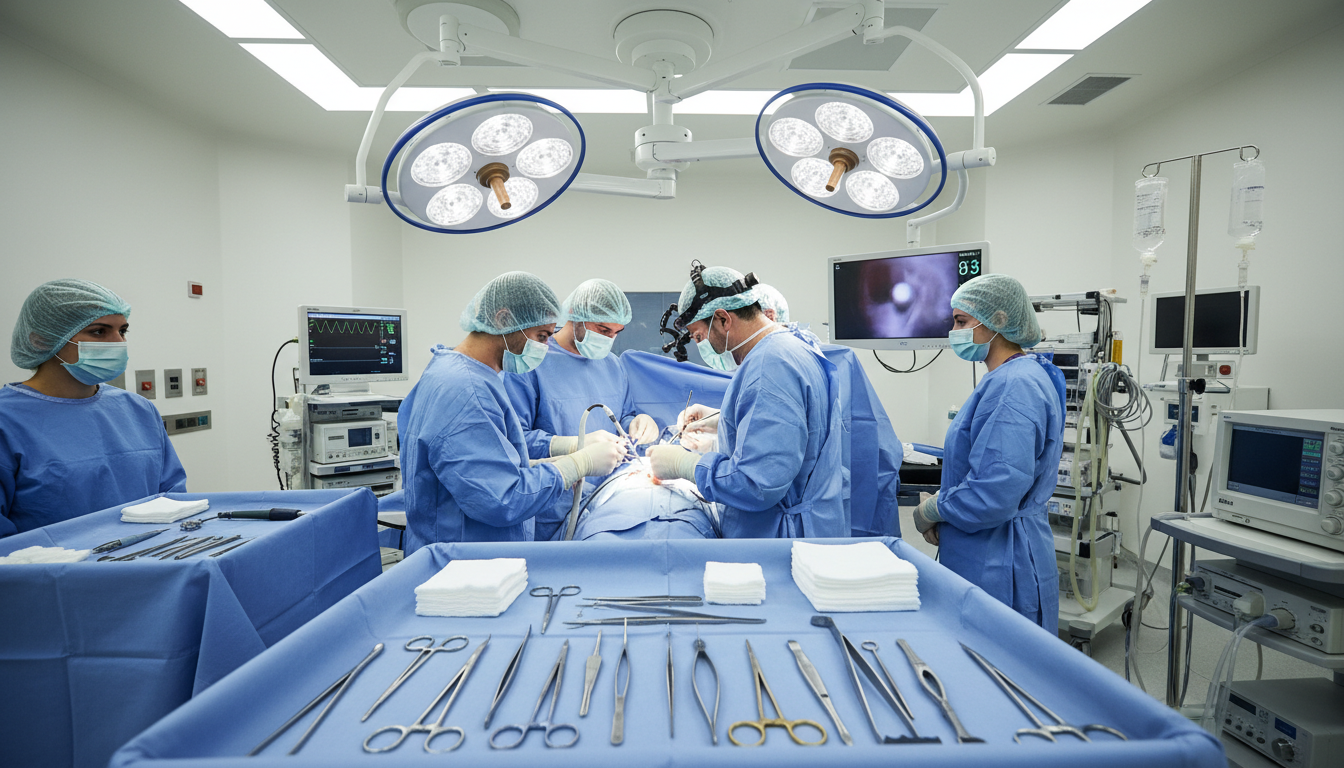
Medical tourism has changed how we get special care, with Turkey leading the way. Many from the United States are going abroad for high-quality medical solutions. They find these solutions are affordable yet top-notch.
In proctology, Turkey shines. Patients looking for Fissure Surgery find Turkish clinics offer standards as good as Western hospitals. If you’re looking into this or a guide to choosing the right clinic, Turkey’s healthcare is top-notch for visitors.
These centres focus on patient comfort and the latest technology. This means every recovery is handled with care. Getting this specialised treatment in Turkey means you get the best care and enjoy the country’s famous hospitality.
Key Takeaways
- Turkey is a top spot for international patients looking for special medical care.
- Medical facilities here keep high standards for safety and patient happiness.
- Many Americans pick Turkey for its mix of affordable prices and top medical skills.
- Modern clinics use the latest tech for great results in various proctological issues.
- There’s full support for international patients from start to finish of their treatment.
Understanding Anal Fissures and When Surgery Becomes Necessary
When simple treatments don’t work, surgery might be needed for anal fissures. These small tears in the anal lining can really hurt and affect your life. Some fissures need a specialised approach to heal properly.
The Pathophysiology of Chronic Anal Fissures
An anal fissure often starts from trauma, like hard stools. The tear causes the muscle inside the anus to stay tight. This tightness stops blood from reaching the area, making it hard to heal.
Without enough blood, the tear turns chronic. The body can’t fix the tissue because the muscle is too tight. This is why chronic fissure surgery is often suggested for those who’ve had it for more than six weeks.
Recognising Symptoms That Require Specialist Intervention
It’s important to know when a fissure won’t heal on its own. You might feel sharp pain during bowel movements that lasts hours. You might also see bright red blood on the toilet paper or in your stool.
“The persistence of pain despite adherence to conservative protocols is a primary indicator that the underlying sphincter spasm requires professional intervention.” — Proctology Clinical Guidelines
The table below shows symptoms that mean you should see a specialist:
| Symptom | Severity | Action Required |
|---|---|---|
| Sharp pain during defecation | High | Consult Specialist |
| Visible blood on tissue | Moderate | Monitor/Consult |
| Persistent anal itching | Low | Lifestyle Review |
| Skin tag formation | Chronic | Surgical Assessment |
Why Conservative Treatments May Fail
Many try to manage with sitz baths, stool softeners, and creams. But these work best for short-term cases. For chronic cases, they can’t reach the muscle effectively.
Even changing your diet might not help. If the fissure is deep or has a sentinel pile, anal fissure repair is the best option. Getting expert advice helps avoid using treatments that don’t work.
The Rise of Medical Tourism for Proctology in Turkey
Turkey is now a top choice for proctological care worldwide. People from the United States and elsewhere are choosing Turkish clinics for their treatments. This is because of clinical excellence, modern facilities, and a focus on the patient.
Global Standards of Healthcare in Turkish Hospitals
Turkish hospitals have invested in top-notch medical equipment. They now match the best in Western Europe and North America. Surgeons here have international fellowships and join global research.
They focus on quality care in several ways:
- Advanced surgical technology, including robotic-assisted and minimally invasive tools.
- Comprehensive pre-operative and post-operative support systems.
- Multidisciplinary teams that ensure a holistic approach to patient recovery.
“The standard of care in Turkish hospitals has reached a level where international patients can expect outcomes that are equal to, or often better than, those in their home countries.”
Accreditation and Quality Assurance for International Patients
For those going abroad for surgery, safety is key. Turkish hospitals get international accreditation to show they meet high standards. The Joint Commission International (JCI) accreditation is a sign of quality many Turkish clinics have.
Getting this accreditation means going through strict checks. These include audits on clinical practices, hygiene, and patient safety. Turkish clinics follow stringent international benchmarks for safe and complex proctological procedures. Patients can trust their care is managed with transparency and accountability.
Selecting the Right Anal Fissure Specialist
Finding the right anal fissure specialist is key to your recovery. It’s important to do your research carefully. This ensures you get the best care possible.
Before choosing a clinic, use a guide to check the doctor. This helps you make sure the doctor is right for you.
Evaluating Surgeon Qualifications and Experience
A good anal fissure specialist has the right qualifications. They should be certified in general or colorectal surgery. They also need to have experience with your type of surgery.
Look for these things when choosing a surgeon:
- Check their medical board certifications and memberships.
- See if they keep up with new surgical techniques.
- Look for success stories with similar patients.
The Importance of Patient Reviews and Clinical Outcomes
What others say about a surgeon is very important. Patient reviews can tell you a lot about the care you’ll receive. They talk about the surgeon’s skills and how comfortable you’ll be.
“The best surgeons are those who combine technical precision with a deep commitment to patient comfort and clear communication throughout the entire surgical journey.”
Look for honesty about how well the surgeon does. A good anal fissure specialist will share their success rates and risks. This helps you make a choice that’s right for you.
Surgical Options for Anal Fissure
It’s important to know about Fissure Surgery options. If other treatments don’t work, doctors might suggest surgery. This helps to heal the fissure by easing muscle tension.
Lateral Internal Sphincterotomy Explained
The lateral internal sphincterotomy is a top choice for chronic fissure surgery. A small cut is made in the muscle to lessen pressure. This helps the fissure heal by improving blood flow.
Many people feel less pain soon after the surgery. It helps break the pain cycle by relaxing the muscle. It’s a key surgical option for anal fissure today.
Fissurectomy and Its Clinical Applications
A fissurectomy removes the fissure and scar tissue. It’s used when the fissure has tough edges. This makes it easier for the area to heal.
This method is good for those who can’t have other surgeries. It removes the damaged part to help recovery. Doctors decide if it’s the best choice for Fissure Surgery.
Advancements in Minimally Invasive Techniques
New technology has changed chronic fissure surgery. Now, there are tools for smaller cuts and more precise work. These minimally invasive techniques mean less pain and quicker recovery.
These modern surgical options for anal fissure focus on comfort and safety. Choosing clinics with these methods ensures your Fissure Surgery is done well.
The Fissure Surgery Procedure in Detail
Knowing about the surgery can ease your worries if you’re facing chronic pain. Choosing anal fissure repair means you’re in good hands. The whole process is designed for your safety and the best results.
Pre-operative Assessments and Anaesthesia Protocols
Your surgeon will do a detailed health check before surgery. They’ll look at your medical history, do blood tests, and check your vital signs. This ensures you’re ready for surgery.
You might get local anaesthesia with sedation or general anaesthesia. The choice depends on how you feel and the surgery’s complexity. Your anaesthetist will talk to you about it to make sure you’re comfortable.
| Anaesthesia Type | Patient Experience | Recovery Speed |
|---|---|---|
| Local with Sedation | Awake but relaxed | Very rapid |
| General Anaesthesia | Fully unconscious | Moderate |
| Spinal Anaesthesia | Numbness in lower body | Gradual |
What to Expect During the Surgical Intervention
In the operating theatre, the team keeps everything clean and controlled. The anal fissure repair usually takes less than thirty minutes. They work to ease the muscle tension to help it heal.
You’ll be watched closely by advanced equipment during surgery. This makes sure your heart rate, blood pressure, and oxygen levels stay right. After, you’ll go to a recovery area where nurses will check on you.
Benefits of Choosing Turkey for Your Procedure
Turkey is now a top choice for those looking for quality surgery at lower costs than in the US. Many people travel abroad for surgical options for anal fissure that are both effective and affordable. By picking a well-known clinic in Turkey, you get top-notch care without the high medical bills.
Cost-Effectiveness Compared to the United States
Medical tourism in Turkey is driven by lower costs. Healthcare in the US keeps going up, but Turkish clinics offer clear prices. These prices often include everything from the surgery to follow-up visits, so you won’t face unexpected costs.
“The standard of care in Turkish hospitals is truly impressive, often surpassing the patient experience found in many Western facilities while maintaining a much lower price point.”
Patients can save a lot on their treatment costs compared to what they’d pay at home. This savings doesn’t mean they’re getting less quality. The surgical options for anal fissure are done by skilled doctors using the newest technology.
State-of-the-Art Medical Infrastructure
Turkey has invested a lot in its healthcare, leading to modern hospitals on par with those in Europe and North America. These hospitals have the latest tools and systems for better care and safety. Many clinics have international accreditations, showing they meet global safety standards.
Key benefits of Turkey’s medical setup include:
- Advanced Technology: The newest minimally invasive tools for quicker recovery.
- Expertise: Board-certified surgeons who get training in top international centres.
- Patient-Centric Care: Teams focused on helping international patients from start to finish.
Turkey combines cutting-edge technology with a focus on patient comfort. This makes it a great place for surgical options for anal fissure. You can trust that your health is in the hands of experts who care about your success and well-being.
Preparing for Your Medical Journey
A successful medical trip begins long before you fly to Turkey. Careful planning ensures a smooth and efficient experience. By sorting out the details early, you can focus on your health and recovery.
Logistics and Travel Arrangements for Patients
Top clinics in Turkey help with your travel needs. It’s wise to plan your flight times with your clinic’s team. They can arrange airport transfers and book your stay near the hospital to reduce stress.
Think about how long you’ll need to recover when booking your stay. Choose a place with the right amenities for comfort during healing. Serviced apartments or partner hotels offer privacy and professional care.
Medical Documentation and Consultation Requirements
Gather all your medical records before you go. This includes recent tests, current meds, and past treatments. Sharing these early lets your surgeon do a full pre-operative assessment.
Many doctors offer virtual consultations to discuss your case before you arrive. Use these chats to ask about the procedure and recovery. Clear communication is key to meet all clinical needs before surgery.
Also, make sure your travel documents are up to date. Keep both digital and physical copies of your medical plans. Being well-prepared helps you feel peace of mind about your surgery.
Postoperative Care for Anal Fissure
Your healing journey doesn’t stop when you leave the operating room. A well-planned postoperative care for anal fissure is key to a smooth return to your daily life. By sticking to your doctor’s advice, you can lower the chance of problems and speed up healing.
Immediate Recovery Protocols in the Hospital
After surgery, you’ll go to a recovery area. Nurses will watch your vital signs. Doctors will make sure you’re okay before you go home. This early stage is all about pain management and keeping the wound clean.
Medical staff will give you clear instructions for the first hours. They’ll tell you about gentle movements and staying hydrated. Clear communication with your healthcare team is essential for a good recovery.
Managing Pain and Discomfort at Home
When you get home, you need to focus on feeling comfortable. Taking your pain medication as directed is important. This helps keep your discomfort at a level you can handle.
Many doctors suggest warm sitz baths to ease the area and improve blood flow. Keeping the wound clean and dry is vital. Also, avoid heavy lifting or strenuous activities for a week to let the tissue heal.
If you notice severe bleeding or signs of infection, call your doctor right away. Sticking to your postoperative care for anal fissure plan helps you get back to normal faster. Remember, being patient is important for your long-term health.
Promoting Optimal Anal Fissure Healing
Your recovery journey doesn’t stop when you leave the clinic. It continues with daily choices. The surgery fixes the immediate problem, but long-term success depends on your care during healing. Being proactive is key to avoiding future pain.
Dietary Adjustments and Fibre Intake
Your diet after surgery should help keep stools soft and easy to pass. A high-fibre diet is vital for postoperative care for anal fissure. It makes stools bulkier and prevents constipation. Include whole grains, legumes, fruits, and vegetables in your meals.
Drinking enough water is also important when eating more fibre. Without enough water, fibre can make stools harder. This can put strain on the surgical area. Drink at least two litres of water a day to keep your digestive system working well.
| Food Category | Recommended Items | Benefit |
|---|---|---|
| Whole Grains | Oats, brown rice, quinoa | Adds bulk to stool |
| Legumes | Lentils, chickpeas, beans | High fibre content |
| Hydration | Water, herbal teas | Softens stool consistency |
Lifestyle Modifications to Prevent Recurrence
Your daily habits are also important for your health. Avoid sitting for long periods and do gentle exercises like walking. This improves blood flow and bowel function. Also, listen to your body and don’t delay going to the toilet, as this can make stools harder.
“True healing is a process that requires patience and the consistent application of healthy habits long after the initial procedure is complete.”
Managing stress and keeping a regular routine can also help. These lifestyle modifications lower the risk of the fissure coming back. Remember, anal fissure treatment is not just about medical care. It’s also about your commitment to a healthier lifestyle.
Potential Risks and Complications
Before getting anal fissure repair, it’s key to know the risks and possible problems. Modern surgery is advanced, but every treatment has risks. These must be weighed against the benefits of feeling better.
Understanding the Safety Profile of Sphincterotomy
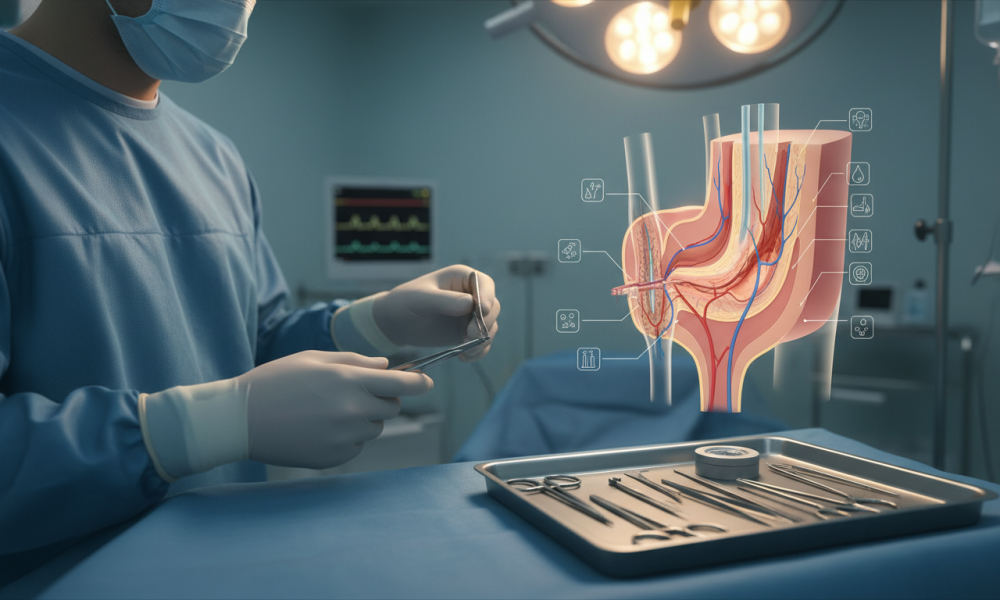
Lateral internal sphincterotomy is the top choice for chronic fissures. It’s seen as safe, with many people feeling better soon after. But, there’s a small chance of bowel control issues.
Doctors aim to avoid this by making small, precise cuts in the muscle. This helps keep risks low.
Recognising Warning Signs During Recovery
Watching your body closely is key to a smooth recovery after fissure surgery. Some pain is normal, but look out for signs that need a doctor’s attention.
If you see a lot of bleeding that won’t stop or signs of infection like fever, get help fast. Also, if pain gets worse and meds don’t help, talk to your doctor.
Good postoperative care for anal fissure is vital for success. By following your surgeon’s advice and staying alert, you can heal well and get back to your life.
The Role of Follow-up Care
Your recovery journey doesn’t stop when you leave the clinic in Turkey. Consistent monitoring is key to successful anal fissure treatment. It makes sure your body heals well after the procedure.
Even from afar, your medical team stays committed to your health. Thanks to modern tech, you can stay in touch with your anal fissure specialist easily.
Remote Monitoring and Communication with Your Surgeon
Now, digital tools make talking to your surgical team easy and safe. You can share your recovery updates through secure apps or video calls.
These online meetings help solve small issues early. By sending photos or detailed reports, your surgeon can give you personalised advice. This keeps your healing on track.
When to Seek Local Medical Advice Upon Returning Home
Remote help is great, but sometimes you need to see a local doctor in the United States. If you have severe pain, won’t stop bleeding, or show signs of infection, get help fast.
Tell your local doctor about your surgery abroad. Give them your discharge papers. This helps any local anal fissure specialist give the best care if needed.
| Communication Method | Best Used For | Response Time |
|---|---|---|
| Secure Messaging | Routine progress updates | Within 24 hours |
| Video Consultation | Detailed clinical review | Scheduled appointment |
| Local Emergency Care | Acute pain or infection | Immediate |
Comparing Surgical Costs and Packages
When looking at surgical options for anal fissure in Turkey, clear pricing is key. The total cost is often lower than in the US. But, planning your finances well is important for a smooth trip.
What is Typically Included in Medical Tourism Packages
Good clinics in Turkey offer all-in-one packages. These make paying for your care easy and worry-free. They cover everything you need for your treatment.
These packages include the doctor’s fees, hospital costs, and anaesthesia. They also offer essential help like airport transfers and a place to stay for you and a friend.
| Service Category | Standard Inclusion | Benefit |
|---|---|---|
| Clinical Care | Surgeon and Hospital Fees | Predictable pricing |
| Logistics | Airport Transfers | Reduced travel stress |
| Recovery | Follow-up Consultations | Ensured healing progress |
Hidden Costs to Consider When Budgeting
All-inclusive packages are great, but you should also think about extra costs. Having a backup fund for unexpected expenses is smart.
Remember to budget for personal medicines not covered by the clinic. Also, plan for extra stay costs if you need more time to heal.
Don’t forget about extra costs like phone charges, travel insurance, and flight changes. Being proactive with your budget lets you focus on getting better without worrying about money.
Patient Rights and Ethical Standards in Turkish Clinics
Ethical standards are key in the medical world, and Turkish clinics take this seriously. When you see a anal fissure specialist, you’ll find top-notch care. These clinics value your dignity and safety above all.
Informed Consent and Transparency
Being open is vital in doctor-patient talks. Your surgeon will explain the surgery, risks, and results before starting. This way, you can make informed health choices.
Informed consent is more than a form. It’s a conversation. Your anal fissure specialist will answer all your questions. This makes sure you’re okay with the treatment plan. For those with medical tourism agencies, all care details, including costs, are clear.
Patient Privacy and Data Protection
Turkish clinics protect your personal and health info well. They use secure systems to keep your records safe. This meets global data protection rules, giving you peace of mind.
Your privacy is a top priority, from start to finish. Clinics follow strict rules to keep your data safe. This lets you focus on getting better and staying healthy.
| Standard | Patient Expectation | Clinic Responsibility |
|---|---|---|
| Informed Consent | Full understanding of risks | Clear, jargon-free explanation |
| Data Privacy | Secure record handling | Encryption and restricted access |
| Ethical Conduct | Professional, respectful care | Adherence to medical board rules |
| Transparency | Clear pricing and procedures | Detailed documentation provided |
Navigating the Cultural and Language Aspects
Going abroad for medical care is more than just the doctor’s skill. It’s about understanding each other’s culture and language. Clear communication is key for a safe and successful recovery.
Patients often worry about sharing their concerns or understanding medical instructions in a new place. But, Turkey’s modern medical facilities have the support you need. This lets you focus on getting better.
The Importance of Translation Services
Professional translation services are a vital link between you and your medical team. They ensure your diagnosis, surgical plan, and care are explained with absolute precision. Using certified medical interpreters avoids the risks of miscommunication.
Top clinics in Turkey have patient coordinators who speak English fluently. They help with everything from first meetings to after-care instructions. Having a professional with you gives you immense peace of mind, letting you ask questions freely.
Cultural Sensitivity in Healthcare Settings
Understanding the cultural context of your care is also key. Turkish healthcare values hospitality and respect. This empathetic approach helps reduce anxiety about being away from home.
When your medical team shows cultural sensitivity, trust and comfort grow. You can share your preferences and concerns, knowing they’re respected. This supportive environment makes you feel fully empowered and cared for in Turkey.
Success Rates and Long-term Prognosis
Surgical treatment often leads to a permanent fix for long-lasting fissures. When other methods don’t work, Fissure Surgery is a reliable way to improve your life. Many patients see a big change in their comfort levels right after the surgery.
Clinical Evidence Supporting Surgical Success
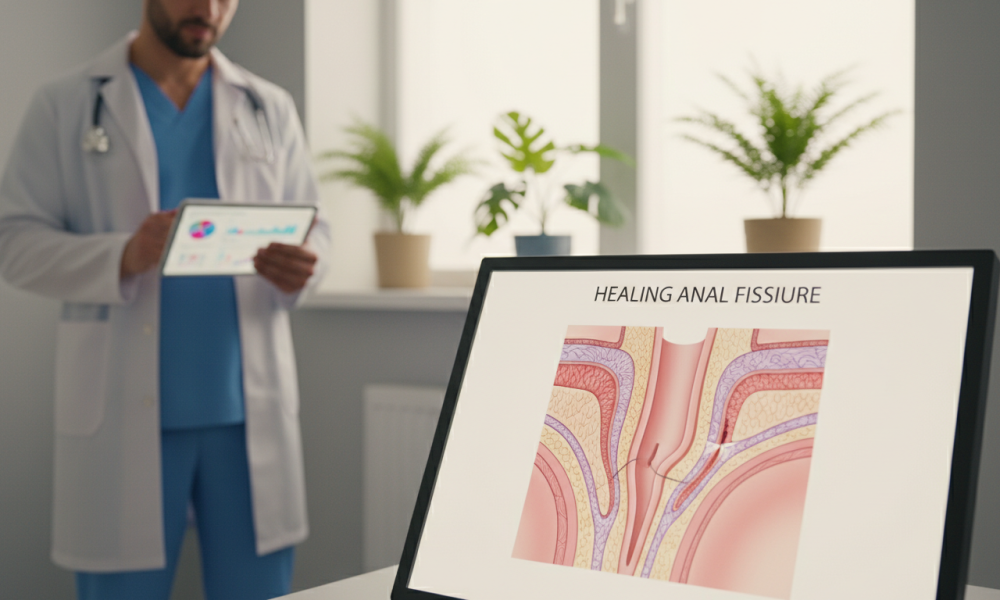
Medical studies show that chronic fissure surgery, like lateral internal sphincterotomy, works well for most people. It has success rates over 90% in many cases. This success comes from lowering the pressure in the internal sphincter, which causes pain.
By fixing the main problem, doctors help the tissue heal quickly and for good.
“The surgical management of chronic anal fissures remains the gold standard for patients who do not respond to medical therapy, providing a lasting cure with little long-term side effects.”
Managing Expectations for Full Recovery
Even though the surgery works well, knowing how long it takes to heal is key. Recovery after fissure surgery is a slow process that needs careful following of post-op advice. Most people feel less pain in the first week, but it can take several weeks for full healing.
Having the right expectations makes the healing time easier. It’s important to keep talking to your doctor to make sure you’re healing as expected. Here’s a table showing what to expect during healing.
| Recovery Phase | Expected Milestone | Patient Focus |
|---|---|---|
| Immediate (Days 1-3) | Initial pain reduction | Rest and hydration |
| Short-term (Weeks 1-2) | Return to light activity | Dietary fibre intake |
| Long-term (Weeks 4-6) | Complete tissue closure | Lifestyle maintenance |
By keeping an eye on these milestones, you can manage your healing better. Taking care of your health helps keep the surgery’s benefits for a long time.
Conclusion
Choosing expert surgical care in Turkey for chronic pain is a smart move. You get access to top-notch medical facilities that focus on safety and excellence. This path offers cost savings and the skills of skilled proctology specialists.
Your success depends on your dedication to the whole process. Picking a qualified surgeon is key to your recovery. Following the postoperative care plan helps your body heal right and avoids future issues.
Living without the constant pain of anal fissures is possible. Istanbul and other major cities have the latest medical tools for a full recovery. Contact a trusted clinic for your first consultation today.
By taking this step, you take control of your life again. Talk to a specialist who knows your health needs. Your journey to a pain-free life starts with one informed choice.
FAQ
Q: Why is Turkey considered a premier destination for fissure surgery?
A: Turkey is a top choice for fissure surgery because of its state-of-the-art medical infrastructure and skilled surgeons. Places like Acıbadem Healthcare Group and Memorial Hospitals meet Joint Commission International (JCI) standards. This means patients get the same quality care as in the UK or US, but at a better price.
Q: What are the primary surgical options for anal fissure available to international patients?
A: The main surgical options for anal fissure include Lateral Internal Sphincterotomy (LIS) and fissurectomy. Turkish clinics also offer minimally invasive techniques like laser-assisted anal fissure repair. These methods can make recovery faster and more comfortable.
Q: When does chronic fissure surgery become necessary?
Chronic fissure surgery is needed when other treatments don’t work after six to eight weeks. If you have severe pain and bleeding, a specialist will suggest surgery. This helps stop spasms and aids in healing.
Q: How should I prepare for my anal fissure treatment in Turkey?
A: To prepare, gather your medical history and any past anal fissure treatment records for a digital consultation. After your specialist confirms surgery, arrange your travel. Turkish clinics offer packages with VIP transfers, translation, and pre-op checks for a smooth experience.
Q: What does the postoperative care for anal fissure involve?
A: Good postoperative care for anal fissure is key for success. Right after surgery, you’ll be watched for pain and wound healing. At home, your specialist will give you a care plan. This includes sitz baths, stool softeners, and anal fissure healing tips to keep the area clean.
Q: Is the recovery after fissure surgery long or painful?
A: Most patients see a big drop in pain right after lateral internal sphincterotomy. There might be some discomfort, but it’s usually mild. Recovery takes six to ten weeks, but you can often go back to light work in a week.
Q: How can I ensure optimal anal fissure healing and prevent recurrence?
A: For long-term success, making lifestyle changes is essential. Eat a high-fibre diet (25–35 grams daily) and stay hydrated to keep stools soft. Your Turkish surgeon will give you a diet guide to avoid constipation and prevent future repairs.
Q: What are the risks associated with anal fissure repair?
Anal fissure repair is mostly safe, but risks include minor infection, bleeding, or temporary incontinence. Choosing a skilled anal fissure specialist in a place like Medical Park Hospitals lowers these risks. It’s also important to watch for signs like fever or more discharge and seek help if needed.
Q: Are the costs of chronic fissure surgery in Turkey inclusive of follow-up care?
A: Most packages in Turkey include surgery, hospital fees, meds, and initial follow-ups. Turkish specialists also offer remote monitoring to check on your healing after you return home. This ensures your anal fissure healing is on track.
Related guides

Healthcare Content Compliance Guide for Growth
A high-performing treatment page can generate international patient inquiries within hours. It can also create material risk if…

Turkey Hospitals vs Local Hospitals Compared
A lower procedure quote can get a patient’s attention. It should not make the decision on its own.…

Patient Experience That Drives Trust and Growth
A patient who has already uploaded medical records, compared providers, and arranged time away from work is not…