
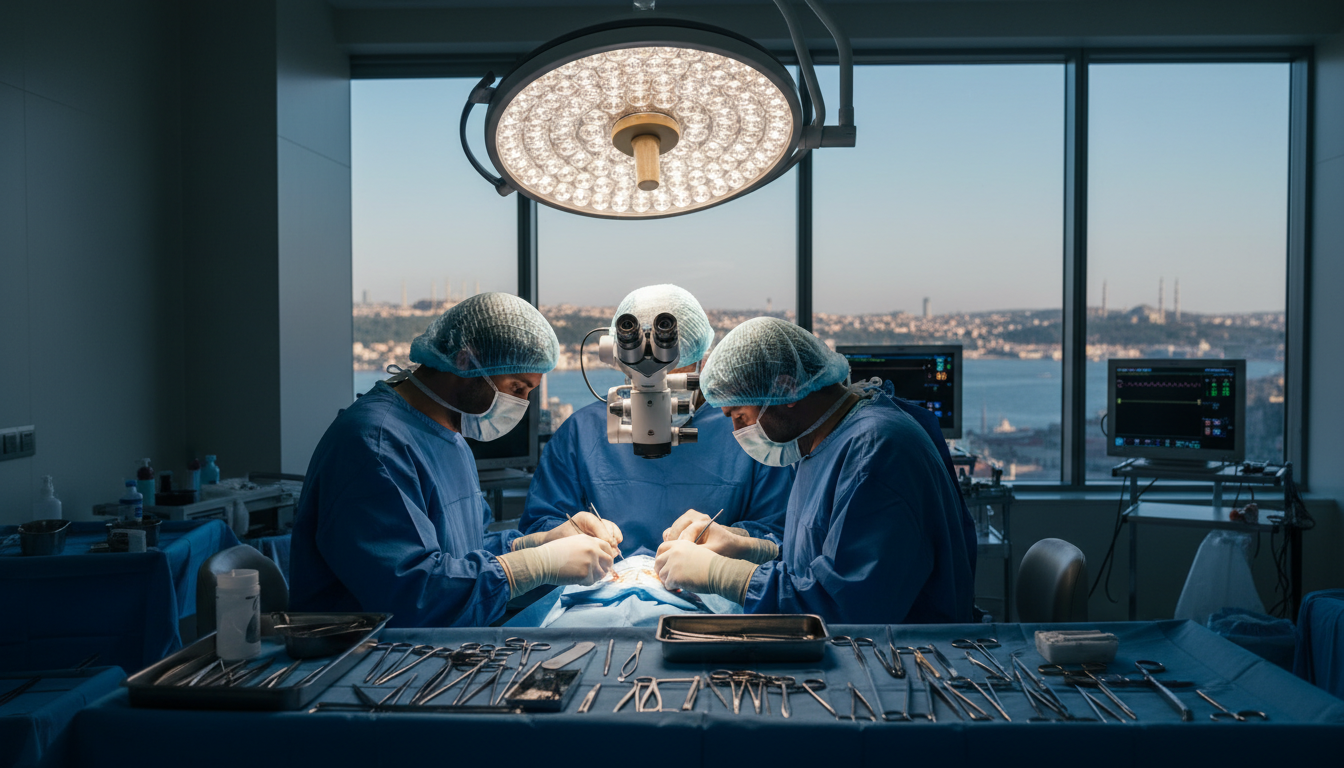
Turkey is now a top choice worldwide for advanced medical care. People from all over come here for complex treatments. They are attracted by the top-notch medical standards and the low costs.
The healthcare in big cities is as good as the best in Western Europe or North America. Clinics focus on safety and use the latest technology. This makes recovery smooth. Turkey is perfect for those needing Flap Surgery or other reconstructive treatments.
It’s important to know all about these medical services before making a choice. This guide will help you see why many trust Turkish doctors with their health.
Key Takeaways
- Turkey is recognised as a leading hub for high-quality medical care.
- Patients benefit from a significant reduction in costs without compromising on safety.
- Modern clinics utilise advanced technology to ensure optimal outcomes for every patient.
- The country offers a professional and supportive environment for international medical travellers.
- Comprehensive care programmes are tailored to meet the specific needs of each individual.
Understanding the Fundamentals of Flap Surgery
At the heart of modern reconstructive surgery is the surgical flap technique. It moves living tissue from one place to another. This is to fix defects from trauma, cancer, or birth conditions.
A flap is different from a simple skin graft. It has its own blood supply. This essential feature keeps the tissue healthy and alive during healing.
Defining Surgical Flaps in Reconstructive Medicine
In reconstructive surgery, a flap is tissue moved with its blood supply. This blood supply, or pedicle, is vital for the tissue to thrive in its new home.
Surgeons plan the flap’s shape and blood flow carefully. This ensures it fits the defect well. Keeping the blood vessels intact helps the tissue blend with the surrounding area.
The Biological Principles of Tissue Transfer
The success of a tissue flap relies on blood flow. Without enough blood, the tissue may not survive, causing problems.
Before surgery, surgeons check the blood flow of the donor site. This careful check ensures the tissue flap gets enough oxygen and nutrients for success.
Distinguishing Between Skin Flaps and Tissue Flaps
It’s key to know the difference between skin and tissue flaps. A skin flap is thin, used for surface repairs where less bulk is needed.
A tissue flap, on the other hand, can include muscle, fat, or bone. These are used for deeper wounds or where more volume is needed. The choice depends on the patient’s specific needs.
Why Turkey Has Become a Global Hub for Plastic and Reconstructive Surgery
Turkey has become a top choice for plastic surgery thanks to smart investments. The focus on innovation and patient care has drawn people from all over. They come for the high-quality medical services.
Investment in Advanced Medical Infrastructure
The Turkish government and private sector have invested heavily in modern healthcare. They’ve built top-notch hospitals with the latest technology. This ensures the best results for patients.
These advanced facilities allow for precise and complex surgeries. They’re designed to support the latest plastic and reconstructive surgery methods.
The Role of International Accreditation in Turkish Hospitals
Safety is a top priority in Turkish healthcare. Many hospitals have international accreditations, like the Joint Commission International (JCI) seal. This shows they meet global standards.
These accreditations give patients confidence. They ensure hospitals follow strict rules on hygiene and patient safety.
The Expertise of Turkish Plastic Surgeons
The success of Turkey’s medical tourism is thanks to its skilled doctors. Turkish surgeons are well-trained and often work abroad. They bring a wealth of experience to their work.
Many are part of international medical boards. Choosing plastic surgery in Turkey means you’re in good hands. You’ll get exceptional aesthetic and functional results.
Types of Flap Surgery Procedures Available
It’s important to know about the different types of tissue transfer for those thinking about surgery. Today, we have many ways to fix damaged body parts. Each surgical procedure is picked based on the size, depth, and where the damage is.
Local Flaps for Minor Reconstructive Needs
Local flaps are used for small defects where the skin is healthy. The surgeon moves tissue from next to the wound. This method works well because the tissue keeps its blood supply, helping it heal faster.
Regional Flaps and Their Applications
For bigger defects, regional flaps are chosen. This versatile method moves tissue from a nearby area with its blood vessels. It’s great for covering exposed bone or deep wounds that need more tissue than a simple skin flap.
Free Flaps and Microvascular Techniques
Free flaps are the most advanced in Flap Surgery. This surgical procedure moves tissue completely from one body part to another. Surgeons use microscopes to connect tiny blood vessels, making sure the tissue survives in its new home.
| Flap Type | Complexity | Primary Use | Recovery Time |
|---|---|---|---|
| Local Flap | Low | Minor skin defects | Short |
| Regional Flap | Moderate | Deep tissue coverage | Moderate |
| Free Flap | High | Complex reconstruction | Extended |
Choosing the right Flap Surgery needs a detailed check by a specialist. Whether it’s a simple skin flap or a complex transfer, the aim is the same. Each surgical flap is made to fit the patient’s unique needs.
The Patient Journey for Flap Surgery in Turkey
Getting ready for flap surgery in Turkey is a well-planned process. It’s made to make international patients feel at ease. Every step is designed to give you personalised care from the start. This way, you get all the medical checks done before you leave.
Initial Consultations and Virtual Assessments
It all starts with a detailed virtual consultation. This online meeting lets your surgeon look at your health history and figure out what you need. Clear communication is key to making a treatment plan that works for you.
You’ll talk about what you want to achieve and get a detailed explanation of the surgery. Surgeons use secure online tools to share photos or scans. This makes sure everyone is on the same page about what to expect.
Pre-operative Planning and Medical Clearance
After deciding on a plan, it’s time to get ready for surgery. You’ll need to send in recent blood tests and a health update. This is a critical safety step to make sure surgery is safe for you.
Your team will give you specific advice on managing your meds and making lifestyle changes. Following these tips is important to avoid problems and make recovery easier. Doing these things at home means you can focus on your surgery when you arrive in Turkey.
Arrival and Hospital Admission Protocols
When you arrive in Turkey, a team will help you get to the hospital. The admission process is quick, so you can settle in and meet your team soon. Professional staff will help with the last bits of paperwork and go over your pre-op instructions.
This part of your journey makes sure you feel supported and informed before surgery. The hospital is set up to provide seamless care from when you arrive to when you go into the operating room.
| Phase | Primary Objective | Patient Action |
|---|---|---|
| Virtual Consultation | Treatment Planning | Provide medical history |
| Medical Clearance | Safety Verification | Complete lab tests |
| Hospital Admission | Final Preparation | Check-in and orientation |
Technological Advancements in Reconstructive Surgery
Precision is key in reconstructive surgery today. Digital tools help surgeons do complex tasks with great accuracy. This means patients get the best care as they heal.
The Use of Robotic Assistance in Tissue Transfer
Robotic systems have changed how surgeons work with tissue flap. They offer enhanced dexterity, making it easier to work in small spaces. Robots also remove hand tremors, ensuring precise stitches.
High-Resolution Imaging for Vascular Mapping
Before surgery, knowing the patient’s blood vessels is essential. High-tech imaging helps map these vessels. This advanced diagnostic capability lowers the risk of problems during reconstructive surgery.
Innovations in Post-operative Monitoring Equipment
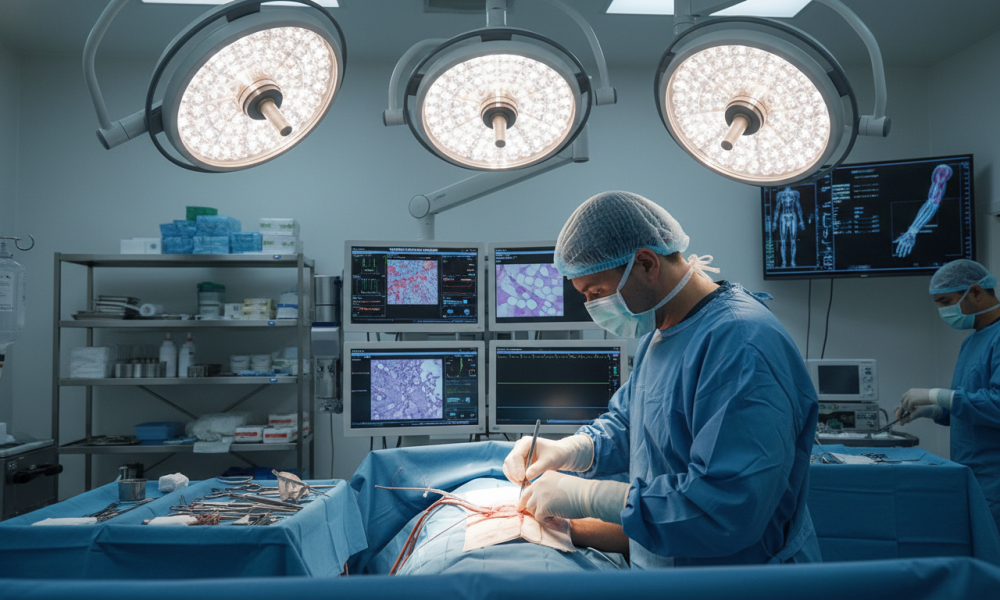
The recovery phase is as important as the surgery. Modern clinics use advanced monitoring to watch blood flow. These innovative sensors alert doctors to any tissue issues quickly. This helps teams act fast to protect patient outcomes.
Safety Standards and Quality Control in Turkish Clinics
The Turkish healthcare system focuses on keeping patients safe. It has a strong network of checks and balances. Clinics follow strict rules to make sure every surgery meets top standards. Choosing a facility that adheres to these high standards is vital for your peace of mind and long-term health.
Regulatory Oversight by the Turkish Ministry of Health
The Turkish Ministry of Health oversees all medical practices. Every clinic must pass frequent and rigorous inspections to keep its licence. These checks make sure clinics follow national and international medical rules.
This control also checks the doctors’ qualifications and the hospital’s management. The government’s strict rules ensure patients get care in a safe place. This has made Turkey a reliable place for complex surgeries.
Sterilisation Protocols and Infection Control
Keeping things clean is key to avoiding problems after surgery. Turkish clinics use state-of-the-art sterilisation technology for all tools and equipment. These strict rules help prevent infections during surgeries.
Staff get regular training on infection control. Every area and tool is cleaned carefully. This careful cleaning lowers the chance of infections, helping patients recover faster.
Patient Safety Metrics and Success Rates
Turkish clinics track patient safety to improve surgeries. They look at how quickly patients recover and how often problems happen. This data-driven approach helps keep quality high for every patient.
Good clinics are open about their success rates. Patients can check these rates to choose wisely. The table below shows where Turkish clinics excel in care.
| Safety Category | Standard Protocol | Patient Benefit |
|---|---|---|
| Regulatory Compliance | Mandatory Ministry Audits | Guaranteed Legal Standards |
| Infection Control | Advanced Sterilisation Tech | Reduced Risk of Complications |
| Quality Assurance | Continuous Data Tracking | Consistent Surgical Outcomes |
| Staff Training | Annual Certification Updates | Expert Medical Care |
Preparing for Your Surgical Procedure
Your journey to a successful surgical procedure begins at home. Organising your health and logistics in Turkey will improve your recovery. Being well-prepared reduces stress and lets you focus on healing.
Lifestyle Adjustments Before Travelling
Healthy habits before your trip are key for tissue healing. Try to stop smoking at least four weeks before. Nicotine hinders blood flow and can harm tissue grafts.
Eat a balanced diet full of vitamins and minerals to boost your immune system. Drinking plenty of water is also important for your body’s recovery.
Medication Management and Pre-surgical Guidelines
Give your medical team a full list of your medications, supplements, and herbal remedies. Some, like aspirin, may need to be stopped to avoid bleeding risks during your surgical procedure.
Always follow your surgeon’s fasting instructions before the operation. This ensures safe anaesthesia administration.
Packing Essentials for Your Recovery Period
Pack for comfort and easy movement. You’ll need loose clothes that don’t rub or require overhead movement.
Include these items in your luggage for a comfortable stay:
- Loose, button-down shirts or zip-up hoodies for easy dressing.
- All relevant medical records, test results, and identification documents.
- A list of emergency contacts and your surgeon’s office details.
- Personal toiletries and any prescribed medications you are permitted to bring.
- A comfortable pillow for support during your flight and initial recovery.
Plan your packing list carefully to make your surgical procedure and recovery stress-free. Preparation is the key to a positive experience abroad.
The Role of Microvascular Surgery in Complex Reconstructions
Microvascular surgery is key to successful complex reconstructive procedures. It involves transplanting tissue by reconnecting tiny blood vessels. This method is often the only viable option for extensive reconstruction after trauma or cancer surgery.
Understanding Vascular Pedicles
The vascular pedicle is central to free flap procedures. It includes the artery and vein that supply blood to the tissue. Without a robust and reliable blood supply, the tissue cannot survive.
Surgeons must isolate these vessels carefully to keep them intact during transfer. Keeping the pedicle intact is critical for the reconstruction’s long-term success. Precision is key when working with these delicate structures.
“The ability to move tissue from one site to another, while maintaining its lifeblood through microscopic vessel anastomosis, represents one of the greatest triumphs of modern surgical science.”
Challenges and Solutions in Microsurgical Procedures
Microsurgery faces unique technical challenges due to the tiny vessel diameters. Surgeons work with vessels just a few millimetres wide, needing extraordinary steady hands and high magnification. A small mistake in the connection can cause problems.
To tackle these challenges, Turkish medical teams use advanced operating microscopes and special micro-instruments. These tools offer enhanced visualisation and ensure precise stitching. They also use advanced monitoring to check blood flow after the procedure.
Through rigorous training and the latest technology, Turkish surgeons achieve high success rates. These advancements give patients confidence in their reconstructive journey, backed by the highest standards of surgical excellence.
Recovery and Aftercare Protocols
Recovery starts as soon as you wake up from surgery. Good plastic and reconstructive surgery needs careful observation. This ensures the transferred tissue stays healthy and well-supplied with blood.
Immediate Post-operative Care in the Hospital
When you wake, a skilled nursing team will watch over you. They’ll check the blood flow to the flap often. This is to make sure it’s flowing well and steadily.
This early stage is key for spotting any problems early. You might need to stay in a certain position. This helps the tissue heal properly.
Managing Pain and Promoting Healing
Managing pain well is important for your recovery. Your team will create a pain plan just for you. This will help you stay comfortable while you rest.
Getting up and moving early is also important. It helps prevent blood clots and keeps the blood flowing. Your surgeon will tell you how much to move and when. Following their advice will help your healing.
Long-term Follow-up and Scar Management
After you go home, you’ll focus on long-term care and looking good. Regular check-ups are key to watching the site heal.
Looking after scars is important too. You might use silicone gel sheets, protect your skin from the sun, and gently massage the area. For complex surgeries, like cranio-facial surgery, you’ll need a special care plan. This helps get the best results from plastic and reconstructive surgery.
| Recovery Phase | Primary Focus | Expected Duration |
|---|---|---|
| Immediate | Vascular monitoring | 24 to 72 hours |
| Intermediate | Wound healing | 2 to 4 weeks |
| Long-term | Scar maturation | 6 to 12 months |
Following these steps carefully will help your surgery pay off. Being patient and consistent is key during your recovery.
Comparing Costs of Flap Surgery in Turkey versus the United States
More and more people from the United States are looking at Turkey for affordable Flap Surgery. The quality of care is top-notch, but the cost of healthcare is different. Knowing these differences is key when planning your Flap Surgery.
Analysing the Value Proposition
Turkey’s lower costs come from its lower operational overhead. Turkish hospitals have lower admin costs and different labour markets than the US. These savings mean you get premium surgical care at a lower price.
Despite being cheaper, Turkey doesn’t cut corners on Flap Surgery. Turkish clinics use the latest technology and have highly trained doctors. This mix of quality and price makes Turkey a great choice for patients.
Hidden Costs and What to Expect in Your Quote
When you get a medical quote, it should be clear. A good Flap Surgery quote should list all costs to avoid surprises. It should cover the surgeon’s fees, anaesthesia, hospital stay, and post-op meds.
Make sure your quote includes airport transfers, accommodation, and follow-up visits. Some clinics offer all-inclusive packages to make things easier for you. Always check that the quote is complete and includes everything you need for recovery.
Insurance Considerations for International Patients
Dealing with insurance for surgeries abroad can be tricky. Most US health insurance doesn’t cover surgeries in other countries. Talk to your insurer early to see if any part of your Flap Surgery might be covered.
Some people look into private medical loans or international health insurance for medical tourism. Keep all your medical records and bills for any insurance claims. Always talk to your insurance to know what’s covered before you go.
| Cost Factor | United States | Turkey |
|---|---|---|
| Surgeon Fees | High | Moderate |
| Hospital Overhead | Premium | Competitive |
| Flap Surgery Package | Often Unbundled | Usually All-Inclusive |
| Follow-up Care | Variable | Included in Package |
Navigating Language and Cultural Differences
Good communication is key for a successful surgery abroad. Many doctors in Turkey speak English well. But, clear talk is needed for detailed surgery talks. Knowing what to expect is a critical step for your safety and happiness.
It’s smart to meet the doctor before choosing a clinic. This way, you can check if they talk in a way you understand. Talking openly helps set the right expectations and leads to a better outcome.
The Importance of Medical Translators
Medical translators are key in helping you and your surgical team talk clearly. They make sure medical terms are understood correctly. This is important for talking about risks, recovery times, and after-care instructions.
Using online tools or friends for translation can lead to mistakes. Good Turkish hospitals have patient coordinators for you. They are trained to handle detailed medical talks.
Cultural Nuances in Patient-Doctor Communication
Knowing the local culture helps you connect better with your doctor. In Turkey, doctors value mutual respect and warmth. They often show a personal interest in your health.
Being open, polite, and clear with your questions is important. This shows respect and helps build trust. By understanding these cultural differences, you create a strong partnership for your healing journey.
Selecting the Right Surgeon and Clinic
Finding the right medical team abroad is key. When you’re looking at plastic surgery in another country, the surgeon’s skill matters a lot. Doing your homework ensures you’re in good hands during your recovery.
Verifying Credentials and Board Certifications
Start by checking your surgeon’s credentials. Look for board certifications from known bodies or the Turkish Society of Plastic, Reconstructive and Aesthetic Surgeons. Always verify they have the right experience for your case.
Also, check your clinic or hospital for safety standards. A good place will show their accreditations and staff qualifications. If not online, ask for copies of certifications.
Reviewing Portfolios and Patient Testimonials
Looking at a surgeon’s work can give you a good idea of their style and skill. Clinics usually have “before and after” photos. Choose ones that match your needs.
“The hallmark of a truly skilled surgeon is not just technical ability, but the capacity to listen to the patient and align surgical goals with realistic, safe outcomes.”
Also, read patient testimonials for more insight. Look for comments on the clinic’s communication, cleanliness, and support after surgery. Authentic reviews often highlight important details.
Questions to Ask During Your Consultation
Make a list of questions for your consultation. It’s important to ask about the surgeon’s experience with your procedure and any risks. The table below shows key areas to explore before you decide.
| Category | Key Question | What to Look For |
|---|---|---|
| Experience | How many of these procedures have you performed? | High volume of specific surgeries. |
| Safety | What are your infection control protocols? | Clear, documented hygiene standards. |
| Support | Who will manage my aftercare? | A dedicated, accessible medical team. |
| Outcomes | What happens if a revision is needed? | A clear, fair revision policy. |
By asking these questions, you can feel more confident about your plastic surgery journey. A professional clinic will answer your questions honestly. Your health and safety are the most important things to consider.
Potential Risks and Complications
Reconstructive procedures can change lives, but knowing the risks is key. Every surgical flap procedure is complex. It needs careful watching in the early healing days. Knowing this helps you spot and act on any problems quickly.
Recognising Early Signs of Flap Failure
The first few days after surgery are critical for a surgical flap. Watch for colour changes like paleness, blueness, or dusky tones. These could mean a blood flow problem. Also, look out for a lack of warmth or slow capillary refill.
If you see these signs, don’t wait for your next check-up. Call your surgical team right away. Quick action can save the tissue. Your team can quickly check for and fix blood flow issues.
Managing Post-surgical Complications
Complications like infections or haematomas can happen during recovery. Surgeons in Turkey use advanced tools to catch these early. Prompt communication with your clinic is key if you have swelling, fever, or pain.
The Importance of Adhering to Medical Advice
Following your surgeon’s post-op instructions closely is key to avoiding risks. This means not over-exerting yourself, avoiding pressure on the site, and no smoking. These steps help your surgical flap heal well.
| Potential Risk | Early Warning Sign | Recommended Action |
|---|---|---|
| Vascular Compromise | Colour change or cold skin | Contact surgeon immediately |
| Infection | Increased redness or fever | Monitor and report symptoms |
| Haematoma | Sudden, firm swelling | Seek urgent clinical review |
| Flap Necrosis | Darkening or tissue breakdown | Follow professional wound care |
Logistics for International Patients Travelling to Turkey
Planning your trip to Turkey for surgery is important for a stress-free recovery. By arranging your travel carefully, you can focus on getting better. A good plan means every part of your trip is taken care of.
Visa Requirements and Travel Documentation
Getting the right documents to enter Turkey is usually easy. You might need an e-Visa, which you can get online quickly. Check what you need based on your country before you go.
Make sure your passport is valid for at least six months after you arrive. Keep digital and paper copies of your medical letter, flight, and where you’re staying. This makes going through customs and immigration easier.
Accommodation Options for Recovery
Choosing the right place to stay after surgery is key for your comfort. Many prefer serviced apartments or recovery hotels for medical travellers. They are close to clinics for easy visits.
Look for places with on-site support staff who know what you need. Some clinics have deals with local hotels for better rates and services. A quiet, comfy place helps you rest and heal better.
Local Transportation and Support Services
Getting around a new city while recovering is hard, so good transport is essential. Most clinics offer private transfers from the airport to your place. This saves you from worrying about public transport or taxis.
Many clinics also have dedicated concierge services for your daily needs. They can help with shopping, pharmacy visits, or local tours. Using these services makes your stay smooth and supported.
Ethical Considerations in Medical Tourism
Seeking reconstructive surgery abroad raises many ethical questions. The allure of quality care at a lower cost is strong. Yet, patients must consider the complex professional responsibilities involved. Ethical integrity is key to a successful international medical trip.
Ensuring Continuity of Care Upon Returning Home
One major ethical issue is the care you’ll need when you return home. It’s important to make sure your local doctor is ready to handle any complications or follow-up needs. You should get a detailed medical summary and all imaging results before leaving.
Without a plan for continuity of care, you might face big problems if an emergency happens. Doctors back home might be unsure about treating complications from surgeries done abroad without full records. It’s critical to have open communication between your international surgical team and your local doctor for your safety.
The Ethics of Informed Consent
Informed consent is more than a legal form; it’s a moral duty that respects your rights as a patient. You need to know all the risks, benefits, and possible outcomes of your reconstructive surgery before agreeing. This means all information must be in a language you understand perfectly.
“True informed consent is a dialogue, not a signature on a page. It requires that the patient understands the gravity of the procedure and the reality of the recovery process.”
Clinics should give clear data on their success rates and possible complications. Feeling rushed or pressured to make a decision is a big ethical warning sign. Always choose based on clear, unbiased information, not marketing promises.
| Ethical Pillar | Patient Responsibility | Clinic Responsibility |
|---|---|---|
| Informed Consent | Ask detailed questions | Provide full disclosure |
| Continuity of Care | Secure medical records | Facilitate handover notes |
| Safety Standards | Verify credentials | Maintain accreditation |
The ethics of reconstructive surgery globally depend on mutual openness. By focusing on your health and demanding clear communication, you safeguard your well-being throughout the journey.
Conclusion
Choosing Turkey for your reconstructive needs is a smart move. It combines top medical skills with the latest technology. You’ll find surgeons who focus on precision and your safety at all times.
Success depends on your preparation and choosing the right clinic. Look into your options and check your team’s qualifications. This is the best way to get a good result.
Looking after your health means talking openly and being proactive about your recovery. Stay informed and follow your specialist’s advice. This will help you feel confident on your medical journey. Start your recovery by booking a consultation with a trusted provider today.
FAQ
Q: Why has Turkey emerged as a leading destination for complex flap surgery?
A: Turkey is now a top choice for complex flap surgery. It has invested in top-notch medical facilities and skilled surgeons. Patients find it offers quality care at a good price, making surgery accessible without sacrificing safety or results.
Q: What is the fundamental difference between skin flaps and other tissue flaps?
A: Skin flaps are made of skin and fat, while other flaps include muscle, bone, or fascia. The key is keeping the tissue alive by maintaining blood flow. This can be done through a direct connection or microsurgery.
Q: How do Turkish hospitals ensure patient safety and quality control for a surgical procedure?
A: Turkish clinics are closely watched by the Turkish Ministry of Health. Many also have international accreditation, like JCI. They follow strict rules for cleanliness and patient safety to keep their certification.
Q: What are the different types of surgical flaps used in reconstructive medicine?
A: Surgeons use different types of flaps based on the complexity. Local flaps move tissue close to the defect. Regional flaps use tissue from the same area. Free flaps are for more complex cases, needing microsurgery to connect blood vessels.
Q: How is the patient journey managed for those travelling from abroad?
A: The journey starts with online consultations and assessments. This lets the team plan the surgery before you arrive. When you get there, hospitals follow strict admission rules. Medical translators help with communication and getting informed consent.
Q: What role does technology play in modern flap surgery in Turkey?
A: Turkish clinics use the latest tech for precise surgery. This includes robotic help and advanced imaging for planning. New monitoring tools also help track how the tissue is doing, reducing risks.
Q: How should I prepare for a surgical flap procedure?
A: Getting ready is key for a good outcome. Quit smoking to improve blood flow and avoid flap failure. Follow medication advice and pack a recovery kit for comfort in Turkey.
Q: What does the recovery and aftercare protocol involve?
A: After surgery, patients get close monitoring of blood flow to the flap. Pain management and wound care are top priorities. Long-term, clinics guide on scar care and schedule follow-ups to check on the flap’s success.
Q: Is the cost of plastic and reconstructive surgery in Turkey significantly lower than in the United States?
A: Yes, Turkey is much cheaper, with costs 50% to 70% lower than in the US. This is due to lower costs and exchange rates, not quality. Always check for hidden costs and understand insurance coverage for your surgery.
Q: What are the risks of flap surgery, and how can they be mitigated?
A: Risks include infection or flap failure. Choosing a certified surgeon and following advice can lower these risks. This includes being careful with activity and wound care.
Q: How do I handle the logistics of visas and accommodation for my treatment?
A: Most patients need a medical visa and valid travel documents. Clinics can help with this. There are many places to stay, from recovery hotels to apartments near the clinic. Providers also offer transport and support for a smooth stay.
Related guides

Healthcare Content Compliance Guide for Growth
A high-performing treatment page can generate international patient inquiries within hours. It can also create material risk if…

Turkey Hospitals vs Local Hospitals Compared
A lower procedure quote can get a patient’s attention. It should not make the decision on its own.…

Patient Experience That Drives Trust and Growth
A patient who has already uploaded medical records, compared providers, and arranged time away from work is not…