
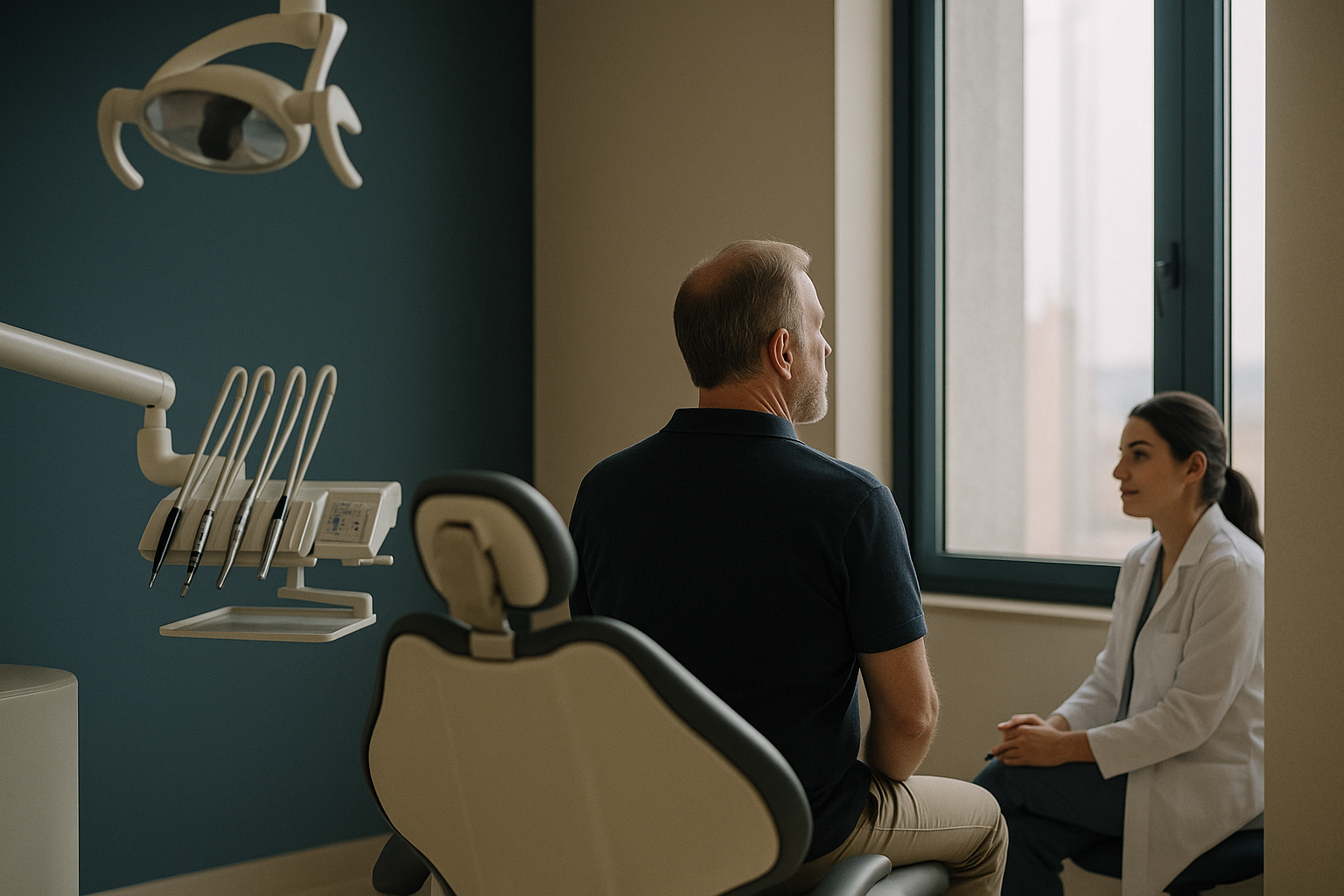
Travelling to Turkey for full mouth dental implants offers a blend of cost savings and expert care. Understanding the full mouth dental implants Turkey price helps in planning and decision-making for prospective international patients.
What Are Full Mouth Dental Implants?
Full mouth dental implants are a comprehensive solution for individuals who have lost most or all of their teeth, offering a significant improvement in both functionality and aesthetics. The procedure involves surgically inserting several implants made from titanium into the jawbone. Titanium is chosen for its biocompatibility and its ability to integrate with bone, a process known as osseointegration. These implants serve as anchors for the artificial teeth, providing a stable and permanent base that functions much like natural tooth roots.
In Turkey, this procedure is performed by highly qualified dental surgeons who utilize cutting-edge technology to ensure optimal results. The country is known for its rigorous training programs in dental surgery, ensuring that practitioners are well-versed in the latest techniques and developments in implant dentistry. Clinics often employ 3D imaging and computer-aided design to plan surgeries with precision, maximizing the likelihood of successful outcomes. This technology allows for precise mapping of the jawbone, ensuring the implants are placed in locations that provide the best support and longevity.
This treatment is ideal for patients with considerable tooth loss or damage who are seeking a long-term alternative to dentures and bridges. Unlike removable dentures, full mouth dental implants do not slip or require adhesives, offering a more comfortable and natural experience. Patients often report enhanced confidence and quality of life as a result of this transformation. The permanence and stability of implants mean patients can eat, speak, and smile with confidence, without worrying about their teeth shifting or falling out.
How Much Do Full Mouth Dental Implants Cost in Turkey?
The cost of full mouth dental implants in Turkey ranges from £3,000 to £7,000, which is significantly lower compared to the £20,000 or more often charged in countries like the UK or the US. This cost variance can be attributed to several factors including lower operational costs in Turkey, favorable exchange rates, and the competitive nature of the dental tourism market. Clinics in Turkey can offer such competitive pricing due to lower labor costs, less expensive materials, and a generally lower cost of living.
It’s crucial for patients to understand what is included in the quoted price. Typically, the costs cover the implants themselves, temporary prosthetics, and initial consultations. However, additional expenses can arise from aftercare services, prescriptions, or unforeseen complications that may require extended treatment. Patients should inquire about all potential costs during the initial consultation to avoid any surprises. Some clinics may offer all-inclusive packages that cover airport transfers, accommodation, and even local sightseeing tours, adding significant value to the treatment plan.
Additionally, prospective patients should factor in travel and accommodation expenses when calculating the overall cost of their dental treatment in Turkey. Many clinics offer assistance with travel arrangements and may even have partnerships with local hotels to offer discounted rates for patients. It’s advisable to compare multiple clinics and their offerings to ensure a comprehensive understanding of the total investment required. Patients should also consider the duration of their stay, as recovery time may require an extended visit, influencing overall travel costs.
Why Choose Turkey for Dental Implants?
Turkey has become a prominent hub for dental tourism, attracting thousands of international patients each year. The country’s appeal lies in its unique combination of high-quality care and affordable pricing. Dental clinics in Turkey are equipped with advanced facilities and adhere to international healthcare standards, ensuring that patients receive top-notch care comparable to or even surpassing that in their home countries. These clinics often boast state-of-the-art equipment such as 3D imaging systems, laser dentistry tools, and advanced sterilization techniques.
- Advanced dental facilities with modern equipment.
- Compliance with international healthcare standards.
- English-speaking staff to assist international patients.
Moreover, Turkish dental professionals are renowned for their expertise and are often trained both locally and abroad, bringing a diverse range of skills and knowledge to their practice. The availability of English-speaking staff at most clinics further enhances the experience for international patients, facilitating clear communication and understanding throughout the treatment process. This ensures that patients can have their concerns addressed promptly and feel comfortable with the procedures being undertaken.
Turkey’s strategic geographical location also plays a significant role in its appeal as a dental tourism destination. The country is easily accessible from Europe, the Middle East, and Africa, with numerous direct flights to major cities like Istanbul and Antalya. This accessibility coupled with the opportunity to explore Turkey’s rich cultural heritage makes it an attractive option for many seeking dental treatment abroad. Patients can combine their treatment with a vacation, enjoying Turkey’s unique blend of history, culture, and natural beauty.
What is the Dental Implant Procedure Like?
The dental implant procedure in Turkey is a multi-stage process that begins with a thorough examination and consultation. During this initial phase, dental professionals conduct comprehensive assessments using X-rays and, in some cases, a CT scan to evaluate the jawbone’s structure and density. This diagnostic phase is crucial for planning the surgery with precision and determining the ideal placement for each implant. The dentist considers factors such as bone quality, quantity, and the overall oral health of the patient.
Once the plan is finalized, the surgical phase commences. The dentist makes incisions in the gum to expose the bone, where the titanium implants are then inserted. This part of the procedure is typically performed under local anesthesia, although sedation options are available for patients who experience anxiety or require more extensive work. The implants are strategically placed to ensure they can support the prosthetic teeth effectively, taking into account the bite force and the aesthetics of the final result.
After the implants are placed, a healing period of several months is required. During this time, the process of osseointegration occurs, allowing the implants to fuse with the jawbone and provide a stable foundation for the artificial teeth. Once healing is complete, abutments are attached to the implants, followed by the final prosthetic teeth, completing the restoration process. This staged approach is designed to ensure a successful, long-lasting outcome that closely mimics the function and appearance of natural teeth. Patients are often provided with temporary prosthetics during the healing phase to maintain aesthetics and functionality.
How Long Does the Process Take?
The timeline for full mouth dental implants in Turkey typically ranges from three to six months, although this can vary based on individual circumstances. This timeframe encompasses the initial consultation, surgical procedure, and the healing period before the final prosthetic teeth are placed. The variability in duration is often due to differences in each patient’s healing process and the complexity of their specific case. Factors such as smoking, bone density, and overall health can influence the healing time.
Patients generally need to plan for two to three trips to Turkey throughout the treatment process. The initial visit typically includes the comprehensive consultation and the surgical placement of the implants. Subsequent visits are scheduled for follow-ups, adjustments, and the final fitting of the permanent teeth. The scheduling of these visits is often flexible to accommodate international travelers and their varied timelines, providing convenience and reducing the need for extended stays abroad.
While the process may seem lengthy, the staged approach is critical for ensuring the implants properly integrate with the bone, thereby enhancing the stability and longevity of the dental restoration. Patients are encouraged to discuss the expected timeline and any factors that might affect it with their dental provider during the planning stages to ensure that they are fully prepared for the commitment involved. Clear communication with the dental team can help manage expectations and ensure a smooth treatment journey.
What Are the Benefits of Full Mouth Dental Implants?
Full mouth dental implants offer a multitude of benefits, making them a preferred option for those seeking comprehensive dental restoration. One of the most significant advantages is the permanent nature of implants, which mimic the functionality and appearance of natural teeth. This permanence provides patients with confidence in their smiles and the ability to eat and speak comfortably without the fear of slippage or discomfort common with traditional dentures. The psychological benefits of a restored smile should not be underestimated, as they can significantly impact social interactions and self-esteem.
In addition to enhancing appearance and functionality, dental implants play a crucial role in maintaining oral health. They help preserve the jawbone structure, preventing the bone loss that typically occurs when teeth are missing. This preservation of the bone helps maintain facial integrity and prevents the sunken appearance often associated with denture wearers. By maintaining the bone structure, implants contribute to the overall health of the mouth, reducing the risk of further dental issues.
- Enhanced appearance and confidence.
- Improved oral health and hygiene.
- Long-lasting results with proper care.
The durability of dental implants is another significant benefit. With proper care and maintenance, implants can last a lifetime, making them a cost-effective solution in the long term. Regular dental check-ups and maintaining good oral hygiene practices are essential to ensure the longevity of the implants and the overall health of the mouth. Brushing, flossing, and regular professional cleanings help prevent any complications that could arise from plaque accumulation or gum disease.
Are There Risks or Considerations?
While full mouth dental implants are generally considered safe, they are not without risks. Potential complications include infection at the implant site, implant failure, or nerve damage. However, these risks are rare and can be significantly reduced by choosing experienced and qualified dental professionals. Patients are advised to seek clinicians with a proven track record and verifiable credentials to minimize these risks.
Patients should thoroughly discuss their medical history and any pre-existing conditions with their dentist before undergoing the procedure. This discussion should include any medications being taken, as certain drugs can affect the healing process and the overall success of the implants. A comprehensive pre-treatment evaluation helps tailor the procedure to the patient’s specific needs, enhancing safety and effectiveness. Patients with conditions like diabetes or osteoporosis may require special considerations to ensure successful treatment outcomes.
Post-treatment care is also vital to the success of dental implants. Patients must adhere to good oral hygiene practices and attend regular follow-up appointments with their dentist to monitor the condition of the implants. Lifestyle factors such as smoking can negatively impact healing and should be avoided to ensure the best possible outcome. Dentists often provide detailed post-operative care instructions to help patients maintain their implants and overall oral health.
Conclusion: Is It Worth Travelling to Turkey for Implants?
For many international patients, the combination of high-quality care and cost savings makes Turkey an appealing destination for full mouth dental implants. By understanding the full mouth dental implants Turkey price and the associated processes, patients can make informed decisions about their dental health. The expertise of Turkish dental professionals, coupled with the country’s modern facilities, offers a compelling option for those seeking dental restoration. The added benefit of experiencing Turkey’s rich culture and scenic beauty adds to the overall appeal of choosing Turkey for dental care.
With proper research and planning, travelling to Turkey for dental implants can lead to excellent outcomes and a renewed smile. Prospective patients should thoroughly investigate potential clinics, verify the qualifications of dental professionals, and consider all associated costs when making their decision. When executed with careful preparation, this journey can be a rewarding investment in both oral health and personal confidence. Patients are encouraged to connect with past patients to gather insights and testimonials, further aiding in making a well-informed decision.
Proven result
80 to 240 dental patients a month from France
High-volume dental clinic, Istanbul
Frequently asked questions
How much do full mouth dental implants cost in Turkey?
The cost ranges from £3,000 to £7,000, depending on the specifics of the case and materials used.
What factors influence the cost of dental implants in Turkey?
Factors include the type of implants, the dental clinic’s location, and any additional treatments required.
How long does the dental implant process take?
The process typically takes three to six months, including healing time and multiple visits.
Is Turkey a safe destination for dental implants?
Yes, Turkey offers high-quality care with internationally accredited clinics and experienced dental professionals.
What are the main benefits of dental implants over dentures?
Implants offer a permanent, stable solution that looks and functions like natural teeth, unlike removable dentures.
Related guides

Patient Experience That Drives Trust and Growth
A patient who has already uploaded medical records, compared providers, and arranged time away from work is not…

What Is a Medical Travel Facilitator and Why Use One?
A lower treatment quote can look compelling until you try to compare what it actually includes: surgeon fees,…

What Hospital Accreditation Reviews Really Tell You
A hospital can have polished facilities, prominent surgeons, and hundreds of five-star ratings, yet those signals do not…