
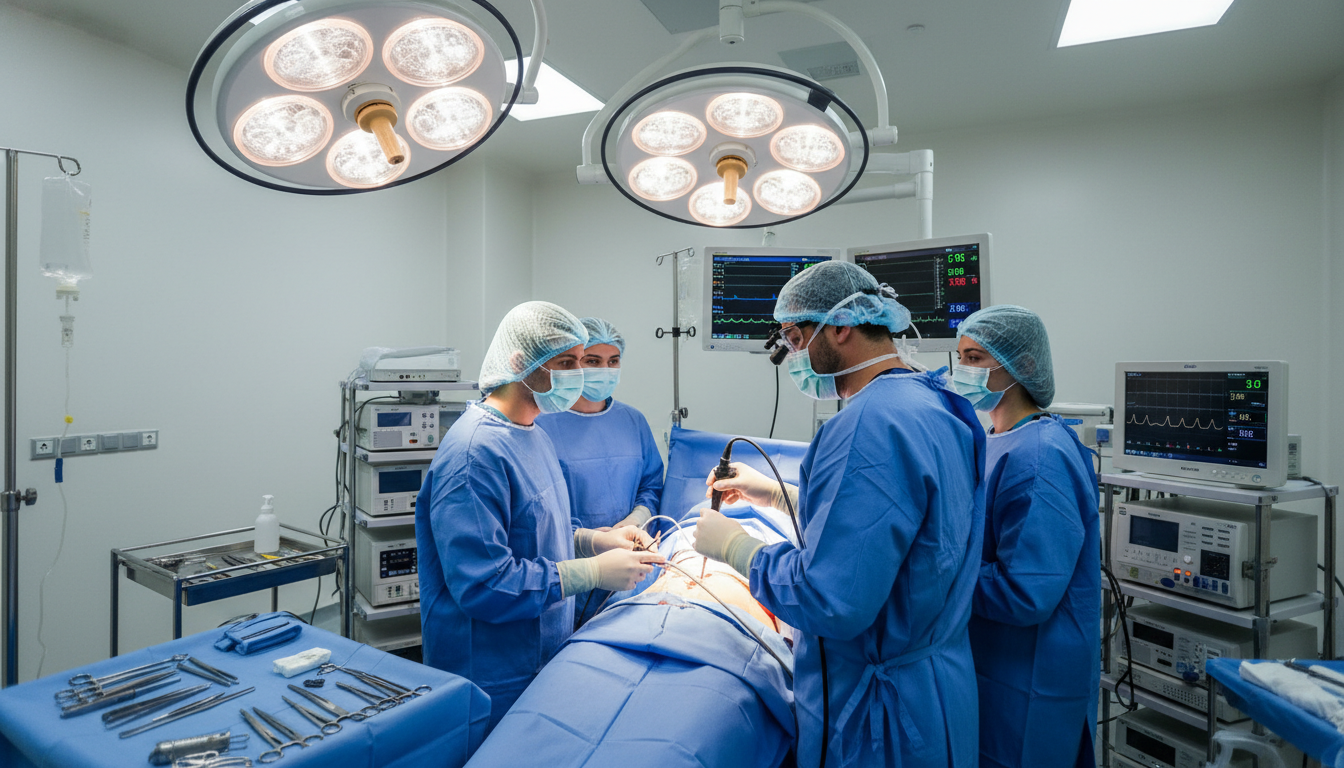
Turkey is becoming a top choice for people looking for top-notch medical care. Many travel here to get world-class clinical expertise and save money. The area’s medical tourism is growing because of its focus on exceptional patient outcomes and modern facilities.
Deciding to have gall bladder surgery abroad needs careful planning and trust in your medical team. Turkish clinics are known for their high standards and use of the latest technology. This guide will help you from the first consultation to your full recovery.
Turkey stands out by combining top medical care with affordable prices. Whether you’re just starting to look or ready to book, knowing about Turkey’s healthcare is key for a great experience.
Key Takeaways
- Turkey is a leading hub for medical tourism, combining quality care with cost-effective options.
- International patients enjoy modern facilities and skilled medical professionals.
- High clinical standards mean every gall bladder surgery is done safely and precisely.
- Comprehensive support services make navigating your medical journey easy and confident.
- Doing thorough research and talking clearly with clinics is essential for the best health outcomes.
Understanding the Need for Gall Bladder Surgery
Knowing when your gallbladder isn’t working right is key to getting better. If it doesn’t function well, it might mean you need medical help. This can help improve your life quality.
Common Symptoms of Gallbladder Disease
People often feel persistent abdominal pain in the upper right area. This pain can spread to the back or shoulders, often after eating fatty foods.
Other signs include nausea, vomiting, and stomach upset without a clear reason. If you’re experiencing these, seeing a specialist is important. They can check if you need gall bladder surgery to ease your digestive issues.
Diagnosing Cholecystitis and Gallstones
Doctors use special tests to find out what’s wrong with your gallbladder. They start with a physical check-up and then use imaging to see if there’s inflammation or stones.
To treat cholecystitis well, doctors use ultrasound scans or blood tests. These help them understand how serious the problem is and what to do next.
“Early diagnosis of biliary conditions is the cornerstone of successful patient outcomes and long-term digestive wellness.”
When Surgical Intervention Becomes Necessary
When other treatments don’t work, surgery might be needed. If you’re dealing with ongoing pain or problems, gallstones removal is important. It helps avoid bigger health issues like blockages or infections.
In some cases, you might need special surgery, like for bile duct cancer. This ensures you get better completely. The table below shows when surgery is usually suggested.
| Clinical Indicator | Diagnostic Method | Surgical Necessity |
|---|---|---|
| Severe Biliary Colic | Abdominal Ultrasound | High Priority |
| Acute Cholecystitis | Blood Work/CT Scan | Immediate |
| Recurrent Gallstones | Endoscopic Imaging | Recommended |
The choice to have surgery depends on your health history and symptoms. Prioritising your health through early action helps you recover better and live without pain.
Why Turkey is a Leading Destination for Gall Bladder Surgery
Turkey has become a top choice for medical care, thanks to its mix of affordability and top-notch clinics. It attracts patients from the US and Europe for gall bladder surgery. The country has invested in creating a healthcare system that matches the best in the West.
Advancements in Turkish Medical Infrastructure
Turkish hospitals have changed a lot in the last ten years. They now have state-of-the-art imaging and robotic surgery tools. This means surgeons can do gall bladder surgery with less risk and quicker recovery times.
Accreditation and International Standards in Hospitals
For patients going abroad for medical care, safety is key. Many Turkish hospitals are JCI accredited, showing they meet global quality and safety standards. They follow rigorous international protocols, ensuring top care at every step.
The Role of Medical Tourism Agencies
Getting medical care in a foreign country can be daunting without help. Medical tourism agencies are a big help, managing everything from first meetings to after-care. They work with the best clinics, making sure your gall bladder surgery is smooth and efficient, so you can just focus on getting better.
Types of Gall Bladder Removal Procedures
Surgical methods for gallbladder disease have changed a lot. They now focus on making patients comfortable and safe. Today, people getting gall bladder removal use new technology. This tech makes the surgery less painful and cuts down on hospital time.
Laparoscopic Cholecystectomy Explained
The laparoscopic cholecystectomy is the top choice for treating gallstones. Surgeons use small cuts in the belly instead of one big one.
They use a tiny camera and special tools through these small openings. This way, they can remove the gallbladder safely and with less pain than old methods.
Open Surgery Versus Minimally Invasive Approaches
Most people can have a minimally invasive gall bladder operation. But, some cases need open surgery. Open surgery uses a bigger cut, usually for very inflamed gallbladders or other problems.
| Feature | Laparoscopic | Open Surgery |
|---|---|---|
| Incision Size | Small (5-10mm) | Large (10-15cm) |
| Recovery Time | Rapid (1-2 weeks) | Extended (4-6 weeks) |
| Scarring | Minimal | Significant |
| Hospital Stay | Usually 24 hours | Several days |
Recovery Times and Surgical Outcomes
People who have a laparoscopic cholecystectomy recover quickly. They can get back to their normal life in just a few days. They might feel a bit sore, but this is usually easy to manage with medicine.
In Turkey, doctors have very good success rates with these surgeries. Choosing a minimally invasive gall bladder operation means a quicker recovery. The aim of modern gall bladder removal is to help patients get better fast and live well without much trouble.
Expertise of Surgeons and Medical Staff
When you travel for a biliary tract operation, the quality of your surgical team is key. Turkish medical centres are known for their skilled professionals. They specialise in complex abdominal surgeries and ensure patient safety.
Qualifications and Training of Turkish Surgeons
Surgeons in Turkey follow a tough medical education path. Many also get extra training in Europe or the United States. This keeps them up-to-date with the latest techniques.
Board certification is a must for surgeons doing laparoscopic cholecystectomy. They are also part of top medical associations. This shows their commitment to high standards and ethics.
Multidisciplinary Teams in Biliary Tract Operations
A biliary tract operation needs more than just a skilled surgeon. Turkish hospitals use a collaborative approach. They have teams that include anaesthesiologists, radiologists, and nurses working together.
This team structure is key for complex cases. It provides a safety net for the surgeon. Comprehensive care is what this model is all about.
Communication and Language Support for International Patients
Clear communication is vital for your safety and peace of mind. Leading hospitals in Turkey have patient coordinators. They help explain things in simple English.
These coordinators help with everything from treatment plans to post-operative instructions. They ensure you understand your care fully. Effective communication helps you focus on recovery without worry.
Comprehensive Pre-operative Assessment
A successful surgery starts long before you go into the operating room. Getting ready properly is key to a safe and effective cholecystitis treatment. This ensures your medical team knows everything about your health.
Initial Consultations and Virtual Assessments
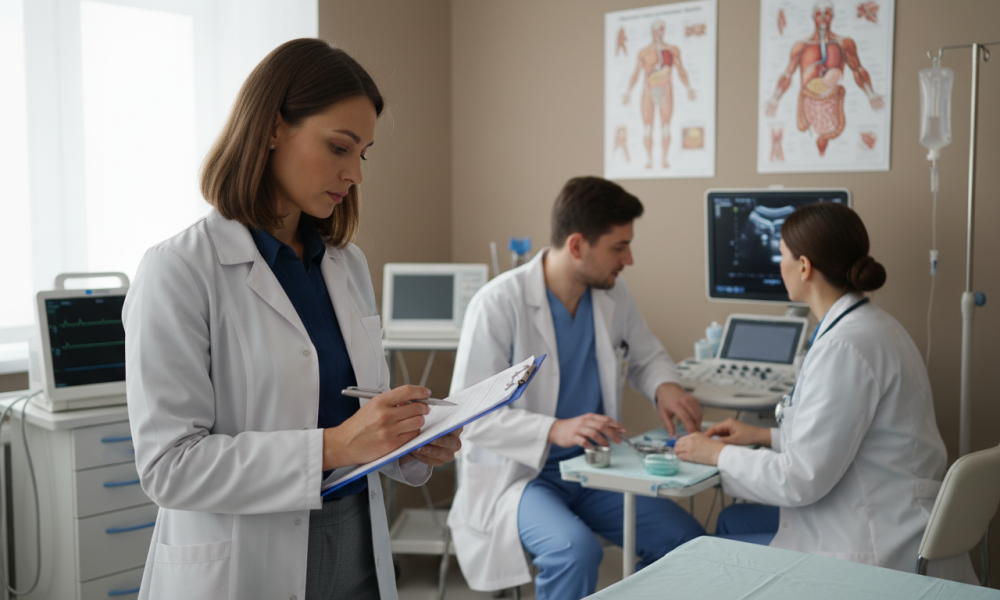
Modern medical tourism lets patients talk to specialists from home. You can use secure video calls to discuss your symptoms and options with surgeons in Turkey.
These online chats help build a strong clinical rapport. The surgeon will check if you’re right for minimally invasive surgery during these talks.
Required Medical Documentation and History
You need to gather all your medical records for a smooth process. This info is vital for the surgical team to plan your cholecystitis treatment safely and well.
“Thorough documentation is the bedrock of patient safety. When we have a clear picture of a patient’s medical history, we can anticipate challenges and tailor our surgical approach to achieve the best possible results.”
Make sure you have these items ready for your medical coordinator:
| Document Type | Description | Importance |
|---|---|---|
| Medical History | List of past surgeries and chronic conditions | High |
| Imaging Reports | Recent ultrasound or CT scan results | Critical |
| Medication List | Current prescriptions and supplements | High |
| Lab Results | Recent blood work and liver function tests | Medium |
Preparing for Travel and Surgery
Getting physically ready is as important as the paperwork. Surgeons often suggest a healthy, low-fat diet before you arrive to help manage cholecystitis treatment symptoms.
It’s also good to have someone with you for support during recovery. Make sure your travel documents are ready and that you’ve told your medical agency about your arrival. This will help everything go smoothly.
The Surgical Process and Hospital Experience
Your journey starts when you arrive at the hospital. Turkish hospitals focus on you, making you feel supported from the start. They create a calm and professional space to ease your nerves before surgery.
Arrival and Hospital Admission Procedures
When you arrive, a patient coordinator welcomes you. They help with all the paperwork, so you can focus on your health. You’ll then go to your private room, which has all the comforts you need.
- Verification of medical records and identification documents.
- Final consultation with your surgeon to confirm the surgical plan.
- Orientation to the hospital facilities and nursing staff.
Anaesthesia and Surgical Safety Protocols
Safety is top priority in Turkish operating theatres. Before surgery, you’ll meet with an anaesthesiologist. They check your health history to make sure the anaesthesia is right for you.
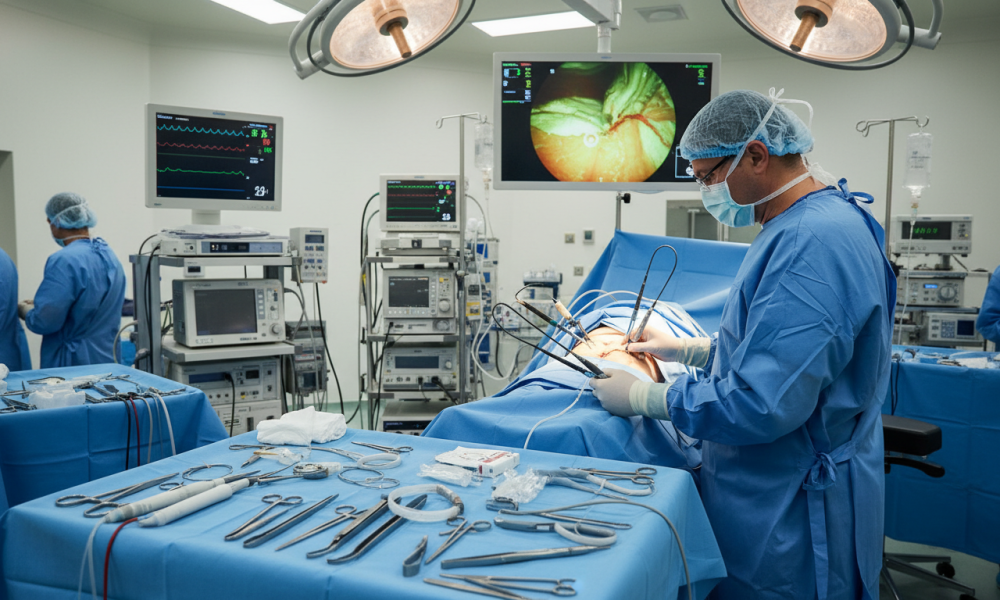
The surgical team uses the latest technology to watch your vital signs during surgery. They follow strict sterilisation protocols to keep everything clean. This reduces the chance of complications after surgery.
Post-operative Care and Monitoring
After surgery, you’ll go to a recovery area. Specialised nurses will watch over you as you wake up. This is a key time for a smooth recovery.
Your medical team will check your blood pressure, heart rate, and oxygen levels often. They’re ready to help with pain and any other needs. Constant communication between staff and patient is a big part of their care.
Managing Choledocholithiasis and Bile Duct Surgery
Gallstones moving into the common bile duct need quick and specialised care. This is called choledocholithiasis. It’s more complex than just removing the gallbladder. Doctors must clear any blockage to stop problems like jaundice or pancreatitis.
Complexities of Bile Duct Procedures
The biliary system is a complex network of tubes. It carries bile from the liver to the small intestine. Doing a biliary tract operation here is tricky because of nearby vital blood vessels and the pancreas. Surgeons have to be very careful to avoid harming tissues.
Patients often look for experienced centres for these operations. The aim is to get bile flowing right again while keeping the risk of damage low. Precision is key in this delicate area.
Advanced Imaging and Surgical Techniques
Today, we use high-tech imaging to see the biliary tree before surgery. Tools like Magnetic Resonance Cholangiopancreatography (MRCP) help doctors spot blockages without invasive tests. This is vital for planning a good choledocholithiasis procedure.
During surgery, doctors often use endoscopic retrograde cholangiopancreatography (ERCP) to remove stones. This method is less invasive than traditional surgery. It helps patients recover faster and with less pain.
Success Rates for Complex Biliary Interventions
Turkish medical facilities are known for their success in bile duct surgery. They use the latest technology and have skilled surgeons. This means patients get great care and good results.
Teams work together to cover all aspects of a patient’s care. From start to finish, they focus on effective treatment. This is why many people choose Turkey for their biliary needs.
Post-operative Recovery and Aftercare
Recovery starts as soon as you wake up after surgery. After your gall bladder removal, you’ll go to a recovery room. Here, doctors will watch your vital signs closely.
Immediate Recovery in the Hospital
You’ll stay in the hospital for a short time. Nurses will check your wounds and help with any pain. They’ll also get you moving, which is good for your health.
Managing Pain and Dietary Adjustments
Managing pain is key in the first days. Your team will give you a plan to stay comfortable. It’s important to stick to this plan to avoid extra strain.
After surgery, your diet needs to change. You should eat low-fat, easy-to-digest foods. Avoiding greasy foods helps your body adjust.
| Recovery Phase | Primary Focus | Action Required |
|---|---|---|
| Days 1-3 | Pain Control | Follow medication schedule |
| Days 4-7 | Dietary Transition | Eat small, low-fat meals |
| Weeks 2-4 | Activity Levels | Gradual return to exercise |
Follow-up Care and Returning Home
Before you go home, your surgeon will check if you’re ready. You’ll get instructions on wound care and what to watch for. Consistent communication with your team is key for a smooth recovery.
Planning your return home is important. Make sure you have support and follow all post-op advice. Your recovery from gall bladder removal depends on these steps and your health care.
Cost Analysis of Gall Bladder Surgery in Turkey
Turkey is now a top choice for affordable, high-quality surgery. Many from the United States go there for expert medical attention at lower costs. Knowing the cost of gall bladder surgery is key to a smooth medical trip.
Comparing Costs with the United States
The main reason for medical tourism is the big price gap between American and Turkish clinics. Turkey’s lower costs don’t mean less quality. The table below shows how much you can save.
| Service Component | United States Average | Turkey Average |
|---|---|---|
| Surgeon Fees | $5,000 – $8,000 | $1,200 – $2,000 |
| Hospital Facility Fees | $10,000 – $15,000 | $1,500 – $2,500 |
| Anaesthesia & Supplies | $2,000 – $4,000 | $500 – $800 |
| Total Estimated Cost | $17,000 – $27,000 | $3,200 – $5,300 |
What is Included in Surgical Packages
Top clinics in Turkey offer all-inclusive packages. These make planning easier and avoid surprises. A full package for gall bladder surgery includes:
- Pre-operative blood tests and imaging scans.
- Surgeon and anaesthesiologist professional fees.
- Hospital stay and nursing care.
- Airport transfers and local transportation to the clinic.
- Post-operative medications and follow-up consultations.
Hidden Costs and Financial Planning
Even with packages, you should plan for extra expenses. Set aside money for flights, extra hotel stays, and personal spending. Check if your gall bladder surgery package includes travel insurance or emergency medical coverage.
Always ask for a detailed breakdown of what’s not included in the initial quote. Knowing this helps avoid surprises. Good planning lets you focus on healing without worrying about money.
Safety and Quality Assurance in Turkish Clinics
Choosing a clinic for your surgery means looking at their quality standards. When you have a laparoscopic cholecystectomy, you want to know your team is safe. Turkey’s healthcare is as good as the US’s.
JCI Accreditation and Quality Benchmarks
Many top hospitals in Turkey have the Joint Commission International (JCI) accreditation. This shows they meet global safety and quality standards. Choosing an accredited hospital means you get extra safety for your surgery.
Sterilisation and Infection Control Measures
Modern Turkish operating theatres use the latest tech for cleanliness. They follow strict rules before, during, and after laparoscopic cholecystectomy to keep risks low. These rules include:
- Regular air quality checks in surgical areas.
- Using high-grade, single-use surgical tools.
- Staff training in keeping things clean.
- Automated systems for sterilising reusable gear.
Patient Rights and Ethical Standards
Turkish medical places follow strict patient rights and ethics. You’ll get clear info on your treatment, risks, and recovery. Hospitals make sure you’re fully informed and respected during your care.
“The commitment to patient safety and ethical practice in Turkish hospitals is comparable to the highest international standards, ensuring that every visitor receives compassionate and professional care.”
Navigating Logistics for International Patients
Getting the logistics right for your medical trip is key to your recovery. A well-planned journey reduces stress and lets you focus on healing. It’s all about making your trip as smooth as possible.
Visa Requirements and Travel Documentation
Check the entry rules for Turkey before you book your flights. Many can get an e-Visa online, making entry easy.
Make sure your passport is valid for at least six months after you plan to leave. Carry digital and physical copies of your medical invitation, surgery schedule, and travel insurance. This will help you move quickly through border control.
“Preparation is the key to a seamless experience, when travelling across borders for specialised medical care.”
Accommodation Options for Patients and Companions
Turkey has many lodging options for medical travellers. Hospitals often work with hotels near them. These hotels have accessible rooms for comfort and safety after surgery.
For those with family or friends, serviced apartments are a great choice. They offer a home-like setting where your companions can relax. They usually have kitchenettes and are close to clinics for easy visits.
Local Transportation and Support Services
Traveling in a new city shouldn’t worry you during your recovery. Most top medical facilities offer dedicated airport transfer services. This ensures you get to your accommodation safely and comfortably.
Also, many clinics have a personal patient coordinator. They help with daily needs, like transport and translation. Their goal is to make your stay as smooth and stress-free as possible.
Potential Risks and Complications
Being open about possible problems is key in good medical care in Turkey. Gallbladder surgery is usually safe, but there are risks. Knowing about these helps you feel more confident and clear about your surgery.
Understanding Surgical Risks
Most people have surgery without big issues. But, it’s good to know about possible problems. These can include infection, bleeding, or reactions to anaesthesia. Rarely, the bile ducts might get hurt, needing special care.
Your surgeon will talk about these risks when you meet. Knowing them helps you understand what to expect during your recovery.
Mitigation Strategies Employed by Surgeons
Turkish hospitals focus on keeping patients safe. They use the latest technology and careful planning. By choosing a doctor carefully, you’re in good hands. They follow strict safety rules.
Surgeons take many steps to keep you safe:
- They do full health checks before surgery to find any hidden issues.
- They use clean, modern operating rooms to lower infection risks.
- They work together as a team for complex cases, like choledocholithiasis procedure.
- They watch your vital signs closely during surgery.
When to Seek Immediate Medical Attention
Recovering at home should be easy, but watch for warning signs. If you see any of these, call your doctor or go to the emergency room right away:
- A high fever or chills that don’t go away.
- Severe belly pain that doesn’t get better with medicine.
- Yellow skin or eyes, known as jaundice.
- Can’t stop throwing up or keep fluids down.
- Redness, swelling, or pus from the incisions.
Your health and safety are the most important things. If you’re worried about your recovery, talk to your doctor. They can help and support you.
Dietary and Lifestyle Changes Post-Surgery
After your gall bladder removal, your body starts a new journey. The liver keeps making bile, but it doesn’t have a place to store it. So, your digestive system must adjust to bile flowing steadily into the small intestine.
Adapting to Life Without a Gallbladder
Most people heal quickly, thanks to minimally invasive gall bladder operations. In the first weeks, you might notice your body reacts differently to food. You might feel bloated or have changes in bowel habits as your system adjusts.
Eating smaller, more frequent meals helps. This way, your digestive system isn’t overwhelmed by too much fat at once. Consistency is key for comfort in the early recovery stages.
Recommended Nutritional Guidelines
It’s important to eat a balanced diet for long-term health. Focus on lean proteins, whole grains, and lots of vegetables. Slowly adding fats back into your diet helps you see how your body reacts without discomfort.
| Food Category | Recommended Choices | Foods to Limit |
|---|---|---|
| Proteins | Chicken, turkey, fish | Fatty cuts of beef, pork |
| Dairy | Low-fat yoghurt, skimmed milk | Full-fat cheese, heavy cream |
| Fats | Olive oil, avocado | Fried foods, butter, lard |
| Fibre | Oats, brown rice, legumes | High-fat pastries, processed snacks |
Long-term Health Outlook
The outlook for those who have had a gall bladder removal is very positive. Many people see a big improvement in their life quality once the pain from gallbladder disease is gone. By keeping a healthy weight and staying active, you can live a vibrant, pain-free life.
Choosing a minimally invasive gall bladder operation often means faster healing and fewer problems. By focusing on your nutrition, your body will adapt well to its new role. Prioritising your wellness today means a healthier, more comfortable future.
Patient Testimonials and Success Stories
People who have had gallbladder surgery in Turkey share their stories. These stories help others feel more confident about their own surgery. They give a clear idea of what to expect during the whole process.
Real-world Experiences of International Patients
Many from the United States have gone to Turkey for surgery. They talk about the seamless coordination by medical tourism agencies. This includes everything from airport transfers to hospital check-ins.
They also praise the medical staff’s warmth and professionalism. This helps reduce the anxiety that comes with surgery.
“I was nervous about having surgery abroad, but the care in Istanbul was top-notch. The team made me feel comfortable and kept me informed every step of the way.”
Outcomes and Patient Satisfaction Levels
Most patients are very happy with their surgery outcomes. They say they quickly got back to their normal lives. They credit the advanced technology in Turkish hospitals and the care they received after surgery.
Many feel the care they received was as good as or better than at home.
- High-quality facilities: Modern infrastructure and state-of-the-art operating theatres.
- Attentive nursing staff: Round-the-clock monitoring and compassionate support.
- Effective pain management: Tailored protocols that ensure comfort during the recovery phase.
- Clear communication: English-speaking medical teams that prioritise patient understanding.
Lessons Learned from Previous Patients
Those who have had surgery share important tips. They stress the need for thorough preparation and clear communication with the team. Being proactive with paperwork and asking questions helps a lot.
Following dietary advice during recovery is also key. Patients say it greatly affects their long-term health. Learning from others helps new patients feel more confident and calm.
Legal and Insurance Considerations
When planning surgery abroad, understanding legal and insurance matters is key. The allure of quality care must be balanced with financial and regulatory aspects. Proper preparation is essential to stay protected during your medical journey.
Medical Insurance Coverage for Overseas Surgery
Most US health insurance plans don’t cover elective surgeries abroad. It’s essential to check with your provider early on. They might offer international coverage or reimbursement options. Some opt for specific medical travel insurance to cover risks.
Always read the fine print about emergency evacuations and follow-up care. Knowing these limits helps budget for your medical trip. Transparency with your insurer prevents unexpected costs.
Legal Protections for Medical Tourists
Turkey has strict standards for medical tourism, meeting international health benchmarks. Patients are protected by laws that cover clinical conduct and patient rights. These laws ensure hospitals are accountable and ethical.
Before surgery, check if your chosen hospital is accredited. Accredited hospitals offer clear dispute resolution and patient safety frameworks. Knowing your rights boosts your confidence and security.
Ensuring Continuity of Care Upon Return
Recovery often relies on smooth medical information sharing between your surgeon abroad and your local doctor. This is critical for complex surgeries like bile duct surgery, needing long-term monitoring. Get a detailed copy of your surgical reports and discharge summaries before leaving.
Book a follow-up with your local doctor soon after returning. Sharing your records helps your local team understand your bile duct surgery details. Proactive communication between your medical teams ensures a smooth recovery.
Conclusion
Choosing gallbladder surgery in Turkey is a smart move. It combines top-notch medical care with big savings. You get to use the latest surgical tech and meet skilled surgeons who put your safety first.
Your success depends on being well-prepared and choosing the right medical facilities. Do your homework to find the best care for your needs. This way, you ensure a smooth journey from start to finish.
Looking after your health is key to feeling better. Contact trusted medical experts to talk about your situation. Start your healing journey with confidence and hope for a pain-free future.
FAQ
Q: Why is Turkey considered a leading destination for gall bladder surgery?
A: Turkey is known for its top-notch medical care. It offers a mix of affordable prices and high-quality treatment. Hospitals in Istanbul and Ankara are JCI accredited, meeting international standards.
Q: What is a laparoscopic cholecystectomy and what are its benefits?
A: A laparoscopic cholecystectomy is a keyhole surgery for gallstones and inflammation. It’s less invasive than open surgery. Benefits include less pain, small scars, and a quicker recovery.
Q: What symptoms suggest I may require cholecystitis treatment?
A: Signs like sharp pain, nausea, and bloating after fatty meals may mean you need treatment. A detailed check-up, including ultrasound and blood tests, will confirm if surgery is needed.
Q: How is a choledocholithiasis procedure handled if stones are in the bile duct?
A: For stones in the bile duct, a choledocholithiasis procedure is needed. Turkish experts use advanced imaging to clear the blockage. This delicate procedure is done by skilled teams.
Q: How do the costs of gall bladder removal in Turkey compare to Western countries?
A: Gall bladder surgery in Turkey is much cheaper, often 50% to 70% less than in the UK or US. Clinics offer full packages, including tests and luxury stays, making it easier to plan your trip.
Q: What is the typical recovery timeline after a minimally invasive gall bladder operation?
A: Most patients leave the hospital in 24 to 48 hours after surgery. They manage pain with medication and eat lightly. You can go back to work in a week, but avoid heavy lifting for four to six weeks.
Q: Are Turkish surgeons specially trained for complex biliary tract operations?
A: Yes, Turkish surgeons are highly trained and often have international qualifications. They work in teams to ensure every aspect of care is covered.
Q: What dietary changes are necessary after gall bladder surgery?
A: After surgery, a low-fat diet is recommended to ease digestion. Most patients can return to a normal diet over time. Turkish healthcare teams provide detailed dietary advice.
Q: How do Turkish clinics ensure safety and infection control for international patients?
A: Turkish hospitals follow strict infection control measures. JCI-accredited facilities are regularly checked to ensure high standards. Patients are also protected by legal and ethical standards.
Q: Can I have a consultation before travelling to Turkey for surgery?
A: Yes, many clinics offer virtual consultations. You can discuss your medical history and tests over video call. This helps the team assess your suitability for surgery before you travel.
Related guides

Healthcare Content Compliance Guide for Growth
A high-performing treatment page can generate international patient inquiries within hours. It can also create material risk if…
Turkey Hospitals vs Local Hospitals Compared
A lower procedure quote can get a patient’s attention. It should not make the decision on its own.…

Patient Experience That Drives Trust and Growth
A patient who has already uploaded medical records, compared providers, and arranged time away from work is not…