
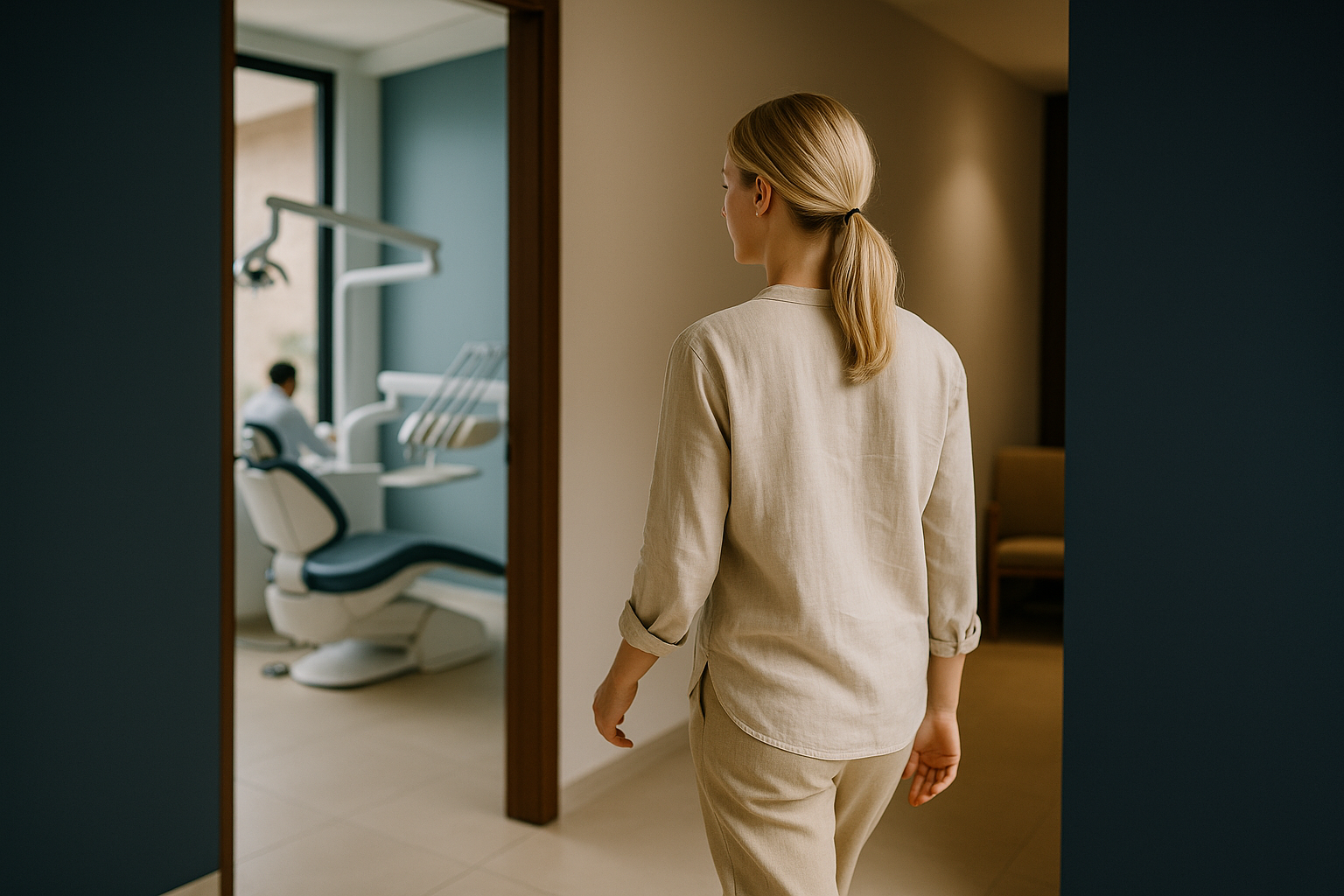
Considering going to Mexico for dental work is a decision many international patients are exploring. With the potential for significant cost savings and high-quality care, it’s crucial to understand the necessary steps, costs, and safety precautions involved.
Is It Worth Going Abroad for Dental Treatment?
One of the primary reasons people consider going abroad for dental treatment is the cost savings. In Mexico, dental procedures can be significantly cheaper compared to many Western countries. However, the decision should not be based solely on price. It’s essential to consider the quality of care, the credentials of the dental professionals, and the facilities available. For instance, while a procedure such as a dental crown might cost around $1,000 in the United States, it could be as low as $300 in Mexico. Considering these potential savings, it’s also important to evaluate what you’re getting for the lower price. Quality can vary significantly between clinics, so it’s crucial to choose a reputable provider.
For many, the combination of reduced costs and high-quality service makes dental tourism in Mexico an attractive option. It’s important to research thoroughly and choose clinics with good reputations, verified credentials, and positive patient reviews. Online platforms and forums often have discussions about patient experiences which can be invaluable. Additionally, some clinics offer virtual consultations, which can help you gauge the professionalism and communication skills of the staff before you commit to traveling. This can be particularly beneficial in ensuring that your expectations align with what the clinic can deliver.
Patients should weigh the cost-benefit ratio, considering travel expenses, accommodation, and potential follow-up visits. It’s advisable to consult with your local dentist before making any decisions. They might offer insights into your specific dental needs and advise on whether going abroad is the right choice. Moreover, being informed about the potential risks, such as communication barriers and logistical issues, is crucial for a successful experience. Language differences, cultural misunderstandings, and the distance from your home country can all add layers of complexity to the process. Therefore, it’s crucial to consider these factors alongside the financial savings.
How Many Months Treatment If Going Abroad?
The duration of dental treatment abroad varies depending on the type and complexity of the procedure. Simple procedures like cleanings or fillings can often be completed in a single visit. More complex treatments, such as dental implants, may require multiple visits over several months. For example, a single dental implant procedure might require an initial visit for the placement of the implant, a follow-up visit after a few months for the abutment, and then a final visit for the crown placement. This phased approach is essential to allow for proper healing and integration of the implant with your jawbone.
Typically, patients undergoing procedures like implants or full-mouth rehabilitations should plan for 2-3 visits, each lasting about a week. These visits are usually spaced a few months apart to allow for healing and proper integration of dental materials. Advanced treatments, such as full-mouth reconstructions, might require up to 6-12 months to complete, depending on individual healing rates and the specific materials used. Therefore, it’s crucial to have a flexible schedule and be prepared for the time commitment required for such extensive dental work.
It’s crucial to plan your schedule accordingly and maintain clear communication with your chosen clinic to understand the specific timeline for your treatment. Before your trip, request a detailed treatment plan, including timelines and expected outcomes. This will help you manage your expectations and plan your visits without disrupting your personal and professional commitments significantly. Keeping open lines of communication with your dental provider can also help you make necessary adjustments to your treatment plan, should your healing process require it.
Choosing a Dental Clinic in Mexico
Selecting the right dental clinic in Mexico is paramount for a successful experience. Look for clinics that are accredited by international dental associations, which ensures they meet certain standards of care and professionalism. Accreditation by bodies such as the American Dental Association (ADA) or the Joint Commission International (JCI) can provide reassurance regarding the quality of services offered. These accreditations are indicative of a clinic’s commitment to maintaining high standards in both patient care and safety protocols.
Research the qualifications and experience of the dental professionals. Many clinics in Mexico have dentists trained in the United States, Canada, or Europe, which can be a good indicator of their expertise. Inquire about the specific training and continuing education the dentists have undergone, as this reflects their commitment to staying updated with the latest dental practices and technologies. Additionally, consider the clinic’s track record with international patients, as this can give insights into their ability to meet diverse needs and expectations.
Reading patient reviews and testimonials can provide valuable insight into the experiences of others, helping you make an informed choice. Consider clinics that offer comprehensive services, from initial consultation to post-treatment care. Also, evaluate their facilities, checking if they use modern equipment and technology, such as digital X-rays and CAD/CAM systems, which can enhance the precision and quality of dental procedures. A clinic equipped with the latest technology is often better positioned to deliver high-quality care and achieve optimal treatment outcomes.
Understanding the Costs Involved
One of the most attractive aspects of going to Mexico for dental work is the cost. Procedures can be 50-70% cheaper than in countries like the United States or Canada. For example, a root canal treatment that might cost $1,500 in the U.S. could be around $300-400 in Mexico. However, it’s essential to factor in additional costs such as travel, accommodation, and potential follow-up visits. The total cost should be viewed holistically, taking into account all related expenses to avoid any surprises.
- Initial consultation fees
- Procedure costs
- Travel and accommodation
- Post-procedure care
- Insurance and contingency funds
Be sure to get a detailed quote from the clinic before committing to any treatment, and consider purchasing travel insurance that covers medical procedures abroad. This can provide peace of mind and financial protection in case of unforeseen complications or cancellations. Additionally, some clinics offer package deals that include transportation and accommodation, which might further reduce overall expenses. Evaluating these packages can help you maximize savings while ensuring that all logistical aspects of your trip are covered.
It’s also important to have a financial plan in place for unexpected expenses. While the initial quote might seem comprehensive, things like delays in treatment, additional procedures, or changes in accommodation plans can add to the cost. Having a contingency fund can prevent financial strain and ensure that your dental tourism experience remains positive and manageable.
Safety and Accreditation Guidance
Safety is a top concern for international patients considering dental work abroad. Ensure the clinic you choose is accredited by international bodies and adheres to strict hygiene and safety protocols. Accreditation by organizations such as the American Dental Association (ADA) or the Joint Commission International (JCI) indicates a commitment to maintaining high standards in safety and patient care. These accreditations are vital as they assure patients that the clinic has met rigorous standards in terms of safety and quality.
Check for certifications from organizations such as the American Dental Association (ADA) or the Joint Commission International (JCI). These certifications are indicators of the clinic’s commitment to quality care and safety standards. It’s also wise to verify if the clinic follows the laws and regulations set by the Mexican health authorities, as compliance with local standards is crucial for legality and safety. Ensuring that the clinic adheres to both international and local regulations can offer peace of mind regarding the quality and safety of the care you will receive.
- Verify clinic accreditation
- Check dentist credentials
- Ensure proper hygiene protocols
- Review patient safety records
Don’t hesitate to ask about the clinic’s sterilisation procedures and infection control measures to ensure your safety during treatment. Inquire about the materials used, as some patients might have allergies to specific dental materials. Ensuring that the clinic uses high-quality, biocompatible materials can prevent allergic reactions and improve the overall success of the treatment. These questions can also help you gauge the clinic’s transparency and commitment to patient safety, which are critical factors in selecting a healthcare provider.
Steps for Planning Your Dental Trip
Planning a dental trip to Mexico requires careful preparation. Start by researching potential clinics and gathering information about the procedures you need. Use resources like online reviews, dental tourism websites, and patient testimonials to create a shortlist of reputable clinics. Evaluate their services, certifications, and patient feedback before making any decisions. This groundwork is essential to ensure that you select a clinic that aligns with your expectations and needs.
Contact the clinics directly to ask questions and request quotes. Once you’ve selected a clinic, work with them to schedule your treatment and make necessary travel arrangements. It’s advisable to book your flights and accommodation well in advance to secure the best rates. Consider the proximity of your accommodation to the dental clinic, as this can reduce stress and travel time during your stay. Having your accommodation close to the clinic can also ensure easy access for follow-up visits or emergencies.
Consider your accommodation options and look for establishments near the clinic for convenience. It’s also wise to plan some leisure activities to make the most of your trip. Exploring local attractions, dining at authentic restaurants, and visiting cultural sites can enrich your experience. However, ensure that these activities do not interfere with your treatment schedule or recovery period. Balancing leisure with health responsibilities can make your dental trip both enjoyable and successful.
The Experience of Dental Tourism in Mexico
Dental tourism in Mexico is not just about getting dental work done; it can also be a culturally enriching experience. Mexico is home to vibrant cities, beautiful landscapes, and rich cultural heritage. Cities like Cancun, Tijuana, and Los Algodones are popular dental tourism destinations, offering a blend of modern dental facilities and cultural attractions. These cities are not only equipped with top-notch dental services but also offer a chance to experience Mexican culture and hospitality.
Many patients combine their dental trips with vacations, enjoying the local cuisine, exploring historical sites, and relaxing in scenic surroundings. This can make the experience more enjoyable and less stressful. For instance, after a dental appointment, you might spend an afternoon exploring the Mayan ruins or enjoying a sunset at a beachside resort. These activities can provide a welcome distraction and help reduce the anxiety associated with undergoing medical procedures.
However, always prioritise your medical needs and ensure that your health and well-being are the main focus of your trip. Follow the post-treatment care instructions provided by your dentist to ensure a smooth recovery and successful outcome. While sightseeing and leisure activities can enhance your trip, they should be balanced with adequate rest and care for your dental health. Ensuring that you adhere to the prescribed recovery protocols is essential to the success of your treatment and your overall experience.
Conclusion
Going to Mexico for dental work can be a cost-effective and rewarding experience if done correctly. By choosing accredited clinics, understanding the treatment timeline, and prioritising your safety, you can enjoy high-quality dental care and potentially significant savings. Thorough research and careful planning are key to ensuring a successful dental tourism experience. The journey requires diligence in selecting the right clinic, understanding the full scope of costs, and preparing adequately for the treatment and travel involved. With the right approach, dental tourism in Mexico can offer not just improved dental health but also a memorable cultural experience.
Proven result
80 to 240 dental patients a month from France
High-volume dental clinic, Istanbul
Frequently asked questions
Is it safe to go to Mexico for dental work?
Yes, it can be safe if you choose accredited clinics with good reputations and ensure they follow international safety standards.
How do I verify the credentials of a Mexican dentist?
Check for international accreditations and certifications, read patient reviews, and research their training and experience.
What are the cost savings for dental work in Mexico?
Dental procedures in Mexico can be 50-70% cheaper than in the US or Canada, but consider travel and accommodation costs.
How should I prepare for dental treatment abroad?
Research clinics, verify credentials, plan your travel and accommodation, and ensure clear communication with the chosen clinic.
Related guides
Turkey Hospitals vs Local Hospitals Compared
A lower procedure quote can get a patient’s attention. It should not make the decision on its own.…

Patient Experience That Drives Trust and Growth
A patient who has already uploaded medical records, compared providers, and arranged time away from work is not…

What Is a Medical Travel Facilitator and Why Use One?
A lower treatment quote can look compelling until you try to compare what it actually includes: surgeon fees,…