

Hair plantation for women is an increasingly popular solution for those experiencing hair loss. Understanding the process, costs, and safety measures is crucial before undergoing this procedure. This comprehensive guide covers all essential aspects of hair plantation to help you make informed decisions.
What is Hair Plantation for Women?
Hair plantation for women involves the surgical transplantation of hair follicles from a donor site, typically the back of the head, to areas experiencing thinning or baldness. This procedure helps restore natural hair growth and improves appearance, providing a long-lasting solution to hair loss. Women suffering from conditions such as androgenetic alopecia, which is a common cause of hair loss, can significantly benefit from this surgical intervention. The procedure is tailored to each patient’s unique hair loss pattern, ensuring personalized treatment and optimal results. A thorough assessment of the patient’s hair density and scalp condition is conducted to customize the treatment plan effectively.
The technique most commonly used is Follicular Unit Extraction (FUE), where individual hair follicles are removed and transplanted. This method is minimally invasive, leaves no linear scar, and has a relatively quick recovery time, making it a preferred choice for many women. FUE is particularly advantageous for women who prefer to wear their hair short, as it does not result in a visible scar, unlike the traditional strip method. Moreover, the precision of FUE allows for meticulous placement of hair follicles, ensuring that the transplanted hair blends seamlessly with existing hair for a natural look. The advanced technology used in FUE also enables surgeons to extract and implant grafts with high precision, increasing the success rate of the transplant.
Another technique used, though less frequently, is Follicular Unit Transplantation (FUT), which involves removing a strip of scalp from the donor area. This method can be more efficient in terms of harvesting a large number of follicles in one session but may leave a linear scar. The choice between FUE and FUT depends on various factors such as the extent of hair loss, hair characteristics, and patient preference. A thorough consultation with a skilled surgeon will help determine the most suitable approach. Patients are encouraged to weigh the pros and cons of each method, considering factors such as recovery time, potential scarring, and overall cost before making a decision.
How Does the FUE Hair Transplant Work?
The FUE hair transplant begins with a consultation to assess the patient’s hair loss pattern and potential donor sites. The surgeon evaluates the density and quality of hair in the donor area to ensure there are enough viable follicles for transplantation. During this consultation, patients can discuss their goals, ask questions, and understand the realistic expectations of the procedure. This planning stage is crucial as it sets the foundation for a successful transplant. It’s important that patients have a clear understanding of what the procedure can achieve and align their expectations with potential outcomes.
Once the procedure is scheduled, the actual transplant process starts with the extraction phase. The surgeon extracts individual follicles from the donor area using a specialised tool, ensuring minimal damage to surrounding tissue. This precision is crucial to preserve the health of the remaining hair and to optimize the survival rate of the transplanted follicles. Each follicle is meticulously examined and prepared for implantation in the recipient area. Surgeons use magnification tools to enhance visibility and precision during both extraction and implantation stages, which is essential for achieving high-quality results.
These follicles are carefully implanted into the recipient area, following the natural hair growth direction. The meticulous nature of this process ensures a natural-looking result, with hair gradually growing back over several months. Implanting the follicles at the correct angle and density is essential to mimic natural hair growth patterns. The skill and experience of the surgeon play a critical role in achieving a seamless and aesthetically pleasing outcome. Post-procedure, patients are advised on aftercare protocols to enhance the success of the transplant. This includes guidelines on washing the hair, avoiding strenuous activities, and protecting the scalp from sun exposure. Adhering to these recommendations helps in the healing process and contributes to the long-term success of the transplant.
What Are the Costs Involved in Hair Plantation?
The cost of hair plantation varies widely depending on the geographical location, the clinic’s reputation, and the surgeon’s experience. On average, hair transplant cost ranges from $3,000 to $15,000. Factors such as the extent of hair loss, the number of follicles needed, and the complexity of the procedure also influence the final cost. Patients should request a detailed breakdown of costs during their consultation to understand what is included in the quoted price. This can include pre-operative assessments, the surgical procedure itself, and post-operative follow-ups.
In major cities like New York City, the hair transplant expenses might be on the higher end due to the cost of living and demand for skilled surgeons. Clinics in urban areas often charge more, reflecting the overhead costs and the higher level of competition. However, the increased cost can often correlate with higher standards of care and access to advanced technology and experienced practitioners. It’s essential to weigh these factors and consider the long-term benefits of investing in quality care versus opting for lower-cost alternatives that might compromise on quality.
It’s essential to consider these factors and discuss payment options with clinics before proceeding. Some clinics offer financing plans or package deals that can make the procedure more affordable. Patients should also be wary of clinics offering significantly lower prices, as this may indicate a compromise on quality or safety standards. Investing in a reputable and experienced surgeon ensures a higher likelihood of successful outcomes and minimizes the risk of complications. Other costs to consider include pre-surgery consultations, post-operative care, and any additional treatments needed for optimal results. Patients should factor these into their budget planning to avoid unexpected expenses. Thorough research and planning can help manage costs effectively while ensuring the best possible care.
What to Expect During Recovery and Hair Growth?
Post-surgery, patients can expect some redness and swelling, which typically subside within a few days. The initial recovery phase is crucial for ensuring the transplanted follicles settle properly and begin the growth process. Patients are usually advised to take a few days off work to rest and allow the scalp to heal undisturbed. This downtime is essential for preventing complications and optimizing the success of the transplant. Following the surgeon’s specific aftercare instructions is vital during this period to support healing and promote healthy hair growth.
It’s crucial to follow the surgeon’s aftercare instructions to ensure proper healing and maximize hair growth. These instructions may include how to wash the hair, restrictions on physical activities, and guidelines for wearing hats or other head coverings. Compliance with these aftercare protocols is vital for achieving the best results and preventing infections or other complications. Patients should also avoid exposing the scalp to direct sunlight and refrain from any activities that might cause excessive sweating or irritation to the transplanted area.
Hair growth operation results become noticeable within 3 to 6 months, with full results visible at around 12 months. The hair grows in cycles, with the initial phase involving shedding of the transplanted hair, followed by new growth. This process can vary between individuals, with some experiencing faster or slower growth rates. Patience and regular follow-up appointments are key to monitoring progress and addressing any concerns that may arise during the recovery period. Surgeons may recommend using specific hair care products or supplements to support hair growth and improve the health of the scalp.
Patients should maintain regular follow-up appointments to monitor progress and address any concerns. These appointments allow the surgeon to assess the growth pattern, check the health of the transplanted hair, and make any necessary adjustments to the aftercare plan. Consistent communication with the surgical team ensures that any issues are promptly addressed and that the patient remains informed about their progress. These follow-ups also provide an opportunity for patients to discuss any additional treatments or interventions that may enhance the final results.
How to Choose a Qualified Surgeon?
Choosing a qualified surgeon is vital for a successful hair plantation. Look for specialists with extensive experience in FUE hair transplant techniques and check their accreditation status with relevant medical boards. This ensures that the surgeon has the necessary skills and knowledge to perform the procedure safely and effectively. Experience is a key factor in achieving optimal results and minimizing the risk of complications. Surgeons with a proven track record in hair restoration procedures are often more adept at handling complex cases and delivering satisfactory outcomes.
It’s advisable to review before-and-after photos of previous patients and seek testimonials to gauge the surgeon’s expertise and patient satisfaction. These visual references provide insight into the surgeon’s ability to deliver natural-looking results and can help set realistic expectations. Patient testimonials and reviews offer valuable perspectives on the overall experience and outcomes of the procedure. Additionally, asking for references or speaking directly with past patients can provide deeper insights into the surgeon’s professionalism and the quality of care provided.
When selecting a surgeon, consider scheduling consultations with multiple practitioners to compare their approaches, costs, and recommendations. This allows you to make an informed decision based on the surgeon’s experience, communication style, and your comfort level with their proposed treatment plan. A thorough evaluation of potential surgeons helps ensure you are in safe hands, reducing risks associated with the procedure. It’s also beneficial to inquire about the surgeon’s ongoing training and involvement in professional organizations, as these can be indicative of their commitment to staying updated with the latest advancements in hair transplantation.
Additionally, inquire about the clinic’s facilities, support staff, and post-operative care services. A well-equipped clinic with a dedicated team enhances the overall experience and contributes to a successful outcome. Choosing a surgeon who prioritizes patient safety and satisfaction is crucial for a positive hair plantation experience. Ensuring that the clinic adheres to high standards of hygiene and safety protocols further assures that you are receiving care in a safe and controlled environment.
How to Prepare for Hair Plantation?
Preparation for hair plantation involves a thorough consultation to discuss your expectations and desired outcomes. Patients should disclose their medical history and any medications they are taking. This information is vital for the surgeon to assess any potential risks or contraindications and to tailor the procedure to the patient’s individual needs. A comprehensive understanding of the patient’s health condition enables the surgeon to devise a safe and effective treatment plan.
Pre-surgery instructions typically include avoiding alcohol and smoking, as well as certain medications that might affect blood clotting. These lifestyle adjustments help ensure the body is in optimal condition for healing post-surgery. Some patients may also be advised to start specific hair care routines or take nutritional supplements to strengthen hair follicles and improve the overall health of the scalp. Preparing the scalp and hair in advance can enhance the quality of the donor hair and improve the overall outcomes of the transplant.
Patients should also plan for their recovery period, arranging for time off work and any necessary help at home. This preparation allows for a stress-free recovery and ensures the patient can focus on following post-operative care instructions. Proper planning is essential for a smooth experience and contributes to the overall success of the hair plantation. Having a support system in place can assist with daily tasks and provide emotional support during the recovery phase.
Additionally, patients should prepare questions for their surgeon, addressing any concerns or uncertainties they may have about the procedure. This proactive approach ensures that patients are well-informed and confident in their decision to undergo hair plantation. Clear communication with the surgical team is key to achieving the desired outcomes and enhancing the overall patient experience. Being informed and mentally prepared for the procedure helps reduce anxiety and facilitates a smoother surgical experience.
What Are the Safety and Accreditation Standards?
Safety is paramount when considering hair plantation. Ensure the clinic adheres to international safety and hygiene standards, and the surgeon is accredited by recognized medical institutions. Accreditation provides assurance that the surgical team is well-trained, qualified, and committed to maintaining high standards of care. Patients should verify these credentials to ensure they receive treatment from reputable and competent professionals. Accreditation also signifies that the clinic and its practitioners have passed rigorous evaluations and adhere to best practices in medical care.
Accreditations provide assurance that the surgeon is trained and qualified to perform the procedure safely. Checking these credentials mitigates potential risks and ensures a smoother experience. Patients should also inquire about the clinic’s safety protocols, including sterilization procedures, emergency preparedness, and infection control measures. A commitment to safety and quality is essential for a successful hair plantation. Clinics that prioritize patient safety typically employ stringent protocols to reduce the risk of complications and ensure a sterile environment.
In addition to accreditation, look for clinics that prioritize continuous education and stay updated with the latest advancements in hair restoration technology. This commitment to innovation ensures that patients receive the most effective and up-to-date treatments available. Selecting a clinic that values ongoing education and improvement is a testament to their dedication to patient care and professional excellence. Clinics that actively participate in research and development initiatives are often at the forefront of new techniques and technologies in hair transplantation.
By choosing an accredited surgeon and following proper preparation and recovery protocols, patients can achieve satisfactory results. This careful selection process helps build trust and confidence in the chosen clinic and surgical team. Ultimately, prioritizing safety and accreditation standards is crucial for a positive hair plantation experience and achieving the desired aesthetic outcomes. Ensuring that you are in capable hands greatly enhances the likelihood of a successful transplant and a positive overall experience.
Conclusion
Hair plantation for women offers a viable solution to hair loss, restoring confidence and appearance. Understanding the process, costs, and safety measures is crucial for making informed decisions. By choosing an accredited surgeon and following proper preparation and recovery protocols, patients can achieve satisfactory results. The journey to hair restoration is a collaborative effort between the patient and the surgical team, emphasizing the importance of clear communication, realistic expectations, and commitment to aftercare. Every step, from choosing the right procedure to post-operative care, plays a significant role in the success and satisfaction of the treatment.
Proven result
6.4× monthly patient volume since 2022
Istanbul-based hair transplant clinic
Frequently asked questions
Do most hair transplant surgeons use manual FUE or NeoGraft?
Most hair transplant surgeons prefer manual FUE due to its precision and control, although some use NeoGraft for its efficiency.
What is a FUE hair transplant?
A FUE hair transplant involves extracting individual hair follicles from a donor area and implanting them into thinning or balding areas.
How much is a FUE hair transplant?
The cost of a FUE hair transplant varies, generally ranging from $3,000 to $15,000, depending on multiple factors.
How much does a FUE hair transplant cost?
FUE hair transplant costs can range widely, influenced by location, surgeon’s experience, and the extent of hair loss being treated.
What is the recovery time for hair transplantation?
Recovery from hair transplantation typically takes a few days to a week, with full hair growth visible in 12 months.
Related guides

Demystifying Hair Plantation: A Guide for Prospective Patients
Quick answerHair plantation, also known as hair transplant, involves moving hair follicles from one part of the body…
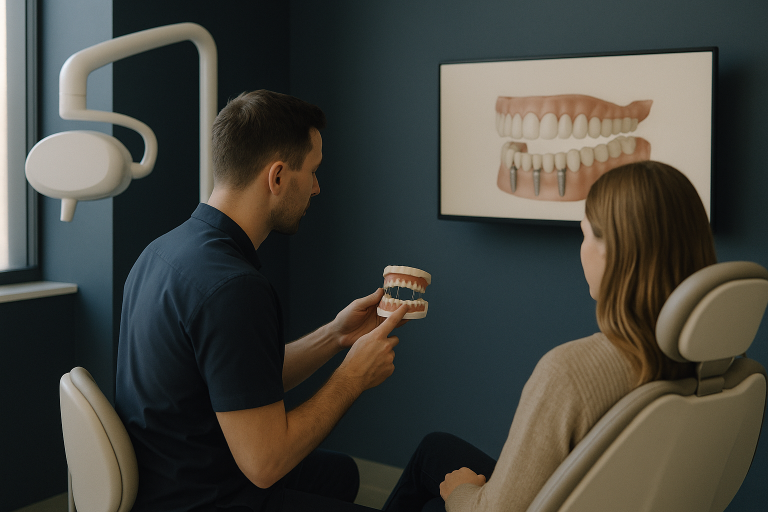
Breaking Down the Cost of ‘All on Four’ Implants
Quick answerThe cost of 'All on Four' implants varies globally, ranging from $15,000 to $30,000 USD per arch,…

Exploring Dental Implant Options in Chicago: Patient Insights
Quick answerIn Chicago, dental implants offer a reliable solution for missing teeth, with various options tailored to patient…