

Health tourism to Turkey is an emerging trend that offers international patients access to high-quality healthcare services often at lower costs compared to their home countries. With a focus on advanced medical technology and accredited facilities, Turkey is becoming a preferred destination for those seeking medical, wellness, and cosmetic treatments.
What is Health Tourism?
Health tourism refers to the practice of travelling to another country to receive medical care, wellness treatments, or cosmetic procedures. This form of tourism allows patients to access treatments that may not be available or are more expensive in their home country. It includes a broad spectrum of services, from essential medical procedures to elective cosmetic surgeries. For example, a patient might travel to Turkey for a hip replacement surgery that costs significantly less than in the United States, while another might seek cosmetic dentistry that combines a vacation with a smile makeover.
According to the World Health Organization, health tourism encompasses both medical tourism, which focuses on medical procedures, and wellness tourism, which prioritizes holistic wellness treatments. Medical tourism might include surgeries, cardiac procedures, or fertility treatments, while wellness tourism could involve spa treatments, yoga retreats, or traditional healing practices. This dual approach makes countries like Turkey appealing to a diverse range of health tourists. Whether one is seeking critical medical intervention or a rejuvenating spa experience, Turkey offers something for every type of health tourist.
Turkey has positioned itself as a leader in this industry, offering a variety of treatments and services across its many accredited hospitals and clinics. The country attracts patients from Europe, the Middle East, and beyond, seeking high-quality care. Its reputation is bolstered by success stories of patients who have found both medical solutions and personal healing in this culturally rich environment. The strategic location, pleasant climate, and cultural allure further enhance Turkey’s appeal as a top health tourism destination.
Why Choose Health Tourism in Turkey?
Turkey offers several compelling reasons for international patients to consider it for health tourism. Firstly, the cost of medical treatments in Turkey is significantly lower compared to Western countries without compromising on quality. For instance, a heart bypass surgery that costs approximately $123,000 in the United States can be performed in Turkey for as little as $24,000, representing a substantial cost-saving for patients. This cost-effectiveness is a major draw for patients globally, especially those facing financial constraints or limited insurance coverage. Such cost savings can make a significant difference for patients paying out-of-pocket or those whose insurance plans do not cover certain procedures.
Additionally, Turkey boasts a high number of Joint Commission International (JCI) accredited hospitals, ensuring that facilities meet international standards. The presence of over 30 JCI-accredited hospitals highlights Turkey’s commitment to quality healthcare. These facilities are equipped with cutting-edge technology and staffed by highly trained medical professionals, many of whom have international experience. The country’s strategic location, bridging Europe and Asia, also makes it easily accessible for patients from various regions. Direct flights from major cities around the world make travel convenient for health tourists, further enhancing Turkey’s appeal as a health tourism hub.
The Turkish government supports the health tourism sector, providing incentives and facilitating ease of access for international patients. This support enhances the infrastructure and quality of services available, making Turkey a trusted destination for healthcare seekers. Government initiatives include streamlined visa processes and tax incentives for healthcare investments, which have contributed to the rapid growth of the sector. This holistic support system ensures that both healthcare providers and patients enjoy a conducive environment for medical tourism. The result is a thriving sector that offers both high-quality medical care and an enriching cultural experience.
Understanding Health Tourism Costs and Timelines
The costs associated with health tourism to Turkey can vary widely depending on the type of treatment sought. Generally, patients can expect to pay 50-60% less for procedures compared to costs in the US or UK. For example, dental implants that might cost $3,000 per tooth in the UK can be obtained for as little as $800 in Turkey. This significant saving is a pivotal factor for many patients considering health tourism, making expensive treatments accessible to a broader audience. These savings can be particularly impactful for elective procedures, where patients often bear the full cost themselves.
Timelines for treatment can vary as well. Elective procedures such as cosmetic surgeries may require a shorter planning period, while more complex medical treatments might necessitate longer stays and recovery periods. For instance, a hair transplant procedure might be completed within a week, while orthopedic surgeries might require a month-long stay for recovery and post-operative care. Patients are advised to consult with healthcare providers in advance to plan their travel accordingly, ensuring that they have sufficient time to accommodate both the treatment and recovery phases. Proper planning can help avoid any disruptions to the patient’s schedule and ensure a seamless treatment experience.
Many hospitals and clinics in Turkey offer packages that include accommodation and transportation, further easing the logistical challenges for international patients. These packages often cover airport transfers, hotel stays, and even guided tours, providing a seamless experience. This convenience makes it possible for patients to focus on their recovery without the added stress of organizing travel details. By choosing comprehensive packages, patients can enjoy a worry-free healthcare journey that combines treatment, recovery, and exploration. Such packages are particularly beneficial for patients unfamiliar with the local language and customs, providing them with additional support and peace of mind.
Safety and Accreditation in Turkey’s Health Tourism
Safety is a primary concern for anyone considering health tourism. In Turkey, many hospitals are accredited by international bodies such as the JCI, which ensures adherence to global healthcare standards. Accreditation is an assurance of quality, safety, and continuous improvement in healthcare delivery. Patients can rest assured that these accredited institutions provide levels of care that meet or exceed those found in their home countries. The rigorous standards set by international accreditation bodies help ensure that patients receive safe, high-quality care throughout their medical journey.
Furthermore, Turkey has rigorous regulations in place for healthcare providers. These regulations ensure that medical professionals are well-trained and facilities are equipped with state-of-the-art technology. For instance, surgical instruments and diagnostic machines are regularly updated to keep pace with global advancements. Patients can feel confident that they are receiving care comparable to that in their home countries. The medical staff’s proficiency in English and other languages also helps bridge communication gaps, enhancing patient comfort and understanding. This attention to communication is crucial in ensuring that patients fully understand their treatment plans and can make informed decisions about their care.
Patients are encouraged to research and verify the accreditation status of healthcare providers before making arrangements for treatment. This due diligence is crucial to ensuring a safe and successful medical experience abroad. Prospective patients can access information through hospital websites, third-party accreditation databases, and patient reviews. By doing so, they can make informed decisions about where to receive care, prioritizing safety and quality in their choice of healthcare provider. Conducting thorough research beforehand can help mitigate risks and ensure that patients select the best possible healthcare facility for their needs.
Preparing for Health Tourism in Turkey
Preparation is key when embarking on health tourism. Prospective patients should begin by consulting with their local healthcare providers to discuss their intentions and gather necessary medical records. These records will be crucial for consultations with Turkish healthcare providers. Detailed medical histories, test results, and treatment plans provide a foundation for Turkish doctors to make informed decisions about patient care. Having comprehensive medical documentation ensures that the receiving healthcare team has all the necessary information to tailor the treatment to the patient’s specific needs.
Next, researching and selecting a reputable hospital or clinic is essential. Patients should look for facilities with international accreditation and positive reviews from past patients. It is advisable to communicate directly with the chosen healthcare provider to clarify any questions about the treatment, costs, and expected outcomes. Direct communication allows patients to understand the nuances of their care plan, such as the specific techniques to be used, recovery timelines, and post-operative care requirements. This clarity can help set realistic expectations and reduce anxiety about the treatment process.
Arranging travel and accommodation is another important step. Many healthcare providers offer assistance with these arrangements, but patients should ensure they have a clear understanding of the travel logistics and any potential cultural differences they may encounter. Familiarity with Turkey’s customs and language can enhance the overall experience, making patients feel more at ease during their stay. Preparing for health tourism in Turkey involves meticulous planning, ensuring a smooth transition from home country to treatment destination and back. A well-organized trip can contribute significantly to the overall success and satisfaction of the healthcare journey.
Exploring Turkey as a Health Tourism Destination
Beyond healthcare, Turkey offers a rich cultural experience for international visitors. Patients and their companions can explore historical sites, enjoy local cuisine, and experience Turkey’s vibrant culture. Cities like Istanbul and Antalya provide a blend of modern amenities and historical charm, offering visitors a unique opportunity to enjoy both the past and present. Whether visiting the majestic Hagia Sophia or savoring a traditional Turkish kebab, patients can immerse themselves in the vibrant tapestry of Turkish life, enriching their overall health tourism experience.
Turkey’s natural landscapes, from the beaches of the Mediterranean to the unique rock formations of Cappadocia, offer opportunities for relaxation and exploration during recovery periods. A patient recovering from surgery might enjoy a gentle stroll along the Bosporus or a peaceful day at a thermal spa in Pamukkale. This unique combination of healthcare and leisure makes Turkey an attractive destination for health tourism, allowing patients to recuperate in serene environments. The country’s diverse geography offers a multitude of options for relaxation and rejuvenation, catering to various preferences and interests.
The tourism infrastructure in Turkey is well-developed, providing a range of accommodation options and local transport services, ensuring that visitors can enjoy their stay comfortably while focusing on their healthcare needs. From luxury hotels to budget-friendly guesthouses, there is accommodation to suit every preference and budget. Efficient public transport and private transfer services make it easy for patients to navigate between healthcare facilities and tourist attractions, enhancing the overall experience. This accessibility ensures that patients and their companions can make the most of their time in Turkey, enjoying both the medical and cultural aspects of their visit.
Conclusion
Health tourism to Turkey presents a valuable opportunity for international patients seeking high-quality healthcare services at affordable prices. With its accredited facilities, supportive governmental policies, and rich cultural experiences, Turkey continues to grow as a premier destination for health tourism. Patients can benefit from both advanced medical care and the unique cultural offerings that Turkey provides. This combination of quality healthcare and cultural immersion makes Turkey a compelling choice for those considering medical travel.
For those considering health tourism, thorough research, careful planning, and open communication with healthcare providers are essential steps to ensure a successful and satisfying experience. By taking these steps, patients can enjoy both the medical and leisure aspects of their journey, returning home with improved health and cherished memories. As health tourism to Turkey continues to expand, it offers a promising avenue for patients worldwide to access world-class medical treatments while exploring a country steeped in history and culture. The future of health tourism in Turkey looks bright, as the country continues to enhance its offerings and attract more international patients seeking high-quality care at competitive prices.
Proven result
8× US patient volume since 2024
Plastic & aesthetic surgery clinic
Frequently asked questions
What is health and wellness tourism?
Health and wellness tourism involves travelling to receive medical care or wellness treatments, often in another country.
Why choose Turkey for health tourism?
Turkey offers accredited healthcare facilities, cost-effective treatments, and a rich cultural experience, making it a top choice for health tourism.
What are the costs of health tourism in Turkey?
Costs vary by treatment but are generally 50-60% lower than in Western countries, offering significant savings for patients.
How can I ensure safety in health tourism?
Ensure your chosen healthcare facility in Turkey is accredited by international bodies like the Joint Commission International for safety.
Related guides

Healthcare Content Compliance Guide for Growth
A high-performing treatment page can generate international patient inquiries within hours. It can also create material risk if…
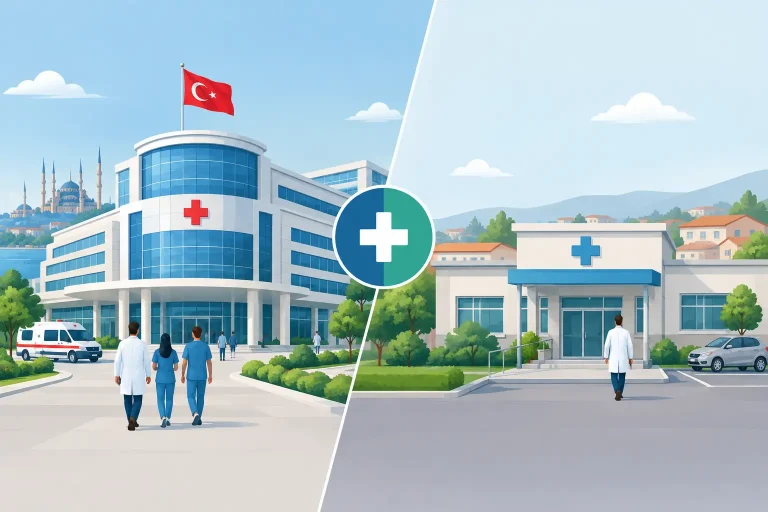
Turkey Hospitals vs Local Hospitals Compared
A lower procedure quote can get a patient’s attention. It should not make the decision on its own.…

Patient Experience That Drives Trust and Growth
A patient who has already uploaded medical records, compared providers, and arranged time away from work is not…