

Healthcare tourism, also known as medical tourism, is becoming an increasingly popular option for individuals seeking medical treatments abroad. This trend is driven by a combination of factors including cost savings, access to advanced medical technologies, and the ability to receive care from highly qualified physicians. As the world becomes more interconnected, healthcare tourism is reshaping the landscape of global medical services.
What Drives the Growth of Healthcare Tourism?
The growth of healthcare tourism is influenced by several key factors. Firstly, the rising cost of healthcare in many countries has prompted patients to seek more affordable options abroad. In countries like the United States, where healthcare costs can be exorbitant, patients can save anywhere from 30% to 80% on various procedures by traveling to countries like India, Thailand, or Mexico. For instance, a heart bypass surgery that might cost over $100,000 in the U.S. may be available for around $10,000 to $15,000 in India, inclusive of all expenses. Such cost savings are significant, especially for uninsured or underinsured patients who face prohibitive healthcare expenses in their home countries.
Secondly, advancements in medical technology have made it possible for patients to receive complex treatments in countries that were previously not considered medical hubs. Countries like South Korea and Singapore are now leading in technologies for robotic surgery and stem cell treatments. This technological leap means that patients are not compromising on quality when choosing these locations. For instance, South Korea’s investment in cutting-edge medical technology has positioned it as a global leader in cosmetic surgery, attracting thousands of international patients annually. Additionally, the ease of international travel and increased availability of information online have made it easier for patients to research and access medical services abroad.
Thirdly, the globalization of healthcare has increased competition among healthcare providers worldwide to offer the best services at competitive prices, further boosting the appeal of healthcare tourism. Countries are now marketing their medical services through international healthcare conferences and partnerships, providing assurance of quality and safety standards to potential international patients. For example, Thailand’s Ministry of Public Health has implemented stringent regulations to ensure high standards in hospitals catering to international patients, making it a preferred destination for healthcare tourism. These strategic efforts not only attract medical tourists but also enhance the global reputation of these countries as leading providers of quality healthcare services.
How Do International Patients Ensure Safety and Accreditation?
For international patients, safety and accreditation are paramount concerns when considering healthcare tourism. Many countries with thriving medical tourism industries have established stringent accreditation standards to ensure that medical facilities meet international quality benchmarks. Accreditation bodies such as the Joint Commission International (JCI), the National Accreditation Board for Hospitals & Healthcare Providers (NABH), and the Accreditation Canada International (ACI) provide certifications to hospitals that adhere to these high standards, ensuring that patients receive care that is on par with global expectations. For example, Bumrungrad International Hospital in Thailand, accredited by JCI, offers comprehensive medical services to international patients with a focus on safety and quality.
Moreover, patients are advised to conduct thorough research on potential destinations and medical providers. This includes verifying the credentials of healthcare professionals, understanding the facility’s track record, and reviewing patient testimonials. Websites such as Healthgrades and RateMDs offer valuable insights into patient experiences and can help in making informed decisions. By taking these precautions, patients can minimize risks and enhance their safety while seeking medical treatment abroad. Additionally, many countries have established government agencies dedicated to promoting and regulating medical tourism, providing additional assurance of safety and quality for international patients.
Furthermore, patients should seek hospitals that offer comprehensive patient support services, including language interpreters, cultural liaisons, and post-operative care planning. Such services are crucial in bridging gaps that might arise due to differences in language and healthcare practices, thereby ensuring a seamless and secure medical journey. For example, hospitals in Singapore often provide multilingual staff and dedicated international patient services to assist with logistical arrangements and cultural integration. These efforts help to create a supportive environment for overseas patients, allowing them to focus on their recovery and well-being during their stay.
What Are the Cost Implications of Healthcare Tourism?
One of the primary advantages of healthcare tourism is the potential for significant cost savings. Patients can often receive treatments at a fraction of the price they would pay in their home country. For example, a dental implant in the United States might cost around $3,000 to $5,000, while the same procedure may be available in Costa Rica for around $800 to $1,000. This is particularly true for procedures such as dental work, orthopedic surgery, and cosmetic surgery, where the cost disparity is most pronounced. These savings become even more attractive when patients consider the comprehensive packages offered by many healthcare providers, which can include surgery, rehabilitation, and accommodation.
However, patients should also consider additional costs such as travel, accommodation, and post-operative care. These expenses can vary widely depending on the destination and the patient’s personal preferences. For instance, while a luxury hotel might cost upwards of $200 per night in a major city, budget accommodations might be available for as little as $30 per night. To help manage these expenses, many healthcare tourism providers offer comprehensive packages that include various aspects of the treatment journey, such as transportation, lodging, and visa assistance. For example, hospitals in India often offer packages that cover airport transfers, local transportation, and accommodation, reducing the stress of trip planning for patients.
By carefully planning and budgeting, patients can benefit from the financial advantages of healthcare tourism without encountering unexpected expenses. It is advisable for patients to request detailed cost estimates from their chosen healthcare providers and compare them against potential savings to ensure a cost-effective medical tourism experience. Additionally, patients should consider purchasing travel insurance that covers medical tourism to protect against unforeseen costs or complications. By taking these steps, patients can confidently pursue healthcare tourism, assured of both quality care and financial savings.
What Are the Benefits of Medical Travel?
Medical travel offers numerous benefits beyond cost savings. Patients have the opportunity to access state-of-the-art medical facilities and receive care from highly skilled healthcare professionals. Countries like Germany and Japan are renowned for their advanced medical technologies and expertise in fields such as oncology and neurology. This can be particularly beneficial for individuals seeking specialized treatments that may not be readily available in their home country. For example, proton therapy, a precise form of radiation treatment for cancer, is more widely available and often more affordable in countries like Japan compared to the U.S.
- Access to cutting-edge medical technology, such as proton therapy for cancer treatment or minimally invasive robotic surgeries, which might not be widely available in all countries.
- Shorter waiting times for procedures, which can be crucial for conditions requiring timely intervention. For example, in Canada, patients might wait several months for elective surgeries, whereas in countries like Turkey, the wait can be reduced to just a few days.
- Opportunity to combine treatment with travel, allowing patients to recuperate in serene environments or explore new cultures, enhancing their overall experience.
Additionally, medical tourism allows patients to avoid long waiting lists that are common in some countries. For example, in the UK, patients might wait up to a year for certain orthopedic surgeries, whereas in destinations like Hungary or Poland, these procedures can be scheduled within weeks. By opting for treatment abroad, patients can receive timely care and avoid delays that could impact their health outcomes. Furthermore, the cultural experience of traveling to a new country for medical treatment can be enriching, providing patients with a chance to experience different lifestyles and traditions while focusing on their recovery.
How Does Healthcare Tourism Impact Local Economies?
Healthcare tourism can have a significant impact on local economies. It generates revenue for medical facilities and creates employment opportunities in the healthcare sector. For instance, in Thailand, the medical tourism industry generates over $3 billion annually, supporting thousands of jobs ranging from healthcare professionals to hospitality staff. Additionally, the influx of international patients contributes to the hospitality and tourism industries, as patients often travel with family members and extend their stay beyond the duration of their medical treatment. This additional tourism activity boosts local businesses such as hotels, restaurants, and tour operators, providing a substantial economic lift.
The economic benefits of healthcare tourism also extend to ancillary sectors such as transportation, retail, and dining. In countries like Malaysia and Turkey, medical tourists contribute significantly to local businesses, boosting sales in retail outlets and increasing occupancy rates in hotels. By attracting international patients, countries can enhance their global reputation as premier medical destinations and stimulate economic growth. For example, Malaysia’s government has actively promoted its healthcare services internationally, resulting in a steady increase in medical tourists and significant economic contributions from the sector.
Furthermore, the presence of international patients encourages local healthcare providers to elevate their standards of care and adopt best practices, thereby improving the overall quality of healthcare services in the region. This competitive environment fosters innovation and continuous improvement, benefiting both local and international patients in the long run. As hospitals strive to meet international accreditation standards, they invest in better facilities and training for staff, which in turn raises the quality of care for all patients. This ripple effect of healthcare tourism not only boosts local economies but also enhances the overall healthcare landscape of the host country.
What Are the Challenges Faced by Healthcare Tourism?
Despite its many advantages, healthcare tourism faces several challenges. One of the main concerns is the regulatory differences between countries, which can lead to variations in treatment quality and patient safety standards. Patients must navigate these differences and ensure that they choose facilities that adhere to international accreditation standards. For example, while a procedure might be standardized in one country, the same procedure might have different protocols or equipment in another, affecting outcomes. This lack of standardization can create confusion and lead to discrepancies in patient care, which can be particularly challenging for complex medical procedures.
- Language barriers between patients and healthcare providers can lead to misunderstandings regarding medical histories, treatment plans, or post-operative care instructions. Many facilities are now employing multilingual staff or offering translation services to mitigate this issue.
- Cultural differences in healthcare practices, such as differing attitudes towards patient autonomy or informed consent, can impact the treatment experience. Patients should be aware of these differences and communicate their preferences clearly to their healthcare providers.
- Logistical complexities of arranging travel and treatment, including securing medical visas, coordinating travel itineraries, and managing follow-up care across borders, require meticulous planning and coordination.
Moreover, patients may encounter language barriers and cultural differences that could affect their treatment experience. To overcome these challenges, healthcare tourism providers often offer services such as language translation and cultural orientation to ensure a smooth and comfortable experience for international patients. Additionally, many countries are implementing policies to streamline visa processes and enhance the overall experience for medical tourists. For instance, some countries offer expedited visa services for medical tourists or have special medical travel visas, reducing the bureaucratic burden on patients seeking treatment abroad.
What Is the Future of Healthcare Tourism?
The future of healthcare tourism looks promising, with continued growth expected in the coming years. As more countries invest in healthcare infrastructure and technologies, the quality of medical services offered abroad is likely to improve further. Countries like the UAE and Brazil are making significant investments in healthcare facilities to attract more medical tourists. This will increase the appeal of healthcare tourism to patients seeking high-quality, affordable treatments. For example, the UAE’s investment in world-class healthcare facilities and medical training programs has positioned it as a leading destination for medical tourism in the Middle East.
Technological advancements, such as telemedicine and digital health platforms, are also expected to play a significant role in the evolution of healthcare tourism. These innovations will facilitate remote consultations and post-treatment follow-ups, making it easier for patients to manage their care journey across borders. For instance, a patient can have their initial consultation via video call, travel for the procedure, and then continue with post-operative check-ups remotely. This integration of technology not only enhances the convenience of healthcare tourism but also improves the continuity of care for international patients.
In conclusion, healthcare tourism offers a viable option for patients seeking medical care abroad. With careful planning and attention to safety and accreditation, patients can benefit from high-quality treatments at competitive prices while enjoying a unique travel experience. As the industry continues to grow and evolve, it will likely offer even more opportunities for patients to access world-class medical care tailored to their needs and preferences. With ongoing advancements in medical technology and an increasing focus on patient-centered care, the future of healthcare tourism holds immense potential for transforming global healthcare delivery and accessibility.
Proven result
8× US patient volume since 2024
Plastic & aesthetic surgery clinic
Frequently asked questions
What is healthcare tourism?
Healthcare tourism involves traveling abroad to receive medical treatment, often due to cost savings or access to specific medical expertise.
How can patients ensure safety when engaging in healthcare tourism?
Patients should verify the accreditation of medical facilities, review healthcare professionals’ credentials, and read patient testimonials to ensure safety.
What types of treatments are commonly sought in healthcare tourism?
Common treatments include dental procedures, cosmetic surgery, orthopaedic surgery, and fertility treatments, often at lower costs than in the patient’s home country.
How does healthcare tourism benefit local economies?
Healthcare tourism boosts local economies by generating revenue for medical facilities, creating jobs, and contributing to the hospitality and tourism sectors.
Related guides
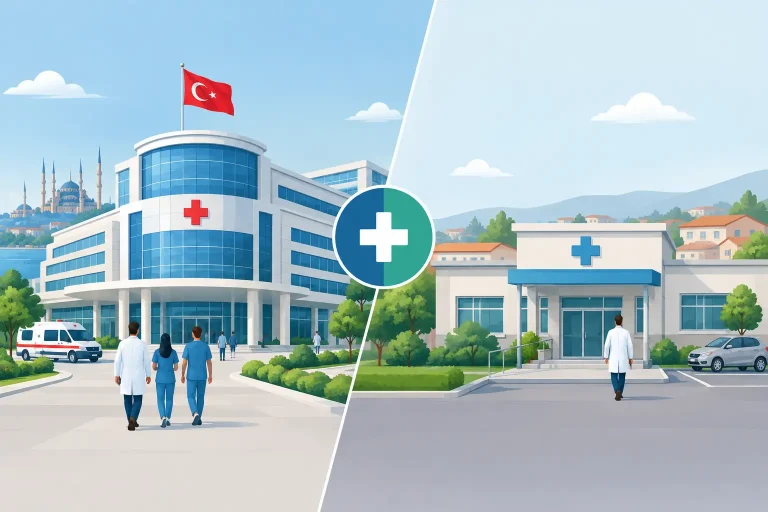
Turkey Hospitals vs Local Hospitals Compared
A lower procedure quote can get a patient’s attention. It should not make the decision on its own.…

Patient Experience That Drives Trust and Growth
A patient who has already uploaded medical records, compared providers, and arranged time away from work is not…

What Is a Medical Travel Facilitator and Why Use One?
A lower treatment quote can look compelling until you try to compare what it actually includes: surgeon fees,…