
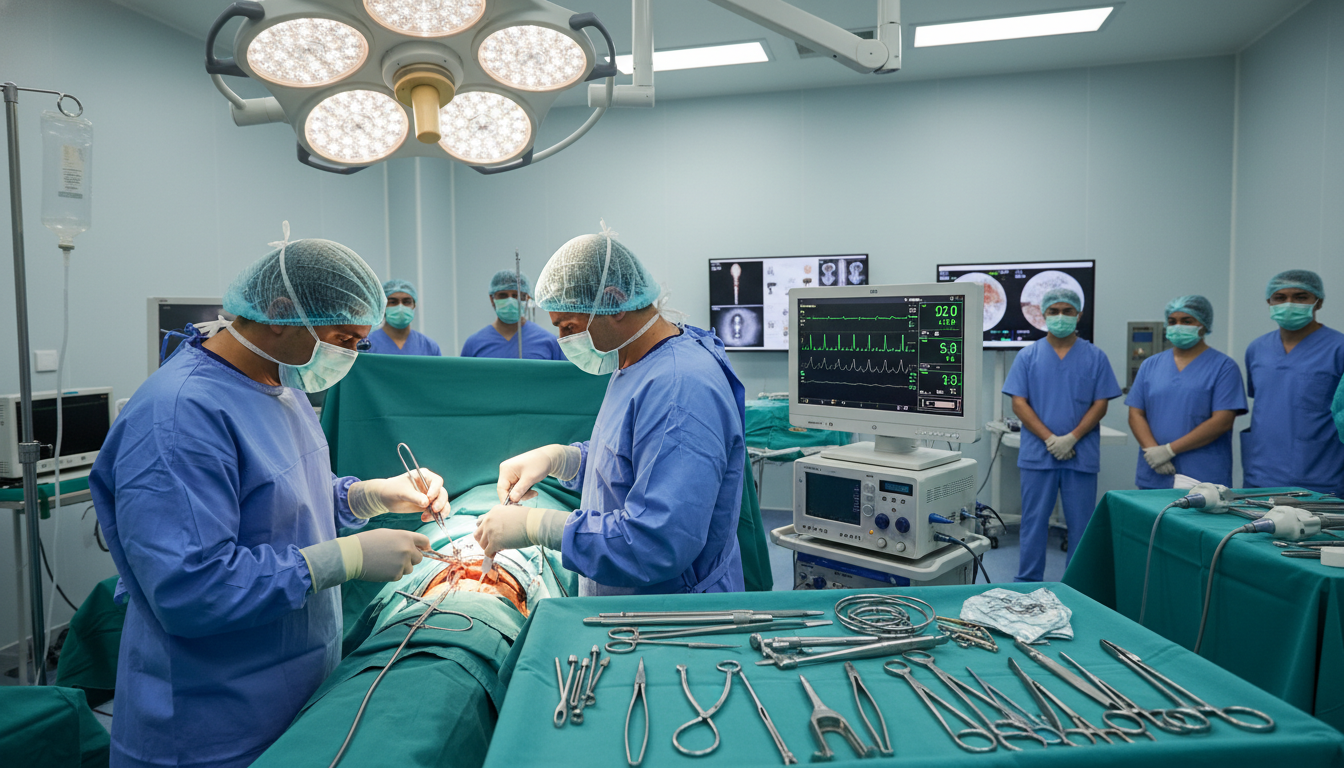
Turkey is now a top choice for those looking for top-notch orthopaedic care. Many people travel here for advanced medical interventions. These focus on keeping joints healthy and mobile for the long term.
A High Tibial Osteotomy Surgery is great for younger, active people. It helps them avoid or delay getting a total joint replacement. This surgery fixes issues with how the knee moves, letting people stay active and mobile.
Turkish medical centres are known for their exceptional standards and latest technology. Choosing this option means getting top care in a place that helps you recover well.
Key Takeaways
- Turkey offers world-class orthopaedic care for international patients.
- The procedure serves as a vital alternative to total joint replacement.
- It is ideal for younger, active individuals seeking to preserve their natural joints.
- The intervention focuses on correcting mechanical axis deviations of the knee.
- Patients benefit from high standards of clinical practice and modern facilities.
Understanding the Need for Knee Realignment Surgery
When your leg’s natural alignment changes, it can harm your knee. This can cause uneven weight distribution, speeding up cartilage wear. Knee realignment surgery helps fix this, keeping your joint safe.
Anatomy of the Knee and Varus Deformity
The knee is a complex joint that should evenly spread weight. But, a varus deformity, or bow-leggedness, can shift this balance. This puts more pressure on the inner knee.
This extra pressure damages the cartilage quickly. Without treatment, it can cause long-term pain and stiffness. Knee realignment surgery moves the weight to the outer knee, helping it heal.
| Feature | Healthy Alignment | Varus Deformity |
|---|---|---|
| Weight Distribution | Evenly balanced | Medial compartment overload |
| Cartilage Health | Maintained | Rapid degradation |
| Joint Stability | Optimal | Compromised |
Indications for High Tibial Osteotomy Surgery
This surgery isn’t for everyone with knee pain. It’s mainly for younger, active people with specific arthritis. It aims to keep the joint natural, avoiding artificial implants.
Those who keep feeling pain after trying other treatments might benefit. Knee realignment surgery can help them enjoy sports and daily life again. A detailed check is needed to see if it’s right for you.
Why Turkey is a Leading Destination for Orthopaedic Tibial Surgery
Turkey is a top choice for those needing Orthopaedic Tibial Surgery. It offers advanced clinical expertise and modern facilities. This makes it a favourite for patients from around the world.
Advancements in Turkish Medical Infrastructure
The Turkish healthcare sector has grown a lot in the last 20 years. Big investments have led to the creation of top-notch hospitals. These hospitals have the latest technology for surgeries.
Now, Turkey’s operating theatres use robotic-assisted systems and high-definition imaging. This technology helps surgeons do precise work during Orthopaedic Tibial Surgery. Patients get better results and heal faster.
Accreditation and Standards of Turkish Hospitals
Turkish hospitals focus on high clinical standards. Many have the Joint Commission International (JCI) seal. This shows they meet rigorous safety and quality protocols like in the United States.
Hospitals in Turkey also offer great patient care. They have teams for every part of treatment. Here’s why choosing Turkish hospitals is a good idea.
| Feature | Standard Practice | Turkish Advantage |
|---|---|---|
| Accreditation | Local Standards | International (JCI) |
| Technology | Basic Equipment | Cutting-edge Robotics |
| Patient Care | Standardised | Personalised Liaison |
| Safety Protocols | Baseline | Strict Global Compliance |
Turkey’s commitment to quality means patients get exceptional care. This is why many choose Turkish specialists for Orthopaedic Tibial Surgery. The mix of modern facilities and strict standards makes recovery safe and reliable.
The High Tibial Osteotomy Surgery Procedure Explained
Before you have a Tibial Osteotomy Procedure, it’s important to understand how surgeons plan to fix your knee. This surgery helps move weight off damaged cartilage. It realigns the limb to improve joint function and might delay the need for more serious replacements.
Pre-operative Planning and Imaging
The success of a Tibial Osteotomy Procedure starts with careful planning before surgery. Doctors use detailed images like X-rays and CT scans to map the knee. This helps them figure out how much to adjust the knee to get it right.
Today, clinics use computer-assisted software to plan the surgery digitally. This way, surgeons can make precise cuts. Seeing the surgery plan helps reduce risks and improve joint stability.
Surgical Techniques: Opening Wedge versus Closing Wedge
There are two main ways to do a Tibial Osteotomy Procedure: opening wedge and closing wedge. The choice depends on the patient’s knee and how severe the deformity is. Both methods aim to spread the weight evenly across the knee, but they’re done differently.
The opening wedge method cuts the inner tibia and opens it. Then, a bone graft fills the gap to keep the knee straight. The closing wedge method removes a piece of bone from the outer tibia to straighten the leg.
| Feature | Opening Wedge | Closing Wedge |
|---|---|---|
| Bone Graft Requirement | Usually required | Not typically needed |
| Leg Length Impact | Slightly increases length | Slightly decreases length |
| Primary Advantage | Easier to adjust alignment | High structural stability |
| Recovery Focus | Bone graft integration | Rapid bone healing |
Selecting the Best Surgeons for Osteotomies in Turkey
Finding the best surgeons for osteotomies in Turkey needs careful thought. The skill of your surgical team is key for a good outcome. For more advice, check out a guide to choosing the right orthopedic clinic in Turkey.
Evaluating Surgeon Credentials and Experience
Start by checking the surgeon’s background. Look for those with board certifications from well-known medical groups. They should also have a track record of successful knee realignments.
It’s important they keep learning to stay up-to-date with new methods. This shows they care about using the latest techniques.
The best surgeons for osteotomies use evidence-based practices. They stick to proven methods, not old ones. Ask about their experience to ensure they have a good success rate.
The Importance of Specialisation in Knee Preservation
Knee preservation needs a deep understanding of joint mechanics. Surgeons who specialise in this aim to save your natural joint. This is great for younger, active patients who want to keep living well.
Choosing a specialist who focuses on joint preservation means your treatment will be tailored to you. They can handle complex cases and offer detailed aftercare advice. Here’s what to look for when choosing your surgical team.
| Selection Criteria | Why It Matters | What to Look For |
|---|---|---|
| Board Certification | Ensures verified training | National medical board status |
| Procedure Volume | Indicates technical proficiency | High annual case count |
| Preservation Focus | Prioritises natural joint health | Specialisation in osteotomy |
| Patient Outcomes | Reflects long-term success | Peer-reviewed clinical data |
By focusing on these key points, you can find the best surgeons for osteotomies. A commitment to excellence and putting patients first are signs of a top orthopaedic specialist.
Benefits of Choosing Turkey for Medical Osteotomy Surgery
Looking for surgery, you want it to be affordable and top-notch. Turkey is a top choice for specialised orthopaedic care. It offers great medical care and big savings.
Choosing medical osteotomy surgery in Turkey means you get top treatment without the high US costs. This makes it easier to focus on your health without breaking the bank.
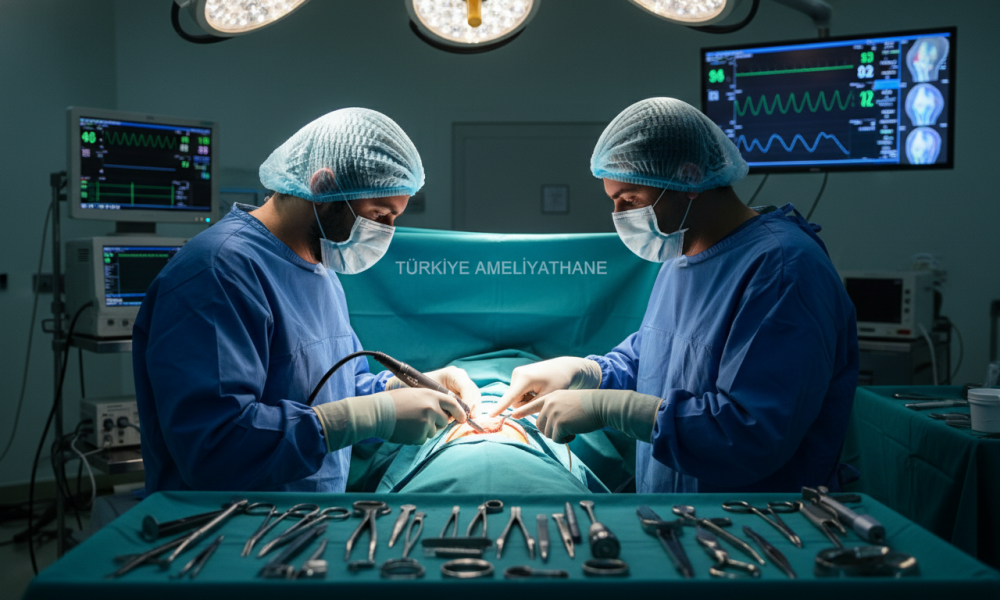
Cost-Effectiveness Compared to the United States
Many patients choose Turkey for its lower prices. The care is exceptionally high, but it costs less than in the US.
“True value in healthcare is found where clinical precision meets accessibility, ensuring that patients receive the best possible outcomes without unnecessary financial strain.”
This doesn’t mean Turkey skimps on safety or quality. It shows the Turkish healthcare sector’s focus on patient care and lower costs.
Access to Cutting-Edge Surgical Technology
Turkey also offers the latest in orthopaedic medicine. Hospitals have state-of-the-art robotic-assisted systems and top-notch imaging tools.
These tools help surgeons do complex surgeries more accurately. This means patients recover faster and have better joint function in the long run. Turkish specialists use these modern tools in medical osteotomy surgery to give patients the best care available worldwide.
Preparing for Your Trip for Tibial Osteotomy Procedure
Getting ready for your surgery in Turkey is a big task. A good plan helps you focus on getting better, not on paperwork. Preparing well for your Tibial Osteotomy Procedure makes your trip better and calmer.
Medical Tourism Logistics and Travel Arrangements
Start by working with your chosen medical facility. Make sure your travel dates match your surgery. Turkey’s top clinics help with visas, airport transfers, and booking places to stay. Clear communication with your coordinator is key to avoid any travel document issues.
Choose travel plans that can be changed easily. Your recovery time might not be what you expect. Keep your medical records, imaging, and your surgeon’s contact info in your carry-on. A detailed travel plan helps you move smoothly from home to hospital.
Preparing Your Health for Major Orthopaedic Surgery
Getting your body ready for surgery is very important. Eating well and staying hydrated helps your body heal and fight off infections. If you have health issues like diabetes or high blood pressure, manage them well and talk to your doctor.
Doing some light exercise, as advised by your doctor, can help. Consistency is key in these exercises. They prepare your body for the recovery process. Taking these steps helps you heal faster and more efficiently after surgery.
The Osteotomy Recovery Process and Timeline
The journey to full mobility after knee realignment surgery is long. A successful osteotomy recovery process needs patience and sticking to your rehabilitation plan. With your medical team’s guidance, you can get your knee joint working well again.
Immediate Post-operative Care in the Hospital
Right after surgery, managing pain and avoiding problems is key. The nursing staff will keep a close eye on you. They check your health and make sure the surgery site is healing right.
Early mobilisation is very important in this first stage. It helps reduce swelling and stops stiffness.
Your physiotherapist will start you on gentle movements soon after surgery. You’ll learn to use crutches or a walker to move safely. Following weight-bearing restrictions is essential in these early days. It lets the bone heal without extra stress.
Phases of Rehabilitation and Physiotherapy
The rehab journey has different phases to increase your activity levels slowly. In the early weeks, you’ll focus on managing swelling and getting basic movement back. As the bone starts to heal, you’ll start strengthening your quadriceps and hamstrings.
Being consistent is key to a good outcome in the osteotomy recovery process. You’ll work with your therapist to hit milestones like full extension and more weight-bearing. Staying committed to your exercises at home will help you get back to daily life faster and keep your joint healthy long-term.
Managing Osteotomy Surgery Risks and Complications
High tibial osteotomy is a successful surgery, but knowing about possible problems is key. Patients often think about the benefits of keeping their joints healthy. But, it’s also important to understand Osteotomy Surgery Risks before starting treatment. Talking openly with your doctor helps you feel more confident and clear about your treatment.
Common Risks Associated with Knee Realignment
Every big surgery comes with its own challenges. Possible issues include post-operative infection and nerve damage. These are rare but serious. Another risk is non-union, where the bone doesn’t heal right at the cut site.
There’s also a chance of hardware irritation or deep vein thrombosis. These risks are low but taken very seriously. Spotting these problems early helps manage them well and keeps your recovery smooth.
Mitigation Strategies Employed by Turkish Specialists
Turkish medical teams use top-notch technology to lower Osteotomy Surgery Risks. They use advanced imaging and computer planning for accurate cuts. This reduces the chance of problems like non-union. They also use less invasive methods to protect soft tissues and nerves.
The care in Turkish operating rooms is exceptionally high. They follow strict sterilisation to cut down infection rates. After surgery, they closely watch your progress to catch any signs of trouble quickly. Choosing a place that values patient safety and evidence-based medicine means you’re in good hands.
Postoperative Care for Osteotomy and Long-Term Success
Effective Postoperative Care for Osteotomy is key to getting back to your active life. After surgery, the focus is on a smooth and pain-free recovery. Turkish medical centres use a structured approach to help patients achieve the best long-term results.
Pain Management and Medication Protocols
Managing pain is critical in the early recovery phase. In Turkey, specialists use personalised medication protocols to reduce pain. These plans are made just for you, based on your health and surgery needs.
Patients get clear instructions on managing inflammation and swelling early on. By following these guidelines, you can stay comfortable and start physiotherapy early. Consistent adherence to these protocols helps avoid complications during healing.
Follow-up Consultations and Remote Monitoring
Your health care doesn’t stop when you leave the clinic. Modern Postoperative Care for Osteotomy includes regular follow-up consultations. Turkish hospitals also use digital platforms for remote monitoring of international patients.
This digital support lets your surgeon check on your recovery from anywhere. Regular virtual check-ins give you peace of mind and allow for quick action if needed. This proactive communication is key to ensuring your knee heals properly and moves freely again.
| Recovery Phase | Primary Focus | Monitoring Method |
|---|---|---|
| Weeks 1-2 | Pain control and wound healing | Daily digital logs |
| Weeks 3-6 | Range of motion exercises | Bi-weekly video consultation |
| Months 3-6 | Strength and stability | Monthly progress review |
| Month 12+ | Full activity return | Annual clinical assessment |
Comparing High Tibial Osteotomy with Knee Replacement
Choosing between High Tibial Osteotomy Surgery and total knee arthroplasty is a big decision. Both aim to ease chronic knee pain but in different ways. Knowing the differences helps pick the best option for your lifestyle.
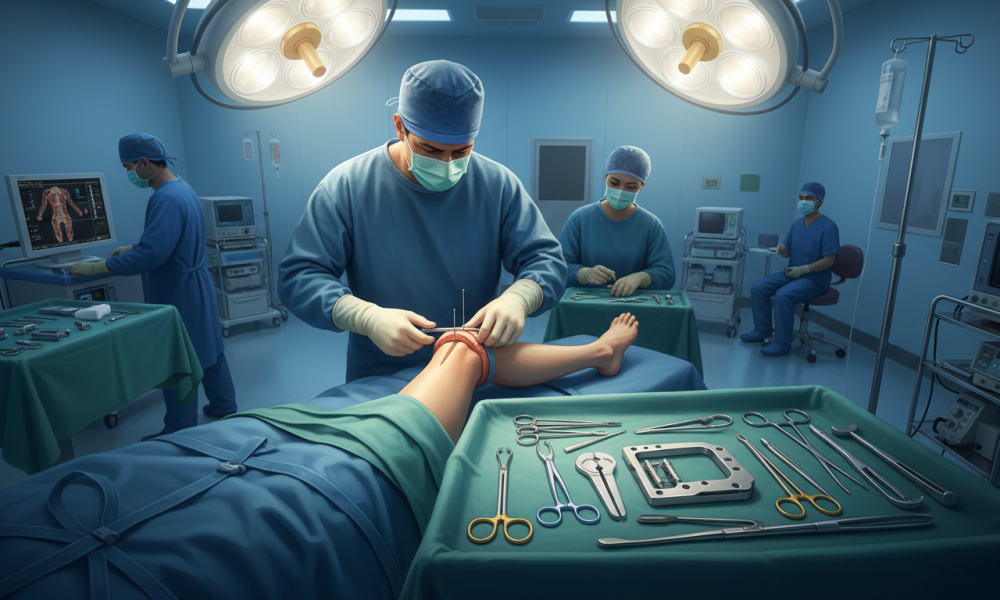
Preserving Natural Joint Function
Osteotomy’s main benefit is keeping your natural knee joint. It realigns the tibia to avoid damaged cartilage. This is great for younger, active people who want to stay mobile.
Unlike knee replacement, osteotomy doesn’t replace the joint with artificial parts. It lets you get back to demanding activities sooner. Maintaining natural joint mechanics is key for those not ready for a full replacement.
Determining Candidacy for Osteotomy versus Arthroplasty
Doctors check certain criteria to see if osteotomy is right for you. It’s usually for patients under 60 with isolated arthritis. If arthritis is all over the knee, arthroplasty is better.
Your lifestyle and what you expect from surgery matter too. Arthroplasty is often best for older patients with severe damage. But osteotomy is a bridge to the future for younger, active adults. Choosing wisely ensures your surgery meets your long-term mobility goals.
Patient Experience and Support Services in Turkey
In Turkey, patient care goes beyond the operating room. It makes sure you’re comfortable every step of the way. For complex procedures, a strong support network makes a big difference. Turkish medical places know a calm environment helps healing and mobility.
Language Assistance and Patient Liaison Services
Good communication is key for a safe medical visit. Top hospitals in Turkey have patient liaison officers. They help from the start to the end of your visit. They make sure your medical history and recovery needs are understood by the team.
Language barriers are no problem thanks to:
- 24/7 medical interpreters for talks.
- Multilingual staff for international patients.
- Documents in your language for clear understanding.
For those working with medical tourism agencies, these services are set up ahead of time. This lets you focus on your health, not the trip details.
Accommodation and Recovery Facilities
The recovery phase is key to your treatment. Turkish hospitals have top-notch recovery suites. They offer a calm and restful place for healing.
Quality Postoperative Care for Osteotomy means private rooms for hygiene and comfort. Many places have special rehab centres for physical therapy. Choosing a place that combines medical care with comfort ensures a smooth recovery.
Financial Considerations and Insurance for International Patients
Planning your medical journey means understanding the financial side of international surgery. When you choose to travel for Orthopaedic Tibial Surgery, managing your budget is key. Researching well helps keep your recovery stress-free and affordable.
Understanding Total Costs and Hidden Fees
Top clinics in Turkey offer packages that include surgery, hospital stay, and transport. But, getting a detailed quote is essential before you book. This way, you can avoid surprise costs during your visit.
Make sure to ask about extra costs like post-op meds, longer hospital stays, or special physio gear. Requesting a written agreement that lists what’s covered gives you peace of mind.
Navigating Insurance Coverage for Overseas Surgery
Getting insurance to cover Orthopaedic Tibial Surgery abroad can be tricky. Many local policies limit international care. Talk to your insurer early to understand what they need for approval.
If your insurance won’t cover it, look into medical loans or health savings accounts. Keep all invoices and medical reports in order for any claims. This way, you can handle the financial side of your Orthopaedic Tibial Surgery with ease.
Lifestyle Adjustments Following Knee Realignment
Your journey to better mobility doesn’t stop when you leave the clinic. It keeps going with active lifestyle management. To do well after Knee Realignment Surgery, you need to adopt new habits. These habits protect your joint and help your overall health.
Returning to Physical Activity and Sports
The Osteotomy Recovery Process is a slow and careful journey. It requires patience and discipline. Don’t rush back to high-impact sports too soon. Your bone needs time to heal and get strong again.
Always talk to your physiotherapist before trying new exercises. They’ll create a safe plan for you to increase your activity. Listening to your body is key. If you feel sharp pain or swelling, slow down.
Long-term Maintenance of Joint Health
To keep the good results of your surgery, focus on long-term health. Keeping a healthy weight is very important. It helps reduce the stress on your knee joint, preventing damage.
Adding low-impact exercises to your routine is good. Swimming, cycling, or walking on flat surfaces are great. They keep your muscles strong and flexible without harming your surgery site. By making these lifestyle changes, you’ll enjoy the benefits of Knee Realignment Surgery for many years.
Legal and Ethical Considerations in Medical Tourism
Traveling abroad for surgery means you must think about the ethics too. Medical Osteotomy Surgery needs careful planning to protect your rights. Knowing what to expect helps you make choices that are right for you.
Patient Rights and Informed Consent
Informed consent is key in medical ethics. Make sure your surgeon explains all the risks and benefits clearly. Transparency is essential, and you should never rush into signing anything you don’t understand.
It’s your right to ask about the surgery and your doctor’s qualifications. Spend time checking out the doctor to ensure they’re right for you. Knowing your rights in the host country adds to your safety.
Ensuring Continuity of Care Upon Returning Home
Going back to your local doctor after surgery is important. Get all your medical records, including surgery notes and medication lists. These are key for your doctor to help you recover well.
Talking to your surgeon and your local doctor is important. Do not hesitate to ask for a summary of your Medical Osteotomy Surgery. This helps your local doctor take care of you better, no matter where you were treated.
Conclusion
Choosing high tibial osteotomy in Turkey is a big step towards better mobility and life quality. It’s a good option for those wanting to keep their natural joint function instead of a total knee replacement.
Success depends on picking skilled surgeons who focus on safety and detailed planning. Knowing the risks helps you prepare and stay positive during recovery. Talking openly with your team is key to handling these risks well.
Getting ready is essential for a smooth recovery. Plan your travel and rehab well to focus on getting better. Following your physiotherapy plan helps you regain strength and enjoy your activities again.
Your choice to get orthopaedic care abroad shows your commitment to health. With the right support and planning, you can see lasting improvements. Talk to trusted specialists to see if this is right for you.
FAQ
Q: What exactly is High Tibial Osteotomy Surgery and how does it benefit patients?
A: High Tibial Osteotomy Surgery is a procedure to fix the knee joint. It shifts the weight to a healthier part of the knee. This helps active people with medial compartment osteoarthritis.
By fixing the knee’s alignment, it can delay or avoid the need for a total knee replacement. This lets patients keep their natural joint function and stay active.
Q: Why is Turkey considered a premier destination for a Tibial Osteotomy Procedure?
A: Turkey is a top choice for Orthopaedic Tibial Surgery because of its modern medical setup. Places like Acıbadem Healthcare Group and Memorial Hospitals Group offer the latest technology.
Patients get world-class surgical technology and expert surgeons. Yet, it’s also more affordable than in the UK or US, saving 60-70%.
Q: How can I identify the Best Surgeons for Osteotomies in Turkey?
A: Look for Best Surgeons for Osteotomies with the right qualifications. They should be board-certified and have fellowship training in knee preservation.
Top Turkish specialists are often members of ESSKA. Choose those who specialise in Medical Osteotomy Surgery and have many successful cases.
Q: What are the differences between opening wedge and closing wedge surgical techniques?
A: The opening wedge method cuts the tibia and adds a graft. This “opens” the bone for correction. The closing wedge removes a wedge of bone to “close” the gap.
Your surgeon will pick the best method based on your varus deformity, bone quality, and needed correction.
Q: What does the typical Osteotomy Recovery Process look like?
A: The Osteotomy Recovery Process is a slow journey. You’ll spend a few days in the hospital for care. Then, you’ll use crutches for 4 to 6 weeks.
A physiotherapy programme is key, starting with gentle exercises and moving to strengthening. Most can return to low-impact activities in 3 to 6 months, but full healing takes up to a year.
Q: What are the primary Osteotomy Surgery Risks I should be aware of?
A: Risks include infection, blood clots, and nerve injury. There’s also a chance of “non-union,” where the bone doesn’t heal right.
But, Turkish medical centres use strict protocols and advanced hardware to lower these risks. They also provide thorough Postoperative Care for Osteotomy patients.
Q: Is Knee Realignment Surgery a better option than a total knee replacement?
A: For younger, active patients, Knee Realignment Surgery is often better. It keeps the cruciate ligaments and cartilage intact. This makes movement feel more natural and allows for sports.
While a knee replacement is good for severe arthritis, an osteotomy is a joint-preserving bridge that keeps the anatomy intact.
Q: How is Postoperative Care for Osteotomy managed for international patients?
A: Postoperative Care for Osteotomy in Turkey includes in-person checks and remote monitoring. Before you go home, surgeons ensure you’re stable and give you a detailed report for your GP.
Many clinics offer patient liaison services for 24/7 digital support. This lets you share updates or video call your surgeon if needed.
Q: Will my health insurance cover Orthopaedic Tibial Surgery performed in Turkey?
A: It depends on your policy and provider. Some insurers like Bupa Global or Allianz Care might cover it abroad. But, many patients pay themselves because Turkey offers clear, all-inclusive packages.
These packages cover the surgery, hospital stay, meds, and even luxury accommodation, with no hidden fees.
Q: What lifestyle adjustments are necessary after the procedure?
A: To succeed, keep a healthy weight and do low-impact exercises like swimming or cycling. This keeps the muscles strong.
While you can do many things again, follow your surgeon’s advice on high-impact sports. This helps keep the surgical correction effective for longer.
Related guides
Turkey Hospitals vs Local Hospitals Compared
A lower procedure quote can get a patient’s attention. It should not make the decision on its own.…

Patient Experience That Drives Trust and Growth
A patient who has already uploaded medical records, compared providers, and arranged time away from work is not…

What Is a Medical Travel Facilitator and Why Use One?
A lower treatment quote can look compelling until you try to compare what it actually includes: surgeon fees,…