
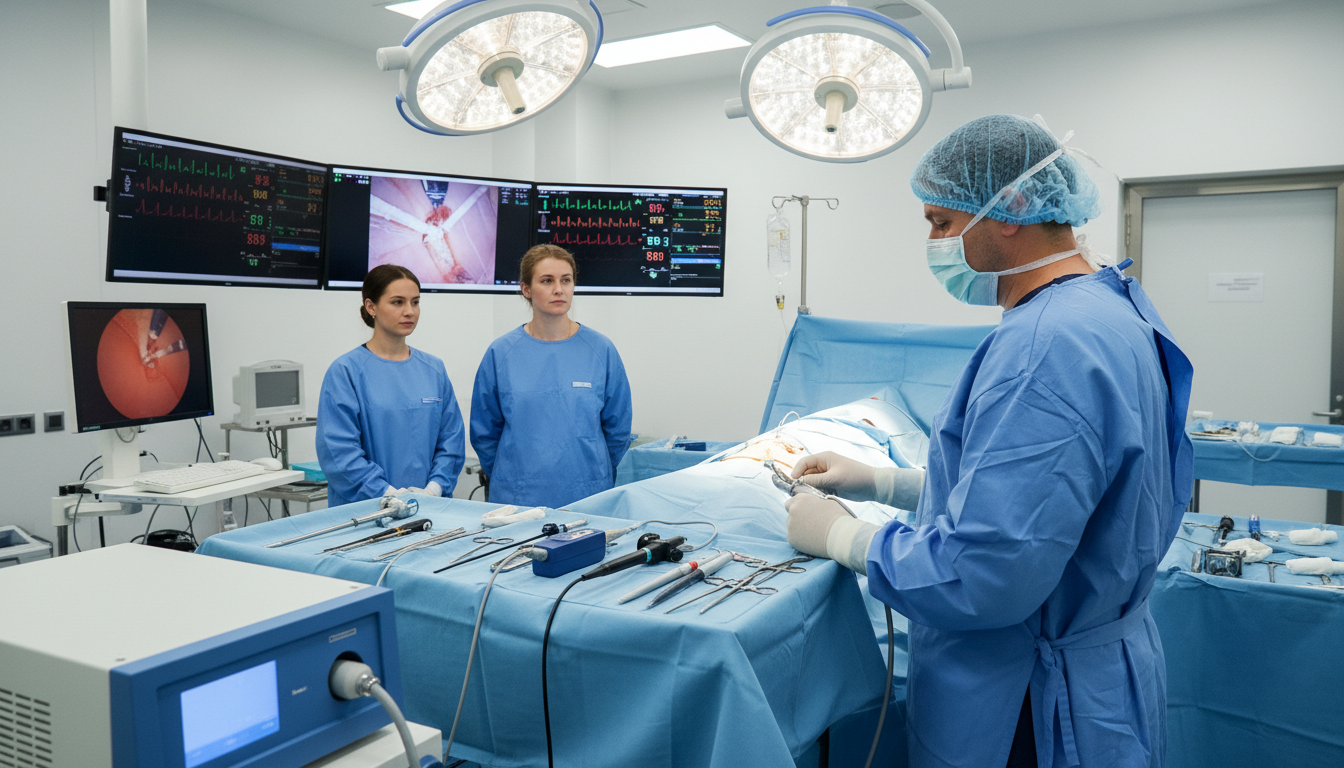
Many men are now choosing to travel abroad for specialised urological care. Turkey has become a top choice for high-quality and cost-effective medical solutions. This is because of the country’s focus on modern healthcare and advanced facilities.
Patients often seek Holmium Laser Prostate Surgery for urinary issues due to an enlarged gland. This minimally invasive method is safe and effective. It allows individuals to get top-notch care while saving on costs.
This guide aims to give you a detailed overview. We want to help you understand your options clearly. This way, you can plan your journey to better health with confidence.
Key Takeaways
- Turkey is a leading hub for international patients seeking advanced urological treatments.
- The procedure is recognised for its safety, efficacy, and quick recovery times.
- Medical travellers benefit from state-of-the-art facilities and highly skilled specialists.
- Choosing this option allows for significant cost savings without compromising on quality.
- Comprehensive planning ensures a smooth experience for those travelling from abroad.
Understanding Benign Prostatic Hyperplasia and Treatment Options
Benign prostatic hyperplasia, or BPH, is a non-cancerous growth of the prostate gland. It often happens as men get older. This growth can put pressure on the urethra, causing urinary symptoms.
The Impact of BPH on Quality of Life
An enlarged prostate can really disrupt a man’s life. Many have to plan their day around finding a restroom. Symptoms include:
- Frequent urges to urinate, even at night.
- A weak or interrupted flow when urinating.
- Difficulty starting to urinate or feeling like you haven’t emptied your bladder.
“The constant need to manage urinary symptoms can be mentally exhausting, often leading to social withdrawal and decreased physical activity in ageing men.”
Traditional Surgical Approaches vs Laser Technology
For years, open surgery was the main treatment for benign prostatic hyperplasia. It was effective but had big risks and long recovery times. Now, there are new, less invasive options like laser treatments.
Laser technology is precise and removes tissue without big cuts. This means faster healing and getting back to normal life sooner. Here’s how these methods differ:
| Feature | Traditional Surgery | Laser Technology |
|---|---|---|
| Invasiveness | High (Open incision) | Low (Endoscopic) |
| Recovery Time | Extended | Rapid |
| Blood Loss | Moderate to High | Minimal |
Choosing the right treatment for BPH is key for your health. Laser treatments can help avoid long recovery times seen with older methods.
What is Holmium Laser Prostate Surgery
Holmium Laser Prostate Surgery is a big step forward in treating benign prostatic hyperplasia. It’s also known as HoLEP. This method uses a special laser to remove tissue with great precision and safety.
Many people pick this laser treatment because it fixes the problem without big cuts. It’s now the top choice for BPH treatment in urology clinics around the world.
The Science Behind Holmium Laser Enucleation of the Prostate
The Holmium laser works because of its 2140 nanometre wavelength. This wavelength is absorbed by water in the prostate. This means the laser energy only goes a short way into the tissue.
This precise energy lets the surgeon remove the enlarged prostate tissue completely. It’s different from older methods that just cut or burn. This new way separates the prostate tissue from the capsule very accurately.
How the Laser Interacts with Prostatic Tissue
When the laser hits the tissue, it quickly vaporises and coagulates it. This is key for a good result. The laser seals blood vessels as it cuts, which greatly lowers the chance of bleeding during surgery.
Patients get many benefits from this interaction:
- Minimal bleeding: The laser stops bleeding right away, which is great for those on blood thinners.
- Tissue removal: The whole part of the prostate that’s blocking is taken out, giving long-term relief from BPH symptoms.
- Precision: The surgeon can see clearly what they’re doing, so only the right tissue is removed.
Knowing how this laser treatment works helps patients feel sure about their choice. The mix of advanced physics and skilled surgery makes Holmium Laser Prostate Surgery a reliable and successful option for benign prostatic hyperplasia.
Benefits of Choosing Holmium Laser Prostate Surgery
Many patients find laser technology a better option for urinary issues. It’s more precise and safer than old methods. This minimally invasive surgery is a top choice for treating benign prostatic hyperplasia. It offers a healthy balance of effectiveness and less physical impact.
Minimising Blood Loss and Surgical Risks
This method is great because it stops bleeding fast. The laser seals blood vessels right away, making the surgery safer.
Surgeons can see clearly during the surgery. This means they don’t need to give many blood transfusions. It’s a safer option for patients.
“The shift toward laser-based interventions represents a major milestone in urological care, making the surgery safer and more predictable.”
Faster Recovery Times Compared to Open Prostatectomy
This surgery is quick, allowing patients to get back to their lives fast. Unlike a traditional prostatectomy, which takes longer, laser treatment is efficient.
Patients feel less pain and need a catheter for less time. This minimally invasive surgery helps the body heal quickly. It makes getting back to normal easier.
Suitability for Patients on Anticoagulant Therapy
Those on blood-thinning meds face big challenges with traditional surgery. They’re often seen as high-risk for prostatectomy because of bleeding concerns.
Holmium Laser Prostate Surgery is a great option for them. The laser seals tissues, so surgery can happen without stopping blood thinners. This is a big relief and reduces medical risks.
Why Turkey is a Leading Destination for Urology
Turkey has quickly become a top place for urology treatments. It offers high-quality care at a lower cost, drawing thousands of patients each year. This success comes from a focus on medical excellence.

Investment in Advanced Medical Infrastructure
In the last ten years, Turkey has invested a lot in its healthcare. Its hospitals now have the latest in robotic surgery and laser technology. These facilities are as good as those in major Western countries.
Patients get a smooth experience with state-of-the-art technology used in every step of treatment. This focus on technology means complex surgeries are done safely and precisely.
The Expertise of Turkish Urologists
The success of surgery depends on the medical team’s skill. Turkish urologists go through tough training that meets European and international standards. Many have done fellowships at top institutions worldwide.
This talent pool means patients get care from leading doctors. These doctors focus on patient needs and long-term health.
Accreditation and International Standards in Turkish Hospitals
For patients, safety is key when getting surgery abroad. Many Turkish hospitals are JCI accredited. This shows they follow global standards for safety and quality.
Choosing an accredited hospital means patients know their urologist works under strict rules. The table below shows why Turkey’s care is so high.
| Feature | Standard in Turkey | Patient Benefit |
|---|---|---|
| Hospital Accreditation | JCI Certified | Guaranteed safety protocols |
| Medical Technology | Latest Generation | Higher surgical precision |
| Specialist Training | Board Certified | Expert clinical outcomes |
| Patient Support | Multilingual Staff | Clear communication |
The Patient Journey for Medical Tourism in Turkey
Your journey to better health starts long before you fly to Turkey for your medical procedure. Healthcare providers have made the process smooth. They ensure international patients are supported, informed, and confident at every step.
Initial Consultations and Remote Diagnostics
Before you travel, clinics use telemedicine for initial consultations. You share your medical history and reports with your specialist. This confirms if you’re suitable for the surgery.
This digital method lets surgeons review your case in detail. They ensure the planned intervention meets your health needs. It saves time and avoids travel if needed.
Travel Logistics and Accommodation Arrangements
After your treatment plan is set, patient coordinators handle your trip details. Many clinics offer packages with airport transfers, private transport, and accommodation booking help.
Whether you need a specialised clinic or a guide to choosing the right orthopedic in Turkey, comfort is key. These services let you focus on recovery, not transport.
Post-Operative Care and Follow-up Protocols
Quality care continues after your medical procedure. Your team sets up a follow-up plan, including check-ups and remote monitoring. This tracks your healing.
Communication is key, with staff ready to answer questions as you recover. This structured support ensures you get the care you need until you’re fully recovered.
| Stage of Journey | Primary Focus | Patient Responsibility |
|---|---|---|
| Remote Consultation | Diagnostics and Planning | Providing medical records |
| Logistics Coordination | Travel and Housing | Confirming flight details |
| Surgical Recovery | Clinical Monitoring | Following post-op advice |
| Follow-up Care | Long-term Success | Attending virtual check-ins |
Preparing for Your Procedure
Starting your medical journey well before your flight to Turkey is key. Getting your body and mind ready makes your surgery smooth and efficient. A good preparation plan helps you focus on healing once you arrive.
Pre-operative Medical Assessments
Your surgical team needs to know about your health before you leave. They’ll do essential medical assessments like blood tests and heart checks. This ensures you’re safe for anaesthesia.
Telling your full medical history is important. Share any ongoing health issues or past surgeries. This helps the team plan your surgery to fit your needs and reduce risks.
Lifestyle Adjustments Before Travelling
Small changes in your daily life can make a big difference. Stopping smoking two weeks before surgery helps with healing. It improves oxygen flow to your tissues.
Check your medicines with your doctor. Some might need to stop before surgery. Eating well and staying hydrated keeps your body strong for treatment.
What to Pack for Your Surgical Stay
Packing right makes your hospital stay and recovery easier. Choose items that are comfy and easy to move in.
Here’s what to pack:
- Loose-fitting clothes like cotton pyjamas or tracksuits for comfort after surgery.
- Your medical records, test results, and a list of medicines.
- Personal toiletries and things that help you relax, like books or a tablet.
- Slip-on shoes for easy walking in the ward during your recovery.
Organising these things ahead of time reduces stress. Being prepared lets you face surgery with confidence and calm.
The Surgical Experience in a Turkish Clinic
Your journey in a Turkish clinic is marked by professional care and a strict focus on safety. From the start, you’ll see a commitment to excellence that meets international standards. This setup aims to reduce any anxiety by making your procedure clear and well-managed.
Arrival and Hospital Admission
When you arrive, the staff will help you through a smooth admission process. A patient coordinator will check your documents and make sure you’re comfortable in your room. This initial part is efficient and welcoming, helping you relax before your team prepares you for surgery.
The hospital staff will also give you a quick tour of the facilities. This helps create a calm and supportive atmosphere. By sorting out the details quickly, the clinic lets you focus on your health and recovery.
The Role of the Surgical Team
Your surgery’s success depends on a multidisciplinary surgical team working together. Your urologist is backed by skilled anaesthesiologists, nurses, and technicians. Each team member is essential for precise surgery.
Good communication is key in Turkish surgery. Before surgery, the team will discuss your medical history and the surgery’s goals. This collaborative effort ensures everyone in the theatre knows your needs.
Anaesthesia and Intraoperative Monitoring
Your safety is top priority in the operating theatre. Turkish clinics use advanced anaesthesia protocols suited to your health and the surgery. A specialist anaesthesiologist will watch your vital signs closely during the operation.
Monitoring your health is constant, using the latest technology to track your heart rate, blood pressure, and oxygen levels. This rigorous oversight means the team can act fast if needed. You’re in a safe, controlled, and professional environment throughout your stay.
Recovery and Post-Operative Management
Your journey to wellness doesn’t end when you leave the operating room. After a minimally invasive surgery, your body needs time to heal. This time is key for the best results.
Immediate Post-Surgical Care
When you wake up, a skilled nursing team will watch over you. They make sure you’re comfortable and your health is stable.
“The quality of post-operative care is just as vital as the precision of the surgery itself,” says a top urological consultant. You’ll get regular checks to see how you’re doing and fix any issues quickly.
Managing Catheterisation and Healing
Many patients need a catheter to help with bladder drainage while they heal. This is a common part of recovery and is usually removed in a few days.
Keeping clean is very important to avoid infections. Your team will teach you how to care for the catheter at home. They want you to feel confident and supported as you heal.
Returning to Daily Activities
Everyone recovers at their own pace. But most people can start with light activities soon. It’s important to not do too much too soon.
While you might want to get back to normal fast, it’s better to take it slow. Here are some tips for your recovery:
- Week 1: Rest, drink plenty of water, and take short, easy walks.
- Week 2-4: Start doing more, but avoid hard physical work.
- Post-4 Weeks: Talk to your surgeon about when you can do more intense activities.
If you’re thinking about minimally invasive surgery, talk to your doctor about what to expect. Following their advice will help you get back to your life safely and quickly.
Comparing Costs and Value for US Patients
Thinking about a medical procedure abroad often starts with cost. The US has top-notch healthcare, but it can be very expensive. Turkey offers a great alternative, with lower costs but the same quality.
Analysing the Price Difference Between the US and Turkey
The cost difference between the US and Turkey comes from lower costs in Turkey. Patients can save 50% to 70% on medical procedure costs in Istanbul or Ankara. This doesn’t mean the care is less good, just that Turkey’s market is more affordable.
“The true value of medical tourism lies in the ability to access high-quality, specialised care that is often financially out of reach in one’s home country.”
What is Typically Included in Surgical Packages
Turkish clinics offer detailed surgical packages for international patients. These packages aim to be clear and reassuring. A typical package includes:
- Surgeon and anaesthesiologist professional fees.
- Hospitalisation costs, including private room accommodation.
- Pre-operative diagnostic tests and imaging.
- Post-operative medications and follow-up consultations.
It’s important to research your options well before committing. This helps ensure your financial expectations match the services offered.
Hidden Costs and Financial Planning
While packages cover the main medical procedure, there are extra costs to consider. Travel, insurance, and companion costs should be included in your budget. Also, have some extra money for any unexpected needs during recovery.
Good financial planning means getting a detailed quote from your clinic. Knowing what’s not included in the package helps manage your budget. Clear communication with your medical coordinator makes your journey smoother.
Safety and Success Rates of Laser Prostatectomy
People looking into surgery for prostate health want it to be safe and effective. Thanks to new medical tech, surgeries are now more precise and less invasive.
Clinical Outcomes and Long-term Efficacy
The prostatectomy with laser tech shows great results. Research proves it’s very good at fixing urinary problems caused by a big prostate.
Patients keep feeling better for years after the surgery. This makes laser treatment a top pick for lasting relief from urinary issues.
“The precision of laser energy allows for the complete removal of obstructive tissue while preserving the surrounding delicate structures, which is the hallmark of a successful surgical outcome.”
Managing Possible Complications
Every surgery has risks, but this method is very safe. Doctors in Turkey follow strict rules to keep patients safe during and after surgery.
They handle possible problems by:
- Using advanced imaging during surgery for accuracy.
- Following strict safety and sterilisation standards.
- Watching patients closely after surgery to catch any issues early.
Patient Satisfaction and Quality of Life Improvements
The best sign of success is when patients can live their lives as usual again. Most people feel much better and more confident soon after they recover.
Patients are very happy because the surgery is not very invasive. Choosing laser treatment helps them regain their quality of life. They can then focus on staying healthy and feeling good, without worrying about urinary problems.
Navigating Legal and Ethical Considerations
Before you travel for your procedure, it’s key to know the legal and ethical rules of international medical care. Taking the time to research these aspects ensures your health is the main focus. This proactive approach will give you peace of mind as you prepare for your surgery.
Understanding Medical Liability and Insurance
Medical liability rules vary across borders, so knowing your rights is vital. Legal actions abroad might not be the same as in the US. Getting good medical travel insurance is a must to reduce risks.
Your insurance should cover international surgeries and any needed care after. Talk to an insurance expert who knows about medical tourism. Make sure your policy includes emergency evacuation and liability protection.
Verifying Surgeon Credentials and Hospital Licensing
Checking your medical team’s qualifications is key to your safety. Make sure your surgeon is certified and has experience with laser prostatectomies. Don’t be shy to ask for proof of their training and experience.
It’s also important to check the hospital’s license. This ensures it meets high safety and cleanliness standards. Look for international accreditations like the Joint Commission International (JCI). The table below can help you check these things before you decide.
| Verification Category | Action Required | Importance Level |
|---|---|---|
| Surgeon Credentials | Verify board certification and specialisation | Critical |
| Hospital Licensing | Check for JCI or local health ministry approval | Critical |
| Insurance Coverage | Confirm international surgical policy | High |
| Legal Recourse | Review local patient rights documentation | Moderate |
Selecting the Right Clinic and Surgeon
Choosing a clinic that puts patient safety first is key to your recovery. When looking at international care, urology needs careful checking. This ensures you get the best treatment.
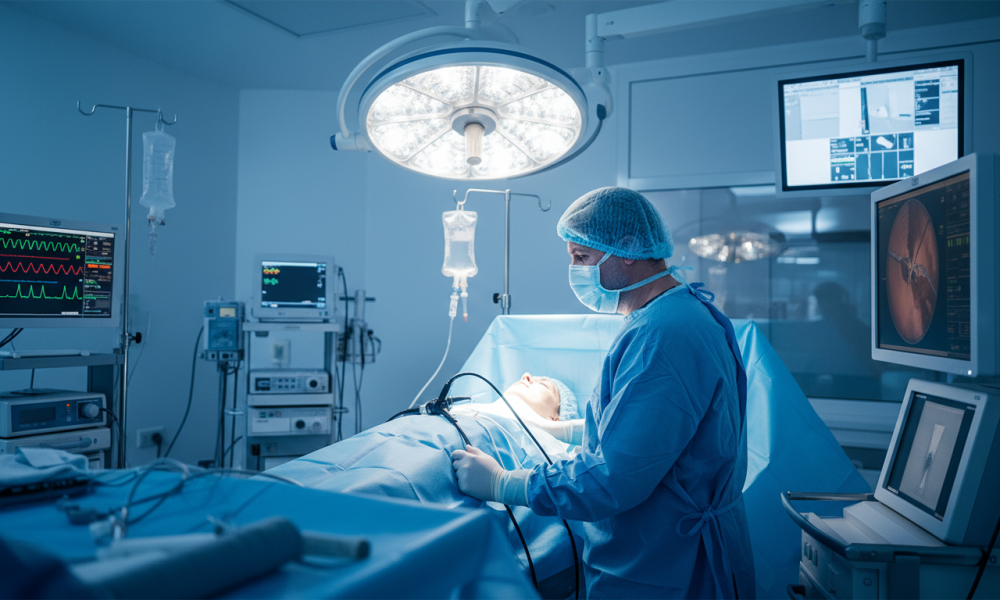
Researching Surgeon Experience and Specialisation
Make sure your urologist has lots of experience with laser enucleation. Look for those who have done many of these surgeries. This means they are likely very skilled.
Check if the surgeon is board-certified and part of international medical groups. Specialisation in minimally invasive surgery shows they keep up with new tech.
Evaluating Patient Testimonials and Case Studies
Reading real patient feedback gives you a good idea of care quality. Look for detailed stories from start to finish.
Good clinics share anonymised case studies. These show success stories and recovery times. They also highlight nursing support.
Questions to Ask Your Urologist
At your first meeting, ask questions to understand what to expect. A good urologist will answer clearly about your case and urology.
Ask these questions to make a well-informed choice:
- How many laser prostate surgeries have you done recently?
- What risks are there for my medical history?
- Can you explain the recovery plan after surgery?
- What support is there if I have problems after going home?
- How do you manage pain and catheter use during healing?
Doing your research will help you feel confident. Choosing a team that values open communication sets you up for a smooth recovery.
Conclusion
Choosing the right path for your prostate health is key. Turkey offers a unique mix of top medical care and patient focus. You can find urology treatment in Turkey to improve your life.
Success in medical tourism needs careful planning and research. Check your surgeon’s credentials and know your treatment fully. This ensures a smooth journey from the start.
You should aim for a treatment that’s safe, efficient, and focuses on long-term health. Talk to a skilled urologist about your needs and health history. This step is vital for your recovery and health.
Effective treatments for benign prostatic hyperplasia are now easier to find. Get the right info and support to make a smart choice. Your health journey begins with one important decision.
FAQ
Q: What is the primary difference between Holmium Laser Enucleation of the Prostate (HoLEP) and a traditional prostatectomy?
A: Holmium laser prostate surgery is different from traditional open prostatectomy. It’s a minimally invasive surgery done through the urethra. The urologist uses a laser to remove the part of the gland that blocks urine flow.
This method is safer and doesn’t leave scars outside the body. It’s a top choice for treating benign prostatic hyperplasia (BPH).
Q: Why has Turkey become a premier destination for urological medical procedures?
A: Turkey has invested in top-notch medical facilities. Hospitals like Florence Nightingale Hospital and Acıbadem Healthcare Group are accredited by Joint Commission International (JCI). This makes Turkey a great place for affordable, high-quality care.
Patients can get expert urological care at a lower cost than in the UK or US. The technology used is also very advanced.
Q: Is holmium laser prostate surgery safe for patients taking blood thinners?
A: Yes, the holmium laser is very good at stopping bleeding. It seals blood vessels as it cuts, which means very little blood loss. This makes it safe for patients on blood thinners, who might be at risk with other surgeries.
Q: How long is the recovery period following the surgery in Turkey?
A: Recovery from holmium laser surgery is quick. Most patients can move around within 24 hours. They can also have their catheter removed sooner than with open surgery.
While it’s best to stay in Turkey for a few days for care, most men can go back to light activities in a week.
Q: What should I expect to find included in a Turkish surgical package?
A: Turkish surgical packages are made for international patients. They include the urologist’s fees, hospital stay, anaesthesia, and all needed tests before surgery. Some clinics also arrange luxury transfers and hotel stays for recovery.
This makes the whole experience as easy as possible.
Q: What are the long-term success rates of laser treatment for BPH?
A: Holmium laser prostate surgery is seen as the best option in modern urology. It gives quick and lasting relief from BPH symptoms. It also has a lower chance of needing another surgery compared to older methods like TURP.
Q: How can I verify the credentials of a Turkish urologist before travelling?
A: It’s important to check the surgeon’s specialisation and experience. Look for a urologist who is part of groups like the European Association of Urology (EAU) or the American Urological Association (AUA). Reading patient reviews and case studies from trusted Turkish hospitals can also help.
Q: Will I need to undergo medical assessments before arriving in Turkey?
A: Yes, your journey starts with remote diagnostics and a video call consultation. The Turkish team will review your medical history to make sure you’re ready for surgery. When you arrive, they’ll do more tests to ensure your safety.
Related guides

Healthcare Content Compliance Guide for Growth
A high-performing treatment page can generate international patient inquiries within hours. It can also create material risk if…

Turkey Hospitals vs Local Hospitals Compared
A lower procedure quote can get a patient’s attention. It should not make the decision on its own.…

Patient Experience That Drives Trust and Growth
A patient who has already uploaded medical records, compared providers, and arranged time away from work is not…