
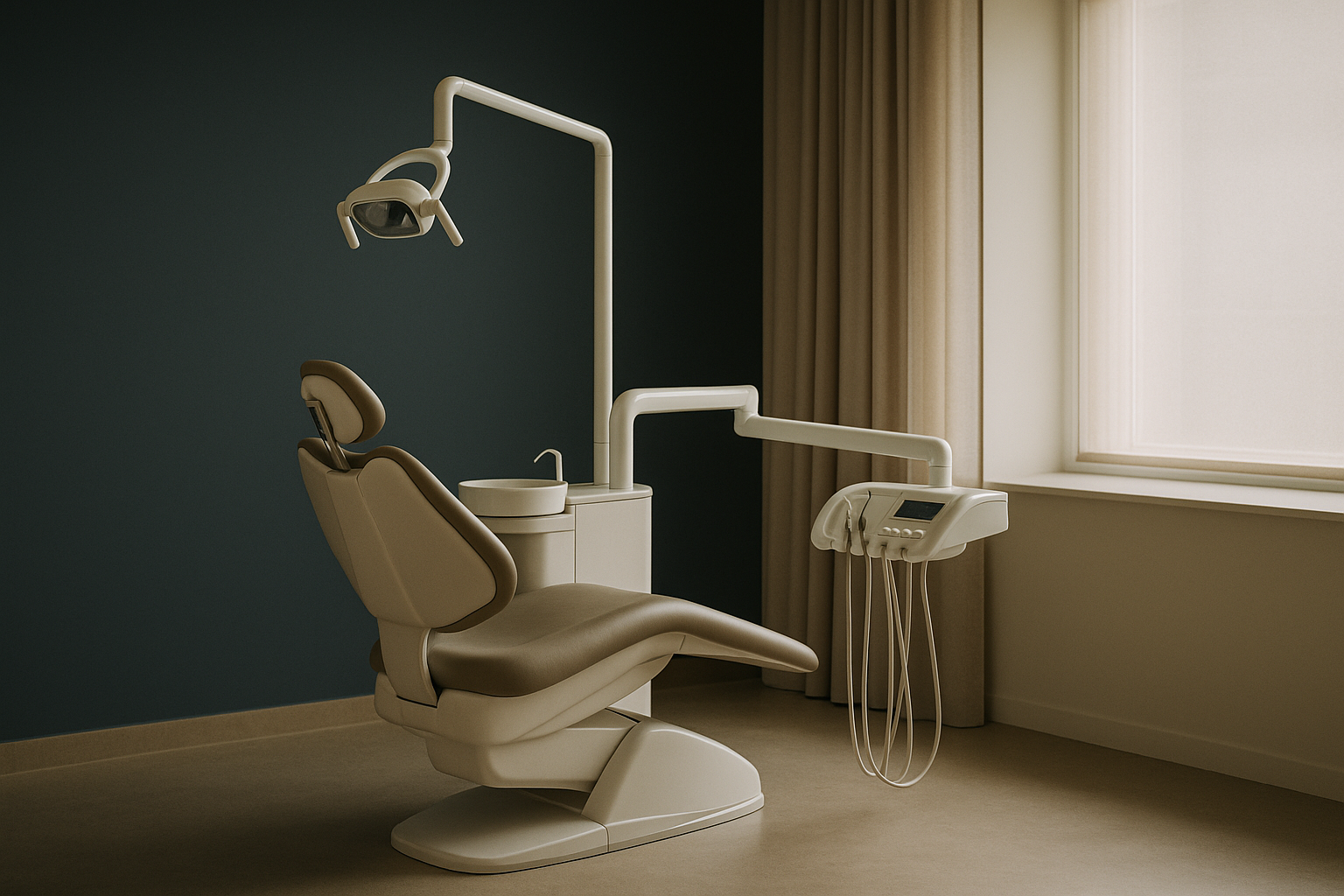
Considering dental veneers in Turkey can be an attractive option due to competitive pricing and high-quality care. Understanding the costs, types, and processes is essential for making an informed decision. This guide provides a comprehensive overview of what international patients can expect when seeking veneers in Turkey.
What Are Dental Veneers?
Dental veneers are thin shells crafted from porcelain or composite resin that are bonded to the front of teeth to improve their appearance. They are used to correct a range of dental issues including discolouration, chips, gaps, and misalignment. Veneers are a popular choice for those seeking an aesthetic improvement known as a ‘Hollywood Smile’. This trend has become increasingly popular among people looking for a dramatic transformation in their dental appearance, driven by celebrities who often sport these perfect smiles.
The procedure involves the removal of a small amount of enamel from the tooth’s surface to ensure a proper fit and natural appearance. This step is crucial as it allows the veneer to sit flush with the gums and adjacent teeth, creating a seamless look. The veneer is then custom-made in a dental laboratory and later bonded to the tooth. Modern technology enables precise customization, ensuring that the veneers match the color and shape of the natural teeth for a cohesive appearance.
This process typically requires two to three visits to the dentist. The initial visit involves consultation and preparation, while the second visit is for the final fitting. Sometimes, a follow-up appointment is necessary to make minor adjustments. The durability and aesthetic appeal of veneers make them a worthwhile investment for many. However, patients must consider the irreversible nature of enamel removal and the potential need for future replacements. It’s advisable to discuss these aspects thoroughly with your dentist to fully understand the implications and long-term care requirements of veneers.
How Much Do Veneers Cost in Turkey?
The cost of veneers in Turkey varies depending on the material used and the complexity of the case. On average, porcelain veneers cost between £150 to £300 per tooth. This is considerably more affordable than prices in countries like the UK and the US, where costs can exceed £800 per tooth. This significant price difference is due in part to lower operational costs and currency exchange advantages that make Turkey a cost-effective choice for dental tourists.
Composite veneers are usually less expensive, ranging from £70 to £150 per tooth. While they may not last as long as porcelain veneers, which typically last 10-15 years, composite veneers can be a viable option for those seeking a more budget-friendly solution. They generally last about 5-7 years, making them suitable for patients who may wish to explore other options in the future or those who prefer a less invasive procedure.
It’s also important to consider the possibility of additional costs such as initial consultations, follow-up visits, and any additional treatments required before veneer placement. Despite these potential additional costs, the overall expense remains significantly lower than in many Western countries. Budget-conscious patients should also inquire about package deals that some clinics offer, which may include accommodation and transport, further enhancing the cost benefits of opting for veneers in Turkey. Additionally, understanding the payment structure, such as whether clinics require payment in full upfront or accept installment plans, can help in financial planning for dental treatments abroad.
Factors Influencing Veneer Costs in Turkey
Several factors influence the cost of veneers in Turkey, including the dentist’s expertise, the clinic’s location, and the materials used. Clinics in major cities like Istanbul or Ankara might charge more due to higher operating costs and demand. This is often balanced by the availability of top-tier professionals and cutting-edge technology in these urban centers, which can lead to superior outcomes and a higher level of patient satisfaction.
- Material: Porcelain is more durable and aesthetically pleasing, thus more expensive than composite. Patients seeking long-lasting results and a more natural appearance often opt for porcelain despite the higher initial cost. Porcelain veneers are known for their translucency and ability to mimic the light-reflecting properties of natural teeth, making them a preferred choice for those who prioritize aesthetics.
- Clinic Reputation: Well-known clinics with experienced dentists may charge higher fees. These clinics often offer added assurances such as comprehensive aftercare, which can be crucial for international patients. Clinics that are internationally accredited or have affiliations with reputable dental associations tend to maintain higher standards of care and patient safety.
- Additional Treatments: Procedures like teeth whitening or orthodontics may be recommended pre-veneers, impacting the total cost. These treatments can help optimize the final aesthetic outcome but should be factored into budget planning. Understanding the necessity and benefits of these additional procedures can assist patients in making informed decisions about their overall dental treatment plan.
Another consideration is the potential need for follow-up care, which might involve additional costs if complications arise or adjustments are necessary. Patients should inquire about the clinic’s policy on follow-up appointments and warranty on work performed to avoid unexpected expenses. A comprehensive treatment package that includes aftercare can provide peace of mind and contribute to a more satisfying overall experience.
How to Choose a Dental Clinic in Turkey?
Choosing the right dental clinic is crucial for a successful veneer procedure. Look for clinics with high patient satisfaction ratings and those accredited by international bodies such as the Joint Commission International (JCI). Accreditation ensures adherence to global healthcare standards, providing an added layer of assurance for international patients seeking high-quality care. It’s worth checking if the clinic has been recognized for excellence in dental care or has received awards for outstanding service.
Consultations can often be arranged virtually, allowing patients to discuss their needs and expectations with the dentist prior to travel. This step is vital in assessing the clinic’s professionalism and the dentist’s expertise. During these consultations, prospective patients should inquire about the dentist’s qualifications, experience, and the types of materials used in their procedures. It is also beneficial to discuss the expected outcomes and any potential risks involved in the procedure.
Additionally, reading reviews and testimonials from past patients can provide valuable insights into the experiences of others and the quality of outcomes achieved. Many clinics in Turkey have multilingual staff and offer services tailored to international patients, which can enhance the patient experience by minimizing language barriers and ensuring a smooth process from start to finish. Patients may also want to consider the clinic’s facilities, such as the availability of modern equipment and comfortable patient amenities, which can contribute to a more pleasant treatment experience.
What Is the Timeline for Getting Veneers in Turkey?
The process of obtaining veneers in Turkey generally takes one to two weeks. Initial consultations can be conducted remotely, allowing patients to prepare and schedule their visits efficiently. Upon arrival, the first appointment involves preparation and impressions, followed by a short wait for the veneers to be made. This waiting period is crucial as it allows for the precise crafting of custom veneers tailored to the patient’s specific dental needs and aesthetic goals.
- Day 1: Consultation and initial examination. This includes a comprehensive dental check-up to assess oral health and suitability for veneers. Patients may undergo digital imaging and dental x-rays to provide a detailed view of their oral condition.
- Day 2: Tooth preparation and impression taking. This step is crucial for ensuring the veneers fit perfectly and look natural. Temporary veneers may be placed to protect the prepared teeth during the waiting period.
- Days 3-7: Veneer fabrication in the lab. During this time, patients can enjoy the sights and culture of Turkey or relax and prepare for the final fitting. Some clinics may offer guided tours or suggest local attractions to visit, enriching the overall travel experience.
- Day 8: Final fitting and adjustments. This appointment focuses on ensuring the veneers are comfortable and meet the patient’s aesthetic expectations. The dentist will check the fit and appearance of the veneers and make any necessary adjustments to achieve the desired results.
It’s important to plan for possible adjustments and to ensure you have adequate time for recovery before returning home. Patients should also consider the possibility of minor follow-up visits to ensure complete satisfaction with the results. This timeline allows for a thorough process that prioritizes quality and patient satisfaction. By understanding the expected timeline, patients can plan their travel and accommodations accordingly, ensuring a stress-free experience.
Safety and Quality of Dental Treatments in Turkey
Turkey has emerged as a hub for medical tourism, offering high-quality dental care at competitive prices. Many Turkish dentists have trained internationally and adhere to European standards of hygiene and technology, ensuring safe and effective treatment. The country’s healthcare infrastructure supports a wide range of dental procedures, including high-demand treatments like veneers. This robust medical tourism industry is supported by government initiatives that promote Turkey as a leading destination for affordable and high-quality healthcare.
It’s advisable to verify the credentials of the dental professionals and the accreditation of the clinic to ensure a high standard of treatment. Clinics often provide detailed information about their sterilization practices, technology used, and staff qualifications to prospective patients. This transparency helps build trust and confidence among international patients. Prospective patients should also inquire about the clinic’s emergency protocols and their approach to handling any complications that may arise during or after treatment.
Reviews and testimonials can also provide insight into the experiences of past patients. Positive experiences often highlight the thoroughness of the pre-treatment consultations, the precision of the dental work, and the level of aftercare provided. Turkey’s strategic location and tourist-friendly environment further enhance its appeal as a destination for dental procedures, combining quality care with an enriching travel experience. Patients are encouraged to explore the cultural and historical sites during their stay, adding an element of leisure to their dental journey.
Conclusion
Dental veneers in Turkey offer an affordable and high-quality solution for those seeking to enhance their smile. Understanding the costs, selecting a reputable clinic, and planning your treatment timeline are key steps in ensuring a successful outcome. With the right research and preparation, Turkey can be an excellent choice for your dental veneer needs. By taking the time to understand all aspects of the procedure, including potential risks and aftercare requirements, patients can achieve the desired results while enjoying the benefits of medical tourism. Turkey’s combination of expert dental care, affordability, and cultural experiences makes it a compelling option for those considering veneers abroad.
Proven result
80 to 240 dental patients a month from France
High-volume dental clinic, Istanbul
Frequently asked questions
How much do dental veneers cost in Turkey?
Dental veneers in Turkey typically cost between £150 and £300 per tooth, depending on the material and clinic.
How long do veneers last?
Porcelain veneers can last 10-15 years with proper care, while composite veneers may last 5-7 years.
Is it safe to get veneers in Turkey?
Yes, many clinics in Turkey adhere to international standards. Verify clinic accreditation and dentist credentials for safety.
What is a Hollywood Smile?
A Hollywood Smile refers to a full set of veneers designed to create a perfect, white, and symmetrical appearance.
How do I choose the right clinic for veneers in Turkey?
Research clinic accreditation, dentist experience, and patient reviews. Virtual consultations can help gauge professionalism.
Related guides

How Overseas Surgery Insurance Really Works
A lower treatment quote can quickly lose its advantage if an unexpected complication extends your stay, requires emergency…

Analyzing the Medical Tourism Market: Current Trends
Quick answerThe medical tourism market is growing due to factors like cost-effective treatments, advanced medical technologies, and international…

Best Country for Cancer Treatment: Top Countries for Advanced Cancer Treatment Options
Quick answerCountries like the USA, Germany, and Japan offer some of the best cancer treatment in the world,…