
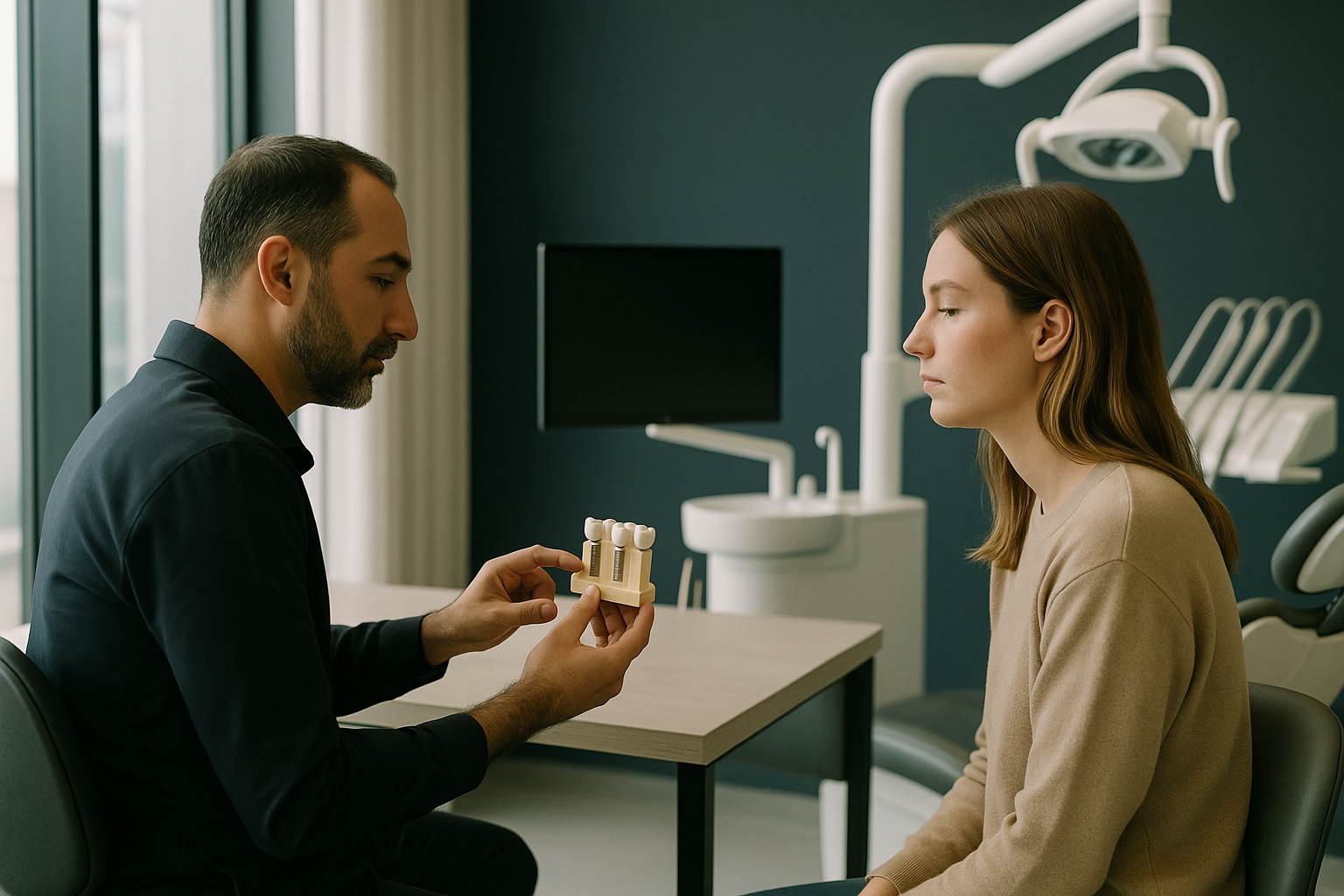
When considering medical tourism for dental implants, Turkey has become a popular destination due to its competitive pricing and high-quality care. Understanding the implant cost in Turkey is crucial for making an informed decision about your dental health journey. Beyond just cost, factors such as the expertise of dental professionals, the quality of materials used, and the overall healthcare standards play a pivotal role in the decision-making process. Patients are increasingly drawn to Turkey not only for the economic advantages but also for the assurance of receiving care that meets or exceeds international standards.
What Affects Implant Costs in Turkey?
The cost of dental implants in Turkey is influenced by several factors, including the clinic’s location, the dentist’s expertise, and the materials used in the implant procedure. Urban areas, such as Istanbul, may have higher costs due to increased demand and overhead expenses. However, these areas often provide access to highly qualified specialists and state-of-the-art facilities. In contrast, clinics in smaller cities might offer lower prices but may lack the advanced technology or specialization found in larger cities. Therefore, selecting a location is a crucial first step in planning your dental treatment.
Materials play a significant role in cost variations. Premium materials, such as titanium, are more expensive but offer better longevity and compatibility with human tissue. Titanium implants are widely favored for their biocompatibility and strength, providing a long-lasting solution for dental restoration. However, some clinics might offer implants made from other materials, such as zirconia, which can also affect the overall cost. Patients should discuss material options with their dentist to understand the long-term benefits and implications of each choice.
Additionally, the complexity of the case, such as the need for bone grafting, can increase overall costs. Bone grafts are necessary when there is insufficient jawbone to support the implant, a common issue in patients who have suffered from periodontal disease or trauma. This procedure adds to the duration and expense of the treatment, as it requires additional expertise and recovery time. Understanding these factors can help patients budget appropriately and avoid unexpected expenses during their treatment journey. It is also advisable to get a detailed treatment plan and cost estimate before proceeding.
How Do Turkish Implant Costs Compare Internationally?
Turkey offers competitive pricing for dental implants when compared to countries like the United States and the United Kingdom. While the average cost of a dental implant in the US is between $3,000 and $5,000, Turkey’s prices start at approximately $500 per implant. This significant difference makes Turkey an attractive option for cost-conscious patients. The affordability of implants in Turkey doesn’t mean a compromise on quality; rather, it reflects the country’s lower operational costs and favorable exchange rates. Patients can enjoy substantial savings without sacrificing the quality of care.
Despite the lower costs, Turkey maintains high standards of care. Many clinics are accredited by international organizations, ensuring that they adhere to global healthcare standards. This accreditation process involves rigorous evaluations and regular inspections to ensure compliance with safety and quality measures. For example, the Joint Commission International (JCI) is one of the bodies that accredit clinics, providing patients with confidence in the care they will receive. Such accreditation is a testament to Turkey’s commitment to maintaining high healthcare standards despite offering lower prices.
This balance of cost and quality is a key driver for the increasing number of medical tourists. Patients from Europe, the Middle East, and even North America are increasingly choosing Turkey for their dental procedures. The country’s strategic location, coupled with its rich cultural heritage and tourist attractions, further enhances its appeal as a medical tourism destination. As a result, Turkey has become one of the top choices for dental tourism worldwide, attracting thousands of patients annually. With the right planning, patients can combine dental treatment with a memorable travel experience.
How to Ensure Safety and Quality in Turkey?
Ensuring safety and quality when seeking dental implants in Turkey involves thorough research and planning. Patients should seek clinics with international accreditations, such as those from the Joint Commission International (JCI). These accreditations assure that the clinic meets global standards of healthcare quality and patient safety. Accreditation is not a one-time event but involves continuous audits and assessments, which means these clinics consistently adhere to best practices in healthcare delivery.
- Check the credentials and experience of the dental professionals involved. Ensure that the dentists and surgeons have the necessary qualifications and certifications to practice in their field. Look for professionals who have undergone extensive training and have years of experience in performing implant procedures.
- Review patient testimonials and case studies. These firsthand accounts can provide insight into the patient experience and the level of care provided. Look for reviews on independent platforms rather than solely relying on testimonials provided by the clinic.
- Consult with the clinic about their infection control practices and technology used. Advanced sterilization techniques and the use of cutting-edge equipment are indicators of a clinic’s commitment to patient safety. Inquire about the technologies they use, such as digital imaging and 3D printing, which can enhance the precision and outcomes of implant procedures.
It’s also advisable to have a contingency plan, such as travel insurance that covers medical procedures, to address any unforeseen complications. Travel insurance that includes coverage for medical tourism can protect against unexpected costs arising from complications or additional required care. Patients should also consider the availability of aftercare once they return home, as follow-up appointments may be necessary to ensure the success of the implant. Building a rapport with the dental team and understanding the aftercare process will further ensure a smooth experience.
What is the Typical Timeline for Dental Implant Procedures?
The dental implant process in Turkey can vary depending on individual needs but typically follows a structured timeline. The initial consultation and planning phase can take one to two days, where the dentist evaluates the patient’s oral health and discusses treatment options. During this stage, diagnostic tools such as X-rays and CT scans are used to assess the condition of the jawbone and determine the best implant placement strategy.
The surgical phase, where implants are placed, usually requires a single visit, though patients should plan to stay for several days to allow for initial healing and follow-up appointments. The surgery itself typically takes one to two hours per implant, depending on the complexity of the case. After the procedure, patients may experience some swelling and discomfort, which is normal and can be managed with prescribed medications. Post-operative care instructions are crucial for promoting healing and preventing infection.
The healing process, or osseointegration, takes about three to six months, during which the implant fuses with the jawbone. This period is essential for the stability and success of the implant. During this time, temporary crowns may be used until the permanent restorations can be placed. Patients should avoid certain foods and activities that could disturb the healing process and follow their dentist’s recommendations closely. Regular follow-up visits are important to monitor progress and address any issues promptly. This structured approach ensures that the implant procedure is successful and that patients achieve optimal outcomes.
What Are the Hidden Costs to Consider?
While the implant cost in Turkey is generally lower than in Western countries, patients should be aware of additional expenses that may arise. These can include travel and accommodation costs, post-operative care, and any unforeseen medical needs that could extend the stay. For instance, the cost of flights can vary depending on the time of booking and the season, while accommodation prices in popular tourist areas might be higher during peak seasons.
- Travel and accommodation expenses can vary significantly based on the time of year and location. It’s advisable to plan the trip during off-peak seasons to take advantage of lower rates. Patients should also consider proximity to the clinic when booking accommodations to reduce transportation costs and convenience.
- Patients should budget for potential additional procedures, such as bone grafts or sinus lifts, which might be necessary for successful implant integration. These procedures are typically not included in the initial implant cost estimate and can significantly increase the overall expense. Having a clear understanding of the potential need for these additional treatments can help in financial planning.
Comprehensive planning and budgeting can help avoid any financial surprises during the treatment journey. Patients should request detailed cost breakdowns from their chosen clinics and inquire about any potential extra charges. Being well-informed and prepared can make the process smoother and more predictable, ensuring that patients can fully focus on their recovery and dental health. Additionally, it’s wise to set aside a contingency fund for unforeseen expenses to ensure peace of mind throughout your treatment journey.
Conclusion: Is Turkey the Right Choice for You?
Turkey offers a compelling combination of affordable implant costs, quality healthcare, and a convenient travel destination for international patients. By thoroughly researching and planning, patients can mitigate risks and enjoy a successful treatment experience in Turkey. The country’s established reputation in medical tourism, coupled with its scenic beauty and cultural richness, makes it an appealing choice for those seeking dental treatments abroad.
Ultimately, the decision to pursue dental implants in Turkey should be based on individual needs, budget considerations, and a clear understanding of the process involved. Consulting with healthcare professionals and leveraging resources like patient reviews and expert opinions can guide you in making the best choice for your dental health. Patients should weigh the benefits of reduced costs against the logistical considerations of traveling abroad for treatment.
With the right approach, dental implants in Turkey can be a highly rewarding experience, offering both financial savings and improved dental health. As more people share their positive experiences, Turkey’s position as a leading destination for dental tourism continues to strengthen. Careful planning and informed decision-making are key to ensuring that you achieve the desired outcomes from your implant procedure. Embracing these insights will empower you to make a choice that aligns with your health goals and personal circumstances, ensuring a successful dental treatment abroad.
Proven result
80 to 240 dental patients a month from France
High-volume dental clinic, Istanbul
Frequently asked questions
What is the average cost of a dental implant in Turkey?
The average cost of a dental implant in Turkey starts at approximately $500 per implant, which is significantly lower than in many Western countries.
Are Turkish clinics safe for dental implants?
Yes, many Turkish clinics are internationally accredited, ensuring they adhere to global safety and quality standards.
How long does the dental implant process take in Turkey?
The initial procedure requires a few days, but the overall process, including healing, can take up to six months.
What are the additional costs of getting implants in Turkey?
Additional costs can include travel, accommodation, and any supplementary procedures like bone grafting.
How do I choose a clinic for implants in Turkey?
Look for internationally accredited clinics, check dentist credentials, and review patient testimonials to ensure quality care.
Related guides

Patient Experience That Drives Trust and Growth
A patient who has already uploaded medical records, compared providers, and arranged time away from work is not…

What Is a Medical Travel Facilitator and Why Use One?
A lower treatment quote can look compelling until you try to compare what it actually includes: surgeon fees,…
What Hospital Accreditation Reviews Really Tell You
A hospital can have polished facilities, prominent surgeons, and hundreds of five-star ratings, yet those signals do not…