

Medical tourism has changed how people get vision correction. Many from the United States travel abroad for high-quality eye care at lower costs. Turkey is a top choice for those who want both safety and affordability.
The country has top-notch facilities, just like the best in North America. Its surgeons are very skilled and use the latest tech for exceptional visual outcomes. Getting an Implantable Collamer Lens (ICL) in Turkey means you can enjoy a holiday and life-changing treatment at the same time.
Turkish clinics follow strict standards, meeting global benchmarks. They focus on patient care, making the experience smooth from start to finish.
Key Takeaways
- Turkey is a leading global hub for specialised vision correction procedures.
- Patients benefit from advanced technology and highly qualified medical professionals.
- The cost of treatment is significantly lower than in the United States.
- Clinics adhere to strict safety protocols and international quality standards.
- Comprehensive care packages often include travel and accommodation support for international visitors.
Understanding the Science Behind Implantable Collamer Lens (ICL) Implantation
Modern eye care has brought new ways to see clearly without glasses or contacts. Implantable Collamer Lens (ICL) Implantation is a top choice for a lasting fix for vision problems. It uses cutting-edge tech right in the eye, helping many people see better.
Composition and Material Properties of Collamer Lenses
At the heart of this tech is Collamer, a special material. It’s a biocompatible copolymer made from collagen, found in our bodies. This makes the lens safe for the eye, reducing the chance of problems.
Collamer lenses are soft and bendy. This lets surgeons insert them through a small cut. Inside, they unfold to sit right, giving clear and sharp vision.
How ICL Differs from Traditional Laser Refractive Surgery
Unlike LASIK, which changes the cornea, ICL works differently. It doesn’t touch the cornea, which is good for those with thin corneas. This keeps the eye’s natural shape intact.
The table below shows how ICL and LASIK differ:
| Feature | ICL Implantation | LASIK Surgery |
|---|---|---|
| Corneal Impact | None (Tissue preserved) | Tissue removal |
| Reversibility | Fully reversible | Permanent |
| Ideal For | High myopia/astigmatism | Mild to moderate errors |
| Recovery Time | Very rapid | Rapid |
Candidates Suitable for ICL Implantation
ICL is a great option for those not suited for laser surgery. It’s perfect for those with severe vision problems. It’s also good for those with “thin corneas.”
This vision correction surgery is a flexible choice for lasting vision improvement. With Implantable Collamer Lens (ICL) Implantation, patients get a safe, comfortable, and precise solution. It’s a top choice for bettering life through medical advancements.
The Rise of Turkey as a Global Hub for Refractive Surgery
Turkey is now a top spot for medical tourism, focusing on eye care. People from all over come here for refractive surgery. They do this because Turkey offers top-notch medical care and is easy to get to.
This change is not by chance. It’s because Turkey has put a lot of effort into being a leader in eye care. The country has become a go-to place for those looking to change their vision for the better.
Advancements in Turkish Ophthalmology Infrastructure
Turkey has built top-notch eye clinics, matching those in the US. These clinics have the latest tools for checking and fixing eyes. This means every vision correction surgery is done with great care.
Thanks to new laser tech and high-tech cameras, doctors can do amazing work. Turkey’s focus on modern facilities means patients get the best care possible.
“The quality of medical infrastructure in Turkey has reached a level where it consistently meets and often exceeds international expectations for patient care and surgical outcomes.”
Accreditation Standards and International Quality Benchmarks
Safety is key in Turkey’s medical world. Many clinics have the Joint Commission International (JCI) stamp of approval. This is a global mark of quality and safety in healthcare.
These high standards mean every ICL surgery is done right, from start to finish. Turkish doctors offer a safe place for people from abroad to get vision correction surgery.
Also, Turkey values clear talk and standard care plans. This makes patients feel sure and supported. Whether it’s for refractive surgery or ICL surgery, Turkey’s mix of modern tech and strict safety makes it a top choice for eye care.
Comprehensive Pre-operative Assessment and Diagnostic Protocols
The success of a refractive procedure starts with precise eye mapping and health checks. Surgeons need highly accurate data to make sure the lens fits perfectly in your eye. This careful approach reduces risks and improves your vision.
Advanced Imaging Techniques for Eye Mapping
Modern clinics use advanced tools for detailed eye mapping. The anterior chamber depth is key to ensure the lens fits safely. Tools like the Pentacam or high-frequency ultrasound provide three-dimensional imaging for planning.
These methods help measure corneal thickness and curvature accurately. Knowing your eye’s exact dimensions helps choose the right lens size. This precision is vital for long-term stability and comfort.
Consultation Processes for International Patients
Traveling for surgery needs a smooth communication process. Most clinics start with a virtual consultation. Here, you share your medical history and eye prescriptions with the team. This step checks if you’re a good candidate before booking your flight.
In Turkey, a thorough in-person exam confirms the virtual findings. This includes a range of tests to check your eyes are optimal for surgery. The staff supports you through every step.
Determining Eligibility for High Myopia and Astigmatism
Not everyone is a good fit for this vision correction. Surgeons check the severity of your refractive error. Those with high myopia or significant astigmatism often find this solution effective.
The table below shows the key factors evaluated during your assessment:
| Diagnostic Factor | Purpose of Measurement | Clinical Significance |
|---|---|---|
| Anterior Chamber Depth | Space assessment | Ensures safe lens placement |
| Corneal Topography | Surface mapping | Detects irregularities or thinning |
| Endothelial Cell Count | Corneal health check | Confirms long-term safety |
| Refractive Stability | Vision history review | Confirms prescription is constant |
The Surgical Procedure: What to Expect During ICL Implantation
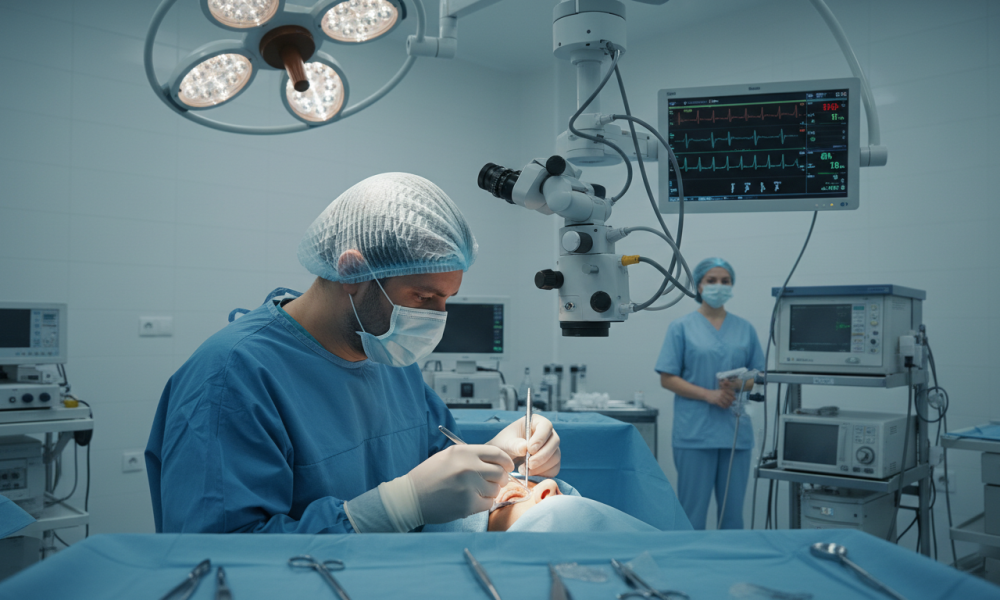
Modern eye surgery has made intraocular lens implantation quick and easy. Choosing this method means you’re choosing a precise and caring procedure. Knowing what happens can make you feel more at ease about your ICL surgery.
Anaesthesia and Patient Comfort Measures
Comfort is key during the ICL procedure. Doctors use special eye drops to numb your eye first. This way, you don’t need general anaesthesia and can stay awake and calm.
“The beauty of modern refractive surgery lies in its ability to provide life-changing results with minimal disruption to the patient’s comfort.”
Step-by-Step Surgical Technique
The ICL implantation technique is very safe and precise. The surgeon makes a small cut at the edge of your cornea. Then, they insert the lens behind your iris and in front of your natural lens.
After the lens is in place, it unfolds and settles in its new spot. The small cut heals quickly, often without stitches. This is what makes the surgery so minimally invasive.
Duration and Immediate Post-operative Monitoring
The whole surgery is very quick, usually under thirty minutes per eye. The surgeon checks the lens’s position right after to make sure it’s right. This check is important for the best vision.
| Phase | Description | Duration |
|---|---|---|
| Preparation | Anaesthetic application and cleaning | 5-10 Minutes |
| Implantation | Lens insertion and alignment | 10-15 Minutes |
| Monitoring | Post-surgical observation | 30-60 Minutes |
After the surgery, you’ll rest in a recovery area. The team will watch your eye pressure and how you feel. Usually, you can go home soon after. This is why many people choose Turkey for their eye surgery.
Benefits of Choosing ICL Implantation for Vision Correction
When looking at refractive surgery, the benefits of ICL implantation are clear. This advanced method offers a smart choice for those tired of traditional eyewear.
Visual Quality and High-Definition Outcomes
The main perk of Implantable Collamer Lens (ICL) Implantation is its clear vision. Many say their sight is sharper and brighter than with glasses or contacts.
This clear vision comes from the lens’s placement inside the eye. It works well with your eye’s natural shape. It also cuts down on glare and halos, common issues with other vision corrections.
“The precision of modern lens technology allows for a level of visual acuity that truly transforms the daily lives of patients, providing a crispness that feels entirely natural.”
Reversibility and Long-term Stability
Another big plus is its reversibility. Unlike some laser surgeries that change the cornea forever, the ICL can be taken out or swapped if needed.
This gives patients a big comfort boost, knowing they can change their vision if they want. Plus, the ICL’s long-term stability means your better vision will last for years.
Protection Against UV Radiation
The lenses are made from a special material called Collamer. It’s not just safe for your eyes but also has a built-in UV filter.
This filter protects your eyes from UV damage. It’s a big reason why many see this as a top choice for eye health today.
Comparing Costs: Turkey Versus the United States
When looking at the benefits of ICL implantation, cost is key for many in the US. Turkey offers a lower price tag without sacrificing quality. Even with travel costs, the total cost is often much less.
Breakdown of Surgical Fees and Inclusions
Turkish clinics are known for being upfront about costs. Their vision correction surgery packages include everything. This means no surprise bills for things like tests or follow-up care.
- Comprehensive pre-operative diagnostic mapping and eye health assessments.
- The surgeon’s professional fees and the anaesthesiology team.
- The cost of the high-quality Collamer lenses themselves.
- All necessary post-operative medications and follow-up consultations.
Hidden Costs and Financial Planning for Medical Tourism
Planning your finances is key for a smooth trip. Surgery costs are low, but don’t forget about travel, hotel, and food. It’s smart to have extra money for any surprises.
Also, check if your health insurance covers international care. For more medical travel tips, a guide to choosing the right orthopedic clinic in Turkey can help.
Value Proposition of Turkish Healthcare Services
Turkey’s appeal is in its advanced medical technology and skilled surgeons. They offer top-notch care at a lower cost. This lets patients enjoy great surgery and the beauty of Turkey.
Selecting the Right Clinic and Surgeon in Turkey
Finding the right clinic and surgeon is key to a successful procedure. Your eyes are in good hands when you do your homework. When you’re looking into intraocular lens implantation, choose someone who puts your vision first.
Researching Surgeon Credentials and Experience
First, check the surgeon’s credentials. Look for board certifications from top ophthalmology groups. This shows they meet high standards of training and ethics.
Experience matters a lot in eye surgery. Ask how many intraocular lens implantation surgeries they’ve done. A seasoned surgeon can handle tough cases and give you tailored care.
Evaluating Clinic Reviews and Patient Testimonials
Online, you can find lots of info on clinics. Look at reviews from other international patients on independent sites.
- Check if people say the clinic is clean.
- See if the staff is professional and friendly.
- Find out how they handle any worries or questions after surgery.
Good clinics usually have lots of positive feedback. If you’re unsure, ask for references or talk to past patients.
The Importance of Transparent Communication
Good communication is the start of a great medical experience. Make sure the clinic answers all your questions before you book.
A top clinic will be open and honest about risks, recovery time, and costs. If they’re vague or avoid talking about risks, it’s a red flag. Clear talk means you’re well-informed and comfortable with your choice.
Post-operative Recovery and Aftercare Guidelines
After surgery, your journey to clear vision doesn’t stop. Aftercare is key. Following your surgeon’s instructions is vital for a smooth ICL recovery. This ensures your eyes heal well and stay clear.

Immediate Recovery Timeline and Activity Restrictions
Many see big improvements in vision quickly, often in the first day. But, it’s important to be gentle with your eyes during this time. Avoid hard exercise and heavy lifting for a week to protect your eyes.
Also, don’t swim or use hot tubs for a few weeks to avoid infection. Keep water, soap, and shampoo away from your eyes. Wear eye shields at night to prevent rubbing or pressure.
Managing Possible Discomfort and Follow-up Appointments
You might feel a gritty feeling or light sensitivity after surgery. Your doctor will give you eye drops to help. Using these drops as directed is key for comfort and healing.
Don’t miss your follow-up appointments. These visits help your team check the lens and your eye health. Missing them can slow down your ICL recovery and delay finding any small problems.
Long-term Eye Health Maintenance
After recovery, keeping your eyes healthy is a lifelong job. Regular eye exams are important to check your vision and lens stability. Wear good sunglasses to protect your eyes from UV rays.
If your vision changes suddenly or you have ongoing pain, call your clinic right away. Talking to your doctor regularly keeps your vision sharp and healthy. Looking after your eye health means enjoying your clear vision for life.
Navigating ICL Complications and Risk Mitigation
ICL surgery is seen as safe, but knowing the risks is key. Modern eye surgery has come a long way. Yet, every surgery has its own safety and outcome risks.
“The hallmark of a successful surgical outcome is not just the correction of vision, but the proactive management of patient expectations and safety protocols,” says a leading eye surgery expert.
Understanding Common Side Effects
Most people recover well, but some might see halos or glare at first. These are common ICL complications seen in low light or at night.
These effects usually fade as the eye heals. They often go away in a few weeks as the eye settles.
Rare Risks and How They Are Managed
Though serious problems are rare, knowing them is important. Doctors use detailed checks to spot any risks.
- Increased Intraocular Pressure: This is watched closely and treated with eye drops if needed.
- Lens Vaulting Issues: The lens is carefully placed to avoid touching the natural lens.
- Infection Risks: These are reduced by clean surgery rooms and antibiotics.
The Role of Surgeon Expertise in Minimising Complications
Your surgery’s success depends on the ICL implantation technique used. A skilled surgeon will match the lens to your eye perfectly.
Choosing an experienced surgeon means your surgery is done with great care. Expertise is the ultimate safeguard, helping catch and fix small issues early. This keeps your eye health safe long-term.
Logistics for International Patients Travelling to Turkey
Your journey to better vision in Turkey starts with knowing the basics of international travel. Careful preparation is key for a smooth experience. It helps you focus on healing, not travel worries.
Visa Requirements and Travel Arrangements
Visitors from the United States can usually get an e-Visa for Turkey. It’s highly recommended to check the latest visa rules on the official website before you go.
Book your flights to arrive a day before your first appointment. This gives you time to get used to the local time and rest well before your check-up.
Accommodation and Local Transportation Support
Many clinics in Turkey offer all-inclusive packages with nearby hotels. Staying at these hotels is close to the clinic, making it easier for follow-up visits.
Clincs also arrange private transfers. This means you don’t have to worry about public transport while your eyes are adjusting.
Coordinating Care with Local Optometrists in the United States
It’s important to keep your care going when you get back to the United States. Ask your Turkish doctors for a detailed summary of your care before you leave.
Book a check-up with your local optometrist soon after you return. Give them your medical records so they can track your progress and catch any ICL complications early. Clear communication between your Turkish surgeon and your local eye doctor is key for your long-term eye health.
Legal and Ethical Considerations in Medical Tourism
Medical tourism can change lives, but it’s important to know the legal and ethical rules. When you go abroad for eye surgery, you enter a new set of rules. Protecting your interests means choosing a clinic that values honesty and safety.
Patient Rights and Informed Consent
Every patient has the right to know all about their surgery before agreeing. Turkish clinics follow global ethical standards, making sure you understand the good and bad. Informed consent is more than just a signature; it’s a team effort between you and your doctor.
Your doctor should explain the surgery and recovery fully. They must also talk about ICL complications to prepare you. Being open at this stage helps build trust for a good outcome.
“The essence of medical ethics lies in the patient’s right to know, understand, and choose their path to wellness with complete clarity.”
Insurance Coverage and Liability Issues
Dealing with insurance for surgeries abroad can be tricky. Most US health plans don’t cover eye surgeries done overseas. It’s key to talk to your insurance early to know what you’ll pay out of pocket.
Liability is a big worry for international patients. Turkish clinics are known for their high standards, but check their insurance and legal status. Knowing how to handle ICL complications back home is part of your planning. Make sure you have a plan for follow-up care with a local eye specialist for your long-term eye health.
Technological Innovations in Modern ICL Procedures
Modern eye care is changing fast, thanks to new tech and digital tools. These updates keep the ICL procedure leading in vision correction. They offer patients better clarity and comfort.
The field is growing, focusing on making the patient experience better. This progress makes refractive surgery a top choice for those wanting to cut down on glasses or contacts.
Evolution of Lens Designs and Materials
New lenses are made from materials that work well with the eye. They are designed to correct a wider range of vision problems. This helps patients with special eye shapes or more severe vision issues.
Improved lens designs mean a better fit for the eye. This change in the ICL implantation technique lowers the chance of the lens moving after surgery. It ensures patients have stable vision for a long time.
Integration of Robotic Assistance in Refractive Surgery
Robotic help is changing eye surgery. It uses digital guidance for a more precise and quick ICL surgery process.
These robots give surgeons real-time data for fine adjustments. This reduces mistakes and makes the ICL procedure safer. With these advancements, patients can expect quicker healing and better vision.
Cultural and Tourism Opportunities During Your Recovery
Combining your healing with Turkey’s rich culture can make your medical trip unforgettable. Choosing to have an ICL procedure abroad means you get top-notch medical care and stunning historical sites. Plan well to enjoy the local vibe without hurting your eye recovery.
Combining Medical Care with Cultural Exploration
Rest is key in the first few days after your refractive surgery. Once your eyes start healing, you can start seeing the sights. Choose activities that are easy on your body and don’t get dusty or windy.
Visiting museums, art galleries, or taking a quiet boat tour on the Bosphorus are great. These activities let you enjoy Turkey’s beauty while protecting your eyes. Always wear good sunglasses to block out the sun and protect your eyes.
Best Practices for Post-surgical Travel
Timing is everything when you’re planning to go home after your refractive surgery. Most doctors say wait 24 to 48 hours before flying. If you’re looking for a place for medical, pick somewhere close to transport links.
On the plane, use eye drops to keep your eyes moist. Avoid rubbing your eyes and try to rest. These tips will help your ICL procedure recovery go smoothly.
| Activity Type | Recommended Status | Reasoning |
|---|---|---|
| Museum Visits | Safe | Low physical strain and controlled environment. |
| Boat Tours | Safe | Relaxing and minimal dust exposure. |
| Hiking/Trekking | Avoid | High risk of wind, dust, and physical exertion. |
| Swimming | Avoid | Risk of water contamination and eye irritation. |
Conclusion
Choosing vision correction in Turkey is a smart move. It combines top-notch medical care with great savings. You get to enjoy the latest technology and explore Turkey’s culture while you’re there.
ICL implantation does more than just fix your vision. It gives you clear, high-definition sight that lasts for years. It’s a big step towards a better life.
For a smooth recovery, stick to your aftercare plan. Looking after your eyes helps keep your vision sharp for a long time. Start by contacting trusted clinics to book your surgery.
Improving your vision begins with making the right choices. Talk to skilled surgeons about what you need. This way, you can get the best results for your eyes.
FAQ
Q: Why is Turkey considered a leading global destination for vision correction surgery?
A: Turkey is a top choice for eye surgery thanks to its advanced eye care facilities. Cities like Istanbul and Ankara have clinics with international standards. These clinics offer high-quality care and skilled surgeons.
Q: What is Collamer, and how does it benefit the ICL procedure?
A: Collamer is a special material in STAAR Surgical’s EVO ICL lenses. It’s made from purified collagen, making the lens safe for the eye. The lens protects against UV rays and gives clear vision, better than glasses or contact lenses.
Q: How does Implantable Collamer Lens (ICL) Implantation differ from traditional LASIK?
A: ICL is different from LASIK because it adds a lens, not changes the cornea. This is good for people with thin corneas or dry eyes. It doesn’t harm the cornea’s nerves.
Q: Am I a suitable candidate for intraocular lens implantation if I have high myopia?
A: Yes, ICL is great for those with high myopia and astigmatism. Surgeons use special imaging to check if the lens can be safely placed.
Q: What should I expect during the ICL implantation technique?
A: The ICL procedure is quick and minimally invasive. It’s done under local anaesthetic, so you won’t feel pain. The lens is inserted through a small incision, and the eye heals quickly without stitches.
Q: Is the ICL procedure reversible?
A: Yes, the ICL can be removed if needed. This makes it a flexible option for vision correction. It’s a big advantage over some other eye surgeries.
Q: How do the costs of ICL surgery in Turkey compare to the United States?
A: ICL surgery in Turkey is 40% to 60% cheaper than in the US. This is because of lower costs in Turkey, not lower quality. Turkish clinics offer clear packages that include everything you need.
Q: What does the typical ICL recovery timeline look like?
A: Recovery from ICL surgery is fast. You’ll see big improvements in your vision within a day. But, avoid hard work and rubbing your eyes for two weeks to ensure the best results.
Q: What are the possible ICL complications and how are they managed?
A: ICL surgery is safe, but some issues can happen. These include halos, glare, or increased eye pressure. Choosing an experienced surgeon is key to avoiding these problems. Modern lenses, like the EVO Visian ICL, also reduce risks.
Q: Can I travel and sightsee in Turkey after my surgery?
A: Many people travel to Turkey for surgery and sightseeing. It’s okay to see sights a day or two after surgery. But, avoid dusty places and wear good sunglasses. Wait 5 to 7 days before flying to ensure your eye is ready.
Q: How do I ensure my follow-up care is managed once I return to the United Kingdom or United States?
A: Turkish clinics give you a detailed report before you leave. Talk to your local optometrist before you go. They can help with your ongoing eye care.
Q: What technological innovations are currently being used in Turkish eye clinics?
A: Turkish eye clinics use the latest technology. They have robotic systems and digital microscopes for precise surgery. This ensures the best results for patients.
Related guides

Healthcare Content Compliance Guide for Growth
A high-performing treatment page can generate international patient inquiries within hours. It can also create material risk if…

Turkey Hospitals vs Local Hospitals Compared
A lower procedure quote can get a patient’s attention. It should not make the decision on its own.…

Patient Experience That Drives Trust and Growth
A patient who has already uploaded medical records, compared providers, and arranged time away from work is not…