
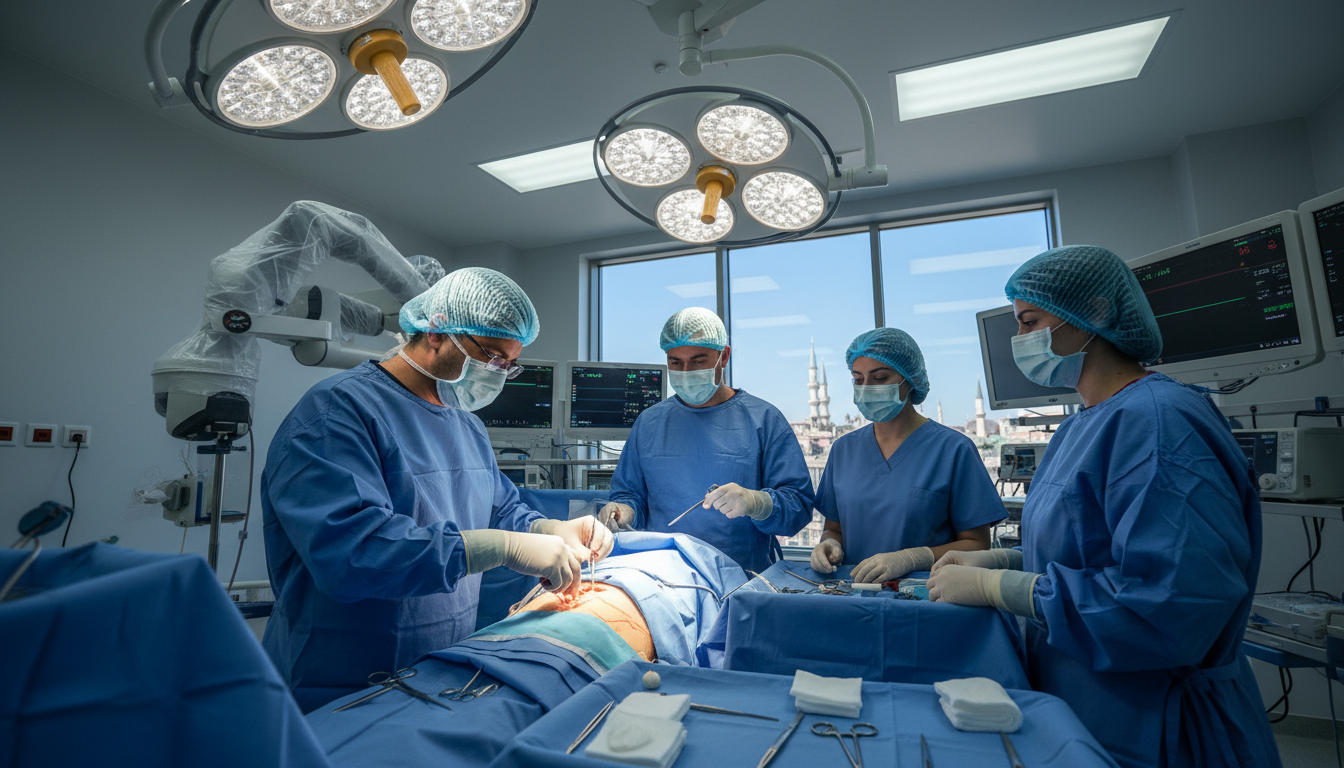
Turkey is now a top choice for those needing a Kidney Transplant. It offers top medical care and modern facilities to visitors from around the world.
Many pick Turkey for its high standards in medical care and advanced technology. The medical centres are ready to handle complex surgeries with great skill.
Every patient gets special care during their recovery. Choosing Turkey for a Kidney Transplant means getting the best in modern medicine and support.
Key Takeaways
- Turkey offers world-class medical facilities for complex surgical procedures.
- International patients benefit from highly specialised surgical teams.
- The country prioritises patient safety and modern clinical standards.
- Advanced technology ensures high success rates for organ procedures.
- Comprehensive support services assist patients throughout their entire recovery.
The Rise of Medical Tourism for Renal Care
More people are looking for healthcare options outside their home countries. This is because of long waiting lists for surgeries like a renal transplant. They want timely, high-quality care that’s hard to find locally.
Medical tourism is on the rise because of a quest for excellence and efficiency in healthcare. Patients seek places with the latest technology and skilled surgeons. By traveling, they get access to top-notch facilities designed for international patients.
Turkey is becoming a leading destination for healthcare. It offers advanced medical infrastructure and a strong focus on patient safety. This makes it a favourite for those needing a complex renal transplant, attracting patients from the US and elsewhere.
Choosing Turkey for a renal transplant means looking at clinical standards and support. Turkey stands out by providing full care packages. This ensures a smooth journey from first consultation to recovery. It’s why Turkey is seen as a reliable partner in health care.
Understanding the Kidney Transplant Procedure
Understanding the kidney transplant procedure is key. It involves many steps to keep patients safe and ensure success. This journey is all about making sure the transplant works well in the long run.
Pre-operative Assessment and Compatibility Testing
Before surgery, patients go through many tests. These check if they’re ready for the operation and if the organ is a good match.
- Comprehensive blood work to determine blood type and HLA tissue compatibility.
- Cardiac and pulmonary function tests to ensure the patient can tolerate general anaesthesia.
- Psychological screenings to assess the patient’s readiness for the post-operative lifestyle changes.
The Surgical Process Explained
The surgery is a team effort by many experts. The surgeon puts the healthy kidney in the lower abdomen. They connect it to the patient’s blood vessels and bladder.
“The precision of modern transplant surgery has transformed the lives of thousands, giving them a new chance at health and vitality.”
The surgery takes three to five hours. Surgeons work hard to make sure the new kidney gets enough blood. It often starts working right away.
Post-operative Recovery and Monitoring
After surgery, patients go to an intensive care unit. Here, they’re watched closely. The main goal is to check how the new kidney is doing and manage the body’s immune response.
Doctors keep an eye on vital signs and fluid levels to avoid problems. The kidney transplant procedure ends with a special treatment to stop the body from rejecting the new organ. This is key for the transplant’s long-term success.
Why Turkey is a Leading Destination for Organ Transplants
Turkey’s medical facilities have grown fast, making it a top spot for organ transplant procedures. People from all over the world pick Turkey for its top-notch care and modern setup. It’s a place where quality care meets the latest technology, just like in the West.
Advanced Medical Infrastructure and Technology
Turkish hospitals use the latest tech for renal transplant surgeries. They have advanced robotic systems and top-notch imaging tools. These help surgeons do precise work with less harm and quicker recovery.
Diagnostic labs also have the newest genetic and immunology tests. These tests help tailor treatments for each patient. Modern medical equipment is key to the success seen in these places.
“Quality in a service or product is not what you put into it. It is what the client or customer gets out of it.”
Accreditation and International Standards
Top Turkish hospitals focus on patient safety, with many holding Joint Commission International (JCI) accreditation. This shows they meet global standards for quality and care. They follow strict rules to ensure every organ transplant is top-notch.
International patients trust these hospitals for their strict infection control and safety protocols. Turkey’s mix of expert care and international approval makes it a safe choice for renal transplant abroad. It offers a secure setting for complex medical needs.
The Legal Framework for Organ Donation in Turkey
Transparency and ethical standards are key in Turkey’s transplant medicine. The country has a strong legal framework for organ donation. This ensures all procedures follow international safety standards.
This focus on quality gives international patients peace of mind. They know they will receive top-notch care.
For more details on organ transplantation in Turkey, explore the link. It shows how these laws lead to successful surgeries. The system puts the health and rights of all involved first.
Regulations Governing Living Donor Transplants
The Turkish Ministry of Health has strict rules for living donor transplants. Donors must be checked thoroughly to make sure they’re healthy enough. Voluntary consent is essential, and donors must pass independent psychological tests.
Also, trading organs is strictly banned. Donors must have a real connection to the recipient. This is checked by local ethics committees. This strict control stops exploitation and keeps donations selfless.
Ethical Considerations and Oversight
Turkey’s medical community follows a strict ethics code. Independent committees watch over every living donor transplant. They make sure the donor’s well-being is not sacrificed for the recipient.
Government health authorities keep a close eye on hospitals. This ensures they follow ethical organ donation practices. Turkey’s commitment to ethics makes it a safe place for patients worldwide. Every medical journey is treated with the utmost respect for human life.
Comparing Costs: Turkey versus the United States
When looking at transplant surgery, the cost difference between Turkey and the United States is key. Both countries offer high-quality care, but their costs are different. Knowing these differences is important for those planning to travel for medical care.
Breakdown of Surgical and Hospital Expenses
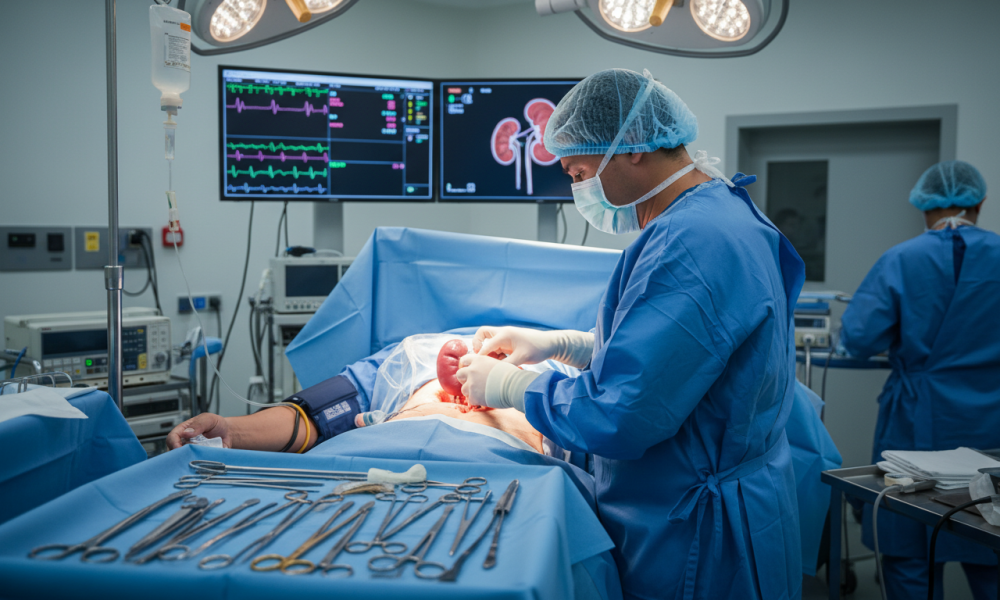
In the United States, transplant surgery costs are high due to administrative fees and complex billing. Turkey, on the other hand, offers clear, all-inclusive packages. These include the surgeon’s fees, anaesthesia, and the operating theatre. This approach helps avoid unexpected bills.
The table below shows the cost differences for a standard procedure:
| Expense Category | United States (Est.) | Turkey (Est.) |
|---|---|---|
| Surgeon Fees | $40,000 – $60,000 | $10,000 – $15,000 |
| Hospital Stay | $50,000 – $80,000 | $8,000 – $12,000 |
| Anaesthesia & Labs | $15,000 – $25,000 | $3,000 – $5,000 |
| Total Estimate | $105,000 – $165,000 | $21,000 – $32,000 |
Hidden Costs and Financial Planning
When planning your transplant surgery, remember to include extra costs. These can be flights, hotel stays for recovery, and medication after surgery. It’s wise to save at least 20% of your budget for unexpected expenses.
“Medical tourism is not just about the price tag; it is about finding a balance between world-class clinical outcomes and sustainable financial management for the patient.”
Don’t forget about the cost of follow-up care when you return home. Working with local specialists to ensure your recovery goes smoothly is important. Researching these costs early helps make your health journey affordable and effective.
Selecting the Right Transplant Centre
Choosing the right place for your kidney transplant procedure is key to your recovery. The quality of the centre you pick will greatly affect your health in the long run. It’s important to make this choice carefully, just like when you find the right orthopedic clinic for other treatments.
Evaluating Surgeon Expertise and Experience
The skill of your surgical team is vital for a successful operation. Look for surgeons with lots of experience in renal transplants and specialised training in complex cases. Board certification and being part of international medical societies show their commitment to high standards.
It’s important to talk about the surgeon’s experience with your specific medical history. A clear conversation about their success rate helps build trust for a successful kidney transplant procedure. Experienced surgeons will openly discuss their approach and the risks in your case.
Reviewing Hospital Success Rates and Patient Outcomes
The hospital’s standards are also critical. Look at success rates to see how well they handle the kidney transplant procedure. Top centres often share their data, showing good graft survival rates and low complications.
Patient outcomes are not just about the surgery but also post-operative care. Choose hospitals with good monitoring and teams for a smooth recovery. Here’s a table with key criteria to compare transplant centres.
| Evaluation Criteria | Importance Level | Key Focus Area |
|---|---|---|
| Surgeon Volume | High | Annual number of successful transplants |
| Hospital Accreditation | Critical | JCI or international quality standards |
| Graft Survival Rate | High | Long-term success of the organ |
| Patient Support | Medium | Availability of post-op care coordinators |
By carefully considering these factors, you can ensure a safe kidney transplant procedure. Verifying these details will give you peace of mind and help you focus on healing.
The Role of the Living Donor
The success of a transplant programme depends on the kindness of those willing to donate an organ. A living donor transplant often leads to better health for the recipient than a transplant from a deceased donor. This act of kindness requires a big commitment to the medical process and recovery.
Criteria for living donor transplant
Not everyone can donate a kidney. Strict medical standards must be met to ensure safety. Donors need to be in top physical health and have no chronic conditions. Psychological stability is also key, as donors must fully understand the surgery’s implications.
Here are the main requirements for organ donation:
- Age between 18 and 60 years, depending on health.
- A compatible blood type and tissue match with the recipient.
- No uncontrolled hypertension, diabetes, or active infections.
- A stable body mass index (BMI) within a healthy range.
The Donor Evaluation and Screening Process
Before surgery, candidates go through a detailed screening. This step is to protect the donor’s health and check if the kidney donation is possible. Medical teams do thorough checks to find any hidden risks.
The evaluation has several steps to keep standards high:
- Comprehensive Medical Testing: Blood work, imaging, and heart checks to make sure the donor can live with one kidney.
- Psychological Evaluation: Interviews to make sure the donor is making the choice freely.
- Independent Advocacy: A team member looks after the donor’s rights and health throughout the process.
Following these strict rules helps keep the donor safe and healthy. This careful approach is key to a successful surgery for all involved.
Navigating the Transplant Recipient Journey
Your journey as a transplant recipient starts long before you get to the hospital. Success needs careful planning and knowing the steps for your international medical trip. By focusing on the details early, you can make your stay in Turkey smoother.
Preparing for Travel and Medical Logistics
The first thing for any transplant recipient is to get medical records moved safely. You need to make sure your local doctor gives a detailed health summary. This should include dialysis records and what medicines you’re taking. These documents should be in English or Turkish for easy communication with your team.
Travel plans also need careful thought. Choose flights that give you time to recover before going back. Having someone with you is also key for your health and happiness after surgery.
Managing Expectations and Recovery Timelines
Recovery takes time and patience. Every transplant recipient heals at their own pace. Don’t compare yourself to others. Your team will set milestones, but be flexible if you need more time.
After surgery, you must stick to your medicine and check-ups. Plan to stay in Turkey for a few weeks to ensure a safe start to your recovery. Keeping a positive attitude and following your doctors’ advice will help your recovery.
| Preparation Phase | Key Action Item | Estimated Timeline |
|---|---|---|
| Medical Records | Gather and translate all health history | 4 weeks before travel |
| Logistics | Book flights and accommodation | 3 weeks before travel |
| Support | Confirm travel companion availability | 2 weeks before travel |
| Recovery | Plan for post-surgery rest period | Ongoing post-operation |
Immunosuppression and Long-term Care
Keeping your new kidney safe is a lifelong job. It starts with careful immunosuppression therapy. After a renal transplant, your body might see the new organ as a threat. To stop this, you must stick to a strict medicine schedule to keep the transplant healthy.
Understanding Anti-rejection Medication Regimens
Anti-rejection drugs, or immunosuppressants, are key to your recovery. They suppress your immune system, helping your body accept the new organ. It’s important to take these pills at the same time every day to keep the right levels in your blood.
Skipping a dose can cause big problems, like organ rejection. Your doctors will give you a detailed plan for your renal transplant meds. This plan might include different drugs to work well and have fewer side effects. Always talk to your specialist before taking any new medicines.
Monitoring Kidney Function Post-surgery
Regular check-ups are key to seeing how your new kidney is doing. You’ll need blood tests to check creatinine levels and make sure your meds are right. These tests catch problems early, often before you notice anything.
Your care team will also watch your blood pressure and metabolic health. Eating well and exercising regularly help your renal transplant last longer. Here’s what your long-term monitoring plan usually includes.
| Monitoring Activity | Frequency | Purpose |
|---|---|---|
| Blood Creatinine Test | Weekly to Monthly | Assess kidney filtration rate |
| Medication Level Check | As Prescribed | Ensure stable drug concentration |
| Blood Pressure Review | Daily at Home | Protect graft from hypertension |
| Clinical Consultation | Quarterly | Review renal transplant progress |
Potential Risks and Complications
Understanding transplant surgery involves knowing the risks and how to avoid them. This major medical step aims to improve health but needs careful planning. In Turkey, doctors focus on safety with strict rules and constant watchfulness.
Managing Surgical Risks
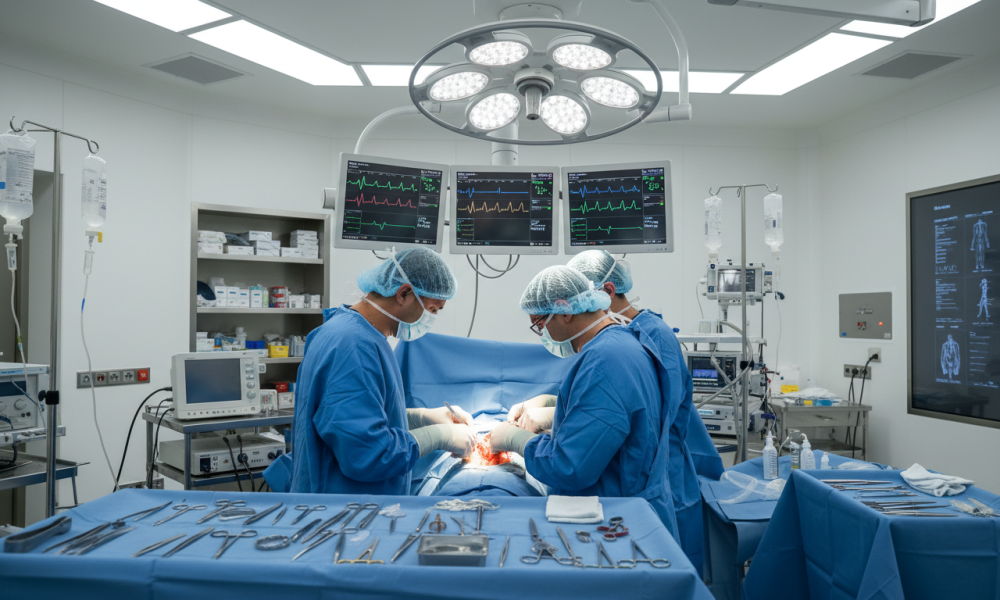
Doctors plan carefully to reduce risks during and after surgery. They use advanced imaging technology and detailed patient checks to spot problems early. This careful planning makes sure the surgery fits the patient’s needs perfectly.
After surgery, keeping a close eye on the patient is key. Doctors watch vital signs and organ function closely. This proactive management helps catch and treat issues like infections or blood problems quickly.
Addressing Possible Rejection Episodes
Even with great care, the body might see the new kidney as a threat. Handling rejection episodes is a big part of caring for a transplanted kidney. Patients learn to spot early signs like fever or less urine.
If rejection is thought to be happening, doctors act fast. They might change the patient’s medicine or run tests to check the kidney. Early detection is key to managing rejection and keeping the transplant working well.
| Risk Category | Management Strategy | Clinical Goal |
|---|---|---|
| Surgical Infection | Prophylactic antibiotics | Prevent bacterial growth |
| Organ Rejection | Immunosuppressant therapy | Maintain graft function |
| Vascular Issues | Doppler ultrasound monitoring | Ensure blood flow stability |
| Fluid Imbalance | Strict intake/output tracking | Optimise kidney hydration |
The Importance of Multidisciplinary Care Teams
A successful recovery journey needs the teamwork of international and local medical teams. When you have transplant surgery abroad, returning home is a key phase. It needs careful planning. A team approach makes sure your recovery is well managed during this time.
Coordinating Care Between Turkish and Local Specialists
Good communication is key to your health after surgery. Turkish teams give detailed plans for your recovery. These plans are shared with your local doctors.
This seamless exchange of information helps your local team understand your needs. They can then focus on your recovery at home.
Local specialists are important for watching your progress at home. They stay in touch with the Turkish team. This teamwork helps avoid problems with care from a distance.
The Role of Nephrologists and Transplant Coordinators
Nephrologists are key in keeping your new kidney healthy. They manage your medication and check your blood. Their work is crucial for preventing rejection and managing side effects.
Transplant coordinators are your main contact. They help with your medical schedule and make sure you keep up with appointments. They offer consistent support to help you feel confident and informed.
| Professional Role | Primary Responsibility | Impact on Recovery |
|---|---|---|
| Transplant Surgeon | Performing the transplant surgery | Ensures initial graft success |
| Nephrologist | Long-term kidney function monitoring | Prevents chronic rejection |
| Transplant Coordinator | Logistics and patient communication | Maintains continuity of care |
| Local GP | General health and primary care | Supports overall patient wellbeing |
Cultural and Logistical Considerations for International Patients
Traveling to a new country for medical care is a big step. Your transplant surgery success is key, but your overall experience matters too. Knowing local customs and support systems helps your recovery.
Language Support and Patient Advocacy Services
Good communication is vital for safe medical care. Top hospitals in Turkey offer patient advocacy services for international patients. These services help you understand your transplant surgery fully.
Language barriers can add stress during recovery. Most clinics have professional medical interpreters who speak English well. They help with paperwork and ensure your wishes are followed.
Accommodation and Travel Arrangements
Finding good accommodation is key for your recovery. Many patients choose recovery suites or hotels near the hospital. These places offer a calm and supportive atmosphere for healing.
Planning your travel is also important. Many services include private airport transfers and chauffeur services. This makes getting to appointments easier while you’re recovering from your transplant surgery.
| Service Category | Standard Support | Premium Support |
|---|---|---|
| Language Assistance | Basic Translation | 24/7 Medical Interpreter |
| Accommodation | Standard Hotel | Recovery Suite with Nursing |
| Transportation | Public Transit Advice | Private Chauffeur Service |
| Advocacy | Hospital Liaison | Dedicated Patient Advocate |
Insurance and Financing Options for Overseas Surgery
Many patients look into medical tourism for a kidney donation. But, it’s key to understand the costs before you go. You need to plan your budget carefully to match the high care standards you expect.
Navigating International Health Insurance Policies
Most health insurance plans in your home country don’t cover surgeries abroad. You should talk to your provider early to see if they have international coverage or special plans for medical tourism.
Make sure to get a written confirmation of what’s covered. This includes any complications or extra care you might need. Before you book your trip, check that the clinic or hospital meets your insurance’s billing needs. You can find more information on this at this link.
Payment Plans and Medical Financing
If insurance doesn’t cover much, you might look into other funding options for an organ transplant. Medical financing companies offer loans for elective surgeries and international medical procedures.
Some hospitals in Turkey have payment plans to help with costs. It’s a good idea to make a detailed budget. Include travel, accommodation, and post-surgery medication costs, along with the surgery fees.
Having a solid financial plan early lets you focus on recovering after the kidney donation. By looking into all your options, you can make a well-informed choice about your organ transplant journey. This way, you can have more peace of mind.
Success Rates and Patient Quality of Life
The real success of a Kidney Transplant is seen in how it changes a person’s life. Patients often feel much better physically and emotionally after they recover. This marks the start of a new life, free from dialysis.
Long-term Outcomes for Transplant Recipients
The success of a transplant recipient over time depends on regular medical check-ups and sticking to medication. New surgical methods and medicines have greatly improved how long transplanted kidneys last. Most patients live many years with stable kidney function, enjoying active and happy lives.
Having a dedicated team of nephrologists helps catch any problems early. This is key to keeping the new kidney healthy. By being proactive, the transplant recipient can keep their health in top shape and avoid future issues.
Improving Daily Functionality After Surgery
A successful Kidney Transplant opens the door to gaining back independence. Many people notice a big boost in energy, which lets them go back to work and social activities. Being able to travel and exercise without dialysis is a big win for most patients.
The table below shows how quality of life improves after recovery.
| Quality of Life Metric | Pre-Transplant Status | Post-Transplant Status |
|---|---|---|
| Physical Energy Levels | Low/Fatigued | High/Restored |
| Dietary Restrictions | Strict/Limited | Flexible/Balanced |
| Social Independence | Dependent on Dialysis | Fully Autonomous |
| Overall Well-being | Stressed/Anxious | Improved/Optimistic |
The main aim of a Kidney Transplant is to bring back a sense of normalcy. When it works, it sets the stage for a healthier future. Patients are advised to live a balanced life for the best long-term results.
Conclusion
Deciding to get a Kidney Transplant in Turkey is a big step towards better health. It’s important to think about the medical standards, surgical skills, and support systems at places like Acibadem Healthcare Group or Memorial Hospitals Group.
Those who do their homework find that Turkey’s advanced tech and skilled surgeons are a good way to get better. Talking to doctors early helps make sure your transplant fits your health needs perfectly.
Understanding the transplant process helps you make smart choices. Choosing places that meet high international standards means you’re in good hands. This way, you’re more likely to have a positive outcome.
A successful transplant can really change your life for the better. Make sure to talk to experts and check your team’s qualifications. Your active role in planning is key to a healthy future.
FAQ
Q: Why is Turkey considered a premier destination for a kidney transplant?
A: Turkey is a top choice for kidney transplants. It combines top medical skills with modern facilities. Places like Memorial Şişli Hospital in Istanbul offer skilled teams and cutting-edge tech. This makes Turkey a key spot for medical tourism and complex transplants.
Q: What does the kidney transplant procedure involve from start to finish?
A: The journey starts with detailed checks and tests to make sure it’s safe. Then, the transplant surgery takes place, where the new kidney is carefully put in. After that, there’s a lot of care to make sure the kidney works well and the patient gets better.
Q: How do Turkish hospitals ensure the quality and safety of transplant surgery?
A: Top Turkish hospitals follow strict rules and often get JCI (Joint Commission International) approval. This means they meet global standards for safety and care. They use the latest medical tools for every transplant.
Q: What are the legal and ethical regulations regarding a living donor transplant in Turkey?
A: Turkey has strong laws and ethics for organ donation. For living donors, there must be a close bond with the recipient. This is checked by an ethics committee. It keeps donation safe and fair.
Q: How does the cost of a kidney transplant in Turkey compare to the United States?
A: Transplant costs in Turkey are much lower than in the US. They can be 50% to 70% cheaper. This includes surgeon fees, anaesthesia, and hospital stays. Yet, the care and technology are as good as at top US places like the Mayo Clinic.
Q: How can I evaluate the expertise of a surgeon and the success rates of a transplant centre?
A: Look into the surgeon’s experience and the hospital’s success rates. Places like Acıbadem Healthcare Group share their success stories. Choose surgeons with thousands of successful surgeries and international recognition.
Q: Who is eligible to be a living donor, and what is the screening process?
A: A donor must be healthy and have no kidney problems. They go through blood tests, tissue matching, and heart and lung checks. This ensures the donor stays healthy after giving a kidney.
Q: What logistical preparations are necessary for an international transplant recipient?
A: Getting ready for a transplant in Turkey means sorting out medical and travel details. Hospitals help with visas, accommodation, and transport. They make sure everything goes smoothly from start to finish.
Q: Why is immunosuppression therapy critical after a renal transplant?
A: Anti-rejection drugs are key to stop the body attacking the new kidney. These drugs are essential for the kidney’s survival. Regular check-ups and blood tests help keep the kidney working well.
Q: What are the legal and ethical regulations regarding a living donor transplant in Turkey?
A: Turkey has strict rules and ethics for organ donation. For living donors, there must be a close bond with the recipient. This is checked by an ethics committee. It keeps donation safe and fair.
Q: How does the cost of a kidney transplant in Turkey compare to the United States?
A: Transplant costs in Turkey are much lower than in the US. They can be 50% to 70% cheaper. This includes surgeon fees, anaesthesia, and hospital stays. Yet, the care and technology are as good as at top US places like the Mayo Clinic.
Q: How can I evaluate the expertise of a surgeon and the success rates of a transplant centre?
A: Look into the surgeon’s experience and the hospital’s success rates. Places like Acıbadem Healthcare Group share their success stories. Choose surgeons with thousands of successful surgeries and international recognition.
Q: Who is eligible to be a living donor, and what is the screening process?
A: A donor must be healthy and have no kidney problems. They go through blood tests, tissue matching, and heart and lung checks. This ensures the donor stays healthy after giving a kidney.
Q: What logistical preparations are necessary for an international transplant recipient?
A: Getting ready for a transplant in Turkey means sorting out medical and travel details. Hospitals help with visas, accommodation, and transport. They make sure everything goes smoothly from start to finish.
Q: Why is immunosuppression therapy critical after a renal transplant?
A: Anti-rejection drugs are key to stop the body attacking the new kidney. These drugs are essential for the kidney’s survival. Regular check-ups and blood tests help keep the kidney working well.
Q: What are the legal and ethical regulations regarding a living donor transplant in Turkey?
A: Turkey has strict rules and ethics for organ donation. For living donors, there must be a close bond with the recipient. This is checked by an ethics committee. It keeps donation safe and fair.
Q: How does the cost of a kidney transplant in Turkey compare to the United States?
A: Transplant costs in Turkey are much lower than in the US. They can be 50% to 70% cheaper. This includes surgeon fees, anaesthesia, and hospital stays. Yet, the care and technology are as good as at top US places like the Mayo Clinic.
Q: How can I evaluate the expertise of a surgeon and the success rates of a transplant centre?
A: Look into the surgeon’s experience and the hospital’s success rates. Places like Acıbadem Healthcare Group share their success stories. Choose surgeons with thousands of successful surgeries and international recognition.
Q: Who is eligible to be a living donor, and what is the screening process?
A: A donor must be healthy and have no kidney problems. They go through blood tests, tissue matching, and heart and lung checks. This ensures the donor stays healthy after giving a kidney.
Q: What logistical preparations are necessary for an international transplant recipient?
A: Getting ready for a transplant in Turkey means sorting out medical and travel details. Hospitals help with visas, accommodation, and transport. They make sure everything goes smoothly from start to finish.
Q: Why is immunosuppression therapy critical after a renal transplant?
A: Anti-rejection drugs are key to stop the body attacking the new kidney. These drugs are essential for the kidney’s survival. Regular check-ups and blood tests help keep the kidney working well.
Q: What are the legal and ethical regulations regarding a living donor transplant in Turkey?
A: Turkey has strict rules and ethics for organ donation. For living donors, there must be a close bond with the recipient. This is checked by an ethics committee. It keeps donation safe and fair.
Q: How does the cost of a kidney transplant in Turkey compare to the United States?
A: Transplant costs in Turkey are much lower than in the US. They can be 50% to 70% cheaper. This includes surgeon fees, anaesthesia, and hospital stays. Yet, the care and technology are as good as at top US places like the Mayo Clinic.
Q: How can I evaluate the expertise of a surgeon and the success rates of a transplant centre?
A: Look into the surgeon’s experience and the hospital’s success rates. Places like Acıbadem Healthcare Group share their success stories. Choose surgeons with thousands of successful surgeries and international recognition.
Q: Who is eligible to be a living donor, and what is the screening process?
A: A donor must be healthy and have no kidney problems. They go through blood tests, tissue matching, and heart and lung checks. This ensures the donor stays healthy after giving a kidney.
Q: What logistical preparations are necessary for an international transplant recipient?
A: Getting ready for a transplant in Turkey means sorting out medical and travel details. Hospitals help with visas, accommodation, and transport. They make sure everything goes smoothly from start to finish.
Q: Why is immunosuppression therapy critical after a renal transplant?
A: Anti-rejection drugs are key to stop the body attacking the new kidney. These drugs are essential for the kidney’s survival. Regular check-ups and blood tests help keep the kidney working well.
Q: What are the legal and ethical regulations regarding a living donor transplant in Turkey?
A: Turkey has strict rules and ethics for organ donation. For living donors, there must be a close bond with the recipient. This is checked by an ethics committee. It keeps donation safe and fair.
Q: How does the cost of a kidney transplant in Turkey compare to the United States?
A: Transplant costs in Turkey are much lower than in the US. They can be 50% to 70% cheaper. This includes surgeon fees, anaesthesia, and hospital stays. Yet, the care and technology are as good as at top US places like the Mayo Clinic.
Q: How can I evaluate the expertise of a surgeon and the success rates of a transplant centre?
A: Look into the surgeon’s experience and the hospital’s success rates. Places like Acıbadem Healthcare Group share their success stories. Choose surgeons with thousands of successful surgeries and international recognition.
Q: Who is eligible to be a living donor, and what is the screening process?
A: A donor must be healthy and have no kidney problems. They go through blood tests, tissue matching, and heart and lung checks. This ensures the donor stays healthy after giving a kidney.
Q: What logistical preparations are necessary for an international transplant recipient?
A: Getting ready for a transplant in Turkey means sorting out medical and travel details. Hospitals help with visas, accommodation, and transport. They make sure everything goes smoothly from start to finish.
Q: Why is immunosuppression therapy critical after a renal transplant?
A: Anti-rejection drugs are key to stop the body attacking the new kidney. These drugs are essential for the kidney’s survival. Regular check-ups and blood tests help keep the kidney working well.
Q: What are the legal and ethical regulations regarding a living donor transplant in Turkey?
A: Turkey has strict rules and ethics for organ donation. For living donors, there must be a close bond with the recipient. This is checked by an ethics committee. It keeps donation safe and fair.
Q: How does the cost of a kidney transplant in Turkey compare to the United States?
A: Transplant costs in Turkey are much lower than in the US. They can be 50% to 70% cheaper. This includes surgeon fees, anaesthesia, and hospital stays. Yet, the care and technology are as good as at top US places like the Mayo Clinic.
Q: How can I evaluate the expertise of a surgeon and the success rates of a transplant centre?
A: Look into the surgeon’s experience and the hospital’s success rates. Places like Acıbadem Healthcare Group share their success stories. Choose surgeons with thousands of successful surgeries and international recognition.
Q: Who is eligible to be a living donor, and what is the screening process?
A: A donor must be healthy and have no kidney problems. They go through blood tests, tissue matching, and heart and lung checks. This ensures the donor stays healthy after giving a kidney.
Q: What logistical preparations are necessary for an international transplant recipient?
A: Getting ready for a transplant in Turkey means sorting out medical and travel details. Hospitals help with visas, accommodation, and transport. They make sure everything goes smoothly from start to finish.
Q: Why is immunosuppression therapy critical after a renal transplant?
A: Anti-rejection drugs are key to stop the body attacking the new kidney. These drugs are essential for the kidney’s survival. Regular check-ups and blood tests help keep the kidney working well.
Q: What are the legal and ethical regulations regarding a living donor transplant in Turkey?
A: Turkey has strict rules and ethics for organ donation. For living donors, there must be a close bond with the recipient. This is checked by an ethics committee. It keeps donation safe and fair.
Q: How does the cost of a kidney transplant in Turkey compare to the United States?
A: Transplant costs in Turkey are much lower than in the US. They can be 50% to 70% cheaper. This includes surgeon fees, anaesthesia, and hospital stays. Yet, the care and technology are as good as at top US places like the Mayo Clinic.
Q: How can I evaluate the expertise of a surgeon and the success rates of a transplant centre?
A: Look into the surgeon’s experience and the hospital’s success rates. Places like Acıbadem Healthcare Group share their success stories. Choose surgeons with thousands of successful surgeries and international recognition.
Q: Who is eligible to be a living donor, and what is the screening process?
A: A donor must be healthy and have no kidney problems. They go through blood tests, tissue matching, and heart and lung checks. This ensures the donor stays healthy after giving a kidney.
Q: What logistical preparations are necessary for an international transplant recipient?
A: Getting ready for a transplant in Turkey means sorting out medical and travel details. Hospitals help with visas, accommodation, and transport. They make sure everything goes smoothly from start to finish.
Q: Why is immunosuppression therapy critical after a renal transplant?
A: Anti-rejection drugs are key to stop the body attacking the new kidney. These drugs are essential for the kidney’s survival. Regular check-ups and blood tests help keep the kidney working well.
Q: What are the legal and ethical regulations regarding a living donor transplant in Turkey?
A: Turkey has strict rules and ethics for organ donation. For living donors, there must be a close bond with the recipient. This is checked by an ethics committee. It keeps donation safe and fair.
Q: How does the cost of a kidney transplant in Turkey compare to the United States?
A: Transplant costs in Turkey are much lower than in the US. They can be 50% to 70% cheaper. This includes surgeon fees, anaesthesia, and hospital stays. Yet, the care and technology are as good as at top US places like the Mayo Clinic.
Q: How can I evaluate the expertise of a surgeon and the success rates of a transplant centre?
A: Look into the surgeon’s experience and the hospital’s success rates. Places like Acıbadem Healthcare Group share their success stories. Choose surgeons with thousands of successful surgeries and international recognition.
Q: Who is eligible to be a living donor, and what is the screening process?
A: A donor must be healthy and have no kidney problems. They go through blood tests, tissue matching, and heart and lung checks. This ensures the donor stays healthy after giving a kidney.
Q: What logistical preparations are necessary for an international transplant recipient?
A: Getting ready for a transplant in Turkey means sorting out medical and travel details. Hospitals help with visas, accommodation, and transport. They make sure everything goes smoothly from start to finish.
Q: Why is immunosuppression therapy critical after a renal transplant?
A: Anti-rejection drugs are key to stop the body attacking the new kidney. These drugs are essential for the kidney’s survival. Regular check-ups and blood tests help keep the kidney working well.
Q: What are the legal and ethical regulations regarding a living donor transplant in Turkey?
A: Turkey has strict rules and ethics for organ donation. For living donors, there must be a close bond with the recipient. This is checked by an ethics committee. It keeps donation safe and fair.
Q: How does the cost of a kidney transplant in Turkey compare to the United States?
A: Transplant costs in Turkey are much lower than in the US. They can be 50% to 70% cheaper. This includes surgeon fees, anaesthesia, and hospital stays. Yet, the care and technology are as good as at top US places like the Mayo Clinic.
Q: How can I evaluate the expertise of a surgeon and the success rates of a transplant centre?
A: Look into the surgeon’s experience and the hospital’s success rates. Places like Acıbadem Healthcare Group share their success stories. Choose surgeons with thousands of successful surgeries and international recognition.
Q: Who is eligible to be a living donor, and what is the screening process?
A: A donor must be healthy and have no kidney problems. They go through blood tests, tissue matching, and heart and lung checks. This ensures the donor stays healthy after giving a kidney.
Q: What logistical preparations are necessary for an international transplant recipient?
A: Getting ready for a transplant in Turkey means sorting out medical and travel details. Hospitals help with visas, accommodation, and transport. They make sure everything goes smoothly from start to finish.
Q: Why is immunosuppression therapy critical after a renal transplant?
A: Anti-rejection drugs are key to stop the body attacking the new kidney. These drugs are essential for the kidney’s survival. Regular check-ups and blood tests help keep the kidney working well.
Q: What are the legal and ethical regulations regarding a living donor transplant in Turkey?
A: Turkey has strict rules and ethics for organ donation. For living donors, there must be a close bond with the recipient. This is checked by an ethics committee. It keeps donation safe and fair.
Q: How does the cost of a kidney transplant in Turkey compare to the United States?
A: Transplant costs in Turkey are much lower than in the US. They can be 50% to 70% cheaper. This includes surgeon fees, anaesthesia, and hospital stays. Yet, the care and technology are as good as at top US places like the Mayo Clinic.
Q: How can I evaluate the expertise of a surgeon and the success rates of a transplant centre?
A: Look into the surgeon’s experience and the hospital’s success rates. Places like Acıbadem Healthcare Group share their success stories. Choose surgeons with thousands of successful surgeries and international recognition.
Q: Who is eligible to be a living donor, and what is the screening process?
A: A donor must be healthy and have no kidney problems. They go through blood tests, tissue matching, and heart and lung checks. This ensures the donor stays healthy after giving a kidney.
Q: What logistical preparations are necessary for an international transplant recipient?
A: Getting ready for a transplant in Turkey means sorting out medical and travel details. Hospitals help with visas, accommodation, and transport. They make sure everything goes smoothly from start to finish.
Q: Why is immunosuppression therapy critical after a renal transplant?
A: Anti-rejection drugs are key to stop the body attacking the new kidney. These drugs are essential for the kidney’s survival. Regular check-ups and blood tests help keep the kidney working well.
Q: What are the legal and ethical regulations regarding a living donor transplant in Turkey?
A: Turkey has strict rules and ethics for organ donation. For living donors, there must be a close bond with the recipient. This is checked by an ethics committee. It keeps donation safe and fair.
Q: How does the cost of a kidney transplant in Turkey compare to the United States?
A: Transplant costs in Turkey are much lower than in the US. They can be 50% to 70% cheaper. This includes surgeon fees, anaesthesia, and hospital stays. Yet, the care and technology are as good as at top US places like the Mayo Clinic.
Q: How can I evaluate the expertise of a surgeon and the success rates of a transplant centre?
A: Look into the surgeon’s experience and the hospital’s success rates. Places like Acıbadem Healthcare Group share their success stories. Choose surgeons with thousands of successful surgeries and international recognition.
Q: Who is eligible to be a living donor, and what is the screening process?
A: A donor must be healthy and have no kidney problems. They go through blood tests, tissue matching, and heart and lung checks. This ensures the donor stays healthy after giving a kidney.
Q: What logistical preparations are necessary for an international transplant recipient?
A: Getting ready for a transplant in Turkey means sorting out medical and travel details. Hospitals help with visas, accommodation, and transport. They make sure everything goes smoothly from start to finish.
Q: Why is immunosuppression therapy critical after a renal transplant?
A: Anti-rejection drugs are key to stop the body attacking the new kidney. These drugs are essential for the kidney’s survival. Regular check-ups and blood tests help keep the kidney working well.
Q: What are the legal and ethical regulations regarding a living donor transplant in Turkey?
A: Turkey has strict rules and ethics for organ donation. For living donors, there must be a close bond with the recipient. This is checked by an ethics committee. It keeps donation safe and fair.
Q: How does the cost of a kidney transplant in Turkey compare to the United States?
A: Transplant costs in Turkey are much lower than in the US. They can be 50% to 70% cheaper. This includes surgeon fees, anaesthesia, and hospital stays. Yet, the care and technology are as good as at top US places like the Mayo Clinic.
Q: How can I evaluate the expertise of a surgeon and the success rates of a transplant centre?
A: Look into the surgeon’s experience and the hospital’s success rates. Places like Acıbadem Healthcare Group share their success stories. Choose surgeons with thousands of successful surgeries and international recognition.
Q: Who is eligible to be a living donor, and what is the screening process?
A: A donor must be healthy and have no kidney problems. They go through blood tests, tissue matching, and heart and lung checks. This ensures the donor stays healthy after giving a kidney.
Q: What logistical preparations are necessary for an international transplant recipient?
A: Getting ready for a transplant in Turkey means sorting out medical and travel details. Hospitals help with visas, accommodation, and transport. They make sure everything goes smoothly from start to finish.
Q: Why is immunosuppression therapy critical after a renal transplant?
A: Anti-rejection drugs are key to stop the body attacking the new kidney. These drugs are essential for the kidney’s survival. Regular check-ups and blood tests help keep the kidney working well.
Q: What are the legal and ethical regulations regarding a living donor transplant in Turkey?
A: Turkey has strict rules and ethics for organ donation. For living donors, there must be a close bond with the recipient. This is checked by an ethics committee. It keeps donation safe and fair.
Q: How does the cost of a kidney transplant in Turkey compare to the United States?
A: Transplant costs in Turkey are much lower than in the US. They can be 50% to 70% cheaper. This includes surgeon fees, anaesthesia, and hospital stays. Yet, the care and technology are as good as at top US places like the Mayo Clinic.
Q: How can I evaluate the expertise of a surgeon and the success rates of a transplant centre?
A: Look into the surgeon’s experience and the hospital’s success rates. Places like Acıbadem Healthcare Group share their success stories. Choose surgeons with thousands of successful surgeries and international recognition.
Q: Who is eligible to be a living donor, and what is the screening process?
A: A donor must be healthy and have no kidney problems. They go through blood tests, tissue matching, and heart and lung checks. This ensures the donor stays healthy after giving a kidney.
Q: What logistical preparations are necessary for an international transplant recipient?
A: Getting ready for a transplant in Turkey means sorting out medical and travel details. Hospitals help with visas, accommodation, and transport. They make sure everything goes smoothly from start to finish.
Q: Why is immunosuppression therapy critical after a renal transplant?
A: Anti-rejection drugs are key to stop the body attacking the new kidney. These drugs are essential for the kidney’s survival. Regular check-ups and blood tests help keep the kidney working well.
Q: What are the legal and ethical regulations regarding a living donor transplant in Turkey?
A: Turkey has strict rules and ethics for organ donation. For living donors, there must be a close bond with the recipient. This is checked by an ethics committee. It keeps donation safe and fair.
Q: How does the cost of a kidney transplant in Turkey compare to the United States?
A: Transplant costs in Turkey are much lower than in the US. They can be 50% to 70% cheaper. This includes surgeon fees, anaesthesia, and hospital stays. Yet, the care and technology are as good as at top US places like the Mayo Clinic.
Q: How can I evaluate the expertise of a surgeon and the success rates of a transplant centre?
A: Look into the surgeon’s experience and the hospital’s success rates. Places like Acıbadem Healthcare Group share their success stories. Choose surgeons with thousands of successful surgeries and international recognition.
Q: Who is eligible to be a living donor, and what is the screening process?
A: A donor must be healthy and have no kidney problems. They go through blood tests, tissue matching, and heart and lung checks. This ensures the donor stays healthy after giving a kidney.
Q: What logistical preparations are necessary for an international transplant recipient?
A: Getting ready for a transplant in Turkey means sorting out medical and travel details. Hospitals help with visas, accommodation, and transport. They make sure everything goes smoothly from start to finish.
Q: Why is immunosuppression therapy critical after a renal transplant?
A: Anti-rejection drugs are key to stop the body attacking the new kidney. These drugs are essential for the kidney’s survival. Regular check-ups and blood tests help keep the kidney working well.
Q: What are the legal and ethical regulations regarding a living donor transplant in Turkey?
A: Turkey has strict rules and ethics for organ donation. For living donors, there must be a close bond with the recipient. This is checked by an ethics committee. It keeps donation safe and fair.
Q: How does the cost of a kidney transplant in Turkey compare to the United States?
A: Transplant costs in Turkey are much lower than in the US. They can be 50% to 70% cheaper. This includes surgeon fees, anaesthesia, and hospital stays. Yet, the care and technology are as good as at top US places like the Mayo Clinic.
Q: How can I evaluate the expertise of a surgeon and the success rates of a transplant centre?
A: Look into the surgeon’s experience and the hospital’s success rates. Places like Acıbadem Healthcare Group share their success stories. Choose surgeons with thousands of successful surgeries and international recognition.
Q: Who is eligible to be a living donor, and what is the screening process?
A: A donor must be healthy and have no kidney problems. They go through blood tests, tissue matching, and heart and lung checks. This ensures the donor stays healthy after giving a kidney.
Q: What logistical preparations are necessary for an international transplant recipient?
A: Getting ready for a transplant in Turkey means sorting out medical and travel details. Hospitals help with visas, accommodation, and transport. They make sure everything goes smoothly from start to finish.
Q: Why is immunosuppression therapy critical after a renal transplant?
A: Anti-rejection drugs are key to stop the body attacking the new kidney. These drugs are essential for the kidney’s survival. Regular check-ups and blood tests help keep the kidney working well.
Q: What are the legal and ethical regulations regarding a living donor transplant in Turkey?
A: Turkey has strict rules and ethics for organ donation. For living donors, there must be a close bond with the recipient. This is checked by an ethics committee. It keeps donation safe and fair.
Q: How does the cost of a kidney transplant in Turkey compare to the United States?
A: Transplant costs in Turkey are much lower than in the US. They can be 50% to 70% cheaper. This includes surgeon fees, anaesthesia, and hospital stays. Yet, the care and technology are as good as at top US places like the Mayo Clinic.
Q: How can I evaluate the expertise of a surgeon and the success rates of a transplant centre?
A: Look into the surgeon’s experience and the hospital’s success rates. Places like Acıbadem Healthcare Group share their success stories. Choose surgeons with thousands of successful surgeries and international recognition.
Q: Who is eligible to be a living donor, and what is the screening process?
A: A donor must be healthy and have no kidney problems. They go through blood tests, tissue matching, and heart and lung checks. This ensures the donor stays healthy after giving a kidney.
Q: What logistical preparations are necessary for an international transplant recipient?
A: Getting ready for a transplant in Turkey means sorting out medical and travel details. Hospitals help with visas, accommodation, and transport. They make sure everything goes smoothly from start to finish.
Q: Why is immunosuppression therapy critical after a renal transplant?
A: Anti-rejection drugs are key to stop the body attacking the new kidney. These drugs are essential for the kidney’s survival. Regular check-ups and blood tests help keep the kidney working well.
Q: What are the legal and ethical regulations regarding a living donor transplant in Turkey?
A: Turkey has strict rules and ethics for organ donation. For living donors, there must be a close bond with the recipient. This is checked by an ethics committee. It keeps donation safe and fair.
Q: How does the cost of a kidney transplant in Turkey compare to the United States?
A: Transplant costs in Turkey are much lower than in the US. They can be 50% to 70% cheaper. This includes surgeon fees, anaesthesia, and hospital stays. Yet, the care and technology are as good as at top US places like the Mayo Clinic.
Q: How can I evaluate the expertise of a surgeon and the success rates of a transplant centre?
A: Look into the surgeon’s experience and the hospital’s success rates. Places like Acıbadem Healthcare Group share their success stories. Choose surgeons with thousands of successful surgeries and international recognition.
Q: Who is eligible to be a living donor, and what is the screening process?
A: A donor must be healthy and have no kidney problems. They go through blood tests, tissue matching, and heart and lung checks. This ensures the donor stays healthy after giving a kidney.
Q: What logistical preparations are necessary for an international transplant recipient?
A: Getting ready for a transplant in Turkey means sorting out medical and travel details. Hospitals help with visas, accommodation, and transport. They make sure everything goes smoothly from start to finish.
Q: Why is immunosuppression therapy critical after a renal transplant?
A: Anti-rejection drugs are key to stop the body attacking the new kidney. These drugs are essential for the kidney’s survival. Regular check-ups and blood tests help keep the kidney working well.
Q: What are the legal and ethical regulations regarding a living donor transplant in Turkey?
A: Turkey has strict rules and ethics for organ donation. For living donors, there must be a close bond with the recipient. This is checked by an ethics committee. It keeps donation safe and fair.
Q: How does the cost of a kidney transplant in Turkey compare to the United States?
A: Transplant costs in Turkey are much lower than in the US. They can be 50% to 70% cheaper. This includes surgeon fees, anaesthesia, and hospital stays. Yet, the care and technology are as good as at top US places like the Mayo Clinic.
Q: How can I evaluate the expertise of a surgeon and the success rates of a transplant centre?
A: Look into the surgeon’s experience and the hospital’s success rates. Places like Acıbadem Healthcare Group share their success stories. Choose surgeons with thousands of successful surgeries and international recognition.
Q: Who is eligible to be a living donor, and what is the screening process?
A: A donor must be healthy and have no kidney problems. They go through blood tests, tissue matching, and heart and lung checks. This ensures the donor stays healthy after giving a kidney.
Q: What logistical preparations are necessary for an international transplant recipient?
A: Getting ready for a transplant in Turkey means sorting out medical and travel details. Hospitals help with visas, accommodation, and transport. They make sure everything goes smoothly from start to finish.
Q: Why is immunosuppression therapy critical after a renal transplant?
A: Anti-rejection drugs are key to stop the body attacking the new kidney. These drugs are essential for the kidney’s survival. Regular check-ups and blood tests help keep the kidney working well.
Q: What are the legal and ethical regulations regarding a living donor transplant in Turkey?
A: Turkey has strict rules and ethics for organ donation. For living donors, there must be a close bond with the recipient. This is checked by an ethics committee. It keeps donation safe and fair.
Q: How does the cost of a kidney transplant in Turkey compare to the United States?
A: Transplant costs in Turkey are much lower than in the US. They can be 50% to 70% cheaper. This includes surgeon fees, anaesthesia, and hospital stays. Yet, the care and technology are as good as at top US places like the Mayo Clinic.
Q: How can I evaluate the expertise of a surgeon and the success rates of a transplant centre?
A: Look into the surgeon’s experience and the hospital’s success rates. Places like Acıbadem Healthcare Group share their success stories. Choose surgeons with thousands of successful surgeries and international recognition.
Q: Who is eligible to be a living donor, and what is the screening process?
A: A donor must be healthy and have no kidney problems. They go through blood tests, tissue matching, and heart and lung checks. This ensures the donor stays healthy after giving a kidney.
Q: What logistical preparations are necessary for an international transplant recipient?
A: Getting ready for a transplant in Turkey means sorting out medical and travel details. Hospitals help with visas, accommodation, and transport. They make sure everything goes smoothly from start to finish.
Q: Why is immunosuppression therapy critical after a renal transplant?
A: Anti-rejection drugs are key to stop the body attacking the new kidney. These drugs are essential for the kidney’s survival. Regular check-ups and blood tests help keep the kidney working well.
Q: What are the legal and ethical regulations regarding a living donor transplant in Turkey?
A: Turkey has strict rules and ethics for organ donation. For living donors, there must be a close bond with the recipient. This is checked by an ethics committee. It keeps donation safe and fair.
Q: How does the cost of a kidney transplant in Turkey compare to the United States?
A: Transplant costs in Turkey are much lower than in the US. They can be 50% to 70% cheaper. This includes surgeon fees, anaesthesia, and hospital stays. Yet, the care and technology are as good as at top US places like the Mayo Clinic.
Q: How can I evaluate the expertise of a surgeon and the success rates of a transplant centre?
A: Look into the surgeon’s experience and the hospital’s success rates. Places like Acıbadem Healthcare Group share their success stories. Choose surgeons with thousands of successful surgeries and international recognition.
Q: Who is eligible to be a living donor, and what is the screening process?
A: A donor must be healthy and have no kidney problems. They go through blood tests, tissue matching, and heart and lung checks. This ensures the donor stays healthy after giving a kidney.
Q: What logistical preparations are necessary for an international transplant recipient?
A: Getting ready for a transplant in Turkey means sorting out medical and travel details. Hospitals help with visas, accommodation, and transport. They make sure everything goes smoothly from start to finish.
Q: Why is immunosuppression therapy critical after a renal transplant?
A: Anti-rejection drugs are key to stop the body attacking the new kidney. These drugs are essential for the kidney’s survival. Regular check-ups
Related guides

Healthcare Content Compliance Guide for Growth
A high-performing treatment page can generate international patient inquiries within hours. It can also create material risk if…

Turkey Hospitals vs Local Hospitals Compared
A lower procedure quote can get a patient’s attention. It should not make the decision on its own.…

Patient Experience That Drives Trust and Growth
A patient who has already uploaded medical records, compared providers, and arranged time away from work is not…