
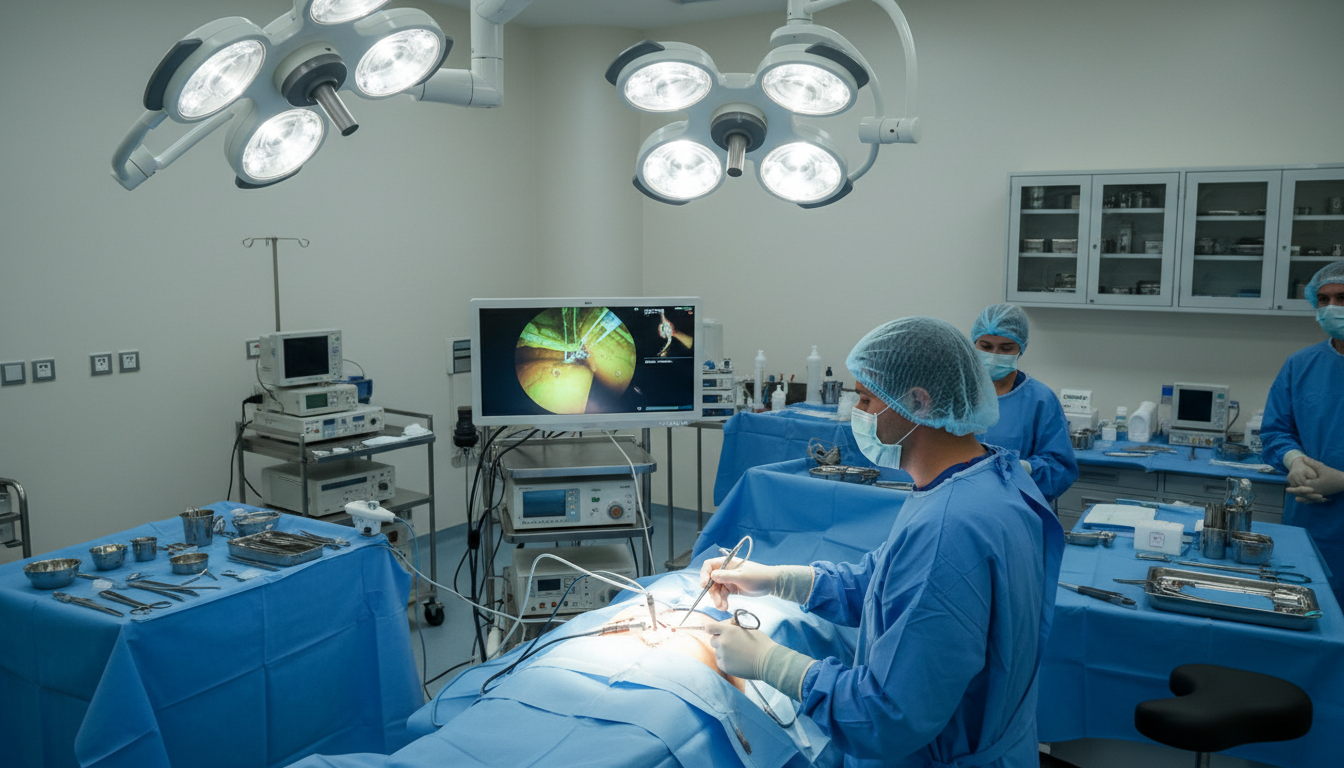
Turkey is becoming a top choice for medical tourism. Many from the United States are going there for high-quality surgical care. They find it affordable yet top-notch. This is because Turkey is modernising its healthcare and meeting global standards.
A Laparoscopic Appendectomy needs skill and precision. Turkish clinics offer a safe place for this. Here, surgeons use the latest technology for the best results. Patients get a smooth experience, focusing on safety and efficiency.
Turkish hospitals match the standards of the West. Patients get comprehensive support for a stress-free recovery. It’s the mix of skill and welcome that draws people to Turkey for medical care.
Key Takeaways
- Turkey is a leading hub for medical tourism, with world-class surgical services.
- Patients from the United States often pick Turkish clinics for their cost and quality.
- Medical facilities in Turkey focus on safety with modern, standardised equipment.
- Surgeons in Turkey are highly trained and follow strict international protocols.
- The whole surgical process is made efficient for international patients.
Understanding the Need for Appendicitis Treatment
When you feel pain in your belly, it’s important to know what to do. The appendix is a small part of your gut, and if it gets inflamed, you need to see a doctor fast. Not treating it can lead to serious problems, like needing a rectal resection or other urgent surgeries if the infection spreads.
Recognising the Symptoms of Acute Appendicitis
The first sign is usually a dull ache near your belly button that moves to the lower right. This pain can get sharper and worse over time. Finding out early is key to getting better.
You might also feel sick to your stomach, lose your appetite, or have a low fever. If your belly gets bigger or you have trouble passing gas, get help right away.
The Importance of Timely Surgical Intervention
Waiting too long to get treatment can cause the appendix to burst. This can lead to a serious infection called peritonitis. Doctors aim to remove the appendix quickly to avoid this.
Acting fast helps you recover better and avoids long-term health problems. Today’s medicine is all about being precise and safe to get you back to health quickly.
| Symptom | Urgency Level | Recommended Action |
|---|---|---|
| Mild abdominal discomfort | Moderate | Monitor and consult GP |
| Sharp, localised pain | High | Seek emergency care |
| Fever and vomiting | Critical | Immediate hospitalisation |
The Advantages of Choosing Laparoscopic Appendectomy
Modern medicine is moving towards less invasive treatments. This change aims to reduce harm to the body while keeping treatment effective. Choosing a Laparoscopic Appendectomy means a better surgical experience than old methods.
Minimally Invasive Techniques Explained
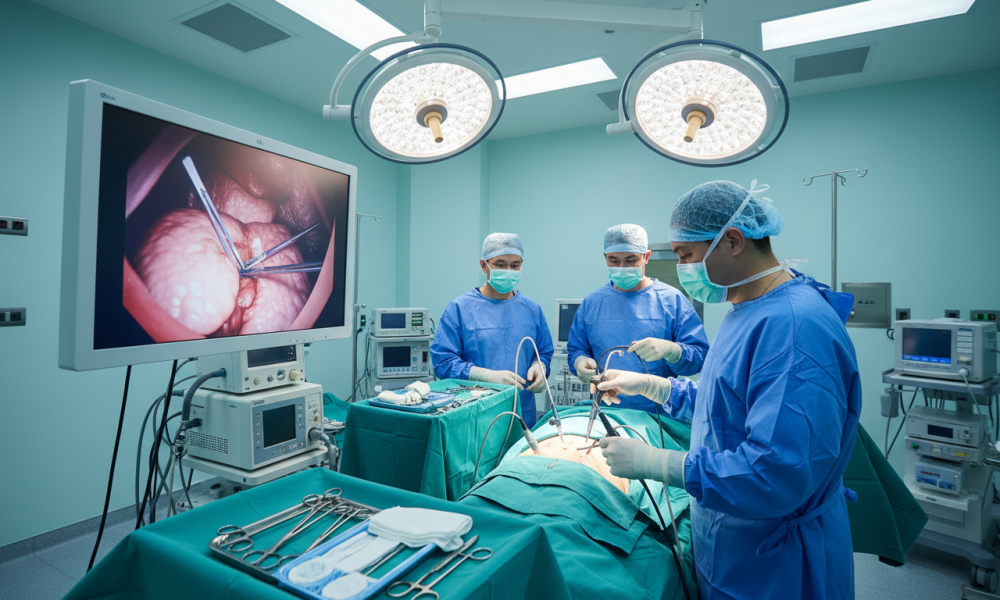
This new surgery method uses small cuts in the belly. A special camera, called a laparoscope, lets doctors see inside on a screen. This way, they can take out the appendix without a big cut.
The small cuts mean less stress for the body. Patients often feel less pain after and have fewer complications. This method is a big step up in safety and comfort for patients.
Comparing Keyhole Appendectomy to Open Surgery
Understanding the difference between Keyhole Appendectomy and open surgery is key. Open surgery needs a big cut, leading to longer stays and more scars. The keyhole method heals faster and gets you back to normal sooner.
Here’s a table showing the main differences:
| Feature | Open Surgery | Keyhole Appendectomy |
|---|---|---|
| Incision Size | Large (several inches) | Minimal (keyhole size) |
| Recovery Time | Extended | Rapid |
| Scarring | Significant | Very minor |
The choice of surgery greatly affects recovery. A Laparoscopic Appendectomy uses modern tech to reduce body harm. It’s the top choice for those wanting efficient and effective care.
Why Turkey is a Leading Destination for Medical Tourism
Turkey’s healthcare has grown a lot, setting new standards for patient care. Over 20 years, it has invested in state-of-the-art medical facilities and advanced surgical tech. This has made Turkey a top choice for quality, yet affordable medical care.
The Evolution of Turkish Healthcare Infrastructure
Turkish hospitals have modernised, focusing on excellence and patient care. They now match the best clinics in Western Europe and North America. They use cutting-edge diagnostic tools and robotic surgery systems.
A strong network of medical tourism agencies helps international patients. They make sure everything runs smoothly.
The country also has a highly skilled medical team. Doctors and staff keep up with the latest medical advancements. This ensures patients get safe and effective care.
Accreditation and Standards in Turkish Hospitals
Quality is a big deal in Turkish medicine. Many hospitals have the Joint Commission International (JCI) seal. This shows they follow strict global safety standards.
This gives patients peace of mind that their care is top-notch.
The table below shows what makes Turkish medical institutions stand out:
| Feature | Standard Level | Patient Benefit |
|---|---|---|
| Accreditation | JCI & ISO Certified | Guaranteed safety protocols |
| Technology | Latest Robotic Systems | Precision and faster recovery |
| Staff Expertise | Board-Certified Specialists | High success rates |
| Patient Support | Multilingual Coordination | Clear communication throughout |
Turkish clinics meet high standards to improve the patient experience. They focus on clinical excellence and patient comfort from start to finish. This is why so many people choose Turkey for their health needs.
The Laparoscopic Appendectomy Procedure
Understanding what happens during your surgery can help reduce anxiety. Knowing the steps involved can make you feel more confident and calm. This laparoscopic procedure aims to be safe and efficient for all patients.
Pre-operative Assessments and Patient Preparation
Before surgery, your team will do important tests. These include blood work, an electrocardiogram, and imaging studies. Proper preparation is key for a good outcome.
You’ll need to fast for hours before the surgery. This is to keep you safe during anaesthesia. Your surgeon will also review your medical history and discuss your medications. This ensures the laparoscopic appendicitis removal meets your health needs.
Step-by-Step Overview of the Surgical Process
The surgery starts with small incisions in your abdomen. A special camera, the laparoscope, is used to see inside. This helps the surgeon work accurately.
Carbon dioxide gas is used to inflate your abdomen. This makes room for the surgeon to remove the appendix. After the laparoscopic appendicitis removal, the incisions are closed with sutures or glue.
Anaesthesia and Patient Comfort During Surgery
Your comfort is a priority during the laparoscopic procedure. You’ll be under general anaesthesia, so you won’t feel pain. An anaesthesiologist will watch your vital signs to keep you safe.
| Surgical Stage | Primary Focus | Patient Experience |
|---|---|---|
| Preparation | Clinical Assessment | Calm and Informed |
| Anaesthesia | Safety Monitoring | Deep Sleep |
| Operation | Precision Removal | Pain-free |
| Recovery | Initial Stabilisation | Comfortable |
After the surgery, you’ll go to a recovery area. Here, the anaesthesia’s effects will fade. The medical staff will watch you closely to help you recover smoothly. Your comfort and safety are the team’s main focus from start to finish.
Recovery Expectations After Laparoscopic Surgery
Knowing what to expect after surgery makes the recovery easier. Laparoscopic Surgery is known for being quick, but your body needs time to heal. Having clear expectations helps you smoothly go back to your daily life.
Immediate Post-operative Care in the Hospital
After your surgery, you’ll go to a recovery area. Here, doctors will watch your vital signs closely. They make sure you’re okay and your cuts are healing well.
You might feel a bit drowsy or nauseous as the anaesthesia wears off. This is normal and usually goes away quickly. Your team will tell you when you can start drinking and eating again.
Managing Pain and Mobility During the First Week
Managing pain well is key to a good recovery after Laparoscopic Surgery. You might feel some pain or bloating from the gas used during the surgery. But this usually goes away in a few days. Your doctor will give you medicine to help with the pain as you start moving around.
“Movement is the best medicine for recovery; early mobilisation helps your body regain its natural rhythm and prevents complications.”
It’s important to get up and walk a bit soon after your surgery. Moving helps your blood flow and digestion get back to normal. But, don’t do too much exercise yet.
Returning to Daily Activities and Work
Most people can start doing light activities within a week of their Laparoscopic Surgery. But, it’s key to listen to your body and not do too much too soon. Your surgeon will tell you when it’s safe to start doing more.
Going back to work depends on your job. If you sit at a desk, you might be able to go back sooner than someone who does physical work. Always put your long-term health first to make sure you heal properly.
Selecting the Right Surgeon for Your Appendectomy
Your choice of surgeon is key to a safe and effective appendectomy surgery. Choosing a skilled professional is vital for a smooth recovery. Before choosing a clinic, make sure the doctor meets international standards. You can check this out to be sure.
Evaluating Surgeon Qualifications and Experience
Look for surgeons with a lot of experience in minimally invasive procedures. A surgeon who does many laparoscopic operations is better at handling complex cases. Experience is the cornerstone of surgical success, so ask about their training and how many procedures they’ve done.
Make sure your surgeon is up-to-date with the latest tools. A good surgeon will talk about their approach and how they reduce risks. Here are some things to look for in a medical team:
| Criteria | Importance | Action Required |
|---|---|---|
| Board Certification | High | Verify official credentials |
| Surgical Volume | High | Ask for annual case numbers |
| Specialisation | Medium | Confirm focus on laparoscopy |
| Patient Reviews | Medium | Check independent testimonials |
The Role of Board Certification in Turkey
In Turkey, doctors must follow strict national standards. Board certification shows your surgeon has had extensive training. This ensures your appendectomy surgery is safe and regulated.
“Patient safety is not just a policy; it is the fundamental outcome of rigorous professional training and institutional accountability.”
Always check if your surgeon is registered with Turkish medical chambers. This gives you peace of mind, knowing you’re in good hands. By focusing on these credentials, you get the best care for your appendectomy surgery.
Safety Protocols and Quality Assurance in Turkish Clinics
Keeping the environment clean is key to good surgery in Turkey. Top clinics follow stringent international safety protocols to keep patients safe. They focus on doing things right to make sure your surgery is safe and works well.
Sterilisation Standards and Operating Theatre Technology
Turkish hospitals use the latest tech to keep things clean. Their operating rooms have top-notch air filters and sterilisation gear. Precision and cleanliness are musts in these places.
Doctors and staff clean up a lot between surgeries. They use automated sterilisation technology to cut down infection risks. This focus on quality helps patients relax during their recovery.
Patient Safety Records and Complication Rates
Turkish medical teams rely on data to check their work. They keep clear records on how well surgeries go, always looking to get better. This focus on evidence-based medicine keeps complication rates very low.
Patients get a lot of attention from their surgical teams. Regular checks and reviews keep standards high. Transparent reporting lets patients abroad trust the care they get.
Cost Analysis of Laparoscopic Appendectomy in Turkey
Many patients are surprised by the big cost differences between surgeries in their home country and Turkey. Getting a Laparoscopic Appendectomy in Turkey can save a lot of money. Turkish clinics offer top-notch care at a much lower price than in Western countries.
Comparing Costs with the United States Healthcare System
In the United States, an emergency appendectomy can cost a lot because of complex billing and facility fees. Turkish medical centres have clear prices that are much lower. Even with travel costs, the total for a Lap Appendectomy in Turkey is often less than what you’d pay at home.
“The true value of medical tourism lies in the ability to access premium surgical expertise while maintaining financial stability during recovery.”
What is Typically Included in Surgical Packages
Turkish hospitals offer all-inclusive packages for international patients. These packages make it easy to know what you’ll pay, without any surprises. They usually include:
- Pre-operative consultations and diagnostic imaging.
- Surgeon fees and anaesthesiology costs.
- Hospitalisation and nursing care during the recovery period.
- Post-operative follow-up appointments and necessary medications.
Choosing an all-inclusive Lap Appendectomy package means you know exactly what you’ll pay. This lets you focus on getting better, without worrying about unexpected bills.
Navigating Medical Travel Logistics
Planning your international medical travel is key to a smooth recovery. Choosing to have surgery abroad means you need to manage your travel well. This way, you can focus on getting better without stress.
Visa Requirements and Travel Documentation
First, check if you need a visa for Turkey. The e-Visa system makes it easy to get one online. Make sure your passport is valid for at least six months after you plan to leave.
You’ll also need medical papers for your care. Keep these documents in a safe place:
- A formal invitation letter from your chosen medical facility.
- Copies of your pre-operative medical records and diagnostic reports.
- Contact details for your surgeon and the hospital’s international patient department.
- Proof of travel insurance that covers medical tourism activities.
Arranging Accommodation and Local Transport
Choosing where to stay is important for your comfort. Look for hotels that cater to medical travellers. They should be close to the hospital and offer healthy food. Check your clinic or hospital location before booking your stay.
Getting around should be easy too. Many clinics in Turkey offer dedicated transfer services. They’ll pick you up from the airport and take you to your appointments. This saves you from worrying about local transport while you’re recovering.
If you’re arranging your own transport, pick a reliable service. Prioritising comfort and accessibility will make your trip better. It lets you focus on getting well.
Post-operative Follow-up and Remote Consultations
Your recovery journey doesn’t stop when you leave the clinic in Turkey. We know it can feel scary to heal at home. That’s why we focus on continuity of care. Our medical teams keep an eye on your progress even after you return home.
Communicating with Your Surgeon After Returning Home
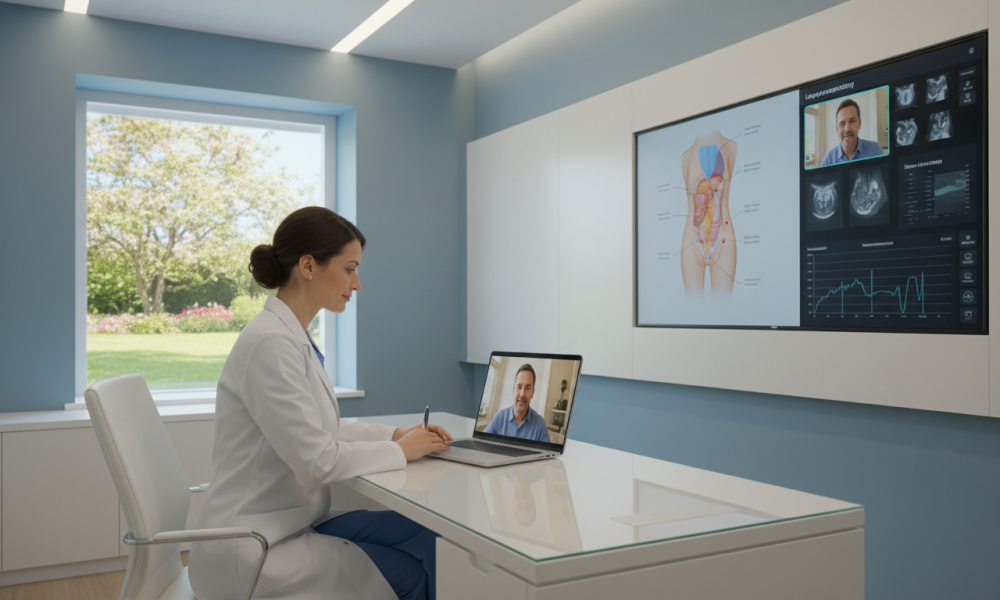
Thanks to modern tech, staying in touch with your surgical team is easy. You’ll get access to secure ways to talk to your doctors. Whether it’s a quick question or a detailed review, our team is always ready to help.
Here are some ways to keep in touch:
- Secure messaging platforms for updates on your healing.
- Scheduled video consultations to check on your progress with your surgeon.
- Email support for any non-urgent questions or concerns.
Managing Possible Complications from Abroad
It’s normal to worry about your health while healing in another country. Our team offers proactive guidance to help you stay safe. We keep an eye on your recovery from afar, spotting and fixing any issues early on.
If you notice any unusual symptoms, our surgeons are here to help. They’ll advise you on whether you need a local doctor visit or if we can handle it remotely. This way, you’re never alone, giving you the confidence to focus on your health.
Patient Rights and Legal Protections in Turkey
Knowing your rights as a patient in Turkey can give you peace of mind. The Turkish government has set up strong rules. These rules make sure visitors get the same care and legal protection as locals. They aim to build trust and openness in medical tourism.
Understanding Medical Liability and Insurance
In Turkey, doctors must have professional indemnity insurance by law. This insurance protects patients if something goes wrong during treatment. The Ministry of Health checks these policies to keep care safe and high-quality.
Clinics follow strict rules about who is responsible for care. By picking a clinic that follows these stringent regulations, you know your health is in good hands. This system makes sure doctors are responsible for the care they give.
Resources for International Patients
International patients get help from special support systems in Turkey. Big hospitals have a Patient Rights Unit. This unit helps patients talk to doctors and deal with any issues.
The Turkish Health Tourism Association also helps. They guide patients on their rights and give contact details for local health bodies. Using these resources keeps you informed and supported from start to finish.
| Protection Mechanism | Description | Benefit to Patient |
|---|---|---|
| Professional Indemnity | Mandatory insurance for all surgeons | Financial and legal security |
| Patient Rights Units | On-site hospital advocacy offices | Immediate conflict resolution |
| Ministry Oversight | Strict government health audits | Guaranteed quality standards |
Preparing for Your Trip to Turkey
Getting ready for your trip to Turkey is key to feeling comfortable and relaxed. Organising your travel and packing the right things can reduce stress. This lets you focus on getting better without worries.
Essential Items to Pack for Your Recovery
When you’re packing for surgery, think about comfort and easy access. Wear loose clothes like cotton pyjamas or tracksuits. These won’t bother your stitches after surgery. Also, pack a small bag with toiletries, medicines, and medical records in a safe place.
Remember to bring things that help you relax, like headphones, a tablet, or a favourite book. These comforts can make your hospital stay feel more like home. Make sure your devices are charged and you have the right power adapters for Turkey.
Cultural Considerations for International Visitors
Turkey is known for its rich history and friendly people. Showing respect for local customs will make your visit better. Turkish healthcare staff are used to treating international patients, but knowing a bit about local etiquette is nice.
Dress modestly, as it’s valued in many places, like historical sites or religious areas. Learning basic Turkish phrases, like “merhaba” (hello) or “teşekkür ederim” (thank you), shows you appreciate the culture. Most importantly, be open-minded and enjoy Turkey’s famous hospitality during your recovery.
| Category | Recommended Items | Purpose |
|---|---|---|
| Clothing | Loose cotton garments | Post-surgical comfort |
| Documents | Passport and medical file | Administrative requirements |
| Electronics | Chargers and adapters | Communication and leisure |
| Personal Care | Toiletries and lip balm | Hygiene and hydration |
The Role of Minimal Invasive Appendectomy in Modern Medicine
Technology is changing how surgeons treat Appendicitis. Now, minimal invasive appendectomy is leading the way. It makes surgery safer and less painful for patients.
Technological Advancements in Surgical Robotics
Surgical robots have changed the operating room. They give surgeons better control and vision. This means they can do very precise work.
“The integration of robotics into surgery is not merely about automation; it is about extending the surgeon’s capability to provide safer, more precise care for every patient.”
These robots help avoid damage to nearby tissues. Patients often feel less pain and recover faster. This shows a big step forward in surgery.
Future Trends in Appendicitis Management
The future of Appendicitis Treatment looks bright. Artificial intelligence and predictive analytics will help surgeons make better decisions. This could lead to even smaller cuts and no scars.
There’s also a focus on making recovery plans that fit each patient. By using robots and data, doctors are always improving care. This means patients get the best treatment available today.
Potential Risks and How They Are Mitigated
Being open about risks is key in Turkey’s healthcare. Surgery is safer now, but it’s important to know the facts. Every laparoscopic procedure has some risk. But knowing this helps you work well with your doctors.
Common Risks Associated with Laparoscopic Procedures
Laparoscopic surgery is safe for many, but no surgery is risk-free. It’s vital for doctors and patients to watch out for these risks to get the best results.
Some common risks include:
- Infection: Minor risks at the incision sites or internal areas.
- Bleeding: Rare instances of post-operative haemorrhage.
- Anaesthesia reactions: Individual sensitivities to sedative medications.
- Organ injury: Rare damage to surrounding structures during the operation.
Proactive Measures Taken by Turkish Medical Teams
Turkish clinics focus on safety with strict protocols. Before surgery, patients get full health checks. This meticulous preparation helps the team understand your health and needs.
During surgery, doctors use the latest technology for precision. The operating rooms have top-notch sterilisation to avoid infections. The anaesthesia team keeps a close eye on you, making sure you’re safe and comfortable.
Conclusion
Choosing a laparoscopic appendectomy in Turkey is a smart move. It combines top medical skills with modern facilities. You get to see skilled surgeons using the latest tech for your best recovery.
This option is a great choice for those looking for quality care without the high US costs. It’s a reliable way to get top-notch treatment at a lower price.
Success in medical travel starts with good research and planning. Check the surgeon’s credentials and hospital safety. This helps you make smart choices for your health.
Being proactive ensures your surgery goes smoothly. It keeps your journey stress-free from the beginning to the end.
Looking after your health means exploring all treatment options. Turkey is a top choice for those who want precise care and focus on the patient. Contact trusted clinics to start your journey to a quick and effective recovery.
FAQ
Q: What is a laparoscopic appendectomy and how does it differ from traditional methods?
A: A laparoscopic appendectomy is a modern surgery for appendicitis. It removes the appendix through small cuts. This is different from open surgery, which needs a big cut.
Using a tiny camera, the surgeon guides the procedure. This leads to less scarring, less pain, and a quicker recovery.
Q: Why is Turkey considered a premier destination for a minimal invasive appendectomy?
A: Turkey has invested in top-notch healthcare. Hospitals like Acıbadem Healthcare Group are JCI accredited. This attracts patients from the US and UK.
They get world-class surgery and advanced technology at lower costs.
Q: What are the primary symptoms that indicate a need for urgent appendicitis treatment?
A: Knowing the symptoms of acute appendicitis is key. Look out for sudden pain, nausea, vomiting, and a low fever. If you have these, you might need a lap appendectomy quickly.
This is to avoid serious problems like a ruptured appendix or peritonitis.
Q: Is the cost of appendectomy surgery in Turkey inclusive of all medical expenses?
A: Leading Turkish clinics offer all-inclusive packages for appendectomy surgery. These cover everything from pre-op checks to follow-up care. This clear pricing helps international patients plan their finances.
Q: How long is the recovery period following a keyhole appendectomy?
A: Recovery from a keyhole appendectomy is fast. Most patients can move around within 24 hours. Avoiding heavy lifting for a few weeks is advised.
Most people can go back to light work and normal activities in seven to ten days. This is much quicker than open surgery.
Q: How do Turkish hospitals ensure patient safety during laparoscopic surgery?
A: Turkish hospitals follow strict safety and sterilisation standards. They use the latest technology in their operating theatres. This ensures precise surgery.
Surgeons in Turkey are board-certified and experienced. This leads to high success rates and low risks of complications.
Q: Can I receive follow-up care after returning home from my laparoscopic appendicitis removal?
A: Yes, Turkish medical providers focus on continuity of care. They offer remote consultations to check on your recovery. This way, any concerns can be addressed quickly.
This provides peace of mind during your recovery.
Q: What travel documentation is required for a laparoscopic appendectomy in Turkey?
A: International patients need a valid passport and a medical visa or e-Visa. Keep your medical records and diagnostic reports ready. Hospitals provide help with travel arrangements.
Q: What should I pack for my trip to Turkey for appendicitis treatment?
A: Pack comfortable, loose clothes for after surgery. Bring your current medications, travel documents, and toiletries. Knowing local customs can make your stay easier.
Q: Are there risks involved with laparoscopic appendectomy surgery?
A: Like any surgery, there are risks such as infection or anaesthesia reactions. Turkish teams take proactive steps and do thorough checks before surgery.
Using laparoscopic techniques reduces risks compared to open surgery. This makes it a safe and effective treatment.
Related guides

Healthcare Content Compliance Guide for Growth
A high-performing treatment page can generate international patient inquiries within hours. It can also create material risk if…

Turkey Hospitals vs Local Hospitals Compared
A lower procedure quote can get a patient’s attention. It should not make the decision on its own.…

Patient Experience That Drives Trust and Growth
A patient who has already uploaded medical records, compared providers, and arranged time away from work is not…