
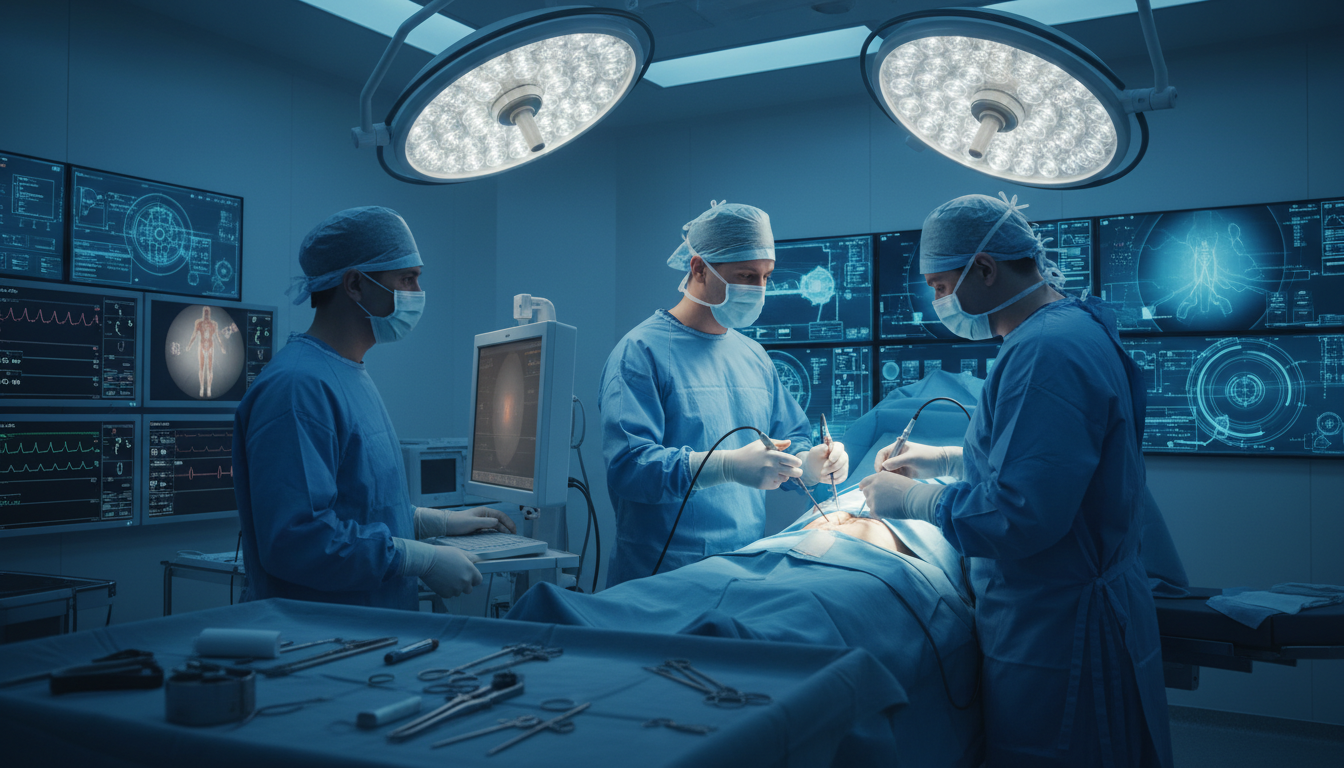
Medical tourism has changed how we get top-notch healthcare worldwide. Many people travel to find efficient and reliable outcomes for their health. Turkey stands out as a top choice, blending advanced medical tech with affordable prices.
Opting for Laparoscopic Hernia Surgery here means getting world-class care without high costs. Turkey focuses on patient care, making every step smooth and professional. This makes it a top pick for those looking for exceptional medical standards.
Key Takeaways
- Turkey is a leading hub for international patients seeking high-quality medical treatments.
- The combination of modern technology and affordability attracts many visitors to Turkish clinics.
- Patients benefit from professional care that prioritises safety and successful recovery.
- Advanced techniques ensure that medical procedures are performed with precision and efficiency.
- Choosing this destination provides a reliable alternative for those managing their health needs.
Understanding the Prevalence and Impact of Hernias
Abdominal wall defects are more common than you might think, affecting millions worldwide. These happen when an organ or fatty tissue bulges through a weak spot in the muscle or tissue. Most don’t fix themselves and need hernia repair to stop getting worse.
Having a hernia can really limit what you can do every day. People often feel pain, see a bulge, or feel heavy, which gets worse when they move or lift things. Ignoring these symptoms can make it harder to do simple tasks, lowering your quality of life.
“The primary goal of surgical intervention is to restore the integrity of the abdominal wall and prevent the life-threatening complications associated with untreated defects.”
Waiting too long for treatment can be risky. It might lead to the bowel getting trapped and losing blood, turning a simple problem into a medical emergency. Getting hernia repair quickly is key to avoiding these dangers and having a safer recovery.
The table below shows the risks of not treating abdominal wall defects, why surgery is usually the best option.
| Condition | Primary Risk | Urgency Level |
|---|---|---|
| Reducible Hernia | Discomfort and growth | Elective Hernia repair |
| Incarcerated Hernia | Tissue entrapment | Urgent intervention |
| Strangulated Hernia | Loss of blood supply | Immediate surgery |
Knowing about these defects helps patients make better health choices. Getting expert advice early leads to a planned hernia repair. This usually means better results and a quicker return to normal life.
The Evolution of Minimally Invasive Hernia Surgery
The move from old open surgery to new methods is a big step forward in medicine. For a long time, big cuts were needed to reach the belly. This led to long recovery times and a lot of pain after surgery. Now, minimally invasive hernia surgery is the top choice for quick and effective treatment.
New tech has changed the way surgeries are done. Doctors use high-def cameras and special tools through small holes. This way, they can fix problems without hurting much of the surrounding tissue.
The main aim of minimally invasive hernia surgery is to cause less harm but keep success rates high. It’s all about making patients’ lives better, faster. This change shows a big push to improve life for those with belly problems.
| Feature | Traditional Open Surgery | Modern Minimally Invasive Surgery |
|---|---|---|
| Incision Size | Large (5-10 cm) | Small (0.5-1 cm) |
| Recovery Time | Extended (Weeks) | Rapid (Days) |
| Tissue Trauma | Higher | Minimal |
| Precision | Standard | High-Definition |
Why Turkey Has Become a Global Hub for Laparoscopic Hernia Surgery
Turkey’s rise in medical tourism, mainly in hernia repair, is not by chance. Over the last ten years, it has invested heavily in top-notch medical facilities. This ensures patients get care that matches the best in the US and Europe.
Excellence in surgical outcomes drives this growth. Turkish surgeons have undergone rigorous training, meeting or beating international standards. This mix of advanced tech and skilled doctors makes Turkey a top choice for Laparoscopic Hernia Surgery.
People from all over, including the US, pick Turkey for Lap hernia surgery. Several factors lead to this trend:
- Advanced Technology: Hospitals use the latest robotic and laparoscopic systems.
- Expertise: Surgeons have a lot of experience in Laparoscopic Hernia Surgery, with great success rates.
- Patient-Centric Care: Medical tourism packages include full support, from first consultation to after-care.
The mix of affordability and quality makes Lap hernia surgery appealing worldwide. Traveling for surgery can offer top care that’s too expensive locally. Turkey is becoming a reliable partner in global healthcare, ensuring each patient gets exceptional attention during their medical journey.
Comparing Healthcare Standards in Turkey and the United States
Turkey is now a top choice for medical tourism, matching the high standards of the United States. Many patients choose Turkey for its premier destination for quality surgical care. This is because Turkey focuses on clinical excellence and uses the latest medical technologies.
It’s key to know how Turkey’s medical standards compare to America’s. Turkish hospitals have the latest equipment, just like the best Western hospitals. Professional excellence is at the heart of Turkey’s healthcare, making patient safety the top priority.
Turkey’s care quality is backed by strict rules that check hospital performance and patient results. Many hospitals have international accreditations, showing they follow global safety rules. These standards mean the care in Turkey is comparable to the best hospitals in the United States.
Patients in Turkey get more personal care, which helps their recovery. Turkish surgeons use modern methods and focus on the patient, leading to exceptional results. Choosing Turkey for surgery is a safe and reliable option for top-quality care.
The Role of a Qualified Hernia Surgery Specialist
A skilled hernia surgery specialist makes sure your surgery is safe and works well. When you have surgery, the surgeon’s skill is key to your recovery. Precision is key for minimally invasive repairs, affecting your long-term health and comfort.
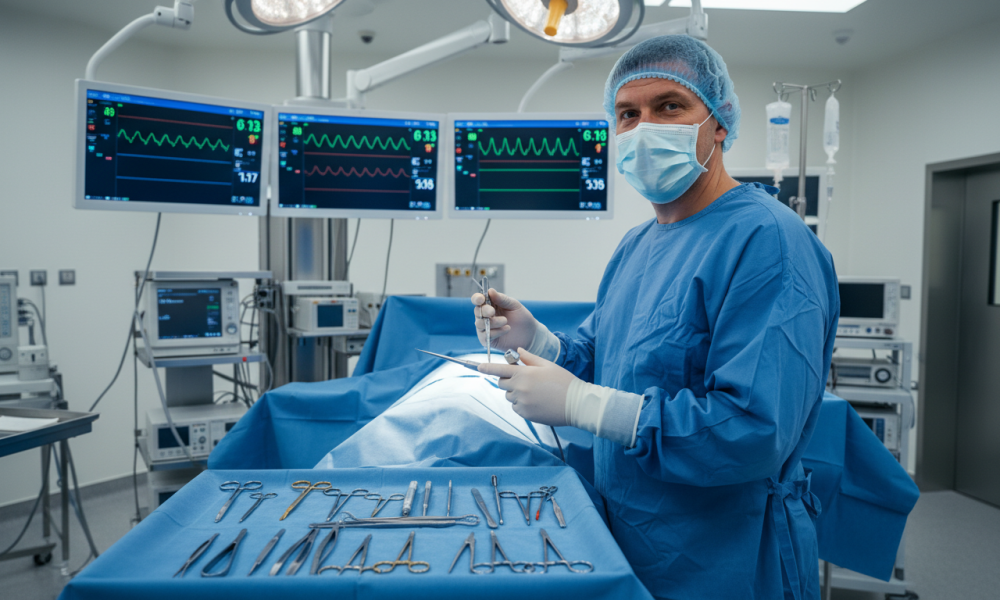
Board certification shows a surgeon’s dedication to high medical standards. Always check if your hernia surgery specialist has the right credentials from recognised boards. These show they’ve had thorough training and follow strict safety and ethics rules.
Experience with complex cases is vital for the best results. A skilled surgeon knows anatomy well, handling delicate tissues carefully. Choosing a specialist who does these surgeries often means they know the latest tech and methods.
To find a good doctor, look at their success stories and what patients say. A top hernia surgery specialist will share their experience and talk about your needs. Researching your surgeon helps you feel confident and sets you up for a good recovery.
Detailed Overview of the Laparoscopic Inguinal Hernia Repair Procedure
The laparoscopic inguinal hernia repair is a precise and modern medical process. It uses advanced technology to fix weaknesses in the abdominal wall with little harm to nearby tissues. This method offers top-notch care and the latest in surgery.
Anaesthesia and Initial Incision Techniques
The process starts with general anaesthesia to keep the patient comfortable and pain-free. The surgeon then makes three small cuts in the belly. These small openings are for the laparoscope and special tools.
The abdomen is filled with carbon dioxide gas to make a working space. This helps the surgeon see better and work more precisely. The surgeon then moves the tools to find and fix the hernia.
Placement of Surgical Mesh and Fixation
After fixing the hernia, a synthetic mesh is placed over the weak spot. This mesh helps the body grow tissue through it, making the repair stronger. It also lowers the chance of the hernia coming back.
“The integration of high-quality mesh materials has revolutionised the success rates of minimally invasive abdominal surgeries, providing patients with long-term stability and comfort.”
The mesh is fixed with tacks, staples, or glue. This is key to keep the mesh in place while it heals. Surgeons are careful to avoid nerves, making the laparoscopic inguinal hernia repair safe and effective.
Closing the Incisions and Final Assessment
Once the mesh is in place, the surgeon removes the tools and gas from the abdomen. The small cuts are closed with dissolvable sutures or tape, leaving little scarring. A final check is done to make sure the repair is good and safe.
| Procedural Stage | Primary Objective | Patient Benefit |
|---|---|---|
| Anaesthesia | Patient comfort | Pain-free experience |
| Incision | Accessing the site | Minimal scarring |
| Mesh Placement | Reinforcing the wall | Reduced recurrence |
| Final Closure | Wound sealing | Faster recovery |
This detailed method of hernia repair shows the high standards in Turkish medical care. It focuses on technical skill and safety, aiming for a successful outcome at every step.
Benefits of Choosing Keyhole Hernia Surgery Over Traditional Methods
Keyhole hernia surgery is a new way to fix hernias. It uses advanced tech to fix the problem with small cuts. This method is now the top choice for those wanting quick and easy treatment.
Reduced Post-Operative Pain and Discomfort
Laparoscopic Hernia Surgery is less painful than old methods. It uses small cuts, so there’s less damage to muscles and tissues.
People often feel less pain right after surgery. This means they need less pain medicine. It helps them heal faster and with less harm to their body.
Faster Return to Daily Activities and Work
Minimally invasive hernia surgery is quick and efficient. It lets people get back to work and daily life faster.
Unlike old methods, keyhole hernia surgery doesn’t keep you stuck at home for weeks. It’s great for those who can’t afford to lose much time. Here’s a comparison of the two methods.
| Feature | Open Surgery | Keyhole Surgery |
|---|---|---|
| Incision Size | Large (5-10 cm) | Small (0.5-1 cm) |
| Recovery Time | 4 to 6 weeks | 1 to 2 weeks |
| Post-Op Pain | Moderate to High | Low to Moderate |
| Return to Work | Extended period | Rapid return |
Preparing for Your Hernia Operation in a Turkish Medical Facility
A successful hernia operation starts long before you go into the operating room. Preparing well ensures your medical team has all the info they need. This helps them give you the safest care possible. By following a clear plan, you can greatly improve your surgery’s success and your overall experience in Turkey.
Pre-Surgical Consultations and Diagnostic Imaging
Before you travel, Turkish clinics usually set up a virtual meeting with your surgeon. This chat lets the specialist look over your medical history and talk about your hernia operation. You’ll likely be asked to share recent scans, like ultrasound or CT scans, to check the hernia’s size and location.
Having good images helps the surgical team plan your surgery carefully. If your scans are old, the clinic might ask for new ones when you arrive. Clear communication at this early stage is key for a smooth start to your surgery.
Medical Clearance and Lifestyle Adjustments
Getting medical clearance is a big step to make sure you’re ready for anaesthesia and surgery. Your doctor should check your health, focusing on conditions like diabetes or high blood pressure. It’s important to tell them about all the medicines you’re taking, as some might need to stop before your hernia operation.
Changing your lifestyle can help you recover faster. Surgeons often suggest the following steps to get your body ready:
- Smoking cessation: Quitting nicotine at least two weeks before surgery helps with healing and blood flow.
- Dietary changes: Eating a balanced diet helps your body get ready for the surgery’s stress.
- Fasting protocols: Follow the hospital’s rules about food and water on the day of your procedure.
| Preparation Phase | Action Required | Timeline |
|---|---|---|
| Medical Records | Submit all recent scans | 4 weeks prior |
| Medication Review | Consult your GP | 2 weeks prior |
| Lifestyle | Cease smoking/alcohol | 2 weeks prior |
| Final Prep | Confirm hernia operation time | 24 hours prior |
What to Expect During Your Recovery Period
Your journey to full health starts when you wake up after surgery. Knowing the recovery timeline is crucial for a smooth return to your daily life after keyhole hernia surgery.
Immediate Post-Operative Care in the Hospital
After the surgery, you’ll go to a recovery room. Medical staff will watch your vital signs closely. They check your heart rate, blood pressure, and oxygen levels as the anaesthesia fades.
You might feel a bit drowsy or have mild nausea, which is normal. The surgical team will give you immediate pain relief to make you comfortable. They’ll check if you’re ready to go back to your room or hotel.
Managing Pain and Activity Restrictions at Home
At home, your comfort is the main focus. Most people find over-the-counter pain relief works well. But, your surgeon might give you stronger medication if needed for your keyhole hernia surgery.
It’s key to follow activity restrictions to help the area heal. You should avoid heavy lifting or hard exercise for a few weeks. But, gentle walking is good to keep blood flowing and prevent stiffness.
If you’re thinking about other surgeries, like a tummy tuck, recovery is similar. Rest and slow movement are important. Always talk to your doctor if you have unexpected swelling, fever, or severe pain that doesn’t get better with rest.
Analysing the Cost-Effectiveness of Medical Tourism in Turkey
Turkey’s appeal for surgery comes from quality care at lower prices. Many find Lap hernia surgery here is both affordable and top-notch. Turkish clinics offer this at a much lower cost than in the US, thanks to lower costs.
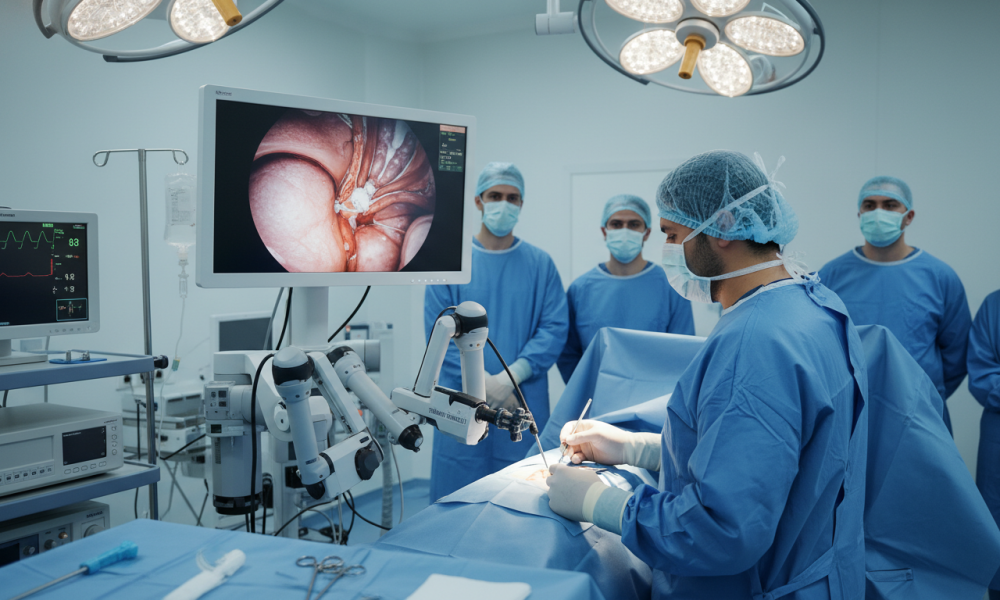
Breakdown of Surgical Fees and Hospital Expenses
Understanding what you pay for is key when planning surgery. The main costs are the surgeon’s fee, the anaesthetist’s work, and hospital charges. These are usually combined into one clear price for you.
Hospital costs include the operating room, recovery room care, and medical supplies. Turkish hospitals keep these costs low, saving you money without sacrificing quality. Always ask for a detailed bill that shows all the care you receive.
Hidden Costs and Value-Added Services
Don’t forget to budget for travel, accommodation, and transport. Many clinics offer value-added services like airport transfers and patient coordinators. These extras help make your trip easier.
While some worry about extra fees, Turkey’s medical tourism is well-regulated. Picking an accredited clinic means you get a clear price for your Lap hernia surgery journey. Here’s a breakdown of what you might expect to pay.
| Cost Category | Description | Typical Inclusion |
|---|---|---|
| Surgical Fees | Surgeon and Anaesthetist | Included in Package |
| Facility Charges | Operating Room and Bed | Included in Package |
| Logistics | Transfers and Lodging | Often Included |
| Follow-up | Post-op Consultations | Included |
Safety Protocols and Accreditation in Turkish Hospitals
Turkish hospitals have set new standards for patient care. They focus on rigorous safety protocols to ensure a secure environment for all patients. This makes Turkey a top choice for quality surgeries.
International Accreditation Standards
Medical places in Turkey follow strict rules to reduce risks. They go through frequent audits to keep up with modern medicine. This ensures their care is as good as, or better than, in Western hospitals.
Training is key in these safety plans. Doctors and nurses keep learning about minimally invasive techniques. This helps them handle complex surgeries with skill and care.
The Importance of JCI Certification
The Joint Commission International (JCI) certification is the top mark for quality and safety in healthcare. Many top Turkish hospitals have this honour. It shows they meet stringent requirements for care and patient management.
This certification is more than a symbol. It’s a detailed check of the whole hospital experience. From the first visit to the last follow-up, everything is watched for transparency and safety. Patients know their care is overseen by a trusted, global body.
Navigating the Logistics of Travelling for Laparoscopic Hernioplasty
Planning your trip to Turkey for surgery is key to a smooth journey. Your Laparoscopic hernioplasty team will handle the medical side. But, you need to focus on the travel arrangements yourself. Good planning reduces stress, helping you focus on getting better.
Visa Requirements and Travel Documentation
First, check if you need a visa for Turkey. Most people use the e-Visa system online. Make sure your passport is valid for at least six months after you leave.
You’ll also need special documents for your medical visit. Your hospital will give you an official letter. Keep all your documents in a folder for easy access:
- A valid passport with enough blank pages.
- Your printed e-Visa or entry permit.
- The medical invitation letter from the Turkish clinic.
- Copies of your medical reports and history.
- Travel insurance that covers medical procedures abroad.
Selecting the Right Medical Tourism Agency
Working with a good agency can make things easier. They help with transport, accommodation, and translation. A reliable agency makes sure everything fits your surgery schedule.
Look for an agency that’s open about their vetting process. Always check the doctor’s credentials before booking. A top agency offers clear communication, 24/7 support, and proven success with Laparoscopic hernioplasty.
The main aim of an agency is to make your experience smooth from start to finish. By letting them handle the Laparoscopic inguinal hernia repair details, you can relax and focus on healing.
Potential Risks and How They Are Managed by Expert Surgeons
Every hernia operation has risks, no matter the surgery type or location. Modern medicine has made things safer, but knowing what to expect is key. A skilled hernia surgery specialist focuses on safety. They use strict rules to lower risks before, during, and after surgery.
Common Complications and Mitigation Strategies
Issues like infection, seroma, or mesh problems are rare but can happen. Surgeons use clean methods and top-notch mesh to avoid these. They watch closely during surgery to protect nerves and avoid pain.
They also plan surgery based on each patient’s body. Using new imaging and precise methods helps them tackle any problems. This careful approach sets a specialist apart from a general doctor.
| Potential Risk | Mitigation Strategy | Management Approach |
|---|---|---|
| Surgical Site Infection | Strict sterile protocols | Prophylactic antibiotics |
| Chronic Pain | Nerve-sparing techniques | Targeted pain management |
| Hernia Recurrence | Tension-free mesh repair | Expert fixation methods |
| Seroma Formation | Minimally invasive access | Post-operative compression |
When to Seek Immediate Medical Attention
Most people recover well, but knowing when to act fast is important. Call your doctor if you have a high fever, redness, or swelling at the cut. These signs might mean an infection that needs quick treatment.
Also, if you have severe or getting worse belly pain, seek help right away. Unusual discharge or trouble peeing are red flags too. Don’t wait to contact your hernia surgery specialist. Quick action is key to a good outcome after your hernia operation.
Post-Operative Care and Long-Term Follow-Up Strategies
Your journey to full wellness doesn’t end when you leave the surgical facility in Turkey. The long-term success of your hernia repair depends on the care you get after surgery. Taking a proactive approach to your health helps keep the surgery’s benefits for years.
Remote Monitoring and Communication with Surgeons
Modern medical tourism makes it easy to stay in touch with your surgical team, no matter where you are. Many clinics use digital health platforms for remote monitoring. This way, any worries about your laparoscopic hernioplasty get sorted out quickly by the experts.
It’s important to keep in touch with your surgeon during recovery. You should share updates on your healing, pain, and overall health. Regular check-ins help your surgeon track your progress and offer advice to avoid problems.
Follow-Up Appointments and Physical Therapy
While remote support is great, in-person follow-ups are key. These visits, whether face-to-face or via video, let your team check the surgical site. They make sure the mesh is working right and your tissues are healing well.
Adding physical therapy to your routine can speed up your recovery. A good exercise plan strengthens your abdominal wall and improves core stability after your hernia repair. By sticking to these strategies, your laparoscopic hernioplasty will last and meet your health needs.
Conclusion
Choosing the right path for your medical care is key. It’s about finding a balance between top-notch care and feeling at ease. Turkey stands out with its world-class surgery and modern hospitals.
Going for treatment abroad is a big step towards a better life. By picking top facilities and skilled surgeons, your health is the main focus. The mix of cutting-edge tech and caring teams supports every patient.
Don’t wait to talk to a specialist about your health needs. A direct chat can clear up any doubts. Your path to a pain-free life begins with the right info and the support of caring professionals.
FAQ
Q: Why is Turkey considered a premier destination for Laparoscopic Hernia Surgery?
A: Turkey is a top choice for medical tourism. It has invested heavily in state-of-the-art medical infrastructure and skilled surgeons. Places like Acıbadem Healthcare Group and Memorial Hospitals Group offer world-class care. They use advanced medical technology at affordable prices, attracting patients from the UK and Europe.
Q: What are the clinical benefits of opting for Minimally invasive hernia surgery over open procedures?
Minimally invasive hernia surgery, also known as Keyhole hernia surgery, uses smaller cuts. This leads to less post-operative pain and less damage to the abdominal wall. Patients can get back to their daily lives and work faster. They also face a lower risk of infection and less scarring compared to open Hernia repair methods.
Q: How can I ensure the hospital in Turkey meets international safety standards?
A: Look for hospitals with Joint Commission International (JCI) accreditation. This shows they follow strict patient safety and hygiene standards. Many top Turkish hospitals have this accreditation, matching the standards of Western medical institutions.
Q: What does the Laparoscopic inguinal hernia repair procedure involve?
A: In a Laparoscopic inguinal hernia repair, a Hernia surgery specialist uses a small camera and tools to see and fix the hernia from inside. They place a surgical mesh to strengthen the weakened area. This Laparoscopic hernioplasty method is precise and effective.
Q: Why is it essential to consult a board-certified Hernia surgery specialist?
A: Choosing a qualified Hernia surgery specialist is key for the best results, even in complex cases. These experts have the training and experience needed for Lap hernia surgery. They can reduce the risk of complications and tailor the Hernia repair to the patient’s needs.
Q: What is the typical recovery timeline after a Hernia operation in Turkey?
A: Recovery from a Hernia operation is quick thanks to modern techniques. Most patients can move around within hours and leave the hospital the next day. While some activities are restricted for a few weeks, most people can get back to their normal routines sooner than with traditional hernioplasty.
Q: How does the cost of Lap hernia surgery in Turkey compare to the UK or the US?
Laparoscopic Hernia Surgery in Turkey is often 50% to 70% cheaper than in the US or private UK clinics. This is due to lower costs and favourable exchange rates, without compromising on quality or medical staff expertise.
Q: What steps should I take to prepare for my surgical journey to Turkey?
A: Start with pre-surgical consultations and diagnostic tests, which can be arranged through a reputable medical tourism agency. Get medical clearance from your GP and make lifestyle changes, like stopping smoking, to aid recovery. Also, ensure you have all travel documents and visas sorted well before your Hernia repair.
Q: How are possible risks and complications managed by Turkish surgeons?
A: Turkish surgeons take proactive steps to manage risks during Hernia operations. They use thorough pre-operative checks and advanced monitoring during surgery. They also provide clear advice on when to seek urgent medical help and stay in touch to address any concerns during recovery.
Q: How is post-operative follow-up handled once I return home?
A: Long-term success is supported by remote monitoring and regular updates from your surgical team. Many Turkish clinics offer follow-up appointments online to track your progress. Patients are also encouraged to do physical therapy locally to strengthen the abdominal wall and ensure the Laparoscopic inguinal hernia repair lasts.
Related guides

Healthcare Content Compliance Guide for Growth
A high-performing treatment page can generate international patient inquiries within hours. It can also create material risk if…
Turkey Hospitals vs Local Hospitals Compared
A lower procedure quote can get a patient’s attention. It should not make the decision on its own.…

Patient Experience That Drives Trust and Growth
A patient who has already uploaded medical records, compared providers, and arranged time away from work is not…