
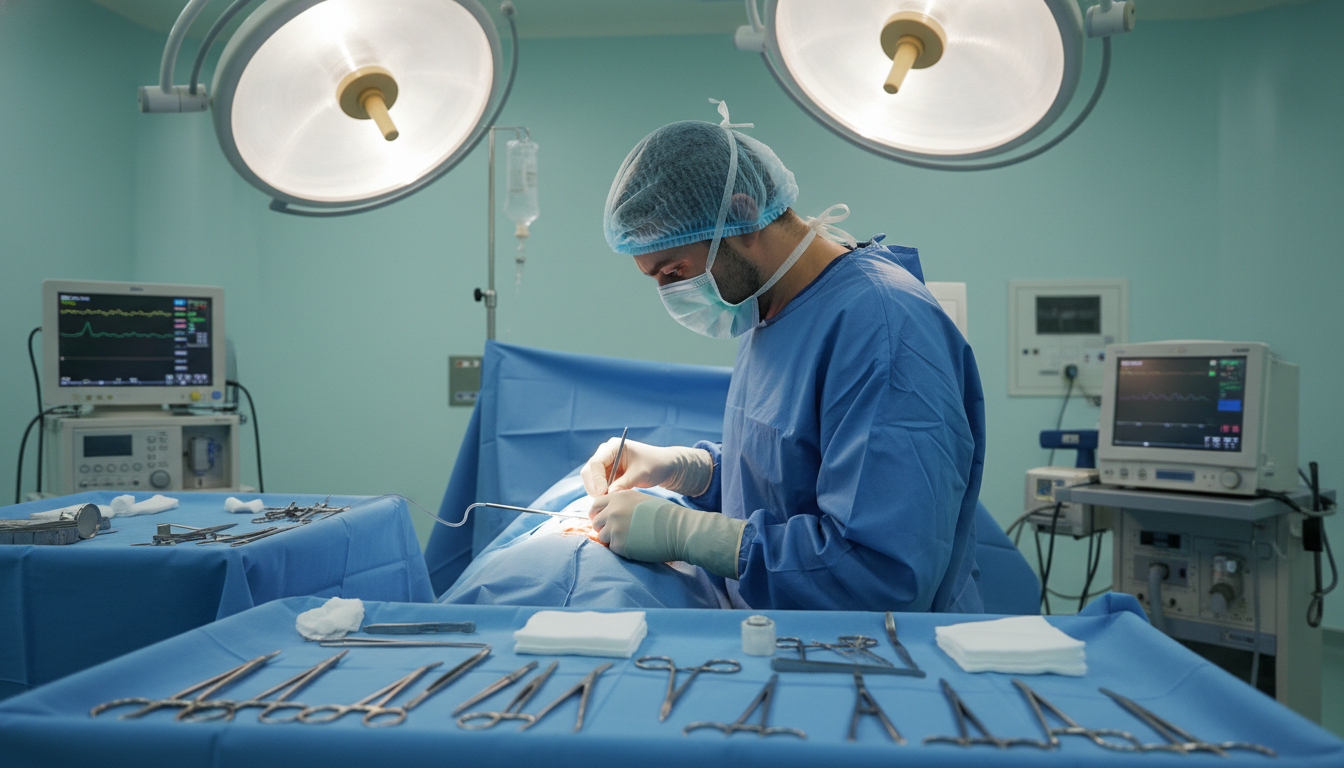
Turkey is becoming a top choice for people looking for quality medical care outside their home country. Many from the United States are picking this lively nation for their health needs. They are attracted by exceptional clinical standards and the chance to save money.
Lateral Internal Sphincterotomy Surgery is a key procedure for long-term anal fissures. Turkish clinics have top-notch facilities, matching those in North America. This ensures visitors get top treatment in a welcoming setting.
Deciding to travel for medical care is a big choice, needing trust in the healthcare team. Turkish doctors are known for their skill and focus on patient safety. This makes Turkey a reliable hub for proctological procedures. These clinics aim for patient comfort and success, making the journey smooth for overseas visitors.
Key Takeaways
- Turkey is a leading global destination for affordable and high-quality medical tourism.
- Patients from the United States benefit from advanced clinical facilities and expert medical staff.
- The procedure is recognised for its high success rate in treating chronic conditions.
- Turkish clinics prioritise patient safety and provide complete care packages for international visitors.
- Choosing to travel for specialised treatment allows patients to access premium care without long waiting lists.
Understanding Anal Fissures and the Need for Surgical Intervention
It’s important to know when symptoms change from acute to chronic. An anal fissure is a small tear in the lining of the anal canal. It’s often caused by hard stools or chronic constipation.
While many cases get better with basic care, some people face ongoing pain. This pain may need professional anal fissure treatment.
Pathophysiology of Chronic Anal Fissures
The main reason for chronic symptoms is internal sphincter hypertonia. When the anal canal tears, the internal sphincter muscle tightens. This tightness cuts off blood flow, stopping the wound from healing.
The muscle staying tight makes the fissure deeper and harder to heal. This creates a cycle where pain causes more spasms, and spasms stop the tissue from healing. Over time, a sentinel pile or skin tag forms at the injury site.
When Conservative Treatments Fail
First, doctors suggest changing your diet and using creams to relax the muscle. But these steps don’t work for everyone. If symptoms last more than six to eight weeks, it’s seen as chronic.
At this point, anal fissure surgery is often the best option. If other treatments don’t work, surgery can help. It aims to reduce pressure in the anal canal, letting the tissue heal without muscle tension.
The Role of Lateral Internal Sphincterotomy Surgery
When other treatments don’t work, doctors might suggest Lateral Internal Sphincterotomy Surgery. This is the top choice for those needing a lasting fix for chronic pain.
This surgery aims to fix the tension that stops healing. It targets the internal anal sphincter. This helps stop spasms and damage to the tissue.
Defining the Sphincterotomy Procedure
The sphincterotomy procedure is a detailed operation. It lowers the pressure in the anal canal. The surgeon makes a small cut in the internal anal sphincter muscle.
This muscle causes involuntary tightness, common in fissure patients. By cutting part of it, the surgeon makes the area more relaxed. This is key for healing the thin lining.
How the Surgery Relieves Anal Spasms
Chronic fissures often come from muscle spasms. LIS surgery stops these spasms by cutting the muscle.
With less pressure, blood flow gets better. This means more oxygen and nutrients for the fissure. The body can then heal the tissue naturally.
| Surgical Goal | Mechanism of Action | Expected Outcome |
|---|---|---|
| Muscle Relaxation | Partial sphincter division | Reduced resting pressure |
| Improved Healing | Increased blood flow | Fissure closure |
| Pain Management | Spasm interruption | Long-term relief |
Many patients see less pain after the surgery. The sphincterotomy procedure fixes the spasm problem. This helps improve their quality of life.
Why Turkey Has Become a Global Hub for Proctology
Turkey’s rise as a top spot for special surgeries is not by chance. It’s the result of years of focus on medical quality. The country has drawn patients worldwide looking for top-notch, yet affordable surgery. This has made Turkey a key place for those needing expert proctology care.
Advancements in Turkish Healthcare Infrastructure
Turkey has poured a lot of money into updating its healthcare. Now, its hospitals are equipped with top medical tech like in the US or Western Europe. These places are set up to make care smooth, from first tests to complex surgeries.
With digital health records and advanced imaging, doctors have all the info they need. This focus on infrastructure means patients get quick, reliable, and modern care. Such efforts have cut down waiting times and boosted surgery results.
Accreditation Standards for Turkish Hospitals
Turkey keeps its top medical spot by sticking to strict accreditation. Many top hospitals have JCI certifications. These standards mean every place meets high safety and quality checks.
By following these global rules, Turkish clinics offer clear and well-regulated care. Patients know their teams work in a safe, effective way. This commitment to quality is at the heart of Turkey’s medical tourism.
Evaluating the Expertise of Turkish Colorectal Surgeons
Turkish colorectal surgeons are known worldwide for their extensive education and skill. The expertise of your surgeon is key to your success. It’s important to understand the high standards of the Turkish medical system.
Training and Qualifications of Specialists
Becoming a colorectal specialist in Turkey is a challenging journey. Medical students study for six years before starting a tough residency. They learn about complex surgeries in the abdomen and pelvis.
Many surgeons also do fellowships in proctology and colorectal surgery. This keeps them up-to-date with the latest medical methods. Looking at a guide to choosing the right clinic can help you understand the standards.
The Importance of Board Certification in Turkey
Board certification is a key sign of quality and safety. In Turkey, the Turkish Surgical Association checks if surgeons meet high standards. This means they have passed tough exams and follow high ethical standards.
Always check a surgeon’s credentials before surgery. You can ask about their board status and procedure history. Transparency is a sign of a good clinic, and surgeons should be open about their qualifications.
Cost Analysis of Lateral Anal Sphincterotomy in Turkey
Choosing Turkey for your procedure means getting top-notch care at a lower cost. The cost of Lateral Internal Sphincterotomy Surgery is much less in Turkish medical centres. This makes planning your medical journey easier and more affordable.
Comparing Costs with the United States
In the United States, surgery costs a lot due to high fees and charges. Even with insurance, many face big bills. Turkish clinics, on the other hand, offer very competitive prices for the whole surgery.
Traveling for surgery can save you 50% to 70% compared to US prices. The quality of care in Turkey is high, meeting international standards. This makes Lateral anal sphincterotomy a good choice for those wanting relief without financial stress.
What is Typically Included in Surgical Packages
Turkish clinics offer detailed medical packages for international patients. These all-inclusive packages mean no surprise costs during your stay. They cover tests, surgeon fees, and theatre use.
These packages also include follow-up visits to check on your recovery. Some even offer local transport and a patient liaison for a smooth experience. Getting Lateral Internal Sphincterotomy Surgery through these packages means less worry, focusing on your health.
Preparing for Your Medical Journey to Turkey
Going for surgery in Turkey is a big decision. It needs careful planning. By preparing well, you can have a stress-free journey. If you’re just starting, a detailed medical tourism guide can help you choose the right place.
Initial Consultations and Remote Diagnostics
Talking to your clinic before you travel is essential. Top Turkish clinics offer video calls to discuss your health. This lets the team check your condition before you get there.
You’ll need to share your medical history and test results. Doing this early helps the surgeon plan your treatment. It also avoids delays when you arrive.
Logistics of Travel and Accommodation
After setting your surgery date, think about your trip details. Many patients use travel coordinators for flights and transfers. They make sure your arrival in Turkey is smooth.
Choosing where to stay is key for recovery. Look for places close to the clinic that are quiet and comfy. Planning your local transport helps avoid extra strain during your recovery.
The Surgical Experience in Turkish Medical Facilities
Patients going to Turkey for medical care find a commitment to rigorous safety standards and modern facilities. Turkish hospitals have invested in environments that meet the highest international standards. This ensures your procedure is handled with care and precision.
Pre-operative Assessments and Anaesthesia Protocols
Before surgery, you’ll go through a detailed assessment to check your physical readiness. This is key to reducing risks and making the procedure fit your health. Turkish medical teams review your medical history and do diagnostic tests.
The anaesthesia protocols are managed by highly qualified specialists who watch your vital signs closely. Here’s what you can expect during the pre-operative phase:
- A thorough physical examination to assess your current health status.
- Blood work and cardiac screening to ensure you are fit for sedation.
- A private consultation with your anaesthesiologist to discuss your medical history and any specific concerns.
- Clear instructions regarding fasting and medication management prior to the surgery.
Operating Theatre Standards and Technology
Modern Turkish hospitals use state-of-the-art technology for procedures. The operating theatres have advanced tools for minimally invasive techniques, leading to quicker recovery times. These facilities are kept sterile to prevent infection and ensure safety.
The staff in these theatres follow stringent international protocols for hygiene and excellence. Many clinics have global accreditations, showing they meet world-class safety standards. By choosing a reputable facility, you’re in the hands of professionals using the latest medical science for the best results.
Lateral Sphincterotomy Recovery and Post-Operative Care
After your surgery, it’s important to focus on your recovery. The procedure might be quick, but your body needs time to heal. Knowing about lateral sphincterotomy recovery will make your return to normal life easier.

Immediate Post-Surgical Expectations
When you wake up, the medical team will watch over you. They’ll check your vital signs. Most people feel less pain right away.
You might feel some soreness or numbness. This is normal as your body heals.
Your surgeon will give you a detailed care plan before you leave. It’s very important to follow these instructions. They help avoid problems and get the best results. You’ll be encouraged to move gently to help with healing.
“The secret of getting ahead is getting started, and the secret of healing is patience and consistent care.”
Managing Pain and Promoting Healing at Home
Managing pain is key to a smooth lateral sphincterotomy recovery. Your doctor will give you pain medicine. Taking it as directed is better than waiting for pain to get worse.
Here are some effective ways to help your healing at home:
- Sitz baths: Warm water baths can relax muscles and ease irritation.
- High-fibre diet: Eating lots of fruits, veggies, and whole grains makes stools soft, easing bowel movements.
- Hydration: Drinking enough water helps keep stools soft and aids in healing.
- Activity modification: Avoid heavy lifting or hard exercise for a few weeks to let the area heal.
By making these simple changes, you can improve your lateral sphincterotomy recovery. Being consistent is important. Most people can get back to their usual activities quickly if they stick to their care plan.
Potential Lateral Internal Sphincterotomy Risks and Complications
When thinking about surgery for chronic anal fissures, knowing the risks is key. This procedure is seen as the best treatment, but lateral internal sphincterotomy risks need to be understood. Talking openly with your surgeon helps you prepare for recovery.
Understanding Faecal Incontinence Risks
The biggest worry with this surgery is faecal incontinence. This is when you lose control over bowel movements or gas. It happens if the sphincter is too weak during the surgery.
Most people only have minor issues, like a bit of soiling or trouble with gas. These problems usually go away as you heal. Surgeons in Turkey check the muscle before surgery to keep risks low. Knowing these lateral internal sphincterotomy risks helps you make informed choices about your health.
Mitigation Strategies Employed by Surgeons
Doctors use precise techniques and tools to lower risks. They do a detailed check before surgery to find out who might face more problems. This way, they only cut the sphincter as much as needed for healing.
Today’s surgery aims to be very accurate to protect the anal canal. Doctors often use minimally invasive methods to harm less tissue. The table below shows how they manage risks during surgery.
| Risk Factor | Potential Impact | Mitigation Strategy |
|---|---|---|
| Faecal Incontinence | Minor to moderate | Precise muscle mapping |
| Post-operative Bleeding | Low | Strict haemostasis control |
| Wound Infection | Very low | Sterile theatre protocols |
| Recurrence | Minimal | Post-surgical follow-up |
By following these strict rules, Turkish medical places have high success rates. They keep lateral internal sphincterotomy risks very low. Patients can trust that they are in good hands.
Patient Satisfaction and Outcomes in Turkish Clinics
Patients from around the world praise the success of anal fissure surgery in Turkey. They say the care they receive is better than they expected. This is thanks to top-notch medical tech and a focus on the patient’s needs.
Analysing Success Rates for Chronic Fissures
Top Turkish hospitals show that anal fissure surgery works well for chronic cases. Doctors use precise methods to treat the problem without causing more harm. This careful approach helps many patients find lasting relief.
Most patients see a big drop in pain soon after the surgery. The surgery fixes the problem so the body can heal naturally. The success stories show the skill and dedication of Turkish surgeons.
Testimonials and Long-term Quality of Life
Real success is seen in how surgery changes a patient’s life. Many say anal fissure surgery lets them live without pain. They thank the caring staff for their support during recovery.
Long-term results are great, with few cases of the problem coming back. This is thanks to the doctors’ expertise and the supportive environment. Patients feel good about choosing Turkey for their treatment, leading to a better life overall.
| Metric | Pre-Surgery Status | Post-Surgery Outcome |
|---|---|---|
| Pain Levels | Severe/Chronic | Minimal/None |
| Daily Activity | Highly Restricted | Fully Restored |
| Patient Satisfaction | Low | Very High |
| Recurrence Rate | High (Conservative) | Very Low (Surgical) |
Navigating Language Barriers and Cultural Considerations
Good communication is key when you’re getting specialised medical care abroad. It’s not just about the surgery quality. Being able to share your worries and grasp your treatment plan is also important for your comfort.
Turkey has built a strong system to help international patients. This ensures language barriers don’t affect your care quality. Clinics make sure every patient is listened to, respected, and well-informed during their visit.
The Role of Patient Liaisons and Translators
In Turkey, top clinics have patient liaisons to help you. These experts connect you with the medical team, making sure you get all the details right.
Having a translator at your consultations is crucial for informed consent. It means you’ll know the surgery’s risks, benefits, and recovery fully. The perks of using these services include:
- Smooth organisation of your appointments and tests.
- Instant translation during talks, so you get all your questions answered.
- Help with paperwork, like hospital forms.
- Support to help you get around and recover safely.
Cultural Sensitivity in Medical Environments
Understanding the local culture can make your trip better. Turkish doctors are known for their warmth and hospitality. They often give patients extra care that goes beyond usual medical visits.
Clinics train their staff to be culturally aware. They know patients from abroad might have different privacy and care expectations. This effort helps reduce the stress of surgery in a foreign place.
By creating a respectful atmosphere, Turkish medical teams make sure you’re supported at every step. This focus on the human side of healthcare is why many choose Turkey for their surgeries.
Legal and Ethical Considerations for Medical Tourists
Choosing to have surgery abroad means you need to know about legal and ethical safeguards. Turkey’s healthcare system requires you to be proactive for your safety. Knowing the local laws helps you feel secure and focused on your recovery.

Understanding Patient Rights in Turkey
Turkey has strong laws to protect patients, including visitors. The Ministry of Health sets high standards. You have the right to know everything about your treatment before agreeing to it.
Hospitals and clinics must follow strict rules for patient safety. If you think your rights are not being respected, there are ways to complain. Make sure your chosen place is accredited by reputable bodies.
Insurance Coverage and Medical Liability
Medical tourism can be tricky because of insurance and liability laws. Most US health plans don’t cover elective surgeries abroad. Check your insurance and consider extra medical travel insurance.
It’s also key to understand medical liability across borders. Turkish law helps if something goes wrong, but it can be hard for non-residents. Keep all your medical records and documents. This helps protect you legally if problems occur.
Comparing LIS Surgery with Alternative Anal Fissure Treatments
Looking into anal fissure treatment means comparing quick fixes with lasting solutions. People often start with the least invasive options. But, chronic cases often need a more lasting fix to improve life quality.
It’s key to know the difference between relaxing muscles and fixing them mechanically. There are many treatments, but doctors often talk about how they tackle muscle spasms.
Botulinum Toxin Injections vs Surgical Sphincterotomy
Botulinum toxin injections, or chemical sphincterotomy, relax the internal anal sphincter. This method aims to ease pressure and help the fissure heal without surgery.
But, these injections’ effects are short-lived. When the toxin fades, muscle tension can return, causing symptoms again. On the other hand, lateral anal sphincterotomy makes a lasting change to fix the problem.
Comparing Efficacy and Recurrence Rates
When looking at anal fissure treatment success, recurrence rates are key. Studies show LIS surgery heals more often than non-surgical methods.
The sphincterotomy procedure is seen as the best option. It directly fixes the fissure’s cause. This reduces the chance of future fissures.
| Treatment Method | Primary Mechanism | Recurrence Risk |
|---|---|---|
| Botulinum Toxin | Temporary Muscle Paralysis | Moderate to High |
| LIS Surgery | Permanent Pressure Reduction | Low |
| Conservative Care | Symptom Management | Very High |
Choosing lateral anal sphincterotomy often means quicker recovery and better satisfaction. While non-surgical options are useful, surgery is often the best choice for long-lasting fissures.
Conclusion
Choosing surgery for chronic anal fissures is a big step towards a better life. Turkey is known for its top-notch medical care at affordable prices. It’s a great choice for those tired of living with pain.
Places like Acibadem Healthcare Group and Memorial Hospitals Group meet international standards. They offer state-of-the-art surgery, just like in the US.
Success comes from doing your homework and talking openly with your doctors. Make sure your surgeon is qualified and the clinic is accredited.
Planning your health journey carefully is key. Working with experts helps you make the right treatment choices.
Start looking into these global options now. Getting the right surgery can bring lasting relief and let you enjoy life again.
FAQ
Q: Why is Turkey increasingly becoming a preferred destination for lateral internal sphincterotomy surgery?
A: Turkey is known for its top-notch healthcare. It has many hospitals like Acıbadem Healthcare Group and Memorial Hospitals. These places are accredited by Joint Commission International (JCI), showing they meet high safety standards.
People from the UK and the US choose Turkey for its lower costs. They also get advanced surgery and care packages. These include tests before surgery and luxury stays.
Q: What exactly occurs during a lateral internal sphincterotomy (LIS) surgery?
A: The LIS surgery is for chronic anal fissures that don’t get better with other treatments. A small cut is made in the muscle inside the anus. This helps blood flow better, helping the fissure heal and easing pain.
Q: How does the cost of anal fissure surgery in Turkey compare to the United States?
A: Surgery in Turkey costs 50% to 70% less than in the US or UK. This includes the surgery, anaesthesia, tests before surgery, and medicines after. Despite being cheaper, the care is of the highest quality, using the latest technology.
Q: What should I expect during my lateral sphincterotomy recovery period?
A: Right after surgery, most people feel much less pain. The area might be sore for a few days. But most can start doing light things again in a week.
Doctors in Turkey give a detailed plan for recovery. This includes eating foods high in fibre, using stool softeners, and taking sitz baths. Following these steps is key to healing well.
Q: What are the possible lateral internal sphincterotomy risks I should be aware of?
A: There are some risks, like bleeding or infection. There’s also a small chance of losing control of bowel movements or passing gas. But Turkish doctors do a precise surgery to avoid these problems.
This careful approach means most patients do well and don’t have long-term issues with bowel control.
Q: How do I verify the credentials of a surgeon performing LIS surgery in Turkey?
A: Make sure your surgeon is certified and part of professional groups, like the Turkish Society of Colon and Rectal Surgery. Many top doctors in Turkey have also trained in Europe or the US. Ask about their experience with LIS and look at patient feedback.
Q: Is a sphincterotomy procedure more effective than Botulinum Toxin injections?
A: LIS surgery is seen as the best treatment for chronic anal fissures. It has a success rate over 90% and a low chance of the problem coming back. Botox might help for a short time or in some cases, but surgery is more reliable for long-term relief.
Q: Will language barriers affect my care during my medical journey to Turkey?
A: Top hospitals in Turkey are ready for international patients. They have patient liaisons and translators to help with communication. This makes sure you understand everything and get the care you need, from start to finish.
Related guides

Healthcare Content Compliance Guide for Growth
A high-performing treatment page can generate international patient inquiries within hours. It can also create material risk if…
Turkey Hospitals vs Local Hospitals Compared
A lower procedure quote can get a patient’s attention. It should not make the decision on its own.…

Patient Experience That Drives Trust and Growth
A patient who has already uploaded medical records, compared providers, and arranged time away from work is not…