
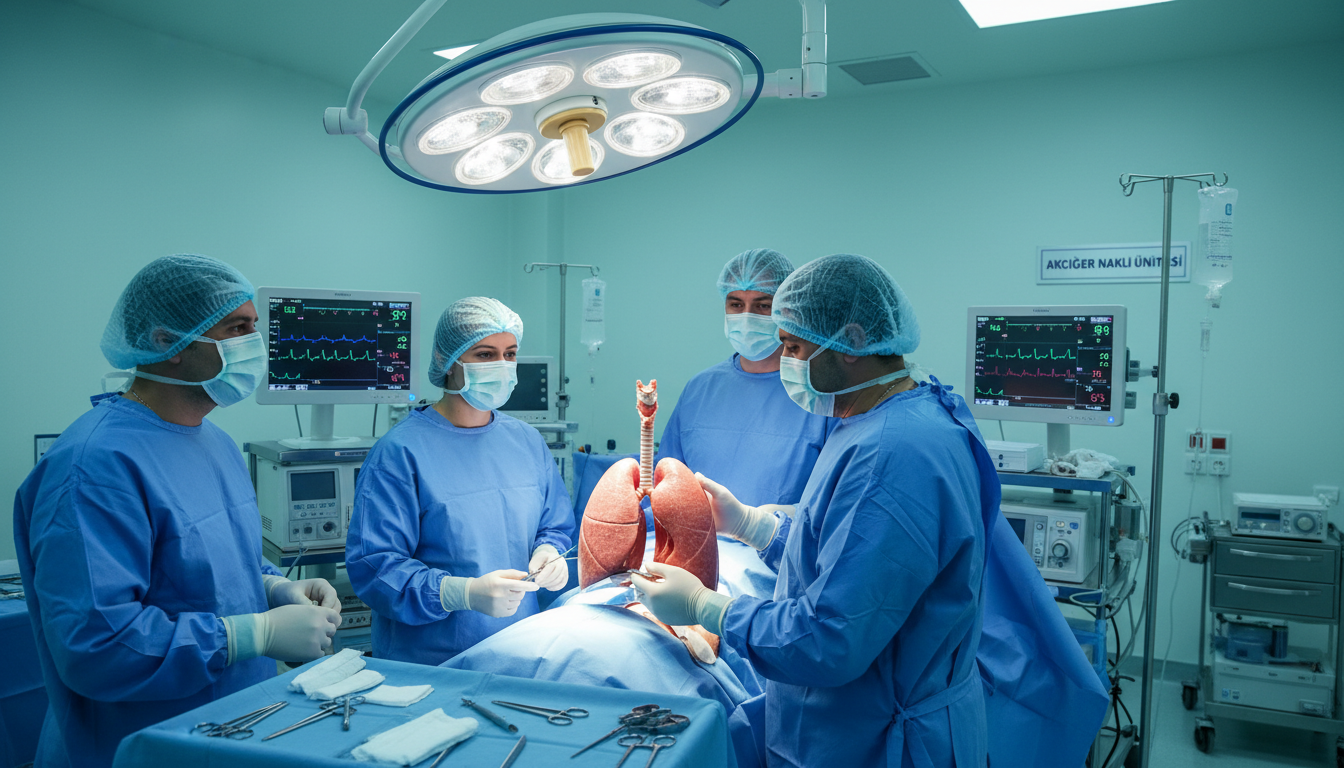
Turkey has quickly become a top choice for those looking for top-notch medical care. It now leads in complex thoracic surgeries, drawing people from the United States who need the best care.
Modern hospitals in Turkey have state-of-the-art facilities that match the West’s best. Patients get a smooth experience, backed by skilled doctors who focus on safety and quality.
Deciding on a lung transplant abroad needs careful thought about quality and ease of access. Luckily, Turkey’s healthcare system is strong for visitors, making sure every lung transplant is handled with great care and professionalism.
Key Takeaways
- Turkey offers world-class medical facilities for complex thoracic surgeries.
- International patients benefit from highly skilled surgeons and modern technology.
- The healthcare system prioritises safety and rigorous clinical standards.
- Accessibility for United States citizens is a major advantage of this medical hub.
- Comprehensive care programmes ensure a smooth recovery process for all patients.
The Evolution of Respiratory Surgery in Turkey
Modern medicine in Turkey has grown fast, making it a world leader in respiratory surgery. Over the years, Turkey has changed how it handles complex chest surgeries. This change shows its commitment to being among the best, like top hospitals in the US and Europe.
The growth of these medical services is thanks to big investments in research and training. Turkish hospitals have improved their skills by focusing on new surgical techniques. This focus means patients get care that’s both new and very effective.
Now, Turkey is a key place for people with long-term lung problems. The mix of cutting-edge technology and expert medical teams makes surgery easier. Patients get a smooth experience with care that’s both precise and caring.
The updates in these places have led to many medical advances. Turkish surgeons keep getting better at treating serious lung diseases. Their hard work makes Turkey a premier destination for complex chest surgeries.
Understanding the Lung Transplant Procedure
Learning about a lung transplant is key for those in need of life-saving care. This complex process involves swapping a sick lung with a healthy one from a donor. It’s a journey that helps restore vital breathing functions.
By understanding the lung procedure, patients can see the high standards of Turkish surgical teams.
Indications for Surgical Intervention
Not every respiratory problem needs surgery. Doctors carefully check if surgery is right for each patient. They look for signs that usual treatments have failed.
Some common reasons for a lung transplant include:
- Advanced chronic obstructive pulmonary disease (COPD)
- Severe idiopathic pulmonary fibrosis
- Cystic fibrosis with declining lung function
- Pulmonary hypertension that is unresponsive to medication
Types of Lung Transplantation Techniques
The type of surgery depends on the patient’s condition and health. Doctors choose between a single or double lung procedure. Each method needs great skill to ensure a smooth integration of the new lung.
The main surgical methods are:
- Single Lung Transplantation: Suitable for those with pulmonary fibrosis, it replaces one lung.
- Double Lung Transplantation: Often chosen for cystic fibrosis or severe infections, it replaces both lungs to prevent infection spread.
- Heart-Lung Transplantation: A rare option for those with severe heart and lung failure at the same time.
The medical team picks the best method to improve the patient’s life. This personalised approach ensures each patient gets the best care for their recovery.
The Complete Lung Transplant Evaluation Process
The path to a successful lung transplant starts with a detailed medical check-up. This thorough transplant evaluation makes sure each candidate is ready for the surgery’s challenges. It helps spot risks early, allowing for better care plans for the future.
Clinical Assessments and Diagnostic Testing
Patients must pass a series of tests before they can be on the waiting list. These tests check if they’re a good match for the surgery and can handle its stress. Experts focus on key areas:
- Pulmonary function tests to see how well the lungs work.
- Cardiac evaluations, like echocardiograms and stress tests, to check the heart.
- Comprehensive blood work and imaging, such as CT scans, to find any hidden problems.
- Nutritional assessments to make sure the patient has enough strength for recovery.
Psychological and Social Support Screening
The mental and emotional readiness of a patient is also key. A lung transplant means a big change in life, needing ongoing medication and lifestyle changes. The team looks at the patient’s support system to make sure they have help at home.
Psychological tests find any issues with following treatment. This transplant evaluation phase checks if patients can handle the stress of recovery. Strong social support is vital for a successful recovery after surgery.
Navigating the Donor Match System in Turkey
Turkey has a clear and fair system for organ transplantation. It makes sure everyone gets the care they need. This approach has made Turkey known for its safe and fair transplant medicine.
Organ Allocation Protocols and Ethics
The way organs are given out follows strict rules. These rules make sure it’s fair and based on who needs it most. A good donor match is found through a detailed database. It checks if the organ and the patient are a good match.
The Ministry of Health watches over this system. It makes sure everything is open and fair. The main rules are:
- Medical Urgency: Those who need it most get it first.
- Biological Compatibility: Tests are done to lower the chance of rejection.
- Ethical Oversight: Boards check everything to follow global standards.
Managing Waiting Lists for International Patients
Patients from abroad looking for organ transplantation in Turkey face special rules. They need to work with approved medical centres. These places help with the legal and travel parts.
Before a donor match, patients should do a few things:
- Get their medical records checked by a local team.
- Follow the rules for international donors.
- Plan their travel to be ready for surgery quickly.
Professional help makes things easier. Following these steps helps international patients get top-notch care. This care is both ethical and excellent.
Advanced Medical Infrastructure and Technology
The success of complex lung transplants in Turkish hospitals depends on their advanced medical setup. These facilities have invested in cutting-edge technology to give patients top care at every stage. They focus on innovation, creating a safe space for complex surgeries.
State-of-the-Art Surgical Theatres
Turkish hospitals have modern surgical theatres for thoracic transplantation. These rooms use advanced robotic systems and high-definition imaging. This allows surgeons to work with great precision. They use minimally invasive techniques to reduce trauma and speed up healing.
These technologies bring many benefits for the surgical team and the patient:
- Enhanced visualisation through high-resolution 3D monitors.
- Robotic-assisted platforms that improve dexterity during delicate tissue manipulation.
- Real-time physiological monitoring systems that track vital signs throughout the operation.
- Sterile environments maintained by advanced air filtration systems to minimise infection risks.
Specialised Intensive Care Units for Transplant Recipients
After surgery, patients go to special ICUs for transplant recovery. These units are run by highly trained specialists who focus on transplant patients. The environment is carefully controlled to help the body adjust to the new organ.
The ICUs have state-of-the-art life support systems and constant monitoring. This lets the medical team quickly spot and fix any issues. With advanced tech and constant vigilance, these units are key to patient safety and recovery.
The Role of Multidisciplinary Medical Teams
In modern Turkish hospitals, a team of doctors from different fields is key to top-notch respiratory care. They work together to make sure each patient gets a comprehensive treatment plan that fits their needs. This teamwork leads to better communication and quicker decisions during the transplant process.
Expertise of Pulmonologists and Thoracic Surgeons
The heart of the transplant programme is the skill of pulmonologists and thoracic surgeons. Pulmonologists keep an eye on the patient’s breathing before surgery, finding the best time for it. They team up with surgeons to check lung health and pick the best surgery for each patient.
Thoracic surgeons are experts in the operating room. They make sure the surgery is done safely and well. They watch over the patient to lower risks and boost chances of a good outcome.
Coordinated Care from Anaesthesiologists and Physiotherapists
Anaesthesiologists are key in keeping patients stable during surgery. They use special tools to watch over vital signs and keep patients comfortable. They also help in the ICU with pain and breathing support.
Physiotherapists are important in getting patients back on their feet after surgery. They create exercise plans to help patients get stronger and breathe better. This teamwork helps patients move smoothly from surgery to recovery.
| Specialist Role | Primary Responsibility | Impact on Patient |
|---|---|---|
| Pulmonologist | Pre-operative assessment | Optimised health status |
| Thoracic Surgeon | Surgical intervention | Successful organ integration |
| Anaesthesiologist | Intra-operative safety | Stable vital functions |
| Physiotherapist | Post-operative rehabilitation | Improved lung capacity |
Post-Transplant Care and Long-Term Management
The journey to recovery starts right after surgery. It’s a lifelong commitment. High-quality post-transplant care is key to ensure the new organ works well and the patient gets stronger. The medical team and the patient work together to manage the healing process.
Immediate Recovery Protocols
Patients go to a special intensive care unit after surgery. The medical team watches their vital signs, oxygen levels, and lung function all the time. This transplant recovery phase is very important to catch any early problems.
Physiotherapists start working with patients right away. They help with deep breathing and gentle movements. These exercises are important to prevent pneumonia and help the body adjust to the new lung. Early mobilisation is key to the success of the transplant.
“The success of a transplant is not just in the surgery itself, but in the diligent, day-to-day management that follows for the rest of the patient’s life.”
Immunosuppressive Therapy Regimens
To stop the body from rejecting the new organ, patients must follow a strict immunosuppressive therapy plan. These drugs weaken the immune system, but it’s necessary to keep the graft working. Taking these drugs on time is the most important thing for long-term lung transplant success.
Patients learn a lot about the importance of timing and dosage. Missing a dose can be very dangerous. So, regular blood tests and doctor visits are a must. Here’s a table showing the main health focus areas after a lung transplant:
| Focus Area | Primary Goal | Patient Responsibility |
|---|---|---|
| Medication Adherence | Prevent Rejection | Strict daily schedule |
| Clinical Monitoring | Early Detection | Regular blood tests |
| Lifestyle Habits | Immune Support | Infection prevention |
In the end, post-transplant care is a team effort. By sticking to these plans, patients can live a better life and stay healthy for a long time.
Managing Possible Lung Transplant Complications
Getting a lung transplant is a big step towards a new life. But, it’s important to watch out for possible problems. The journey to recovery is a team effort between the patient and doctors. This ensures the new lung works well.
By knowing what to do, patients can keep their health in check. This helps them live longer and better.

Early Signs of Lung Rejection
The body might see the new lung as a foreign object. This can cause lung rejection. Spotting the signs early is key to keeping the lung working well for a long time.
Patients learn to check their health every day. They must tell their doctors right away if they notice anything different.
Signs that need quick doctor visits include:
- A constant, unexplained fever or chills.
- Getting breathless or struggling to breathe more than usual.
- A drop in spirometer readings at home.
- Feeling very tired or generally unwell.
Strategies for Infection Prevention
Because of the medicines to stop rejection, patients are more at risk of getting sick. To avoid lung transplant complications, keeping clean and taking medicine as directed is important. Doctors give detailed advice to help patients stay safe.
Good ways to stay healthy include:
- Always taking the medicines as told.
- Washing hands often and staying away from sick people.
- Keeping a clean home to avoid germs.
- Going to all check-ups for blood tests and scans.
Talking regularly with your doctors is the best way to manage your recovery. By sticking to these steps, patients can lower the chance of problems. This helps them live a fuller life.
Patient Experience and Personalised Care
Turkish healthcare providers focus on making patients feel at ease. They know a lung transplant is a big change. So, they offer holistic support to make sure patients feel safe and valued.
Language Support and Cultural Considerations
Good communication is key for trust between doctors and patients. Top transplant centres in Turkey have special teams for international patients. They offer seamless translation services in many languages.
Staff get training to understand and respect different cultures. This makes sure patients feel heard, valued, and at ease during their treatment.
“The true measure of a healthcare system is not just in its clinical success, but in the dignity and comfort it provides to every individual under its care.”
Logistics for International Patients Travelling to Turkey
Going to another country for surgery can be scary. Turkish hospitals help a lot with this. They offer visa application support to make things easier for patients and their families.
Hospitals also help with other things:
- Airport transfers in private cars for patients and their families.
- Tailored accommodation options, from hospital rooms to serviced apartments for recovery.
- Dedicated case managers for all non-medical needs during the stay.
By handling these details, Turkish hospitals let patients focus on getting better. This personalised attention is what makes Turkish healthcare stand out. It makes the whole experience smoother.
Success Rates and Clinical Outcomes
Looking at lung transplant success means checking survival rates and how well patients can live their daily lives. Turkey has put a lot of effort into its medical setup. This effort helps surgeons achieve results that match the best in the world. By looking at these results, patients can make choices based on facts about Turkish transplant programs.
Analysing Survival Statistics
Lung transplant survival rates in Turkey show a strong focus on careful planning and after-care. Many places in Turkey have survival rates as good as top hospitals in the US and Europe. This is thanks to a thorough selection process and the skill of medical teams.
The Turkish healthcare system values clear, data-based information. Patients can look at reports from different centres. These reports show survival chances at one and five years. This clear information helps patients understand the risks and the chance for a good recovery.
“The true measure of a successful transplant is not merely the survival of the organ, but the restoration of the patient’s ability to engage fully with the world around them.”
Quality of Life Improvements Post-Surgery
The main goal of a lung transplant is to improve a patient’s life quality. After surgery, most people see a big boost in their breathing. This lets them do things they couldn’t before because of lung disease.
Patients often feel more energetic and need less oxygen. Physical rehabilitation programs are key in this process. They help patients get stronger and more confident. Turkish medical centres focus on both physical and mental recovery. This way, patients can live better after surgery.
Financial Considerations for International Patients
Planning for international lung transplantation involves looking at costs and care needs. Patients need to consider not just the surgery but also ongoing care. When choosing a medical destination, knowing the total cost is key for a smooth recovery.
Cost Comparison with United States Healthcare
Many patients choose Turkey for its lower costs. In the US, lung transplant costs can be very high. This includes pre-op tests, the surgery, and post-op care.
In Turkey, you get quality care at a lower price. This means your budget can cover the surgery and more. You might get top-notch accommodation and support that’s hard to afford elsewhere.
| Service Category | United States Estimate | Turkey Estimate |
|---|---|---|
| Surgical Procedure | Very High | Competitive |
| Hospital Stay | Premium Daily Rates | Inclusive Packages |
| Follow-up Care | Variable/High | Optimised Value |
Insurance and Payment Pathways
Dealing with money matters means looking at different payment options. Some international insurance might cover care abroad. But, it’s important to check your policy before you go.
Many choose to pay themselves, thanks to Turkey’s clear medical packages. These include the surgery, anaesthesia, and early recovery. Talking to the hospital’s international team helps set up a payment plan that fits your budget.
Legal and Ethical Frameworks for Organ Transplantation
Patients looking for surgery abroad often want to know if it’s legal and ethical. Turkey has strict laws and rules for organ transplantation. This makes it a safe choice for many.
Regulatory Oversight by the Ministry of Health
The Turkish Ministry of Health watches over all medical facilities. They make sure every place follows strict rules. This includes the whole organ transplantation process, from finding a donor to aftercare.
This strict control means hospitals are accountable. It helps protect patients’ rights and health, no matter where they’re from.
Ensuring Transparency in Medical Practices
Transparency is key in Turkey’s healthcare. It builds trust between doctors and patients from abroad. It’s wise to check the doctor before any treatment.
Hospitals must be open about the risks and benefits of organ transplantation. This honesty helps patients make informed choices. Turkey’s strong laws give patients the peace of mind they need.
Conclusion
Your journey to better breathing starts with smart choices and expert advice. Turkey has top-notch medical care, skilled surgeons, and affordable treatments for lung transplants.
Finding the right place for your treatment means doing your homework. Look for clinics that focus on safety and clear communication. Getting help from specialised medical tourism support makes navigating international healthcare easier.
It’s important to talk to doctors who know what you need. Being proactive helps you get the best care during your recovery. Choosing a trusted centre in Turkey means a better chance at a successful transplant and a better life. Begin your journey to health by contacting experienced medical teams who can support you.
FAQ
Q: What does the lung transplant evaluation involve for international patients in Turkey?
A: The transplant evaluation is a detailed process to check if a patient can have surgery. At places like the Acıbadem Healthcare Group, it includes many tests. These tests check the heart and lungs, and also the mind to see if the patient is ready for the transplant.
Q: How is a donor match determined within the Turkish healthcare system?
A: The Turkish Ministry of Health oversees the matching process. It looks at how sick the patient is, their blood type, and how well the organs will fit. This fair system makes sure the transplant goes to those who need it most.
Q: What are the primary techniques used during a lung procedure in Turkey?
A: Surgeons in Turkey use different methods for lung transplants. They might do one or both lungs, depending on the patient’s needs. Modern surgery uses new techniques and technology to make the process safer and more precise.
Q: What can I expect during the transplant recovery phase?
A: After surgery, patients stay in a special care unit. A team of doctors and nurses watch over them closely. Then, they start physical therapy and take medicine to keep their new lungs healthy.
Q: How are lung transplant complications and lung rejection managed?
A: Doctors teach patients how to spot problems like lung rejection. They watch for signs like trouble breathing. Regular check-ups help catch and treat any issues early on.
Q: Is the post-transplant care provided in Turkey equivalent to Western standards?
A: Yes, Turkey’s care after transplant meets and often goes beyond what’s expected worldwide. Places like Memorial Healthcare Group offer full support. They work together to keep the patient healthy long-term.
Q: Are there specific legal frameworks governing organ transplantation for foreigners?
A: Turkey has strict laws and ethics for organ transplants. The Ministry of Health makes sure everything is done right. This includes being open and fair, following international rules to avoid any wrong doing.
Related guides

Healthcare Content Compliance Guide for Growth
A high-performing treatment page can generate international patient inquiries within hours. It can also create material risk if…

Turkey Hospitals vs Local Hospitals Compared
A lower procedure quote can get a patient’s attention. It should not make the decision on its own.…

Patient Experience That Drives Trust and Growth
A patient who has already uploaded medical records, compared providers, and arranged time away from work is not…