
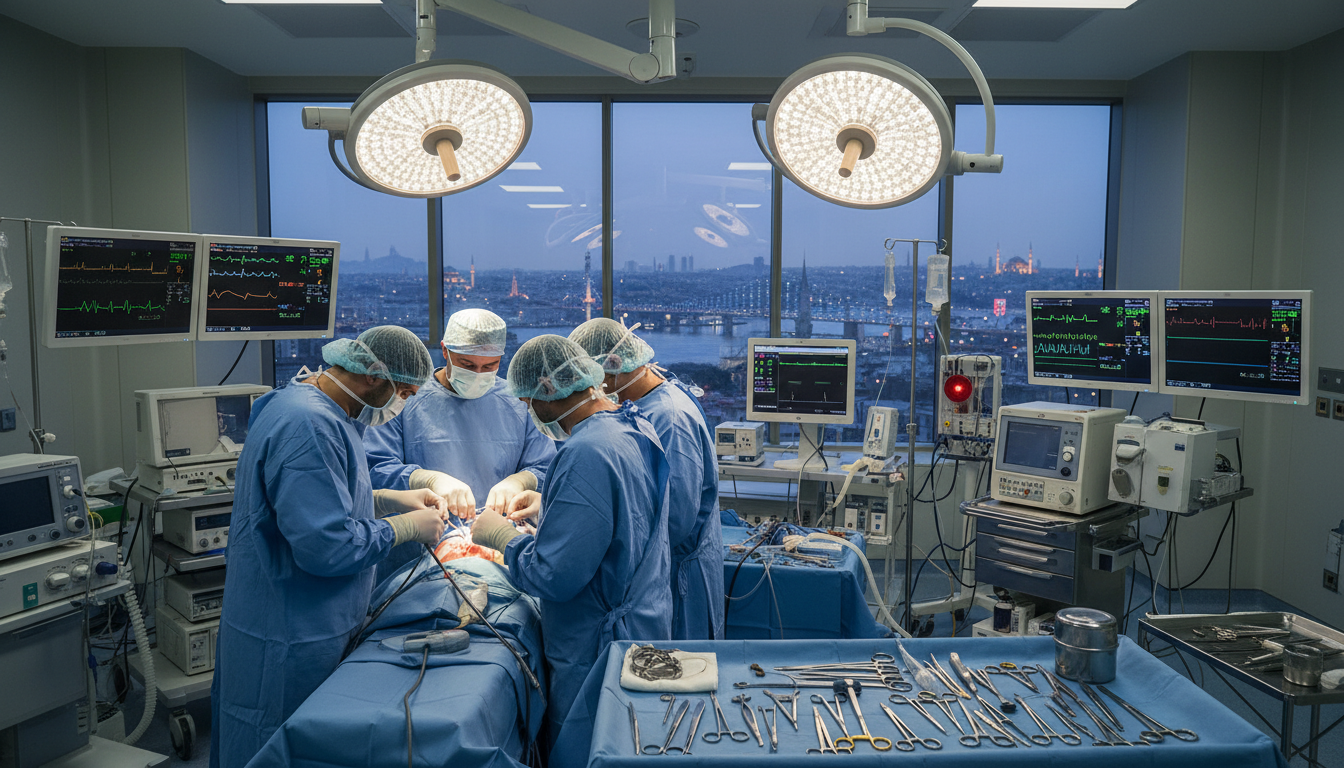
Medical tourism has changed how people get life-saving heart care worldwide. Many now look abroad for advanced heart failure treatments. They want better results and shorter waits.
Turkey is a top spot for top-notch medical care. It has the latest technology and a skilled team. This makes it ideal for complex surgeries like LVAD Surgery.
People choose Turkish medical centres for their clinical excellence and safety. These places offer full support. They make sure every part of recovery is well-managed.
Going for this option can be a life-changing decision for those with chronic heart issues. Turkey’s focus on quality sets a high standard for heart care globally.
Key Takeaways
- Turkey is a leading hub for international patients seeking specialised cardiac care.
- Modern medical centres provide world-class facilities for complex heart procedures.
- Patients benefit from shorter waiting times compared to many other nations.
- High standards of clinical practice ensure optimal safety for every individual.
- Advanced technology supports successful outcomes for those requiring heart assistance.
- Professional medical teams offer dedicated support throughout the entire treatment journey.
Understanding Advanced Heart Failure and the Role of LVAD Surgery
When the heart muscle weakens a lot, it can’t pump blood well. This leads to a poor quality of life and constant tiredness. For many, Left Ventricular Assist Device Surgery is a lifesaver. It helps the heart when it needs mechanical help to work.
The Physiology of Heart Failure
Heart failure means the heart can’t pump enough blood. The left ventricle, the main pumping part, struggles. The body tries to help by changing hormones and structure, but this can harm the heart more.
Patients often feel very tired and short of breath. They might also have swelling and need to go to hospital often.
When Medication is No Longer Sufficient
Doctors first try to help with medicines like diuretics and beta-blockers. These drugs help the heart work less hard and manage fluids. But, there’s a limit to how much they can help.
When medicines don’t work, surgery is needed. Left Ventricular Assist Device Surgery is then considered. It can help the heart recover, prepare for a transplant, or manage the condition long-term.
How a Left Ventricular Assist Device Functions
A Left Ventricular Assist Device (LVAD) is a mechanical pump for the heart. It takes blood from the left ventricle and sends it to the aorta. This way, the blood gets to the body’s organs.
The device has a pump, a driveline, and an external controller. It takes over the heart’s job, letting it rest. This improves the patient’s energy and ability to do daily tasks.
Why Turkey Has Become a Global Hub for Cardiac Surgery
Turkey’s rise in medical tourism is not by chance. It’s the result of years of careful planning. The country has focused on healthcare innovation, making it a premier destination for complex heart surgeries. This success comes from top-notch facilities and a strong culture of medical excellence.
Investment in Modern Medical Infrastructure
Turkey has spent billions on its healthcare, building massive, high-tech hospitals. These places have the latest in diagnostic tools, robotic surgery systems, and advanced ICUs. This significant capital expenditure means surgeons have the best technology.
These hospitals also focus on patient comfort. From the start, they aim to support recovery and comfort. This focus on infrastructure leads to better results in complex surgeries like LVAD implantation.
Accreditation and International Standards in Turkish Hospitals
Patient safety is key in Turkey’s medical system. Many top hospitals have the Joint Commission International (JCI) accreditation, the top mark for healthcare quality. This shows they follow strict safety and clinical standards.
By meeting international standards, Turkish hospitals offer care on par with or better than Western countries. Regular checks and stringent quality control measures ensure precise procedures. Patients can trust their treatment follows the best global practices.
The Expertise of Turkish Cardiac Surgeons
Turkey’s cardiac programme shines because of its skilled surgeons. They’ve had extensive training in Europe and the US. This global experience lets them bring new surgical techniques back home.
These surgeons do a lot of complex heart surgeries, more than many others. Their depth of experience is key in managing advanced heart failure. The table below shows what makes Turkish cardiac care stand out.
| Feature | Turkish Standard | Global Benchmark |
|---|---|---|
| JCI Accreditation | Widely Adopted | Standard Requirement |
| Surgical Training | International Fellowships | Specialised Residency |
| Technology Access | Latest Generation | Modern Equipment |
| Patient Safety | Rigorous Protocols | High Compliance |
The LVAD Procedure: What Patients Can Expect
Patients often worry about surgery, but knowing what to expect can ease their minds. Learning about the process helps clear up any confusion. It shows that medical teams follow strict standards to care for each patient well.
Pre-operative Assessment and Diagnostic Testing
Before starting the LVAD procedure, a detailed check-up is needed. This includes tests like echocardiograms and blood work. These steps help the team understand the heart’s condition and any possible risks.
Doctors also check the patient’s overall health and how well their organs are working. This careful planning is key to success. It ensures the surgery is tailored to the patient’s needs. Good communication builds trust between the patient and the medical team.
The Surgical Implantation Process
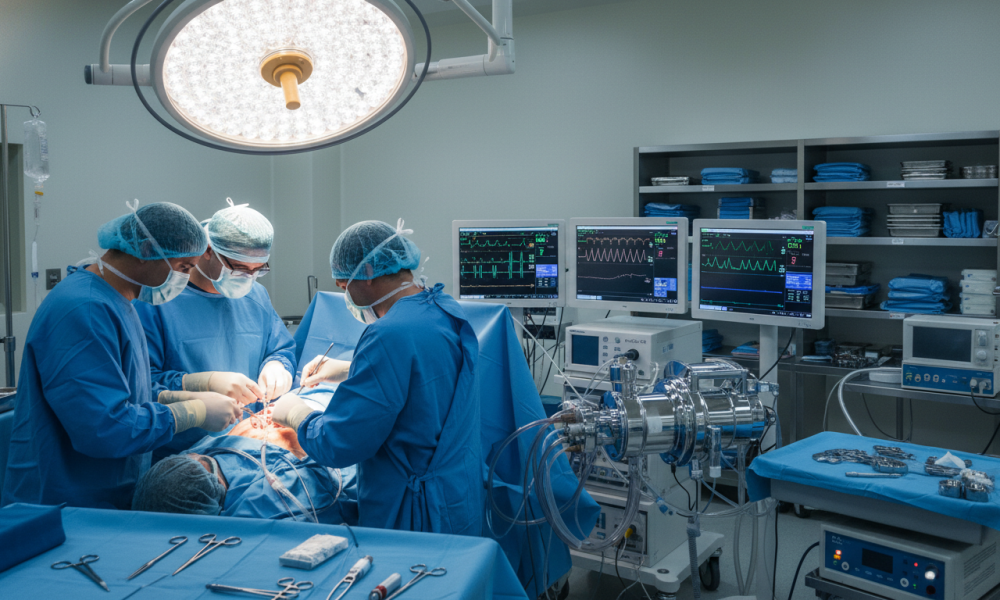
The LVAD implantation is a detailed operation done by skilled surgeons. The device is connected to the heart to help with blood flow. The surgeon makes sure it’s placed right for the best support.
Thanks to modern methods, this surgery is safer and more efficient. The team works with great care to make sure everything is secure. This is what makes advanced cardiac centres in Turkey stand out.
Anaesthesia and Intraoperative Monitoring
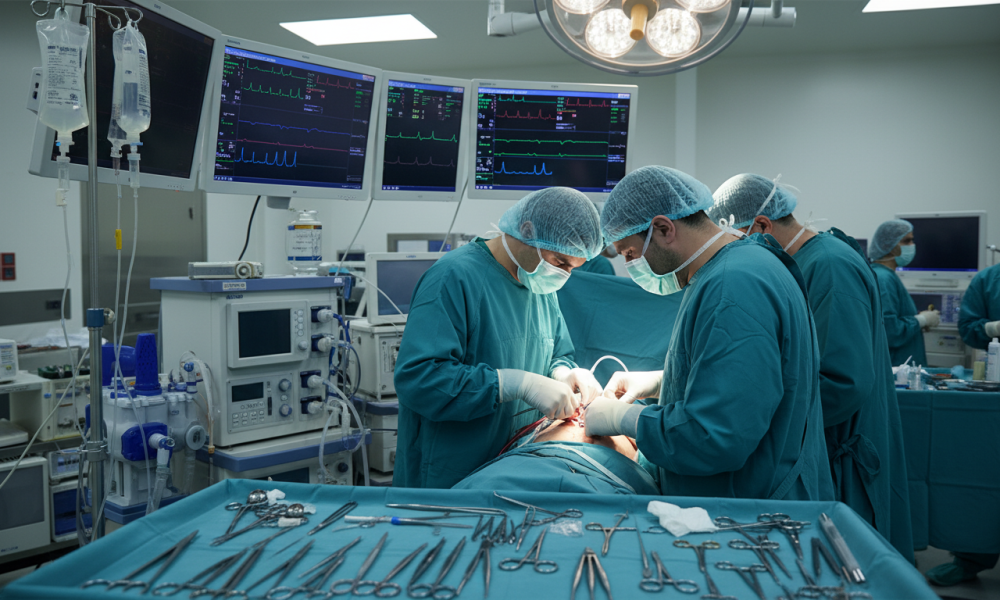
Keeping the patient safe is the main goal during the LVAD procedure. Anaesthesiologists manage the patient’s sedation and vital signs. They watch blood pressure, oxygen levels, and heart rhythm closely.
Advanced technology lets the team keep a close eye on the patient’s condition. This is critical for managing risks and acting fast if needed. By keeping these high standards, the team makes sure the patient is comfortable and safe during the surgery.
Comparing LVAD Surgery Costs in Turkey versus the United States
Looking at the cost of heart treatments in the US and Turkey shows big price differences. For many, the LVAD surgery cost is a big factor in choosing treatment. Knowing these price gaps is key when choosing a place for medical care that’s both good and affordable.
Breakdown of Surgical Expenses
The cost of LVAD surgery includes many parts. In the US, these costs include high hospital fees, doctor fees, and the cost of the device. Turkish hospitals often offer a package deal, which can save a lot of money without losing quality.
| Expense Category | United States | Turkey |
|---|---|---|
| Surgical Procedure | High | Moderate |
| Hospital Stay | Premium | Competitive |
| Device Technology | Standard | Standard |
Hidden Costs and Financial Planning for Medical Tourists
There are extra costs after surgery, like travel and staying in a hotel. You also might need to pay for local transport. Good financial planning means making a detailed budget for all these costs to avoid surprises.
It’s smart to have some extra money for unexpected medical needs or longer stays. Even with these extra costs, the total LVAD surgery cost is often lower than in the US. Doing thorough research on the total cost is important for your peace of mind.
Insurance Considerations for International Patients
Dealing with insurance for surgeries abroad can be tricky. Most US insurance doesn’t cover LVAD surgery done overseas. You should talk to your insurance early to see if they can help with costs.
- Check if your policy covers medical care abroad.
- Ask for a pre-authorisation for any planned surgeries.
- Talk to a financial advisor who knows about medical tourism to find payment plans.
Being clear with international billing is important. Make sure you get a detailed invoice before you pay. By being proactive, you can focus on getting better.
Navigating LVAD Complications and Risk Management
Life-saving heart pumps come with their own set of challenges. It’s important for patients to know about LVAD Surgery Risks. This knowledge helps ensure a smooth recovery.
Common Post-operative Challenges
The first few days after surgery are key. Doctors in Turkey watch closely for bleeding, heart rhythm problems, or brain issues. These can happen as the body gets used to the pump.
Spotting these LVAD Complications early is critical. This way, doctors can fix small problems before they get worse.
Infection Prevention and Site Care
The driveline is a main spot for bacteria to enter. Keeping it clean is the best way to fight off infections.
Patients learn how to clean the exit site properly. This helps avoid irritation and lowers the chance of long-term problems.
Long-term Monitoring and Device Maintenance
Managing a heart pump means regular check-ups. These visits help doctors see how the device is working. They can also adjust it as needed.
It’s also important to keep the batteries and controllers in good shape. Patients are advised to track their device’s status. This helps doctors mitigate LVAD Surgery Risks over time.
| Risk Category | Primary Prevention Strategy | Monitoring Frequency |
|---|---|---|
| Infection | Daily sterile dressing changes | Weekly clinical review |
| Device Malfunction | Battery and cable checks | Continuous remote monitoring |
| Clotting Issues | Strict anticoagulation therapy | Monthly blood work |
The Importance of Personalised LVAD Recovery Plans
A tailored recovery plan is key to success after heart surgery. Every patient is different, so a personalised approach is vital. A good LVAD recovery plan changes as you heal.
Immediate Post-surgical Rehabilitation
Your journey starts in the intensive care unit. Here, doctors watch your device and health closely. The first goal is to make your heart stable and the device work well.
Early mobilisation helps avoid blood clots and breathing problems. Your team will manage your meds and wound care to help you heal fast. This is a critical time for your LVAD recovery.
Physical Therapy and Cardiac Conditioning
When you’re stable, physical therapy starts. It’s important to build your strength and get used to the device. Gradual activity helps you regain independence and improve your life quality.
Your physiotherapist will create a plan that suits you. Regular sessions are key for a successful LVAD recovery. These exercises boost your stamina and heart health over time.
Psychological Support for Patients and Families
Life with a heart assist device can be tough for patients and families. Professional psychological support helps manage stress and anxiety. Mental well-being is as important as physical health during recovery.
It’s also important to support family members. Counselling helps everyone adjust to lifestyle changes. This focus on emotional health strengthens your LVAD recovery journey.
| Recovery Phase | Primary Focus | Expected Outcome |
|---|---|---|
| Acute Phase | Clinical Monitoring | Haemodynamic Stability |
| Intermediate Phase | Physical Therapy | Increased Mobility |
| Long-term Phase | Lifestyle Integration | Improved Quality of Life |
Selecting the Right Cardiac Centre in Turkey
Finding a good cardiac centre in Turkey needs careful research. LVAD Implantation is a complex procedure. You must choose a place that puts patient safety and clinical excellence first.
Evaluating Hospital Success Rates
Look for clear data on the hospital’s surgical outcomes. Top centres share their success rates for heart surgeries. This gives you valuable insight into their skills.
Ask for specific stats on long-term recovery and managing complications. A confident hospital will share this info with you.
The Role of Multidisciplinary Medical Teams
Good heart care needs a team of specialists working together. A leading hospital has a multidisciplinary team. This includes cardiologists, cardiac surgeons, anaesthesiologists, and nurses.
This team ensures your LVAD Implantation is managed by experts. They create a treatment plan that fits your health needs.
Communication and Language Support for International Patients
Clear communication is key for your safety and peace of mind. Make sure the hospital has patient coordinators who speak your language.
These coordinators help you understand your LVAD Implantation. They ensure no misunderstandings, making your journey in Turkey smoother.
Technological Advancements in Modern LVAD Implantation
The world of heart care is changing fast thanks to new tech. These advances have made Left Ventricular Assist Device Surgery safer and more effective. They bring hope to those with serious heart problems.
Evolution of Device Design and Durability
Old mechanical pumps were big and often broke down. Now, we have smaller, more durable pumps. They are designed to last for years.
These new pumps use magnetic levitation to cut down on wear and tear. This means they last longer and need less upkeep. Patients can count on them more.
Minimally Invasive Surgical Techniques
Doctors are now using smaller cuts for Left Ventricular Assist Device Surgery. This makes the surgery less harsh on the body.
These new methods mean patients can get back home faster. They also lower the chance of complications like bleeding or infection.
Remote Monitoring Capabilities for Patients
Digital health tools have changed how doctors check on devices. Patients can now have their heart and pump status watched from afar.
This constant data flow lets doctors spot problems early. It gives patients peace of mind, knowing their health is being closely watched, even when they’re at home.
| Feature | Traditional Devices | Modern Devices |
|---|---|---|
| Pump Size | Large and Bulky | Compact and Streamlined |
| Bearing Type | Mechanical Bearings | Magnetic Levitation |
| Monitoring | In-person Visits Only | Remote Digital Tracking |
| Recovery Time | Extended Hospitalisation | Reduced Recovery Period |
Logistics for International Patients Travelling to Turkey
Planning your travel and recovery is key to a successful medical trip. When you choose to have an LVAD procedure in Turkey, arranging your travel is as vital as the surgery. A well-thought-out plan helps you relax and focus on getting better.
Visa Requirements and Travel Documentation
First, check what visa you need for your nationality. Many can get an e-Visa, but medical visas are needed for health reasons. Make sure your passport is valid for at least six months after you plan to leave.
Carry a folder with your medical history, current meds, and surgeon’s letters. Having these online is a good idea. It means your medical team can quickly access your records when you arrive.
Arranging Medical Transport and Accommodation
Getting around a new city after surgery is tricky. Many Turkish cardiac centres offer medical transfer services from the airport. Confirm these with your hospital before flying.
Choose a place to stay close to the hospital for easy access to appointments. Serviced apartments with kitchens are great for healthy eating. Make sure your accommodation has 24/7 staff for emergencies.
Post-operative Follow-up and Continuity of Care
Planning your return home is vital for the LVAD procedure. Your team will give you a detailed plan and schedule for follow-ups. Share this with your cardiologist back home for ongoing care.
Keep in touch with your Turkish team for any questions after surgery. Many clinics use telemedicine for remote check-ups. Use the table below to stay organised with your travel and medical plans.
| Category | Action Item | Priority |
|---|---|---|
| Documentation | Medical visa and health records | High |
| Logistics | Airport transfer for LVAD procedure | High |
| Accommodation | Accessible, near-hospital lodging | Medium |
| Follow-up | Remote monitoring plan | High |
The Role of Nutrition and Lifestyle in LVAD Management
Keeping healthy after surgery depends on your daily choices. Making these changes is key to your LVAD recovery. It helps your device work well and you get stronger.
Dietary Adjustments for Heart Health
Eating right is vital for your heart. Most doctors tell patients to limit sodium to avoid fluid buildup. This can harm your heart and the device.
Eat more fresh fruits, veggies, and lean proteins. Avoid foods high in salt. Drinking enough water is also important, but follow your doctor’s advice on how much.
Managing Daily Activities with a Device
Getting back to normal takes careful planning. Start with light exercise as your physiotherapist suggests. This helps your LVAD recovery and heart health.
Keep your driveline site clean and dry to avoid infections. Be careful with your device when doing daily tasks. Make sure your controller and batteries are safe from damage.
Long-term Lifestyle Modifications
Living with a mechanical heart support system is a long-term commitment. Regular check-ups are critical for your device’s health and medication needs.
Don’t forget about your mental health during your ongoing LVAD recovery. Joining support groups or counselling can help you cope with the emotional side of having a medical device. It helps you live a fulfilling life for years.
Ethical and Legal Considerations in Medical Tourism
Thinking about surgery abroad means you need to look at the health laws and ethics as much as the surgery itself. You’ll find that standards vary a lot from what you’re used to in the US. Proactive research is key to keeping you safe and calm during your treatment.
Patient Rights and Informed Consent
Informed consent is the heart of ethical medical care. You must get a full explanation of the LVAD Surgery Risks before any procedure. This ensures you know the benefits, other options, and possible results of your treatment.
It’s important to check if your doctor is qualified and follows global ethical standards. You should ask questions until you’re sure about the plan. Your surgeon’s honesty is not just nice; it’s a must for your safety.
Legal Recourse and Medical Malpractice Standards
Knowing the legal side is key if you face LVAD Complications. Laws on medical malpractice vary by country. Legal action might be harder in foreign places than in the US.
It’s wise to talk to legal experts who know international medical law before you go. Knowing the LVAD Surgery Risks helps you choose the right insurance and protect yourself. Make sure your chosen place has a clear policy on handling complaints and disputes.
Ensuring Transparency in Medical Records
Keeping your medical records accurate and clear is vital for your health. These records help your international team and your cardiologist back home. If you face LVAD Complications, having a full record is key for good care.
Always ask for copies of your surgery reports, scans, and medication lists in English. This helps any future doctors manage your device well. Clear communication and keeping records is your best way to ensure care across borders.
| Consideration | Standard Requirement | Patient Action |
|---|---|---|
| Informed Consent | Written and Verbal Disclosure | Review all documents carefully |
| Malpractice Coverage | Hospital Liability Insurance | Verify provider credentials |
| Medical Records | Complete Digital/Paper Copies | Request English translations |
| Legal Recourse | Local Jurisdiction Laws | Consult international legal counsel |
Preparing for Your Journey: A Checklist for Patients
Starting your medical trip well before flying is key. Organising carefully makes your journey stress-free, even for complex heart surgeries. A structured plan helps manage your LVAD Surgery Cost and ensures your medical team is ready to care for you.
Gathering Medical Records and Imaging
Your medical history is vital for your surgical team abroad. You need to gather all recent tests and reports. Digital copies are best for quick sharing and safe storage.
Make sure all images are in a format international specialists can use. Having these documents ready helps avoid delays. It lets your surgeons focus on your needs right away.
Consulting with Your Primary Cardiologist
Talking to your local cardiologist is a must before you go. They can give a formal referral and check if you’re fit for travel. This is also a chance to discuss the LVAD Surgery Cost and how your local care will fit with the treatment abroad.
“Preparation is the key to success in any complex medical journey, as it bridges the gap between your current health status and your future recovery.”
Your cardiologist can explain the risks and benefits of your treatment. They’ll also review your current medicines with the surgical team.
Finalising Travel and Recovery Arrangements
After getting medical clearance, focus on travel and recovery plans. It’s smart to check your clinic or hospital before going. Look for accommodation near the medical centre to reduce travel stress during recovery.
Also, make sure you have a plan for follow-up care after returning home. A clear plan for your return and ongoing care will keep you at ease. By sorting out your LVAD Surgery Cost and travel plans ahead, you can focus on getting better.
Conclusion
Improving your heart health needs careful planning and top medical care. Turkey is a great place for patients looking for life-changing heart treatments. Choosing the right surgical team is the most important step.
Success in recovery depends on your dedication. Stick to a personal recovery plan to keep your device working well for years. Work closely with your medical team for regular checks and lifestyle changes.
Your journey to better health begins with smart choices and open communication. Contact trusted places like Acıbadem Healthcare Group or Memorial Hospitals Group for a consultation. Taking care of your health now means a happier, more active life later.
FAQ
Q: Why is Turkey considered a premier destination for LVAD Surgery?
A: Turkey is a top choice for LVAD Surgery because of its modern medical infrastructure. It has hospitals like those accredited by the Joint Commission International (JCI). Patients get top-notch care from skilled surgeons at a lower LVAD Surgery Cost than in Western Europe or the United States.
Q: What does the LVAD Procedure involve?
A: The LVAD Procedure, or Left Ventricular Assist Device Surgery, is a surgery to implant a mechanical pump. This pump helps the weakened left ventricle pump blood. The surgery is done under general anaesthesia. A team of experts watches over the patient’s health during the surgery.
Q: How does the LVAD Surgery Cost in Turkey compare to the United States?
A: The LVAD Surgery Cost in Turkey is much lower than in the United States. It can be 50% to 70% cheaper. This includes hospital fees, surgical costs, and LVAD Recovery care. But, remember to also consider travel, accommodation, and hidden costs like long-term device maintenance and insurance.
Q: What are the primary LVAD Surgery Risks and possible LVAD Complications?
A: LVAD Surgery Risks include bleeding, blood clots, and device malfunction. Common LVAD Complications are drive-line infections and right heart failure. Turkish hospitals reduce these risks with meticulous site care, advanced infection prevention, and careful post-operative monitoring of devices like the Abbott HeartMate 3.
Q: What can I expect during the LVAD Recovery phase?
A: LVAD Recovery starts with immediate care in the intensive care unit. Then, there’s cardiac conditioning and physical therapy. A tailored recovery plan is key. It includes psychological support for the patient and their family to adjust to life with a mechanical circulatory support device.
Q: Are there technological advancements in the devices used in Turkey?
A: Yes, Turkish hospitals use the latest technological advancements in mechanical circulatory support. They use minimally invasive surgical techniques for less trauma and quicker recovery. Modern devices, like the HeartMate 3, are durable and have remote monitoring capabilities for real-time tracking of the device and patient health.
Q: How should international patients manage travel and logistics for surgery in Turkey?
A: Patients need to check the visa requirements and medical travel documents. Top Turkish hospitals have international patient coordinators to help with travel, accommodation, and language support. It’s important to plan for continuity of care and follow-up appointments after returning home.
Q: What lifestyle and nutritional changes are required after LVAD Implantation?
A: Success after surgery depends on long-term lifestyle changes. Patients need to follow a heart-healthy diet with less sodium. They must learn to manage daily activities with the external controller and battery packs, keeping the device powered and the exit site clean.
Q: What legal and ethical protections do I have as a medical tourist in Turkey?
A: International patients are protected by Turkish patient rights laws. These laws ensure informed consent and transparency in medical records. Turkish hospitals follow strict medical malpractice standards. It’s wise to choose clinics that are open about their hospital success rates and provide clear contracts.
Q: How do I prepare for my journey for LVAD Surgery?
A: Preparation includes gathering all medical records and imaging. Talk to your primary cardiologist to check if you’re fit for travel. Finalise recovery arrangements, including home care and local medical support, before leaving for Turkey.
Related guides

Healthcare Content Compliance Guide for Growth
A high-performing treatment page can generate international patient inquiries within hours. It can also create material risk if…

Turkey Hospitals vs Local Hospitals Compared
A lower procedure quote can get a patient’s attention. It should not make the decision on its own.…

Patient Experience That Drives Trust and Growth
A patient who has already uploaded medical records, compared providers, and arranged time away from work is not…