
As the global healthcare landscape evolves, many patients are turning to medical tourism destinations for their healthcare needs. This growing trend allows individuals to receive high-quality medical care at a fraction of the cost found in their home countries, while also exploring new cultures and environments.
What is Medical Tourism?
Medical tourism refers to the practice of traveling to another country to receive medical treatment. This can range from elective procedures like cosmetic surgery to critical care such as cancer treatment. The primary motivation for medical tourism is often cost savings, as many procedures are significantly cheaper abroad than in the patient’s home country. For example, a heart bypass surgery that might cost upwards of $100,000 in the United States can be performed for as little as $10,000 in India, including travel and accommodation. These cost differences are largely due to lower labor and operational costs in many destination countries.
In addition to financial benefits, medical tourism offers shorter wait times and access to treatments that may not be available domestically. In countries with universal healthcare, like Canada or the UK, patients often face long wait times for non-urgent procedures. Medical tourism can reduce these waits significantly, with some destinations offering immediate scheduling for procedures that might otherwise require months of waiting. Popular medical tourism destinations include Mexico, Costa Rica, and Thailand, known for their advanced healthcare systems and experienced medical professionals. These countries invest heavily in their healthcare sectors, ensuring that facilities are modern and staff are well-trained.
Furthermore, medical tourism provides access to cutting-edge treatments and technologies that might not yet be available in a patient’s home country. For instance, certain types of stem cell therapies or advanced cancer treatments may only be available in specific countries. This access can be life-changing for patients seeking innovative solutions to their health issues. As such, medical tourism is not just about affordability; it’s also about accessing the best possible care and treatment options available globally. Additionally, some patients use medical tourism as an opportunity to combine healthcare with a vacation, taking advantage of recovery time to explore new destinations.
How Does Medical Tourism Work?
Medical tourism typically begins with extensive research on potential destinations and healthcare providers. Patients often start by identifying the specific medical procedure they need and then look for countries where this procedure is offered at a competitive price. This process involves comparing costs, reading reviews, and assessing the quality of healthcare facilities. Online platforms and forums can be invaluable resources, providing firsthand accounts and recommendations from other patients who have undergone similar procedures.
Prospective patients often consult medical tourism companies to facilitate the process, including arranging appointments, travel, and accommodation. These companies act as intermediaries, ensuring that patients are matched with accredited healthcare providers that meet international standards. They often provide packages that streamline the entire process, from initial consultations to post-operative care, making the experience more manageable for patients. Patients should ensure these companies are reputable and have a track record of successful medical tourism experiences.
It’s crucial to verify the accreditation of hospitals and the qualifications of healthcare professionals before committing to any medical trip. This can be done through organizations such as the Joint Commission International (JCI) or the International Society for Quality in Health Care (ISQua). It’s also wise for patients to request virtual consultations with potential doctors to discuss the procedure, expected outcomes, and potential risks before making a decision. These consultations can provide peace of mind and ensure that the patient feels confident in their choice of provider and destination.
Choosing the Right Medical Tourism Destination
Selecting the right destination is a critical step in the medical tourism journey. Factors to consider include the quality of healthcare, cost of treatment, language barriers, and cultural differences. For instance, language can be a significant barrier if the medical staff at the chosen destination are not fluent in the patient’s language. Some countries, like India and the Philippines, have a large number of English-speaking healthcare professionals, which can ease communication concerns. This is crucial for understanding medical instructions and ensuring that there are no misunderstandings that could affect the outcome of the treatment.
Mexico and Costa Rica, for instance, are popular for dental and cosmetic procedures, offering high standards of care at competitive prices. These countries are geographically closer to the United States, reducing travel time and costs, which is a significant factor for patients considering post-operative follow-up visits. Thailand is renowned for its world-class hospitals and specialized treatments, particularly in areas like orthopaedics and cardiac surgery. The country not only offers high-quality medical care but also beautiful recovery settings, which can be conducive to healing.
Patients should also consider the travel distance and accessibility of the destination, as these can impact recovery and overall experience. Long flights can be taxing on patients, especially those recovering from major surgery. Therefore, evaluating the ease of travel and the availability of direct flights is essential. Additionally, some destinations offer medical tourism visas, which simplify the legal requirements for patients traveling for healthcare, making the process more convenient. It’s also important to consider the local culture and environment, as these can influence the comfort and satisfaction of the overall experience.
Understanding Medical Tourism Costs and Timelines
Costs associated with medical tourism can vary widely depending on the procedure, destination, and healthcare provider. Generally, patients can expect to save between 30% and 80% on medical expenses abroad compared to prices in their home country. For example, a cosmetic procedure like rhinoplasty could cost $7,000 in the U.S., but only $2,500 in South Korea, a country known for its expertise in cosmetic surgery. These savings can be substantial, but it’s important to consider all potential costs, including travel, accommodation, and any follow-up care that may be required.
Medical tourism packages often include treatment costs, hospital fees, and sometimes travel expenses. These comprehensive packages can help patients budget effectively and avoid unexpected costs. Patients should request a detailed breakdown of expenses to ensure clarity on what is included in the package. Some packages also offer options for family members to accompany the patient, which can be an important consideration for those seeking support during their recovery period. This is especially true for more complex procedures where emotional and physical support from loved ones can aid in the recovery process.
Timelines for medical tourism depend on the complexity of the procedure and the healthcare provider’s schedule. For instance, a simple dental procedure might take only a few days, while more complex surgeries could require several weeks, including recovery time. It’s essential to plan for additional time for recovery and follow-up appointments, which can extend the stay in the destination country. Patients should also consider potential delays due to unforeseen complications, and having a flexible return ticket can be beneficial. Additionally, some countries may require post-operative care checks before allowing patients to travel back home, which should be factored into the timeline.
Safety and Accreditation in Medical Tourism
Ensuring safety and quality in medical tourism involves verifying the accreditation of hospitals and the credentials of healthcare professionals. International accreditation bodies, such as the Joint Commission International (JCI), provide certifications that guarantee healthcare standards are met. These certifications are crucial indicators of a healthcare facility’s commitment to maintaining high-quality care and patient safety. They ensure that the facility adheres to international healthcare norms, which can provide reassurance to patients traveling overseas for treatment.
Patients should also research any potential risks associated with the procedure and discuss these with their local healthcare provider. Understanding the legal and ethical standards of the destination country is crucial to prevent any unforeseen complications. Some countries may have different regulations regarding patient rights and malpractice, so it’s important to understand these differences before proceeding with any medical treatment abroad. Being well-informed about these aspects can help patients make informed decisions and avoid legal pitfalls.
In addition to hospital accreditation, patients should look into the experience and specialties of the medical staff. Reading reviews and testimonials from previous patients can provide insight into the quality of care and patient satisfaction levels. Furthermore, some medical tourism destinations offer aftercare services, where local healthcare providers coordinate with the patient’s home country doctors to ensure continuity of care, further enhancing safety and recovery outcomes. This coordination can be crucial for monitoring recovery and addressing any post-operative issues that may arise after returning home.
How to Do Medical Tourism Safely
Embarking on a medical tourism journey requires careful planning and consideration. Start by consulting with your primary healthcare provider to determine if travel abroad is advisable for your condition. Some conditions may pose risks when traveling, and it’s important to have your doctor’s approval and recommendations before proceeding. Research potential destinations and choose a reputable medical tourism company to assist with logistics. These companies can provide invaluable support, from helping select a destination to arranging appointments and accommodations. They can also offer insights into the best practices for ensuring a safe and successful trip.
Prepare all necessary documents, including medical records and personal identification, and ensure you have adequate travel insurance that covers medical procedures abroad. This insurance should also cover any potential complications that could arise during recovery. During your stay, follow all medical advice and adhere to post-operative care instructions to ensure a smooth recovery. It’s also advisable to have a companion, such as a family member or friend, accompany you to provide support and assistance during your trip. This support can be invaluable in managing logistics and providing emotional comfort.
Finally, keep a line of communication open with your healthcare provider back home. Regular updates and consultations can help manage any post-operative issues that may arise. Utilizing technology, such as telemedicine, can facilitate follow-up appointments and ensure that any concerns are promptly addressed. By taking these precautions, patients can maximize the benefits of medical tourism while minimizing potential risks. It’s also important to have a post-care plan in place for when you return home, ensuring continuity of care and support during recovery.
Popular Medical Tourism Countries
Several countries have emerged as leaders in the medical tourism industry due to their advanced healthcare systems and affordable prices. Mexico is a top choice for dental care and cosmetic surgery, offering significant savings and quality care. With its proximity to the United States, Mexico is easily accessible, making it a convenient choice for many patients. The country also boasts a wealth of experienced professionals and state-of-the-art facilities. In addition to dental and cosmetic procedures, Mexico is known for bariatric surgeries, which attract patients seeking effective weight-loss solutions.
Costa Rica has gained a reputation for its expertise in dentistry and ophthalmology, attracting patients seeking excellent care and beautiful surroundings. Known for its stunning landscapes and biodiversity, Costa Rica offers a serene environment for recovery. The country’s focus on eco-tourism also allows patients and their companions to explore nature during their stay, enhancing the overall experience. Costa Rica is also recognized for its advancements in cancer treatment, offering innovative therapies at competitive prices.
Other popular destinations include India and Malaysia, known for their high-quality medical services and competitive pricing. India is renowned for its advancements in heart surgery and orthopaedics, with many hospitals offering world-class facilities and internationally trained doctors. Malaysia, on the other hand, is favored for its comprehensive health check-up packages and fertility treatments. Both countries offer a blend of traditional and modern healthcare practices, providing patients with a holistic medical tourism experience. Additionally, Singapore and South Korea are gaining recognition for their cutting-edge treatments in neurology and cosmetic surgery, respectively.
Conclusion
Medical tourism offers an opportunity for patients to receive high-quality medical care at reduced costs while exploring new cultures. By carefully selecting destinations and healthcare providers, patients can ensure a safe and rewarding medical trip. Always prioritize safety and accreditation to maximize benefits and minimize risks. As the industry continues to grow, patients have more options than ever to tailor their medical tourism experience to their specific needs and preferences. With thorough research and planning, medical tourism can be a viable solution for those seeking affordable and high-quality healthcare overseas.
Proven result
23× monthly patients from the UK market in six years
Multi-specialty medical travel company (hair, plastic & bariatric surgery)
Frequently asked questions
What is medical tourism?
Medical tourism involves traveling to another country to receive medical treatment, often at a reduced cost compared to domestic services.
How does medical tourism work?
It involves selecting a destination, coordinating with healthcare providers, arranging travel, and receiving treatment abroad, often with the help of medical tourism companies.
How does medical tourism work for cancer treatment?
Patients research and select destinations with reputable cancer treatment facilities, often coordinating through medical tourism companies to handle logistics and ensure quality care.
How to do medical tourism safely?
Research destinations and providers, ensure accreditation, consult your local doctor, prepare necessary documents, and secure travel insurance covering medical procedures.
Related guides
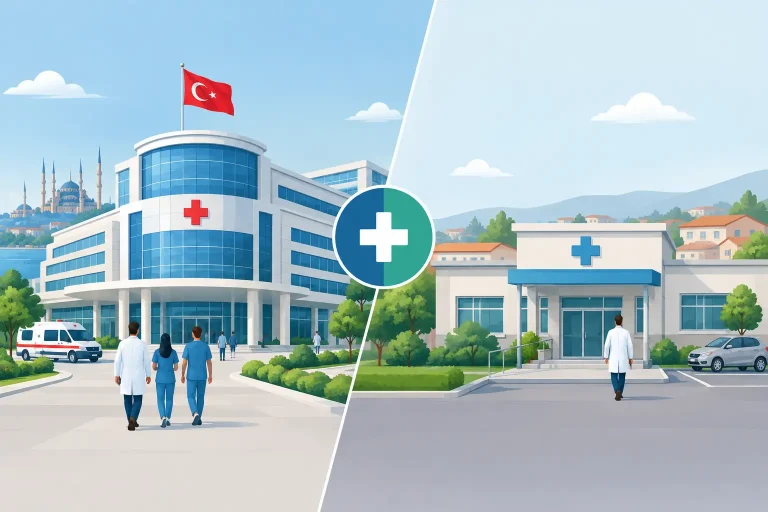
Turkey Hospitals vs Local Hospitals Compared
A lower procedure quote can get a patient’s attention. It should not make the decision on its own.…

Patient Experience That Drives Trust and Growth
A patient who has already uploaded medical records, compared providers, and arranged time away from work is not…

What Is a Medical Travel Facilitator and Why Use One?
A lower treatment quote can look compelling until you try to compare what it actually includes: surgeon fees,…