
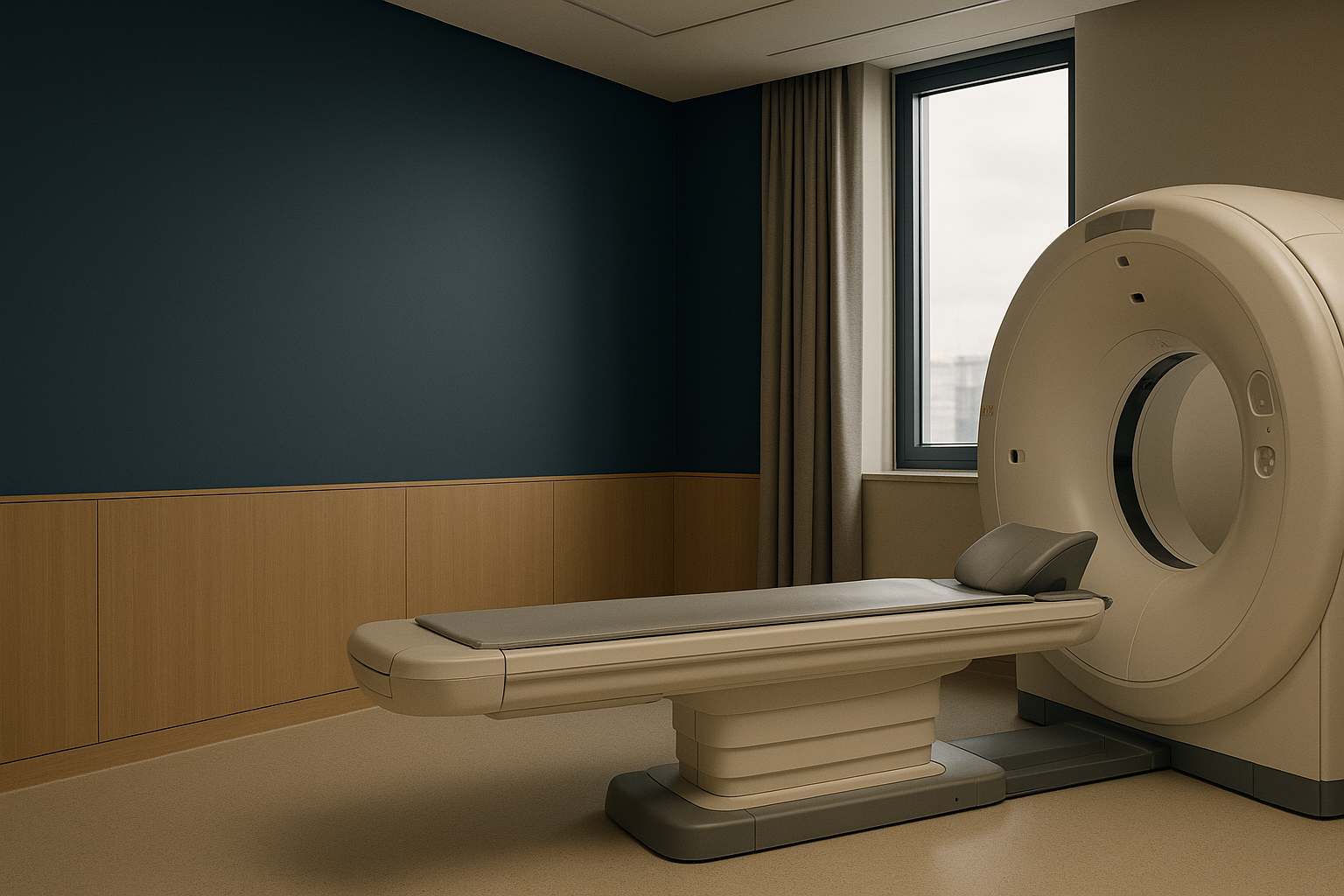
Turkey has emerged as a leading destination for medical tourism, offering high-quality healthcare at competitive prices. With its strategic location and advanced medical facilities, Turkey attracts patients from around the globe seeking various treatments. This guide provides an in-depth look at medical tourism in Turkey, from costs and procedures to safety and accreditation.
Why Choose Turkey for Medical Tourism?
Turkey has become a prominent player in the medical tourism sector due to several factors. First and foremost, the country’s healthcare facilities are equipped with state-of-the-art technology and staffed by highly skilled medical professionals. These professionals often receive training both locally and abroad, ensuring that they are well-versed in the latest medical techniques and technologies. The combination of cutting-edge equipment and expert staff means that patients can expect treatment that is on par with, if not superior to, what they might find in Western countries.
Another compelling reason to choose Turkey for medical tourism is the cost advantage. Medical treatments in Turkey are significantly more affordable compared to those in many Western countries. For example, a heart bypass surgery that might cost upwards of £25,000 in the UK can be performed in Turkey for about £10,000. This cost-effectiveness allows patients to receive top-tier healthcare without exhausting their savings. Moreover, these savings can be further directed towards other areas of recovery and leisure, enhancing the overall experience.
The geographical location of Turkey also plays a crucial role in its appeal. Situated at the crossroads of Europe and Asia, Turkey is easily accessible for patients traveling from either continent. Istanbul, in particular, serves as a major international hub with numerous flights from various global destinations, making travel convenient and efficient. Additionally, the Turkish government has taken active steps to bolster the medical tourism sector by ensuring that healthcare facilities align with international standards, thus providing an additional layer of assurance for international patients.
What Are the Common Treatments Available?
Turkey offers a wide array of medical treatments, catering to diverse healthcare needs, which makes it a versatile choice for international patients. Cosmetic surgery is one of the most sought-after services, with Turkey being a top destination for procedures like rhinoplasty, breast augmentation, and liposuction. Clinics in cities like Istanbul and Antalya provide these services with a high level of expertise and at competitive prices, drawing patients from countries where such procedures are prohibitively expensive.
Dental tourism is another area where Turkey excels, offering high-quality services such as dental implants, veneers, and orthodontic treatments. The cost of a dental implant in Turkey can be as low as £350, compared to about £2,000 in the UK or the US. This affordability, coupled with the expertise of Turkish dental professionals, makes it an attractive option for those seeking dental care.
In the field of fertility treatments, Turkey is renowned for its advanced IVF clinics. These clinics offer cutting-edge technology and boast high success rates, providing hope to many couples. The cost of IVF in Turkey ranges from £2,000 to £3,000, substantially lower than the £5,000 to £8,000 it might cost in Western nations. Moreover, orthopaedic surgeries, including joint replacements and spinal surgeries, are widely available and are performed by specialists who adhere to rigorous safety and quality standards.
How Much Does Medical Treatment Cost in Turkey?
The affordability of medical treatments is a significant draw for patients considering medical tourism in Turkey. On average, patients can expect to save between 40% to 70% on various medical procedures compared to prices in Western countries. For cosmetic surgery, for instance, a procedure like rhinoplasty might cost around £2,500 in Turkey, while the same surgery could exceed £6,000 in the UK or the US. This substantial savings is a primary motivator for many medical tourists.
Dental treatments are another area where significant savings can be realized. A dental implant in Turkey can cost approximately £500 per tooth, which is a fraction of the £2,000 per tooth price tag in countries like the United States or the UK. This makes Turkey an attractive destination for those needing extensive dental work. Similarly, IVF treatments in Turkey, priced between £2,000 to £3,000, offer an affordable option for couples looking to expand their families, compared to the £5,000 to £8,000 costs in Western nations.
While the cost savings are substantial, it is vital for patients to conduct thorough research and select accredited medical facilities. Accreditation from reputable organizations ensures that the facility adheres to international standards of safety and quality, thereby safeguarding the well-being of patients. This careful selection helps mitigate risks associated with medical tourism, allowing patients to enjoy the financial benefits without compromising on healthcare quality.
What Are the Safety and Accreditation Standards?
When it comes to medical tourism, safety is a paramount concern for international patients. Turkey has implemented stringent regulations to ensure that healthcare facilities adhere to international standards. Many hospitals and clinics in Turkey are accredited by globally recognized organizations such as the Joint Commission International (JCI). This accreditation is a testament to the quality and safety of medical services provided, offering reassurance to patients about the standards maintained.
Patients are strongly encouraged to verify the accreditation of their chosen medical facility before proceeding with any treatment. JCI accreditation, for example, ensures that a facility meets specific safety protocols, has highly qualified staff, and utilizes up-to-date technology. It’s a crucial step in the decision-making process, as it directly impacts the quality of care a patient will receive.
- Check for JCI accreditation, which is a hallmark of quality and safety.
- Research the qualifications and track record of medical professionals to ensure they have the necessary expertise and experience.
- Read patient reviews and testimonials to gauge the experiences of previous patients and their satisfaction with the treatment received.
By taking these precautions, patients can confidently select a reputable healthcare provider in Turkey, ensuring a safe and effective medical tourism experience. This due diligence helps mitigate risks and enhances the overall quality of care received in Turkey.
What Are the Travel Requirements for Medical Tourism in Turkey?
Travel requirements for medical tourism in Turkey are designed to be straightforward and accessible, facilitating the influx of international patients. Most nationalities can enter Turkey with an e-Visa, which is both quick and convenient to obtain online. This e-Visa typically allows for stays of up to 90 days, which is generally sufficient for most medical procedures and recovery periods.
Before traveling, it’s essential for patients to ensure that their passport is valid for at least six months beyond the date of entry to Turkey. Meeting this requirement is crucial to avoid any complications at the border. Additionally, prospective patients should stay informed about any specific entry requirements that may be in place, which can vary based on the patient’s country of origin and any prevailing health advisories.
- Verify the specific visa requirements for your nationality and apply for an e-Visa online.
- Confirm that your passport will remain valid for at least six months after your planned entry date.
- Consider obtaining travel insurance that covers medical procedures to provide an additional layer of security during your stay.
By taking these preparatory steps, patients can ensure a smooth and hassle-free travel experience to Turkey for medical purposes. This preparation helps prevent unforeseen issues and allows patients to focus on their treatment and recovery.
How to Plan Your Medical Trip to Turkey?
Planning a medical trip to Turkey involves several meticulous steps to ensure a successful and stress-free experience. The process begins with comprehensive research to identify the right medical facility and treatment. This includes comparing different clinics, reviewing patient testimonials, and verifying the accreditation of each facility. Prospective patients should prioritize clinics with a history of successful outcomes and positive patient feedback.
Once a suitable facility is chosen, the next step is to consult with healthcare providers to discuss the treatment plan, expected outcomes, and recovery process. This consultation is crucial in setting realistic expectations and understanding the nuances of the chosen procedure. Patients should ask detailed questions about the procedure, post-treatment care, and any potential risks involved.
| Step | Action |
|---|---|
| 1 | Conduct thorough research to choose a reputable medical facility. |
| 2 | Consult with healthcare providers to discuss treatment plans and expectations. |
| 3 | Organize travel arrangements and accommodations, ensuring proximity to the medical facility. |
| 4 | Prepare necessary documents, including e-Visa, passport, and travel insurance. |
| 5 | Plan for post-treatment recovery, including any required follow-up visits. |
Finally, logistical arrangements such as travel and accommodation must be meticulously planned. Patients should ensure that their accommodations are conveniently located near the medical facility to facilitate easy access for treatments and follow-up visits. Preparing necessary documents, such as the e-Visa, passport, and travel insurance, is also imperative to ensure a seamless experience. Proper planning and organization are key to a successful medical tourism journey in Turkey.
Conclusion
Medical tourism in Turkey offers a unique opportunity for international patients to access high-quality healthcare at affordable prices. With advanced medical facilities, skilled professionals, and competitive costs, Turkey has positioned itself as a leading destination for a wide range of medical procedures.
By carefully researching and planning their medical trips, patients can enjoy a safe and successful healthcare experience in Turkey. Whether seeking cosmetic surgery, dental treatments, or complex medical procedures, Turkey’s medical tourism industry is well-equipped to cater to diverse patient needs.
Proven result
23× monthly patients from the UK market in six years
Multi-specialty medical travel company (hair, plastic & bariatric surgery)
Frequently asked questions
Is medical treatment in Turkey safe?
Yes, many healthcare facilities in Turkey are accredited by international organizations such as JCI, ensuring high safety and quality standards.
How much can I save on medical procedures in Turkey?
Patients can save between 40% to 70% on various medical treatments compared to costs in Western countries.
What types of medical procedures are popular in Turkey?
Turkey is known for cosmetic surgery, dental treatments, fertility treatments like IVF, orthopaedic surgeries, and eye surgeries.
Do I need a visa for medical tourism in Turkey?
Most nationalities require an e-Visa to enter Turkey, which is valid for short stays, typically up to 90 days.
Related guides

How Overseas Surgery Insurance Really Works
A lower treatment quote can quickly lose its advantage if an unexpected complication extends your stay, requires emergency…

Analyzing the Medical Tourism Market: Current Trends
Quick answerThe medical tourism market is growing due to factors like cost-effective treatments, advanced medical technologies, and international…

Best Country for Cancer Treatment: Top Countries for Advanced Cancer Treatment Options
Quick answerCountries like the USA, Germany, and Japan offer some of the best cancer treatment in the world,…