

Turkey has emerged as a leading destination for orthopaedic surgery, attracting numerous international patients each year. The combination of world-class medical facilities, expert surgeons, and competitive pricing makes it an appealing choice for those seeking treatment abroad. In this article, we delve into the essentials of pursuing orthopaedic surgery in Turkey, offering guidance on costs, timelines, safety, and accreditation.
What Makes Turkey a Top Choice for Orthopaedic Surgery?
Turkey is renowned for its robust healthcare infrastructure, hosting several JCI-accredited hospitals that meet international standards. These facilities are equipped with cutting-edge technology and employ highly skilled medical staff, ensuring patients receive exceptional care. The country’s strategic location between Europe and Asia further enhances its appeal, offering easy access for patients from various regions. Additionally, Turkey’s diverse cultural heritage and hospitality make it a welcoming environment for international visitors.
The expertise of Turkish orthopaedic surgeons, many of whom have trained internationally, ensures high-quality care. These surgeons are often involved in continuous professional development, attending global conferences and participating in research to stay abreast of the latest advancements in orthopaedic techniques. This commitment to excellence translates into superior surgical outcomes for patients.
Moreover, the cost of orthopaedic surgery in Turkey is significantly lower compared to Western countries. This affordability, coupled with the country’s reputation for medical excellence, makes it a prime destination for medical tourism. Patients can expect to pay a fraction of the cost for procedures such as knee replacements or spinal surgeries, without compromising on quality.
Beyond the medical benefits, Turkey offers a rich cultural experience, which can be a pleasant diversion for patients and their families during their stay. The combination of high-quality medical care and a chance to explore historical sites and vibrant markets adds an extra layer of appeal to choosing Turkey for orthopaedic surgery.
- High-quality medical infrastructure
- Experienced and internationally trained surgeons
- Competitive pricing for surgical procedures
- Strategic geographic location
- Cultural hospitality and language support services
How Much Does Orthopaedic Surgery Cost in Turkey?
The cost of orthopaedic surgery in Turkey is generally more affordable than in many Western countries. Prices can vary depending on the complexity of the procedure, the hospital selected, and the surgeon’s expertise. On average, patients can save 40-60% on surgical expenses compared to their home countries. This significant cost-saving is a major factor for many patients choosing Turkey as their surgery destination.
For example, a knee replacement surgery in Turkey can cost approximately $10,000, while the same procedure might range from $30,000 to $50,000 in the United States. Other procedures, such as hip replacements, could cost around $8,000 to $12,000 in Turkey, compared to $20,000 to $40,000 in Western Europe. It’s essential for prospective patients to obtain detailed quotes from multiple hospitals to understand the full scope of costs involved. Additionally, some hospitals offer package deals that include surgery, hospital stay, and even post-operative care, providing further value.
Patients should also consider additional expenses such as travel, accommodation, and any required follow-up treatments. While these costs might add to the overall expenditure, the total remains considerably lower than similar procedures in other countries. By securing multiple quotes and understanding all potential costs, patients can budget effectively for their medical journey.
In addition to the direct costs of surgery, prospective patients should be aware of potential hidden costs, such as pre-surgery consultations and post-surgery rehabilitation, which may or may not be included in the initial quote. Some hospitals in Turkey offer transparency in their pricing models, providing a comprehensive breakdown that can help patients plan better and avoid unforeseen expenses.
- Significant cost savings on procedures
- Price variations based on procedure complexity
- Importance of obtaining detailed quotes
- Potential for package deals including comprehensive care
- Consideration of travel and accommodation expenses
What is the Typical Timeline for Orthopaedic Surgery in Turkey?
The timeline for undergoing orthopaedic surgery in Turkey generally involves several stages, from initial consultation to post-operative care. Initially, prospective patients should plan for a virtual consultation with their chosen surgeon to discuss their medical history and treatment plans. This initial step is crucial for setting realistic expectations and understanding the procedure’s nuances.
Upon arrival in Turkey, patients typically undergo pre-operative assessments, which may take a few days. These assessments include physical examinations, imaging tests like X-rays or MRIs, and possibly lab tests to ensure the patient’s readiness for surgery. The surgical procedure is usually scheduled shortly after these assessments. The timing depends on the surgeon’s schedule and the patient’s specific needs, but surgeries are generally performed within a week of arrival.
Post-surgery, patients may need to stay in Turkey for follow-up appointments and rehabilitation, which can last from two to four weeks, depending on the surgery’s complexity. Rehabilitation might include physical therapy sessions, which are vital for optimal recovery. Overall, the entire process—from consultation to recovery—can span four to six weeks, making it crucial for patients to plan their travel and accommodation accordingly.
This timeline ensures that patients receive comprehensive care throughout their medical journey. By allowing adequate time for each phase of the process, patients can achieve the best possible outcomes and return home with confidence in their recovery.
During this recovery period, patients are advised to follow their doctor’s recommendations closely, including dietary adjustments and prescribed physical activities that aid in faster healing. Some patients may require additional support services, like nursing care or assistance with mobility, which should be arranged in advance to ensure a smooth recovery process.
- Virtual consultations to plan treatment
- Pre-operative assessments upon arrival
- Surgery scheduled within a week
- Post-surgery rehabilitation and follow-ups
- Total timeline of 4 to 6 weeks
How Safe is Orthopaedic Surgery in Turkey?
Patient safety is paramount in Turkish hospitals, many of which have achieved international healthcare accreditation, such as JCI. These accreditations ensure adherence to rigorous safety and quality standards, providing reassurance to international patients. The accreditation process involves comprehensive evaluations of a hospital’s facilities, equipment, and staff qualifications, ensuring that they meet or exceed international benchmarks.
In addition to accreditation, Turkish hospitals employ state-of-the-art technology and adhere to global best practices in patient care. This includes the use of advanced surgical techniques, minimally invasive procedures, and enhanced recovery protocols. Patients are encouraged to research and select hospitals with established safety records and to discuss any concerns with their healthcare provider before proceeding with surgery.
Furthermore, many hospitals offer multilingual support services, aiding communication between patients and medical staff. This ensures that patients fully understand their treatment plans and any post-operative care instructions. The commitment to patient safety, coupled with transparent procedures, contributes to Turkey’s reputation as a secure destination for orthopaedic surgery.
Patients can further enhance their safety by reviewing testimonials from previous patients and seeking recommendations from trusted sources. By selecting accredited hospitals and experienced surgeons, patients can maximize their chances of a successful surgical outcome.
It’s also important for patients to verify the credentials of their chosen medical team, ensuring that surgeons and anesthetists have relevant experience and a track record of successful surgeries. This research will not only provide peace of mind but also help in making informed decisions about their healthcare.
- Internationally accredited hospitals ensure safety
- Use of state-of-the-art technology
- Adherence to global best practices
- Multilingual support services for clear communication
- Importance of patient research and reviews
What Accreditations Should Patients Look for?
When considering orthopaedic surgery in Turkey, it is crucial to choose hospitals that have received international healthcare accreditation. The Joint Commission International (JCI) is one of the most respected accrediting bodies, and JCI-accredited hospitals in Turkey adhere to stringent safety and quality standards. Accreditation by JCI indicates that a hospital has undergone a rigorous evaluation process, focusing on patient safety, healthcare quality, and continuous improvement.
These accreditations ensure that hospitals provide high-quality medical care, maintain patient safety, and employ qualified medical professionals. Other accreditations to look for include ISO certification, which standardizes healthcare services and processes, ensuring consistency and reliability in patient care. Patients should verify accreditation status by visiting the accrediting body’s website or directly contacting the hospital for confirmation.
In addition to formal accreditations, patients can consider awards and recognitions received by the hospital or its medical staff, which can be indicators of excellence in healthcare delivery. By choosing accredited and recognized institutions, patients can ensure they receive reliable and effective treatment.
Patients should also be aware of the specific accreditations relevant to their treatment, such as those focusing on surgical centers or specific medical specialties. This knowledge will help them choose a facility that is not only accredited but also specialized in providing the care they need.
| Accreditation | Significance |
|---|---|
| JCI | Ensures adherence to international quality and safety standards |
| ISO | Standardization of healthcare services and processes |
| ACHC | Focuses on ambulatory healthcare and surgical centers |
How to Prepare for Your Medical Journey to Turkey?
Preparing for orthopaedic surgery in Turkey involves several practical steps. First, patients should gather all relevant medical records and ensure they are translated into English or Turkish. This documentation is crucial for accurate diagnosis and treatment planning. Having a comprehensive medical history, including previous surgeries, allergies, and current medications, will assist the medical team in tailoring the treatment to the patient’s specific needs.
Next, securing a medical visa, if required, and arranging travel and accommodation are essential. Many hospitals offer assistance with these logistics, including airport transfers and accommodation recommendations. Choosing convenient accommodation close to the hospital can reduce travel stress and facilitate easier access to follow-up appointments and rehabilitation sessions.
Finally, patients should ensure they have adequate travel insurance that covers medical procedures abroad, providing additional peace of mind during their medical journey. Travel insurance should cover potential complications, additional hospital days, and any changes in travel plans due to medical reasons. By following these steps, patients can ensure a smooth and successful medical experience in Turkey, benefiting from the country’s renowned healthcare services.
Patients are encouraged to engage in thorough research, including checking reviews and testimonials of the chosen healthcare facility. Establishing clear lines of communication with the medical team and understanding the entire process will also contribute to a more assured medical journey.
Moreover, patients should also consider the cultural differences and language barriers they might encounter. Learning some basic Turkish phrases or having a local contact who can assist with translation and navigation can greatly enhance the experience. Being culturally prepared can turn the medical journey into a more enriching experience.
- Gather and translate medical records
- Secure a medical visa if necessary
- Arrange travel and nearby accommodation
- Ensure comprehensive travel insurance
- Research and communicate with healthcare providers
Conclusion
Orthopaedic surgery in Turkey offers a combination of high-quality care, experienced surgeons, and affordable pricing, making it an attractive option for international patients. By understanding the costs, timelines, safety standards, and accreditation requirements, patients can make informed decisions about their healthcare journey. The comprehensive care provided by Turkish hospitals, coupled with the country’s cultural hospitality, ensures a supportive environment for recovery.
As Turkey continues to grow as a hub for medical tourism, prospective patients can confidently explore their treatment options, ensuring they receive the best possible care. By choosing accredited facilities and expert surgeons, patients can achieve successful outcomes and enjoy a smooth medical experience. With proper planning and research, orthopaedic surgery in Turkey can be a transformative journey, offering both health benefits and cost savings.
Thus, for those considering orthopedic surgery options abroad, Turkey stands out not only for its medical excellence but also for its ability to transform a medical procedure into a holistic experience. The fusion of top-notch healthcare and the rich tapestry of Turkish culture promises more than just medical recovery—it offers a chance for a memorable journey.
Proven result
23× monthly patients from the UK market in six years
Multi-specialty medical travel company (hair, plastic & bariatric surgery)
Frequently asked questions
What are the benefits of choosing Turkey for orthopaedic surgery?
Turkey offers high-quality medical care, experienced surgeons, and cost-effective procedures compared to Western countries.
How do I ensure the hospital in Turkey is accredited?
Check for international accreditation, such as JCI, and verify through the accrediting body’s website or the hospital directly.
What should I prepare before travelling for surgery in Turkey?
Prepare medical records in English or Turkish, secure a medical visa, arrange travel and accommodation, and obtain travel insurance.
How long do I need to stay in Turkey for orthopaedic surgery?
Expect a stay of four to six weeks, including pre-operative assessments, surgery, and post-operative care and rehabilitation.
Related guides

How Overseas Surgery Insurance Really Works
A lower treatment quote can quickly lose its advantage if an unexpected complication extends your stay, requires emergency…

Analyzing the Medical Tourism Market: Current Trends
Quick answerThe medical tourism market is growing due to factors like cost-effective treatments, advanced medical technologies, and international…
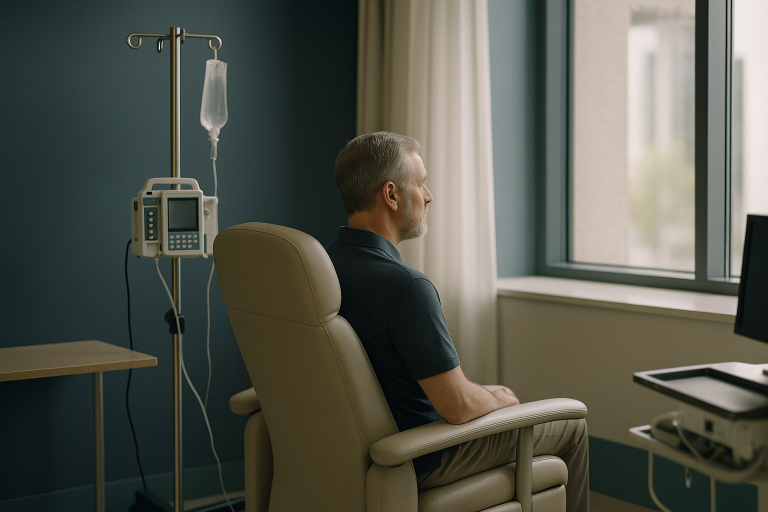
Best Country for Cancer Treatment: Top Countries for Advanced Cancer Treatment Options
Quick answerCountries like the USA, Germany, and Japan offer some of the best cancer treatment in the world,…