
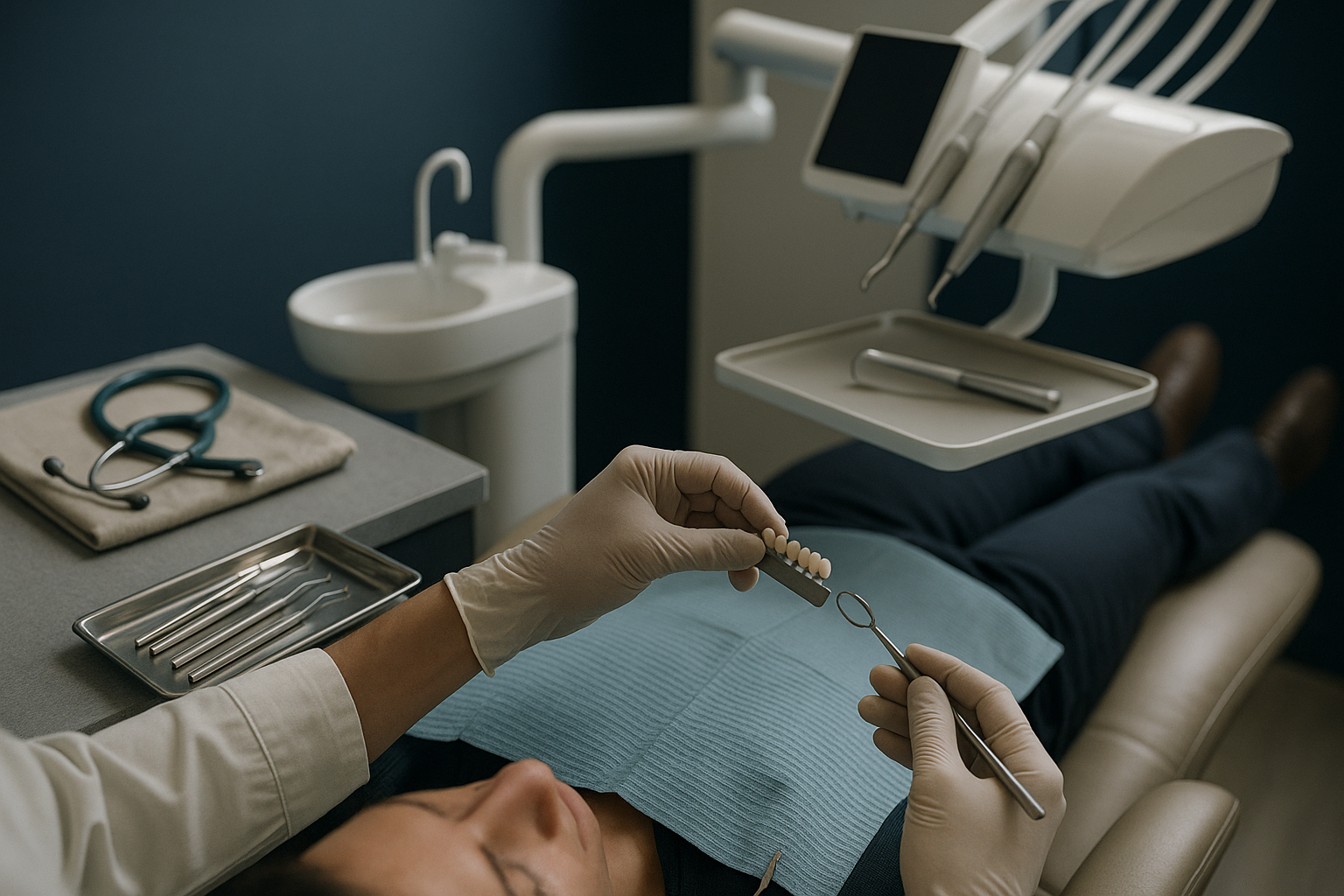
Understanding the price of veneer teeth is crucial for international patients considering dental treatment abroad. This comprehensive guide provides detailed insights into costs, timelines, and safety measures, ensuring you make informed decisions.
What Are Dental Veneers and Why Consider Them?
Dental veneers are thin shells designed to cover the front surface of teeth, enhancing their appearance. They are typically made from porcelain or composite resin. Veneers are popular for correcting various dental issues, such as discoloration, chips, or gaps. These issues might have arisen from lifestyle habits, such as smoking or drinking coffee, which can stain teeth over time, or from accidents that cause visible chips or cracks.
For many, veneers offer a cosmetic solution that boosts confidence. They provide a natural tooth appearance and are stain-resistant, which is particularly appealing for those looking to maintain a bright smile. The procedure is less invasive compared to other dental treatments, making it an attractive option for those seeking quick aesthetic improvements without the extensive recovery time associated with more invasive procedures.
When considering veneers, it’s essential to assess your dental needs and consult with a qualified dentist to determine if this procedure is right for you. A dentist will evaluate the health of your teeth and gums to ensure you’re a good candidate and discuss the potential outcomes and limitations. This step is crucial as veneers are not suitable for those with significant tooth decay or gum disease. Your dentist may also use digital imaging to show potential results, helping you set realistic expectations. Additionally, advances in dental technology now allow for more precise fittings and faster turnaround times, which can be a significant advantage for those with busy schedules.
How Much Do Veneers Cost Abroad?
The price of veneer teeth can vary significantly depending on the country and the material used. On average, the cost ranges from £300 to £1,500 per tooth. Porcelain veneers tend to be more expensive than composite ones due to their durability and aesthetic quality. This price range is influenced by factors such as the cost of living in the treatment country and the quality of the materials used. For instance, porcelain veneers are prized for their natural look and ability to mimic light reflection like natural teeth.
Countries renowned for affordable dental care, such as Hungary, Thailand, and Mexico, offer competitive prices without compromising quality. In Hungary, for example, the industry is supported by a robust healthcare system and a focus on medical tourism. However, it’s crucial to consider travel costs, accommodation, and potential follow-up visits when budgeting for your dental journey. These additional costs can add anywhere from 20% to 30% to your total expenses, depending on your travel and stay arrangements.
It’s advisable to request a detailed quote from your chosen clinic, ensuring all costs are transparent before proceeding with treatment. This quote should include the price of preliminary consultations, the veneers themselves, and any aftercare required. Some clinics may offer package deals that include accommodation and transport, providing a more comprehensive service. Asking for patient testimonials or before-and-after photos can also provide insight into the clinic’s standards and results. Furthermore, consider whether the clinic offers a warranty or follow-up services, as this can be a crucial factor in ensuring long-term satisfaction with your veneers.
Factors Influencing Veneer Costs
Several factors influence the price of veneer teeth, and understanding these can help in making an informed decision:
- Material: Porcelain is more expensive than composite but offers superior longevity and a more natural appearance. Porcelain veneers can last 10-15 years, while composite veneers typically last 5-7 years. The choice between the two often depends on personal preferences and budget, as well as specific dental needs and the desired outcome.
- Location: The country and city play a significant role in cost variations. For example, a veneer in Bangkok might be considerably cheaper than in London, but the travel costs might offset the savings. Consider also the ease of traveling to and from the destination, as some locations might present logistical challenges.
- Clinic Reputation: Renowned clinics with experienced dentists may charge a premium. A clinic with a high success rate and numerous positive reviews can justify higher costs through the assurance of quality and care. It’s often worth paying more for a clinic with exceptional credentials and a track record of satisfied patients.
- Additional Procedures: Preparatory treatments such as teeth cleaning or whitening can add to the overall cost. Some patients may require orthodontic work before veneers can be applied, significantly increasing the total cost. It’s crucial to have a comprehensive treatment plan that includes all necessary steps to achieve the desired result.
Understanding these factors helps in making an informed decision and managing expectations regarding your dental expenses. It’s essential to weigh the importance of each factor based on your priorities, whether it’s cost, quality, or convenience. Consulting with multiple clinics for quotes and treatment plans can provide a clearer picture of what to expect and help you choose the best option for your needs. Additionally, consider the potential for future maintenance and the overall life expectancy of the veneers, as these can impact long-term costs and satisfaction.
What to Expect During the Veneer Procedure?
The dental veneer procedure usually involves several stages, each critical to achieving the desired outcome:
- Consultation: Initial assessment and discussion of your dental goals. This step involves discussing your motivations for getting veneers and any specific outcomes you wish to achieve. Your dentist will also examine your dental health to ensure you are an ideal candidate for veneers. Digital imaging may be used to show potential outcomes, allowing you to visualize the results before committing to the procedure.
- Preparation: Teeth reshaping to accommodate the veneer. This step may involve removing a thin layer of enamel to ensure the veneer fits snugly and looks natural. Local anesthesia is often used to minimize discomfort. In some cases, temporary veneers may be applied while waiting for the permanent ones to be ready, allowing you to maintain a consistent appearance.
- Impression: Making a mould for custom veneer fitting. The dental team will take an impression of your teeth to create veneers that fit perfectly. This process can take about an hour, and the mould is then sent to a lab where your veneers are custom-made. Some clinics may offer digital impressions, which can increase accuracy and reduce the time needed for adjustments.
- Bonding: Final veneer placement and adjustment. Once your veneers are ready, the dentist will check the fit and color before permanently bonding them to your teeth using special cement and a curing light to harden it. The dentist will make final adjustments to ensure comfort and functionality, explaining the aftercare needed to prolong the life of your veneers.
The entire process may take one to two weeks, depending on the complexity of your case and the availability of the dental laboratory. Some clinics offer same-day veneers using advanced technology, but this may come at a higher cost and may not provide the same level of customization as traditional methods. It’s important to follow your dentist’s aftercare instructions to ensure the longevity of your veneers. This includes maintaining good oral hygiene, avoiding hard foods that can chip the veneers, and attending regular dental check-ups. With proper care, veneers can provide a long-lasting and beautiful smile. Understanding the maintenance required and committing to a suitable oral hygiene routine will ensure that your investment in veneers remains a wise choice over the years.
Safety and Accreditation in Medical Tourism
Ensuring safety is paramount when seeking dental treatment abroad. Patients should verify the accreditation of the dental clinic and the qualifications of the practitioners. Accreditation from international bodies such as the Joint Commission International (JCI) can be a reliable indicator of quality care and adherence to high medical standards. Clinics with these certifications have typically undergone rigorous evaluations of their facilities, staff qualifications, and patient care procedures.
Research patient reviews and feedback to gauge the quality of care. Online forums and social media platforms can provide firsthand accounts from previous patients about their experiences and the results achieved. It is also wise to confirm that the clinic follows stringent sterilization protocols to prevent infections—a critical aspect of safe dental care. This might include the use of sterilized instruments, disposable materials, and a clean environment.
Consult with your local healthcare provider before making any travel decisions, ensuring you have a comprehensive understanding of the risks and benefits involved. A local dentist can provide valuable insights into the procedure itself and what to expect, and may offer recommendations for reputable clinics abroad. Additionally, consider arranging for follow-up care upon returning home to monitor the condition of your veneers and address any concerns promptly. It’s also beneficial to understand the local healthcare system in the country of treatment, ensuring you know where to turn in case of emergencies or complications. This proactive approach to safety and planning will give you peace of mind and help facilitate a smooth, successful dental experience abroad.
How Does Price Compare with Rhinoplasty?
While both veneers and rhinoplasty are cosmetic procedures, their costs vary significantly. Rhinoplasty, or a nose job, often ranges from £3,000 to £6,000, considerably more than dental veneers. This price difference is primarily due to the complexity of rhinoplasty, which involves altering bone and cartilage structure and requires a highly skilled surgeon with specialized expertise. The procedure can also have a more extended recovery period, adding potential costs for post-operative care and time off work.
The higher cost of rhinoplasty is due to its complexity and the need for specialized surgical expertise. Patients considering both procedures should evaluate their priorities and budget accordingly. If both are desired, a phased approach might be practical, starting with the procedure that has the most significant impact on self-confidence or appearance.
A financial plan is advisable for managing the costs of multiple cosmetic procedures, ensuring you make informed decisions without financial strain. This plan might involve setting a budget, exploring financing options, and considering the timing of each procedure to accommodate recovery periods. Additionally, understanding the long-term benefits and potential maintenance costs of each procedure can aid in making a well-rounded decision that aligns with personal goals and financial capabilities. Exploring insurance options, if available, or investigating payment plans offered by clinics, can also help manage the financial aspects of these procedures, allowing for a more strategic and stress-free approach to achieving your desired aesthetic outcomes.
Conclusion: Making an Informed Decision
Choosing to undergo dental veneer treatment abroad requires careful consideration of costs, safety, and personal goals. By understanding the price of veneer teeth and weighing it against other cosmetic options like rhinoplasty, patients can make informed choices that align with their aesthetic desires and budgetary constraints. It is crucial to research thoroughly, consult with healthcare professionals, and consider the total cost, including travel and accommodation, before making a final decision.
Always prioritize safety and accreditation when selecting a clinic, and consult with healthcare professionals to ensure a smooth and successful treatment journey. This involves verifying the credentials of the clinic and its practitioners, reviewing patient testimonials, and understanding the clinic’s approach to care. With the right preparation and support, dental veneers can be a transformative experience, offering a significant boost in confidence and self-esteem. Taking the time to understand the procedure, including potential risks and outcomes, will ensure that your decision is well-informed and aligned with your long-term health and aesthetic goals. Ultimately, a thoughtful approach to choosing the right treatment and provider will lead to both satisfying results and a positive experience that enhances your quality of life.
Proven result
80 to 240 dental patients a month from France
High-volume dental clinic, Istanbul
Frequently asked questions
How much is a nose job cost rhinoplasty price?
Rhinoplasty typically costs between £3,000 and £6,000, depending on factors like the surgeon’s expertise and the complexity of the procedure.
Are dental veneers permanent?
While dental veneers are durable, they are not permanent. Porcelain veneers can last 10-15 years, while composite veneers last 5-7 years with proper care.
What materials are dental veneers made from?
Dental veneers are commonly made from porcelain or composite resin, each offering distinct aesthetic and durability benefits.
Is the veneer procedure painful?
The veneer procedure is minimally invasive and typically involves local anaesthesia to ensure patient comfort during tooth preparation and veneer placement.
Can veneers be removed?
Veneers can be removed; however, this may damage the underlying tooth structure. It is essential to discuss potential outcomes with your dentist before placement.
Related guides

What Is a Medical Travel Facilitator and Why Use One?
A lower treatment quote can look compelling until you try to compare what it actually includes: surgeon fees,…

What Hospital Accreditation Reviews Really Tell You
A hospital can have polished facilities, prominent surgeons, and hundreds of five-star ratings, yet those signals do not…

International Patient Onboarding Guide for Hospitals
An international patient inquiry is not simply a lead. It is a person weighing a major medical decision…