
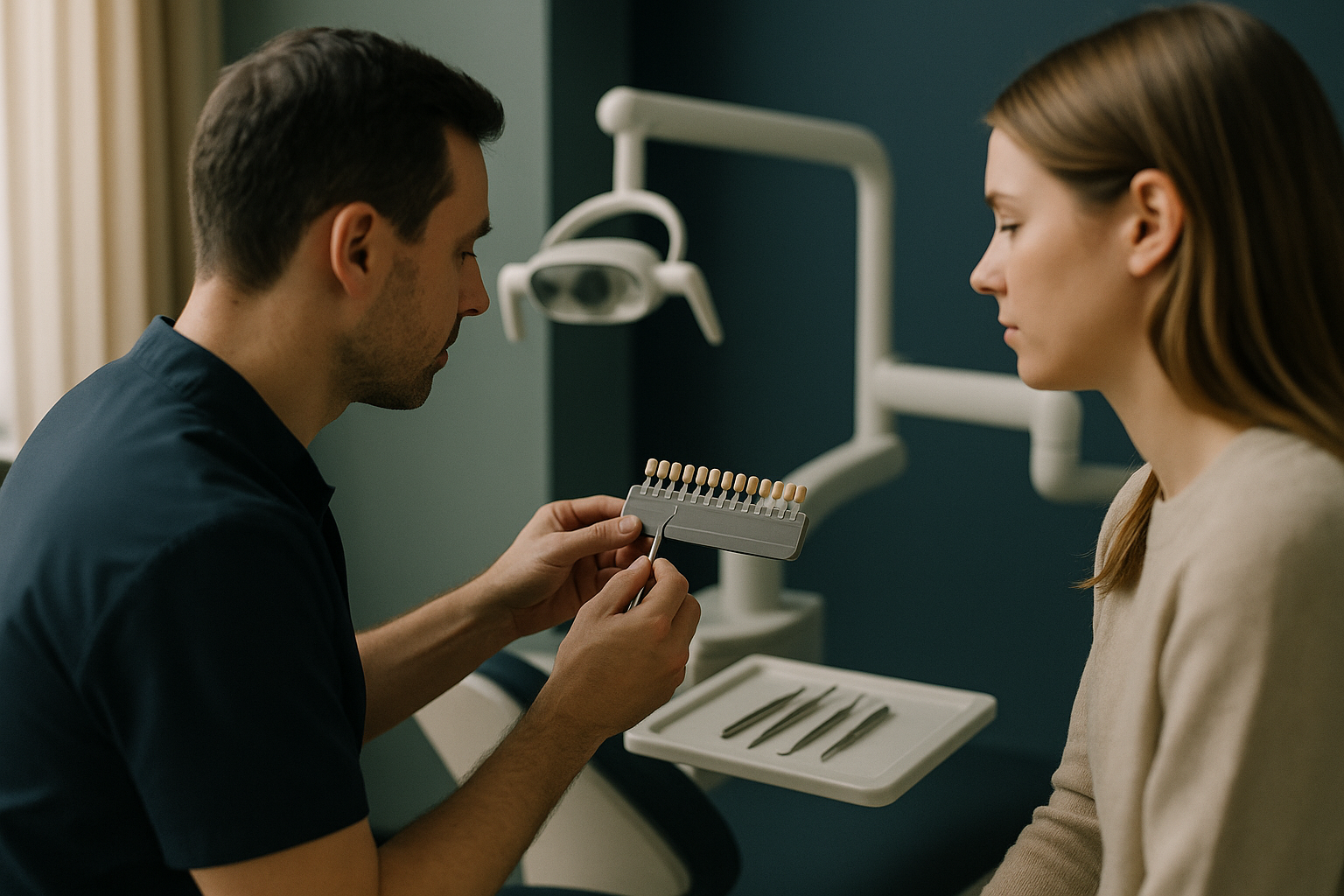
Understanding the cost of veneers is crucial for anyone considering this dental procedure, especially when seeking treatment abroad. This guide explores the factors affecting price veneer, realistic cost expectations, and important considerations for international patients.
What Are Veneers and Why Consider Them?
Veneers are thin shells applied to the surface of teeth to improve appearance by covering imperfections like chips, stains, or gaps. They are typically made from porcelain or composite resin. Porcelain veneers are favored for their natural appearance and durability, often lasting 10 to 15 years with proper care, while composite veneers are more affordable but generally last 5 to 7 years.
The decision to get veneers is often driven by a desire for a more aesthetically pleasing smile. For many, this can lead to enhanced self-esteem and social confidence. A beautiful smile can open doors socially and professionally, giving individuals the confidence to engage in conversations and express themselves freely. This transformation can be particularly significant for those in industries where appearance is closely tied to success, such as sales, public relations, or performing arts.
However, before proceeding, it’s essential to understand the procedure, costs, and potential benefits and risks associated with dental veneers, particularly for those considering treatment abroad. For example, patients should consider the potential for tooth sensitivity post-procedure and the irreversible nature of tooth enamel removal. Comprehensive consultation with a dental professional can provide insights into whether veneers are the right choice for each individual’s dental health and aesthetic goals.
How Much Do Veneers Cost?
The price veneer can significantly vary depending on several factors, including the country where treatment is sought, the material used, and the expertise of the dental professional. On average, prices for dental veneers range from $250 to $2,500 per tooth. In the United States, porcelain veneers can cost between $1,000 and $2,500 per tooth, while composite veneers range from $250 to $1,500 per tooth.
Porcelain veneers are typically more expensive than composite veneers due to their durability and aesthetic appeal. It’s important to balance cost with quality to ensure satisfactory results. While composite veneers might seem more budget-friendly upfront, their shorter lifespan may result in higher long-term costs due to frequent replacements. A patient opting for porcelain veneers might pay more initially but benefit from longer-lasting results and reduced maintenance, which can be a wise investment in terms of both finances and convenience.
It’s advisable to request a detailed cost breakdown from the dental clinic, which should include consultation fees, materials, and additional procedures if needed. Some clinics may offer payment plans or financing options to make the cost more manageable. Always inquire about what is included in the quoted price, ensuring that there are no hidden fees that could inflate the overall cost unexpectedly. Transparency in pricing helps in planning financially and avoids unforeseen expenses.
Factors Influencing Veneer Pricing
Several elements influence the cost of veneers, such as the dentist’s expertise, the type of veneer material, and the complexity of the patient’s dental condition. Each of these factors can drastically change the final price and should be carefully considered by prospective patients. Understanding these can assist in setting realistic expectations and budgeting appropriately.
- Material: Porcelain veneers are usually pricier than composite due to their longevity and natural appearance. The manufacturing process for porcelain is more complex, requiring high-temperature firing to achieve a lifelike translucency. This process enhances the aesthetic appeal, making porcelain a preferred choice for those seeking a seamless appearance.
- Location: The cost can vary greatly from country to country, with some regions offering more competitive pricing due to lower operational costs. For instance, patients may find lower prices in Eastern Europe, Mexico, or parts of Asia compared to the United States or Western Europe. However, it is crucial to ensure that lower costs do not compromise the quality of care and materials used.
- Clinician’s Experience: Experienced dentists may charge more for their services, but this often correlates with higher quality outcomes. A seasoned professional is more likely to provide a precise fit and finish, reducing the risk of complications such as poor adhesion or misalignment. Their expertise can also enhance the aesthetic outcome, delivering a natural and pleasing appearance.
- Number of Veneers Needed: The total cost will also depend on how many veneers a patient decides to get. Some opt for just a few to cover visible teeth, while others may choose a full set for a comprehensive smile makeover. Deciding on the number of veneers involves considering both the desired aesthetic results and the financial investment required.
Understanding these factors can help patients make informed decisions and choose the best option within their budget. It is crucial to weigh short-term savings against long-term benefits and potential additional costs due to the need for future repairs or replacements. Patients should also consider that investing in quality veneers upfront can lead to greater satisfaction and less need for future adjustments.
Is It Safe to Get Veneers Abroad?
Safety is a paramount concern when considering veneers in another country. Patients should ensure the dental clinic is accredited and adheres to international standards for hygiene and patient care. Accreditation from organizations like the International Society of Aesthetic Dentistry or the American Dental Association can offer added confidence in the clinic’s standards, ensuring that treatments are performed safely and effectively.
Researching the credentials and reviews of potential clinics and professionals can provide reassurance. Additionally, some countries have stringent regulations that ensure high standards in dental procedures, such as Germany or South Korea, known for their rigorous dental education and practice standards. These countries often offer advanced dental technologies and techniques, which can enhance the overall treatment experience.
Patients should also consider the travel and recovery time needed, along with any follow-up care that might be required upon returning home. It’s important to plan for potential complications and have a local dentist who can assist with any adjustments or issues that might arise after the procedure. Furthermore, consider the legal and medical recourse options available in the country where the procedure is performed—knowing your rights as a patient can provide peace of mind. Having a backup plan in place can alleviate stress and ensure a smoother recovery process.
Realistic Timelines for Veneer Procedures
The timeline for getting veneers can vary depending on the clinic’s location and the patient’s dental needs. Generally, the process involves an initial consultation, tooth preparation, veneer fabrication, and fitting. Each stage is critical to ensure the best fit and appearance of the veneers, contributing to both the aesthetic and functional success of the treatment.
From start to finish, the process can take anywhere from a few days to several weeks. Some clinics offer expedited services, particularly for international patients, where veneers can be fitted in one or two visits over a week. However, this may come at a premium price. For those on tight schedules or seeking immediate results, these expedited options can be appealing, but they require careful planning and financial consideration.
It’s essential to plan for multiple visits, especially when travelling abroad for treatment. Patients should communicate clearly with their chosen clinic to understand the expected timeline and any preparatory steps needed before the procedure. This might include dental cleanings or preliminary treatments to ensure optimal conditions for veneer placement. Being well-prepared can help prevent delays and enhance the overall experience.
Understanding the timeline can help manage expectations and schedule the procedure to minimize disruption to personal and professional life. Patients may also need to consider recovery time for any sensitivity or gum tenderness following the placement of veneers. Allowing adequate time for healing can ensure the best possible outcome and comfort post-procedure.
Cost Comparison: Veneers vs. Other Dental Procedures
| Procedure | Average Cost |
|---|---|
| Porcelain Veneers | $800 – $2,500 per tooth |
| Composite Veneers | $250 – $1,500 per tooth |
| Teeth Whitening | $300 – $1,000 |
| Dental Implants | $3,000 – $4,500 per implant |
| Braces | $3,000 – $7,000 |
| Bonding | $100 – $400 per tooth |
When comparing the price veneer to other dental procedures, veneers can be a cost-effective solution for cosmetic improvements, especially when the focus is on multiple teeth. Teeth whitening and bonding may offer cheaper alternatives for minor adjustments but may not provide the comprehensive improvement that veneers offer. Veneers not only enhance aesthetic appeal but also strengthen and protect natural teeth, offering a dual advantage.
Patients should weigh the costs against the expected benefits and potential longevity of the veneers. For those seeking dramatic changes, veneers might be the most effective option, providing both aesthetic transformation and durable results. Unlike temporary solutions, veneers offer a long-term investment in dental health and appearance, making them a preferred choice for many seeking lasting enhancements.
Understanding the relative costs and benefits of each procedure can help patients make informed decisions tailored to their specific dental goals and financial situation. Consulting with a dental professional can also provide personalized recommendations based on the condition of the patient’s teeth and desired outcomes. Tailoring the approach to individual needs ensures satisfaction and aligns with personal health and budgetary constraints.
Choosing the Right Clinic for Veneers
Selecting a reputable clinic is crucial for achieving satisfactory results. Patients should look for clinics with positive reviews, experienced staff, and proper accreditation. The reputation of a clinic can be a strong indicator of the quality of care and success rates, ensuring that patients receive value for their investment in both health and aesthetics.
- Check for international accreditations and affiliations with renowned dental associations. This can ensure compliance with global standards and enhance the trustworthiness of the clinic, assuring patients of a high level of care and professionalism.
- Read patient testimonials and reviews to gauge satisfaction levels. Online forums, social media, and independent review sites can provide insights into previous patients’ experiences. These resources can reveal insights into the clinic’s atmosphere, staff demeanor, and overall satisfaction with the results.
- Consider the clinic’s location, as proximity can influence convenience and travel costs. Clinics in major cities might offer more comprehensive services, but rural or suburban areas might provide cost savings without sacrificing quality. Balancing location with personal convenience and budget is key to planning a successful treatment journey.
- Assess the availability of aftercare services and follow-up visits, which are crucial for maintaining the results of the veneers and addressing any issues that may arise. A clinic offering robust aftercare can significantly enhance patient confidence and long-term satisfaction with their veneers.
Thorough research will help ensure that the chosen clinic meets the patient’s expectations and safety standards. Additionally, direct communication with the clinic can provide clarity on procedures, costs, and the qualifications of the dental professionals involved. Ensuring open lines of communication can prevent misunderstandings and enhance the treatment experience.
Conclusion: Making an Informed Decision About Veneers
Understanding the intricacies of veneer pricing and the factors influencing costs is essential for international patients. By researching thoroughly and choosing the right clinic, patients can achieve their desired outcomes safely and affordably. It’s important to approach the decision with a clear understanding of both the aesthetic goals and the financial implications.
As with any medical procedure, it’s crucial to consider both the financial and health aspects before making a decision. With the right preparation, getting veneers abroad can be a rewarding experience, offering a blend of high-quality care and cost-efficiency. Informed decisions lead to greater satisfaction and confidence in both the process and the results.
By evaluating all aspects, from clinic reputation to procedural details, patients can make informed choices that align with their personal needs and expectations, ensuring satisfaction with the final results. Thorough preparation and understanding empower patients to navigate their dental journey effectively and achieve the desired transformation.
Proven result
8× US patient volume since 2024
Plastic & aesthetic surgery clinic
Frequently asked questions
What affects the price of dental veneers?
Factors include material type, dentist experience, location, and the complexity of the procedure.
Are porcelain veneers more expensive than composite?
Yes, porcelain veneers are generally more expensive due to their superior durability and aesthetics.
How long does it take to get veneers?
The process typically ranges from a few days to several weeks, depending on various factors including clinic location.
Is it safe to get veneers abroad?
It can be safe if you choose an accredited clinic with experienced professionals and adhere to international standards.
How does veneer pricing compare to other dental procedures?
Veneers can be a cost-effective option compared to other cosmetic procedures like implants, depending on the number of teeth involved.
Related guides

FUE Hair Transplant: Costs and Considerations
Quick answerFUE hair transplant is a minimally invasive procedure offering natural results. Consider costs, safety, and accreditation when…

Rhinoplasty Costs: What Patients Should Know
Quick answerRhinoplasty costs vary widely from $3,000 to $15,000, depending on factors like location, surgeon expertise, and procedure…

Nose Reshaping: Evaluating the Price Factors
Quick answerThe price of nose reshaping varies globally, typically ranging from $3,000 to $15,000, depending on location, surgeon…