
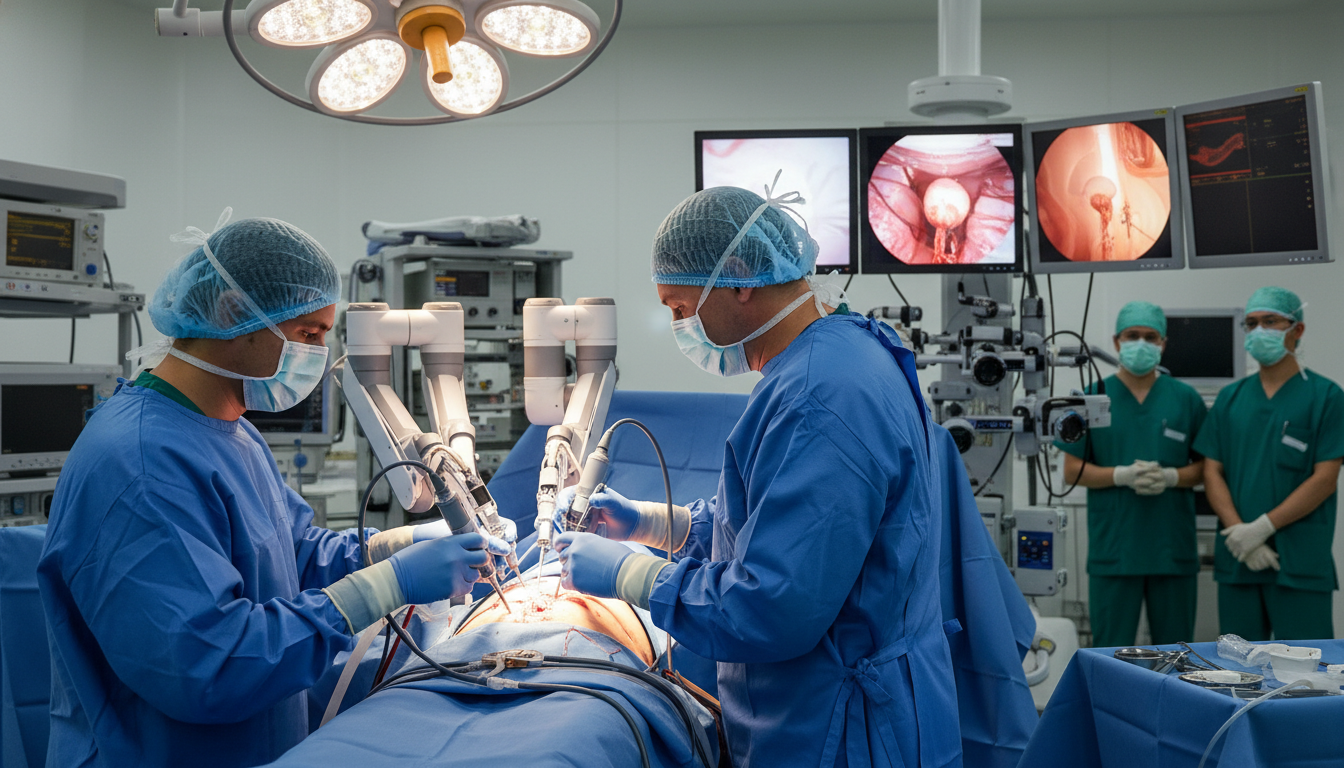
Turkey has quickly become a top choice for people looking for quality urological care. Many travel to get top-notch medical care that focuses on their well-being.
The country is known for mixing advanced medical technology with affordable healthcare. This means patients get excellent care without breaking the bank.
Having Prostate Removal Surgery in Turkey means you get to see experts at work. They use the latest methods to make your recovery quick and easy.
Turkey leads in medical tourism by combining modern facilities with a focus on patients. It’s a great place for those who want top-notch care without spending too much.
Key Takeaways
- Turkey offers a sophisticated blend of modern medical technology and affordability.
- International patients benefit from highly experienced urological specialists.
- The healthcare system prioritises patient comfort and successful clinical outcomes.
- Advanced facilities ensure that complex procedures are performed with precision.
- Medical tourism in the region provides a cost-effective alternative for global travellers.
The Growing Popularity of Medical Tourism in Turkey
Modern medical tourism in Turkey combines advanced technology with patient-focused hospitality. In the last ten years, Turkey has greatly improved its health sector. This effort has made it a top choice for those looking for quality surgeries.
Advancements in Turkish Healthcare Infrastructure
Turkish hospitals have modernised quickly thanks to big investments and a focus on excellence. Many now have Joint Commission International (JCI) accreditation, showing they meet global quality and safety standards. They use the latest in robotic surgery and imaging.
Hospitals also offer a smooth experience for international visitors. They have special departments for international patients that handle everything from travel to language needs. This integrated approach lets medical teams focus on giving the best care.
Why International Patients Choose Turkey for Urological Care
People from all over choose Turkey for urological care because of its efficient healthcare system. Turkey offers quick access to specialists, unlike many Western countries where waiting lists are long. This is important for urgent cases.
Also, Turkey has skilled surgeons who have trained in Europe or the US. This gives patients confidence in their care. The mix of expert doctors, modern facilities, and a friendly atmosphere makes Turkey a leading choice for complex surgeries. Here are the main reasons why.
| Feature | Turkish Healthcare | Western Alternatives |
|---|---|---|
| Waiting Times | Minimal to None | Often Extensive |
| Accreditation | High (JCI Standards) | Variable |
| Cost Efficiency | Highly Competitive | Generally Higher |
| Specialist Access | Direct and Rapid | Referral-Based |
Understanding Prostate Removal Surgery
Understanding prostatectomy is key for those looking at treatment options. This surgery removes the prostate gland. It’s often needed to address health issues that affect a man’s life quality.
By choosing this option, patients aim for a lasting solution to their health problems.
Indications for Prostatectomy
Doctors usually suggest Prostate Removal Surgery when tests show big problems. They look at high Prostate-Specific Antigen (PSA) levels and biopsy results. Early detection is vital for those who will benefit most.
Each patient’s health is carefully checked before surgery. Age, fitness, and prostate tissue details are considered. This ensures the surgery fits the patient’s health goals.
The Role of Surgery in Prostate Cancer Management
In cancer care, surgery is a main way to remove cancer. The goal is to get rid of the tumour and keep other parts safe. This curative intent is a key part of cancer treatment today.
Choosing surgery depends on the cancer’s stage and spread. A team of doctors decides if surgery is best. By removing the gland, they hope to stop the cancer from growing and improve the patient’s future.
Prostate Removal Surgery Techniques and Technologies
Medical technology has changed how surgeons do a prostatectomy. These new tools aim to make patients better and reduce the surgery’s impact. Picking the right method is key to your care.
Robotic Prostate Surgery and the Da Vinci System
The Robotic Prostate Surgery uses the Da Vinci system for better precision. Surgeons control robotic arms for a clear 3D view of the area. This tech lets them work with great accuracy.
This method uses small cuts, leading to less blood loss and quicker recovery. Many patients choose it for its lower risk of problems. It’s the top choice in urology today.
Laparoscopic Versus Open Prostatectomy
Traditional open prostatectomy needs a big cut to reach the prostate. It’s a tried method but takes longer to recover. Doctors might suggest it for certain reasons or past surgeries.
Laparoscopic surgery is less invasive, using small ports. It’s a balance between open surgery and robotic systems. Both aim to remove the prostate well and keep nerves intact.
Selecting the Right Surgical Approach for Your Condition
Your surgeon will look at your body and health history to choose the best Prostate Removal Surgery. Things like tumour size and past health are important. A tailored plan ensures you get the best care.
The table below shows the main surgical methods today:
| Feature | Open Surgery | Laparoscopic | Robotic-Assisted |
|---|---|---|---|
| Incision Size | Large | Small | Very Small |
| Recovery Time | Longer | Moderate | Shortest |
| Precision | Standard | High | Very High |
| Blood Loss | Higher | Lower | Minimal |
The main goal of any Prostate Removal Surgery is to get the best results. Talking about these options with your team will make you feel sure about your treatment. Your health and comfort are always the main focus during your care.
Benefits of Choosing Turkey for Your Procedure
Choosing Turkey for your urological procedure is a smart move. It offers financial savings and top-notch medical care. Many patients from the United States find it perfect for their recovery.
Cost-Effectiveness Compared to the United States
Surgery in the United States can be very expensive. Turkey, on the other hand, has highly competitive pricing without sacrificing quality.
Traveling for surgery can save you a lot of money. These savings often cover travel and luxury stays. This makes your healing process stress-free and comfortable.
Access to World-Class Surgeons and Specialists
Turkish doctors are highly trained and committed to their work. Many have done fellowships or clinical rotations in internationally recognised centres of excellence in Europe and North America.
This global experience means you get care that follows the latest international standards. You can be confident in your surgical team’s expertise for complex urological procedures.
Modern Hospital Facilities and Patient-Centred Care
Turkish hospitals have the latest medical technology. They often have better facilities than many domestic clinics. These hospitals focus on patient-centred care, meeting your needs from the start.
The nursing staff and support teams give you personal attention. They ensure your safety and comfort during your stay. This approach helps reduce anxiety and promotes a positive outlook during recovery.
Preparing for Your Trip to Turkey
Getting ready for prostate surgery in Turkey needs careful planning. You should know that good preparation makes your trip better and helps your recovery. When choosing where to go for medical care, being well-prepared is key.
Medical Consultations and Pre-operative Assessments
Before flying, you’ll have virtual talks with your surgical team. They’ll look at your health history and talk about your surgery.
Here’s what you can expect:
- Detailed health screenings to check if surgery is right for you.
- Talks about anaesthesia protocols and possible risks.
- Details on when your surgery will happen and how long you’ll need to recover.
Logistics: Travel, Accommodation, and Visa Requirements
Planning your trip is as important as the medical side. Turkey makes it easy for international patients, but staying organised helps avoid stress.
Here are key steps to consider:
- Visa Applications: Check visa needs for your country, as many can get an e-visa online.
- Flight Planning: Book flights to arrive a few days before your surgery.
- Recovery Accommodation: Pick a place near the hospital with accessible facilities for comfort after surgery.
Preparing Your Medical Records for International Review
Your medical team needs all your health info to keep you safe. You’ll need to collect diagnostic reports, biopsy results, scans, and your current meds.
Follow these tips for a smooth process:
- Digitise your files: Have clear digital copies of your medical reports.
- Secure sharing: Use encrypted platforms given by your clinic to share health data.
- Translation: Make sure important documents are in English or Turkish for clear communication with your team.
By taking these steps, you lay a strong foundation for your treatment. Good preparation lets you focus on your health and recovery in Turkey.
What to Expect During Your Hospital Stay
When you arrive at a Turkish hospital for your prostate procedure, you start a journey to recovery. Modern Turkish facilities, like the Policlinico Universitario A. Gemelli, use the latest technology. They make sure international patients feel safe and supported right away.
The Surgical Experience and Anaesthesia Protocols
Before surgery, you’ll meet with your team to go over everything. Anaesthesiologists are key to your safety, checking what anaesthesia is best for you. General anaesthesia is often used to keep you comfortable and pain-free.
The surgical area is very clean and controlled to reduce risks. After surgery, you’ll go to a recovery area. Here, your health is watched closely as you wake up.
Post-operative Monitoring and Nursing Care
Right after surgery, you’ll get care from skilled nurses in a special unit. They check your blood pressure, heart rate, and oxygen often. Managing your pain well is a big focus.
Your medical team will visit you often to check how you’re doing. They’ll help you move around early, which is good for your recovery. This helps you get back to normal faster.
Multidisciplinary Teams and Support Services
Your care in Turkey includes a team of experts. This team has physiotherapists, nutritionists, and nurses working together. They make sure you’re taken care of in every way.
| Support Service | Primary Responsibility | Benefit to Patient |
|---|---|---|
| Nursing Staff | 24/7 Monitoring | Immediate safety and comfort |
| Physiotherapy | Early mobilisation | Faster recovery and mobility |
| Nutritionists | Dietary planning | Optimised healing and energy |
| Patient Liaison | Communication support | Reduced stress and clarity |
This team approach means you’re never alone in your recovery. Turkish hospitals offer a caring experience that focuses on your health and well-being.
Recovery from Prostate Surgery
Your journey to wellness doesn’t stop after surgery. A good recovery from prostate surgery needs both medical help and your effort to follow instructions. Knowing the healing stages helps you get back to your life smoothly.
Immediate Post-operative Care and Pain Management
Right after your prostate cancer treatment, comfort and safety are key. Doctors use special pain treatments to keep you comfortable. Early mobilisation is also important to prevent problems and improve blood flow.
Nurses watch your health and the surgery site closely. They teach you how to care for your catheter. This helps manage any pain from the start.
Timeline for Returning to Daily Activities
Many wonder when they can go back to work. Healing times vary, but most can do light office tasks in two to four weeks. Avoid heavy lifting or hard exercise for six weeks to help tissues heal.
Here’s a table showing what you might expect during your recovery:
| Recovery Phase | Typical Timeline | Focus Area |
|---|---|---|
| Immediate Post-op | Days 1–3 | Pain control and mobility |
| Early Healing | Weeks 1–4 | Catheter care and light activity |
| Return to Routine | Weeks 4–8 | Gradual increase in exercise |
| Full Recovery | Months 3–6 | Long-term health monitoring |
Long-term Follow-up and Monitoring
Success in the long run needs regular check-ups. These visits help track your PSA levels and ensure you’re healing well. Your surgeon will keep in touch to check on your progress and answer any questions.
Consistent monitoring helps your team give you the best care. By staying active with follow-up care, you get the best long-term results. Always keep your medical records up to date and share them with your local doctors for better care.
Prostate Surgery Recovery Tips for International Patients
Recovering well from Prostate Surgery is all about managing your health after the operation. It’s key to stick to a routine while you’re away from home. These Prostate Surgery Recovery Tips will help you feel more confident and comfortable during your recovery.

Managing Physical Activity During the Healing Phase
Moving gently is important for a good recovery. Try to walk a bit each day to keep your blood flowing and avoid blood clots. Avoid heavy lifting or hard exercise for at least six weeks, or until your doctor says it’s okay.
Rest when you’re tired. It’s tempting to get back to normal quickly, but be patient for your body to heal right. Start doing more as you get stronger, but always choose comfort over pushing too hard.
Dietary Recommendations and Hydration
Eating right helps your body fix itself. Eat foods high in fibre to avoid constipation, which can be painful during recovery. Include lots of fruits, veggies, and whole grains to help your digestion.
Drinking enough water is also key for your health. Try to drink water all day to stay hydrated. Avoid caffeine and alcohol as they can upset your bladder and slow healing.
When to Seek Medical Attention Post-discharge
Most people get better without problems, but watch for signs that mean you need help fast. Call your doctor or go to the emergency room if you have a high fever or chills. Persistent, heavy bleeding or trouble peeing are big red flags too.
If you have severe pain or signs of infection around your cut, don’t wait. Act fast to keep your health safe. Your safety is the top priority during your recovery.
Risks of Prostate Surgery and How They Are Managed
Understanding the challenges of prostate surgery is key to your recovery. Modern medicine has greatly improved outcomes, but risks are always present. Knowing these risks helps you work with your team for a safe experience.
Common Prostate Surgery Complications
Many worry about side effects from urological procedures. Prostate Surgery Complications like temporary incontinence and sexual function changes are common. But, with the right support, these issues can be managed.
Other risks include minor bleeding, infection, or anaesthesia reactions. These are rare with skilled surgeons in accredited facilities. Open communication with your doctor is the best way to address concerns before surgery.
Mitigating Risks Through Expert Surgical Planning
Modern medicine focuses on precision to lower Risks of Prostate Surgery. Surgeons use advanced imaging and detailed planning for accurate procedures. This careful preparation protects nerves and tissues, vital for long-term function.
The use of Robotic Prostate Surgery has changed how procedures are done. The Da Vinci system offers better visuals and control, reducing complications. It also means smaller incisions, faster healing, and less blood loss.
“The greatest weapon against stress is our ability to choose one thought over another, and in medicine, that choice begins with choosing the right expertise.”
The Importance of Post-operative Rehabilitation
Recovery doesn’t stop when you leave the hospital. A structured rehabilitation programme is crucial for a good quality of life. Pelvic floor exercises, or Kegels, help regain urinary control and strengthen muscles.
Your rehabilitation plan may include:
- Personalised physical therapy sessions to improve core strength.
- Guidance on lifestyle adjustments to support bladder health.
- Regular follow-up appointments to monitor your progress.
- Support services to address any emotional or psychological needs during recovery.
By following these steps, you play a big part in your healing. Robotic Prostate Surgery and dedicated follow-up care are key to a successful recovery.
Prostate Surgery Alternatives and Complementary Treatments
Looking into Prostate Surgery Alternatives helps patients choose what’s best for them. Not everyone needs surgery for prostate issues. Many find non-surgical options work well and keep their life quality high.
Radiation Therapy and Active Surveillance
Active surveillance is a proactive way for men with low-risk prostate issues. Doctors watch them closely with regular tests and scans. This method helps avoid the side effects of more invasive treatments.
Radiation therapy is a strong option for those who don’t want surgery. New methods like external beam radiation or brachytherapy are very precise. These Prostate Surgery Alternatives can stop cancer from growing and keep health long-term.
Hormonal Therapy and Focal Therapies
Hormonal therapy helps manage prostate health by lowering testosterone. This slows cancer cell growth. It’s often used alone or with other treatments, helping those not fit for surgery.
Focal therapies like high-intensity focused ultrasound (HIFU) or cryotherapy are new and exciting. They only treat the diseased part of the prostate. This means less risk of problems like incontinence or erectile issues. Many see these Prostate Surgery Alternatives as a balanced way to recover and stay well.
Navigating the Healthcare System as a Foreign Patient
Seeking specialised surgery in a foreign healthcare system can be daunting. The excitement of high-quality care is matched by the need to overcome logistical challenges. Knowing the support available helps you focus on your health and recovery.
Before you travel, it’s key to check the doctor for your treatment. This ensures they meet your needs. It boosts your confidence in the medical team handling your procedure.
Language Support and Patient Liaison Services
Reputable Turkish hospitals offer patient liaison services to help with communication. These professionals act as your main contact, ensuring your needs are understood by the surgical team. They help with paperwork and explain post-operative instructions in your language.
Having professional translators is a big plus. Clear communication avoids misunderstandings about medication and activity limits. These officers are trained to meet international visitors’ needs, making your stay more comfortable and secure.
Ensuring Continuity of Care Upon Returning Home
Returning home needs a solid plan to keep up the progress made during surgery. Ask for a detailed summary of your procedure, including reports and medication lists, before leaving. This helps your local doctor provide effective follow-up care.
Keeping in touch with your Turkish surgical team and local doctor is advised. Many clinics offer telemedicine consultations. This lets you discuss your recovery with your surgeon from home. It ensures any concerns are quickly addressed by those familiar with your surgery.
| Support Service | Primary Benefit | Availability |
|---|---|---|
| Patient Liaison | Reduces stress and language barriers | 24/7 Support |
| Medical Records | Ensures continuity of care | Upon Discharge |
| Telemedicine | Remote follow-up consultations | Scheduled Basis |
Legal and Ethical Standards in Turkish Urology
Patients going to Turkey for urological care find a strong legal setup. This setup protects their health. The Turkish healthcare follows strict rules that match international standards. This means every patient gets care that is both clinically effective and ethically sound.

Accreditation and Quality Assurance in Turkish Hospitals
Modern hospitals in Turkey focus on being the best. They do this through strict accreditation programs. Many top hospitals have the Joint Commission International (JCI) gold seal. This shows they meet the world’s highest standards for patient safety and care quality.
The Turkish Ministry of Health also checks hospitals regularly. They make sure hospitals follow high standards. They check things like:
- Clinical governance and medical staff qualifications.
- Strict hygiene and sterilisation rules.
- Technology maintenance and safety checks.
- Emergency response and disaster management.
Patient Rights and Informed Consent Procedures
Transparency is key in Turkish medicine. Every patient gets all the details about their diagnosis, the surgery plan, and possible risks.
The informed consent process is a formal legal requirement. It protects your freedom. Before surgery, your surgeon will talk about:
- The surgery’s purpose and nature.
- What to expect and possible problems.
- Other treatment choices for your condition.
- Recovery and follow-up needs.
By signing the consent forms, you show you’ve got all the info. You’ve also had a chance to ask questions. This makes you an active participant in your health care. You’re supported by a system that puts your rights and dignity first.
Conclusion
Choosing the right place for prostate surgery is important. Turkey stands out with its advanced medical tech and skilled surgeons. Patients enjoy modern hospitals that focus on comfort and safety.
Getting ready for surgery and talking clearly with your team is key. Having your medical records and knowing the surgery plan helps. Follow your surgeon’s advice to stay healthy in the long run.
Everyone’s health needs are different. Contact trusted clinics to talk to a urologist about your case. This ensures you get care that fits your needs. Your journey to recovery begins with making an informed choice and caring for your health.
FAQ
Q: Why has Turkey become a leading destination for Prostate Removal Surgery?
A: Turkey is a top choice for medical tourism. It has invested heavily in healthcare infrastructure and advanced technology. Patients are attracted by world-class surgeons and affordable care.
Turkish hospitals meet international standards, like the Joint Commission International (JCI). This ensures high safety and quality.
Q: What is the difference between a traditional Prostatectomy and Robotic Prostate Surgery?
A: A traditional open prostatectomy uses one big cut. Robotic Prostate Surgery, with the Da Vinci Surgical System, is more precise. It uses tiny cuts.
This method leads to less blood loss, less pain, and quicker recovery.
Q: What are the primary Risks of Prostate Surgery and how are they managed?
A: Prostate Surgery can have risks like urinary issues and erectile dysfunction. In Turkey, these risks are lowered through careful planning and nerve-sparing techniques.
Teams work together to help patients recover. This includes pelvic floor physiotherapy to improve function and quality of life.
Q: How cost-effective is it to undergo urological surgery in Turkey compared to the United States?
A: Urological surgery in Turkey is 50% to 70% cheaper than in the United States. This doesn’t mean lower quality care. It’s due to lower costs and government support for medical tourism.
Most clinics offer “all-inclusive” packages. These cover surgery, hospital stay, accommodation, and VIP transfers. This makes the cost clear and manageable.
Q: What should I include in my Prostate Surgery Recovery Tips for the healing phase?
A: For a smooth recovery, stay active but gently. Short walks help prevent blood clots. Follow a recommended diet to avoid constipation and stay hydrated.
Attend all follow-up appointments and do pelvic floor exercises. Avoid heavy lifting for six weeks. Watch for signs like fever or persistent pain, which need immediate medical attention.
Q: Are there any Prostate Surgery Alternatives available for managing prostate cancer?
A: Yes, there are alternatives to surgery. Options include Active Surveillance, Radiation Therapy, Hormonal Therapy, and HIFU (High-Intensity Focused Ultrasound). A specialist in Turkey will decide the best option for you.
Q: How can international patients ensure continuity of care after returning home?
A: Turkish medical centres focus on patient-centred care and ongoing treatment. Before leaving, patients get a detailed medical report and digital records in English.
Teams often work with local doctors in the patient’s home country. This ensures smooth monitoring and follow-up care. Many clinics also offer telemedicine consultations for post-operative reviews.
Q: What legal and ethical protections do foreign patients have in Turkey?
A: The Turkish healthcare system is overseen by the Ministry of Health. It follows strict legal and ethical standards. Patients are protected by clear informed consent procedures.
They understand the procedure, risks, and outcomes before surgery. Patient rights are also protected by law. This ensures international patients receive the same care as locals.
Related guides

What Is a Medical Travel Facilitator and Why Use One?
A lower treatment quote can look compelling until you try to compare what it actually includes: surgeon fees,…

What Hospital Accreditation Reviews Really Tell You
A hospital can have polished facilities, prominent surgeons, and hundreds of five-star ratings, yet those signals do not…

International Patient Onboarding Guide for Hospitals
An international patient inquiry is not simply a lead. It is a person weighing a major medical decision…